










 722 wines
 31 denominations














Chardonnay is a white grape with a clear Italian role.
Wines
626
Acidity
Body
White Grape · Sicily
Carricante is Sicily's answer to Riesling: a bone-dry, high-altitude white from the black lava of Mount Etna, all lemon, green apple and sea salt in youth, whose finest bottles from Milo age a decade into honey and petrol.
The Carricante grape [Car-ri-can-te] is a Sicilian white grape variety, deeply rooted in the volcanic terroir around Mount Etna. It is renowned for its place in history and for being grown at high altitude. Its notable features include longevity and a distinctive minerality. It is the star grape in Etna Bianco DOC wines. It thrives best in temperate climates with significant swings in temperature.
Your cellar, your trips, and the wines you've been tracking are right where you left them.
New here?
Free, always. Education first, we'll never sell you anything you didn't ask to see.
Already have an account?
Enter the email you signed up with and we'll send a link to choose a new password.
Setting it straight
Most Sicilian whites are built to drink young. Carricante is the exception that cellars like a great Riesling.
The anchor fact: Yes, an Italian white really can age: a top Etna Bianco Superiore routinely improves for ten to fifteen years.
Taste · Where it sits
Forget scores out of five. Here’s Carricante described against grapes you already know.
Fuller and stonier than a wispy Pinot Grigio, yet far leaner than an oaked Chardonnay: think firm, mineral weight rather than plushness.
A white, so almost no tannin, but skin and volcanic soil leave a faint phenolic chew and a saline grip on the finish rather than softness.
The engine of the wine: an acidity that can outrun Riesling and a top Soave, mouth-watering and taut, and the reason the best bottles age for years.
Fermented bone-dry, so the fruit shows as green apple, lemon pith and unripe pear rather than sweetness, tart and citrus-led, never tropical.
Key flavours




The map
Carricante is medium-bodied, crisp, fresh acidity, mapped against other white grapes you can buy. The closer a grape sits, the more its weight and freshness resemble Carricante.
Is this for you?
Reach for it when…
Maybe skip it if…
Serving guide
Serve at
10-13°C
Serve it properly cold at 10 to 13C: any warmer and the saline tension turns slack, any colder and the zagara and green-apple aromatics shut down.
Decant
Not needed
No need to decant a young bottle, but give an older Milo Superiore ten minutes of air and its petrol and honey notes unfurl.
Glass
Riesling Glass
A tall, narrow Riesling glass funnels Carricante's citrus and mineral lift; a wide bowl just lets that delicate orange-blossom perfume escape.
Drink within
3-5 days
Bone-dry and high in acid, an open bottle stays lively in the fridge for three to five days, holding on longer than most whites of its weight.
Cellar
2-3 years
Everyday Etna Bianco is best within a few years, but a top Milo Superiore holds a decade or more, trading green apple for honey, beeswax and kerosene like aged Riesling.
On the table
Start with the home-table matches that made the grape, then browse the full cuisine library.

The local match
Etna and Sicilian swordfish share a coastline: the wine's saline cut and lemon lift slice through the fish's meaty richness and echo the salmoriglio's oregano-and-citrus dressing.

Salt on salt
The briny, iodine depth of squid ink mirrors Carricante's volcanic minerality, while its racing acidity keeps a rich, creamy risotto from ever feeling heavy.

Bright and raw
Bone-dry, barely tannic and full of salinity, it acts almost like a squeeze of lemon over raw fish, lifting nigiri where an oaked or sweeter white would smother it.

Spice and citrus
Against caramelised onions and cumin-spiced fish over rice, the wine's orange-blossom perfume and tart lemon core refresh the palate between each warmly spiced forkful.
Browse every pairing
Buy it · three to start with
A curated trio across the price range, then every Carricante on sale in the UK right now.
Entry · everyday
 4 retailers
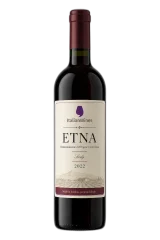
Etna
4 retailers
£22.00
+ delivery
Why this one: The honest introduction to the grape: high-grown Carricante from Tornatore on Etna's northern slopes, all lemon, green apple and crushed stone, unoaked and fresh. The easiest way to see what the fuss is about.
The sweet spot
 5 retailers
Sicilia
5 retailers
£21.00
+ delivery
Why this one: A clear step up in intensity: Planeta's Eruzione bottles Carricante grown high on volcanic slopes, with deeper saline drive and grip than an entry Etna Bianco, and it shows exactly why growers rate the variety.
12 of 76 bottles
 6 retailers
Etna
6 retailers
£21.50
+ delivery
5 retailers
Sicilia
5 retailers
£21.00
+ delivery
 5 retailers
Etna
5 retailers
£23.59
+ delivery
 4 retailers
Etna
4 retailers
£19.46
+ delivery
4 retailers
Etna
4 retailers
£22.00
+ delivery
 4 retailers
Etna
4 retailers
£42.00
+ delivery
 3 retailers
Etna
3 retailers
£23.50
£27.00
+ delivery
 3 retailers
Etna
3 retailers
£24.94
+ delivery
 3 retailers
Etna
3 retailers
£25.90
£28.78
+ delivery
 3 retailers
Terre Siciliane
3 retailers
£29.67
+ delivery
 3 retailers
Terre Siciliane
3 retailers
£33.00
£37.00
+ delivery
 3 retailers
Etna
3 retailers
£36.00
+ delivery
Denominations
The appellations where Carricante plays a starring role.
Where it grows


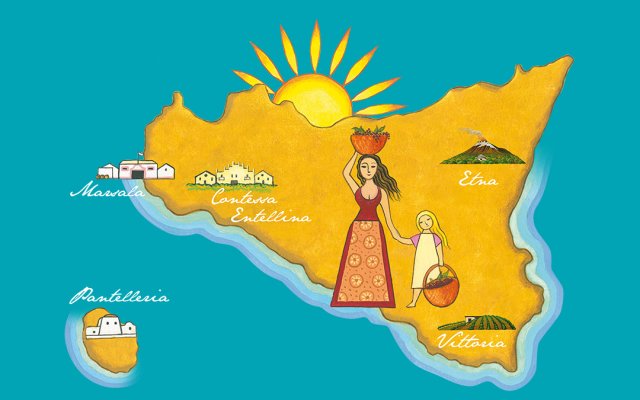
Volcanic Nerello on Etna's black terraces, sun-baked Nero d'Avola on the south-east coast, fortified Marsala in Trapani and UNESCO Zibibbo on Pantelleria: Sicily holds Italy's widest single-region wine map.
The terroir
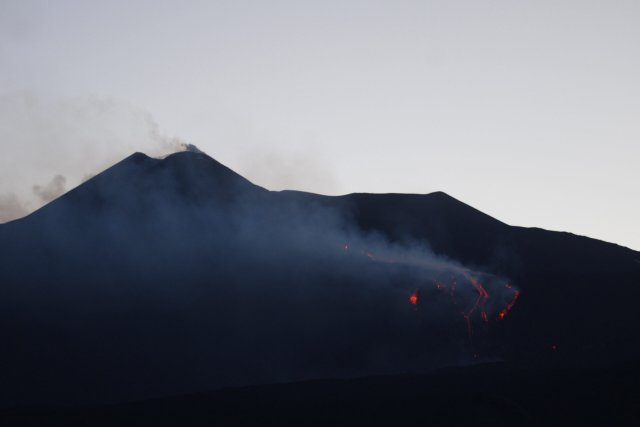
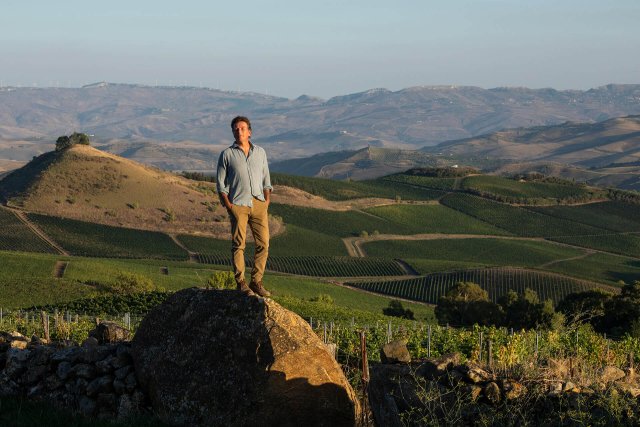
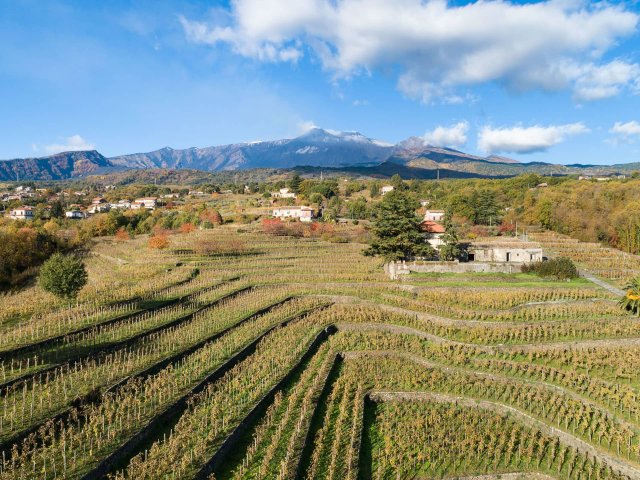
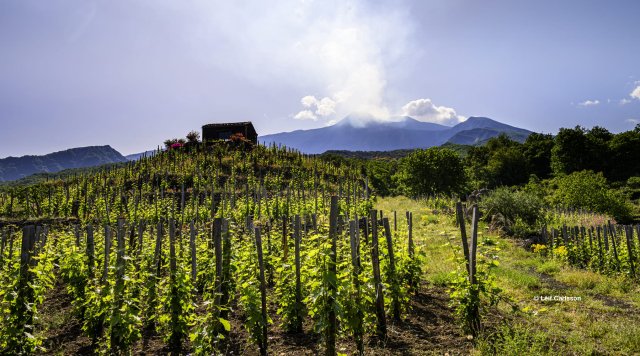
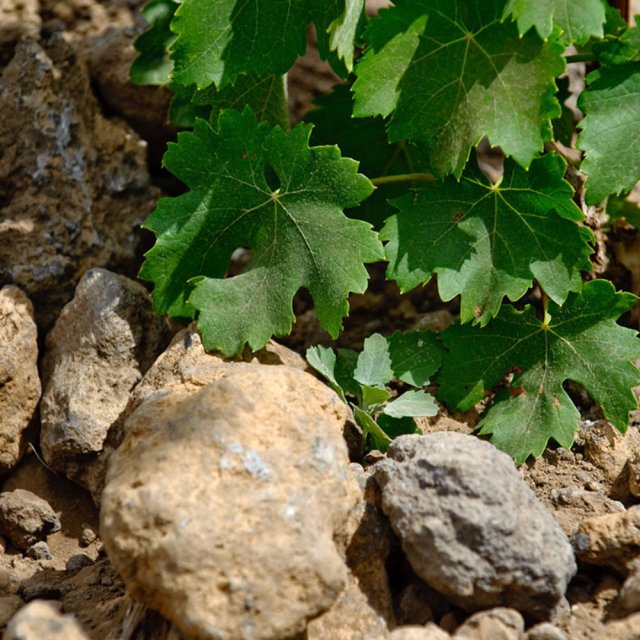
Carricante is a one-mountain grape. It reaches real greatness almost only on Mount Etna, where vineyards climb from around 400 to over 900 metres on black terraces of lava sand, and where the daily swing from Mediterranean sun to near-Alpine night forges the acidity that defines it.
Milo, the grand cru
Etna's east face, above the Ionian Sea
The one comune allowed to write Superiore on the label, a minimum 80 percent Carricante grown on cool, wet, sea-facing slopes: the deepest, most age-worthy, saline style of all.
The northern contrade
Randazzo and Castiglione di Sicilia, Etna's cooler north
Higher, later-ripening terraces where Carricante grows on the same slopes as the red Nerello Mascalese, giving taut, citric, smoky-mineral whites with searing freshness.
Beyond the volcano
The rest of warm, sunny Sicily
Off Etna's cold heights the island's heat burns away Carricante's defining acidity, which is why the grape stays a near-exclusive of the mountain and rarely shines on the lowland plains.
Producers
10 estates on the site work with Carricante. Eight at a time, and the line-up changes every week.
Editorial
Carricante traces its roots back to the ancient soils of Sicily. It is a grape steeped in history and tradition. Its tale is as old as the island itself. People often speculate that it has Greek origins, brought to Italy during the Greco-colonial era around the 8th century BC. It adapted quickly to Sicily's own growing conditions. Carricante emerged as an indigenous grape, set apart from other varieties. By the 18th century, Italian ampelographers were already recording how widely it was grown, above all in the province of Catania.
Carricante carries acidity to rival Riesling and a pH so low the wine can read as faintly salty on the tongue, the volcanic tension that makes an Etna Bianco unmistakable at first sip.
The mark of an Etna whiteOver the years, the grape found its stronghold on the slopes of Mount Etna. Its cultivation carried on through the ages. It became the most grown white grape in Catania until the mid-20th century. Its popularity waned for a period. But the turn of the 21st century saw a resurgence. Forward-thinking winemakers recognised Carricante's untapped potential, and that led to a revival of sorts.
Carricante is rather fussy about climate. It clearly prefers temperate conditions peppered with noticeable temperature variations. In its native Sicily, the grape thrives on the slopes of Mount Etna. There the climate is moderated by altitude and sea breezes.
The Etna region is renowned for its big day-to-night temperature swings. That lets the Carricante grape build a complex set of aromas. Think of it as the grape's own Goldilocks setting: not too hot, not too cold, just right. The result is wine with a distinctive minerality and refreshing acidity. Perhaps you are used to the milder climates of the British Isles. You might even be a fan of our own British-grown Bacchus grape. If so, Carricante offers a deliciously different option for your wine repertoire. It is just as sensitive to climate.
Good to know
The name stems from the Sicilian term "u carricanti", which essentially means "able to fill carts with grapes". It highlights the grape's high yield.
The grape primarily grows on the slopes of Mount Etna in Sicily. It's akin to having your own vineyard on Snowdonia, only much warmer!
Yes, it thrives at high altitudes up to 900-950 meters, similar to the varietals you'd find in elevated wine regions like the Douro Valley in Portugal.
Carricante wines are known for their longevity, thanks to their robust structure and acidity. It's a wine that ages gracefully, much like a fine Bordeaux.
Explore by style
Jump to the editorial guide for each style this grape turns up in.
Keep exploring