
Northern Italy

Lombardy Alpine slopes, lake light

From Franciacorta classic-method bubbles to Valtellina mountain Nebbiolo and Lugana lake-cool whites, Lombardy spans 5 DOCGs across roughly 25,000 hectares of vineyards.

Lombardy is northern Italy at its most diverse. Five DOCG zones share a region with 25 DOCs and over 6,000 producers, working sites that range from 1,200-metre Alpine terraces to lakeside moraines.

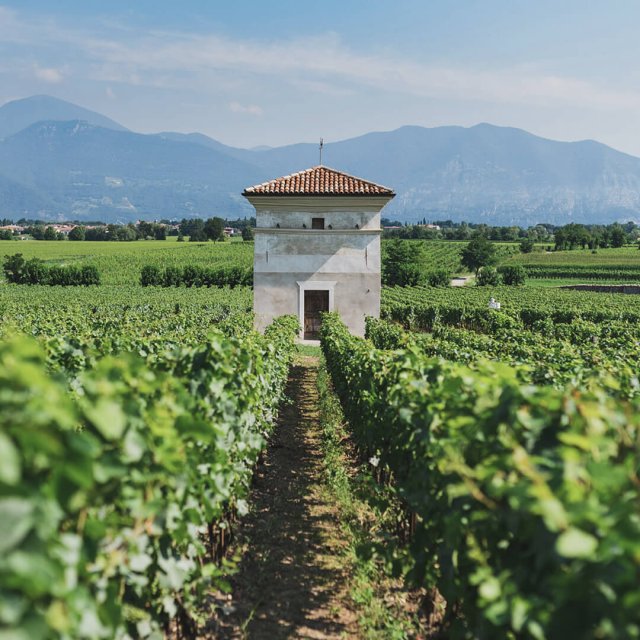
Franciacorta sits at the cultural centre, Italy's first traditional-method sparkling DOCG, built around metodo classico from inception. Valtellina runs east-west along the Adda valley, where Nebbiolo (locally called Chiavennasca) is dry-farmed on hand-built stone terraces facing south.

Oltrepo Pavese covers the southern hills below the Po, an Apennine spur that ripens Pinot Nero, Croatina (the Bonarda grape) and Riesling Italico. Around Lake Garda, Lugana whites are made from Turbiana on heavy clays warmed by the lake. The region produces around 1.3 million hectoliters a year, weighted toward white and sparkling categories.

126
Wines in stock
44
Denominations
12
Heritage grapes
£7 +
Starting price
01 · Wine Areas6

Where Lombardy wine takes shape

The named places that explain the region's grapes, styles, and labels, plotted across the map.

01

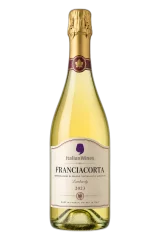
Franciacorta

Italy's metodo classico heartland, a moraine amphitheatre south of Lake Iseo where Chardonnay and Pinot Nero make traditional-method sparkling wine.

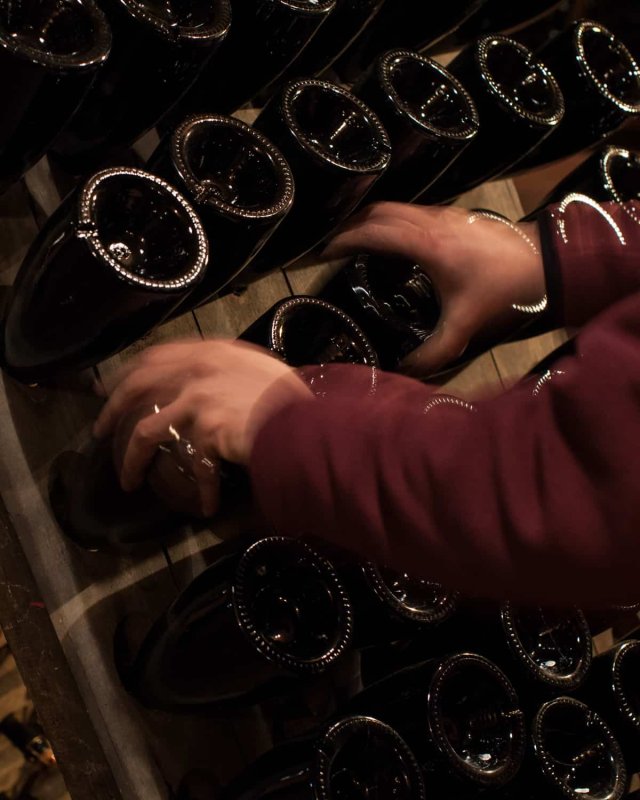
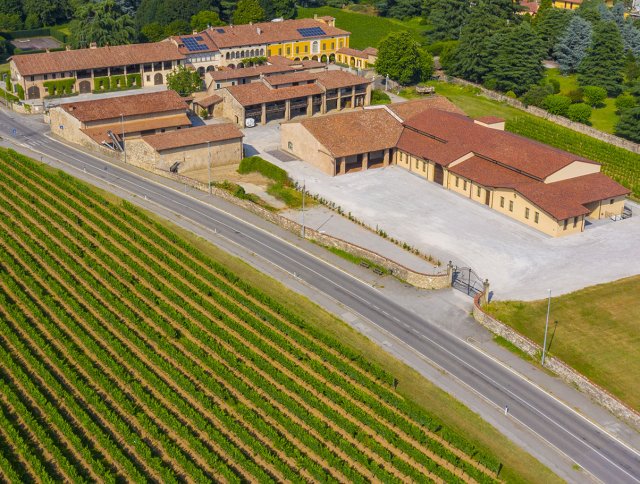
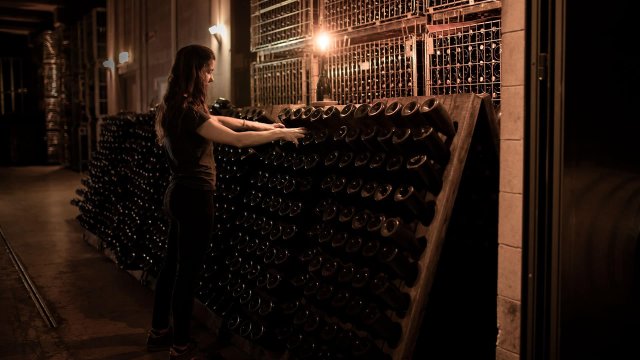
Franciacorta covers around 3,000 hectares between Brescia and Lake Iseo. The DOCG was Italy's first sparkling appellation built exclusively on metodo classico, with mandatory minimum 18 months on the lees for non-vintage and 60 months for Riserva. Soils are a mosaic of glacial morainic gravels, limestone and clay laid down by the retreating Iseo glacier. Erbamat, the late-ripening native white, is now permitted up to 10 percent in the blend as a response to warmer harvests.

02

Valtellina

Alpine Nebbiolo terraces facing south across the Adda valley, where Chiavennasca makes the only mountain DOCG built on hand-built dry stone walls.

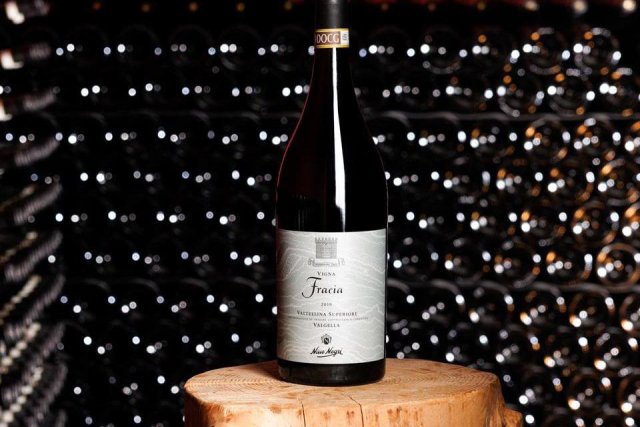
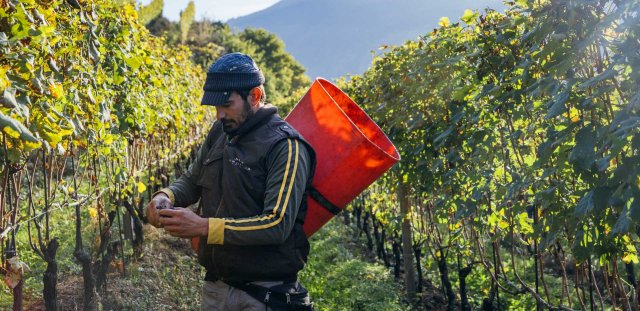
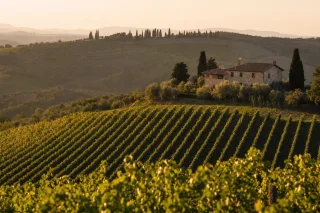
Valtellina runs east-west along the Adda between Sondrio and Tirano, the rare Italian mountain zone where Nebbiolo (locally Chiavennasca) ripens reliably above 600 metres. Vineyards climb to 750 metres on terraces held by 2,500 kilometres of dry stone walls, recognised by UNESCO as cultural landscape. Sub-zones from west to east are Maroggia, Sassella, Grumello, Inferno and Valgella; Sforzato is a dry passito DOCG made from grapes air-dried until December.

03

Oltrepò Pavese

The southern Apennine spur below Pavia, Italy's third-largest Pinot Nero zone and the historic home of Bonarda (Croatina).

Oltrepò Pavese spans 13,500 hectares of hill across the Pavia province south of the Po. It holds the country's largest Pinot Nero plantings outside Trentino-Alto Adige and is the cultural home of Bonarda, the local name for Croatina. The triangular hill area extends from Stradella to the Apennine ridge bordering Piemonte and Emilia, with calcareous-clay soils on south-facing exposures. The Metodo Classico DOCG covers traditional-method sparkling from minimum 70 percent Pinot Nero, with Cruasé designating the rosé style.

04

Lugana and Lake Garda

Heavy clay flats on the southern shore of Lake Garda where Turbiana (Trebbiano di Lugana) makes age-worthy whites with marked salinity.

Lugana DOC straddles Lombardy and Veneto on the morainic plain south of Lake Garda. The variety is Turbiana, a clone closely related to Verdicchio rather than to Trebbiano Toscano. Heavy clay soils retain water and slow ripening, producing whites with structure, acid drive and a saline finish that ages 5 to 15 years in the Riserva and Superiore tiers. Garda DOC covers a wider varietal palette around the lake basin (Pinot Grigio, Chardonnay, Cabernet, Merlot).

05

Valcalepio and Scanzo

The Bergamo hills, where Valcalepio blends Cabernet and Merlot and the tiny Scanzo DOCG makes Italy's smallest DOCG passito red.

Valcalepio DOC covers the morainic foothills east of Bergamo from Lake Iseo to Lake d'Endine. The classic dry red is a Cabernet Sauvignon and Merlot blend; the white is a Pinot Bianco and Chardonnay assemblage. Within Valcalepio sits Moscato di Scanzo DOCG, Italy's smallest DOCG by area at around 30 hectares, producing a rare passito red from Moscato di Scanzo (a black-berried Muscat variant) air-dried for 21 days minimum.

06

Lambrusco Mantovano

The Lombard slice of Lambrusco country on the Po plain south of Mantua, frizzante reds from Lambrusco Viadanese and Maestri.

Lambrusco Mantovano DOC sits on the alluvial Po plain south and east of Mantua, the Lombardy edge of the wider Lambrusco zone that extends into Emilia-Romagna. The dominant varieties are Lambrusco Viadanese and Lambrusco Maestri, blended for rounder, less austere frizzante reds than the Modenese examples. Production is overwhelmingly co-operative and tied to the local pork-and-Parmigiano table.

02 · Regional Guide6

Understanding Lombardy

Layered notes on terroir, history, label rules, taste, drinking window and where to start.

03 · Wines To Know6

What to drink from Lombardy

A short shortlist that maps the region: benchmark reds, signature whites and the labels worth a step-up.

04 · Heritage Grapes9

The grapes behind the bottle

9 curated guides with editorial content. Pronunciations, traits and the regional footprint of each variety.

Browse all grape guides

05 · Editor's Picks126

Wines from Lombardy

A starter selection from the catalogue. Pour them as a regional flight.

View all 126 wines

06 · La Tavola6

The table of Lombardy

Mountain, pasture and coast on one plate. Pour the regional wine alongside.

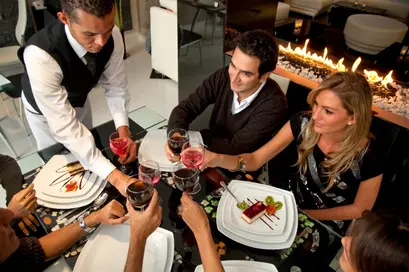
Lombard food and Lombard wine share an alpine clarity. Risotto alla milanese, with its saffron heart, asks for an aged Franciacorta Riserva or a structured Lugana Riserva.

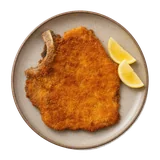
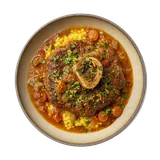
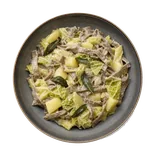
Cotoletta and ossobuco both lean into Valtellina Superiore, whose dry-farmed Nebbiolo cuts veal fat without overpowering bone marrow. Pizzoccheri, the buckwheat-and-cabbage pasta of Valtellina, calls for a youthful Sforzato.

Aperitivo hour belongs to Franciacorta Saten and to dry Bonarda from the Oltrepo. Gorgonzola finishes the meal with a glass of Moscato di Scanzo, the rare Bergamasco passito DOCG.

07 · On The Ground16

Explore Lombardy by place

Wine routes, towns and wineries to follow when you go.

Wine routes

Wine towns

Wineries to follow

08 · Common Questions9

Ask the sommelier

Quick answers about Lombardy. Numbers, denominations, food and what to start with.

Lombardy's headline wines are Franciacorta DOCG (traditional-method sparkling), Valtellina Superiore DOCG and Sforzato di Valtellina DOCG (Alpine Nebbiolo dry and passito), Lugana DOC (age-worthy Turbiana whites from Lake Garda), Oltrepò Pavese Pinot Nero (still and metodo classico) and the rare Moscato di Scanzo DOCG passito red. Together they cover sparkling, mountain red, lake white and Pinot Nero categories within a single region.

Franciacorta is made by the traditional method, with secondary fermentation in the bottle and a minimum 18 months on lees (60 for Riserva). Prosecco is made by the Charmat method, with secondary fermentation in tank and a few months minimum on lees. Franciacorta uses Chardonnay, Pinot Nero, Pinot Bianco and Erbamat. Prosecco uses Glera. The two wines target different palates and different price points.

Chiavennasca is the Valtellina name for Nebbiolo. Compared with Barolo, Valtellina Superiore is paler in colour, lighter in body and lower in alcohol (12.5 to 13.5 percent rather than 14.5 plus), with red-cherry rather than tar character. The grape is the same, but Valtellina's mountain altitude, sandy granite soils and cooler harvests produce a more linear, high-acid expression.

No. Lugana is made from Turbiana, which DNA studies have shown to be closely related to Verdicchio rather than to Trebbiano Toscano. The historic name Trebbiano di Lugana is misleading. Lugana whites have structure, acid drive and a saline finish that ages 5 to 15 years in the Riserva and Superiore tiers, behaviour closer to Verdicchio than to most Trebbiano.

Bonarda dell'Oltrepò Pavese DOC is made primarily from Croatina, not from the Bonarda Piemontese variety used in Piemonte. The wine is usually frizzante, ruby-deep, dry to softly amabile, and built for everyday Lombard food. Sangue di Giuda is the sweet-style sister, and Buttafuoco is the still, more structured Croatina-Barbera blend from the same hills.

Risotto alla milanese with aged Franciacorta Riserva or Lugana Riserva. Cotoletta and ossobuco with Valtellina Superiore. Pizzoccheri with young Sforzato. Bonarda dell'Oltrepò with salame and Lambrusco Mantovano with tortelli di zucca. Gorgonzola with Moscato di Scanzo passito.

We currently list 126 wines from Lombardy, starting from £6.80. Browse them all on our wines page.

We currently curate 9 active Lombardy grape guides, including Barbera, Chardonnay, Erbamat, Lambrusco, Malvasia di Candia, and more. This is an editorial selection, not the complete regional grape list.

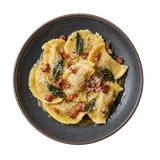
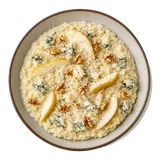
Lombardy is renowned for dishes including Casoncelli, Cotoletta alla Milanese, Gorgonzola, pear, and walnut risotto, Ossobuco alla Milanese.

09 · Keep Exploring

Your next pour

More of Northern Italy, with similar terroir and table.

Wine styles made in Lombardy

Italian Red wine

Red

Italy's boldest expression, structured, complex, built for food

37 wines 15 grapes From £9.00
Explore red
Italian White wine

White

Crisp and versatile, from alpine freshness to Mediterranean warmth

52 wines 15 grapes 2 denominations From £6.80
Explore white
Italian Sparkling wine

Sparkling

From Prosecco to Franciacorta, bubbles for every occasion

32 wines 15 grapes 1 denominations From £17.99
Explore sparkling