About Sandro Fay
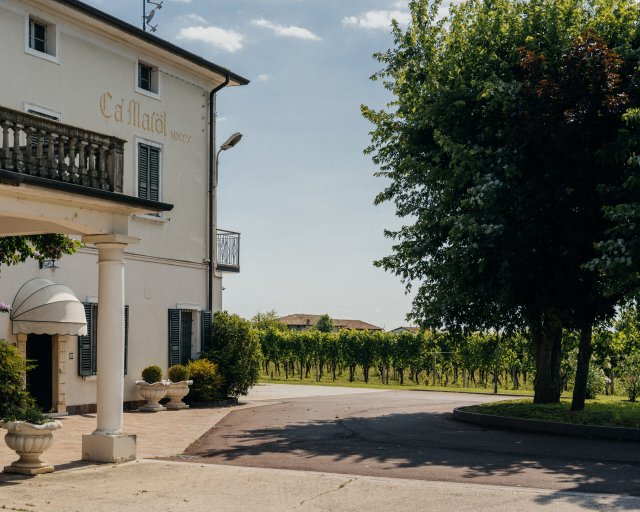
Sandro Fay founded the Società Agricola Fay in 1973. He took the small family wine business and turned it into a proper estate. Since 1998 his children have worked alongside him. Marco studied oenology in Trentino and trained in Barolo before taking over the winemaking. Elena runs visits and the commercial side. The estate today covers 15 hectares of terraced vineyard around San Giacomo di Teglio, in the heart of Valgella. It is one of the names most often cited when Valgella is treated as a serious name in its own right. The rival view calls Valgella the gentlest of the five Valtellina Superiore zones.
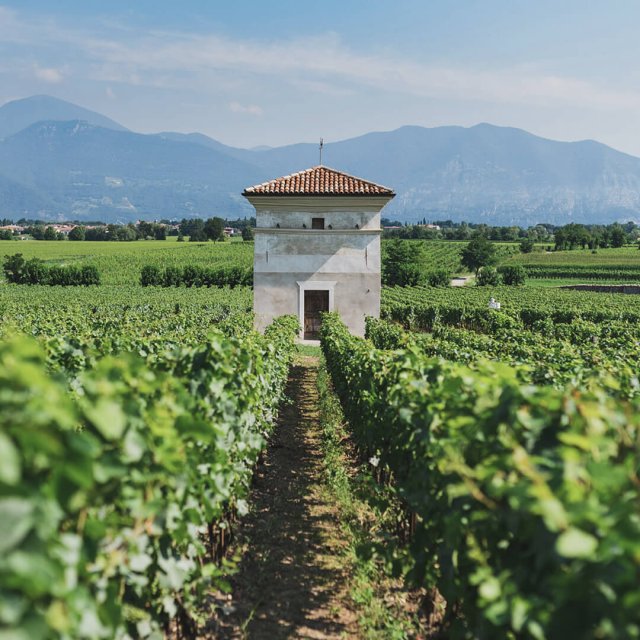
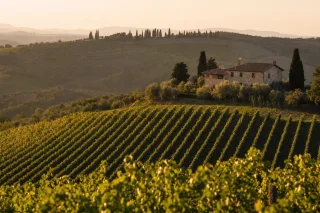
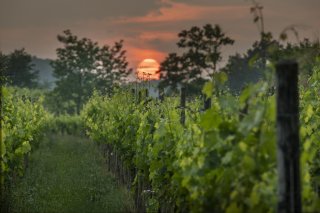
The vines sit between 350 and 900 metres on the south slope of the Rhaetian Alps. Their stone-walled terraces have been worked since the Middle Ages. The soil is mostly sandy material from decomposed granite: around 70 percent sand, roughly 18 percent silt, almost no clay or limestone. It is markedly acid, with a pH between 4.5 and 5.5. That profile matters. It gives the wines their light colour, their transparent texture and their salty lift. It is also why the estate insists on bottling each parcel separately, rather than blending across the property.
The grape is Chiavennasca, the Valtellina name for Nebbiolo, and it has been farmed on these terraces for over a thousand years. Valgella is one of the five named sub-zones of Valtellina Superiore DOCG. It stretches for 338 acres inside the municipality of Teglio. The name comes from the dialect word valgel, the small streams that cut the slopes. Next to neighbouring Sassella or Inferno, Valgella tends to give a lighter, more aromatic, more fruit-forward Chiavennasca. Sandro Fay's bottlings have done a lot to argue that this style is a strength, not a compromise.
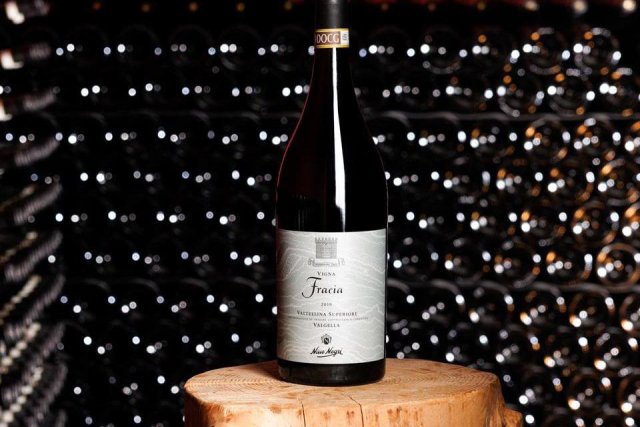
The range starts with Téi, a Rosso di Valtellina DOC that takes its name from Teglio in dialect. Then come three Valtellina Superiore DOCG bottlings: the Valgella Il Glicine, the Sassella Cà Moréi from a parcel outside the home zone, and the Valgella Carterìa Riserva. Decanter and a number of UK importers treat the Carterìa as the estate's flagship. Above those sits Ronco del Picchio, a Sforzato di Valtellina DOCG made in the appassimento style from air-dried Chiavennasca. A small set of Alpi Retiche IGT wines fills out the list, among them La Faya rosso, Sotcastèl Chardonnay and Ronco Valene bianco.
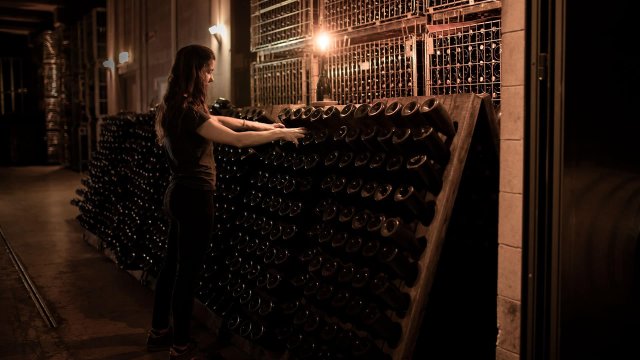
The estate is open for tours and tastings, run mostly by Elena. It is a working family cellar rather than a hospitality operation. Visits are by appointment only and need to be booked by email, in practice around a month ahead. A typical session walks through the cellar above San Giacomo and finishes with a tasting of about five wines. It traces Téi, the Valgella line and at least one Sforzato. English is spoken. There is no on-site restaurant, no accommodation and no online booking system.
Editorial · ItalianWines.co.uk







 Lombardy
 Est. 1973
  4 wines
  Tastings
 Tours
Tours
 Booking required