

Southern Italy
Basilicata Mount Vulture craters, Aglianico depths
Italy's smallest southern producer, where Aglianico ripens late on the volcanic cones of Mount Vulture and Matera's tufa cellars age the country's most under-priced age-worthy reds.
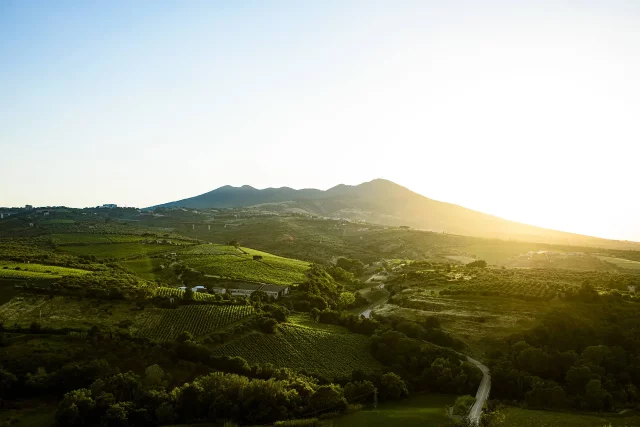
Basilicata sits between Campania, Puglia and Calabria in Italy's deep south. It is the country's least-visited mainland region and one of its smallest by vineyard area, yet it carries a single decisive credential: Aglianico del Vulture Superiore DOCG, elevated in 2011 as the region's only DOCG and the southern Italian counterpart to Taurasi. Production centres on the extinct volcano of Mount Vulture, where vines grow on volcanic soils between 450 and 600 metres and the late-ripening Aglianico grape is harvested into early November.
Around that focal point sit four DOCs: Aglianico del Vulture, Matera, Grottino di Roccanova and Terre dell'Alta Val d'Agri, plus the regional Basilicata IGT. Total vineyard area is roughly 4,000 hectares, red varieties account for around 90 per cent of plantings, and Aglianico alone covers more than 60 per cent of vineyard area.
Where Basilicata wine takes shape
The named places that explain the region's grapes, styles, and labels, plotted across the map.
Vulture
Volcanic cone of Mount Vulture, the engine room of Aglianico del Vulture DOC and the only DOCG in Basilicata.
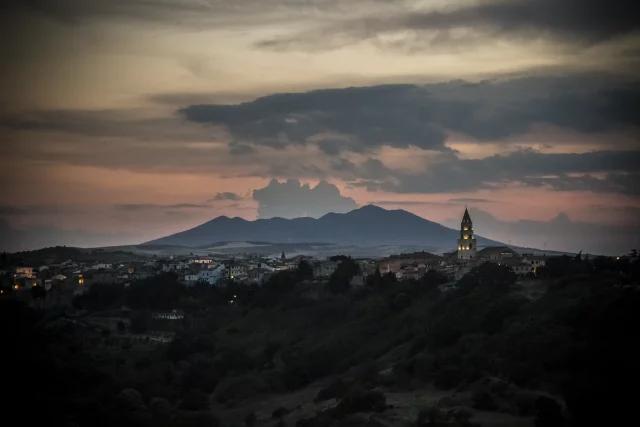
An extinct volcano in northern Basilicata whose tufa, lava and pumice soils define the region's flagship reds. Aglianico is planted between 450 and 600 metres around Rionero in Vulture, Barile, Melfi, Rapolla and Venosa. Late ripening pushes harvest into early November and gives the wines firm tannin, dark cherry fruit and a savoury volcanic salinity. The Superiore tier (DOCG since 2011) requires 13.5% minimum alcohol and three years of ageing; Riserva needs five years with two in wood.
Collina Materana
The Murge limestone hills around Matera, home to the youngest of Basilicata's DOCs and the country's most cinematic tufa cellars.
The eastern edge of Basilicata facing Puglia, where Matera's Sassi sit on the Murge limestone plateau. The Matera DOC, the region's youngest and smallest by area, covers six wine types: red and rose blends led by Sangiovese, Aglianico, Primitivo and the local Moro di Matera, plus white wines based on Greco Bianco and Malvasia Bianca di Basilicata.
Val d'Agri
An inland river valley in central Basilicata growing Bordeaux varieties and a small share of Aglianico under Terre dell'Alta Val d'Agri DOC.
The upper Agri valley sits in the Province of Potenza between the Lucano Apennines and the Pollino massif. The DOC was established to recognise an unusual southern Italian terroir for Merlot, Cabernet Sauvignon and a measured share of Aglianico. The wines come in red, red riserva and rose styles.
Roccanova
A south-eastern hill area in the Province of Potenza behind the Ionian coast, working Sangiovese and Malvasia under Grottino di Roccanova DOC.
Hilly terrain in southern Basilicata named after the rock cellars (grottini) carved into local sandstone where the wine has historically been aged. The DOC produces Sangiovese-led reds and roses along with Malvasia Bianca-led whites.
Understanding Basilicata
Layered notes on terroir, history, label rules, taste, drinking window and where to start.
Terroir
The Vulture volcano and Basilicata's red bias
Why a single extinct volcano carries the region's wine identity.
Basilicata's wine map is short: roughly 4,000 hectares of vineyard, 90 per cent planted to red varieties, and one grape (Aglianico) on more than 60 per cent of the surface. The reason is geological. Mount Vulture, an extinct stratovolcano in the north of the region, deposits tufa, lava and pumice across the slopes that ring the cone, and the late-ripening Aglianico vine performs there with a precision it does not reach elsewhere. Vines sit between 450 and 600 metres on slopes around Rionero in Vulture, Barile, Melfi, Rapolla and Venosa. Outside Vulture, terroir splinters: limestone Murge around Matera, sandstone hills at Roccanova, an inland Apennine valley at Val d'Agri. None of those zones rivals Vulture in scale or international recognition, but each gives Aglianico, Sangiovese, Greco and Malvasia distinct registers.
History
Aglianico from Greek vines to DOCG
How a vine introduced by Greek settlers became Italy's southern answer to Barolo.
Aglianico is widely held to have arrived with Greek settlers in the 7th or 6th century BC, and the Vulture area carries some of the deepest archaeological proof: a Roman-era wine press near Rionero in Vulture, a bronze coin depicting Dionysus, and Horace, born in Venosa in 65 BC, writing about the local wine. The medieval Swabian and Angevin courts requested Vulture wines by the cartload (Charles of Anjou ordered 400 salme of vino rubeo Melfie in 1280). Modern recognition came late: DOC status in 1971, then a separate Aglianico del Vulture Superiore DOCG in 2011, the only DOCG in the region. Comparisons to Taurasi in neighbouring Campania are common, but Vulture sits on volcanic soil rather than clay-limestone, and the wines run leaner and more saline.
Label rules
What the DOCG rules require
Minimum alcohol, oak and cellar time for Aglianico del Vulture Superiore.
Aglianico del Vulture Superiore DOCG requires a minimum 13.5 per cent alcohol and three years of total ageing before release. The Riserva tier extends that to five years with at least two in wood. The base Aglianico del Vulture DOC carries lighter ageing rules and is the everyday entry point for the grape. The Vulture vine surface is small (around 375 hectares for Aglianico del Vulture DOC at the time of last EU return) and total wine produced under the DOC sits at roughly 22,200 hectolitres, which is part of why bottles remain priced below their structural peers from Piedmont or central Tuscany.
Taste profile
Basilicata in the glass
Aglianico-led reds, a small Greco and Malvasia white scene, and where each style fits.
Aglianico del Vulture, the regional benchmark, is full-bodied with firm tannin, dark cherry and plum fruit, savoury graphite and a long volcanic finish. Drink younger DOC bottles with grilled lamb and peperone crusco; lay down DOCG Superiore for game, aged pecorino and braised mutton. The Matera DOC reds blend Aglianico with Sangiovese and Primitivo for a softer, riper register suited to slow-cooked tomato sauces. Greco and Malvasia Bianca di Basilicata produce a small but real white scene: Greco brings pear and salty length, Malvasia layers white blossom and a soft palate, both fitting cacioricotta, ricotta gnocchi and seafood off the Maratea coast.
Explore
A practical Basilicata wine itinerary
A two-base trip that links Vulture cellars with the Sassi of Matera.
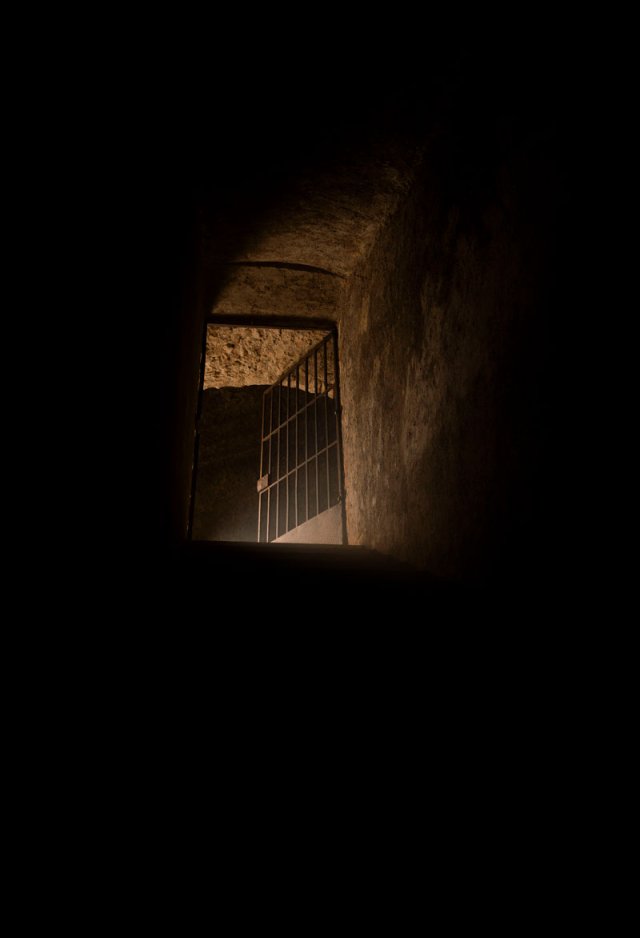
Most wine visits to Basilicata start in the Vulture, where Rionero in Vulture, Barile and Venosa cluster within 20 kilometres of each other on the volcano's eastern slope. The cellars are often dug directly into volcanic tufa. Matera, two hours east, anchors the second base: the Sassi cave district has been a UNESCO World Heritage Site since 1993 and was European Capital of Culture in 2019, and the Matera DOC zone is small enough to taste through in a long afternoon. The region has no airport; arrive via Bari (closest, around an hour from Matera), Naples (closest to the Vulture) or Lamezia Terme.
What to drink from Basilicata
A short shortlist that maps the region: benchmark reds, signature whites and the labels worth a step-up.
Aglianico del Vulture Superiore DOCG
The benchmark wine of southern volcanic Italy. Three years minimum ageing, 13.5% minimum alcohol, vines on Mount Vulture's tufa and pumice. Drink with game, aged pecorino, braised lamb.
Aglianico del Vulture DOC
DOC since 1971 and the entry point to Vulture. Lighter ageing rules than the Superiore tier, brighter cherry fruit and approachable tannin. The midweek table red for grilled lamb chops, lucanica sausage and peperone crusco.
Matera DOC
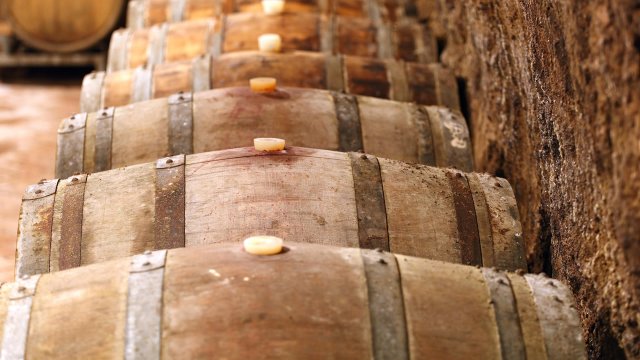
Six approved wine types covering Aglianico-Sangiovese-Primitivo reds, rose and Greco-Malvasia whites. Tasted at its best in the cave cellars of the Sassi.
Greco and Malvasia whites
Greco brings pear and salty length; Malvasia Bianca di Basilicata adds white blossom and a soft palate. The pour for cacioricotta, baked ricotta dishes and seafood from the short Maratea coast.
Terre dell'Alta Val d'Agri DOC
An inland Apennine DOC working Merlot, Cabernet Sauvignon and a small share of Aglianico into red, red riserva and rose. Useful when guests prefer international varieties without leaving Italian wine.
The one to know first
Our curated guide. Not the full list, the bottle that opens the door.
Curated guide · DOC
Grottino di Roccanova
A Sangiovese-led Lucanian red aged in sandstone-cave cellars. Recognised as a DOC in 2009 across three comuni in southern Basilicata (Roccanova, Sant'Arcangelo, Castronuovo di Sant'Andrea), Grottino blends Sangiovese.
Basilicata denomination guides
2 more active guides with editorial content. Curated coverage, not the complete regional denomination list.
The grapes behind the bottle
9 curated guides with editorial content. Pronunciations, traits and the regional footprint of each variety.
Aglianico [ahl-YAH-nee-ko] is an ancient Southern Italian varietal with lots of charm.
Cabernet Sauvignon is the Bordeaux-born red grape that reshaped modern Italian wine.
Fiano is the golden-hued white grape behind Campania's benchmark Fiano di Avellino DOCG, grown in the volcanic hills of Irpinia.
Greco is the structured, smoky white of Campania, carried to southern Italy by Greek settlers nearly three thousand years ago.
Malvasia Bianca di Basilicata is the indigenous white grape of Lucania, the backbone of Matera DOC Bianco and Spumante (minimum 70%) and a steady presence in Basilicata IGT, Grottino di Roccanova DOC and Terre dell'Alta Val d'Agri DOC.
Malvasia Nera di Basilicata is an indigenous black grape grown almost exclusively in inland Basilicata, with around 114 hectares planted nationwide.
Merlot is a red grape with a serious Italian footprint: Bolgheri DOC, Bolgheri Rosso, Cortona DOC, Suvereto DOCG, Rubicone IGT and Montello Rosso DOCG form its Italian map.
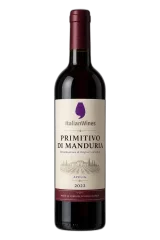
Primitivo (“pree-mee-TEE-vo”) is one of the most popular red wines of Southern Italy.
Sangiovese (san-jo-vay-zeh) is the undisputed king of red wines in central Italy, virtually present in every area of the country Thanks to its many clones and surprising versatility, Sangiovese can create a wide range of wines: from young and fresh Chiantis to complex and full-bodied Brunellos.
Wines from Basilicata
A starter selection from the catalogue. Pour them as a regional flight.
2 retailers
Aglianico del Vulture DOC Teodosio Basilisco
Aglianico del Vulture
2 retailers
£15.50
2 retailers
Elena Fucci Titolo Aglianico del Vulture
Aglianico del Vulture
2 retailers
£22.25
£28.24
2 retailers
Aglianico del Vulture Superiore DOCG Serpara Re Manfredi
Aglianico del Vulture Superiore
2 retailers
£28.00
2 retailers
Aglianico del Vulture, Titolo, Superiore, Elena Fucci, Basilicata, Italy
Aglianico del Vulture Superiore
2 retailers
£65.65
1 retailer
Paternoster Bariliott
Aglianico del Vulture
1 retailer
£10.50
1 retailer
Canio Bianco - Farnese Fantini
Basilicata
1 retailer
£13.21
£15.29
1 retailer
Elena Fucci Winery Titolo Pink Edition
Appellation TBD
1 retailer
£13.26
1 retailer
Canio Aglianico del Vulture - Farnese Fantini
Aglianico del Vulture
1 retailer
£16.54
The table of Basilicata
Mountain, pasture and coast on one plate. Pour the regional wine alongside.
Lucanian cooking is bread, pasta and meat country. Native fresh pasta shapes such as cavatelli, strascinati and orecchiette pair with peperone crusco (the dried Senise pepper that crumbles like a chip) and lamb ragu from Vulture flocks. Cacioricotta and pecorino di Filiano DOP carry the cheese course; lucanica sausage and salsiccia lucanica handle the antipasto board.
On the wine side, Aglianico del Vulture is the table red: its firm tannin, savoury volcanic edge and bright acidity cut through lamb fat and slow-cooked tomato sugo. For peperone crusco-led dishes, lean on a younger Aglianico del Vulture DOC; for aged pecorino and game, pour Aglianico del Vulture Superiore DOCG with five years on it.
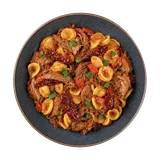
Agnello Ragu Lucano
Ragu di agnello alla lucanaSlow-braised lamb shoulder ragu with red wine, tomato, peperone crusco and fresh oregano, served over orecchiette or cavatelli. A Sunday primo from interior Basilicata, especially around Matera and Potenza. Pairs with Aglianico del Vulture Superiore.
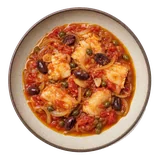
Baccala a Ciuredda
Baccala a Ciuredda is a Basilicata salt cod stew, desalted fillets simmered with tomato, onion, olives and capers until the broth turns sweet and savoury. The dish belongs to the Lucanian inland table, where bread is used to catch the juices at the bottom of the bowl. A crisp Matera Bianco DOC or another bright southern white with clean acidity keeps pace with the salt-tomato profile without eclipsing the cod.
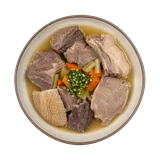
Bollito dei Pastori
Bollito dei Pastori is a Basilicata shepherds' lamb boil, meat simmered with potatoes, onion and tomato until the broth turns rich and warming. It belongs to the Lucanian pastoral table, where the appeal is plain ingredients and the depth they build in the pot. A youthful Aglianico del Vulture with firm acidity, or a lighter Basilicata rosso, stands up to the lamb without making the dish feel heavier than it is.
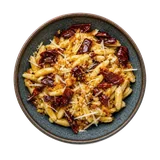
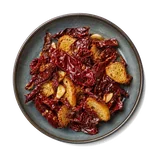
Cavatelli con Peperoni Cruschi
Hand-rolled cavatelli pasta tossed with crisped Senise peppers, breadcrumbs toasted in olive oil, and pecorino di Filiano. The signature primo piatto of Lucanian home cooking. Pairs with Aglianico del Vulture or a fresh Matera DOC red.
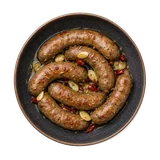
Lucanica
Coarse-grained pork sausage from Basilicata, seasoned with fennel seeds, peperoncino and garlic. Traditionally cured in pig caul or grilled fresh over olive-wood embers. The Roman writer Marcus Terentius Varro named it the prototype of all Italian sausages. Pairs with Aglianico del Vulture Riserva.
Peperoni Cruschi
Peperoni cruschi are sun-dried Senise peppers, an IGP cultivar from the Sinni and Agri valleys of Basilicata, eaten brittle and shatter-thin once flashed in olive oil. The Lucanian kitchen treats them as the table salt, crumbling them over baccalà, cacioricotta, and lampascioni; on an antipasto board they hold the plate alone. Their smoky sweetness, oil-rich crunch, and bright salt ask for a wine with acidity to cut the fat and savoury weight to hold the smoke: Aglianico del Vulture DOCG, especially Elena Fucci's Titolo, threads sour-cherry acidity and graphite tannin under the dish without overpowering it. A glass of Falanghina del Sannio works as a lighter alternative when the cruschi sit alongside anchovies or fava purée.
Explore Basilicata by place
Wine routes, towns and wineries to follow when you go.
Wine routes
Some booking links earn italianwines.co.uk a commission. This never affects price or what we recommend.
Vulture Aglianico loop
A short loop through the heart of Aglianico del Vulture: Rionero in Vulture, Barile, Venosa and Melfi in a single day.
- Rionero in Vulture
- Barile cellars
- Melfi castle
- Venosa
Tours in this wine area
Nearby, not the route itselfBasilicata Winery Tour and Aglianico Wine Tasting in Barile
Aglianico del Vulture Wine Tasting in Hypogeum Melfi Cellar
Matera and the Collina Materana
Pair Matera's Sassi with a Collina Materana cellar afternoon and the Murge plateau.
- Matera Sassi tour
- Tufa-cellar Matera DOC tasting
- Collina Materana cellar visit
- Montescaglioso abbey
Tours in this wine area
Nearby, not the route itselfMatera: 3-hour Full Sassi Guided Tour Idris Church & Tasting
Matera: Sassi Farmer's Pasta Class in an Ancient Wine Cellar
Matera: Guided Tour of the Sassi with a Local Guide and Food Tasting
Wine towns
Rionero in Vulture
Hub town on the eastern slope of Mount Vulture and the operational centre of the Aglianico del Vulture DOC.
Highest concentration of Aglianico del Vulture cellars; site of the Roman wine press and bronze Dionysus coin.
Barile
Vulture village known nationally as City of Wine and City of Oil.
Cellars carved directly into volcanic tufa; home to several historic Aglianico del Vulture estates.
Venosa
Roman colony of Venusia and birthplace of the poet Horace.
Eastern Vulture, written into Aglianico's history through Horace's verses on local wine.
Melfi
Norman-Swabian capital with Frederick II's hilltop castle.
Recorded source of vino rubeo Melfie ordered by Charles of Anjou in 1280; sits at the northern edge of the Vulture vine zone.
Matera
UNESCO Sassi cave district and 2019 European Capital of Culture.
Anchor town of Matera DOC; tufa-cave cellars host the region's most photogenic tastings.
Wineries to follow
Ask the sommelier
Quick answers about Basilicata. Numbers, denominations, food and what to start with.
Aglianico del Vulture Superiore DOCG, elevated from DOC status in 2011. It is the region's only DOCG and requires a minimum 13.5 per cent alcohol with three years of ageing (five for Riserva, two of those in wood).
Aglianico is the dominant grape, covering more than 60 per cent of the regional vineyard surface. The remaining red plantings include Sangiovese, Primitivo and Moro di Matera. White production is small (around 10 per cent of total) and led by Greco Bianco and Malvasia Bianca di Basilicata.
Both are Aglianico-based DOCG reds from southern Italy. Vulture sits on volcanic tufa, lava and pumice from Mount Vulture and the wines run leaner, more saline and brisker on acid. Taurasi grows on clay-limestone in inland Campania and tends to a riper, denser frame. Vulture is also the cheaper bottle for comparable structure.
Lamb in any form (grilled chops, ragu, slow-roasted shoulder), peperone crusco, lucanica sausage, aged pecorino and game. Younger DOC bottles handle weeknight grilled meats; DOCG Superiore with five or more years in bottle is the pour for braised lamb shoulder and aged hard cheese.
Two bases. The Vulture cluster (Rionero in Vulture, Barile, Venosa, Melfi) sits within 25 kilometres on the eastern flank of Mount Vulture and houses most Aglianico del Vulture cellars. Matera, two hours east, is the second base for Matera DOC and tufa-cave tastings inside the UNESCO Sassi.
We currently list 24 wines from Basilicata, starting from £10.50. Browse them all on our wines page.
We currently curate 3 active Basilicata denomination guides, including Grottino di Roccanova, Matera, Basilicata. This is an editorial selection, not the complete regional denomination list.
We currently curate 9 active Basilicata grape guides, including Aglianico, Cabernet Sauvignon, Fiano, Greco, Malvasia Bianca di Basilicata, and more. This is an editorial selection, not the complete regional grape list.
Basilicata is renowned for dishes including Agnello Ragu Lucano, Baccala a Ciuredda, Bollito dei Pastori, Cavatelli con Peperoni Cruschi.
Your next pour
More of Southern Italy, with similar terroir and table.
Wine styles made in Basilicata
Red
Italy's boldest expression, structured, complex, built for food
White
Crisp and versatile, from alpine freshness to Mediterranean warmth
Rosé
Summer in a glass, bright, delicate, endlessly drinkable
Sparkling
From Prosecco to Franciacorta, bubbles for every occasion
Sweet
Liquid gold, Italy's dessert wines are among the world's finest