





Basilicata · DOC
Matera DOC Basilicata's Sangiovese, Primitivo and Greco from the Murge of Matera
A Basilicata DOC carved into the white Murgia plateau around the Sassi of Matera. It was recognised in 2005. The DOC pulls Sangiovese, Primitivo and the local Greco across reds, a rosato and a white. There is a spumante too, fermented in the bottle, and a passito. All of it comes from a tiny working area of 141 acres. Eleven regulated types share one Lucanian stretch of country above the city's rock cut quarters.
Decode the label
What the label tells you
One denomination, 4 things it can say on the front. Colour first, then the qualifier.
On the label
Matera Rosso
Sangiovese meets Primitivo


The everyday red of the Sassi's province: cherry and plum with Primitivo's southern warmth underneath.
No bottles in stock right now
On the label
Matera Primitivo
the varietal heavyweight
Primitivo nearly alone, with a sun-dried Passito version for the sweet tooth of the old province.
No bottles in stock right now
On the label
Matera Moro
the modern flagship blend

The one Italian DOC recipe built on Cabernet with Primitivo inside it: dark, firm, built for the table's biggest plates.
No bottles in stock right now
On the label
Greco, Bianco & the sparklings
the pale side of the Murgia
Greco's stony whites plus Malvasia-based Spumante and a Primitivo-pink Spumante Rosé: the quiet half of nine typologies.
No bottles in stock right now
The boundary
Where it is
Everything on this page, the estates, the bottles, the sub-zones, sits inside this line.
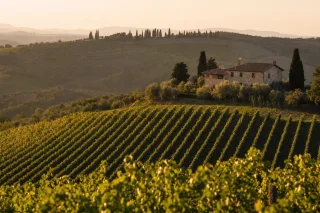
The whole province of Matera, from the calanchi badlands of the Basento valley to the Murgia plateau above the Sassi, the cave city that gives the wine its name. It is dry, bright, high farming country: Primitivo arrived from neighbouring Puglia's Gioia del Colle side, Greco from the Ionian coast, and the modern Moro recipe grafted Cabernet onto both traditions.
Inside the zone
Towns worth knowing
The Sassi of Matera are the postcard; the vineyards spread south towards Metaponto's coastal plain.
In the glass
What it tastes like, by style
One profile at a time, never blended into a single set of bars.
Black cherry

Plum

Black pepper
Citrusy fruit

Green Apple

Strawberry
Cherry
Green Apple

Honey
Raisin
Plum
Honey
The disciplinare
The rules that define it
The same table on every denomination page, one row group per style here, because Matera writes its rules per colour.
 SangioveseThe lead60 to 70%PrimitivoThe southern warmth30 to 40%Cabernet SauvignonThe lead, by law60 to 70%PrimitivoThe local anchor20 to 30%MerlotThe softener10 to 20%PrimitivoNearly alone, fresh or sun-driedat least 90%
Solid means the rules demand it. Striped means optional, up to that amount. The words on the right say the same rule.
Nine typologies from one small province reds, whites, a passito and two sparkling wines share the Matera name.
Moro puts Cabernet first by law at least 60%, with Primitivo and Merlot mandated beneath it.
The Passito reaches 14.5% total sun-dried Primitivo with a corner kept as sweetness.
Varietal tiers demand 90% for Primitivo, and 85% for the Greco white.
The whole province qualifies every commune of Matera's territory is inside the zone.
Ageing and alcohol minimums per tier are in the label guide above.
Vintage provenance
Why there is no vintage chart
No denomination wide vintage chart is currently published for Matera DOC. The Italian Wine Central denomination entry and the disciplinare define the appellation, but quality is tracked producer by producer rather than through a maintained annata table.
A warm, dry province keeps quality even: drink the whites young and give Moro Riserva four to eight years.
What to check instead
The producer: quality here is tracked estate by estate rather than year by year.
How Matera is made
The rules tie production to the whole province of Matera. Yields are capped at 100 quintals per hectare, or 10 tonnes, and only 70 percent of the grapes may become wine. Matera Rosso leans on Sangiovese, at 60 percent minimum, blended with Primitivo at 30 percent minimum. It must reach at least 12 percent alcohol. Matera Primitivo rises to 90 percent Primitivo and 13 percent alcohol. Matera Moro inverts the recipe, with at least 60 percent Cabernet Sauvignon supported by Primitivo and Merlot. The whites pivot on Malvasia Bianca di Basilicata or Greco, at 85 percent minimum. Rosso, Moro and Primitivo age 12 months from 1 November of the harvest year. Moro Riserva needs 36 months, including 24 in barrel. The Spumante must finish its second fermentation in the bottle.
In depth
On the table
What to eat with Matera
The home country leads; global pairings that genuinely work follow.


In-depth guide
Matera, answered
The rules allow Sangiovese, Primitivo, Cabernet Sauvignon and Merlot for the reds. Greco and Malvasia Bianca di Basilicata cover the whites and the sparkling wines. Each type sets its own minimum, from 60 percent Sangiovese in Matera Rosso to 90 percent Primitivo in Matera Primitivo and Primitivo Passito.
Matera was recognised as a DOC by Ministerial Decree on 6 July 2005. The current version of the rules was approved by Ministerial Decree on 7 March 2014.
Matera Moro is the international blend red of the DOC: minimum 60 percent Cabernet Sauvignon, 20 percent Primitivo and 10 percent Merlot. The Riserva ages at least 36 months, including 24 months in wood. The standard release ages 12 months.
Tiny. Italian Wine Central reports about 57 hectares of registered vineyard. Average production runs to roughly 11,600 cases a year over a five year window.
A Matera Primitivo, at 13 percent alcohol minimum, stands up to grilled and roast meats, to lamb cooked over coals, and to aged Caciocavallo Podolico from the Murgia plateau. The Passito version reaches up to 14.5 percent potential alcohol, and it sits with bitter chocolate and dried fruit pastry.
The whole administrative province of Matera, in Basilicata. The zone lies on the white limestone Murgia plateau, and the city of Matera and its rock cut Sassi quarters sit above it.
Explore more Basilicata
Same region only: the denominations Matera drinkers reach for next.


