

Italian Wine Pairings for Meat, Steak and Lamb
The old school way is to pair red wine with red meat and white wine with white meat. But in reality, you can make your own rules up here, and let the textures and flavours guide you instead. Meat generally complements rich and powerful wines thanks to its texture and bold flavours. White meats are great paired with aromatic, clean whites such as Pinot Grigio, Ribolla Gialla, Chardonnay or Verdicchio. Read our recommendations below in order to learn the best wines to pair with meat!
Tannins and acidity are the two key players when pairing wine with meat. Read more
Quick Facts
Grape colour mix
Rules of Engagement
The Do's
-
01
Match Tannin to Fat
Fat softens tannins. The richer the meat, the more structured the wine can be.
-
02
Consider the Sauce
A spicy rub or a sweet glaze can drastically change the wine profile needed.
-
03
Let Bold Reds Breathe
Decant structured reds for 30 minutes before serving with roasted meats.
The Don'ts
-
01
Avoid Oaky Whites with Game
Venison or wild boar will overpower delicate whites; stick to earthy reds.
-
02
Do Not Over-Chill
Drinking complex reds too cold masks the aromas that pair with roasted meats.
-
03
Skip Light Rosés
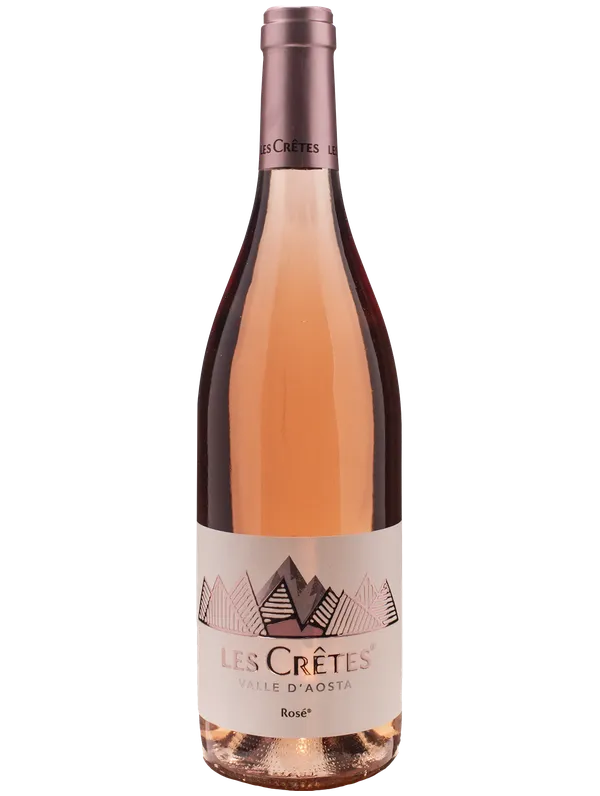
A light rosé cannot stand up to the intensity of a rich beef stew.
Pairings for Italian Meats
Showing 1–10 of 18 dishes
Agnello Ragu Lucano (Ragu di agnello alla lucana)
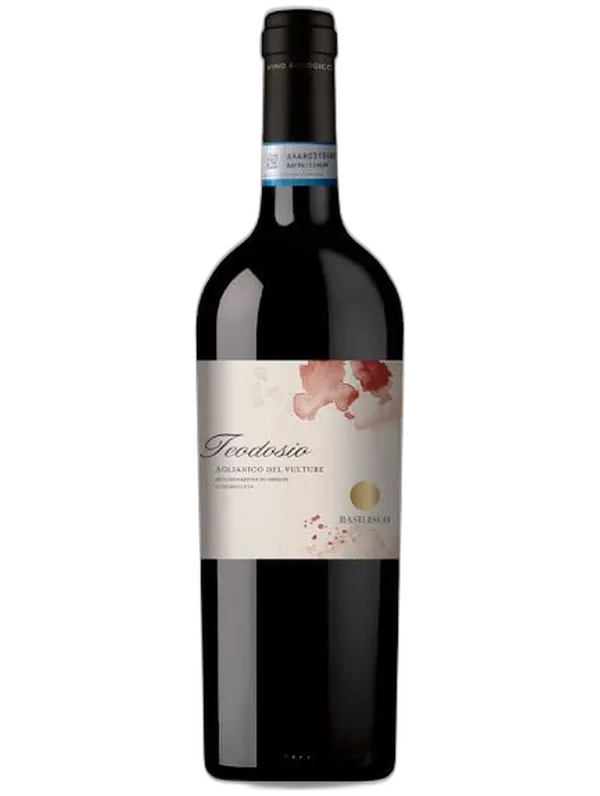
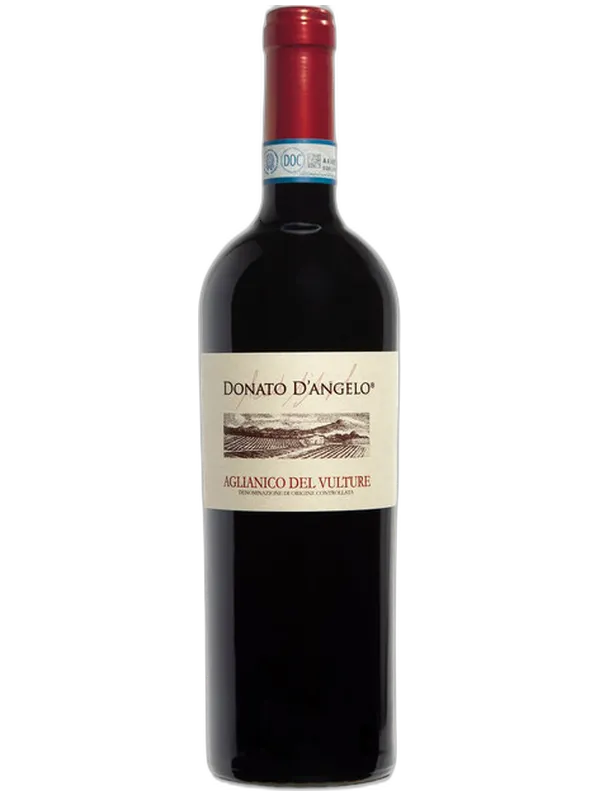
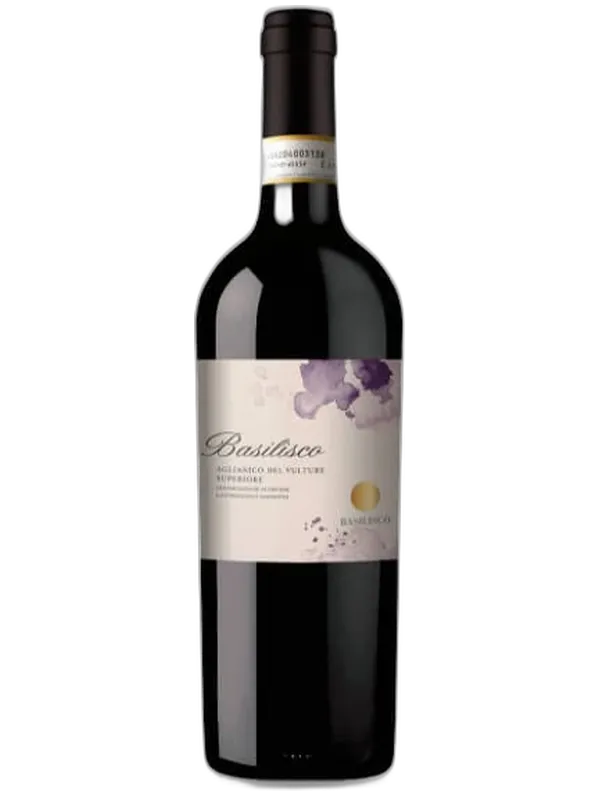
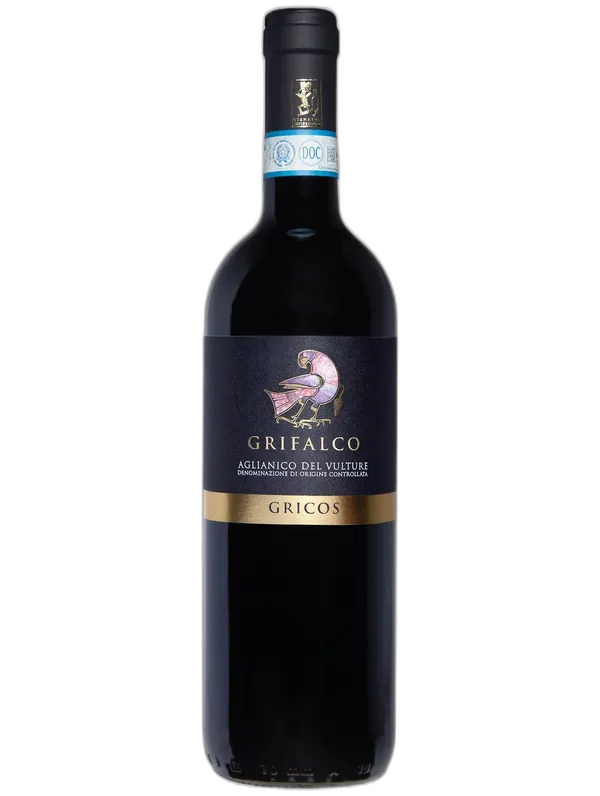
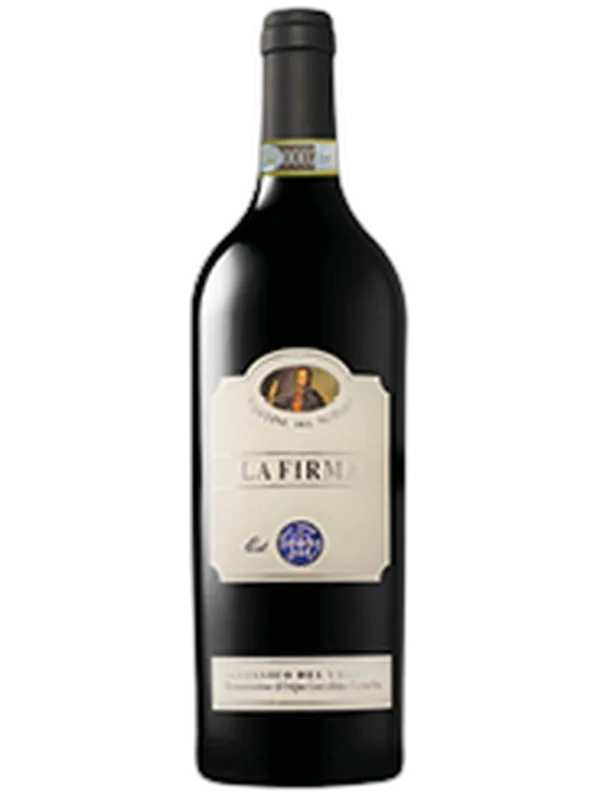
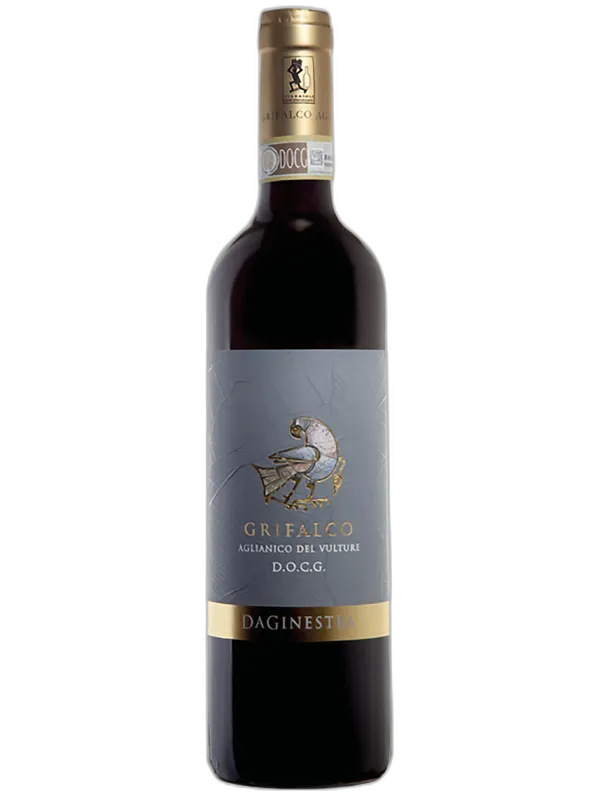
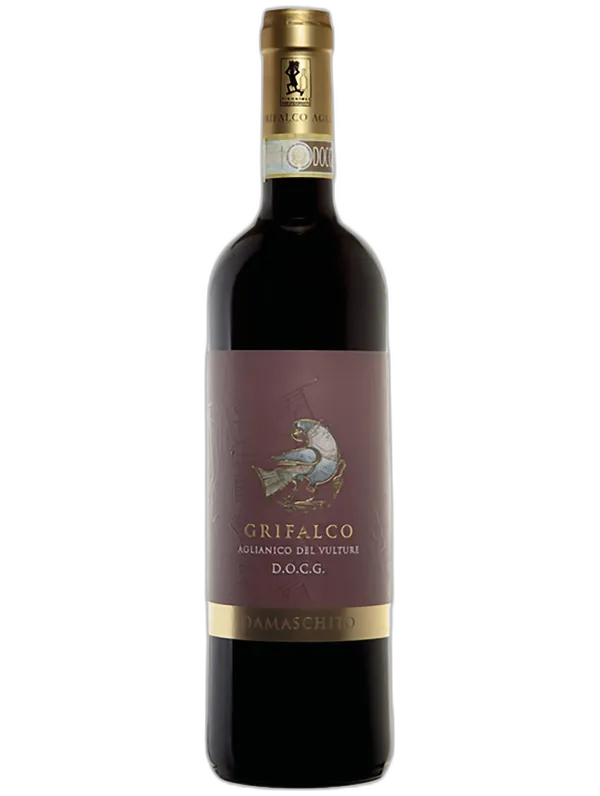
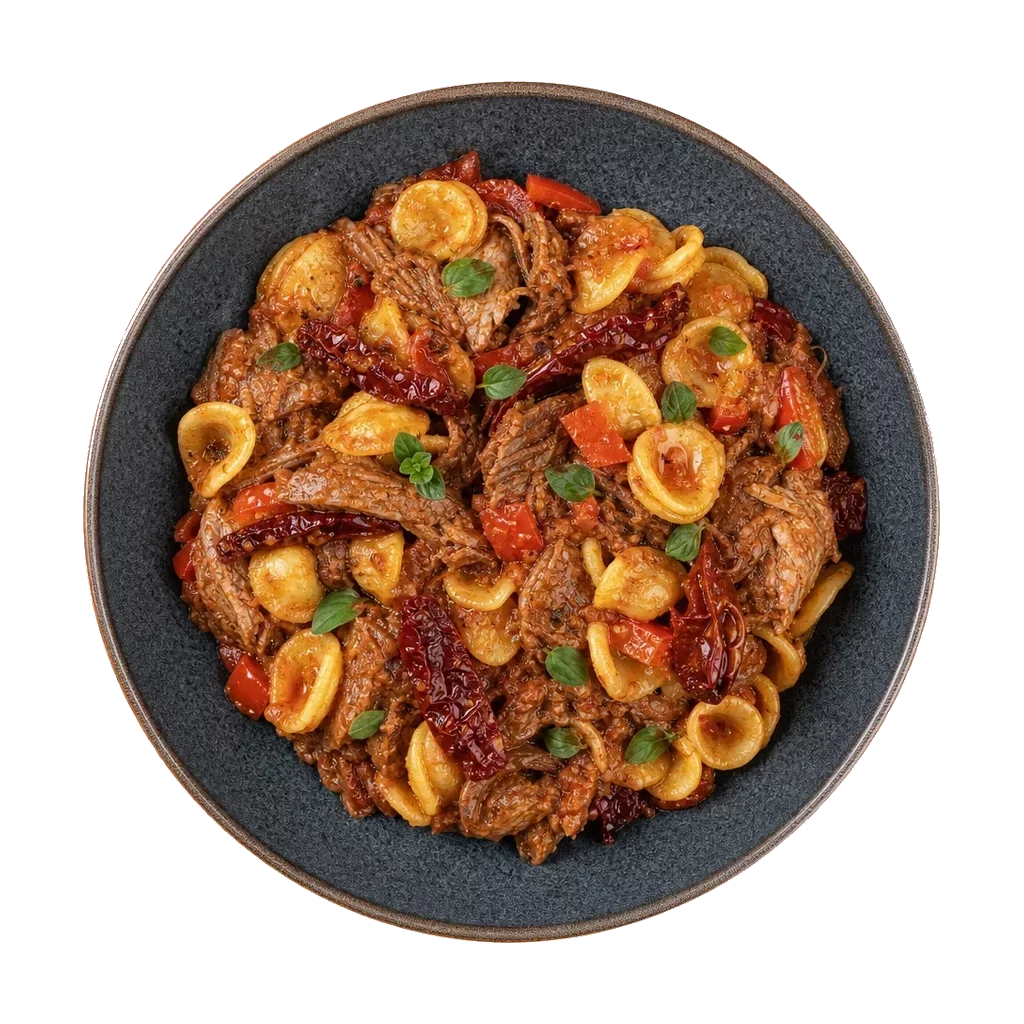
Slow-braised lamb shoulder ragu with red wine, tomato, peperone crusco and fresh oregano, served over orecchiette or cavatelli. A Sunday primo from interior Basilicata, especially around Matera and Potenza. Pairs with Aglianico del Vulture Superiore.
Perfect grape varieties
Also worth trying
Appellations to explore
Arrosticini
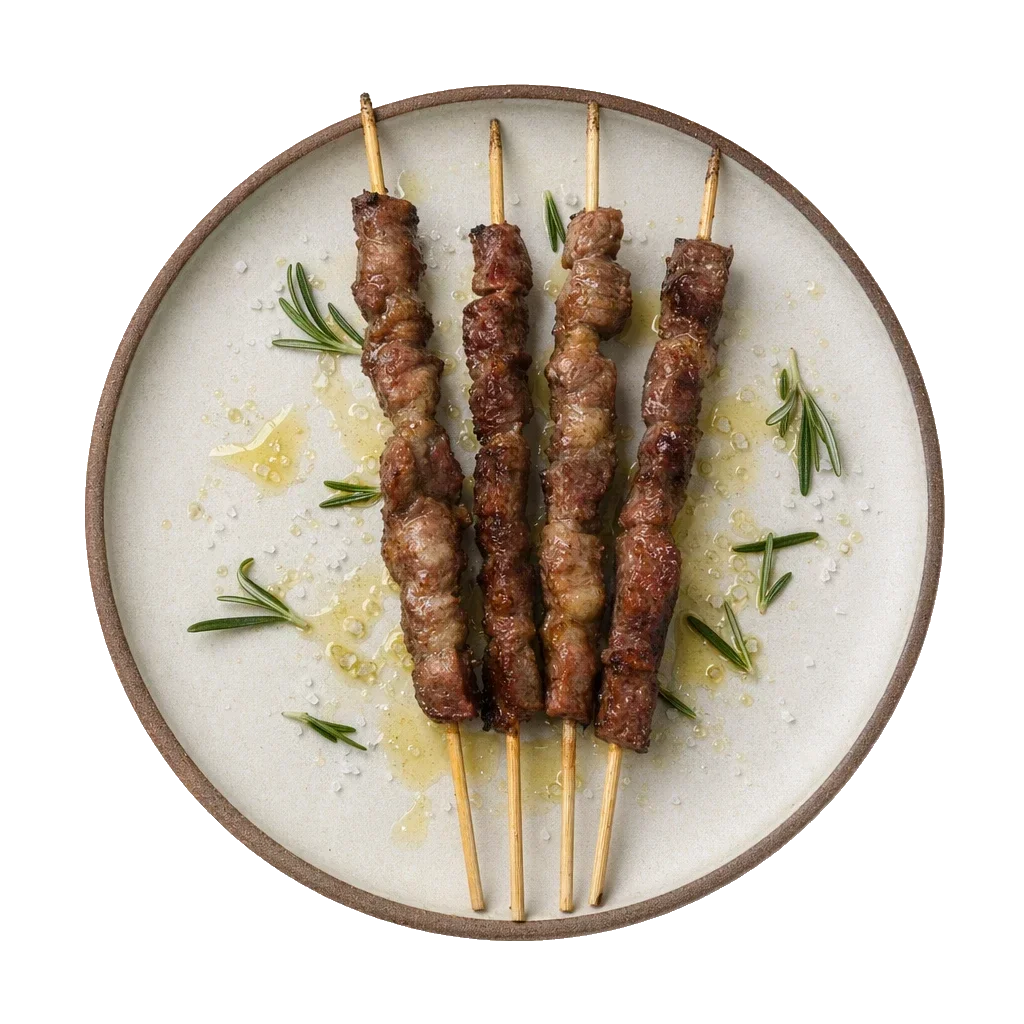
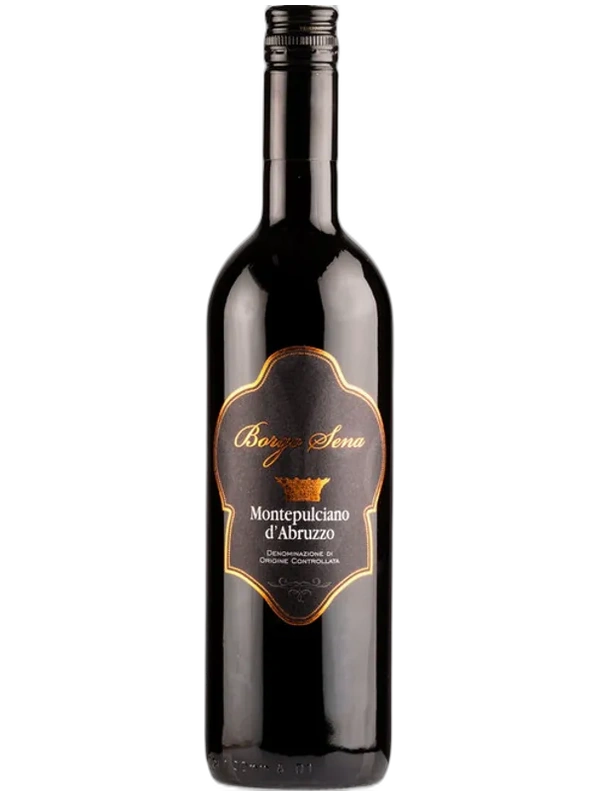
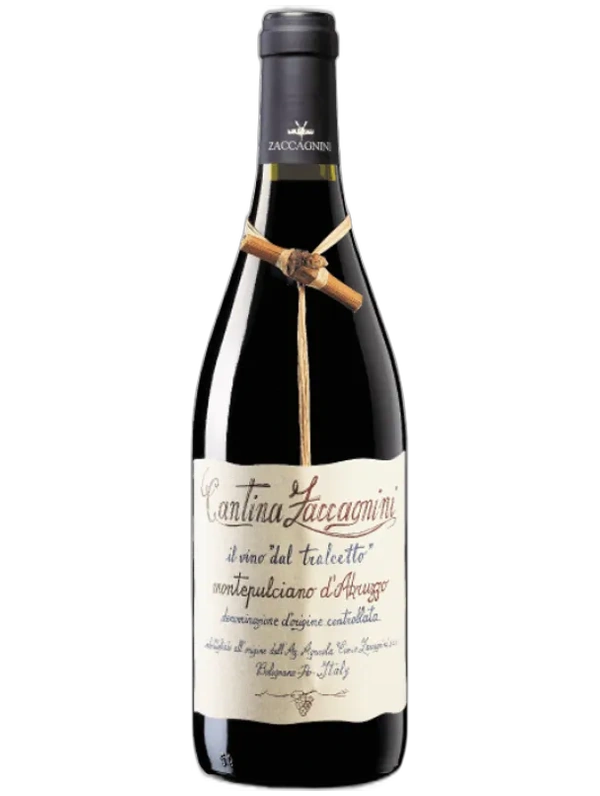
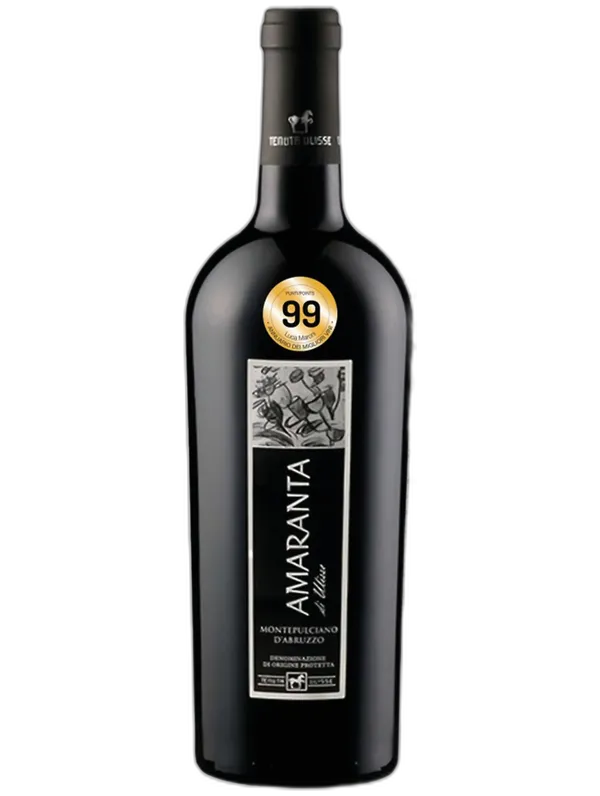
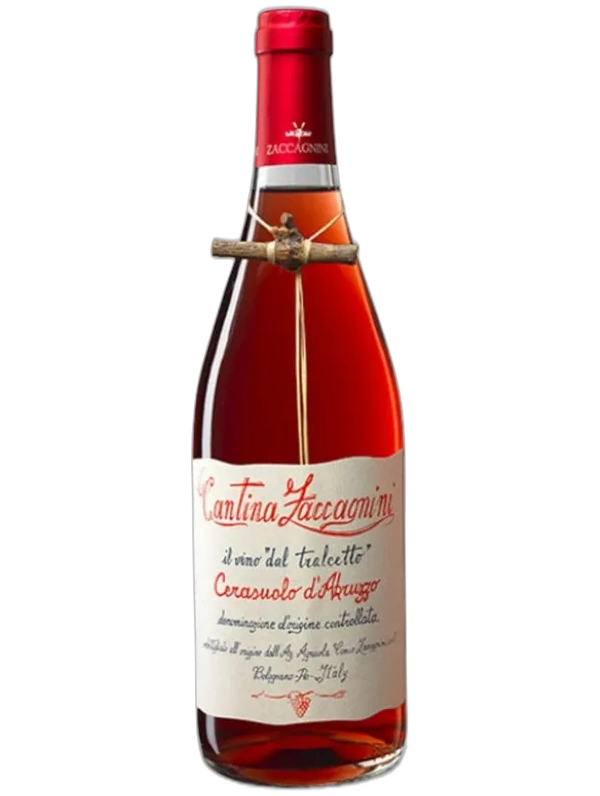
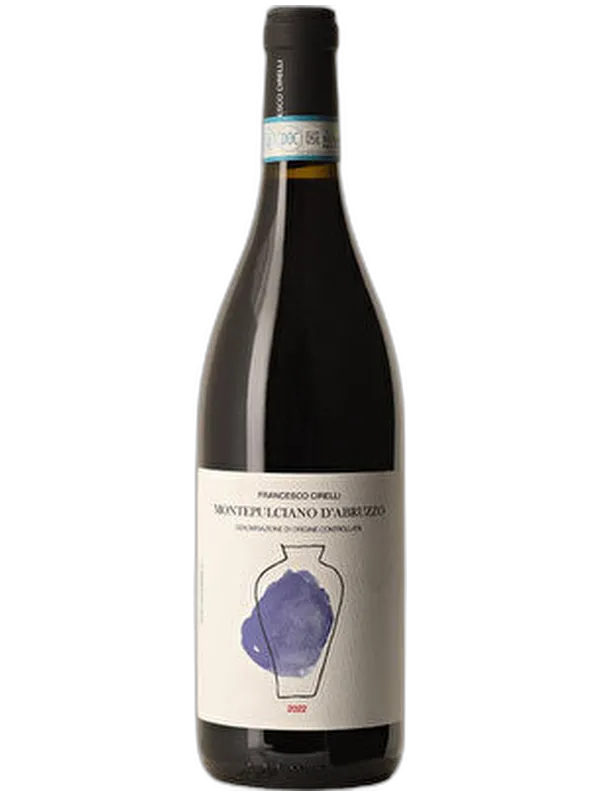
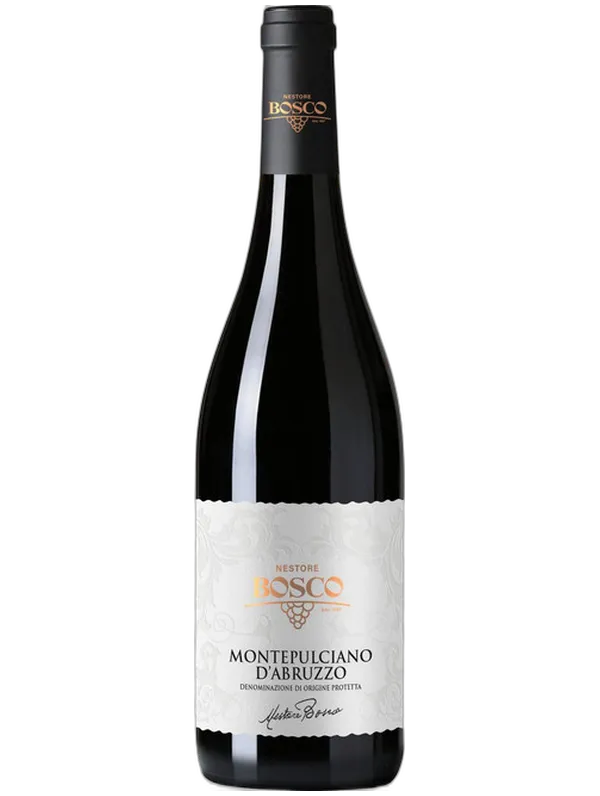
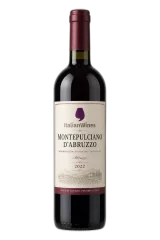
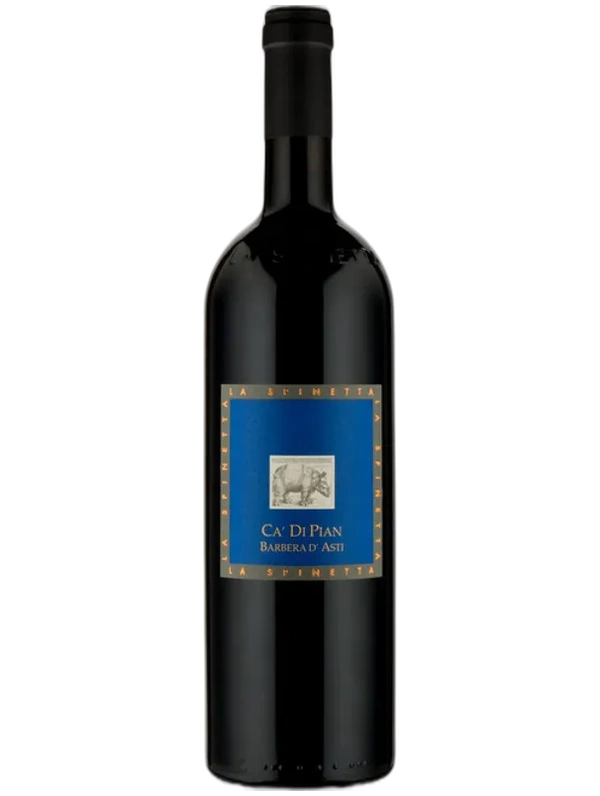
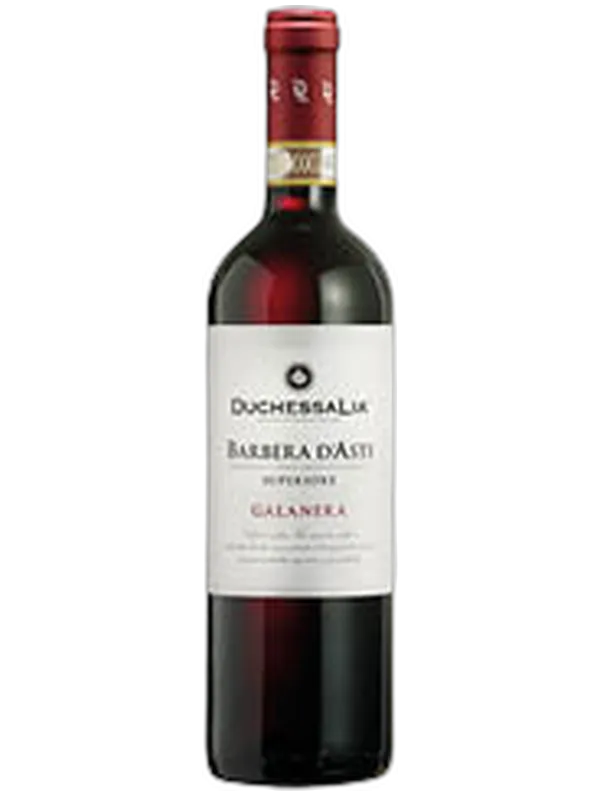
Arrosticini are the Abruzzese street skewers, twenty-centimetre rods of sheep threaded onto cane and cooked over a narrow canal-grill called canalina. Roseto degli Abruzzi and the Gran Sasso foothills are the spiritual home. Cerasuolo d'Abruzzo DOC served cold is the summer classic; Montepulciano d'Abruzzo DOC takes the colder months. Trebbiano d'Abruzzo is the white alternative.
Perfect grape varieties
Also worth trying
Appellations to explore
Bollito dei Pastori
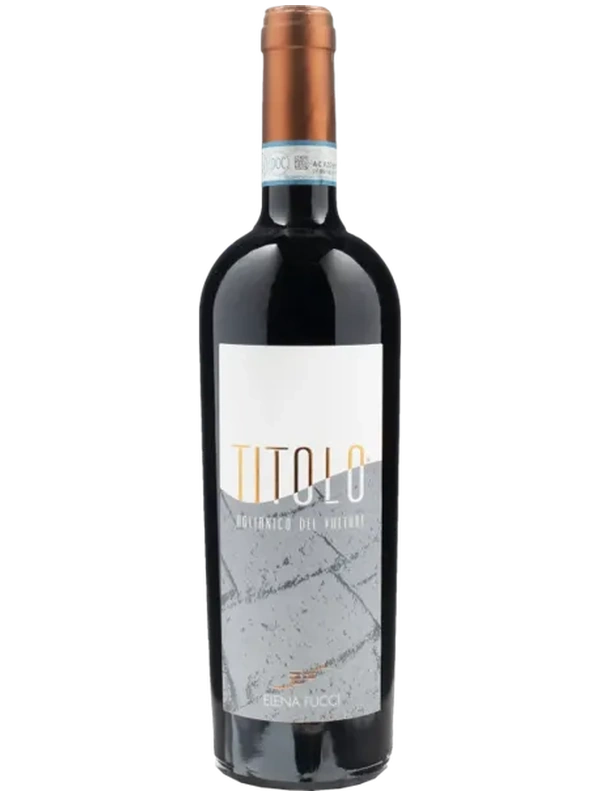
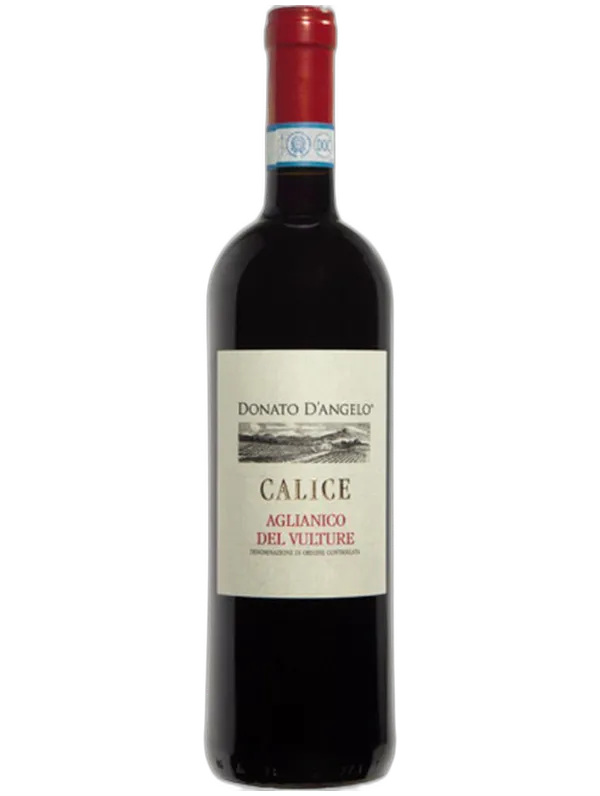
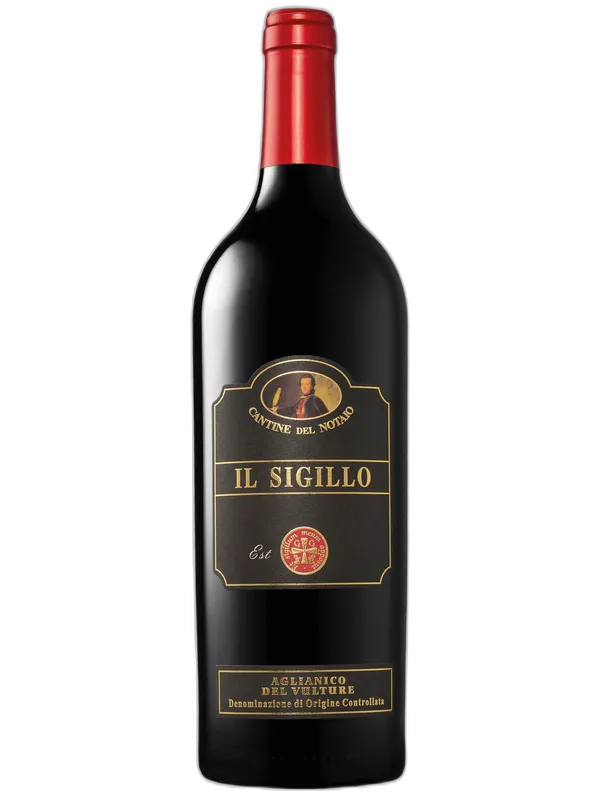
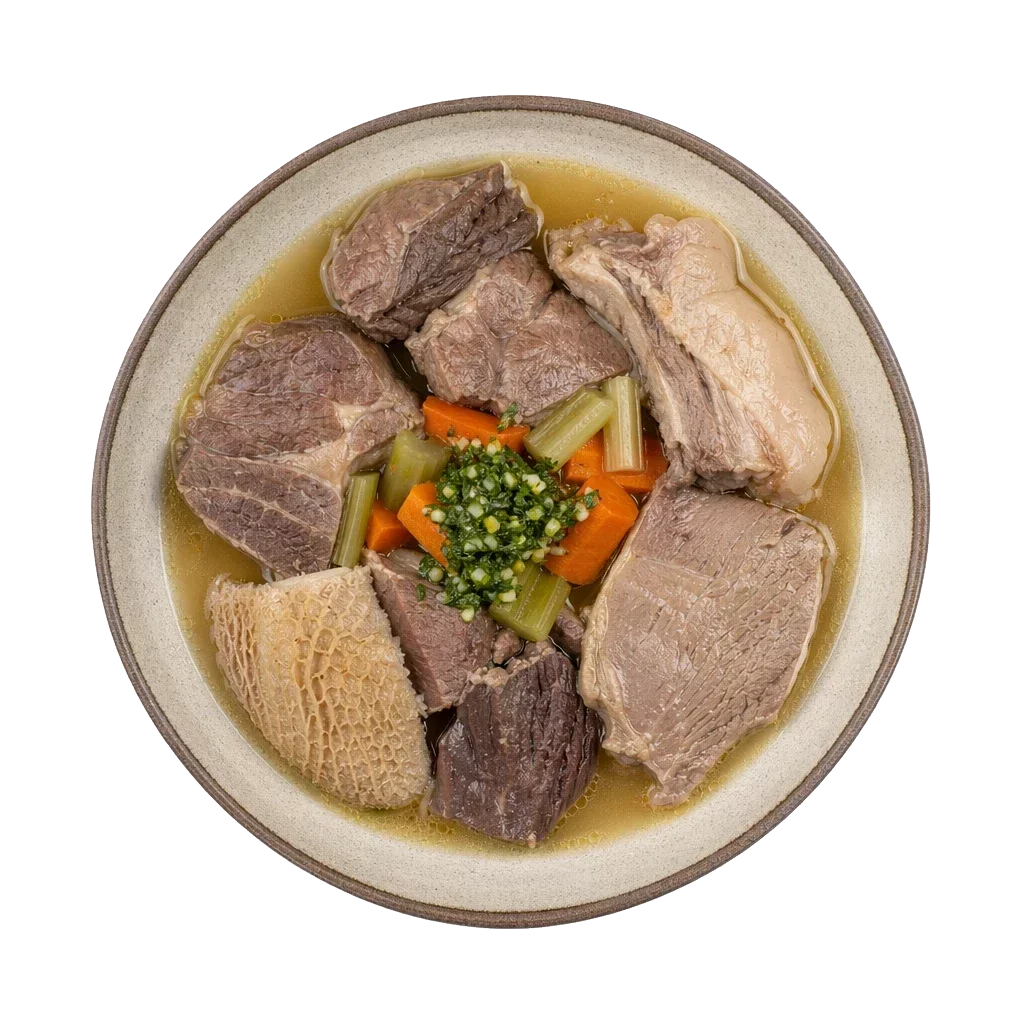
Bollito dei Pastori is a Basilicata shepherds' lamb boil, meat simmered with potatoes, onion and tomato until the broth turns rich and warming. It belongs to the Lucanian pastoral table, where the appeal is plain ingredients and the depth they build in the pot. A youthful Aglianico del Vulture with firm acidity, or a lighter Basilicata rosso, stands up to the lamb without making the dish feel heavier than it is.
Appellations to explore
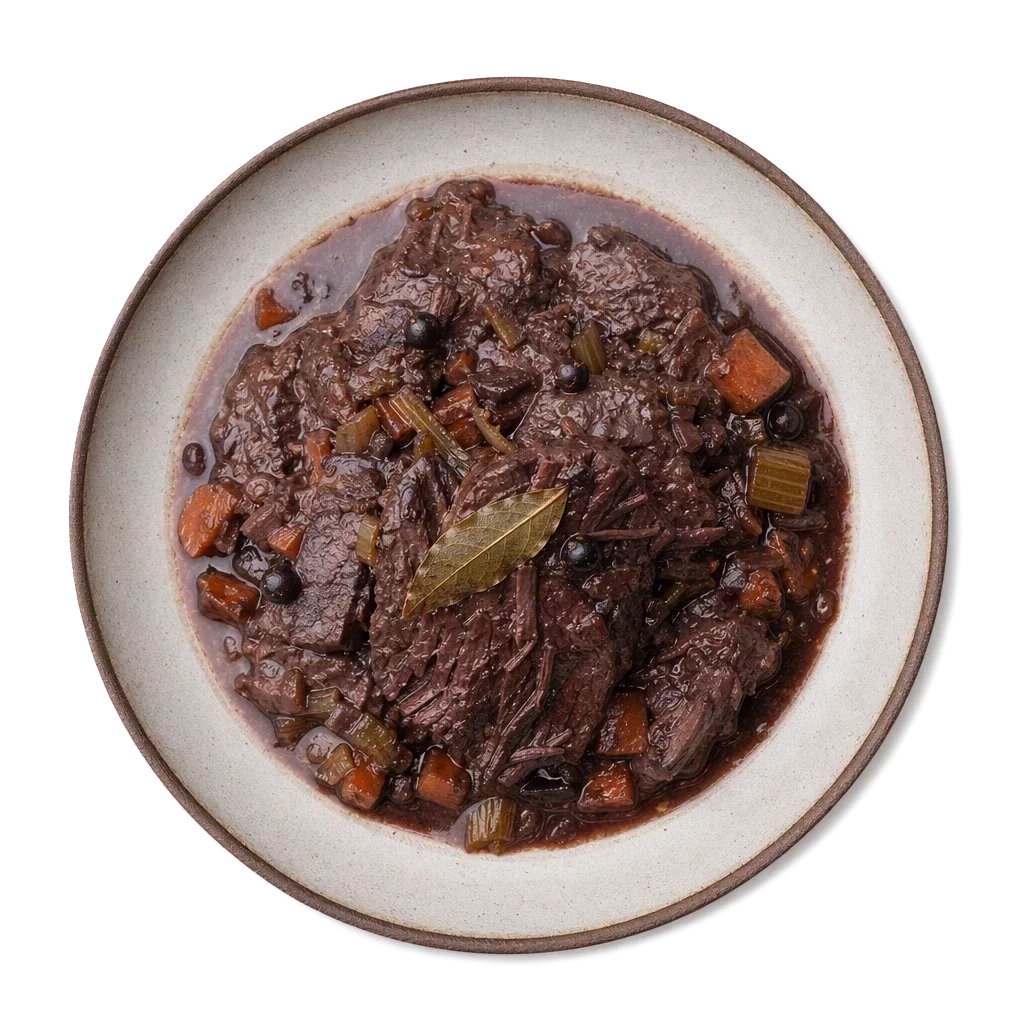
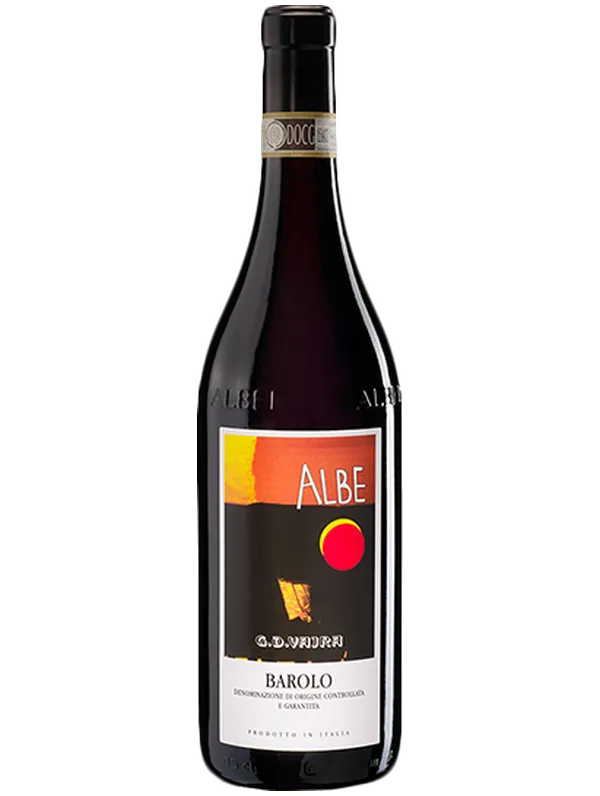
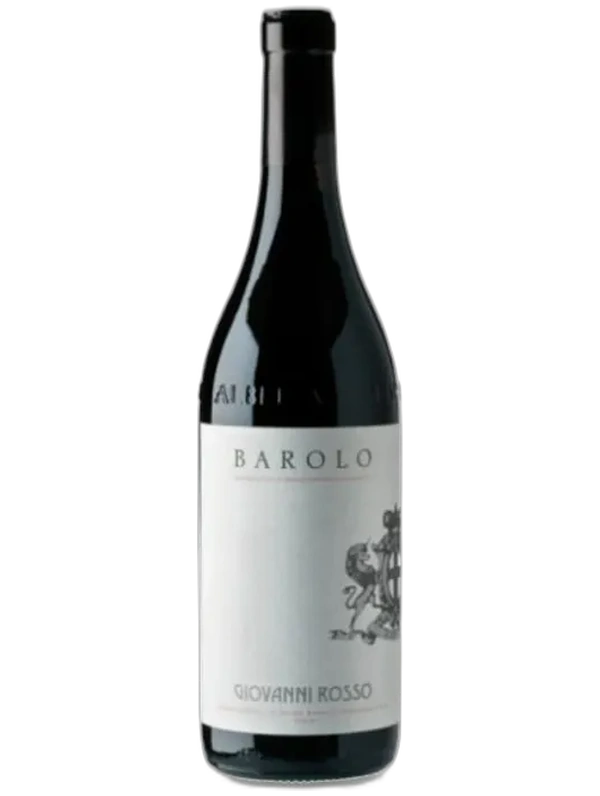
Brasato al Barolo
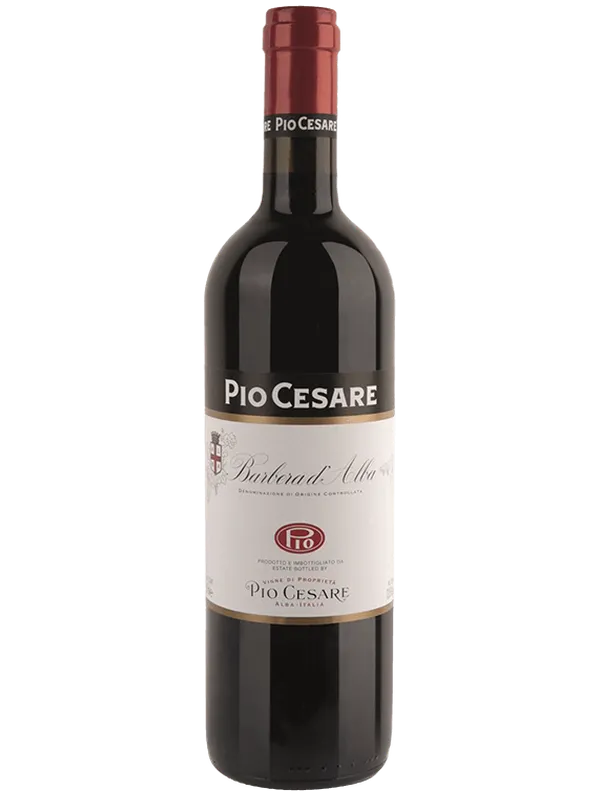
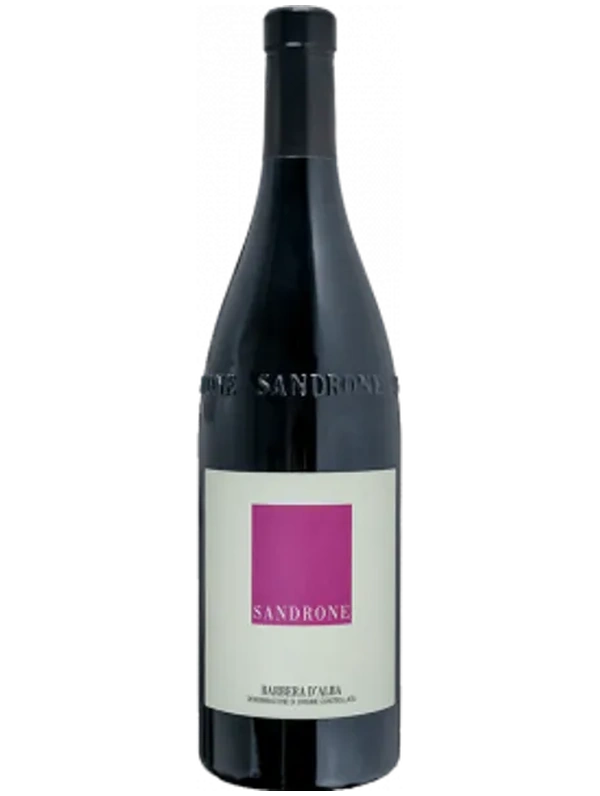
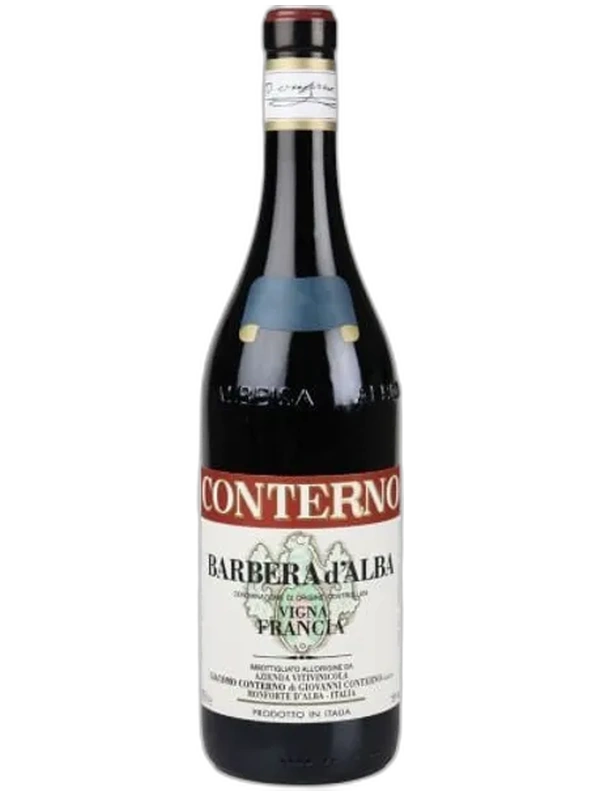
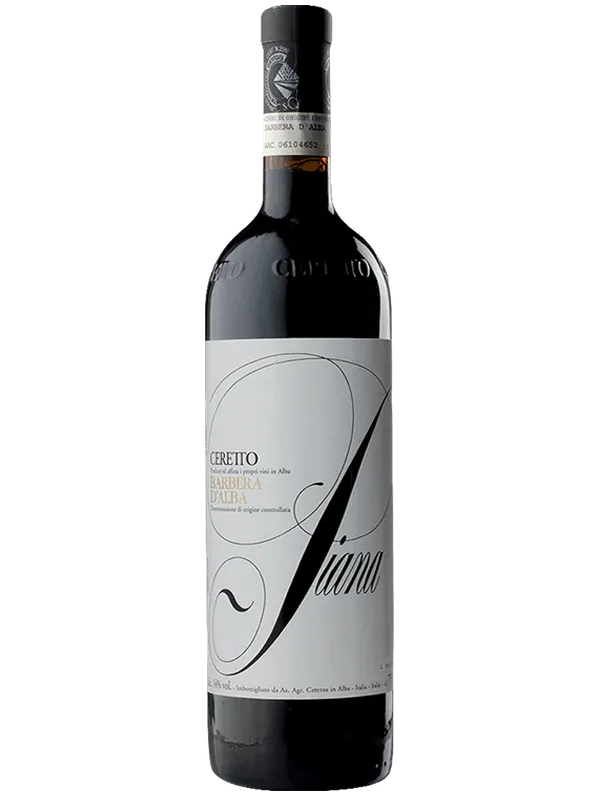
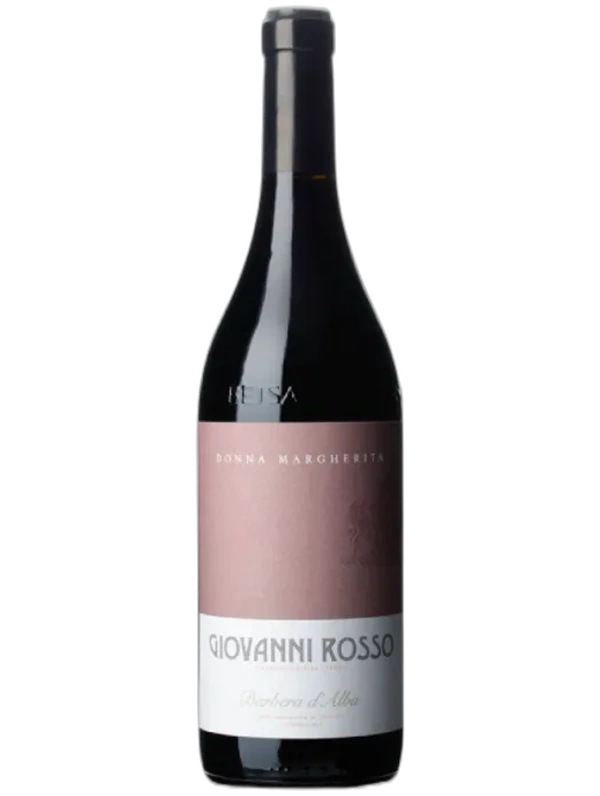
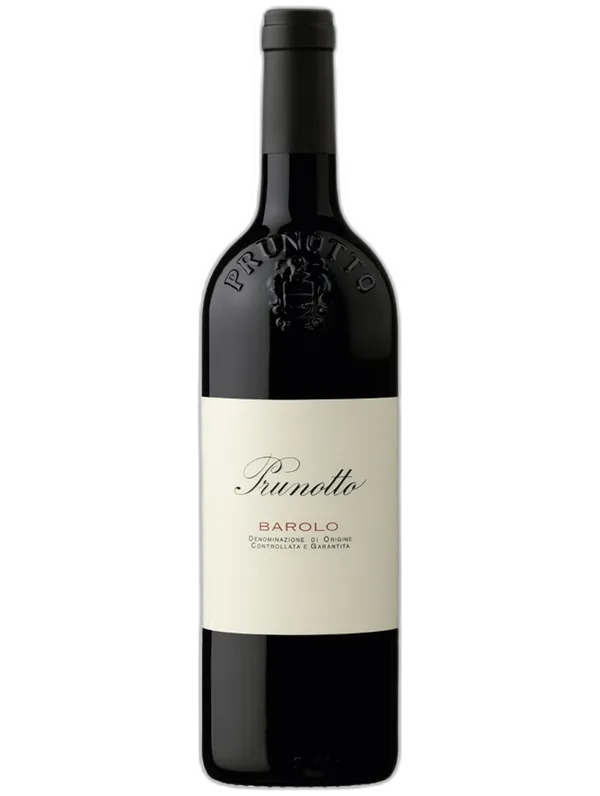
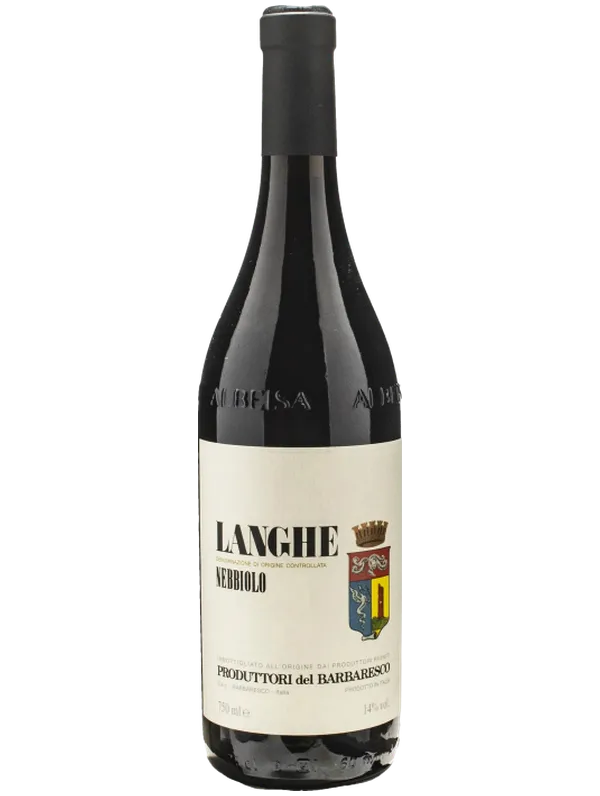
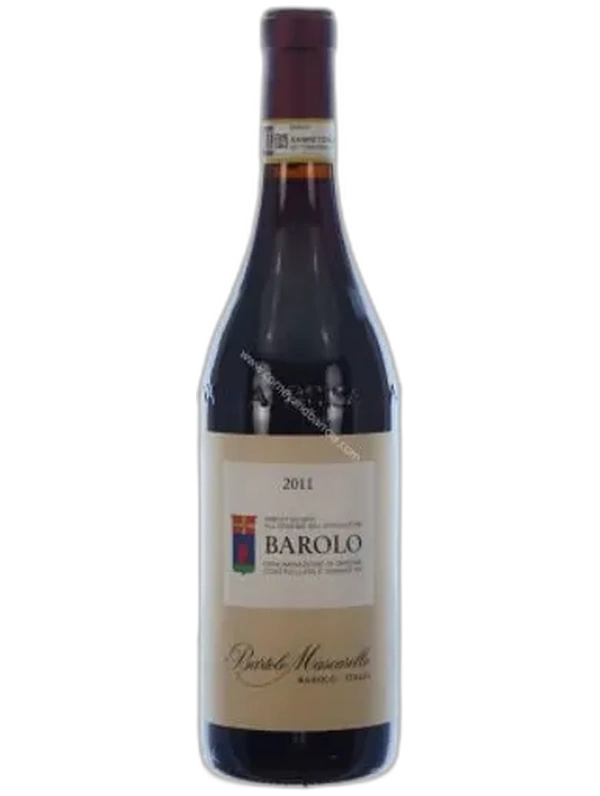
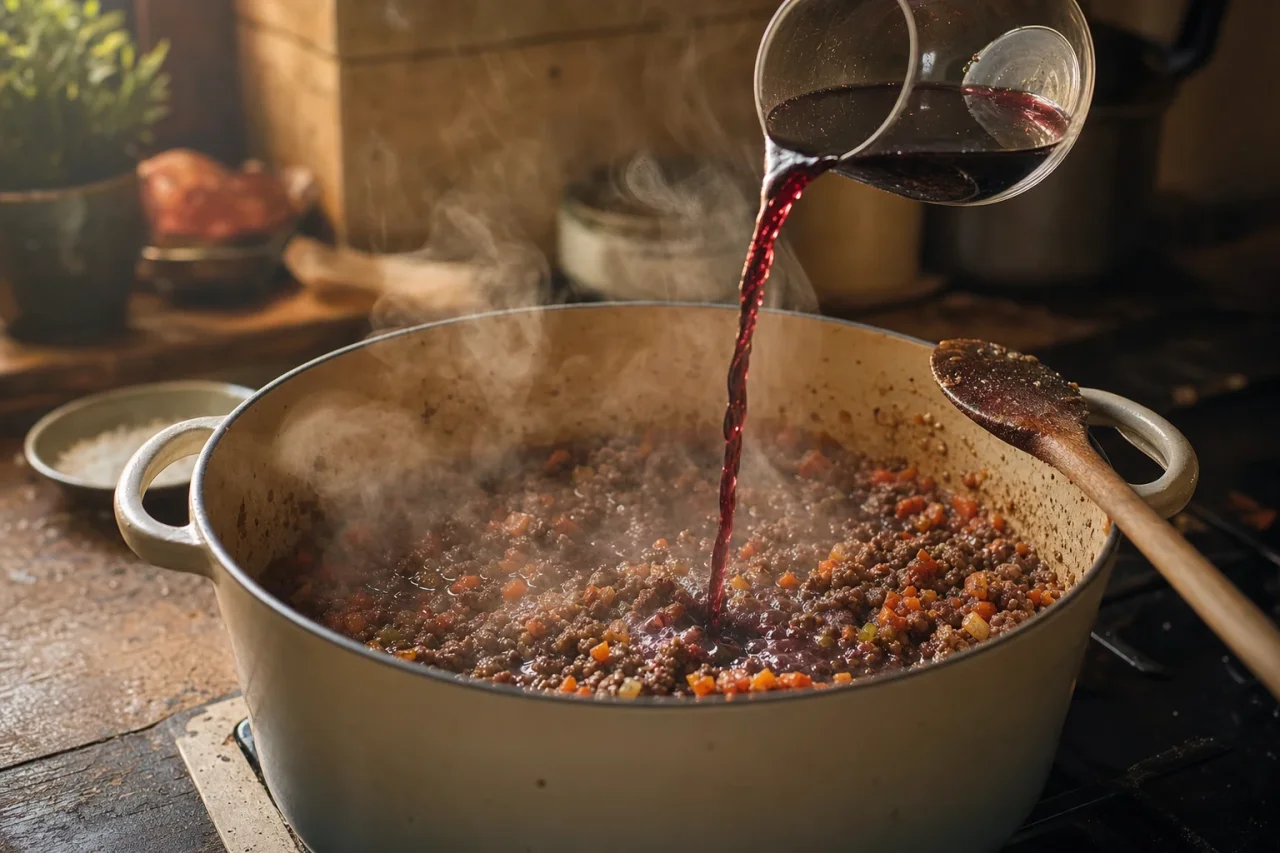
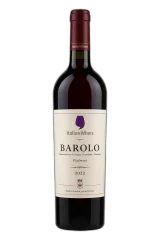
Brasato al Barolo is the Piedmontese braise built for Sunday lunch, beef shoulder or eye of round cooked for hours in a bottle of Barolo with soffritto, herbs and juniper. The rule at Langhe tables is simple: cooked in Barolo, served with Barolo. A younger Nebbiolo d'Alba keeps the dish honest if the good bottles are elsewhere; Barbera d'Alba is the weekday substitute.
Appellations to explore
Carbonade
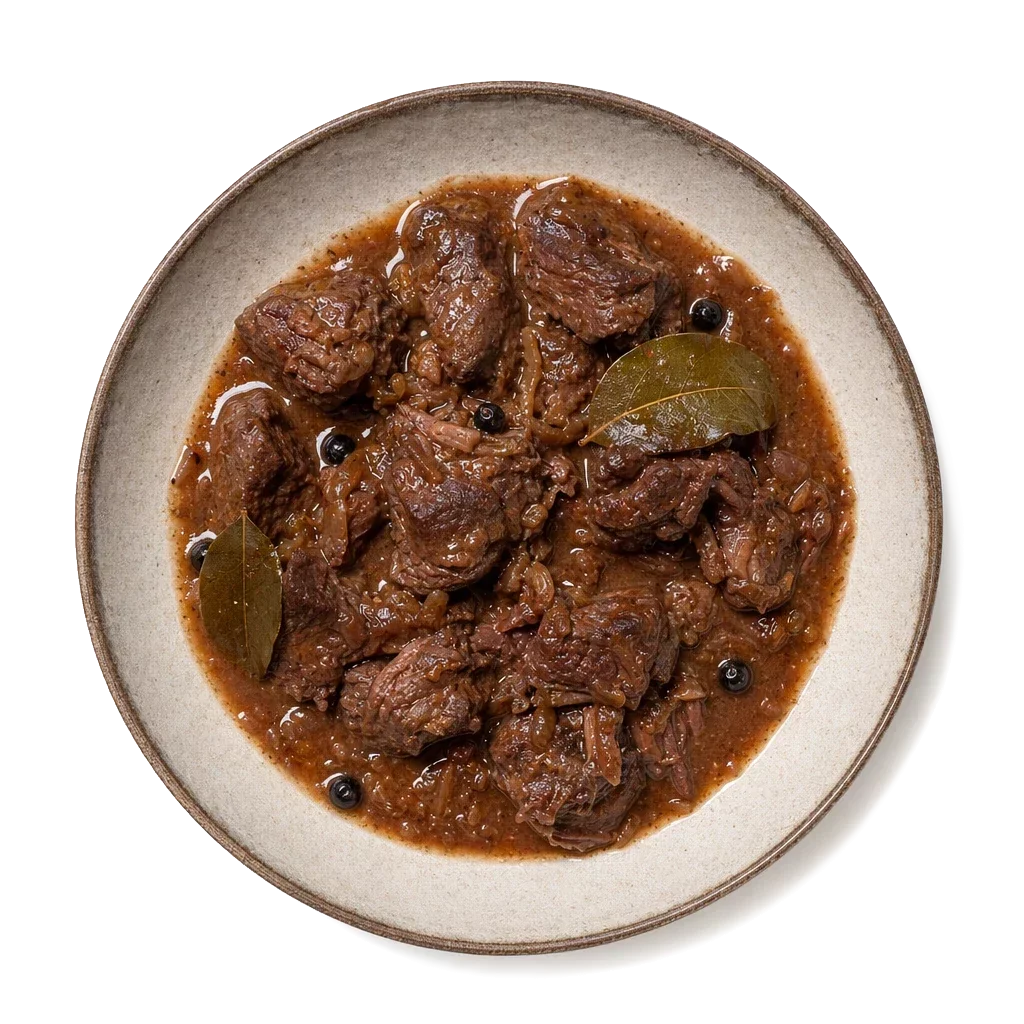
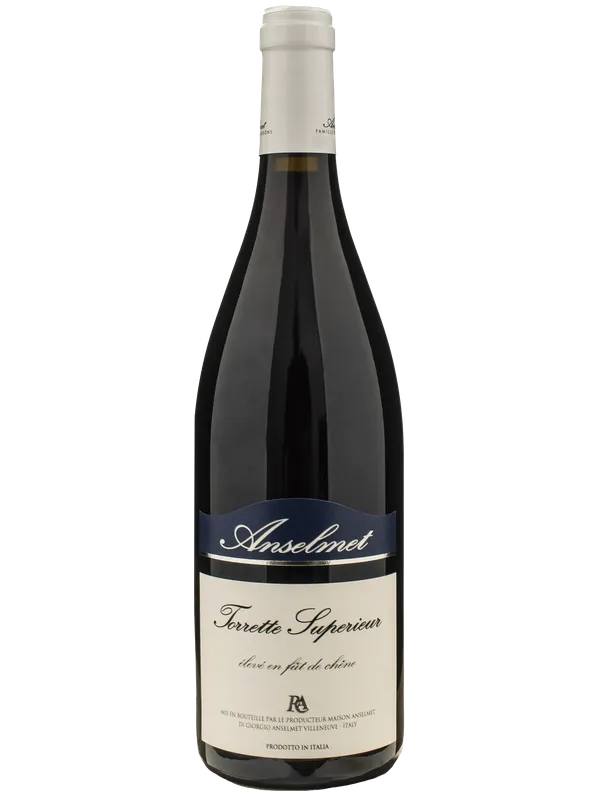
Carbonade is the Valdostano beef stew, chunks of chuck braised in red wine with onion, juniper and butter until the meat shreds. The recipe belongs to the Aosta Valley and borrows its name, not its technique, from the Flemish carbonnade. Torrette Petit Rouge or a Fumin from the Valle d'Aosta DOC match the altitude and the juniper; Cornalin is the quieter local alternative.
Perfect grape varieties
Also worth trying
Appellations to explore
Coniglio alla ligure
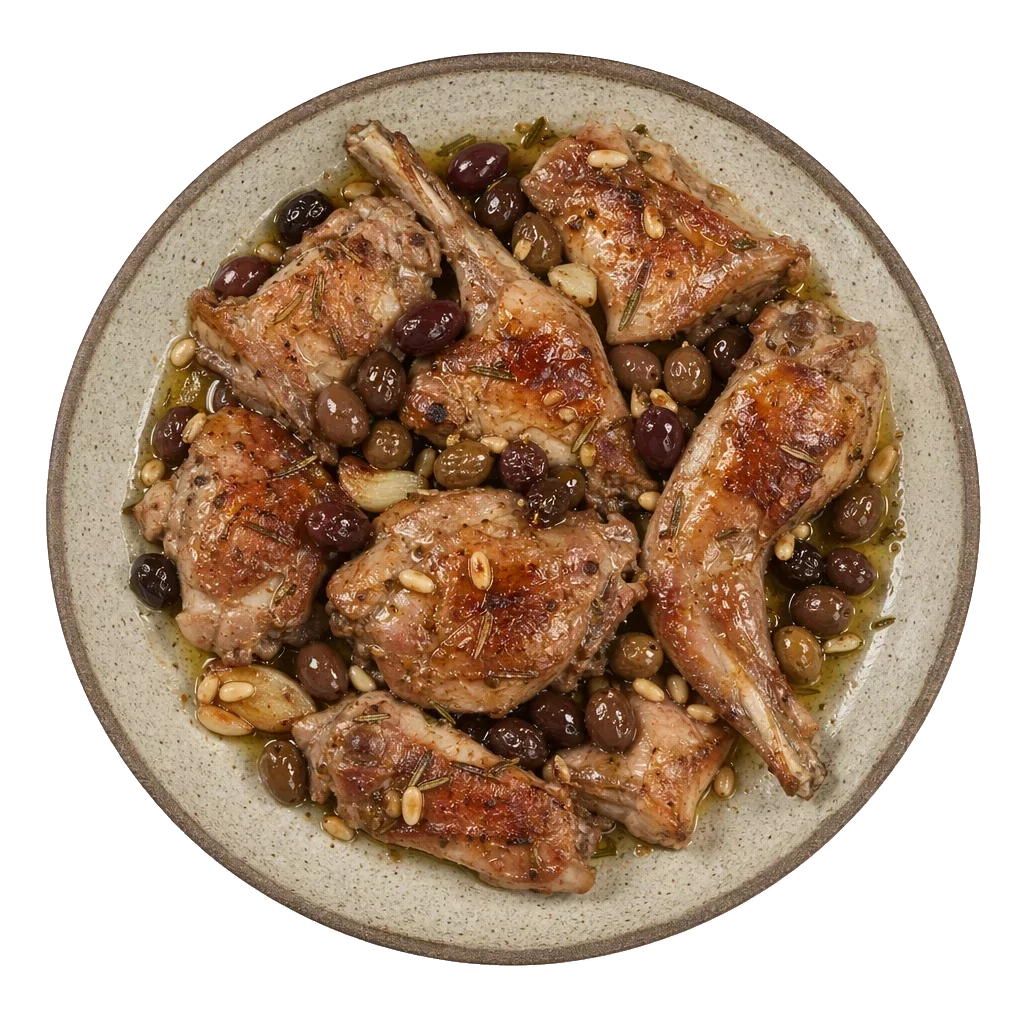
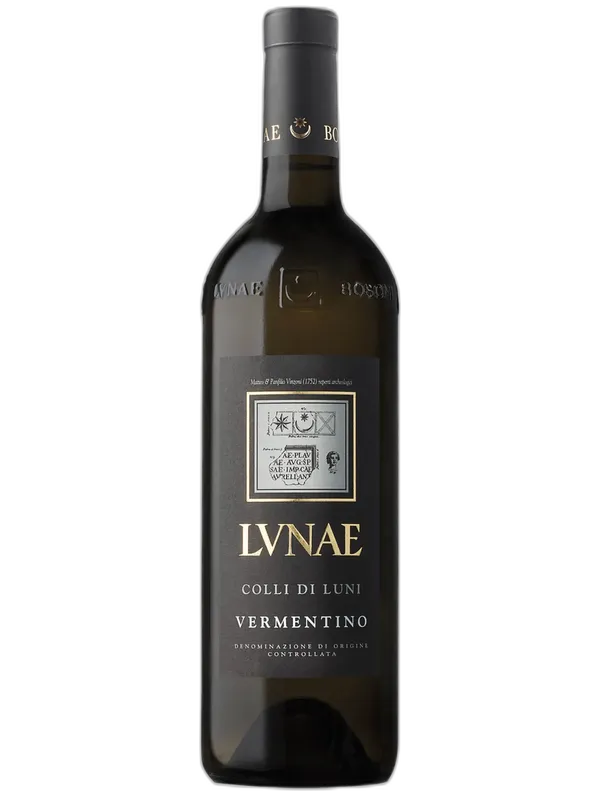
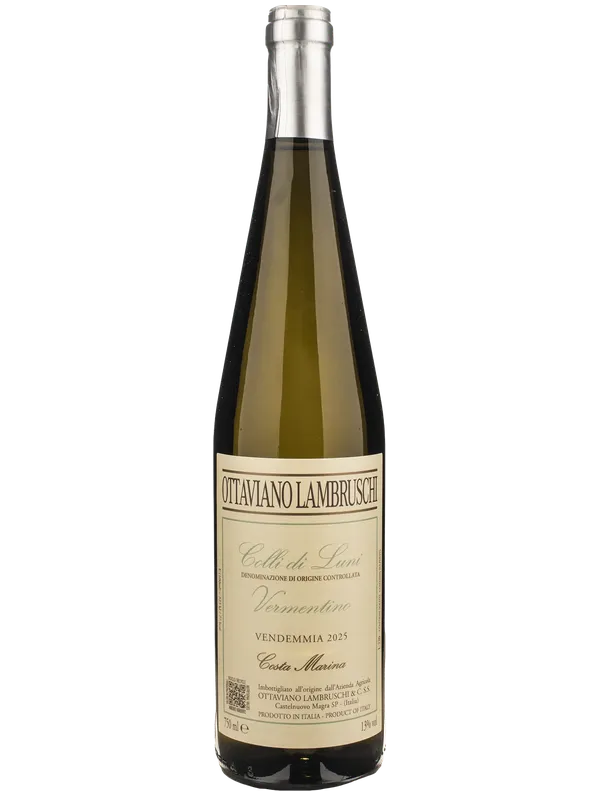
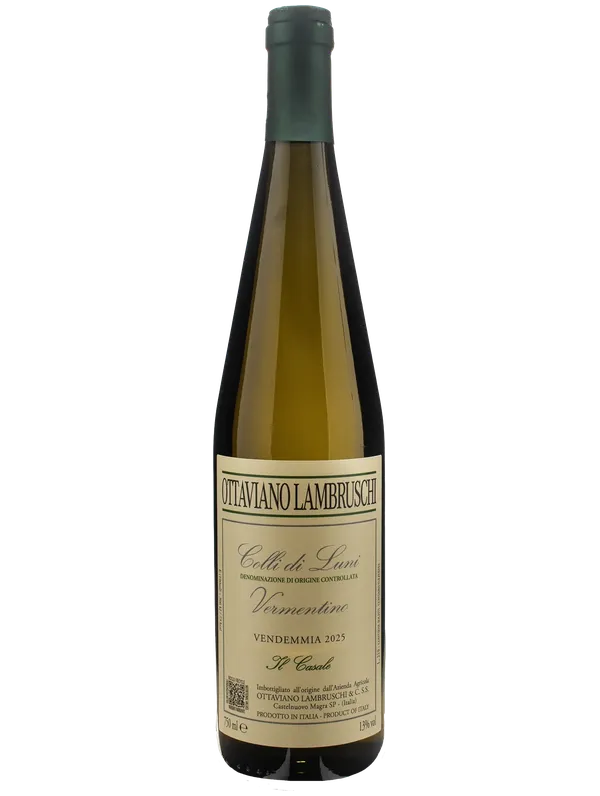
Coniglio alla Ligure is the Ligurian coastal rabbit, browned in olive oil with Taggiasca olives, pine nuts, rosemary and a splash of Vermentino. The dish comes from the hills between Imperia and Sanremo. Rossese di Dolceacqua DOC is the canonical pairing, a pale light red with enough herbal lift to mirror the rosemary; Vermentino di Colli di Luni DOC takes the white side.
Perfect grape varieties
Also worth trying
Appellations to explore
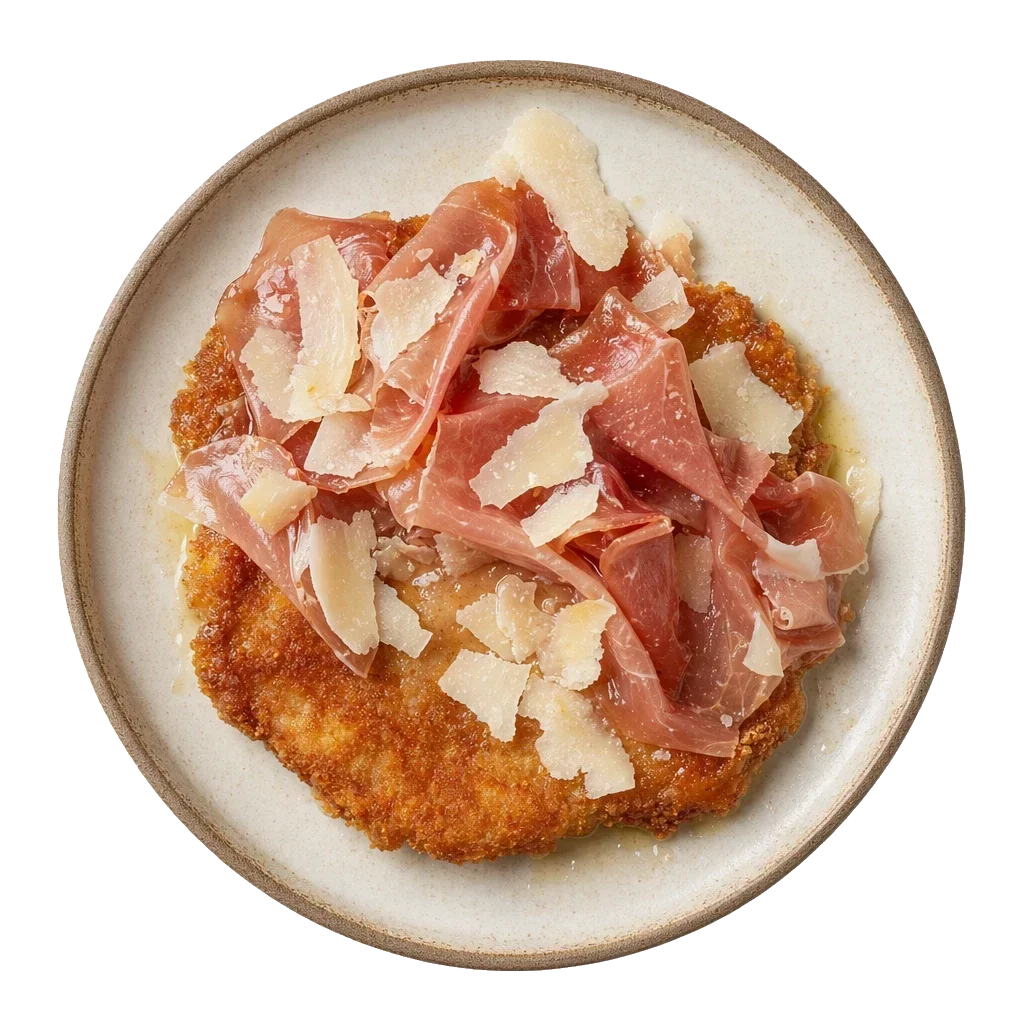
Cotoletta alla bolognese
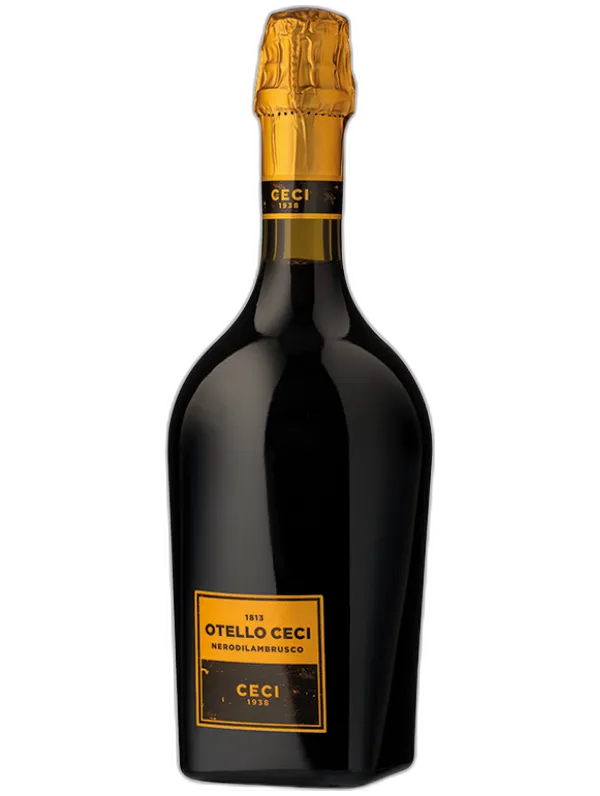
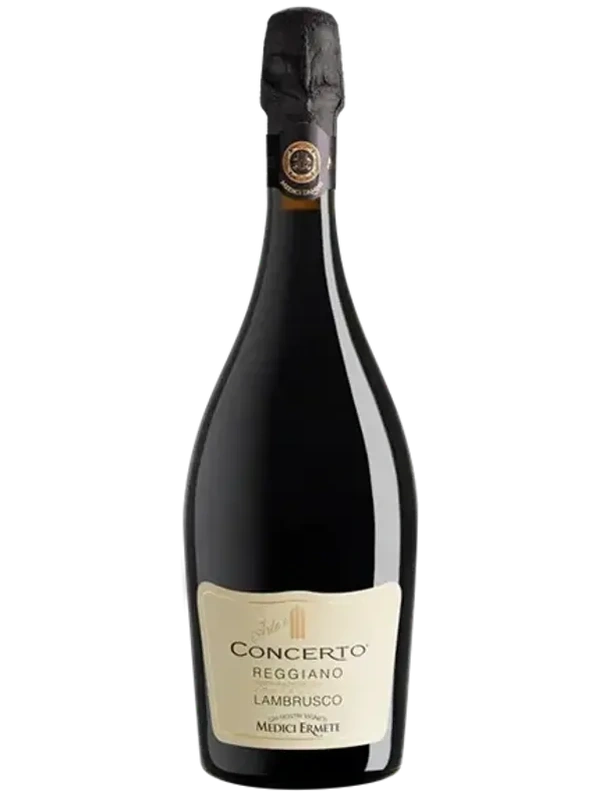
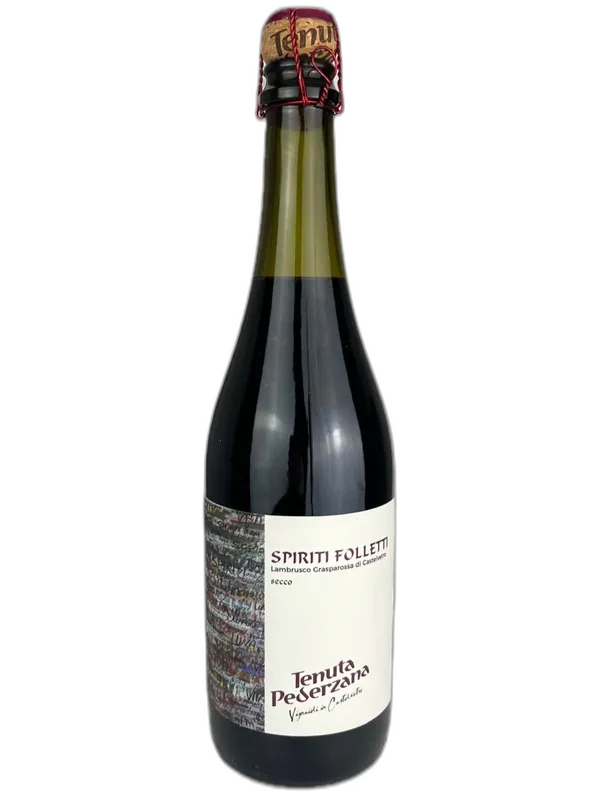
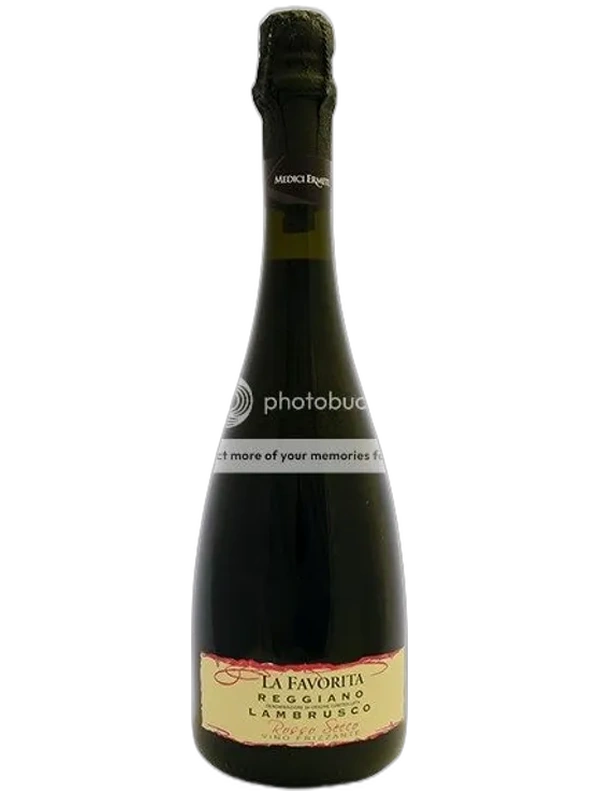
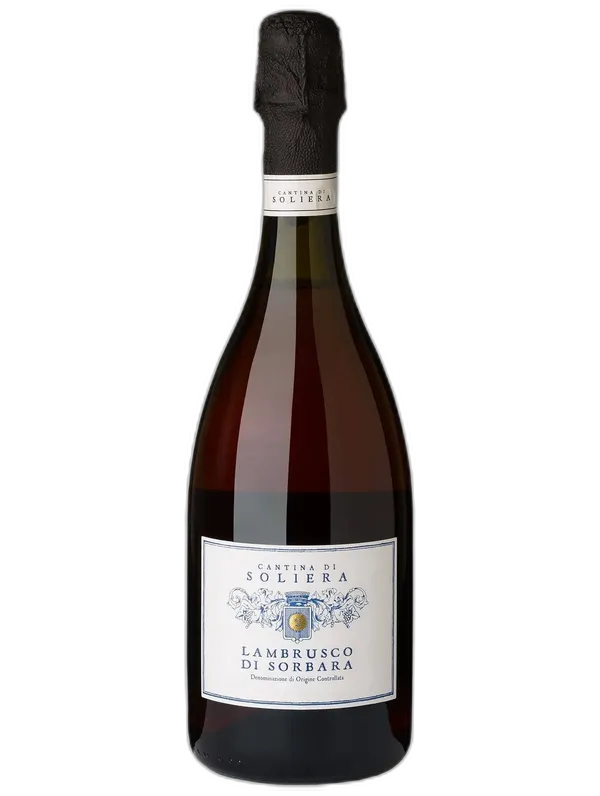
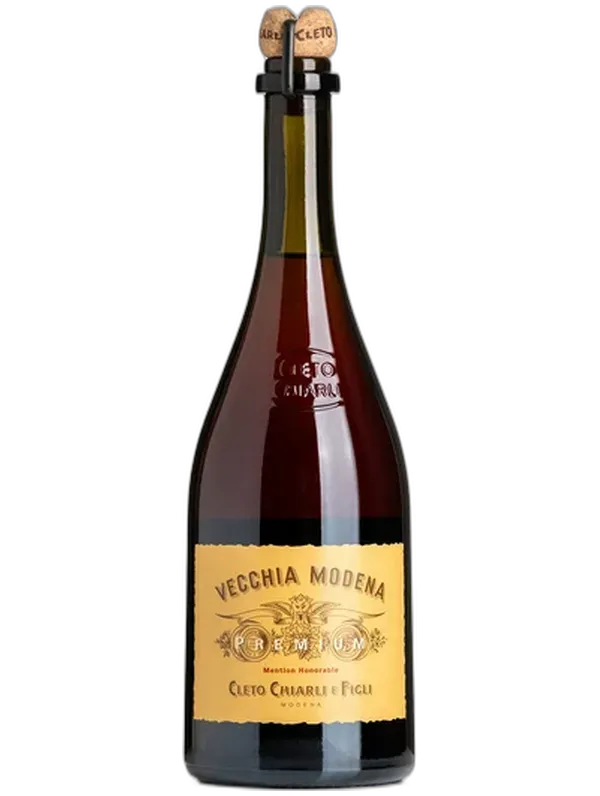
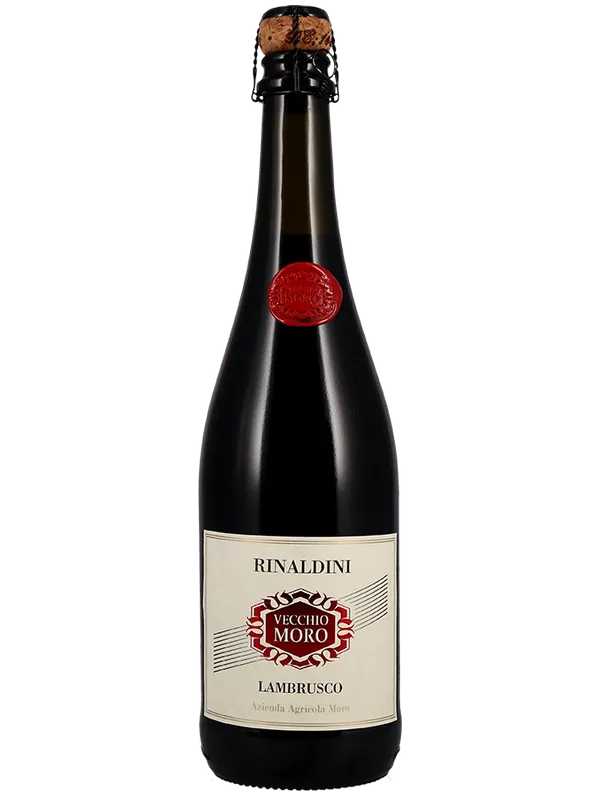
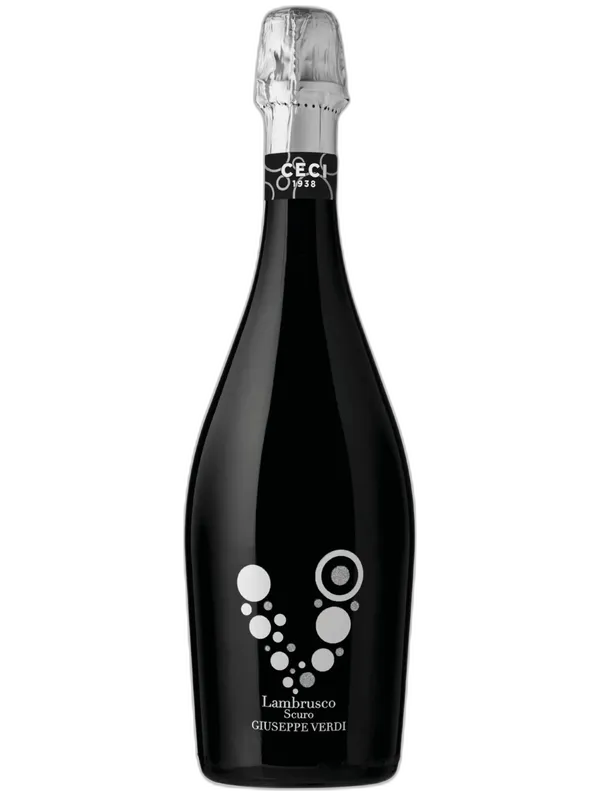
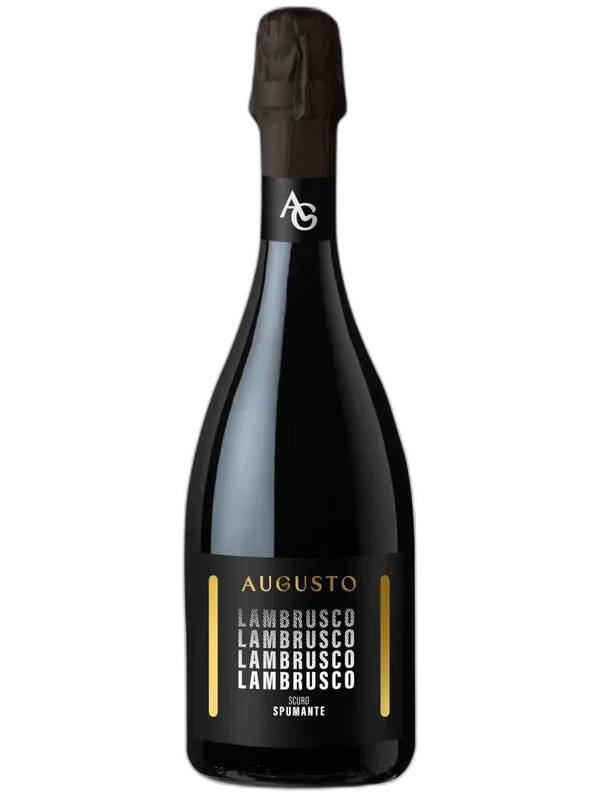
Cotoletta alla Bolognese is Emilia-Romagna's veal cutlet, breaded and butter-fried then topped with prosciutto crudo and shavings of Parmigiano Reggiano while still hot. The cheese half-melts; the prosciutto keeps its cure. Lambrusco di Sorbara or Grasparossa di Castelvetro, both sparkling, are the non-negotiable pairing: the fizz is designed for exactly this amount of fat.
Perfect grape varieties
Also worth trying
Appellations to explore
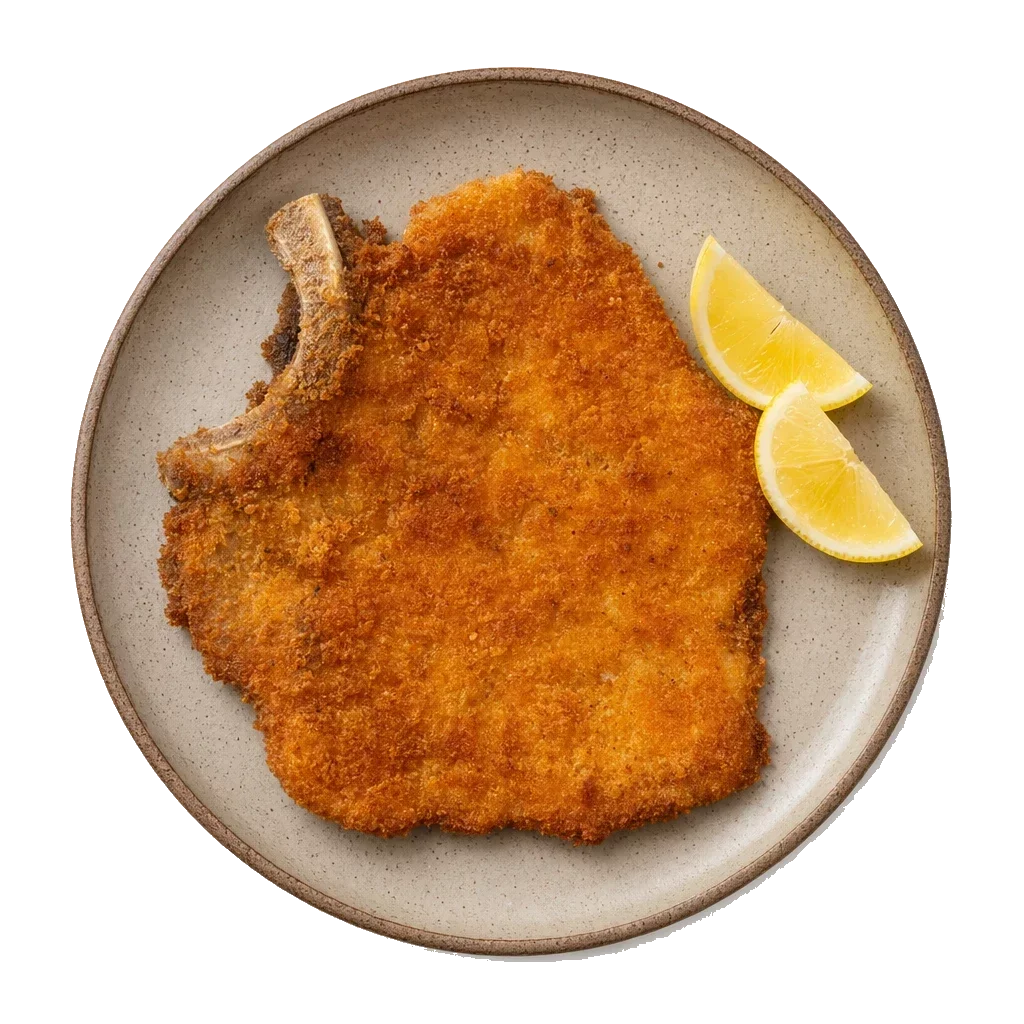
Cotoletta alla Milanese
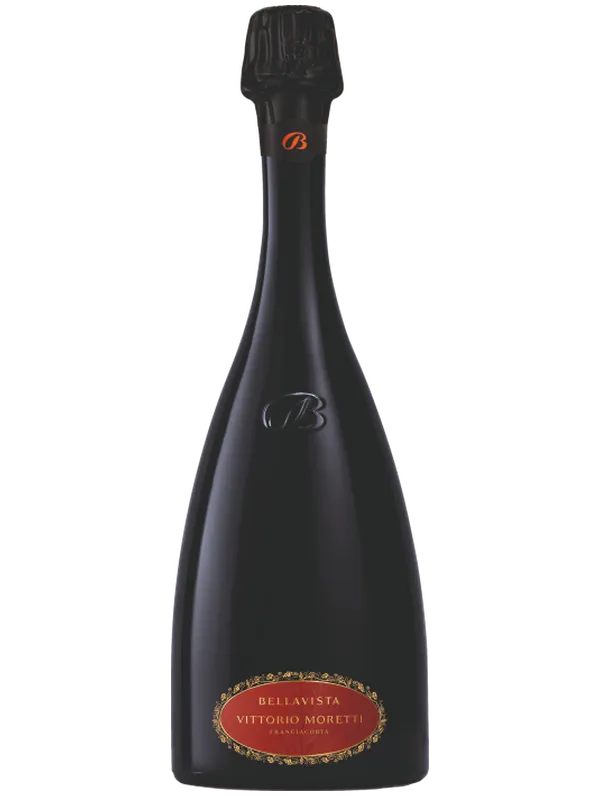
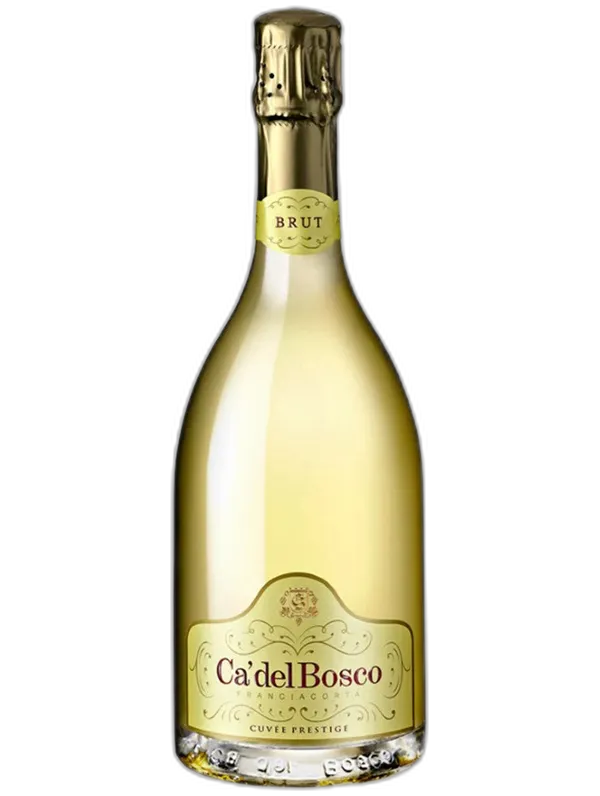
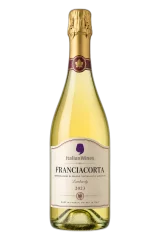
Cotoletta alla Milanese is the Lombard pan-fried veal, bone-in rib cut, pounded flat, breaded and cooked in clarified butter. The Austro-Hungarian Vienna-schnitzel argument has been going on for 200 years; Milan is the winner on the butter. Oltrepo Pavese Bonarda is the Lombard red of choice; Franciacorta DOCG is the celebration bottle; a lighter Pinot Nero suits the summer version with rocket and tomato.
Perfect grape varieties
Also worth trying
Appellations to explore
Fiorentina steak
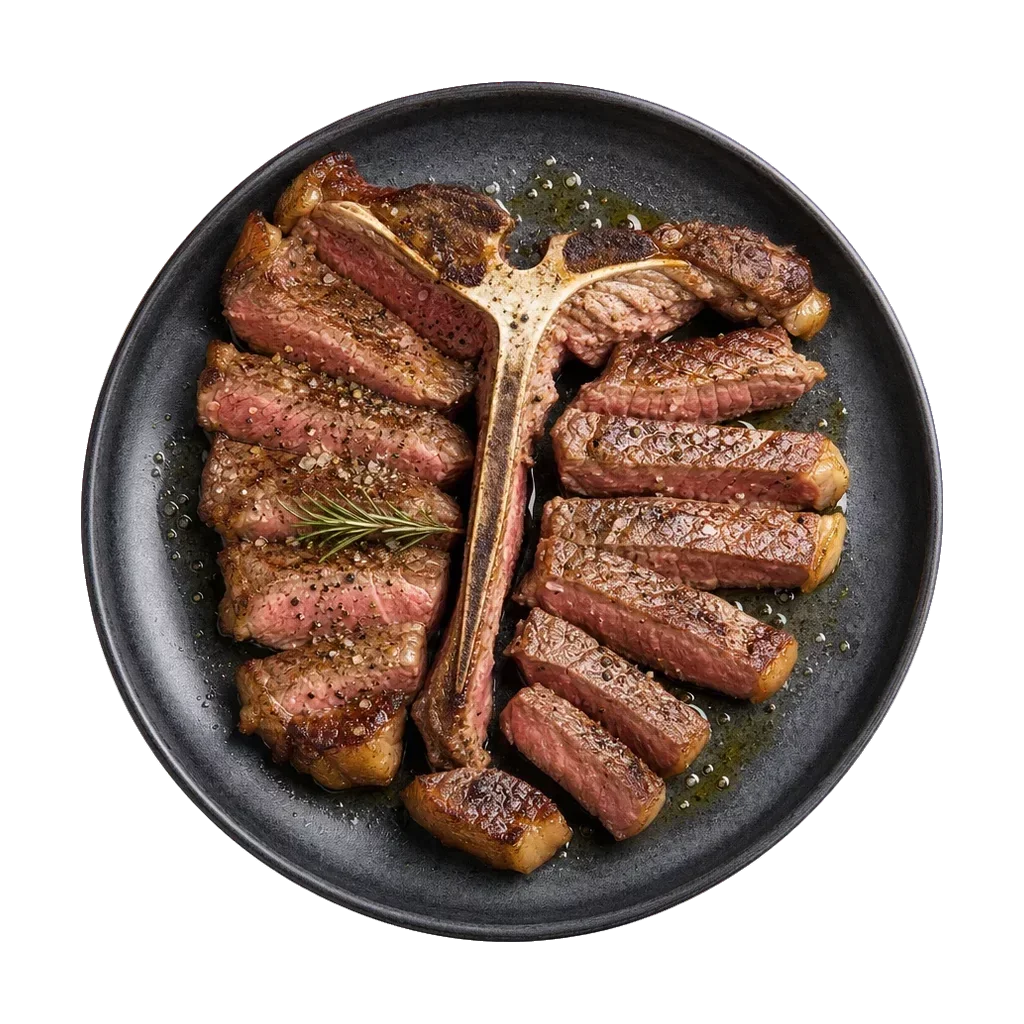
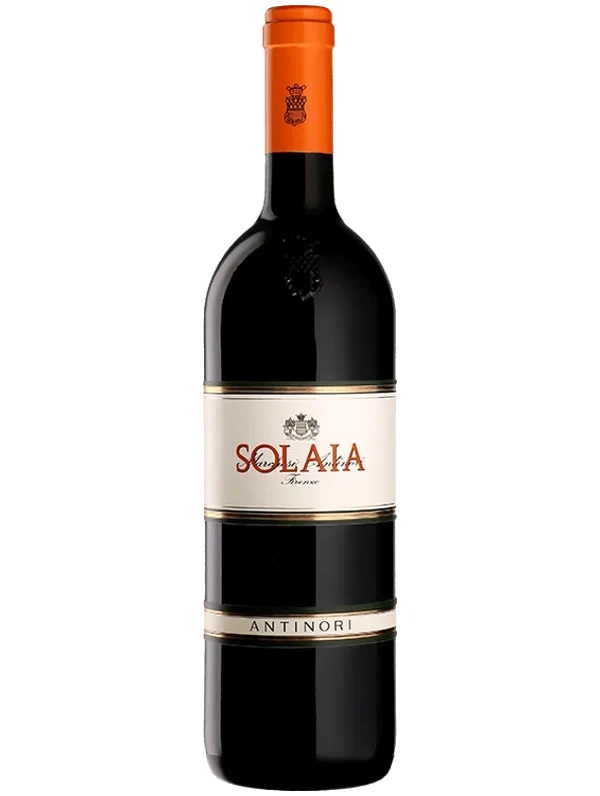
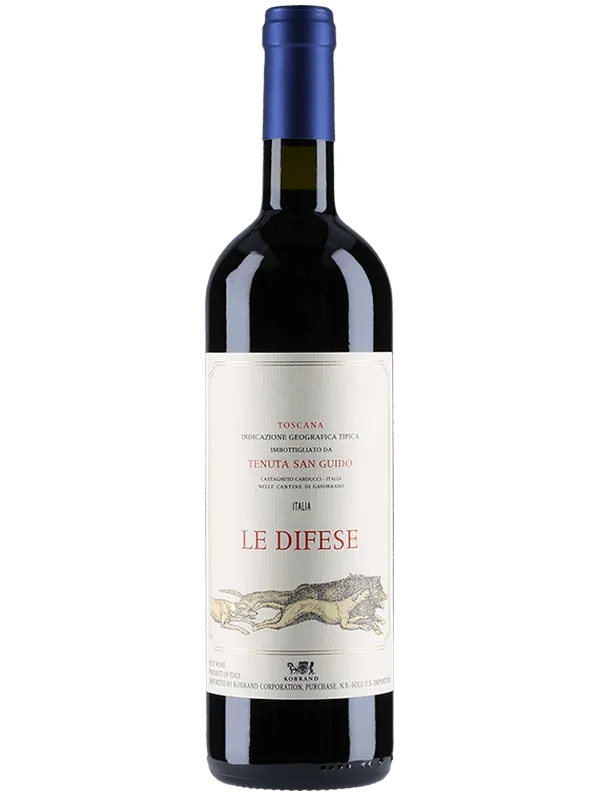
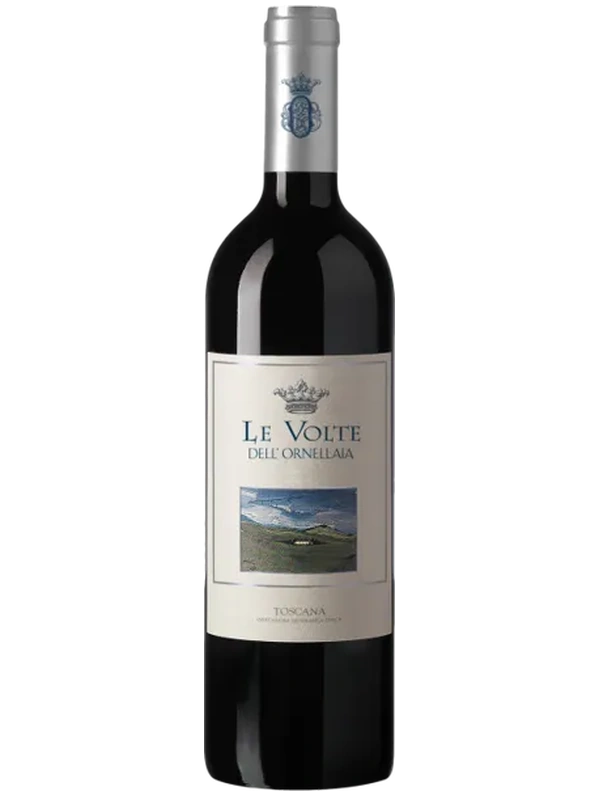
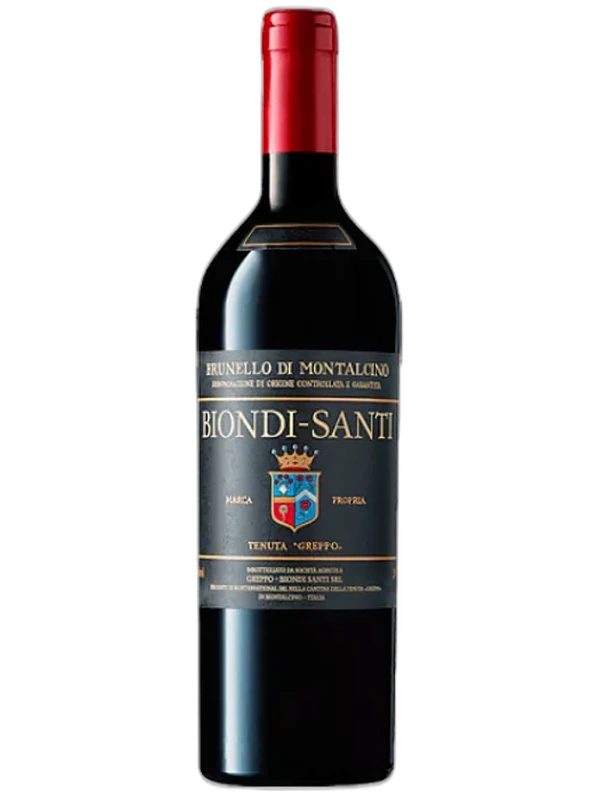
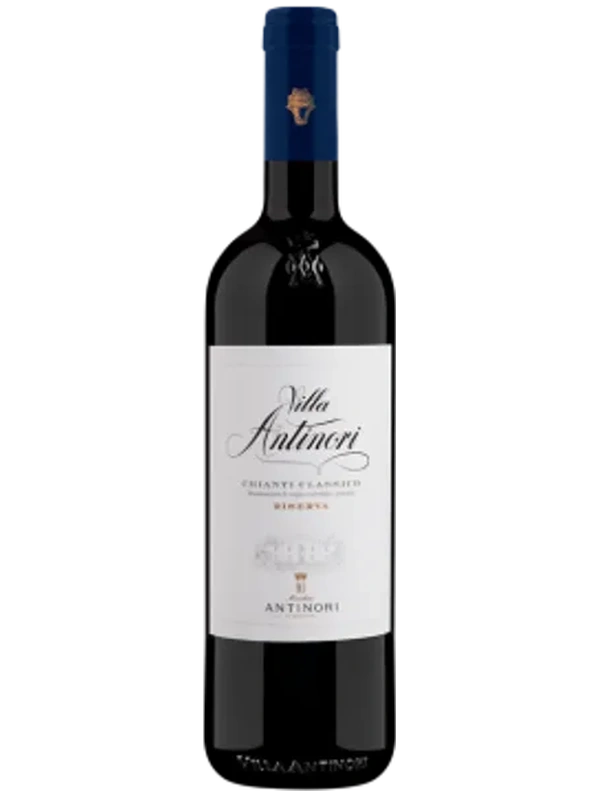
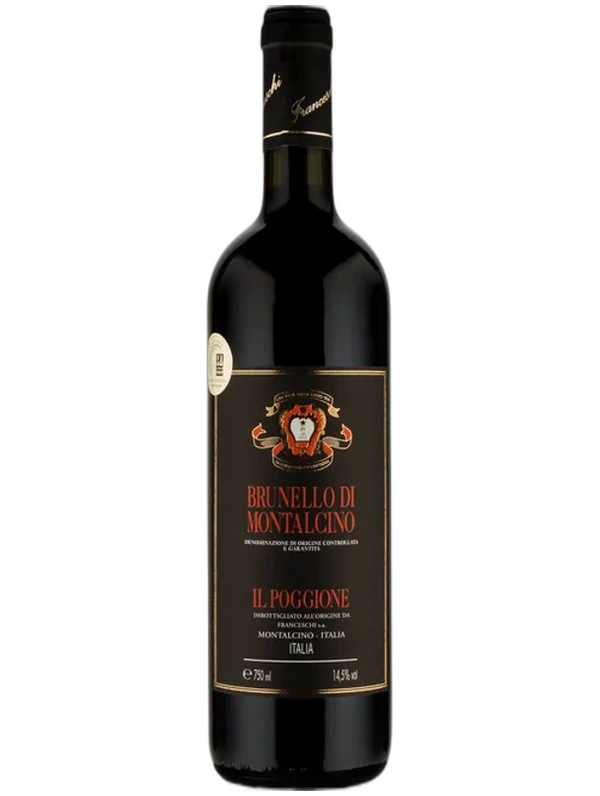
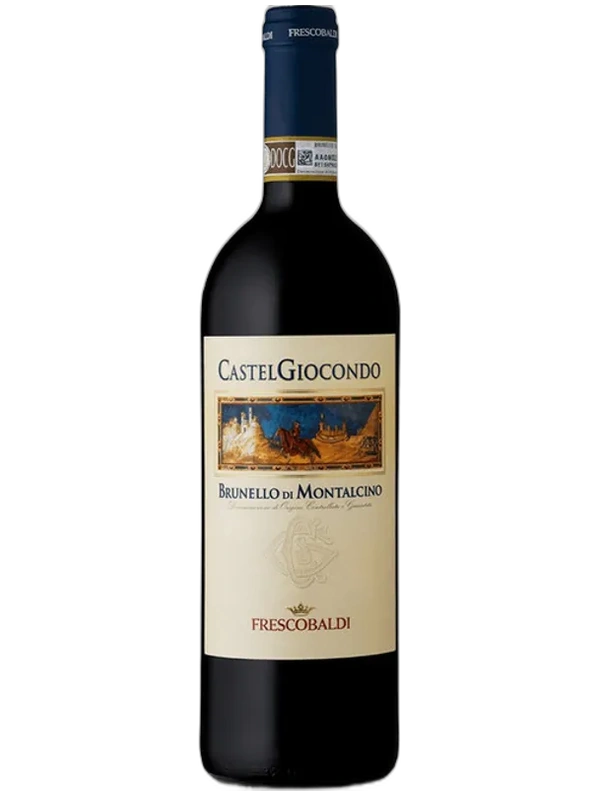
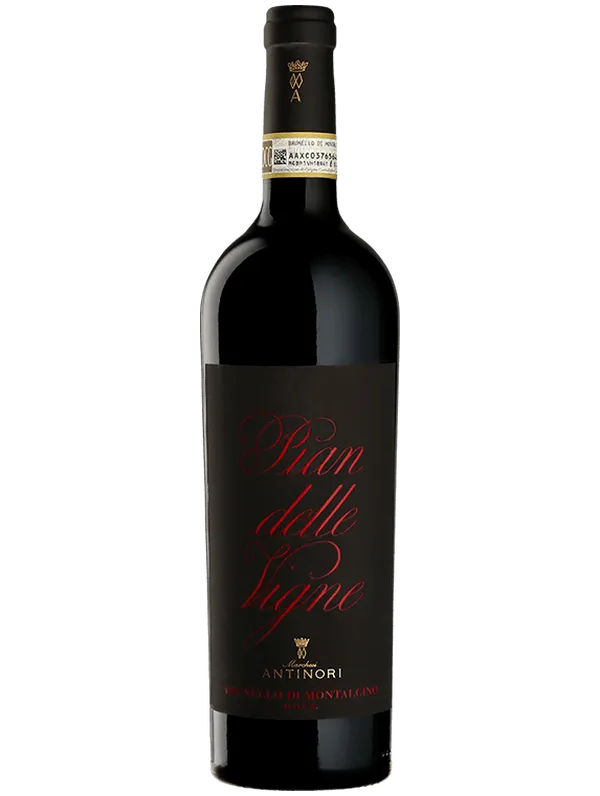
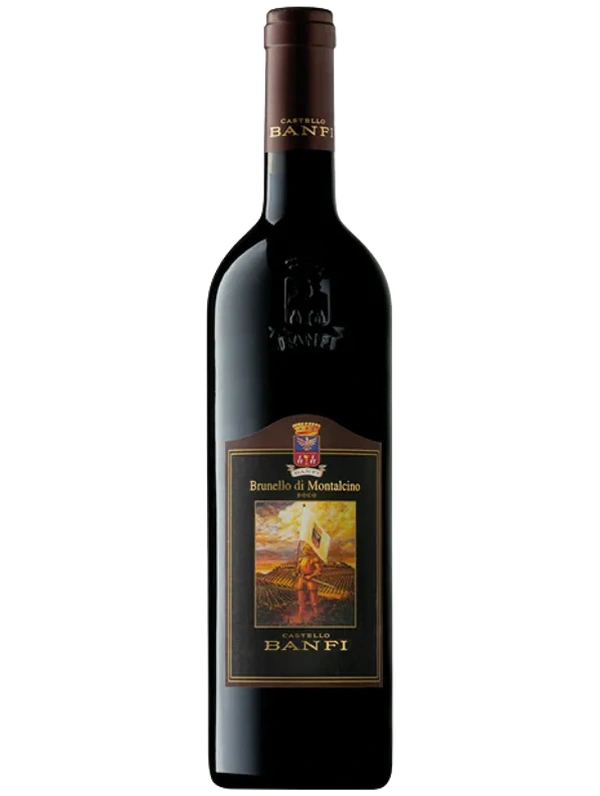
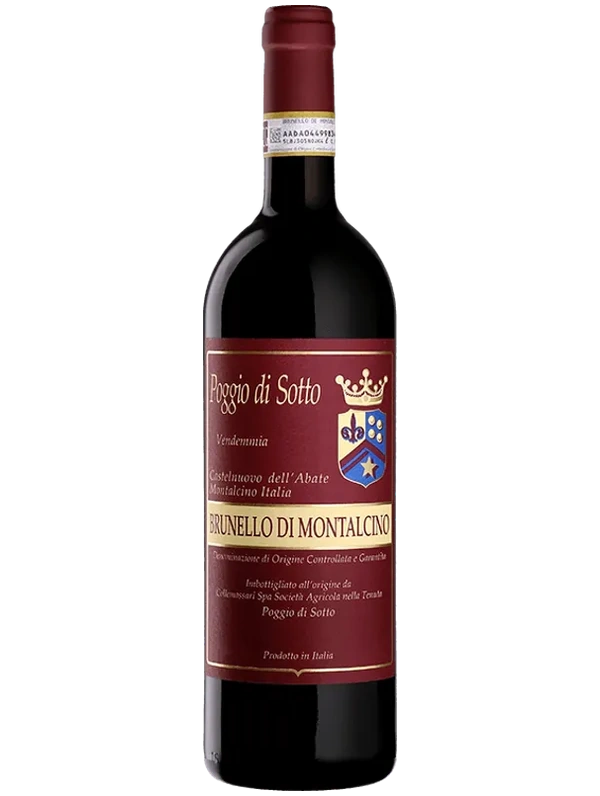
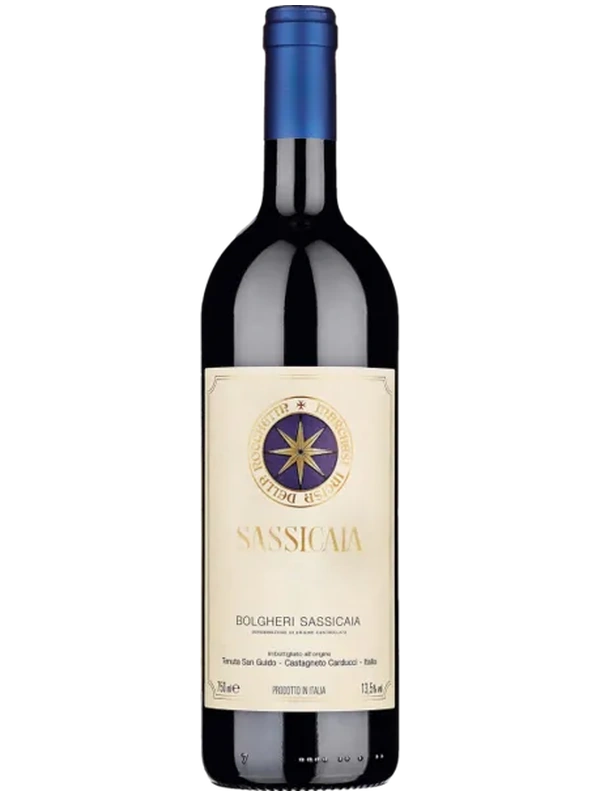
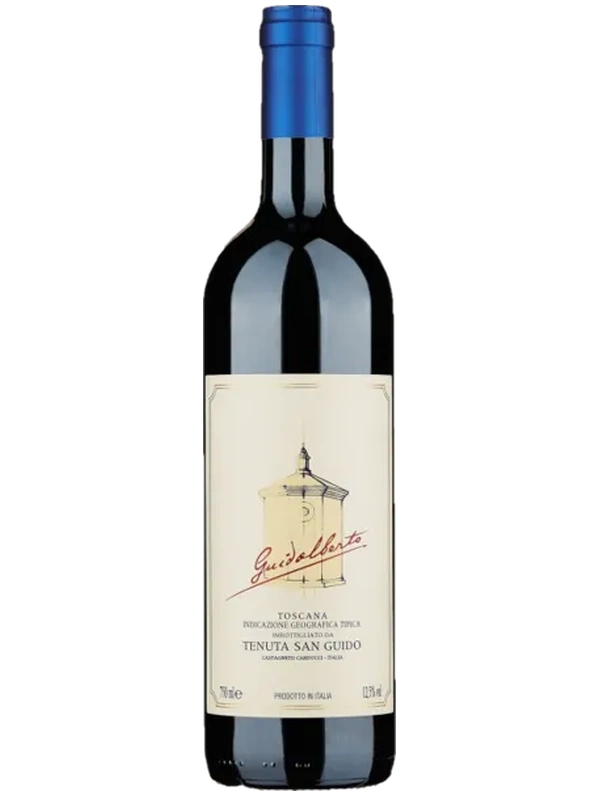
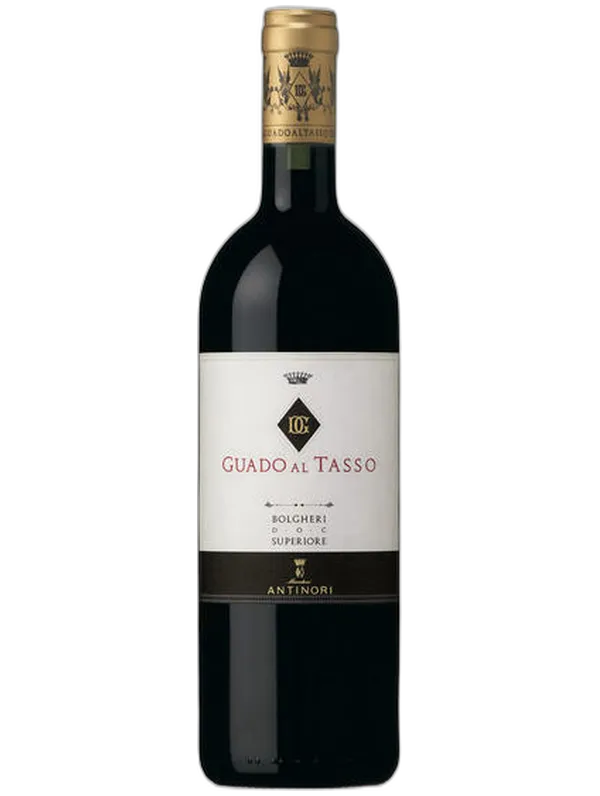
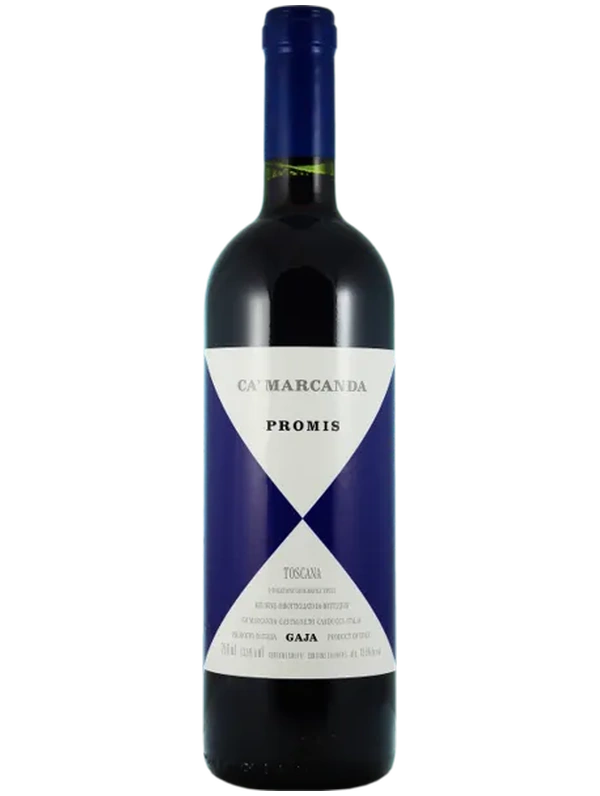
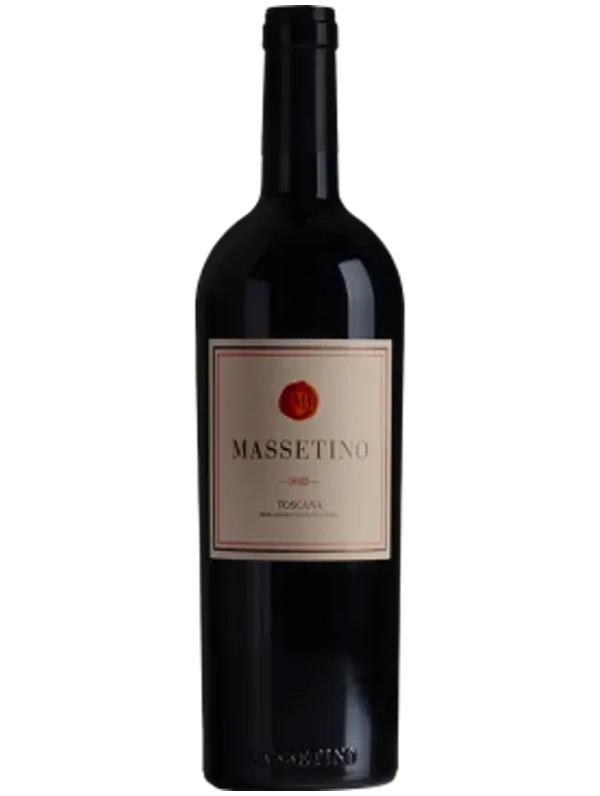
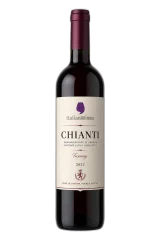
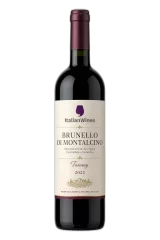
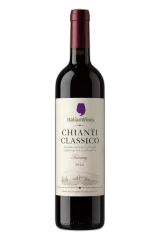
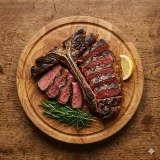
Bistecca alla Fiorentina, or Italian Fiorentina steak, is a Tuscan steak traditionally from the Chianina breed of cattle. It's a thick, typically very large steak grilled over a wood fire and seasoned simply with olive oil, rosemary, salt, and sometimes black pepper. The steak is known for its rich, succulent flavor and is often shared among several diners due to its size.The Italian Fiorentina steak calls for a wine that can stand up to its robust flavors and rich, juicy texture. A full-bodied wine with pronounced tannins is ideal, as the proteins and fats in the steak will soften the astringency of the tannins, resulting in a smoother taste experience.The wine should be dry to complement the natural savoriness of the meat without competing with its flavors. A high alcohol content (over 13% ABV) can also match the intensity of the dish. Classic pairings include a robust Chianti Chianti Classico a bold Brunello di Montalcino, or a Super Tuscan, all of which hail from the same region as this iconic steak. These wines not only match the weight and flavors of the steak but also harmonize beautifully with the traditional Tuscan preparation.
Perfect grape varieties
Also worth trying
Appellations to explore
Lucanica (Lucanica)
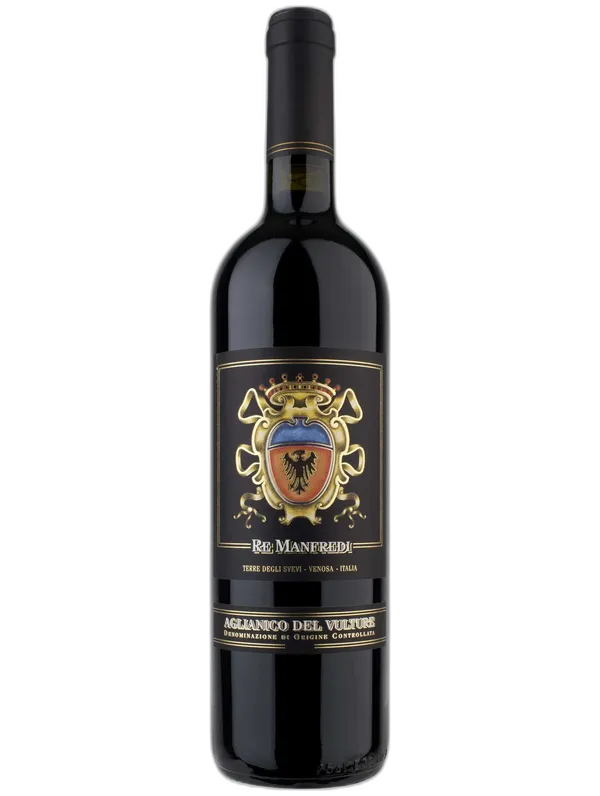
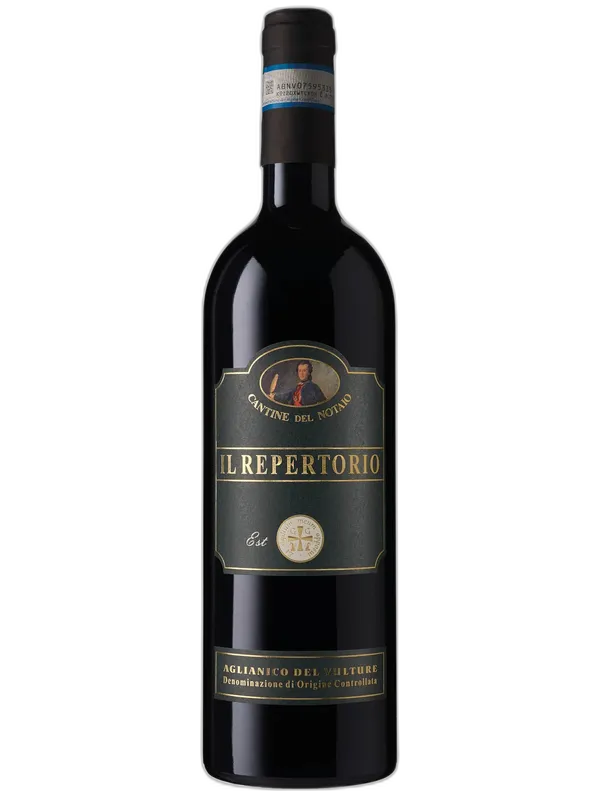
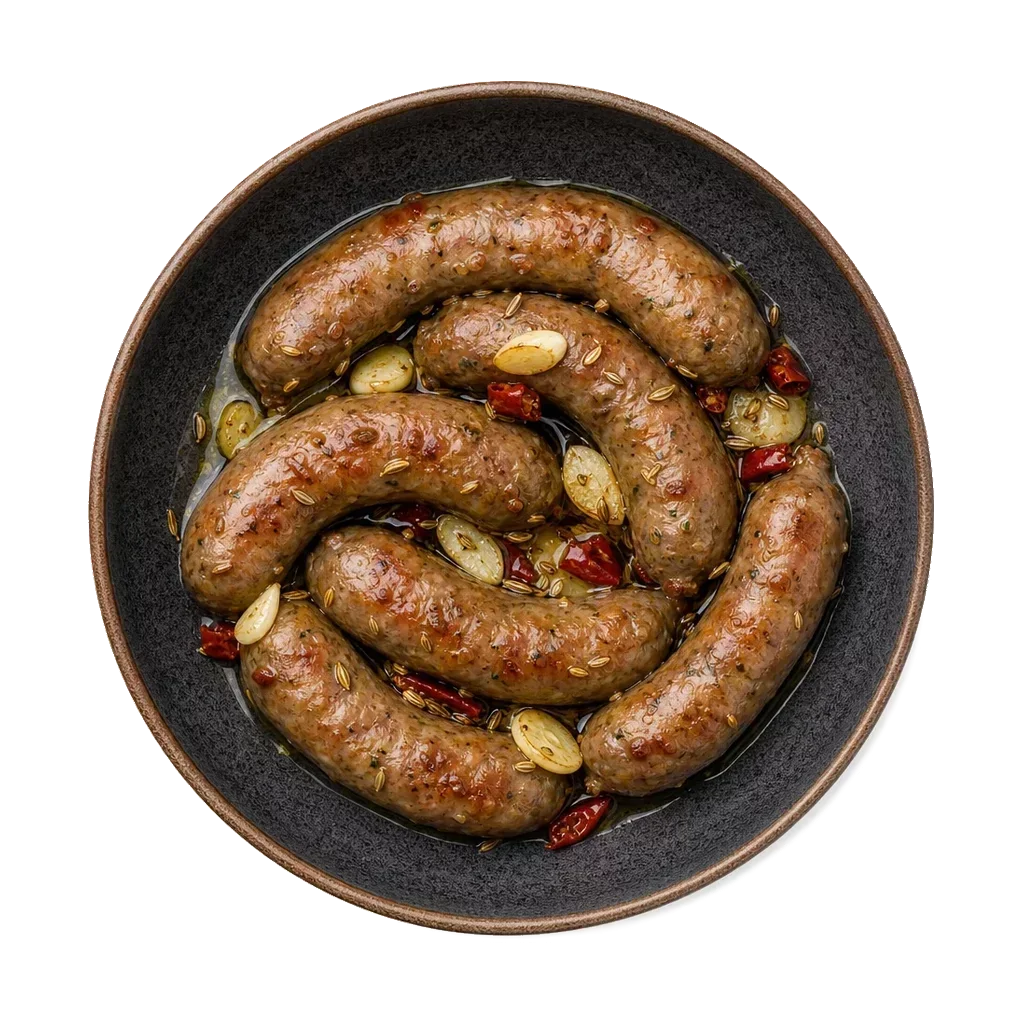
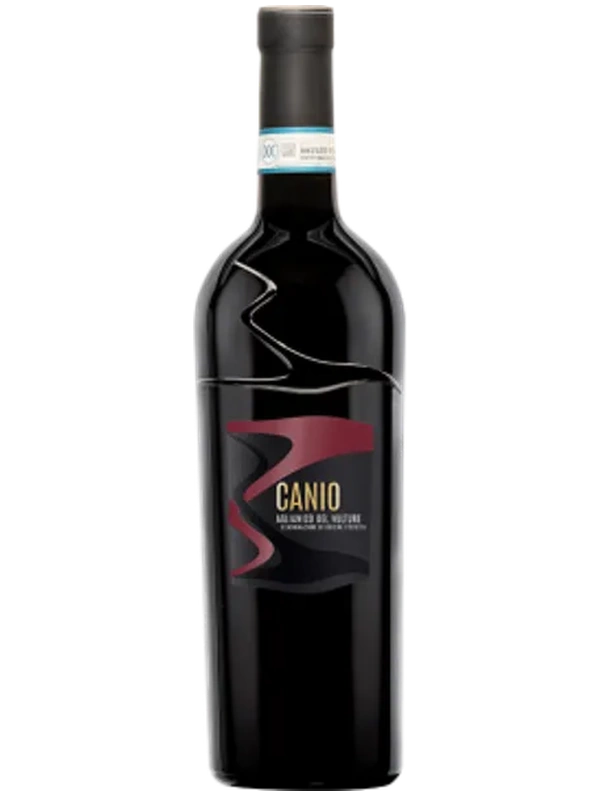
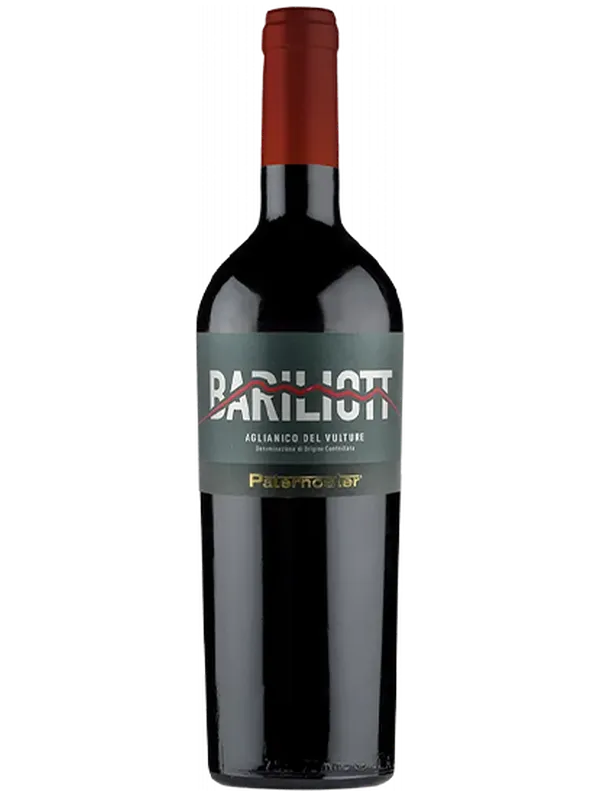
Coarse-grained pork sausage from Basilicata, seasoned with fennel seeds, peperoncino and garlic. Traditionally cured in pig caul or grilled fresh over olive-wood embers. The Roman writer Marcus Terentius Varro named it the prototype of all Italian sausages. Pairs with Aglianico del Vulture Riserva.
Perfect grape varieties
Also worth trying
Appellations to explore
Why these Italian wine pairings work for Italian Meats
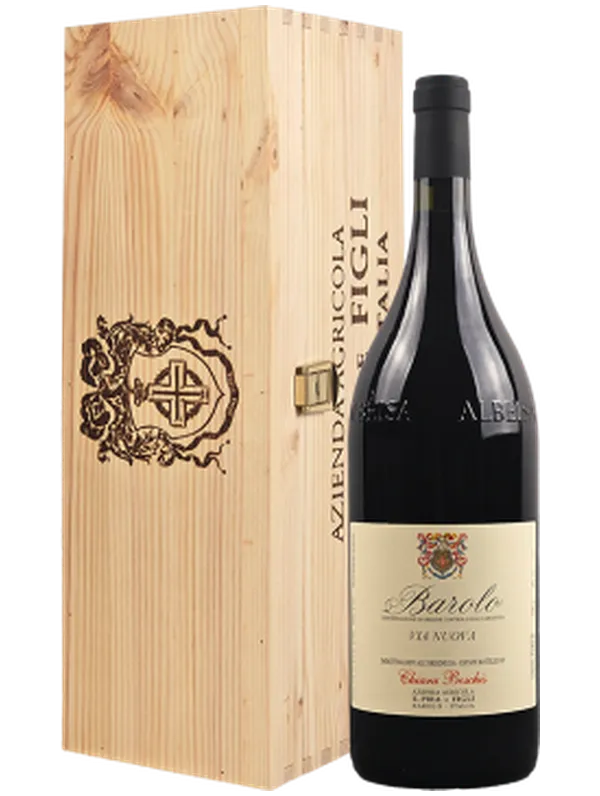
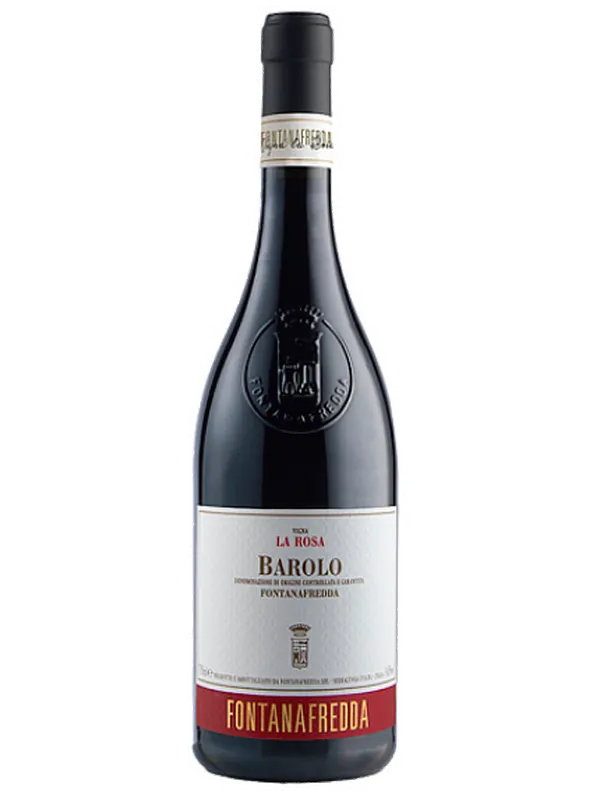
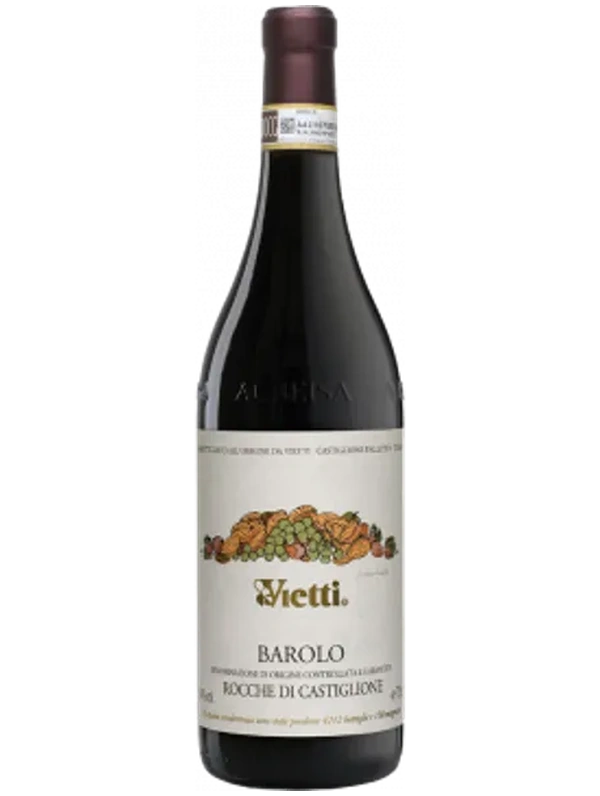
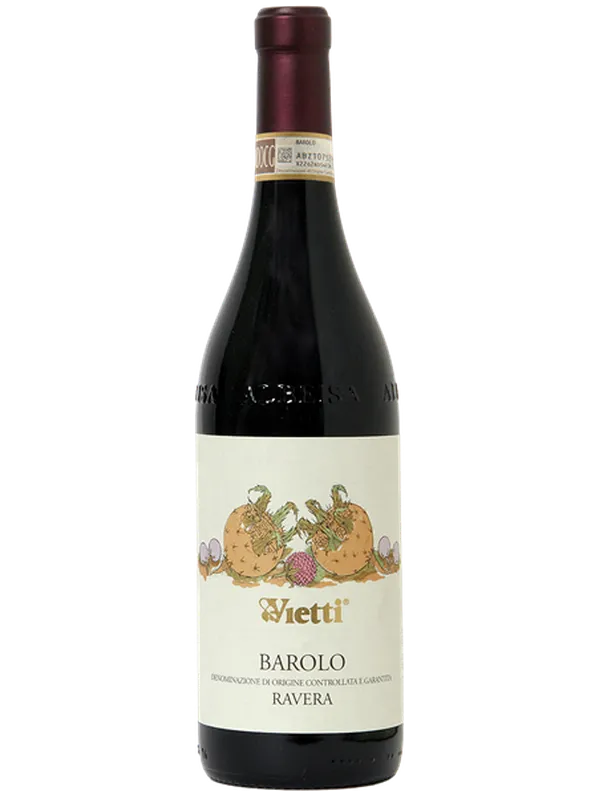
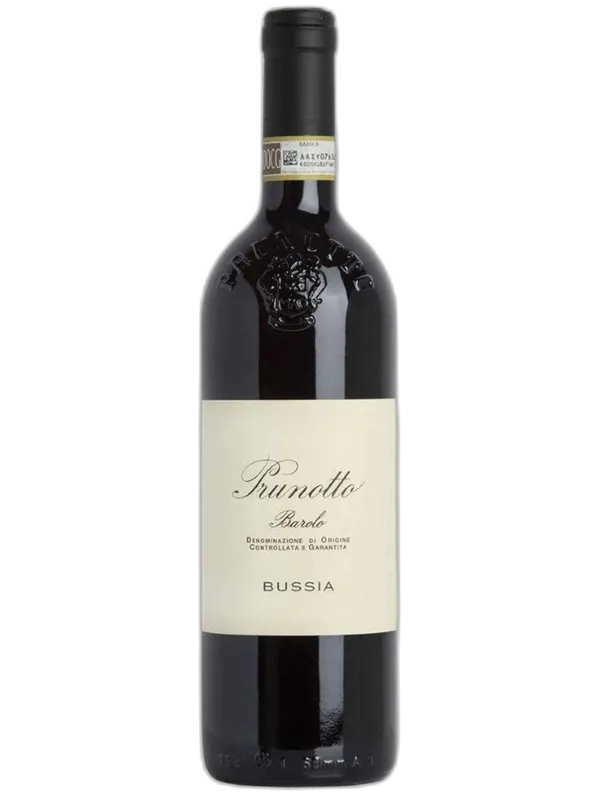
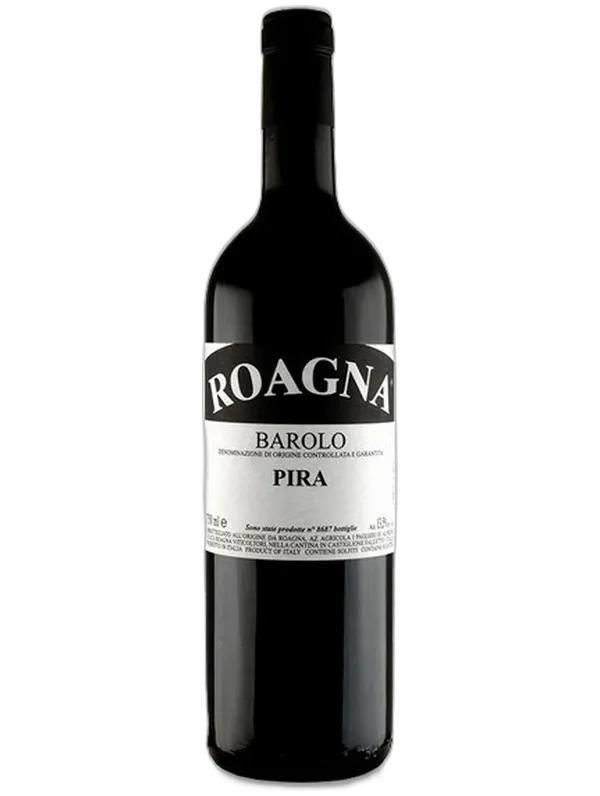
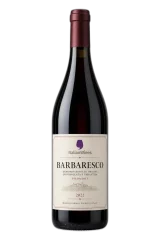
Tannins and acidity are the two key players when pairing wine with meat. The high tannin content in wines like Barolo and Brunello binds to the proteins and fats in red meat, softening the wine's astringency while cutting through the richness of the dish. Meanwhile, the natural acidity acts as a palate cleanser between bites, keeping each mouthful as exciting as the first.
Italy's great red grape varieties - Nebbiolo, Sangiovese, Aglianico - evolved alongside a meat-centric culinary tradition stretching back centuries. From the slow-braised ossobuco of Milan to the flame-grilled bistecca of Florence, the wines and the dishes were literally born to complement each other.
Italian Meats wine pairing questions
While red is traditional, a full-bodied, oak-aged white like a Sicilian Chardonnay or a mature Verdicchio can pair beautifully with pork or lighter veal dishes.
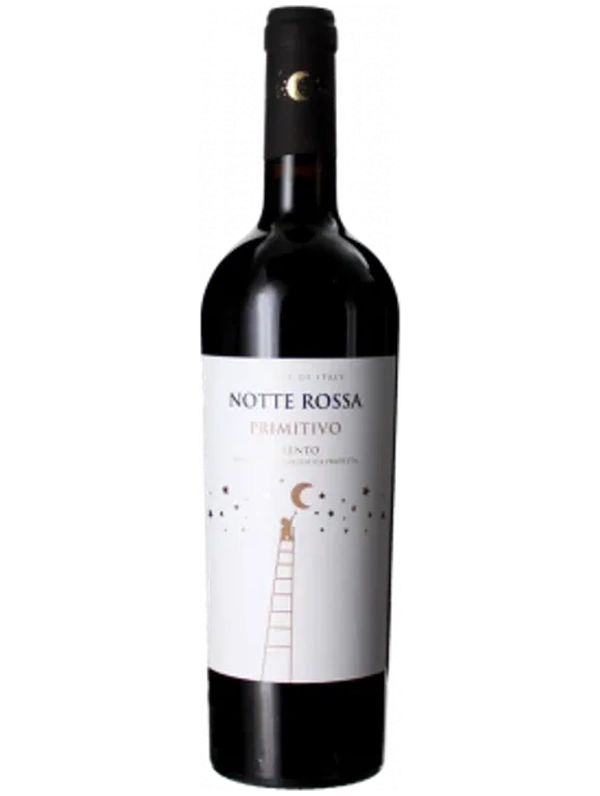
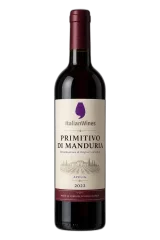
Look for juicy, low-tannin reds like Primitivo or Barbera. They offer fruitiness to balance the heat without clashing with the spices.
Rare meat has more juice and fat availability, which handles heavy tannins (Barolo) better. Well-done meat is drier and benefits from smoother, fruitier wines like Chianti Classico.
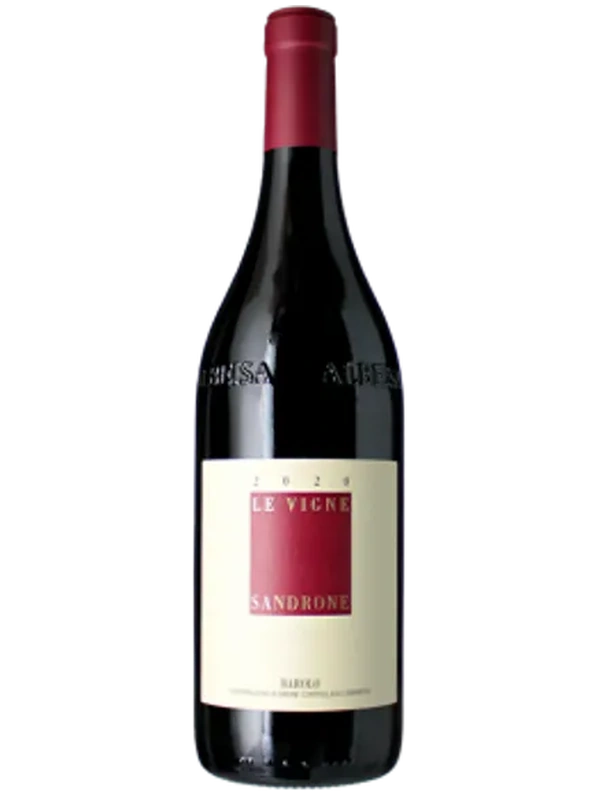
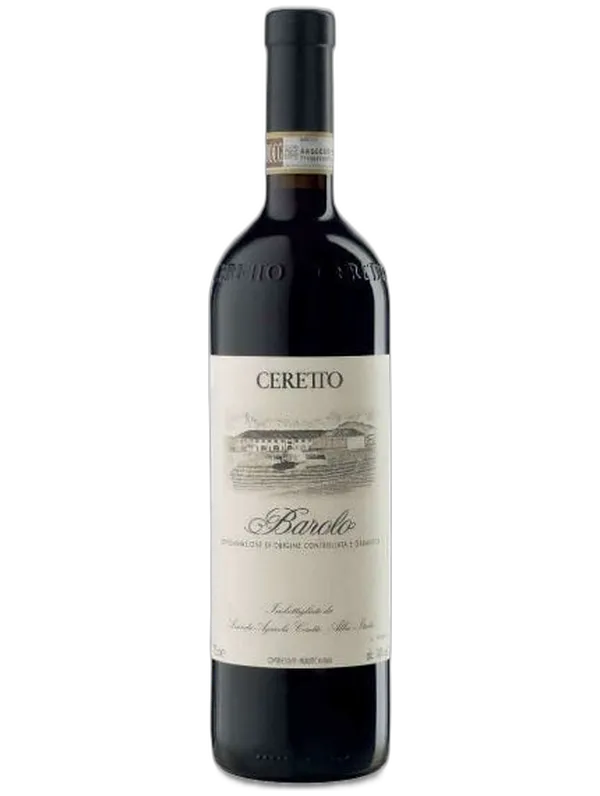
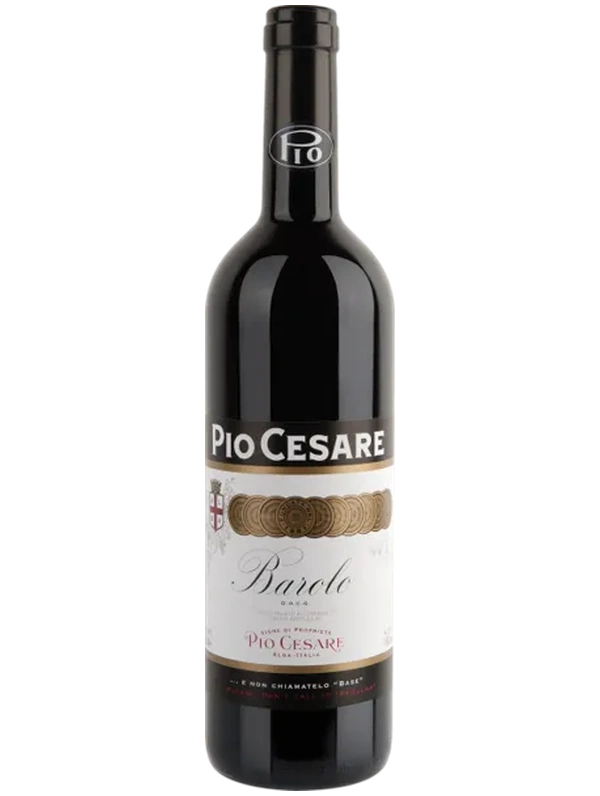
Barolo DOCG is the classic Italian answer for steak because Nebbiolo tannin needs protein and fat. Brunello di Montalcino works when the steak has more rosemary, char or slow-cooked juices.