

Pizza, Focaccia and Italian Flatbreads

Best Italian Wines for Pizza, Focaccia, Calzone and Flatbreads

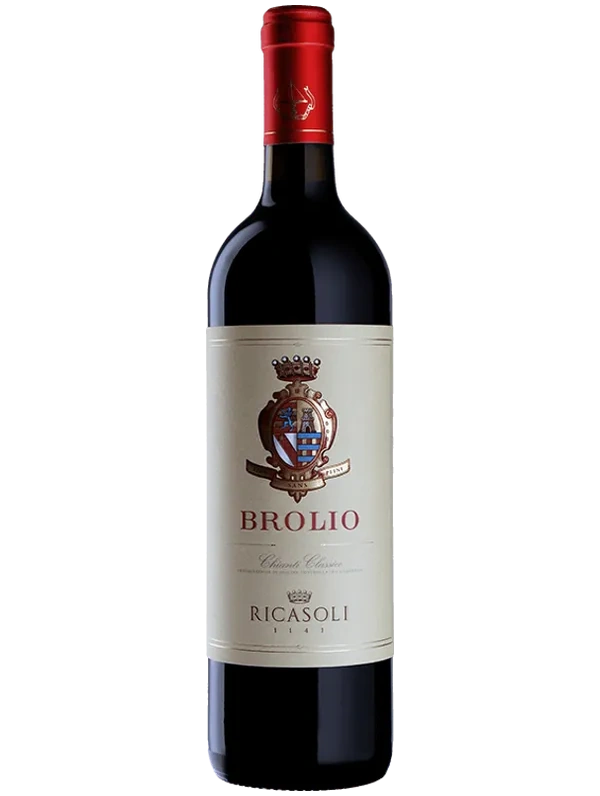
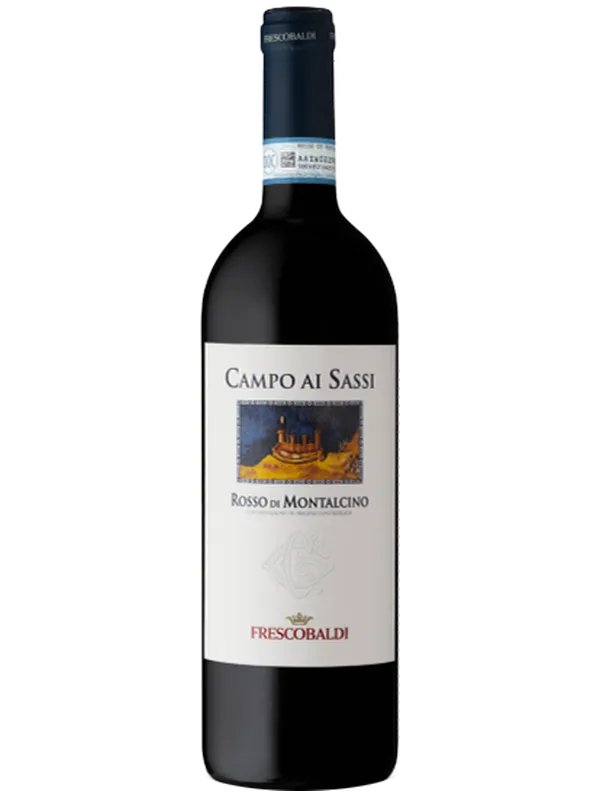
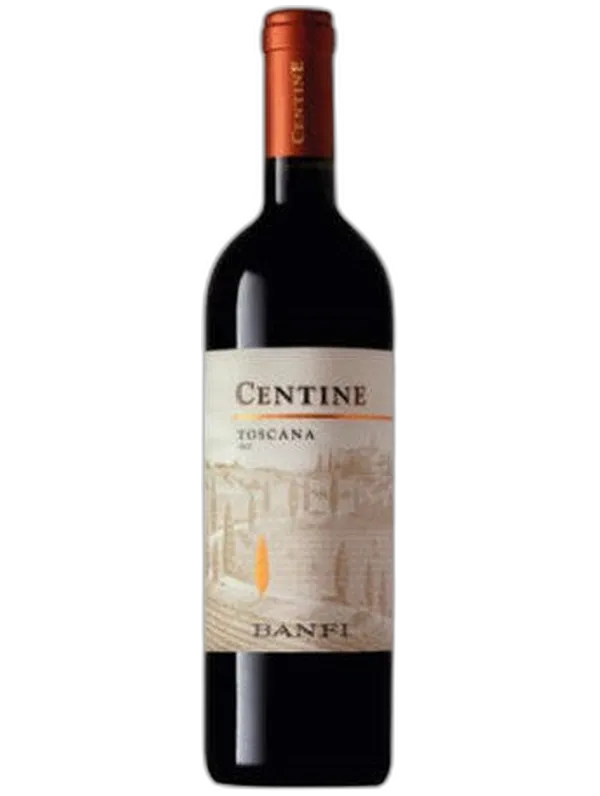
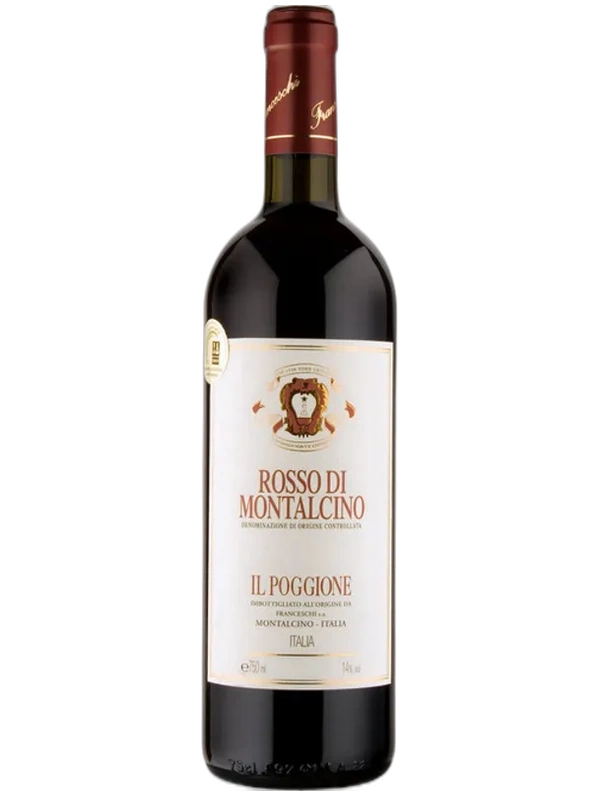
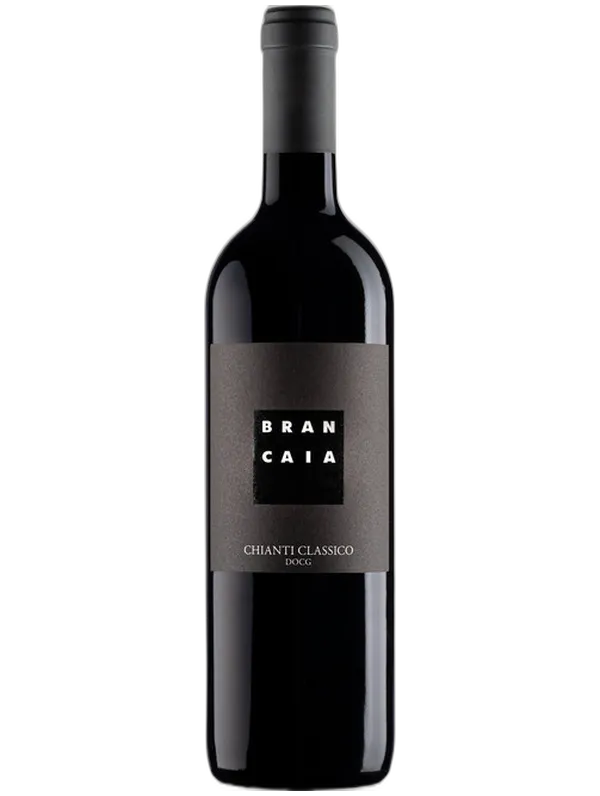
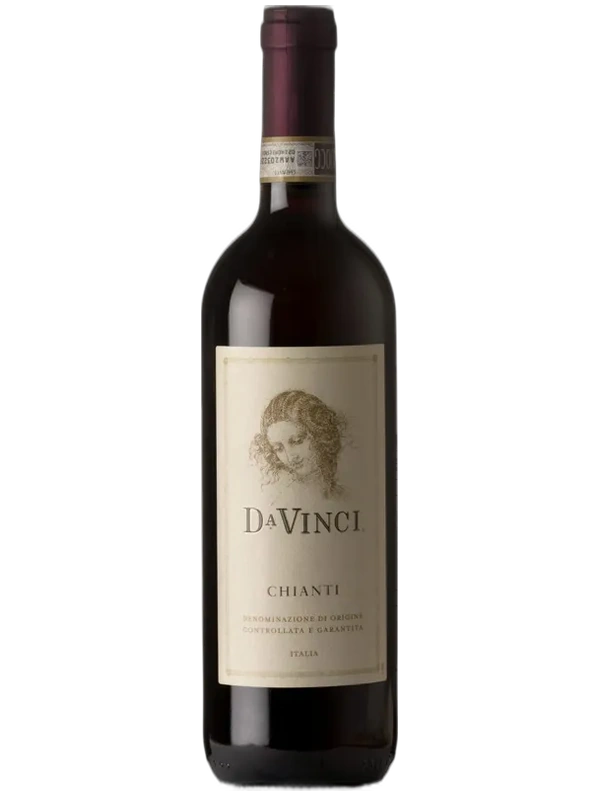
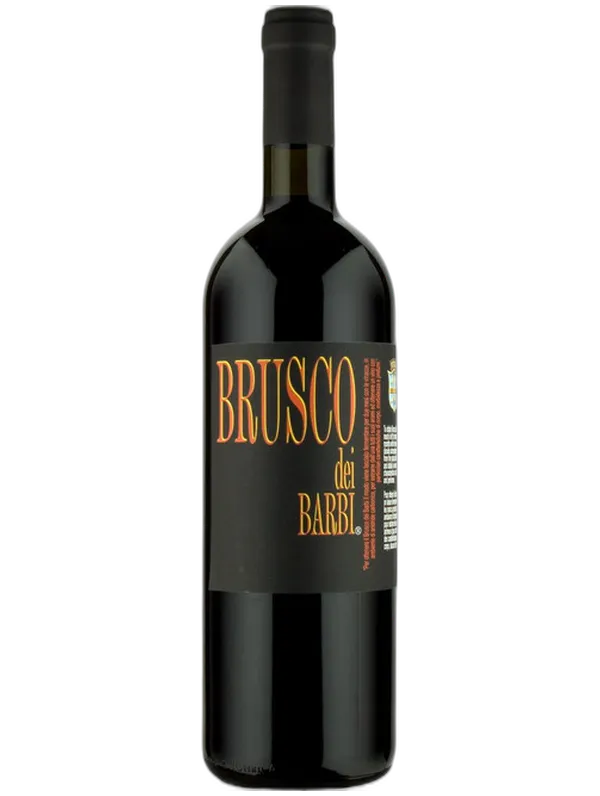
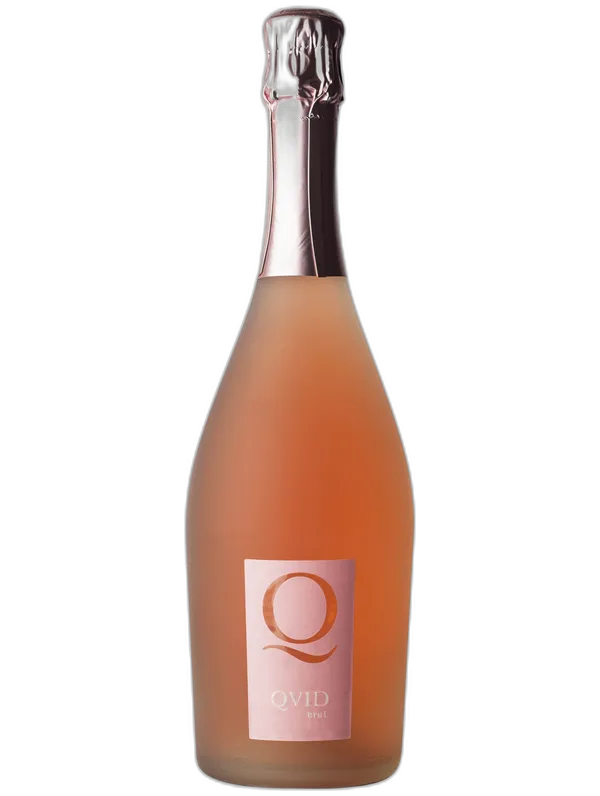
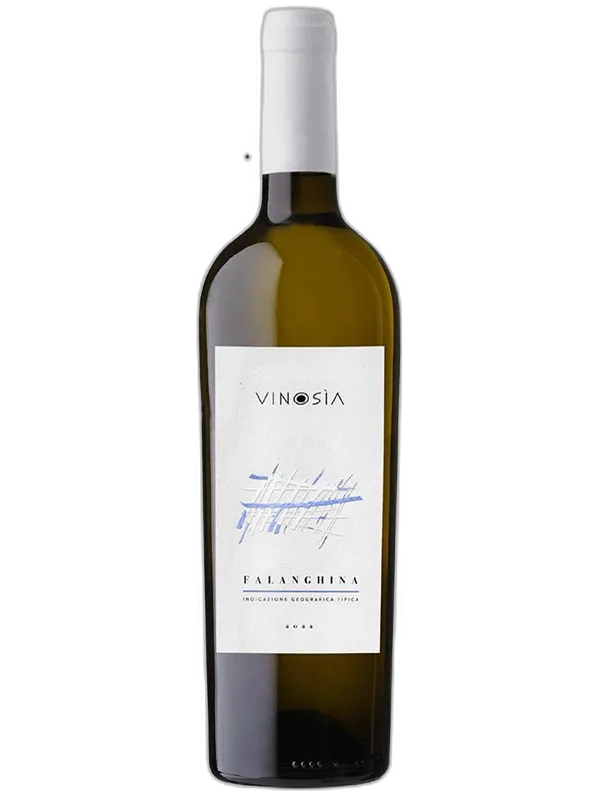
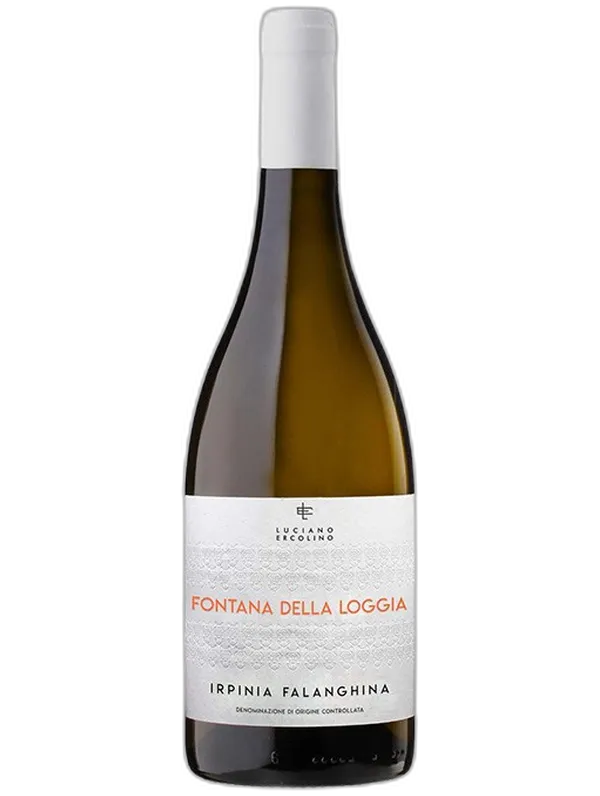
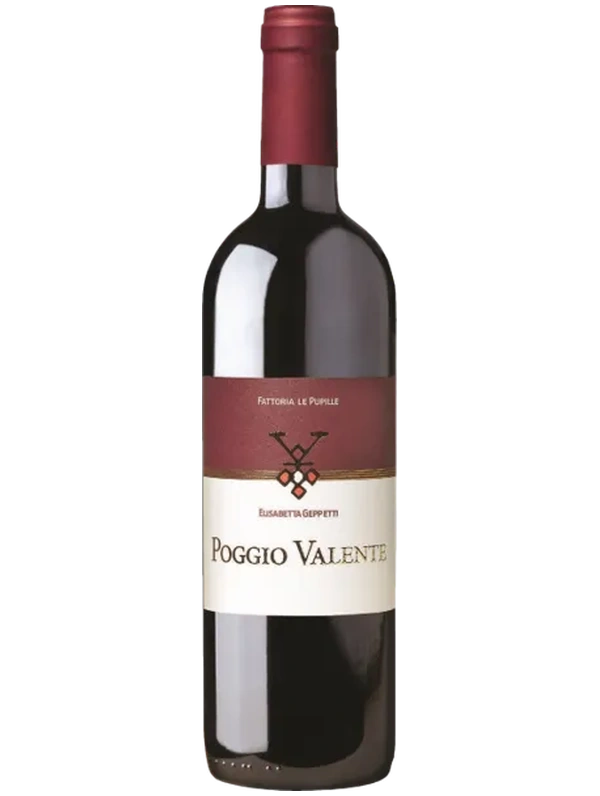
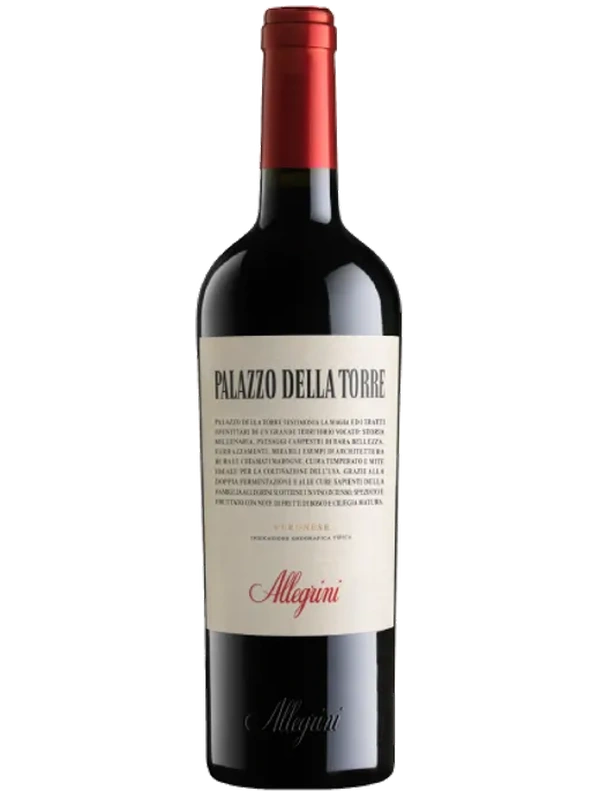
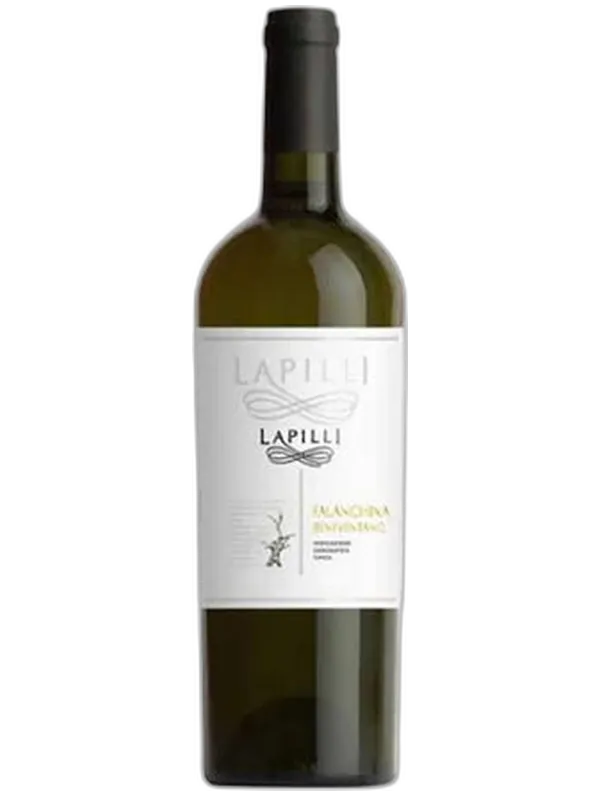
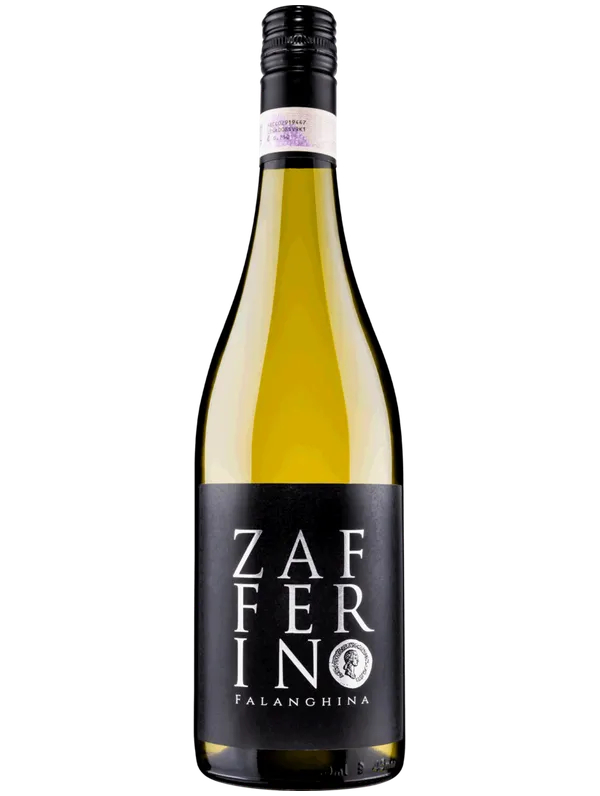
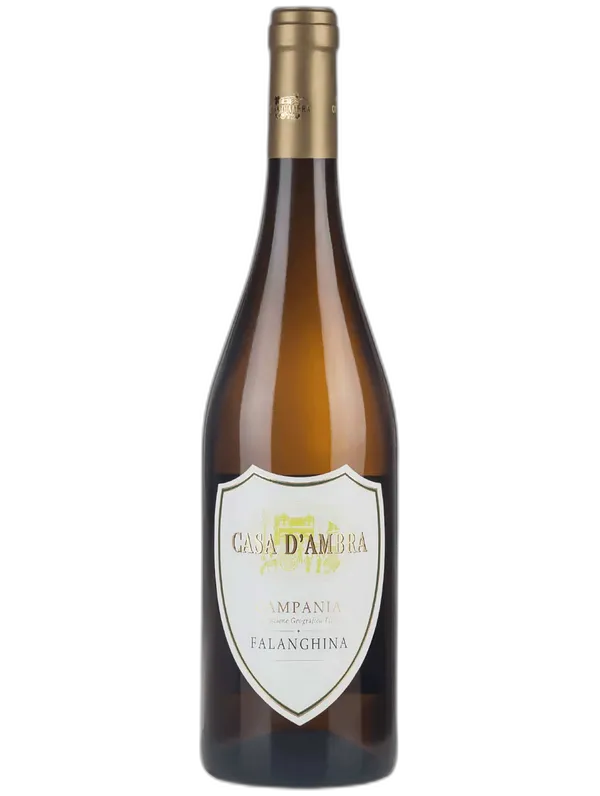
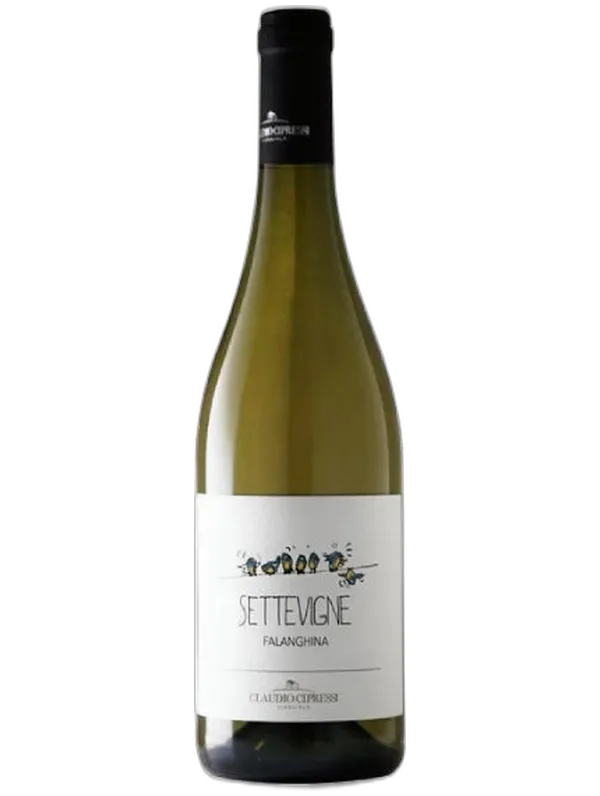
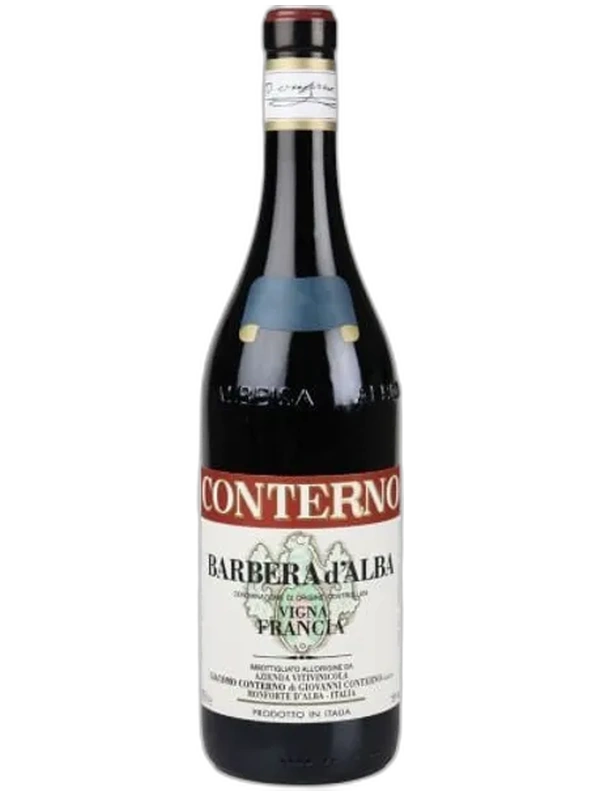
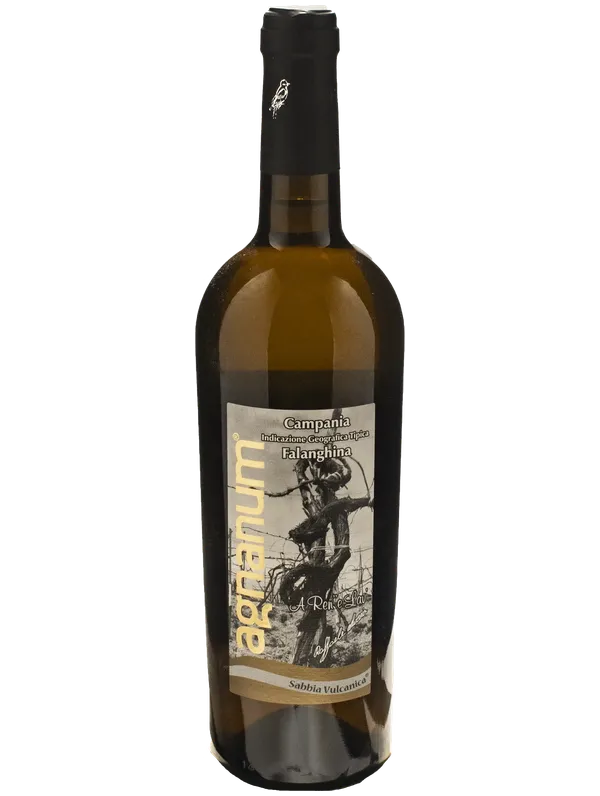
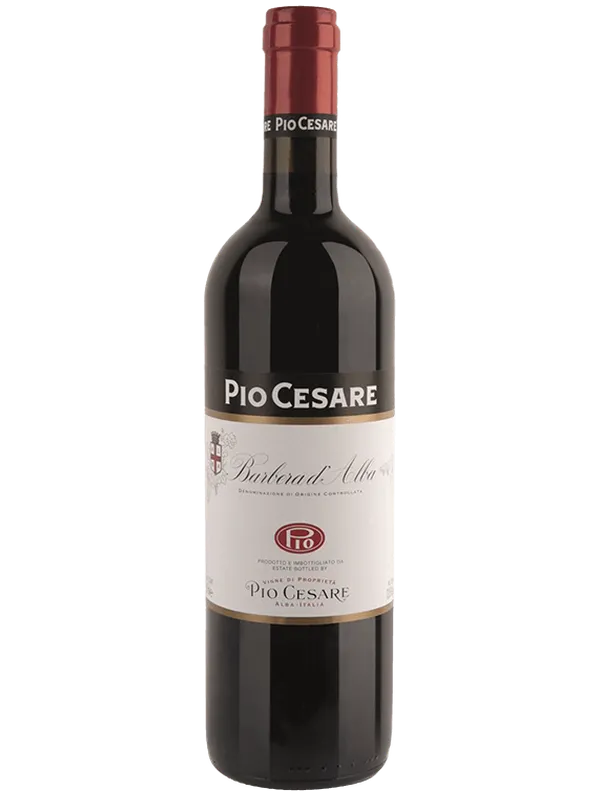
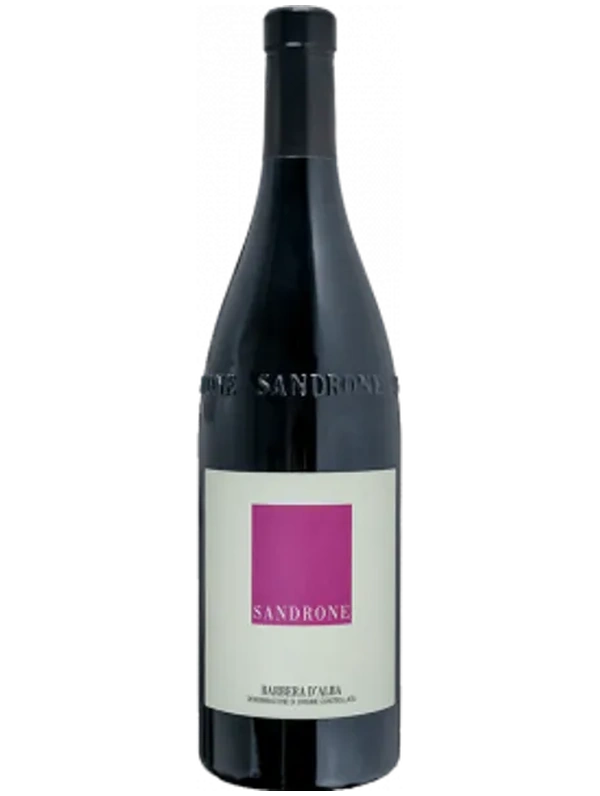
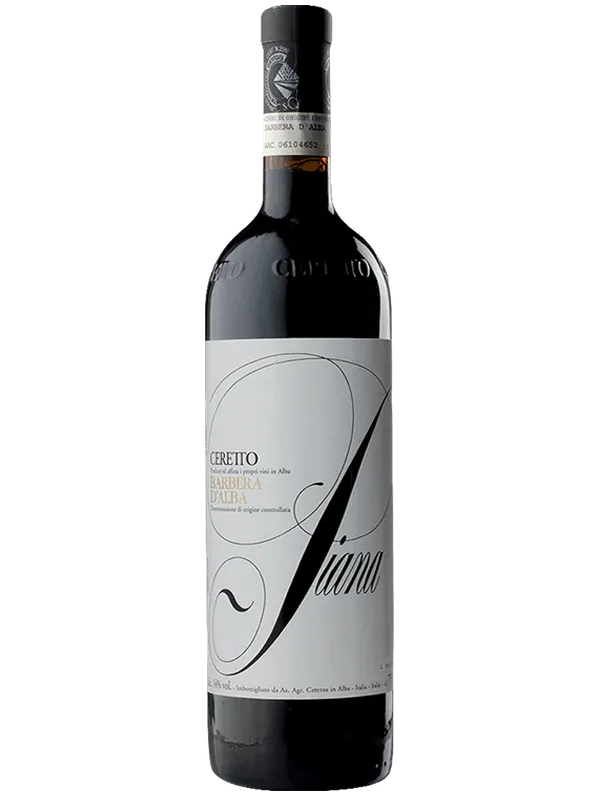
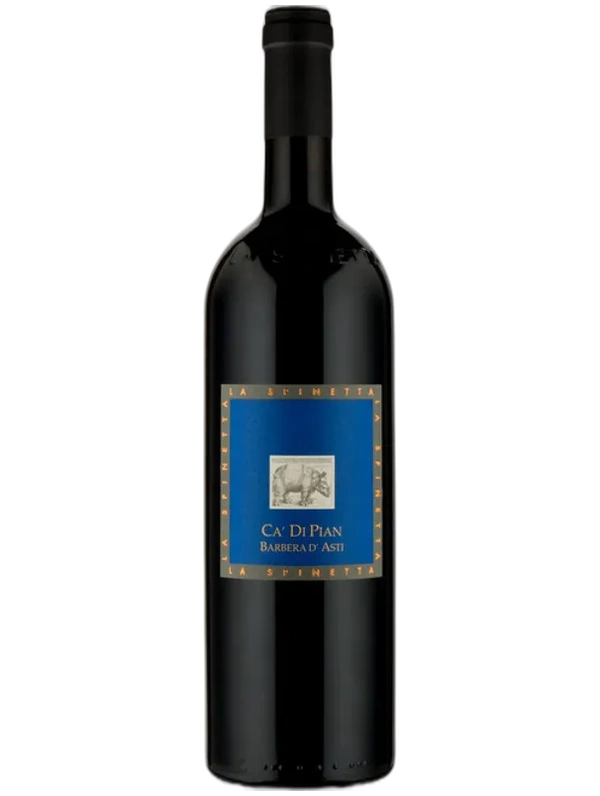
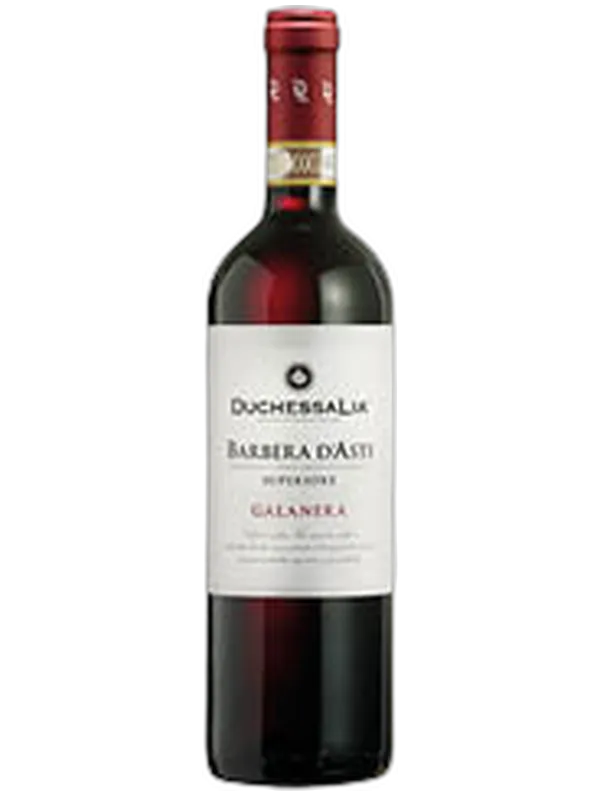
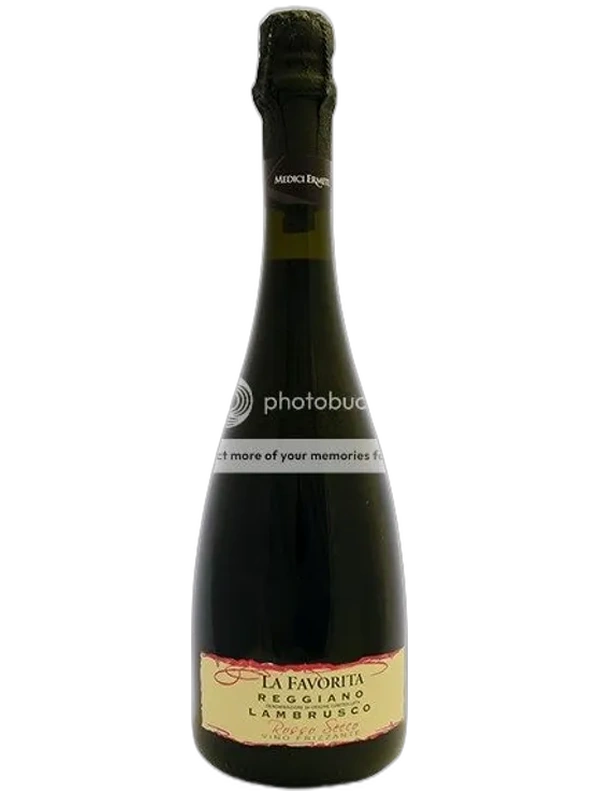
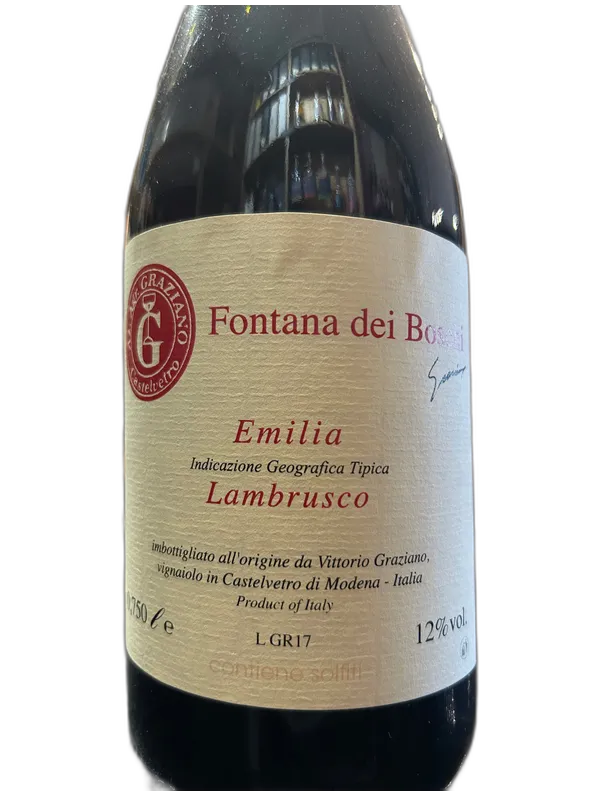
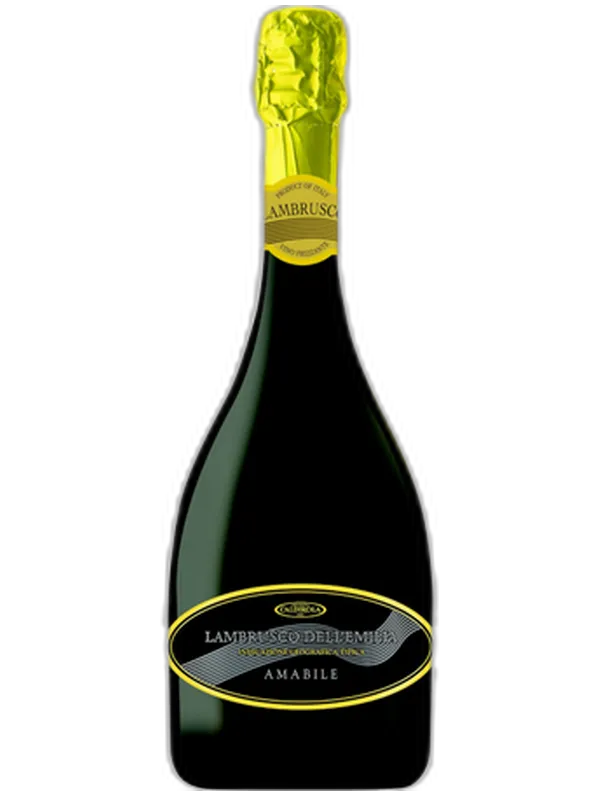
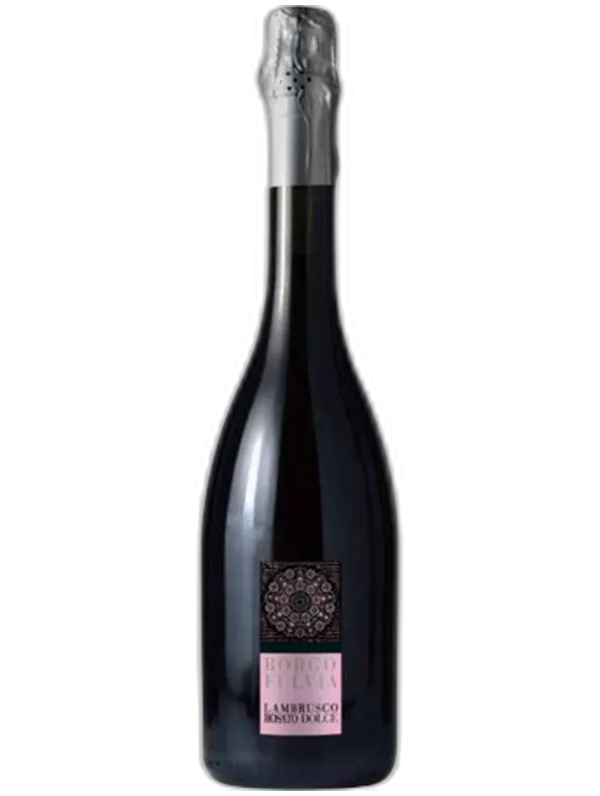
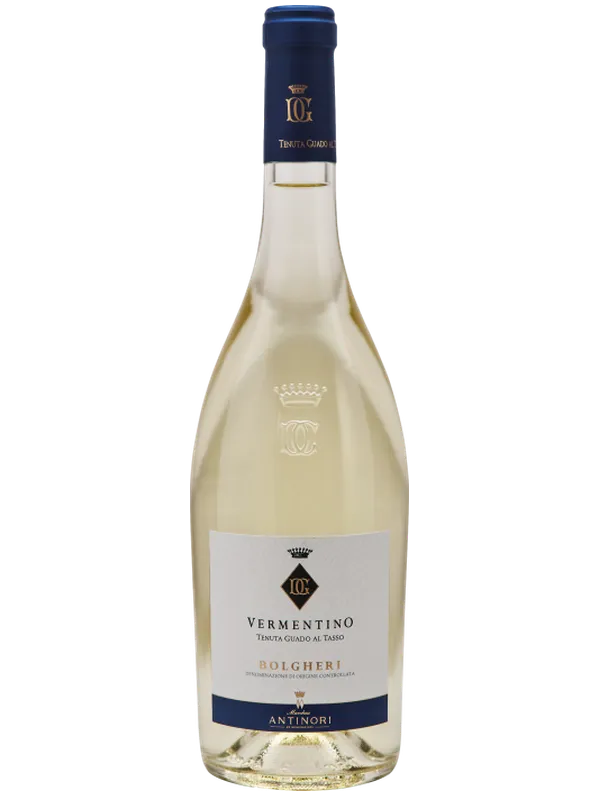
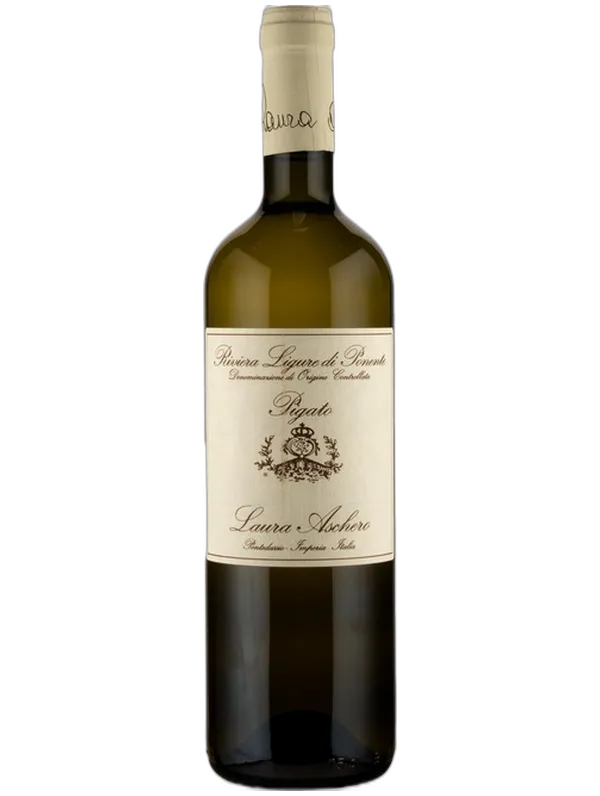
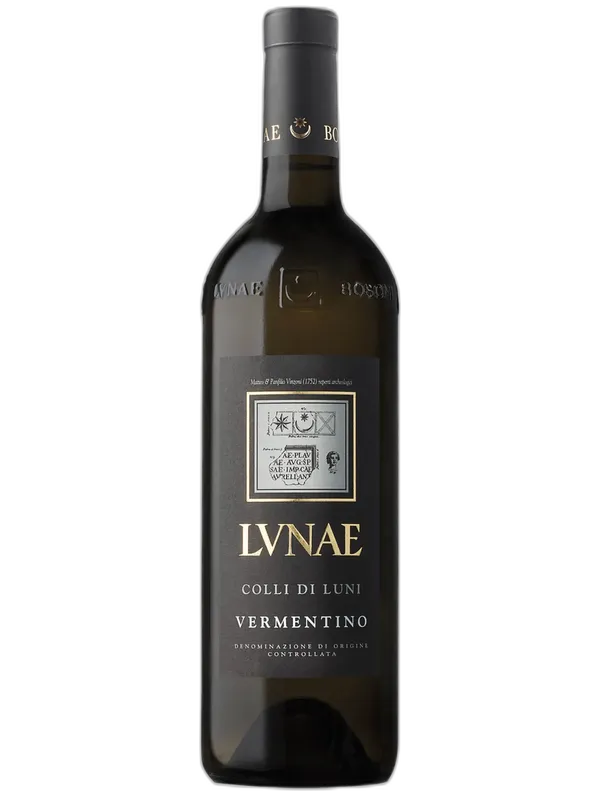
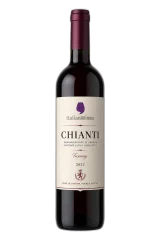
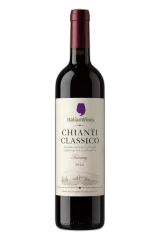
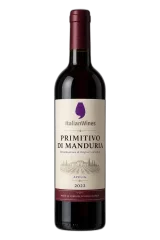
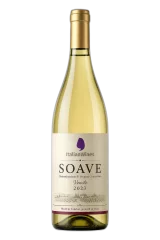
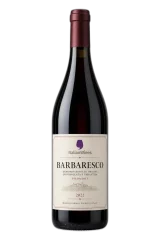
Pizza, focaccia, calzone and Italian flatbreads need wines with freshness before weight. Tomato, mozzarella, olive oil, charred dough, fried crusts and salty cured meats all work best when the bottle has enough acidity to reset the palate.Use Sangiovese, Barbera, Lambrusco and Nerello Mascalese for tomato, salumi and Sicilian onion. Use Falanghina, Fiano, Vermentino, Pigato, Grillo or dry Prosecco Superiore for focaccia, white pizza, seafood, fried dough and cheese-filled flatbreads.

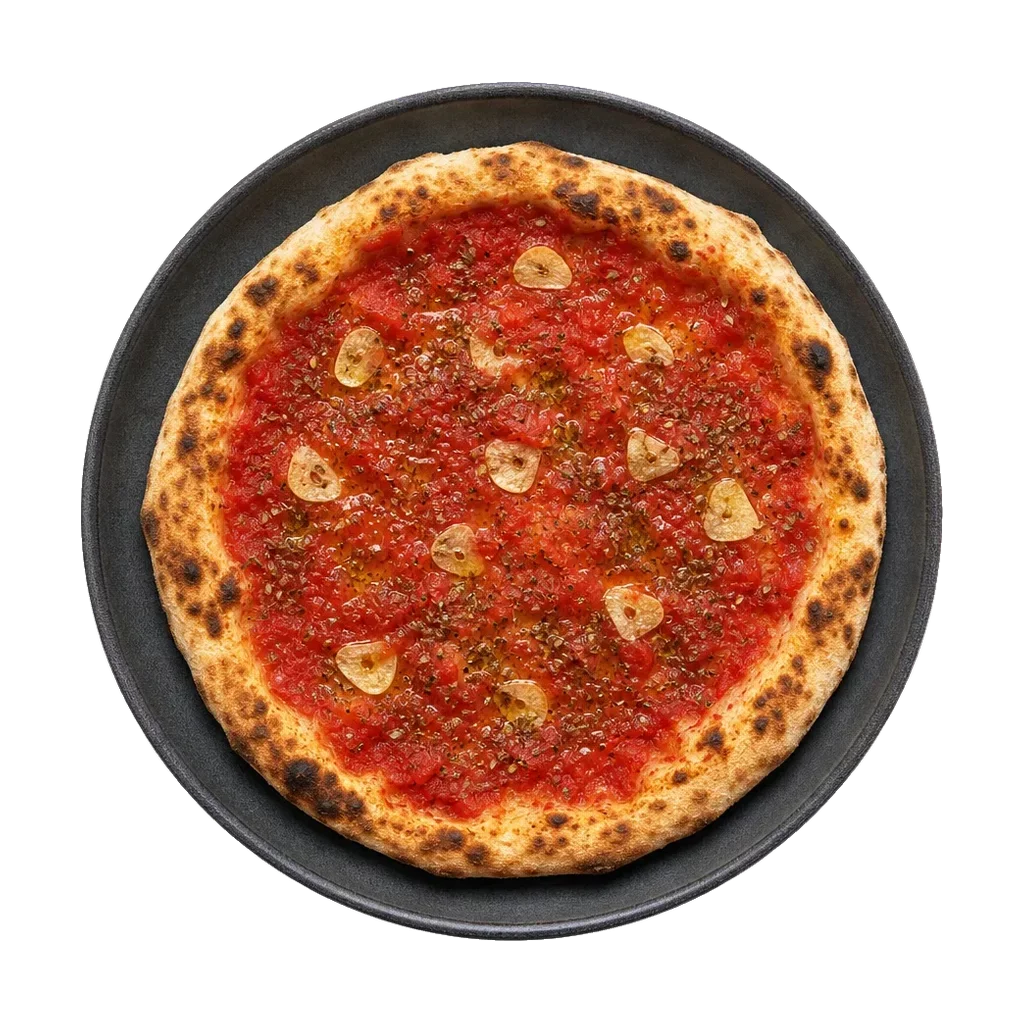
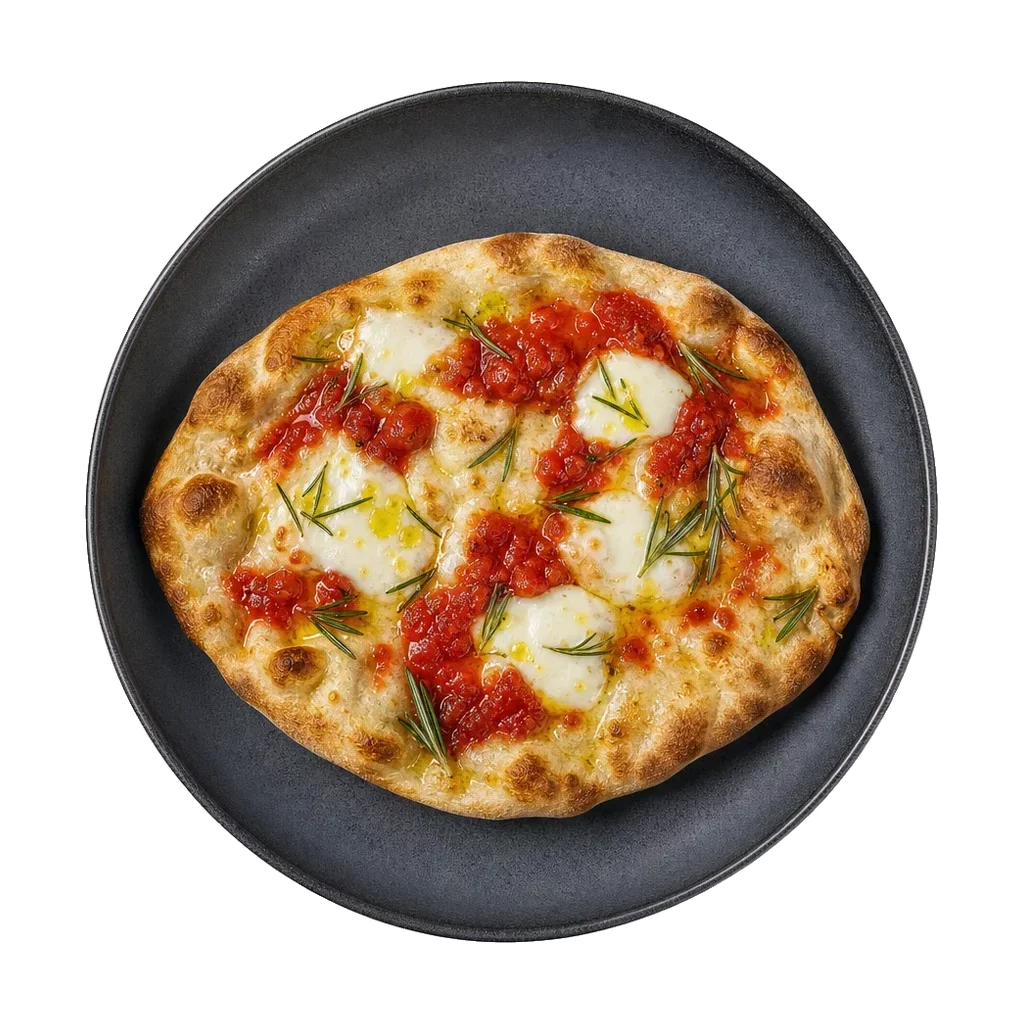
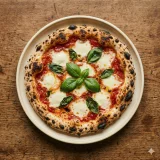
Tomato and mozzarella pizzas such as Margherita, Marinara and Pizza Romana need acidity first. Read more

Quick Facts

Grape colour mix

51% red 49% white

Rules of Engagement

The Do's

  1. 01

    Match tomato pizza by acidity first

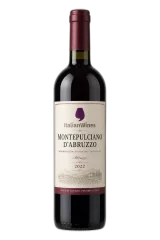
    For Margherita, Marinara and Pizza Romana, choose Sangiovese, Barbera, Montepulciano, Falanghina or dry Prosecco Superiore before heavier reds.

  2. 02

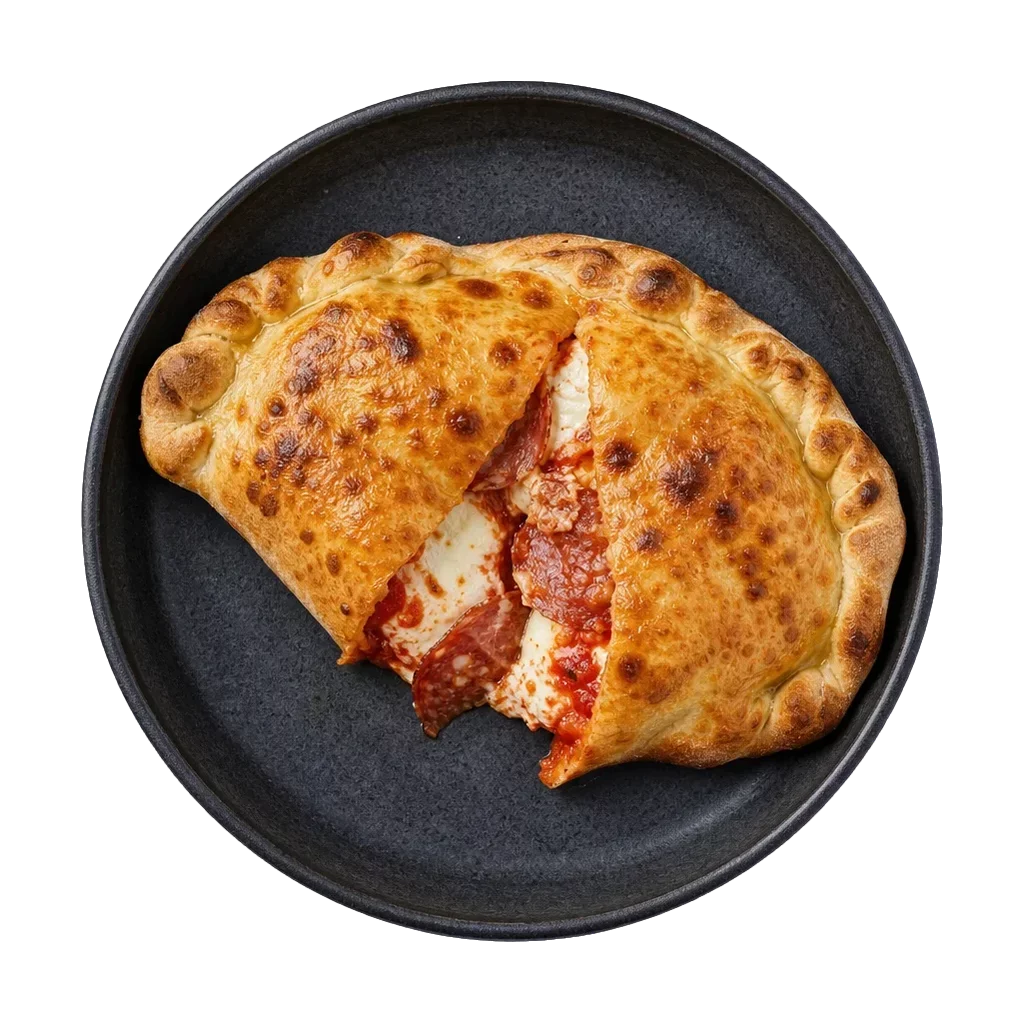
    Treat calzone as the richer lane

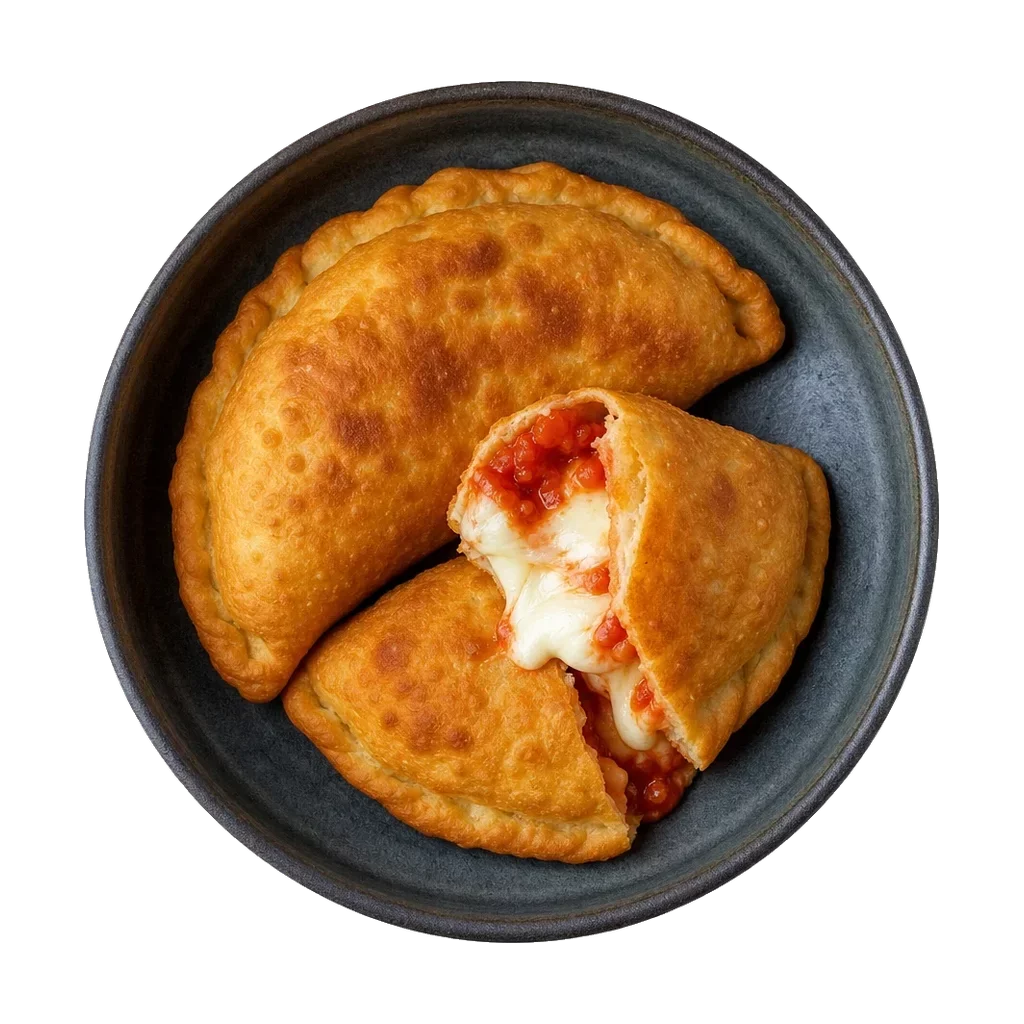
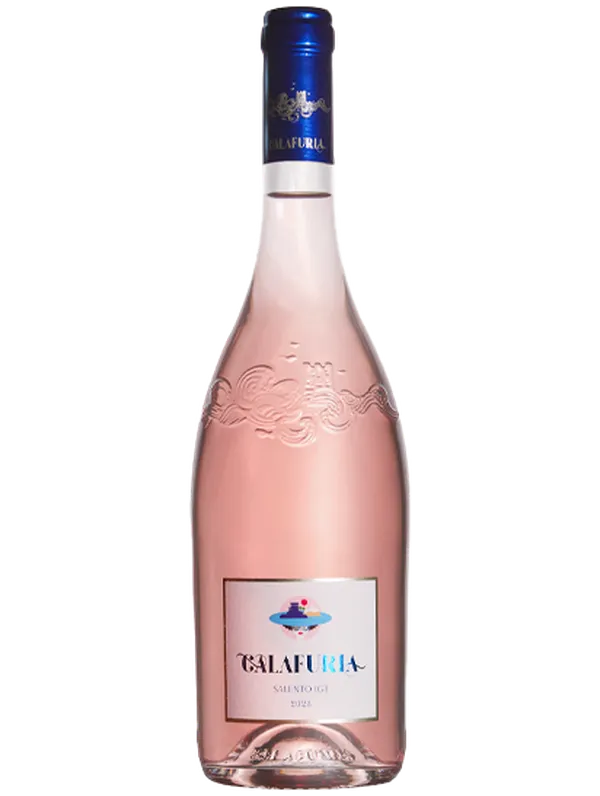
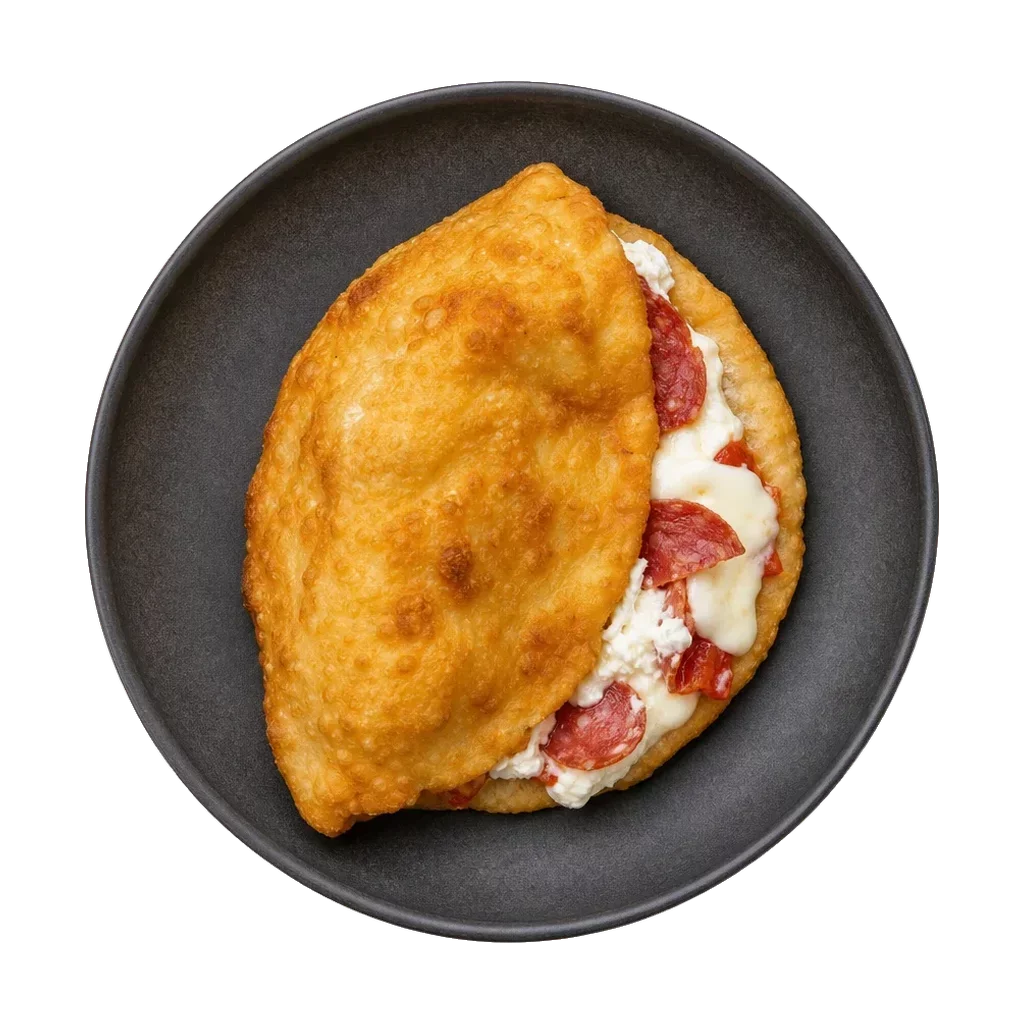
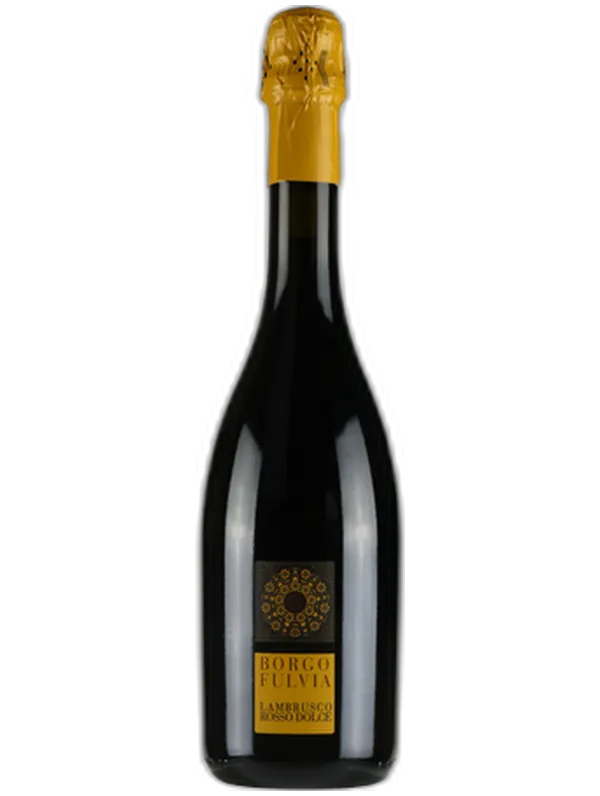
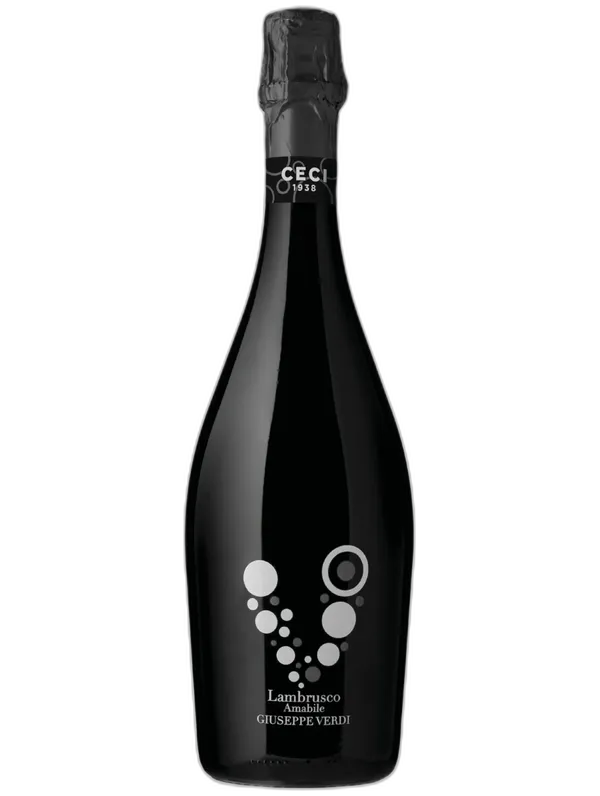
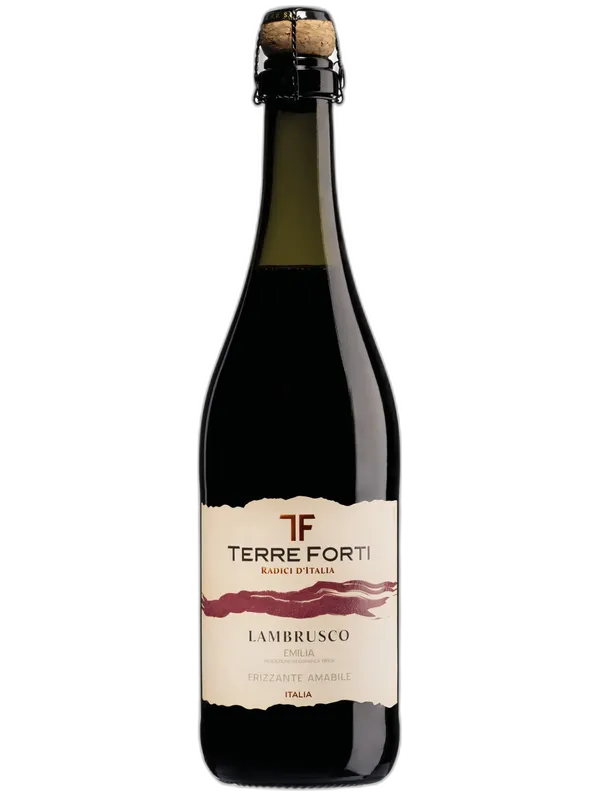
    Calzone traps cheese, tomato and cured pork inside the dough, so Barbera, Lambrusco and crisp rosato are safer than tannic reds.

  3. 03

    Use bubbles for fried dough

    Panzerotti and pizza fritta need lift. Dry Prosecco Superiore, Lambrusco or Franciacorta cuts frying oil and keeps mozzarella lively.

  4. 04

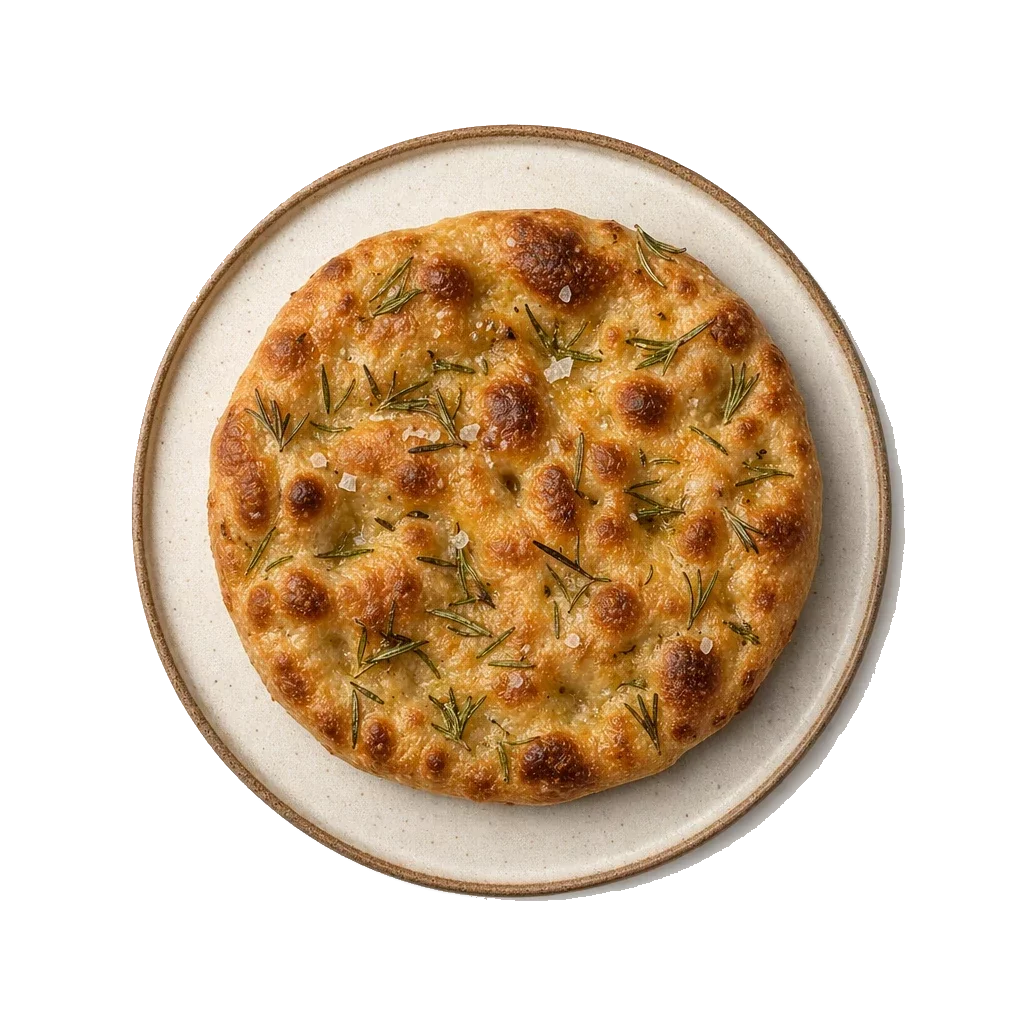
    Keep focaccia and schiacciata lighter

    Olive oil, salt and rosemary favour Vermentino, Pigato, Fiano, Glera or a light Rossese rather than high-alcohol reds.
The Do's

  • 01

    Match tomato pizza by acidity first

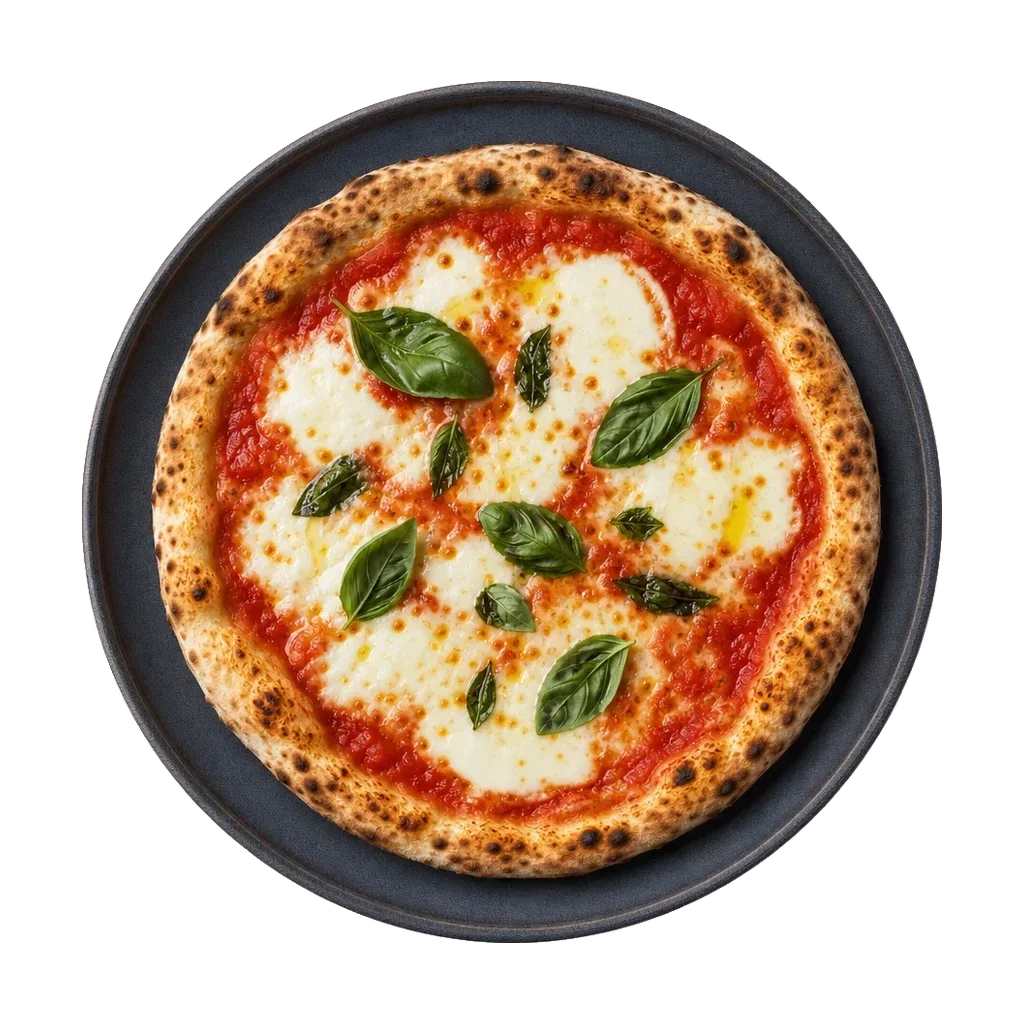
    For Margherita, Marinara and Pizza Romana, choose Sangiovese, Barbera, Montepulciano, Falanghina or dry Prosecco Superiore before heavier reds.

  • 02

    Treat calzone as the richer lane

    Calzone traps cheese, tomato and cured pork inside the dough, so Barbera, Lambrusco and crisp rosato are safer than tannic reds.

  • 03

    Use bubbles for fried dough

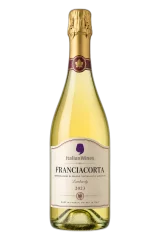
    Panzerotti and pizza fritta need lift. Dry Prosecco Superiore, Lambrusco or Franciacorta cuts frying oil and keeps mozzarella lively.

  • 04

    Keep focaccia and schiacciata lighter

    Olive oil, salt and rosemary favour Vermentino, Pigato, Fiano, Glera or a light Rossese rather than high-alcohol reds.
The Don'ts

  • 01

    Do not bury pinsa under heavy reds

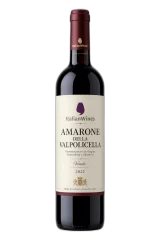
    Pinsa Romana has an airy base. Unless salumi dominates, avoid Amarone, Barolo and dense oak-aged reds.
  • 02

    Do not let oak fight tomato

    Oaked whites and hard tannins flatten tomato, basil and mozzarella. Choose freshness, moderate alcohol and clean fruit instead.

Pairings at a Glance

Showing 1–10 of 16 dishes

Why These Pairings Work

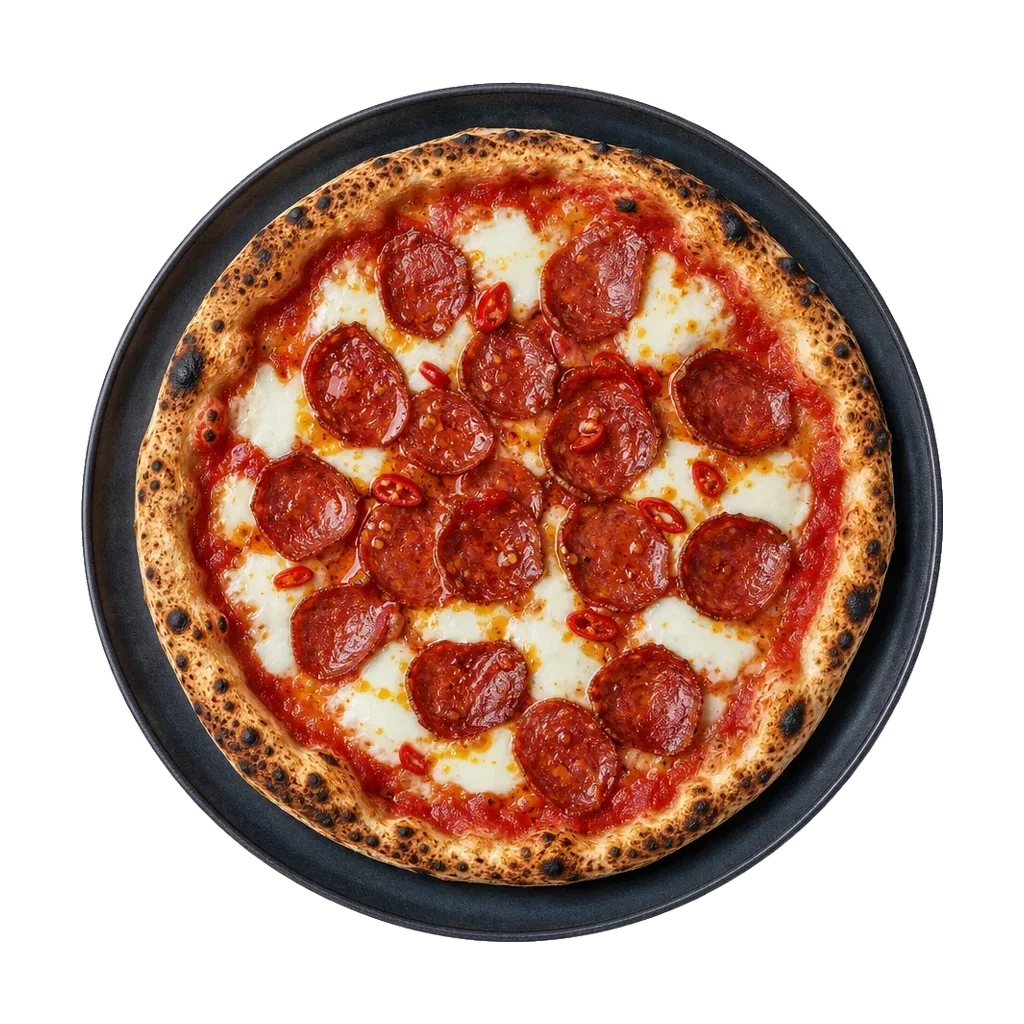
Tomato and mozzarella pizzas such as Margherita, Marinara and Pizza Romana need acidity first. Young Sangiovese, Barbera, Montepulciano and Falanghina keep tomato bright, while dry Prosecco Superiore works when the crust is salty or blistered.

Calzone, panzerotti and pizza fritta are richer because cheese, tomato, ricotta or cured pork sit inside folded or fried dough. Barbera, Lambrusco, crisp rosato and dry sparkling wines cut through the filling without making the crust feel heavy.

Pinsa Romana, schiacciata and focaccia shift the pairing toward oil, salt and bread texture. Vermentino, Pigato, Fiano and Glera refresh the olive oil, while light Sangiovese or Rossese works when prosciutto, pecorino or salumi become the main flavour.

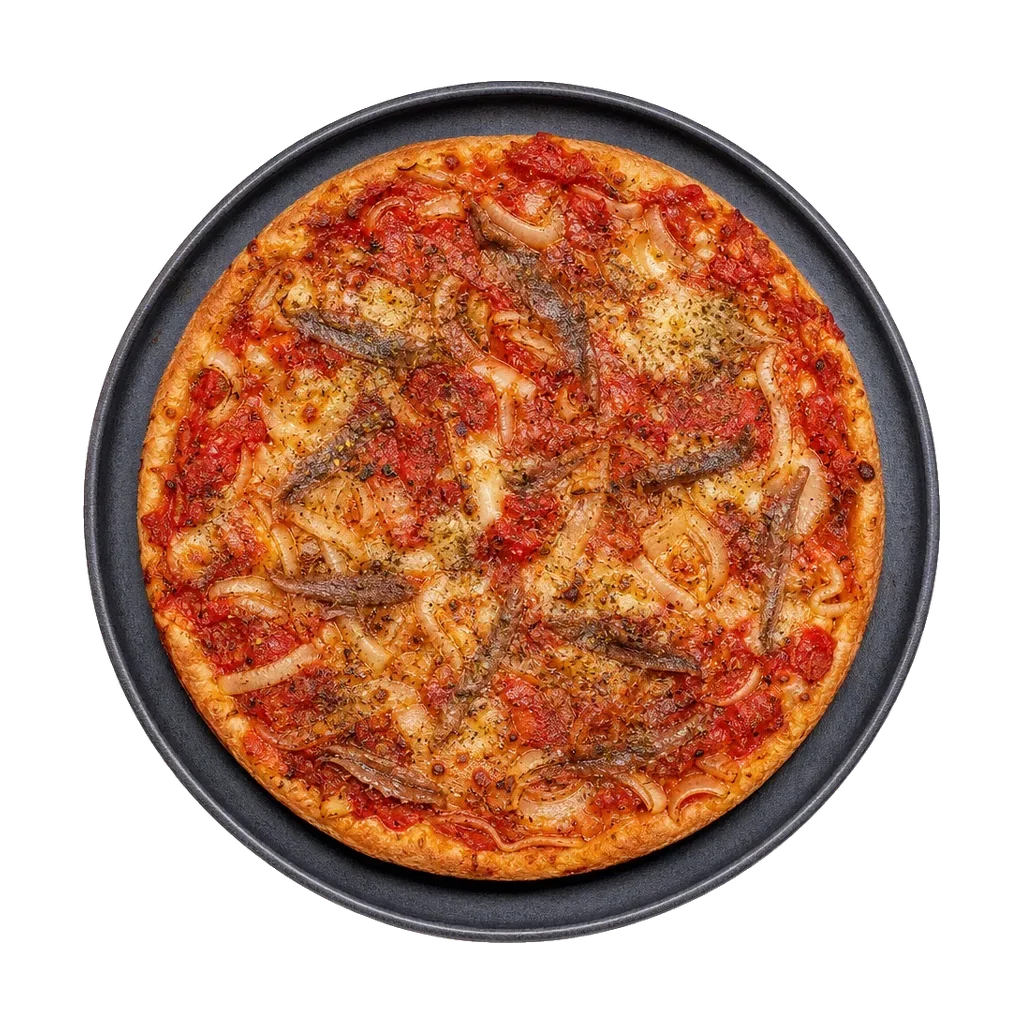
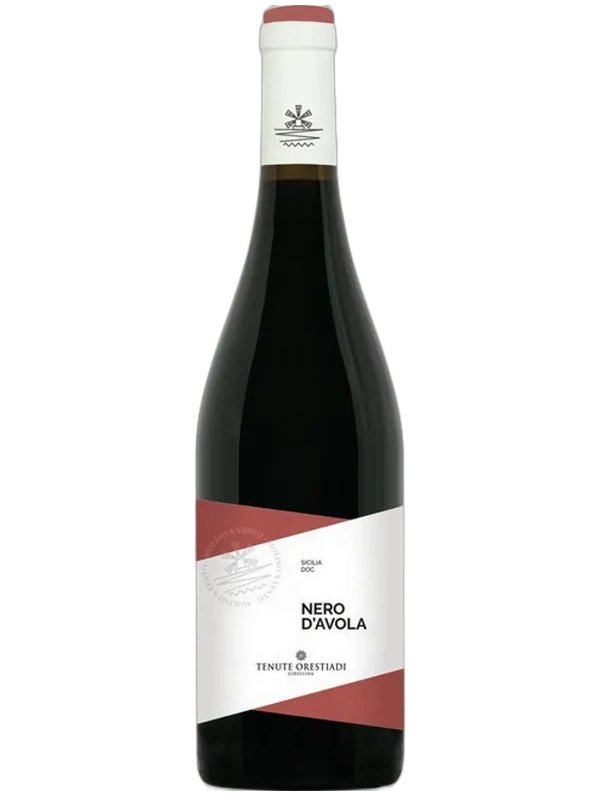
Sfincione and Sicilian pizza need a regional lane of their own. Onion, anchovy, oregano, caciocavallo and tomato suit Nerello Mascalese, Frappato, Nero d'Avola or Grillo because the wine needs both fruit and salt-friendly acidity.

Explore More Pairings

Food Pairing Questions

Calzone is richer than open pizza because cheese, tomato and cured pork are sealed inside the dough. Barbera, Lambrusco, young Sangiovese and crisp Italian rosato work well because they refresh the filling without adding heavy tannin.

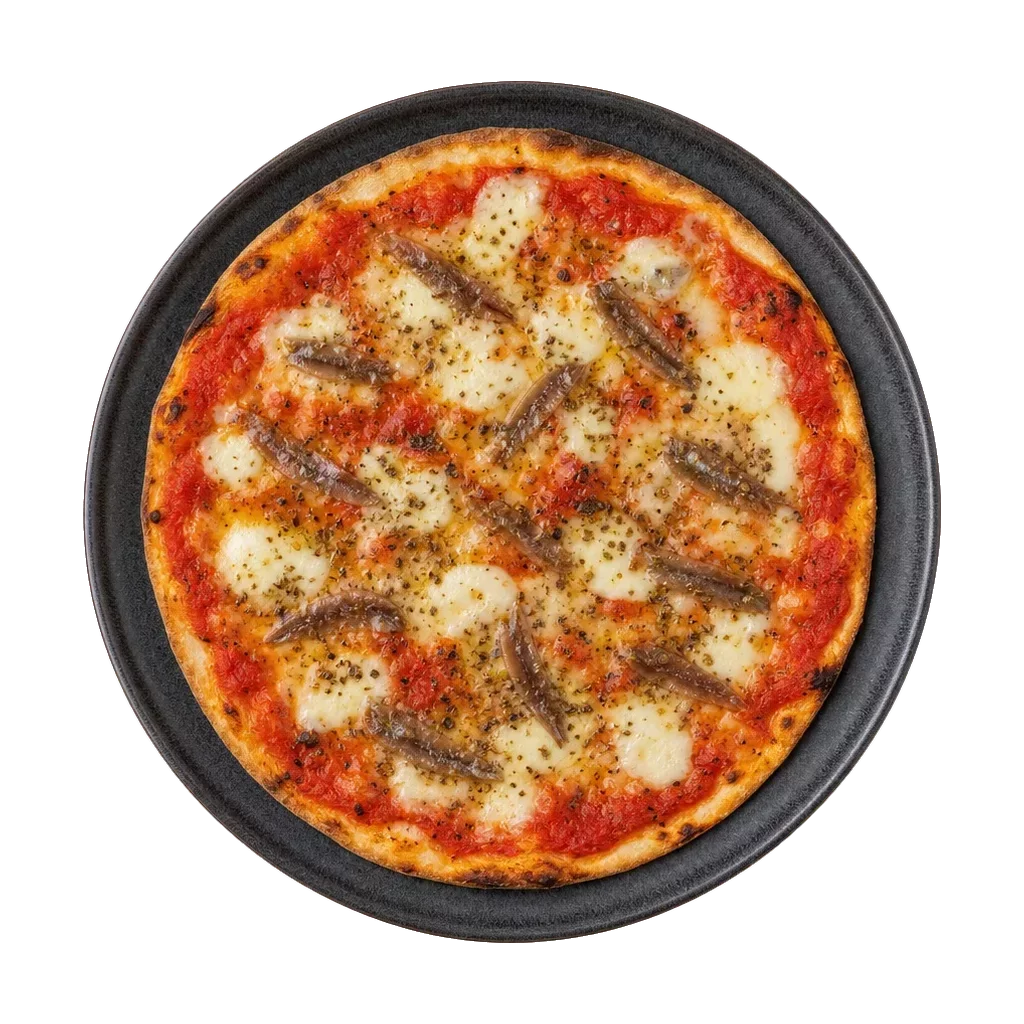
Pizza Romana usually needs a lively red or white that can handle a crisp base, tomato, anchovy and oregano. Try Sangiovese, Montepulciano, Falanghina or dry Prosecco. Pinsa Romana is lighter, so Falanghina, Vermentino and Glera are often better unless cured meat leads.

Pizza Margherita works with young Sangiovese, Barbera, Falanghina or dry Prosecco because tomato, mozzarella and basil need freshness. Pizza Marinara has no cheese, so Falanghina, Barbera and Sangiovese are better than tannic reds.
Sfincione and Sicilian pizza often bring onion, anchovy, oregano, caciocavallo and a thicker base. Nerello Mascalese, Frappato and Nero d'Avola suit the savoury tomato direction, while Grillo is the best white when anchovy and herbs dominate.

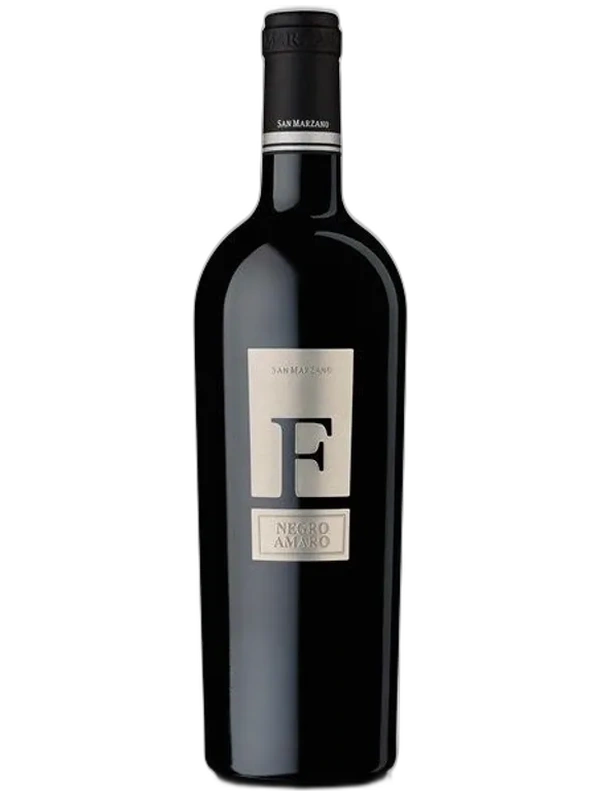
Focaccia Genovese is best with Vermentino, Pigato or dry Prosecco because oil and salt are the lead flavours. Focaccia Barese can take Negroamaro rosato or lighter Primitivo because tomato and olives add weight. Focaccia di Recco needs Pigato or Vermentino for the warm cheese.
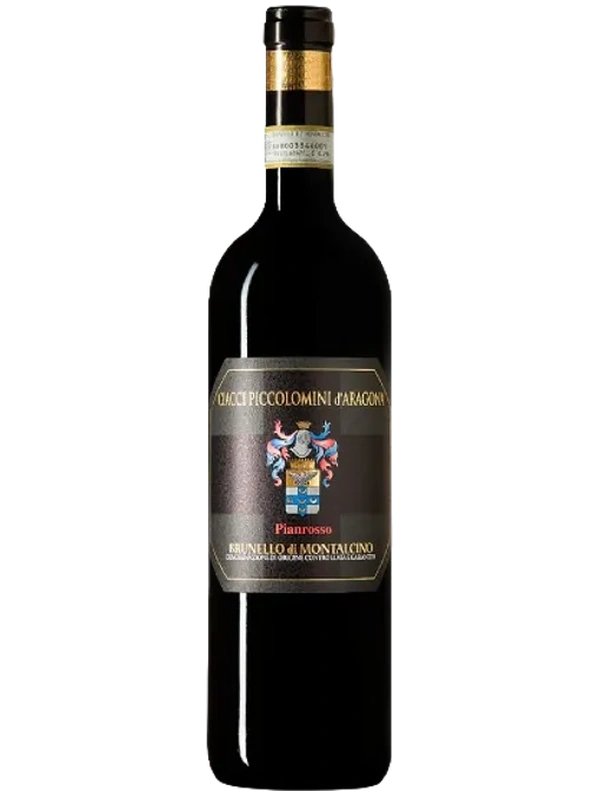
Panzerotti and pizza fritta need wines that reset frying oil and melted cheese. Lambrusco, Barbera, dry Prosecco Superiore, Franciacorta and southern Italian rosato are the safest options. Avoid high-alcohol reds because fried dough makes them feel hotter.
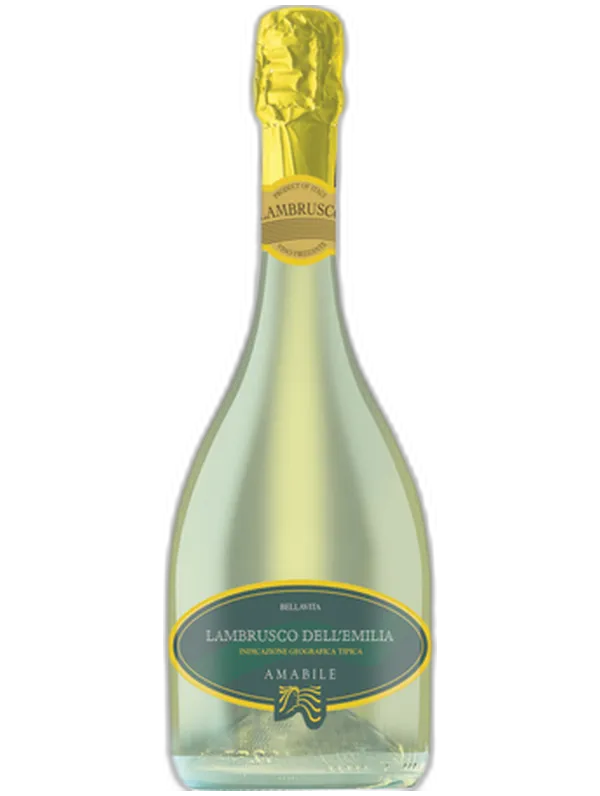
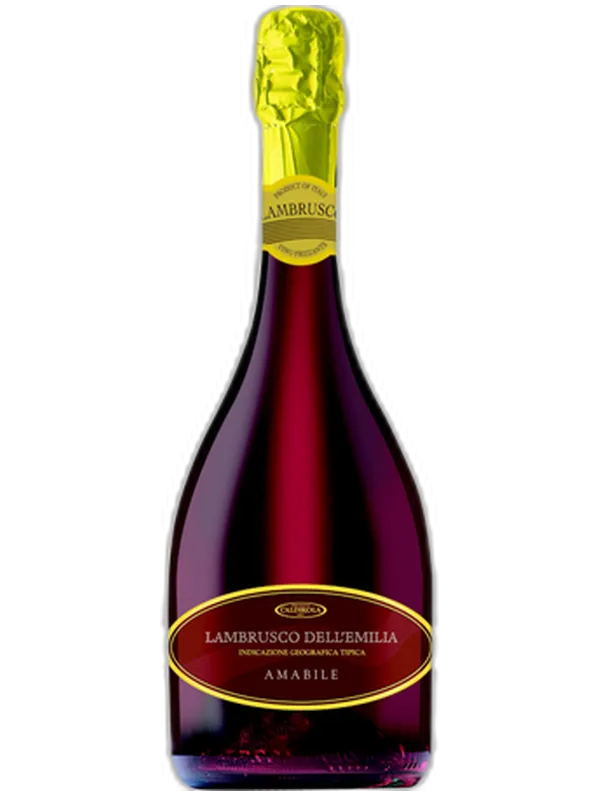
Plain schiacciata works with Vermentino, Trebbiano or Glera because olive oil, salt and rosemary need lift. If prosciutto, pecorino or salumi are added, move toward Sangiovese, Canaiolo or a lighter Tuscan red with clean acidity.

Red wine is better when tomato, salumi, anchovy or Sicilian toppings lead. White wine is better when olive oil, focaccia, white pizza, seafood or fresh cheese lead. In both cases, freshness matters more than weight.