



International Cuisine

Italian Wine Pairings for Everyday Food

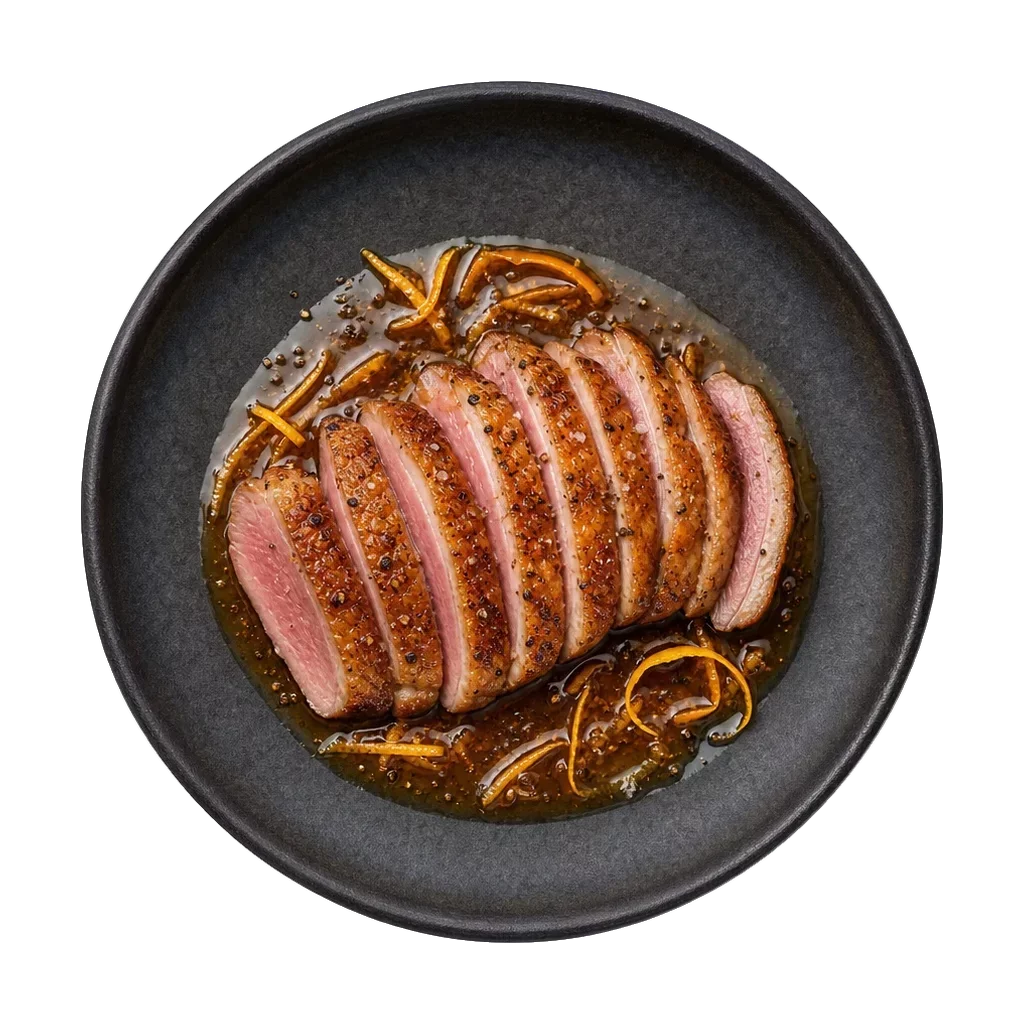
Some plates do not announce a country: a steak, a roast chicken, a wedge of cheese. We pair those generic categories with Italian grapes that hold up across preparations, from a weeknight skillet to a dressed-up Sunday.

Generic categories share a structural challenge: the food's character comes from the protein or the technique, not from a regional sauce or spice load. Read more

Quick Facts

63

Wine matches

£0–6022

Price range

Grape colour mix

78% red 22% white
Styles
White, Red, Sparkling, Sweet
Appellations
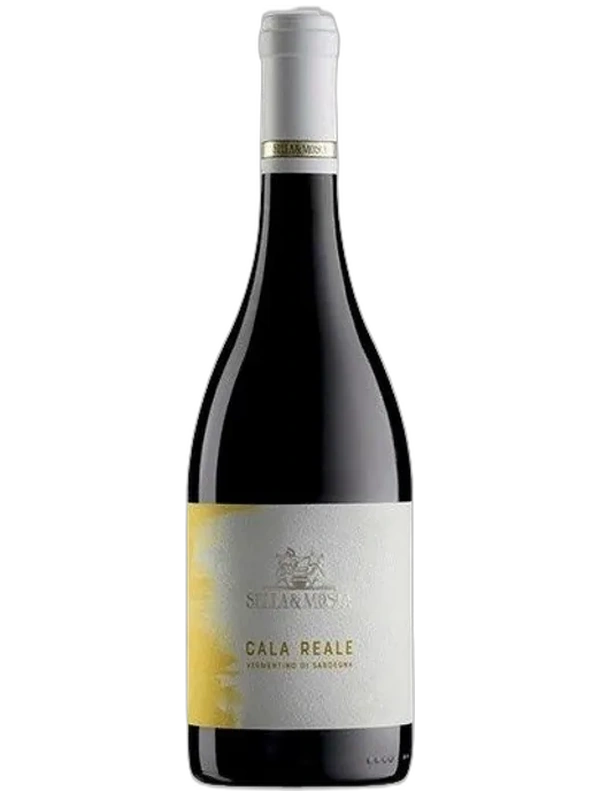
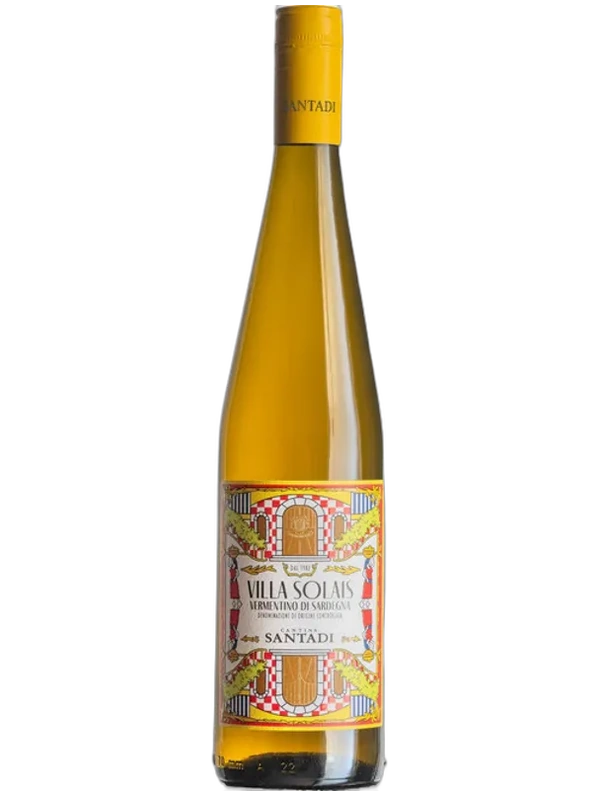
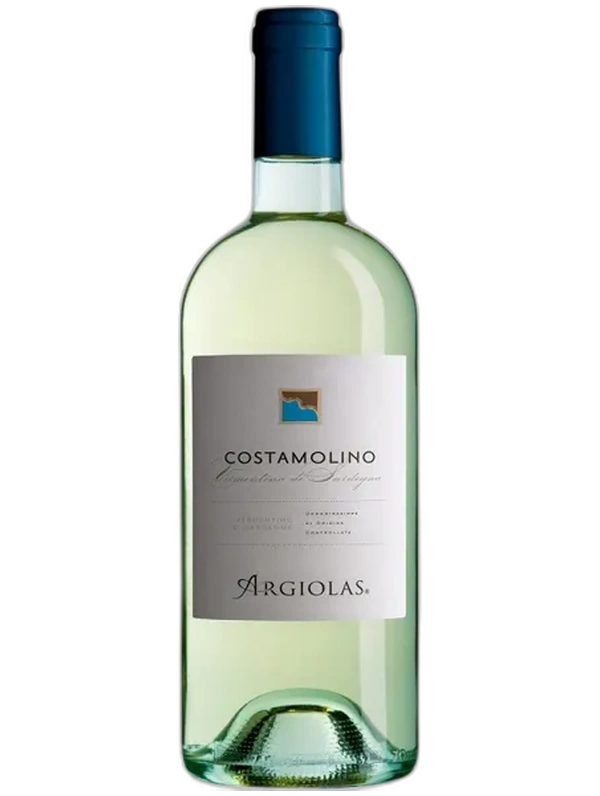
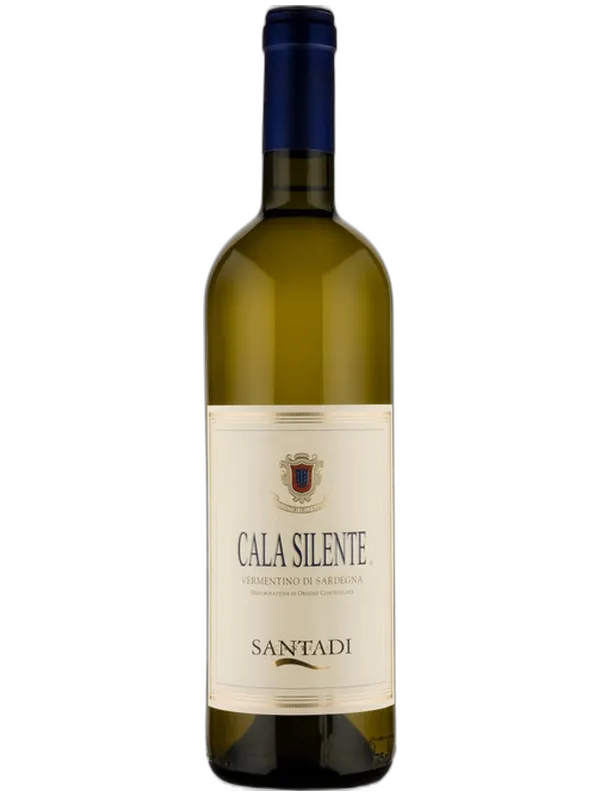
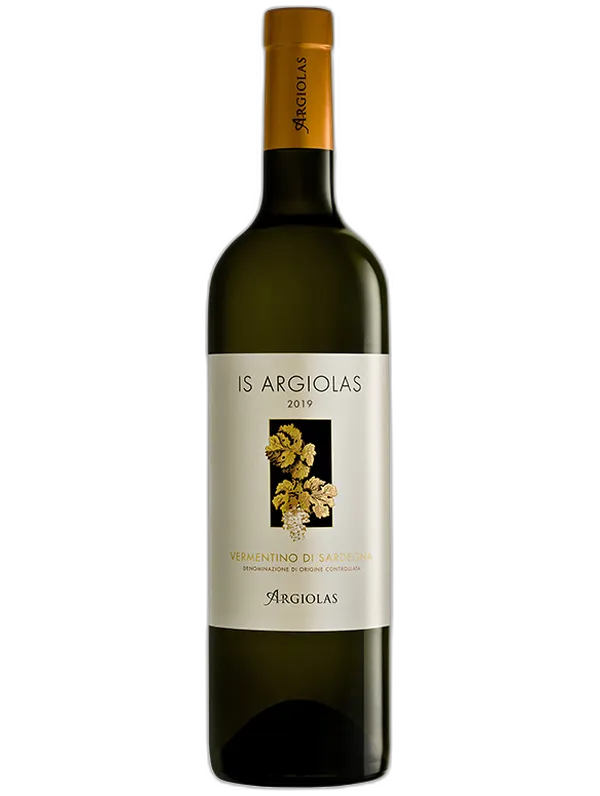
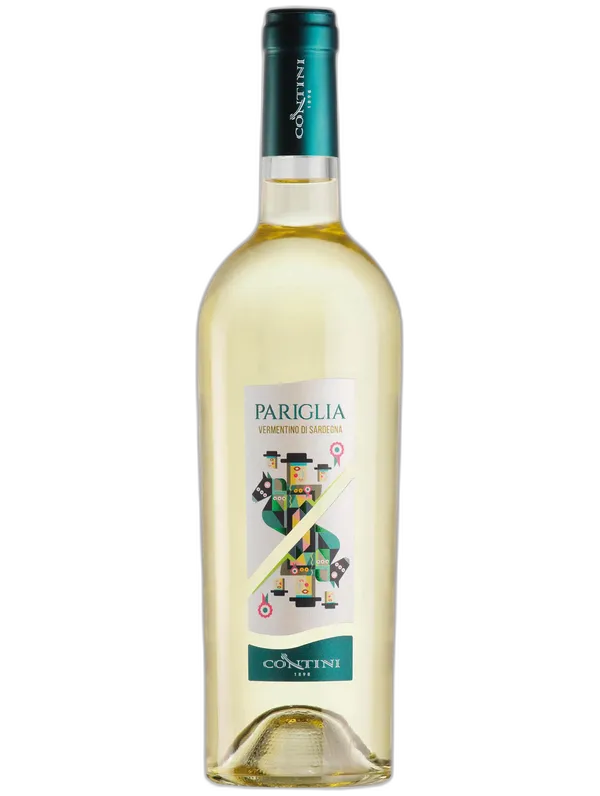
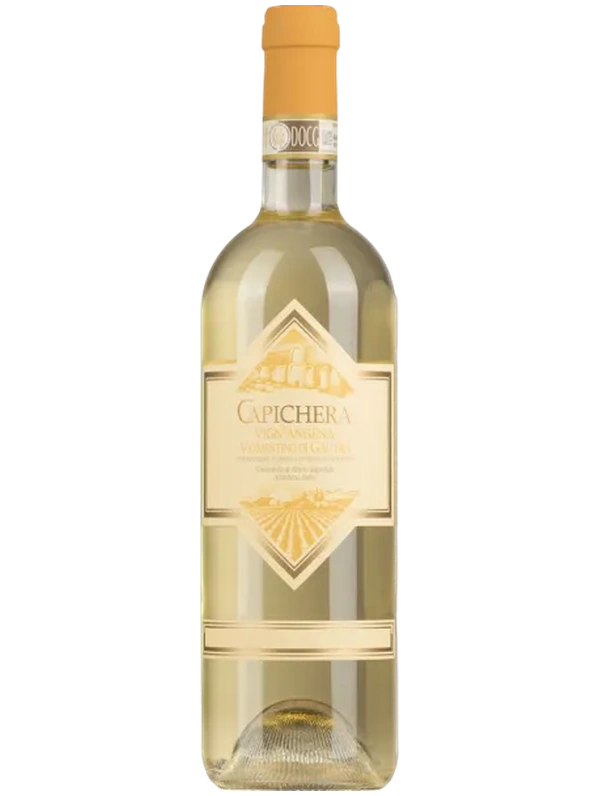
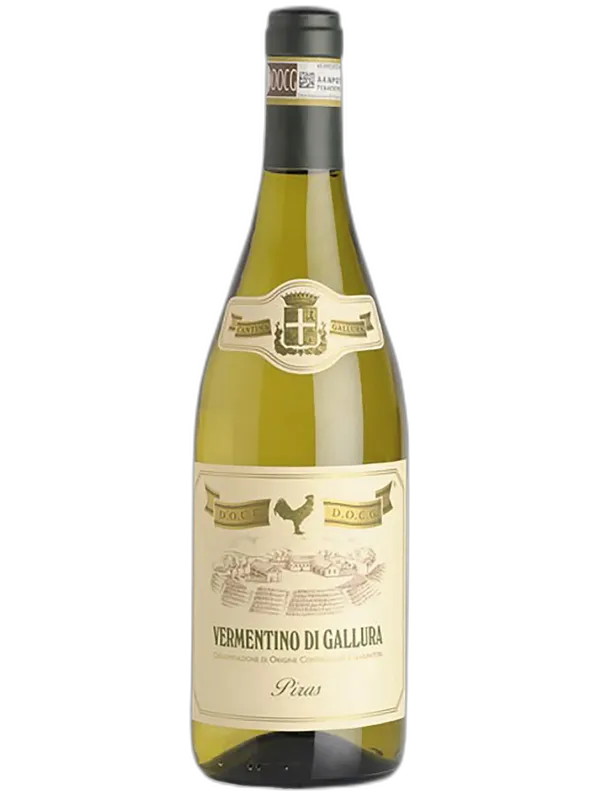
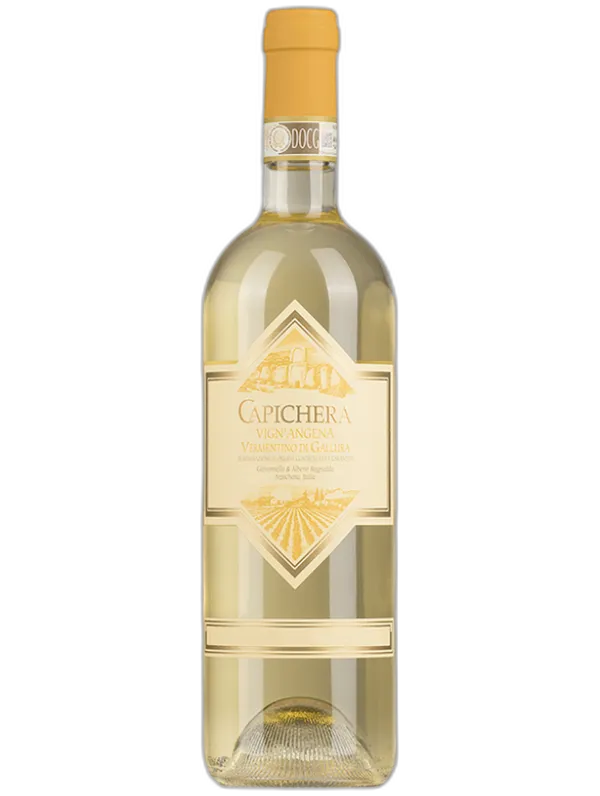
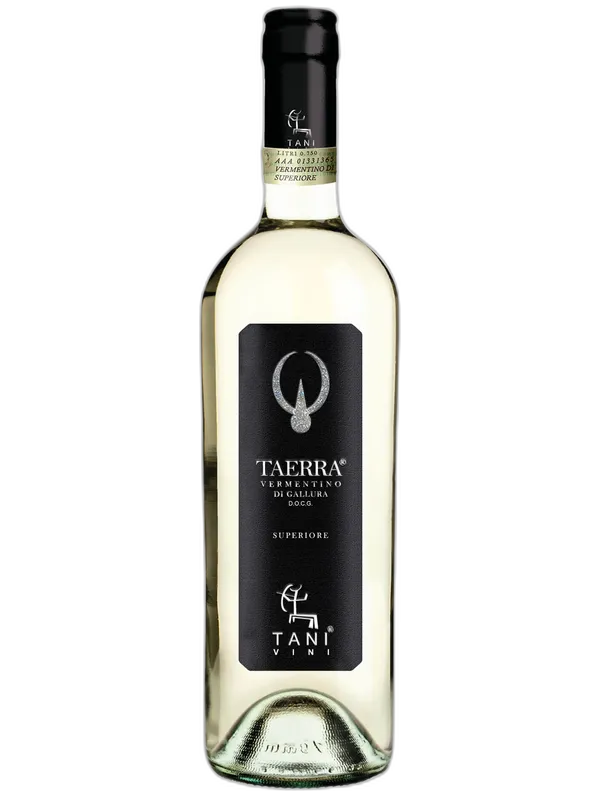
Vermentino di Sardegna , Aglianico del Vulture Superiore , Grottino di Roccanova , Cirò , Greco di Bianco , Verdicchio dei Castelli di Jesi , Matera , Chianti Classico , Palizzi , Lamezia , Barbera d'Asti , Asti
Primary Goal
Pair Italian acidity, tannin and sweetness with generic protein and category food.

Rules of Engagement

The Do's

  1. 01

    Match weight to weight

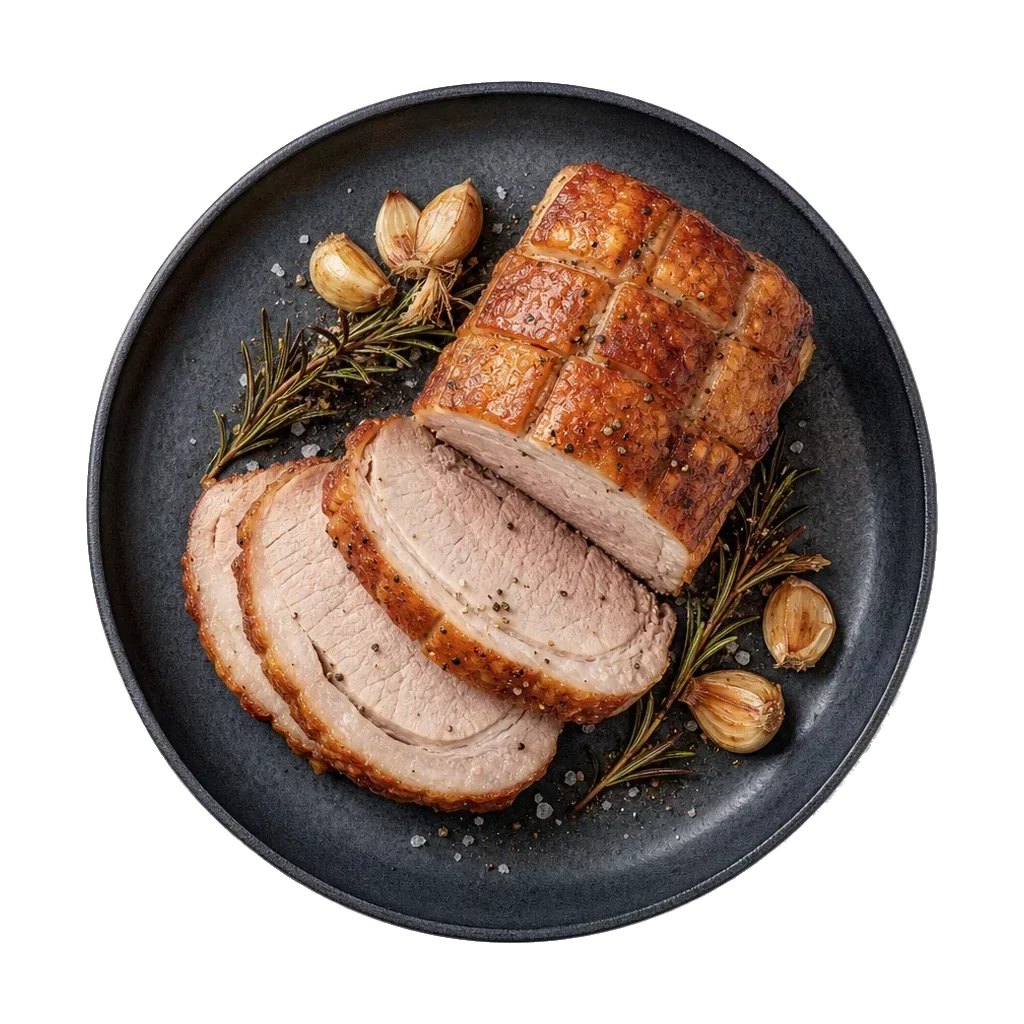
    Pair lean foods (chicken breast, fillet, white fish) with lighter wines; pair rich foods (ribeye, slow-cooked stew, pork belly) with structured ones.

  2. 02

    Use acidity to cut fat

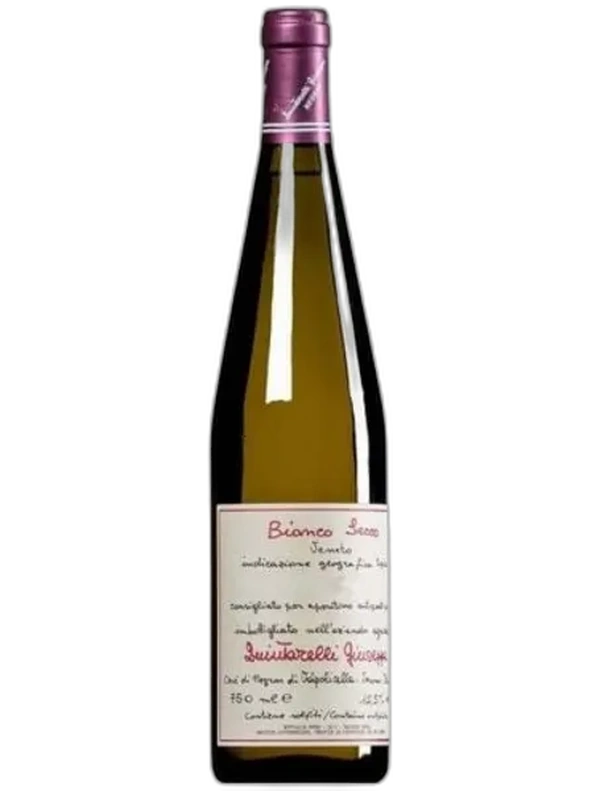
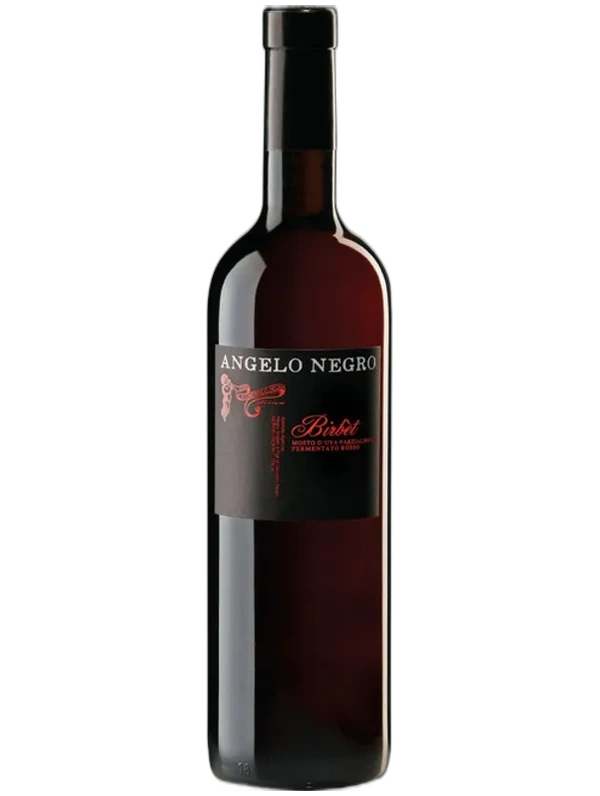
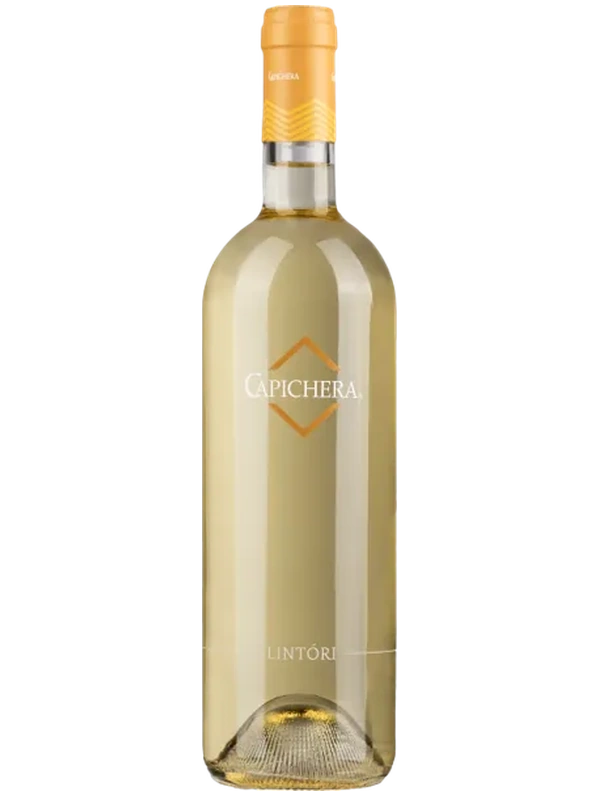
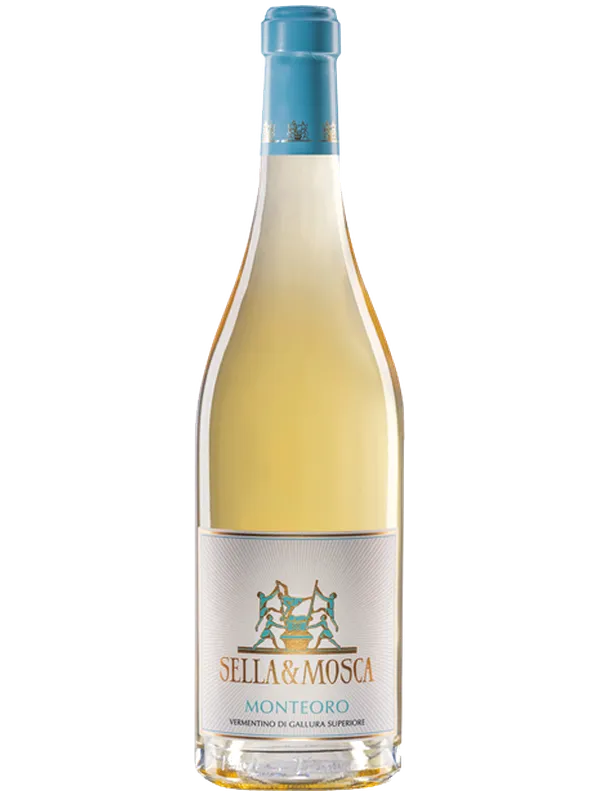
    When in doubt, pick a wine with bright acidity. Vermentino, Falanghina and Barbera all do this work across protein and category.

  3. 03

    Match or beat dessert sweetness

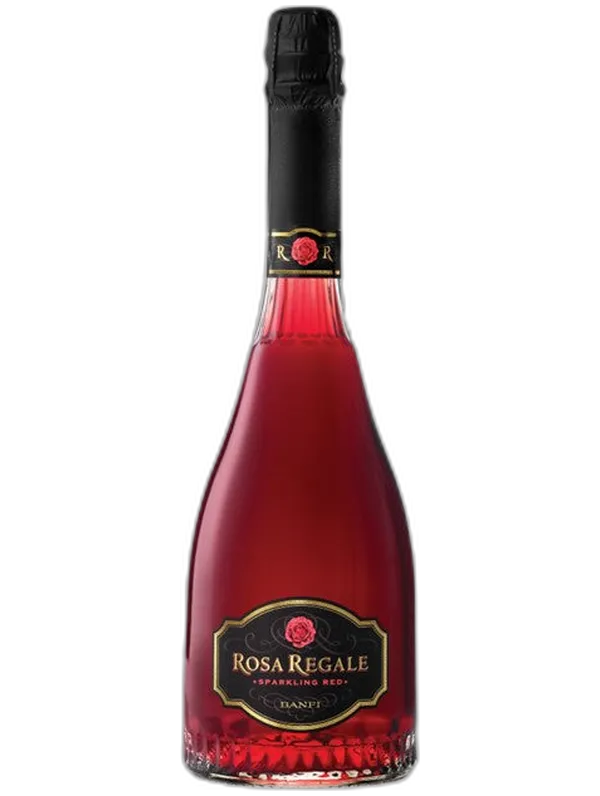
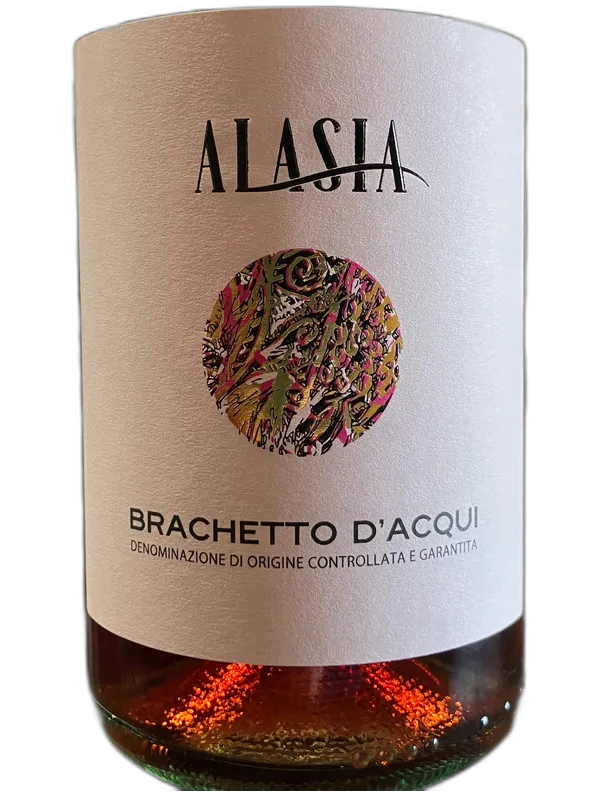
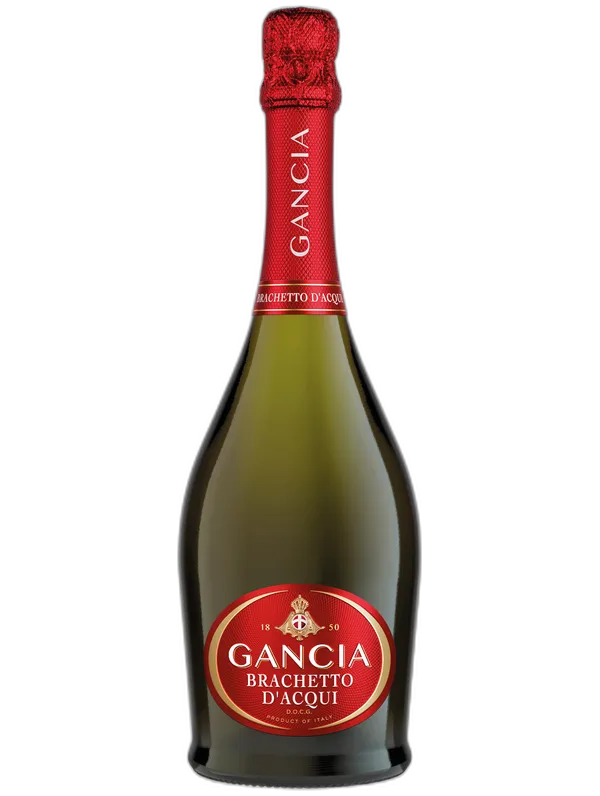
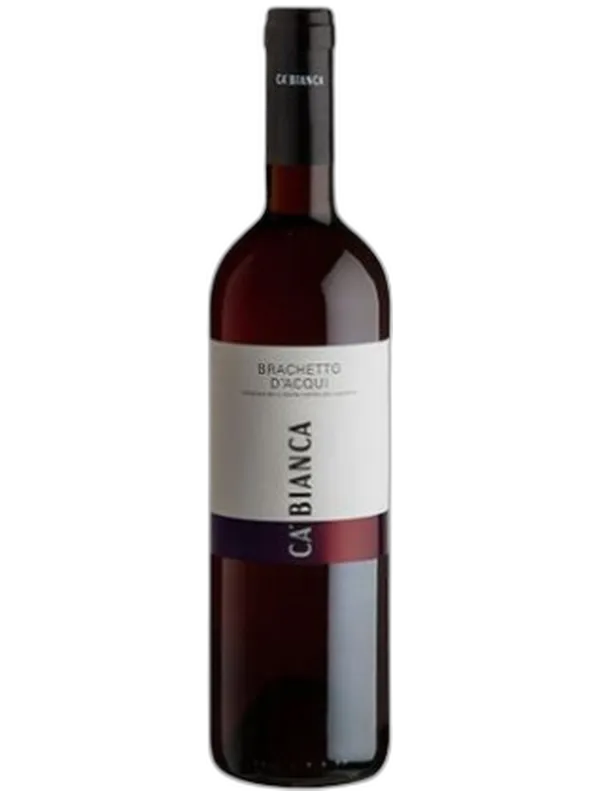
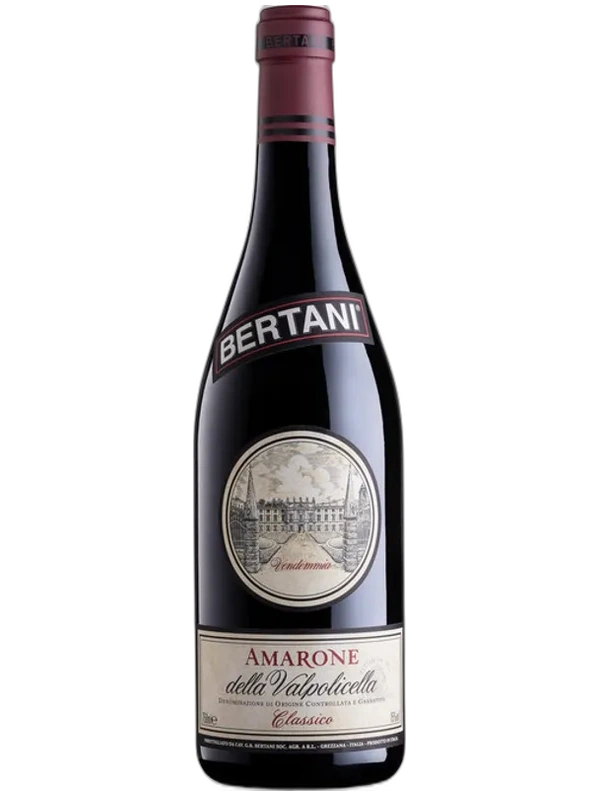
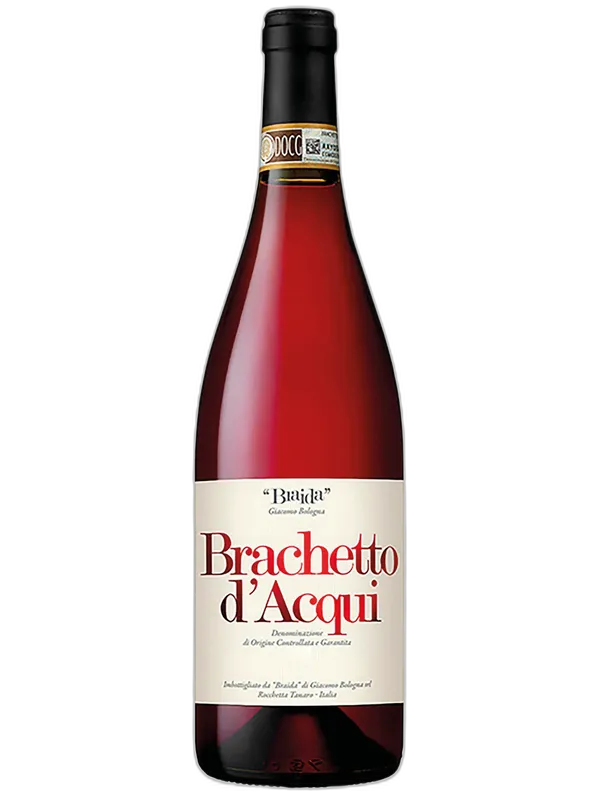
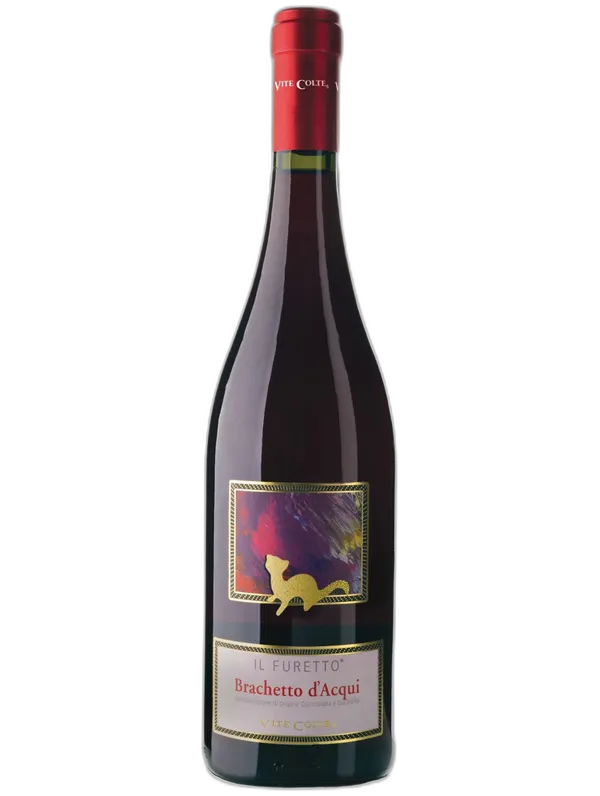
    Sweet wines must be at least as sweet as the dessert. Moscato d'Asti for fruit; Brachetto for milk chocolate; Recioto and Passito for dark.
The Do's

  • 01

    Match weight to weight

    Pair lean foods (chicken breast, fillet, white fish) with lighter wines; pair rich foods (ribeye, slow-cooked stew, pork belly) with structured ones.

  • 02

    Use acidity to cut fat

    When in doubt, pick a wine with bright acidity. Vermentino, Falanghina and Barbera all do this work across protein and category.

  • 03

    Match or beat dessert sweetness

    Sweet wines must be at least as sweet as the dessert. Moscato d'Asti for fruit; Brachetto for milk chocolate; Recioto and Passito for dark.
The Don'ts

  • 01

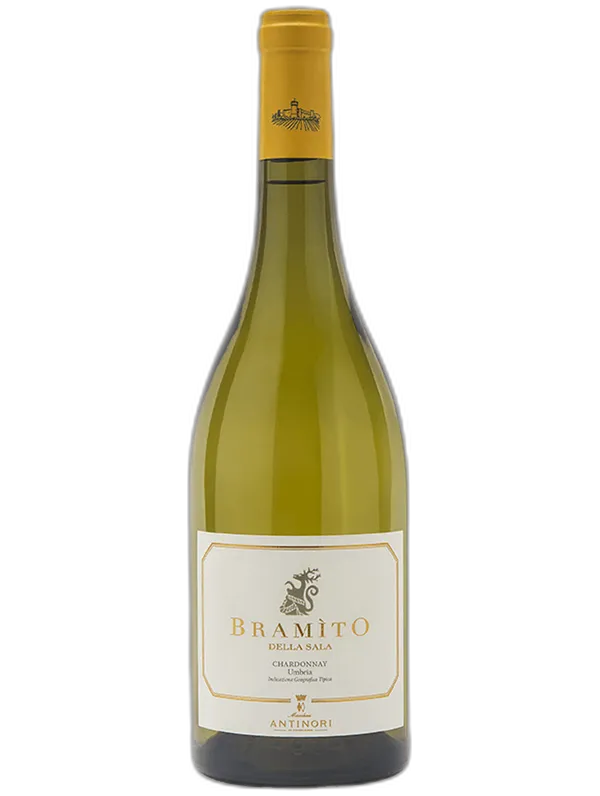
    Skip oaked Chardonnay with most fish

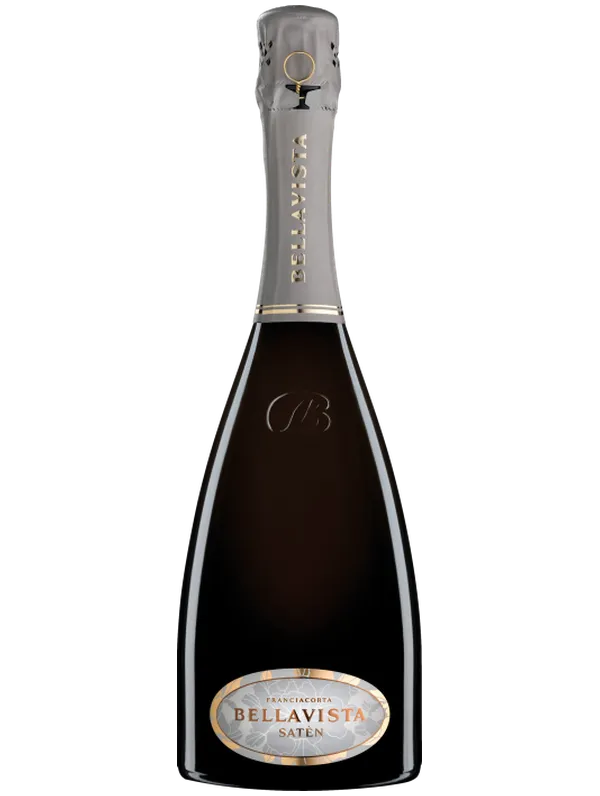
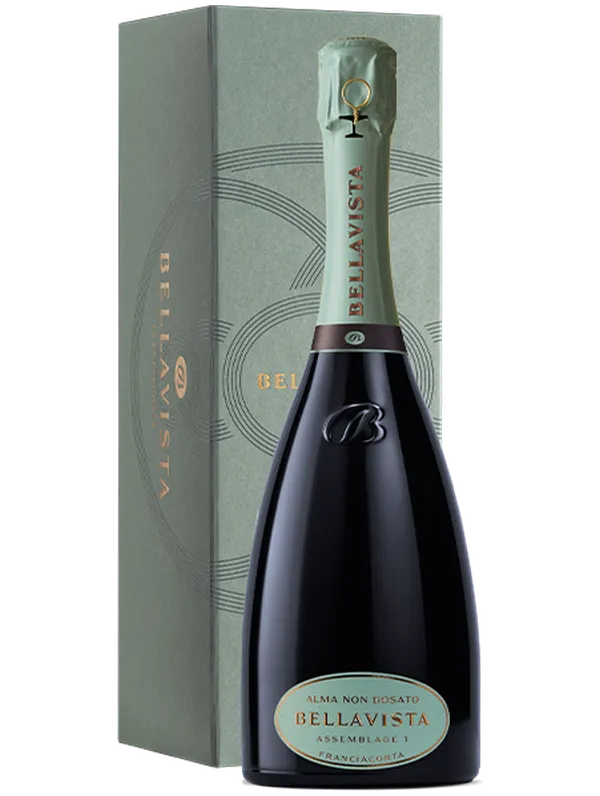
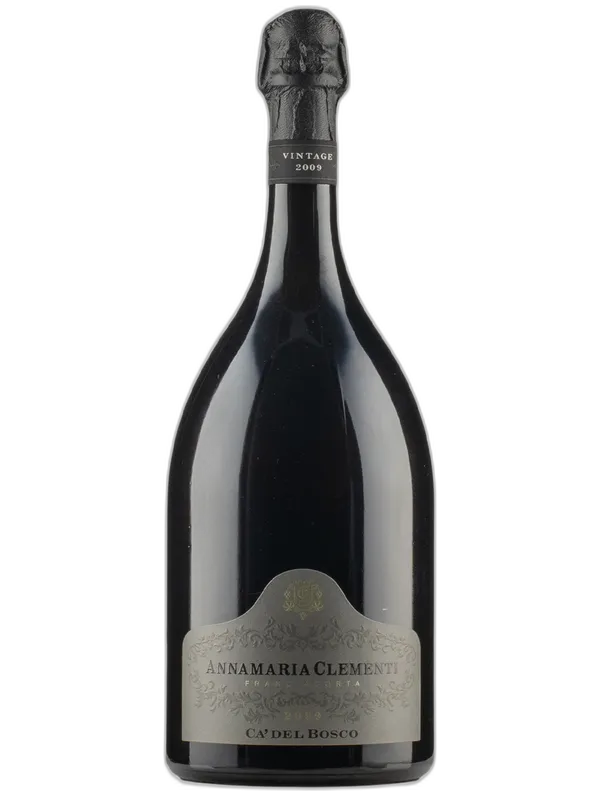
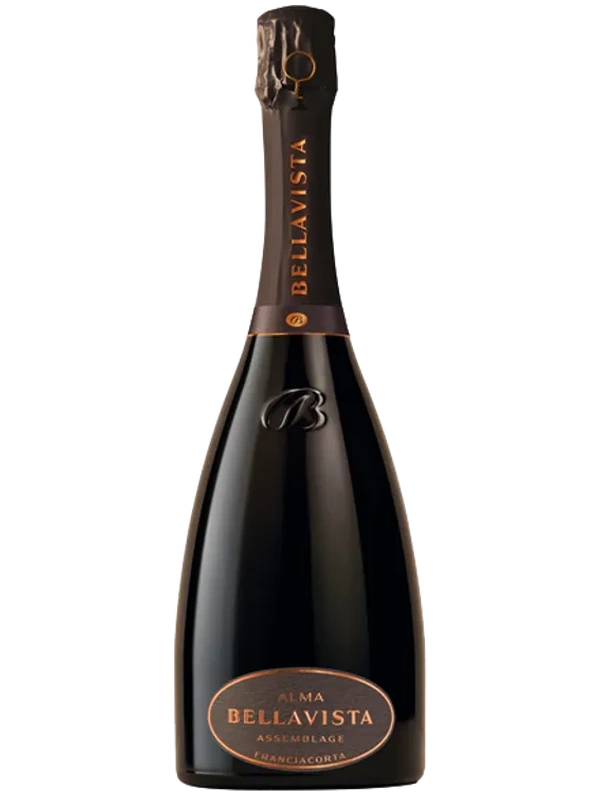
    Heavy oak doubles down on fat and clashes with brine. Use unoaked whites or Franciacorta instead.

  • 02

    Avoid Pinot Nero against BBQ

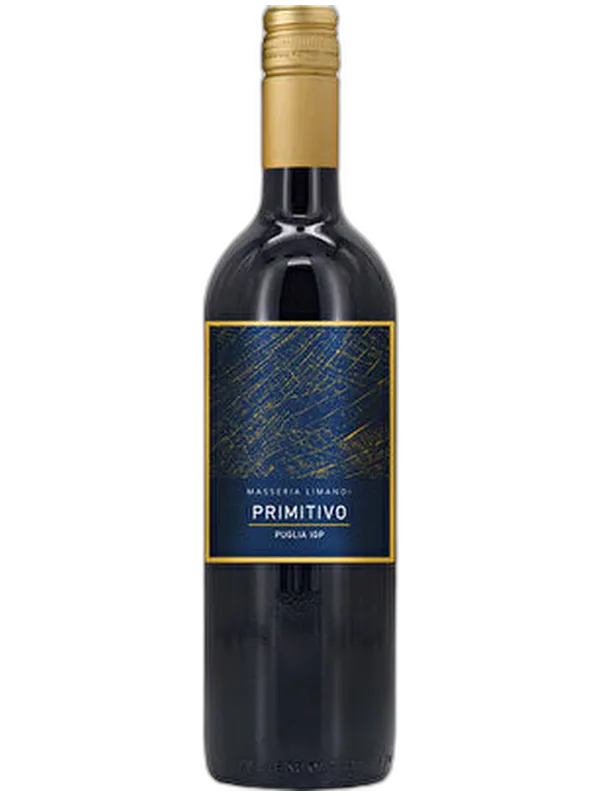
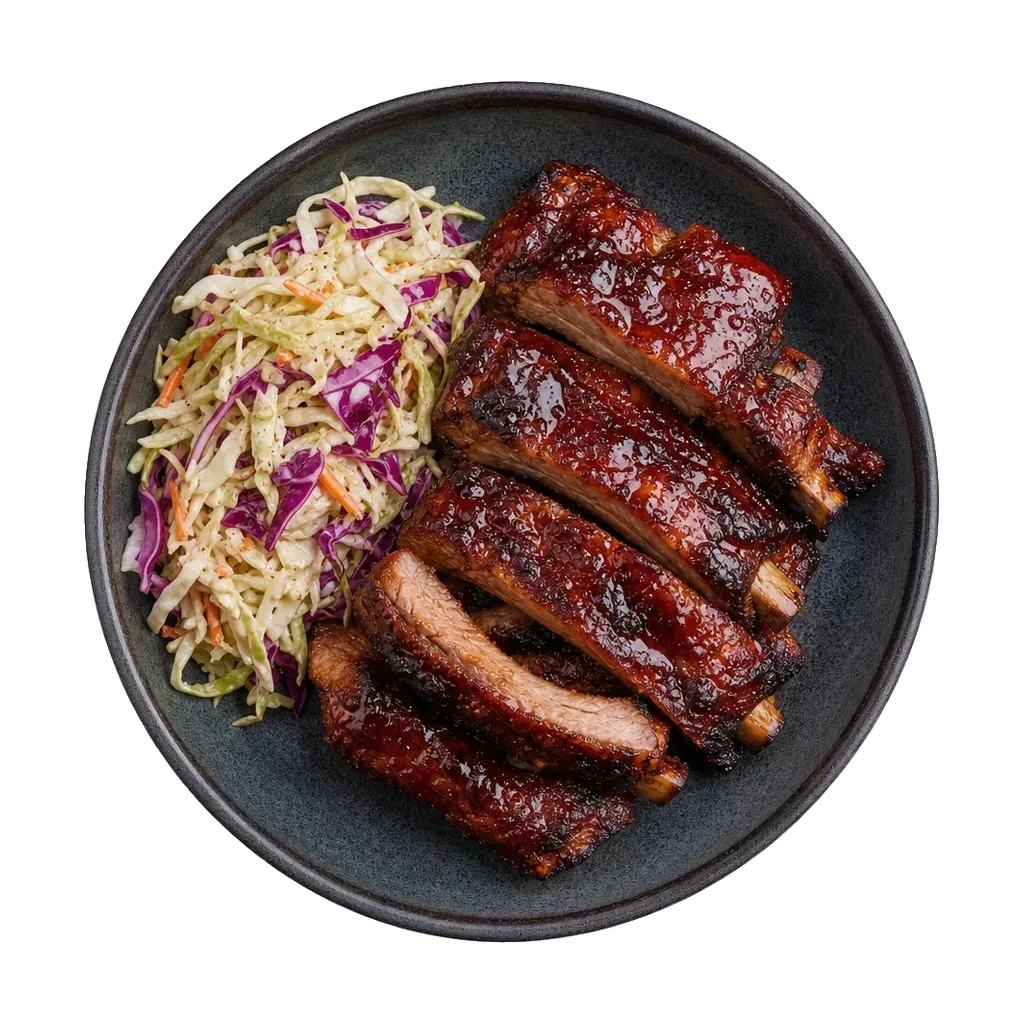
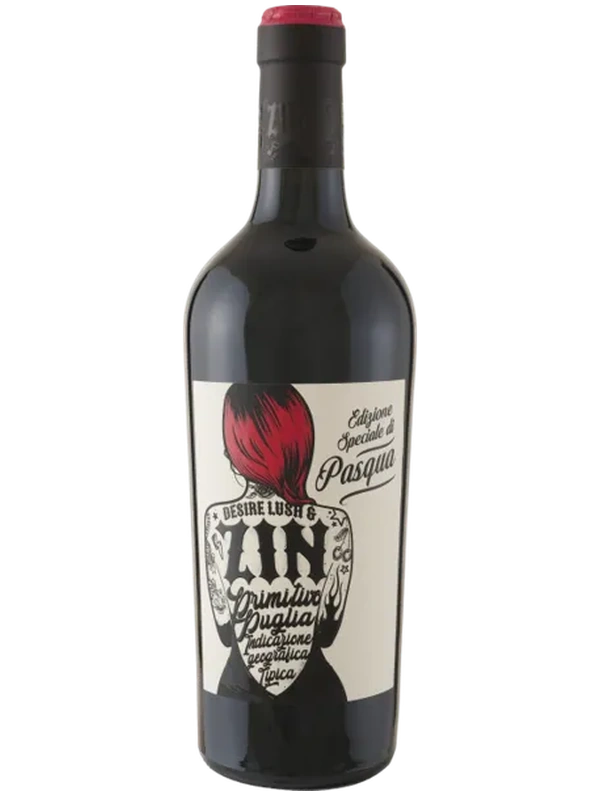
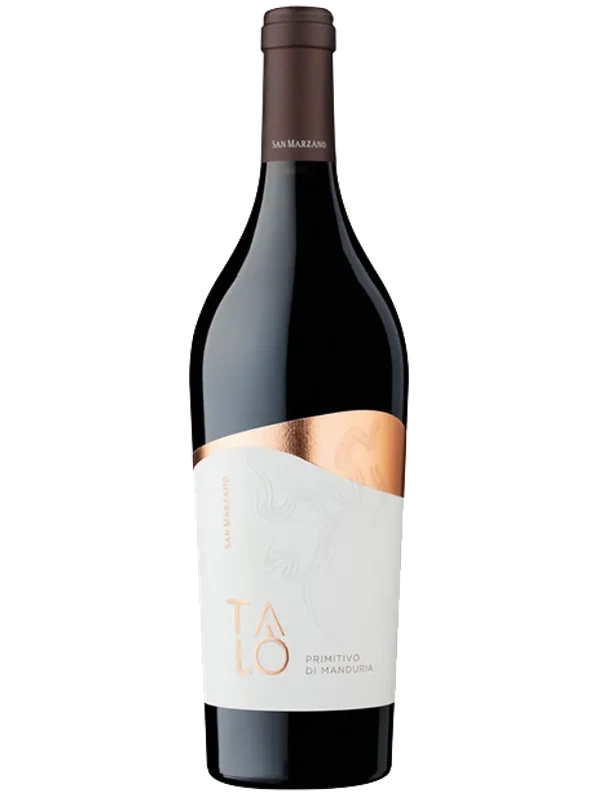
    Smoke flattens Pinot's perfume. Reach for Primitivo, Aglianico or Lambrusco for barbecue and slow-smoked meats.

Pairings at a Glance

Showing 1–10 of 24 dishes

Why These Pairings Work

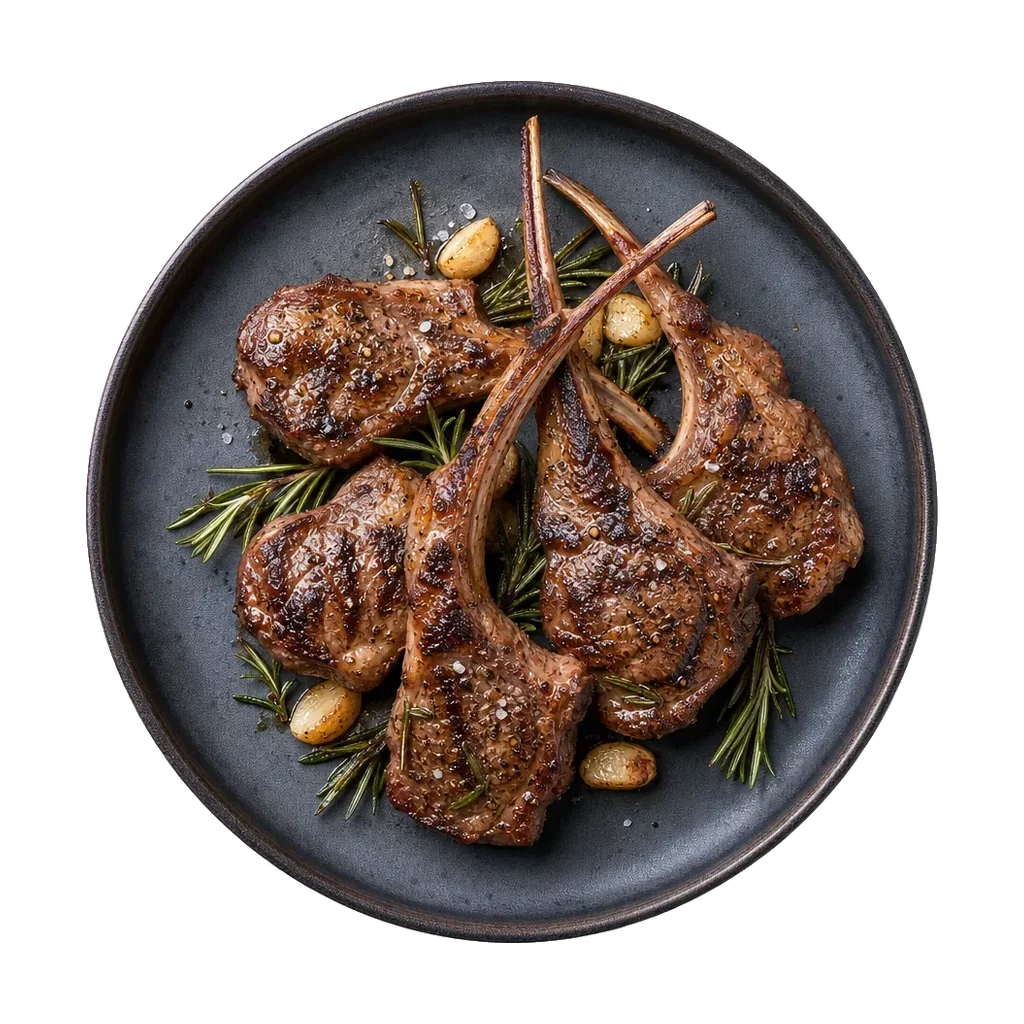
<p>Generic categories share a structural challenge: the food's character comes from the protein or the technique, not from a regional sauce or spice load. Italian whites with bright acidity (Vermentino, Pecorino, Falanghina) cut through fat across roast chicken, salmon and pork. Medium-tannin reds (Sangiovese di Toscana, Barbera d'Asti, Nerello Mascalese) hold the line for steak, lamb and game without overwhelming. Sweet finishers (Moscato d'Asti, Brachetto d'Acqui, Recioto della Valpolicella) carry chocolate, cake and aged cheese without competing on richness.</p>
Explore More Pairings

Food Pairing Questions

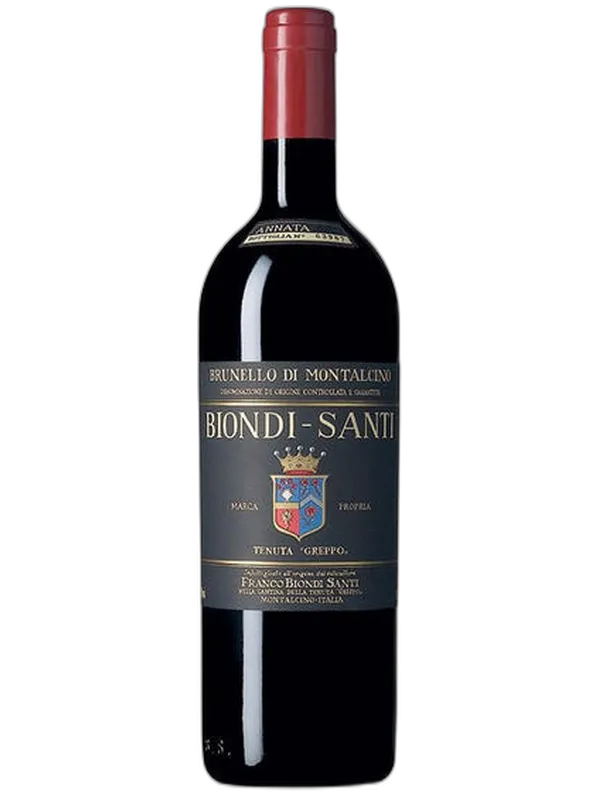
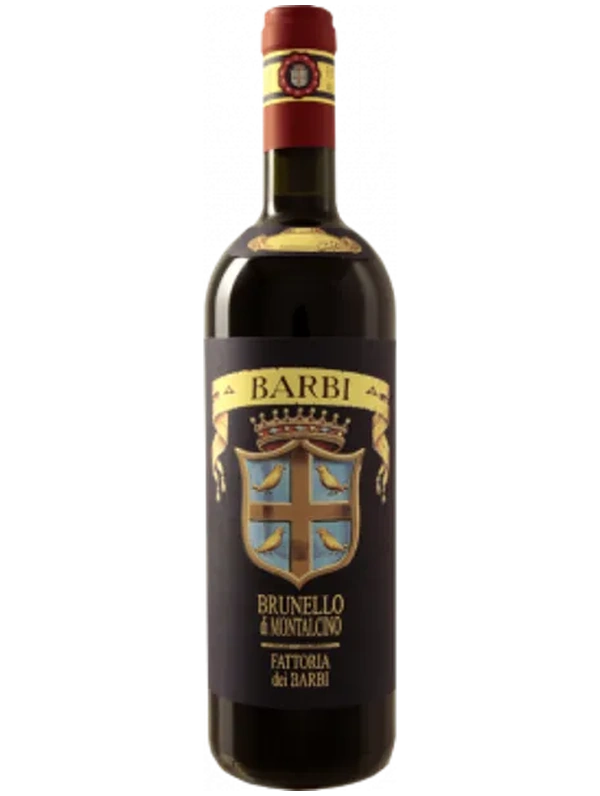
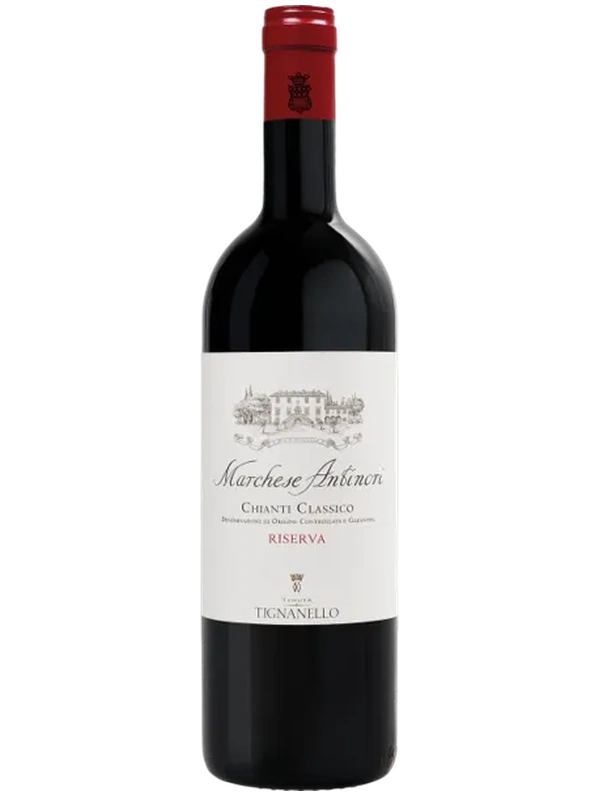
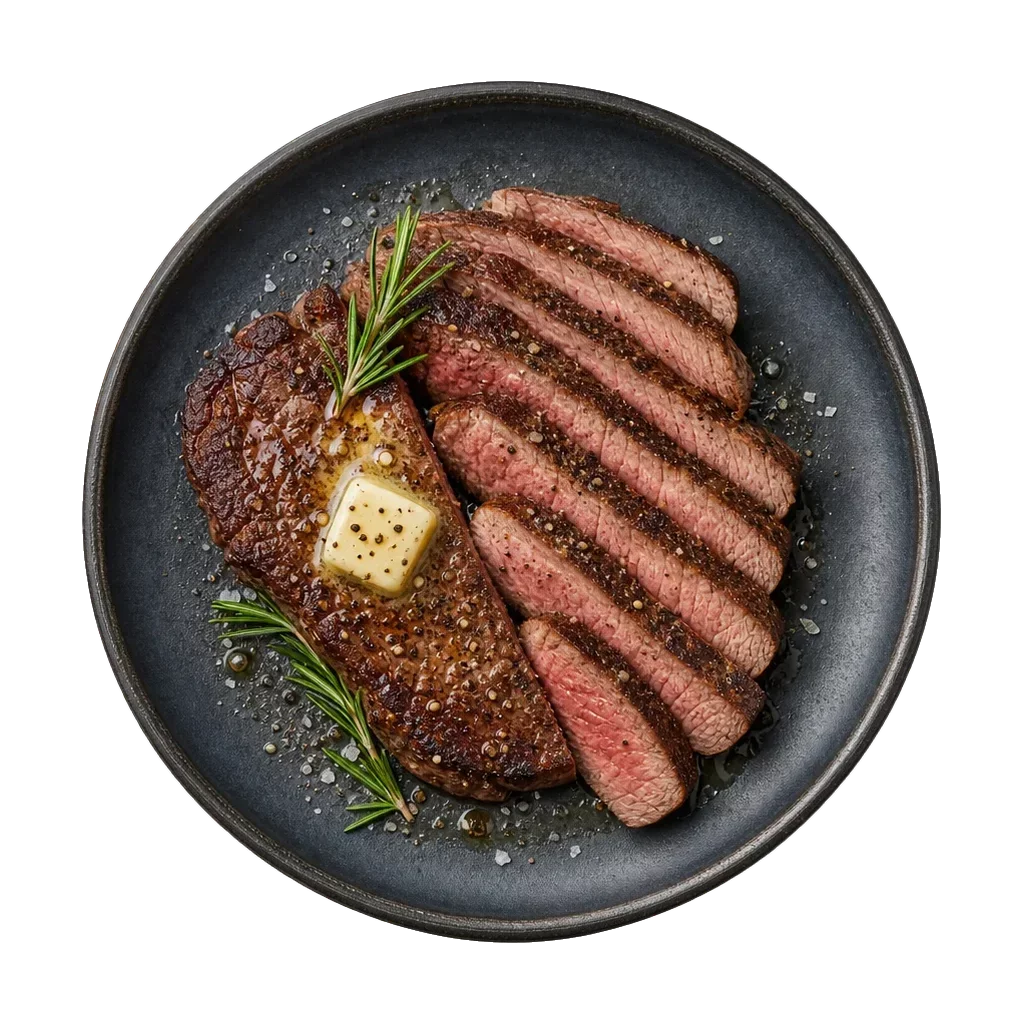
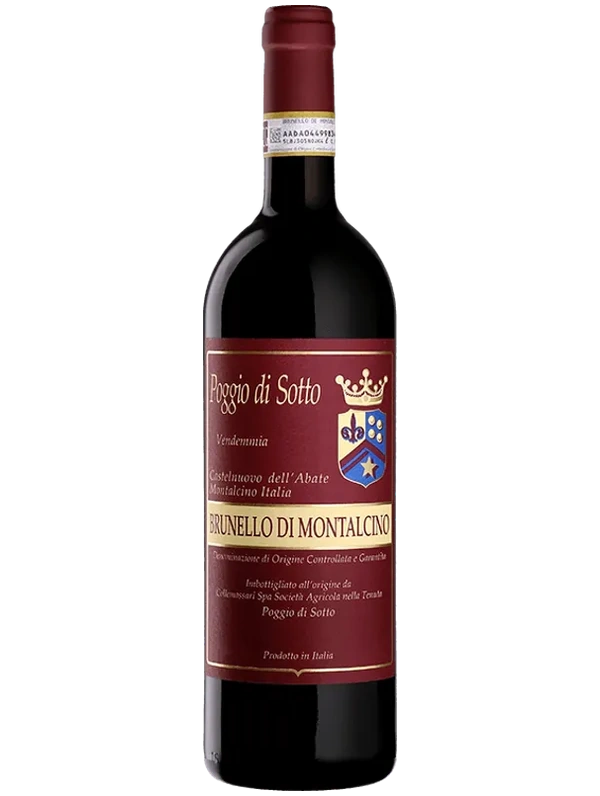
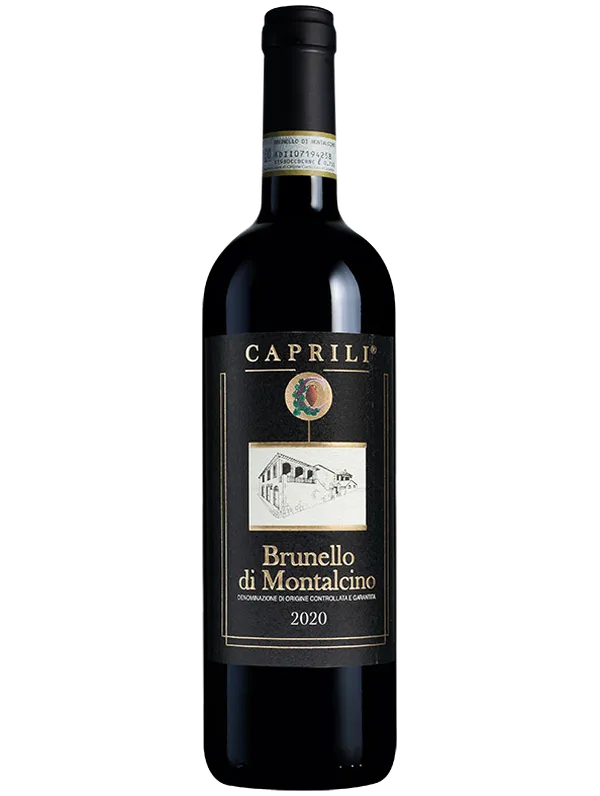
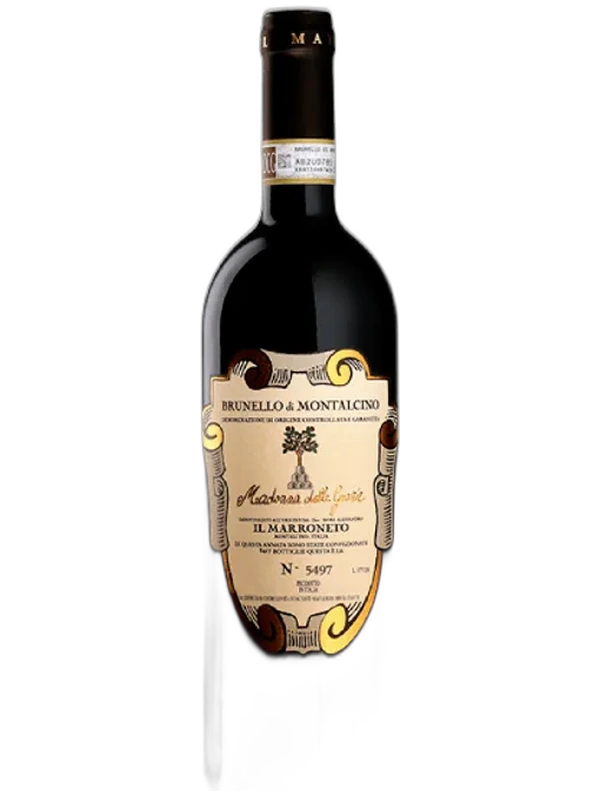
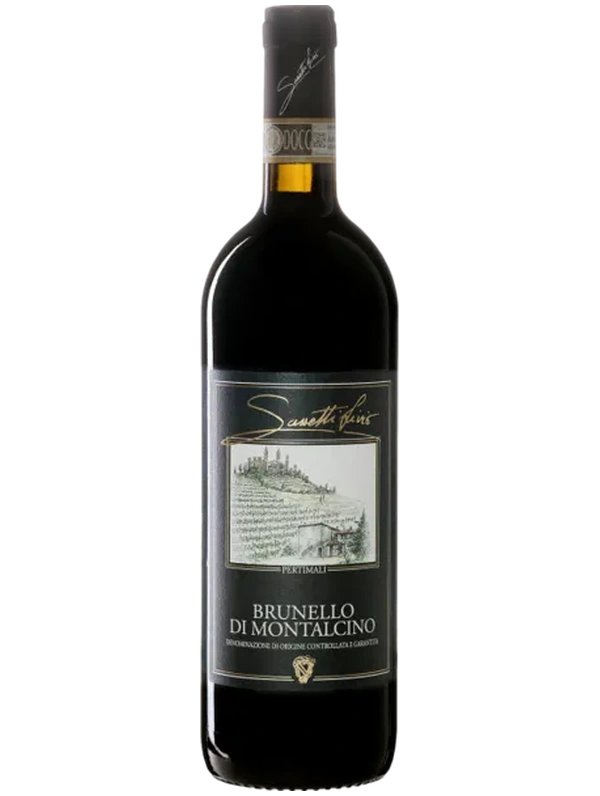
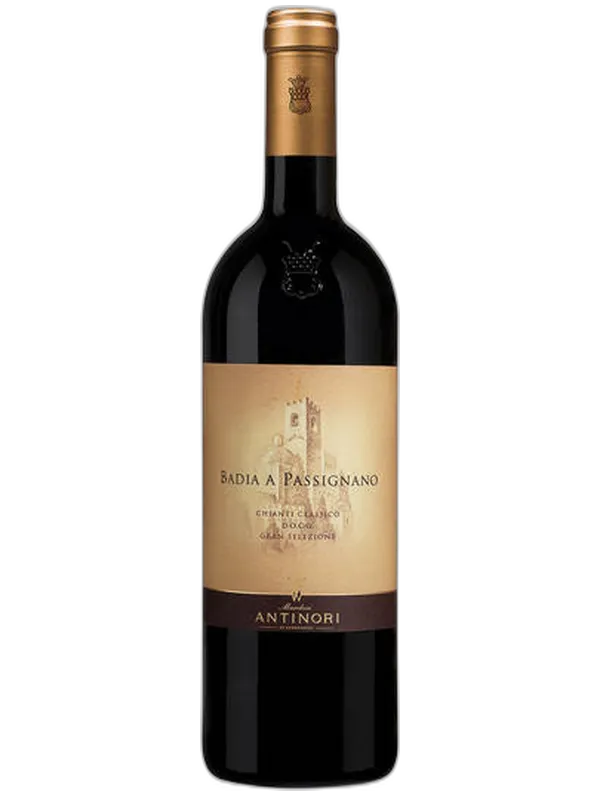
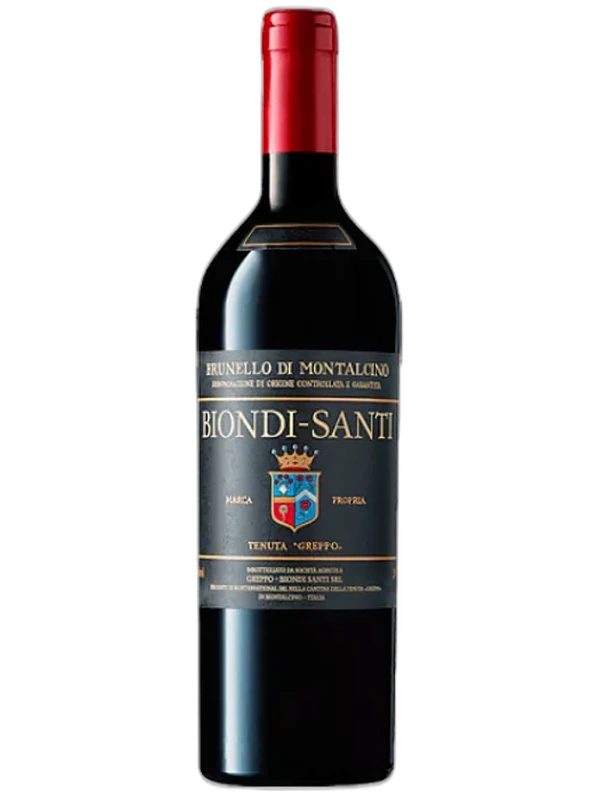
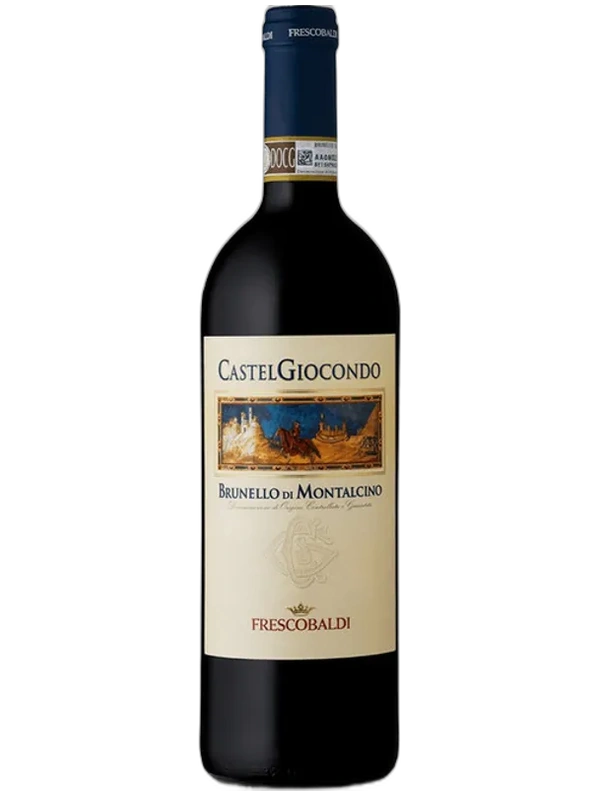
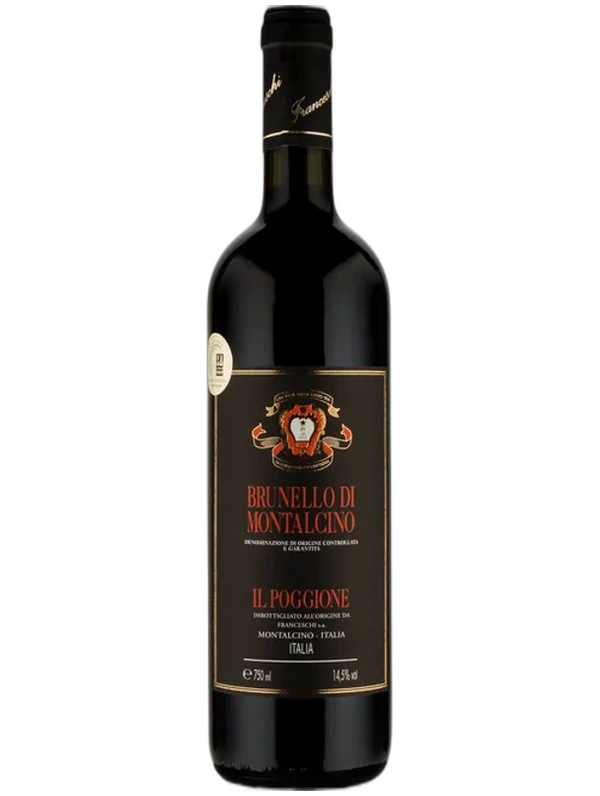
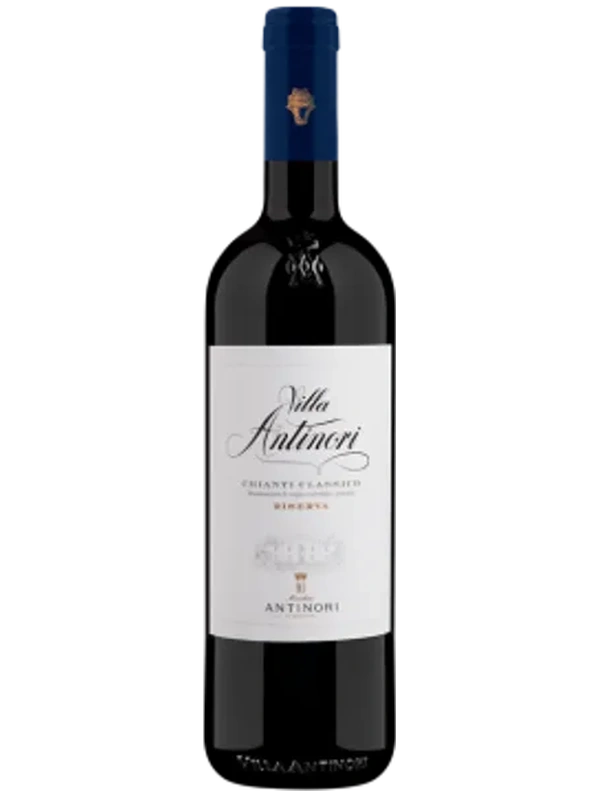
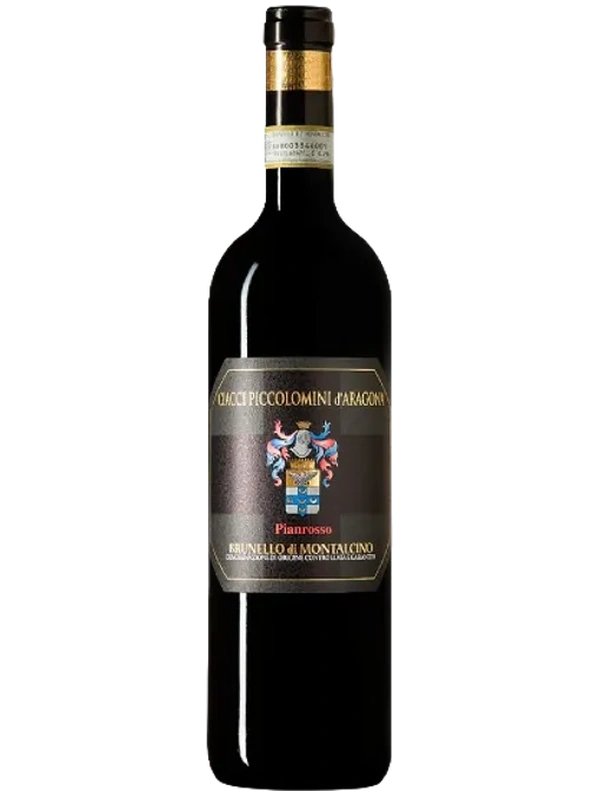
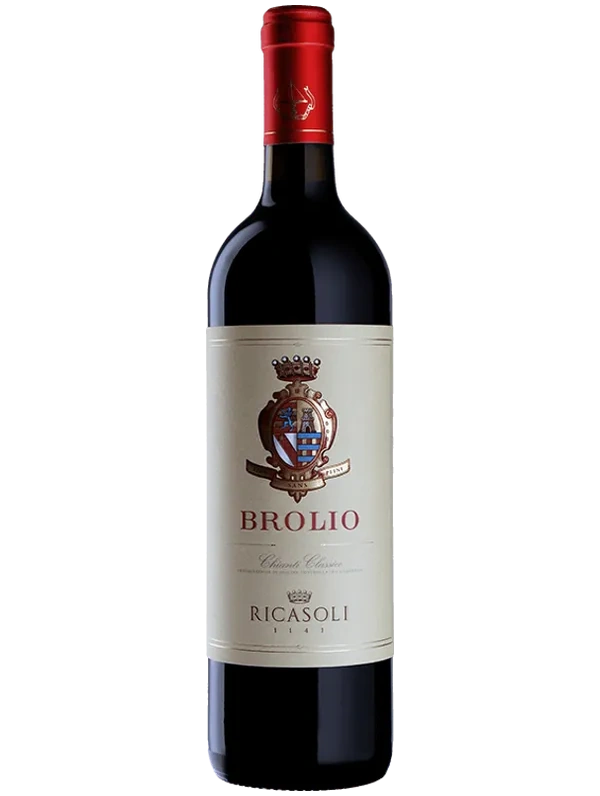
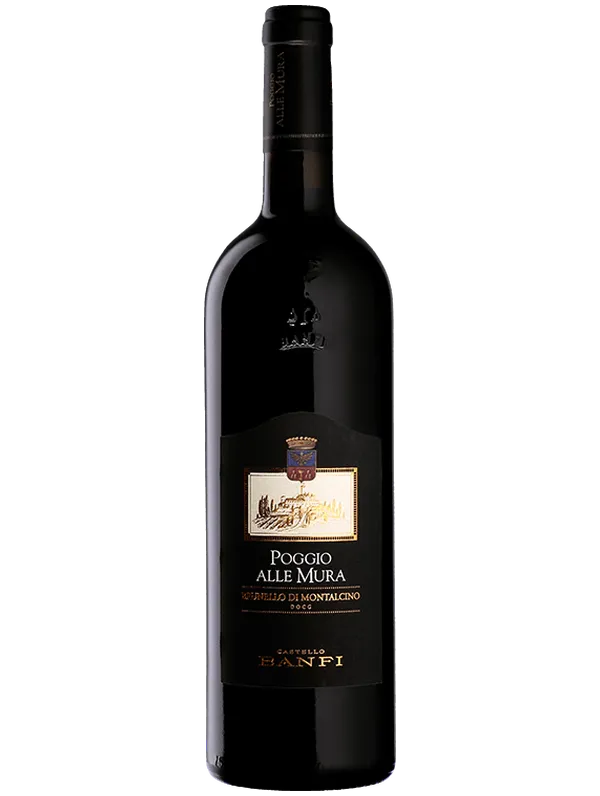
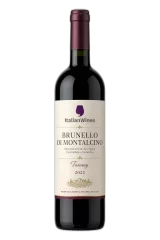
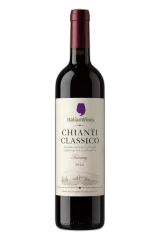
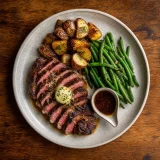
Sangiovese carries the canonical answer: Chianti Classico and Brunello di Montalcino bind the iron-rich protein and lift the char. Aglianico del Vulture and Barbera d'Asti work for younger or weeknight cuts. Skip whites and sweet wines.
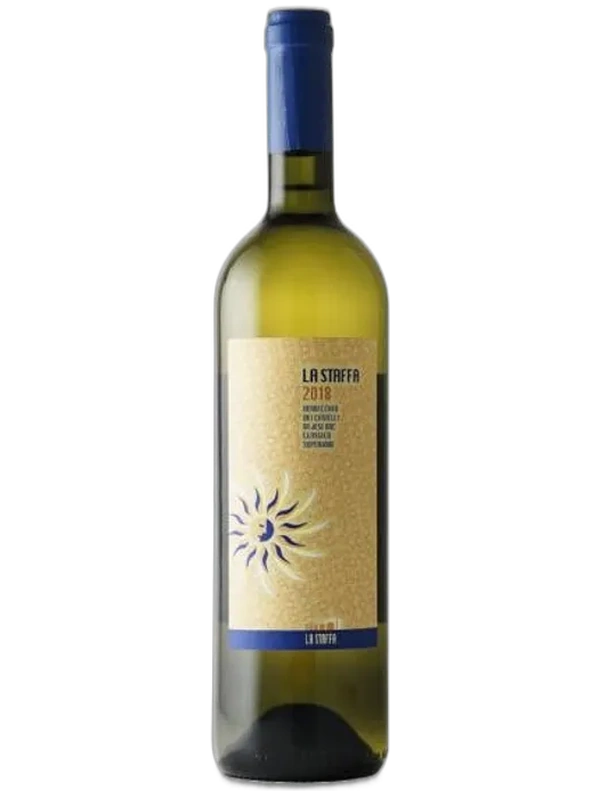
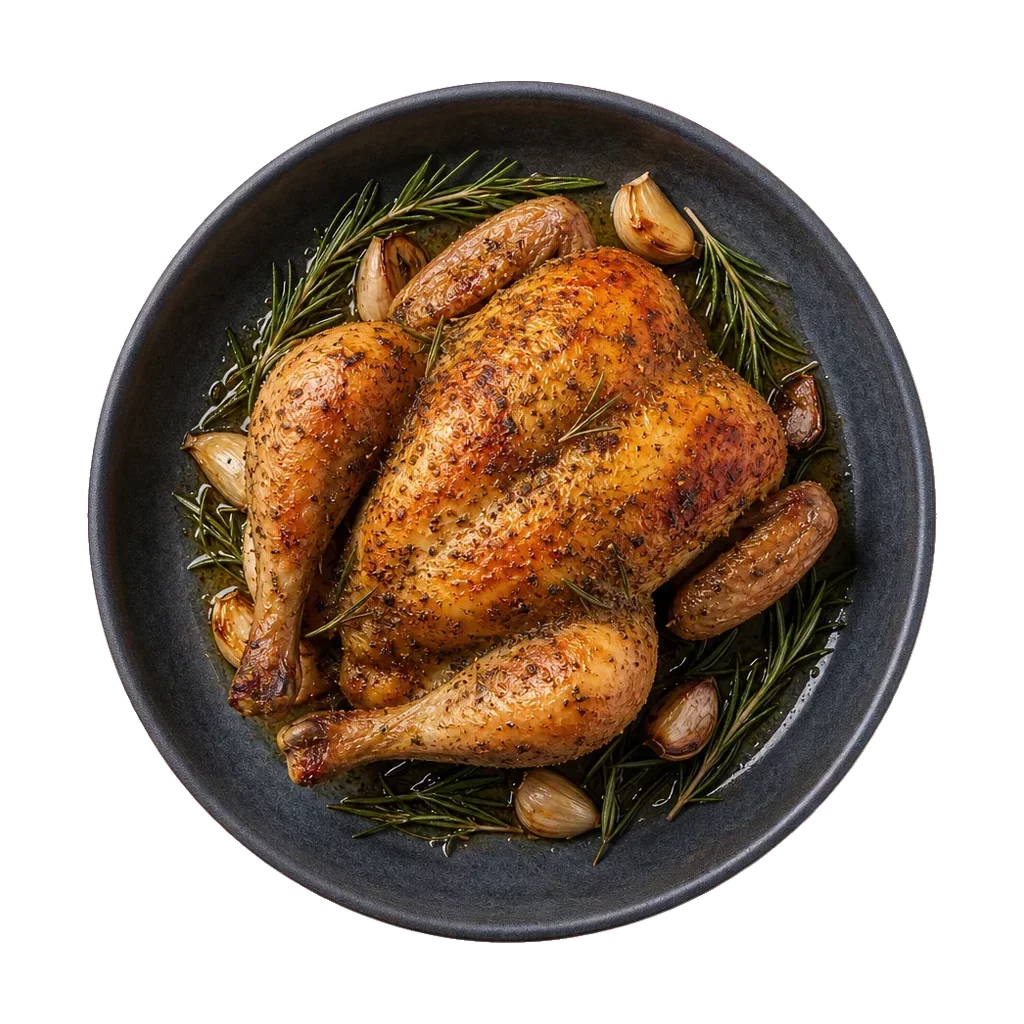
Roast chicken takes a body-laden white. Vermentino di Sardegna for lemon-and-herb roasts; Falanghina del Sannio for richer butter or wine sauces; Etna Bianco for charcoal-roasted versions. Skip oaked Chardonnay; it disappears the bird.

Vermentino di Sardegna and Falanghina del Sannio for poached or baked. Light reds (Cerasuolo d'Abruzzo, young Etna Rosso) for grilled or smoked. Heavily oaked whites double down on the fat and clash.

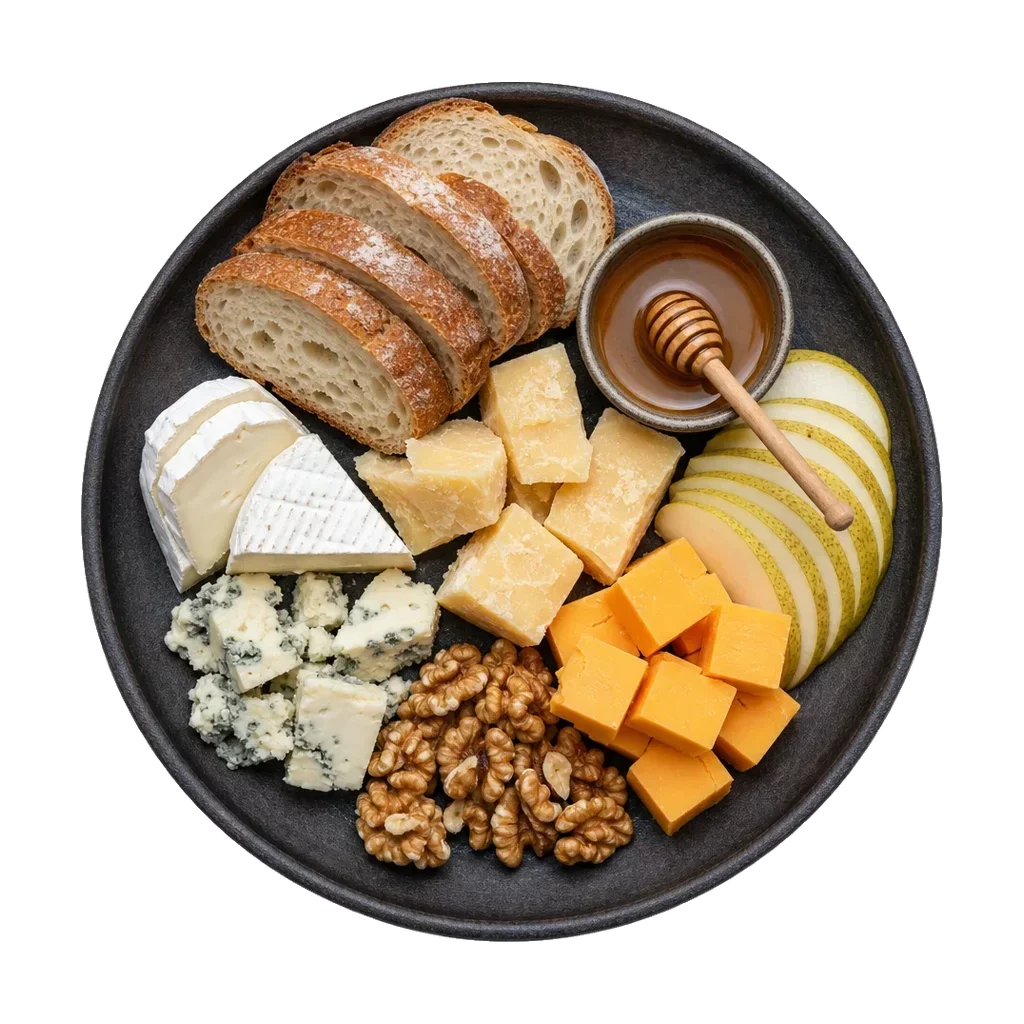
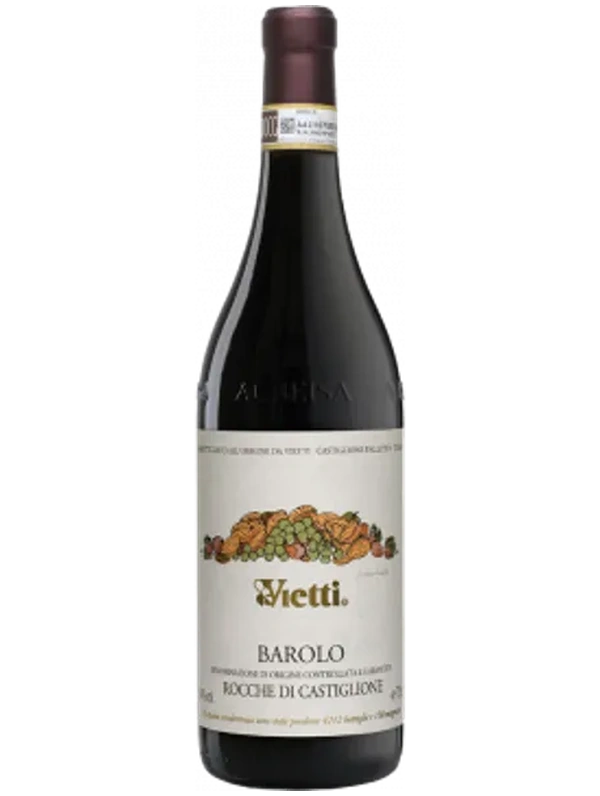
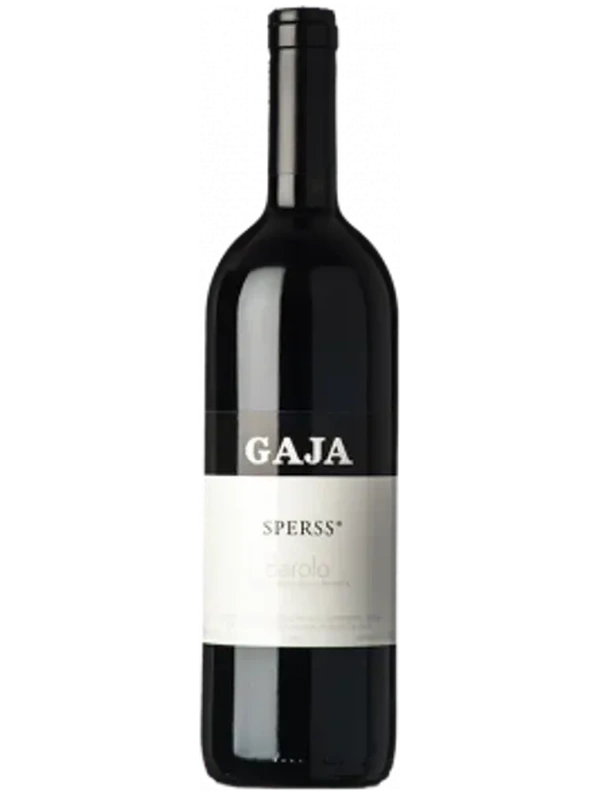
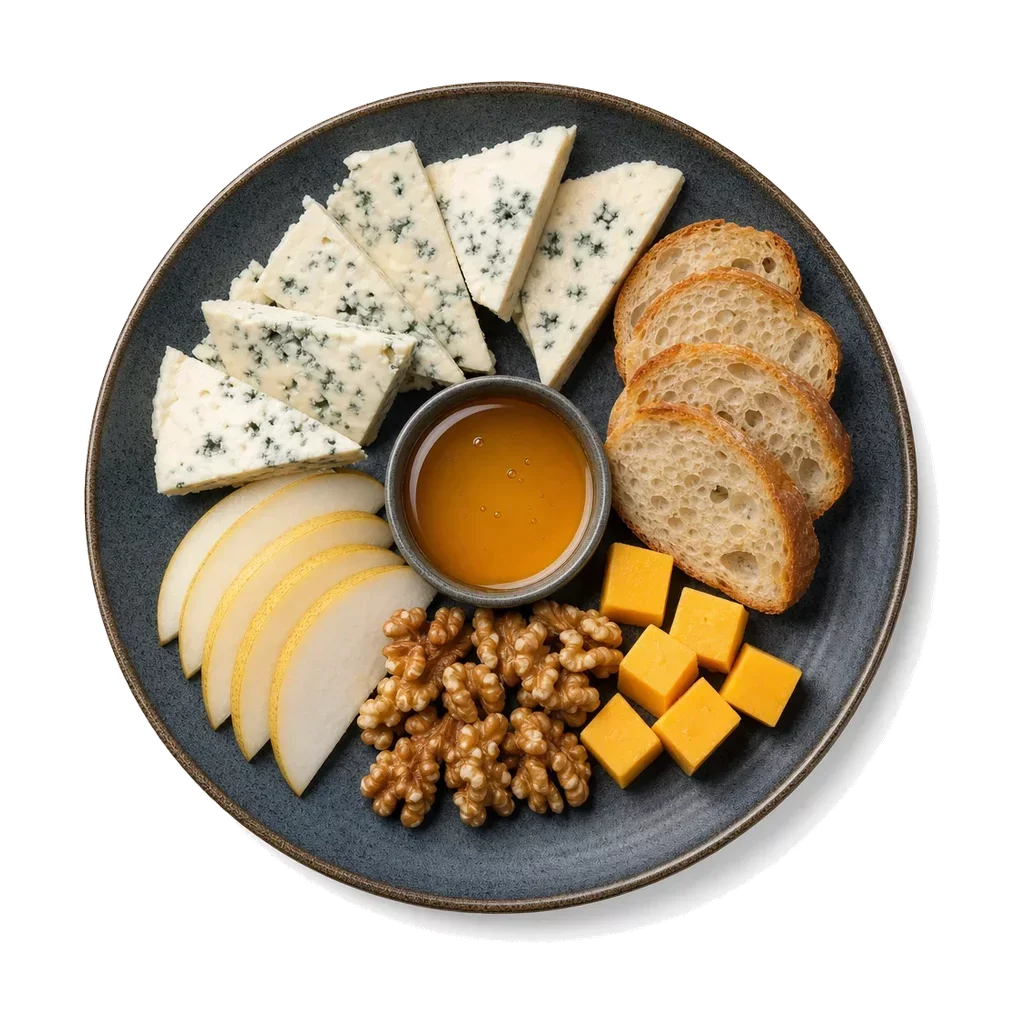
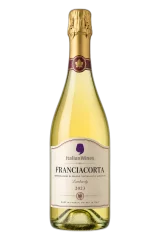
Soft and fresh: Franciacorta or Prosecco Superiore. Hard and aged: Brunello di Montalcino, Sagrantino di Montefalco, aged Barolo. Blue: Recioto della Valpolicella, Passito di Pantelleria, Vin Santo del Chianti Classico.

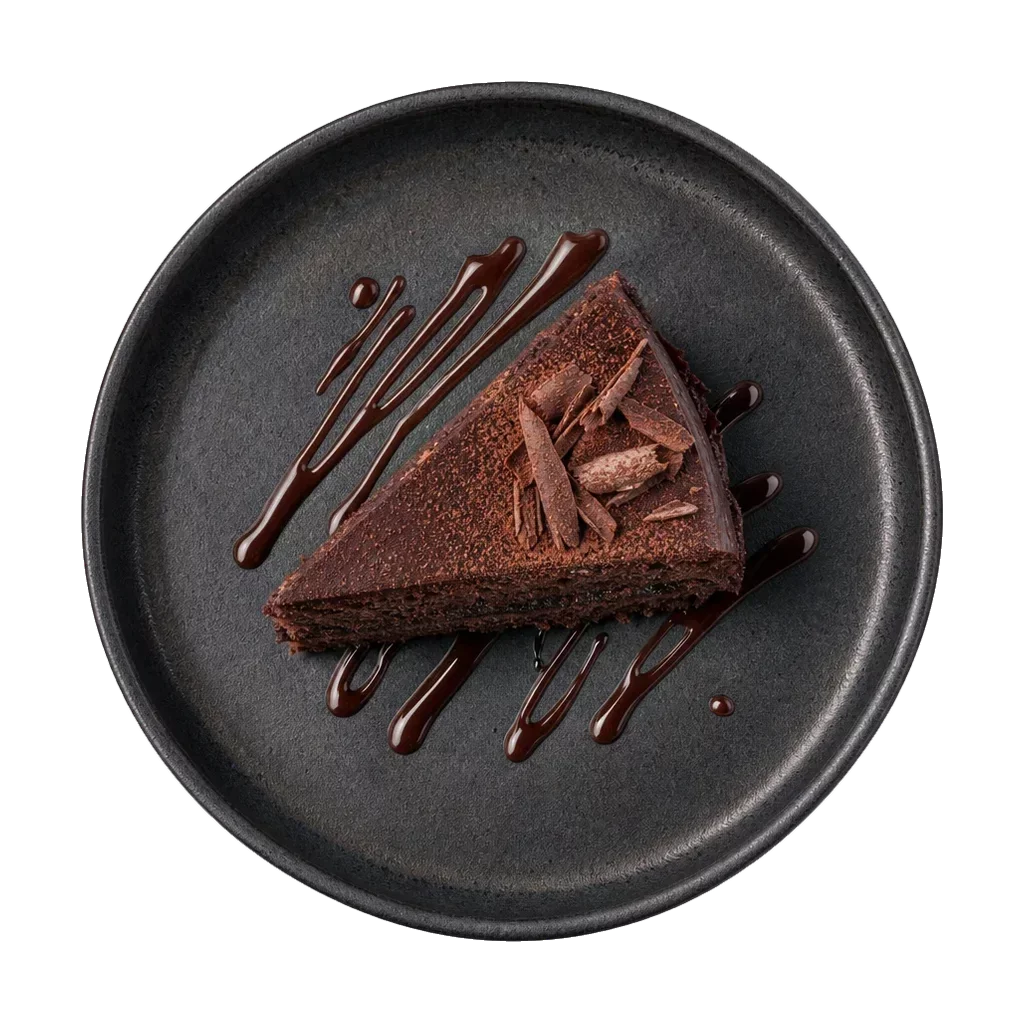
Match or out-sweeten the chocolate. Brachetto d'Acqui for milk-chocolate desserts; Recioto della Valpolicella for dark chocolate; Passito di Pantelleria for fruit-and-chocolate combinations. Dry reds read tart against cocoa.

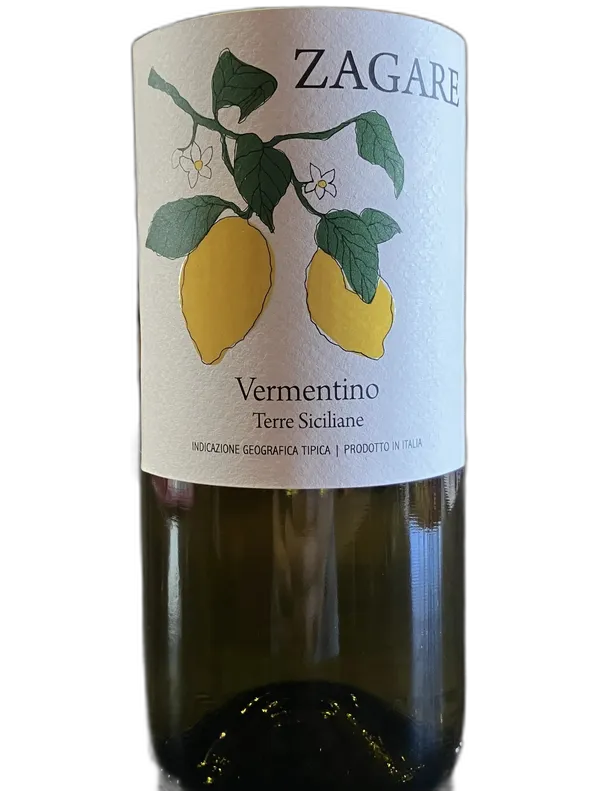
No single bottle covers the spread, but Vermentino di Sardegna comes closest as a versatile white (chicken, fish, light pork, fresh cheese). For an all-purpose red, Barbera d'Asti's bright acidity and modest tannin handle most weeknight meats.

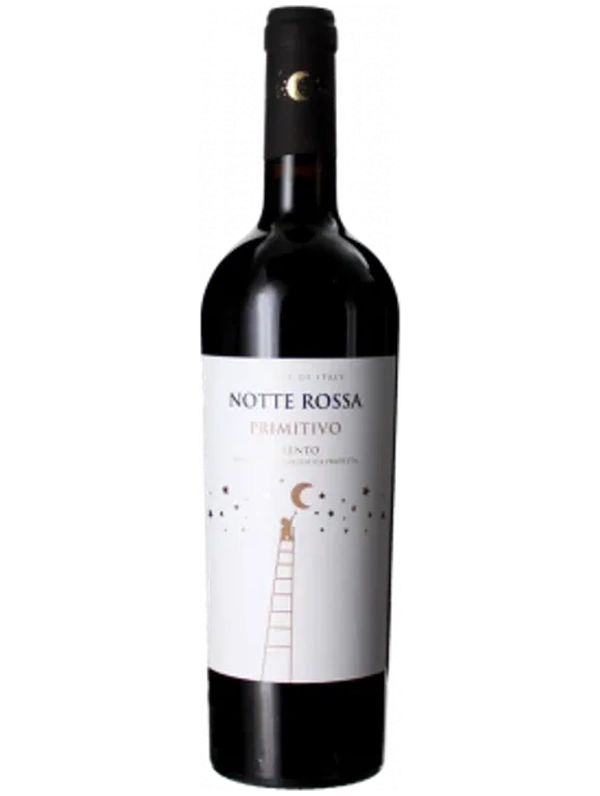
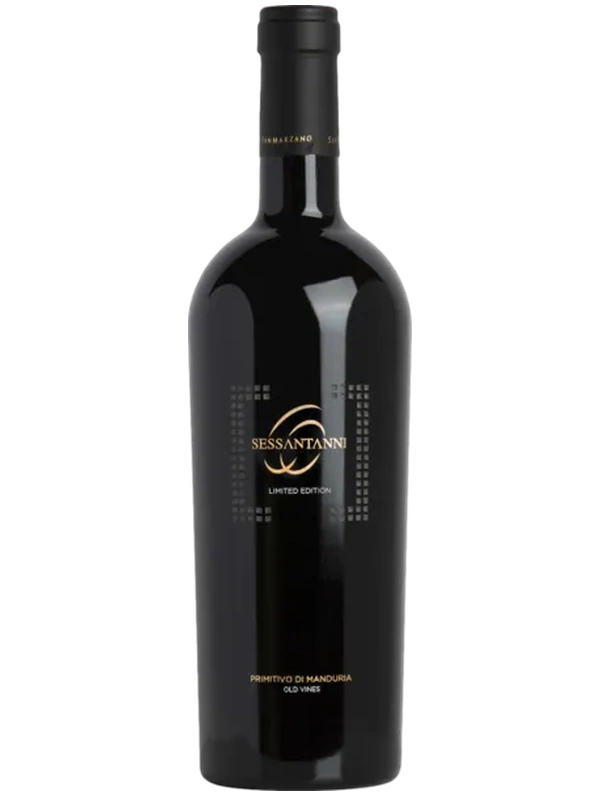
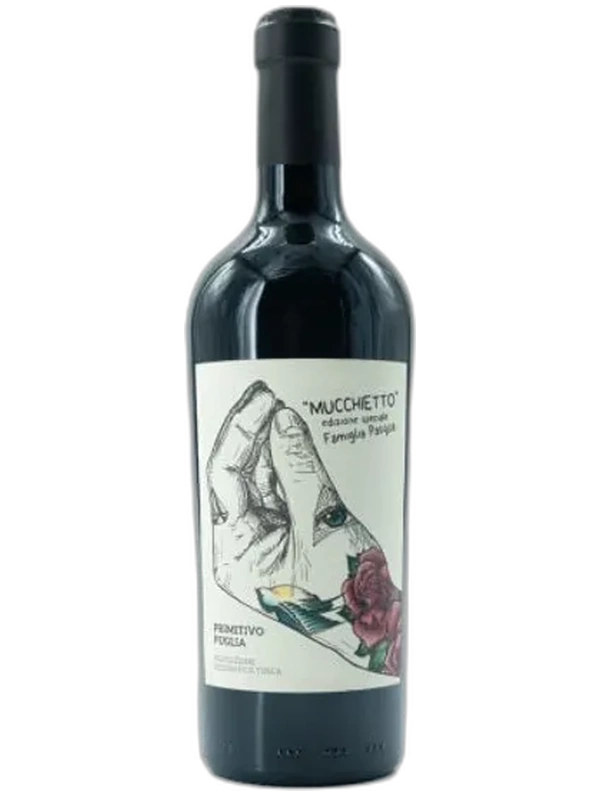
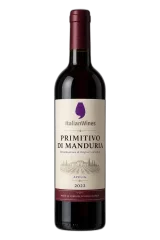
Primitivo di Manduria's plummy ripeness matches sweet smoky sauces; frizzante Lambrusco Grasparossa cuts sticky ribs; Aglianico del Vulture stands up to slow-smoked brisket. Avoid austere Nebbiolo and Pinot Nero against heavy BBQ sauce.