Veneto
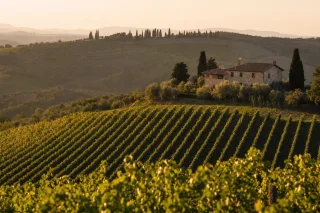
Italy's largest wine region by volume, where Prosecco hills, Valpolicella ridges, and Soave's volcanic plain shape three different Italian classics.
Red Grape · Veneto
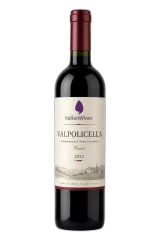
Corvina is the principal red grape of Verona's wine country, forming the backbone of Valpolicella DOC, Amarone della Valpolicella DOCG, and Recioto della Valpolicella DOCG.
Thick-skinned and remarkably versatile, it yields everything from light, cherry-bright everyday reds to the concentrated, age-worthy wines of Amarone, where its grapes undergo months of careful drying before fermentation.
69
Bottles
12
Retailers
6
Denominations
Serve
12–15°C
Decant
30 minutes
Glass
Large Balloon Glass
Drink Within
3–5 days
Cellar
Up to 10 years
Discover the Italian wine denominations where Corvina plays a starring role.
69 wines available
3 retailers
Valpolicella Ripasso
3 retailers
£13.62
3 retailers
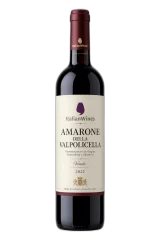
Amarone della Valpolicella
3 retailers
£27.49
3 retailers
Amarone della Valpolicella
3 retailers
£28.00
£33.38
3 retailers
Veneto
3 retailers
£95.99
3 retailers
Valpolicella
3 retailers
£99.23
3 retailers
Amarone della Valpolicella
3 retailers
£127.90
2 retailers
Valpolicella
2 retailers
£16.90
2 retailers
Verona/Veronese
2 retailers
£19.86
2 retailers
Valpolicella Ripasso
2 retailers
£22.10
2 retailers
Verona/Veronese
2 retailers
£23.68
2 retailers
Appellation TBD
2 retailers
£24.99
2 retailers
Recioto della Valpolicella
2 retailers
£30.38
Corvina Veronese, often shortened to Corvina, is the most important red grape in the province of Verona and the defining variety of Valpolicella's wine system. DNA studies have not identified a clear parent variety, though researchers at the Istituto di Genomica Applicata in Udine have confirmed it is genetically distinct from Corvinone (sometimes labelled Corvina Grossa), a variety that once grew alongside it and is now separately classified.
Nearly all of the world's 6,200 hectares of Corvina grow within Veneto's Verona province, across the hillside vineyards that stretch from Lake Garda east to the Val d'Illasi. The grape's thick skins give it a natural resistance to botrytis, a trait that makes it ideally suited to the appassimento method central to Amarone and Recioto production. After harvest, whole bunches are laid on bamboo racks in well-ventilated fruttai, where they lose up to 40 percent of their weight over 100 to 120 days. This concentration transforms the grape's naturally high acidity and moderate tannins into the powerful, glycerine-rich structure Amarone is known for.
From fresh grapes, Corvina produces light-bodied, cherry-scented reds with low tannins and bright acidity, the hallmark of entry-level Valpolicella. The Ripasso technique adds complexity by re-fermenting Valpolicella on the spent skins of Amarone, producing wines of medium weight with dried-fruit spice. Corvina is almost always blended with Rondinella and, in traditional uvaggi, Molinara, though single-varietal bottlings from producers like Allegrini (La Poja) have demonstrated the grape's capacity for stand-alone excellence.
Key producers shaping Corvina's modern identity include Bertani, Masi, Allegrini, Tedeschi, and Dal Forno Romano.
Fresh Corvina produces light-bodied reds with tart cherry, cinnamon, and green almond flavours. When dried for Amarone, the same grape develops chocolate, leather, and dried-fruit spice with high tannins and alcohol around 15 to 16%.
Though historically confused (Corvinone was once called Corvina Grossa), they are genetically distinct varieties. Corvina is smaller-berried with higher acidity; Corvinone has larger berries and contributes body and colour to Valpolicella blends.
Yes. Corvina Veronese is the formal ampelographic name for the grape commonly known as Corvina. Both refer to the same variety registered in Veneto's official vineyard census.
Lighter Valpolicella pairs with pizza, antipasti, and cured meats. Ripasso suits braised dishes and aged cheeses. Amarone's intensity matches grilled red meats, slow-cooked lamb, and roasted porcini mushrooms.
Corvina's thick skins resist rot during the 100 to 120 day drying process (appassimento), allowing it to concentrate sugars and phenolics without spoilage. This makes it the ideal base grape for Amarone's powerful structure.
The traditional Valpolicella blend includes Rondinella and Molinara alongside Corvina. Modern regulations also allow Corvinone up to 50%, and some producers use small amounts of Oseleta for colour and tannin.
Curated cuisines, sections and dishes, from the home-country classics to global pairings that work.
Keep Exploring
Jump from Corvina to the matching editorial wine-style guides.