
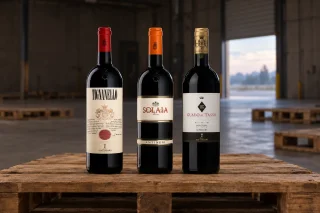
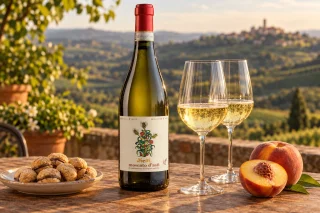
Southern Italy

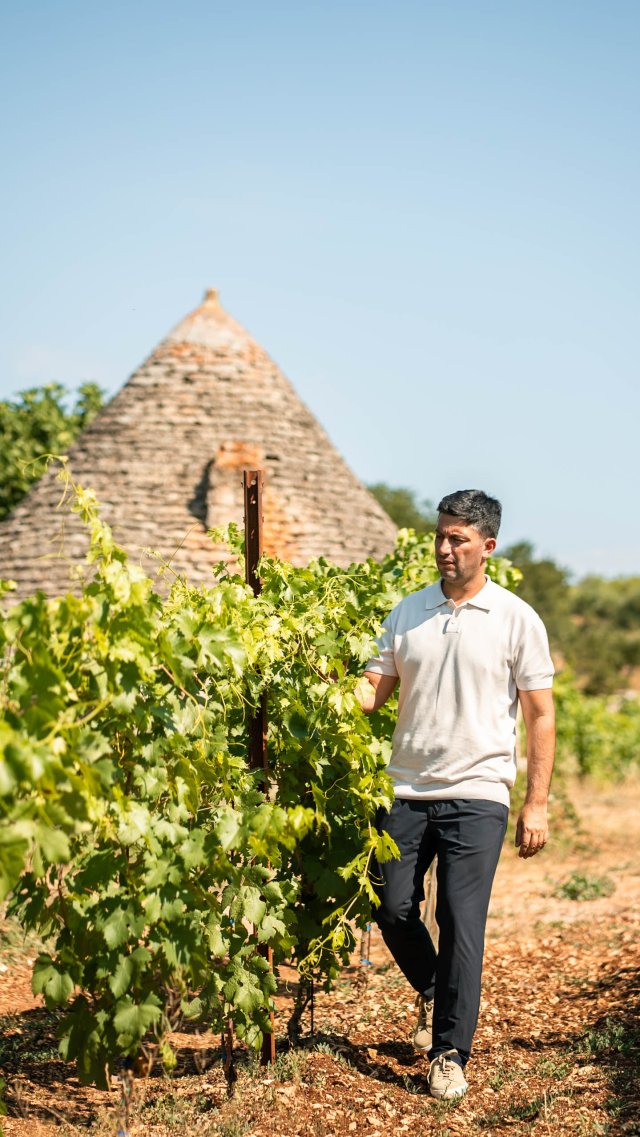
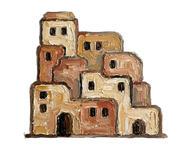
Apulia Stone trulli, sun-saturated reds

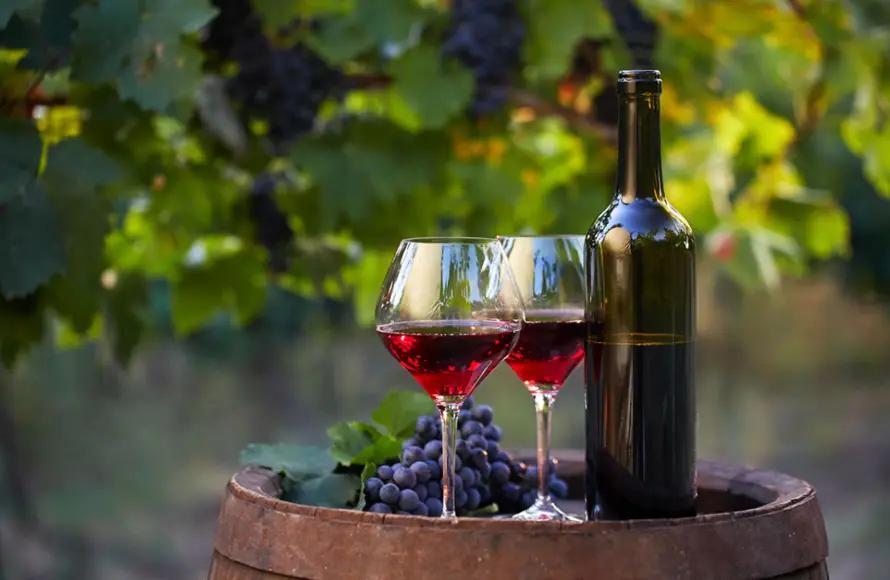
From Manduria's Primitivo bottlings to Salento's Negroamaro estates and Castel del Monte's Nero di Troia DOCG hills, Puglia offers Italy's deepest catalogue of warm-climate native reds.

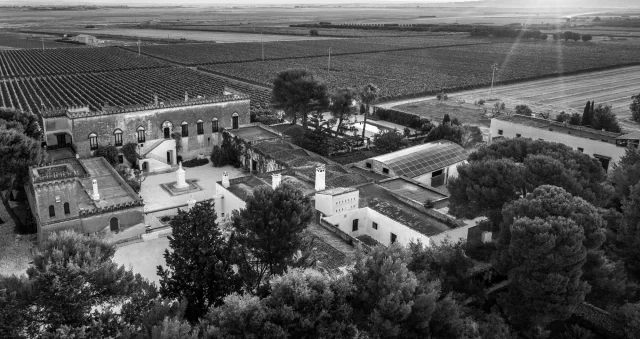
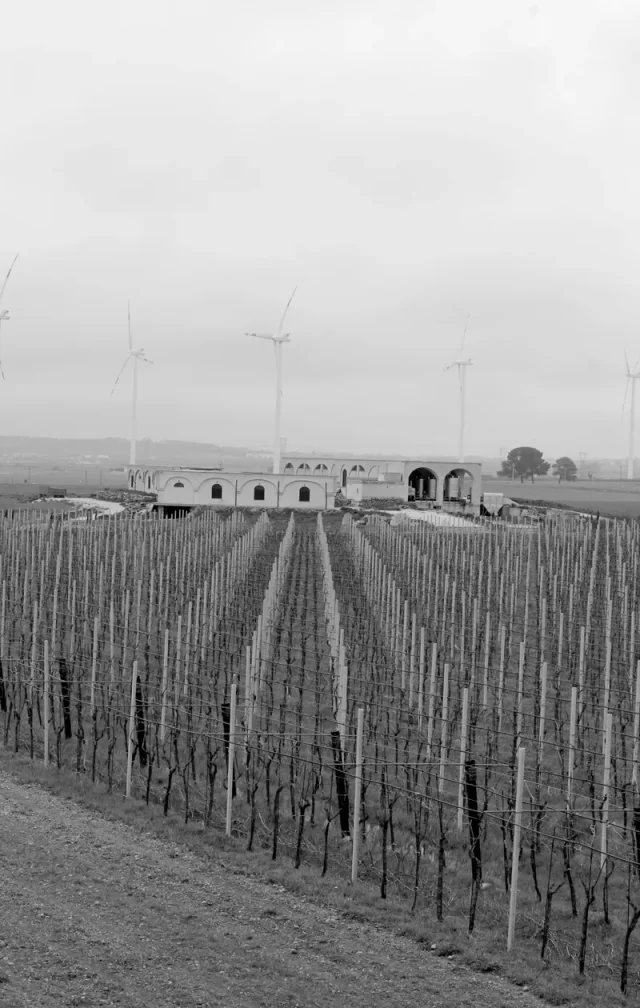
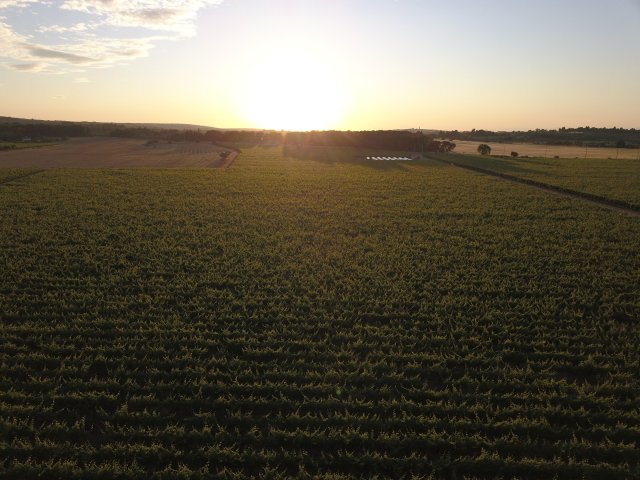
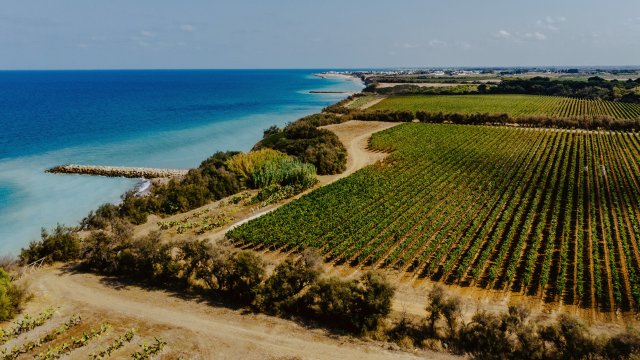
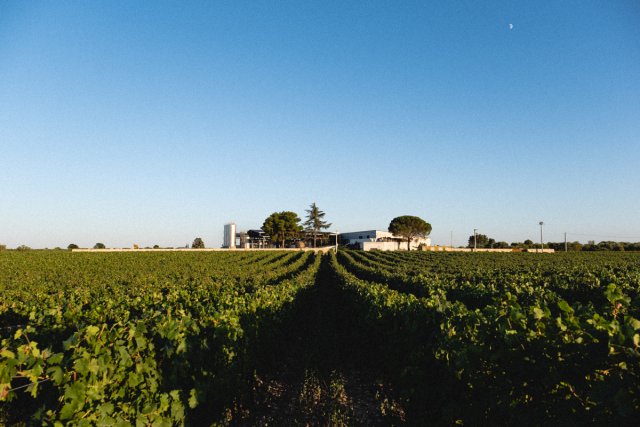
Puglia (Apulia in English) is the long, low heel of Italy and one of the country's two largest wine regions by both vineyard surface and harvest volume, alongside the Veneto. Around 88,000 hectares of vines fan from the Tavoliere plain down through the Murge limestone hills to the flat, sea-warmed Salento peninsula, with Greek, Roman, Norman and Spanish layers visible in the landscape and the wines.

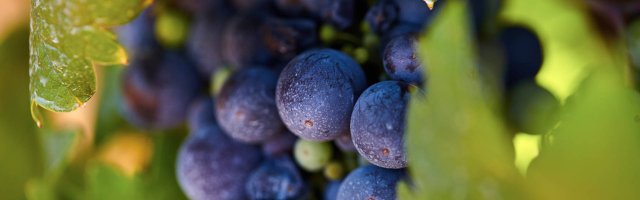
Native red grapes carry the region: Primitivo (genetically Zinfandel) drives Gioia del Colle and Manduria; Negroamaro shapes Salice Salentino and the Salento DOCs; Nero di Troia anchors Castel del Monte's three DOCGs in the Murge. Whites cluster in the Itria Valley around Verdeca, Bianco d'Alessano and Fiano Minutolo. Four DOCGs, thirty-one DOCs and six IGTs cover the catalogue, with Primitivo di Manduria Dolce Naturale standing as the only sweet red DOCG in southern Italy.

245
Wines in stock
41
Denominations
30
Heritage grapes
£8 +
Starting price
01 · Wine Areas7

Where Apulia wine takes shape

The named places that explain the region's grapes, styles, and labels, plotted across the map.

01

Daunia

Foggia province and the wide Tavoliere plain.

The northern wine zone runs from the Gargano spur down across the Tavoliere, Italy's largest plain after the Po. Heat, calcium-rich clay and dry summers shape powerful Nero di Troia and Aglianico-led reds in San Severo, Cacc'e Mmitte di Lucera and Tavoliere DOC, with Bombino Bianco still grown for crisp local whites.

02

Murge and Castel del Monte

Limestone tableland north of Bari, anchored by the Hohenstaufen castle.

The Murge tableland sits 200 to 500 metres above sea level and produces Apulia's most age-worthy reds. Castel del Monte holds three DOCGs, Bombino Nero rose, Nero di Troia Riserva and Rosso Riserva, all named after the octagonal castle of Frederick II. Cooler nights here build firmer tannin and brighter acidity than the southern flats.

03

Valle d'Itria

The trulli country between Bari, Brindisi and Taranto.

The Itria Valley is Apulia's white-wine heart. Locorotondo DOC, Martina Franca DOC and Ostuni DOC frame Verdeca, Bianco d'Alessano and Fiano Minutolo on red terra rossa over limestone, often farmed in alberello vines beside dry-stone walls and trulli huts. Light, saline, citric whites are the calling card; small bottlings of metodo classico and Susumaniello reds round out the offer.

04

Gioia del Colle

The high-altitude home of cooler-climate Primitivo.

Gioia del Colle DOC sits on the Murge limestone south of Bari, between 350 and 500 metres. The altitude moderates Primitivo's natural sugar, giving wines that are fresher, more savoury and longer-lived than the riper Manduria style. Bottlings labelled 'Riserva' need at least two years of ageing.

05

Salice Salentino and Brindisi

The northern Salento DOCs around Brindisi and the northern Lecce border.

Salice Salentino and Brindisi DOC are the historic Negroamaro homelands, with Malvasia Nera di Lecce blended in for perfume and softness. The flat sea-warmed land yields ripe, generous reds and an underrated dry rosato (rosato del Salento) made by the saignee bleed from red musts. Riserva bottlings demand two years of cellar.

06

Manduria

Primitivo di Manduria territory on the Ionian coast.

The Manduria triangle between Taranto and the Ionian sea is the warmest, driest stretch of Apulia. Old alberello-trained Primitivo vines, often 50 to 80 years old, give wines of high alcohol, dark plum and dried-fig depth. The Dolce Naturale version, made from late-harvest grapes, is the only DOCG-classified sweet red in southern Italy.

07

Salento (Lecce and Otranto)

The southern tip of the heel, from Lecce down to Santa Maria di Leuca.

Lower Salento covers Copertino, Galatina, Leverano, Matino, Nardo, Squinzano and Alezio DOCs. Negroamaro dominates, often co-fermented with Malvasia Nera; whites are anchored by Verdeca and Bianco d'Alessano on the Adriatic side and by Fiano on the Ionian side. The IGTs Salento and Terra d'Otranto cover everything that falls outside the named DOCs.

02 · Regional Guide6

Understanding Apulia

Layered notes on terroir, history, label rules, taste, drinking window and where to start.

03 · Wines To Know6

What to drink from Apulia

A short shortlist that maps the region: benchmark reds, signature whites and the labels worth a step-up.

04 · Denomination Spotlight

The one to know first

Our curated guide. Not the full list, the bottle that opens the door.

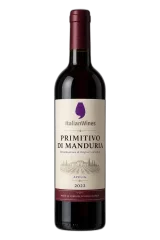
Primitivo di Manduria

Curated guide · DOC

Primitivo di Manduria

Old-vine Primitivo from Salento's red soils, ripened by the Ionian sun. Primitivo di Manduria DOC spans southern Puglia communes like Manduria, Sava and Avetrana. The disciplinare requires minimum 85% Primitivo and.

34
Wines in stock
Explore Primitivo di Manduria
05 · Heritage Grapes7

The grapes behind the bottle

7 curated guides with editorial content. Pronunciations, traits and the regional footprint of each variety.

Browse all grape guides

06 · Editor's Picks245

Wines from Apulia

A starter selection from the catalogue. Pour them as a regional flight.

View all 245 wines

07 · La Tavola6

The table of Apulia

Mountain, pasture and coast on one plate. Pour the regional wine alongside.

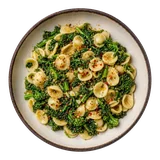
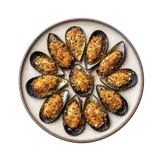
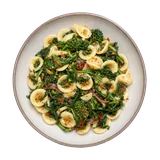
Puglia eats from sea, sheep and stone-baked grain. Orecchiette con cime di rapa shines next to a chilled Locorotondo Bianco; baked mussels (cozze arraganate) and ricci di mare want a salty Bianco d'Alessano or a still Fiano Minutolo from the Itria Valley. Slow-roasted lamb (agnello al cutturidde) and salame leccese match Salice Salentino Rosso and lighter Negroamaro. Manduria's Primitivo holds up to bombette pugliesi and braciole al sugo. For pucce filled with tonno e pomodoro a young Negroamaro Rosato or a Castel del Monte Bombino Nero DOCG keeps the table cool.

08 · On The Ground17

Explore Apulia by place

Wine routes, towns and wineries to follow when you go.

Wine routes

Wine towns

Wineries to follow

09 · Common Questions10

Ask the sommelier

Quick answers about Apulia. Numbers, denominations, food and what to start with.

Apulia is best known for big, sun-soaked native red grapes: Primitivo (especially Primitivo di Manduria DOC and DOCG Dolce Naturale), Negroamaro (the engine of Salice Salentino, Brindisi and most of Salento) and Nero di Troia (Castel del Monte's three DOCGs). Whites are concentrated in the Itria Valley around Verdeca, Bianco d'Alessano and Fiano Minutolo. With 4 DOCGs, 31 DOCs and 6 IGTs, Apulia carries one of Italy's deepest catalogues of warm-climate native varieties.

Yes, genetically. DNA work in the 1990s showed Apulia's Primitivo and California's Zinfandel are the same variety, both descended from the Croatian Crljenak Kastelanski (also known as Tribidrag). Climate, soil and winemaking diverge: Primitivo from Manduria tends to be denser, more spice-driven and balanced, while Californian Zinfandel skews riper and more fruit-forward.

Negroamaro is Apulia's other defining red grape, native to Salento. The name literally means 'black bitter', a reference to its dark colour and the savoury, herbal, bitter-cherry finish typical of its wines. It anchors Salice Salentino, Brindisi, Copertino and most other Salento DOCs, often blended with up to 20 percent Malvasia Nera di Lecce for perfume. Drier rosato wines from Negroamaro are a regional speciality.

Apulia holds four DOCG appellations: Castel del Monte Bombino Nero (a rose), Castel del Monte Nero di Troia Riserva (a structured red), Castel del Monte Rosso Riserva (a Nero di Troia-led red blend) and Primitivo di Manduria Dolce Naturale (a sweet late-harvest red, the only DOCG of its kind in southern Italy). The first three sit in the Murge plateau north of Bari; the fourth runs along the Ionian coast.

Match the heat of the wine to the heat of the dish. Locorotondo whites and Castel del Monte Bombino Nero rose with raw fish, frittura di paranza and orecchiette con cime di rapa. Salice Salentino and lighter Negroamaro with bombette pugliesi, brasciole and aged caciocavallo. Big Primitivo di Manduria with agnello al cutturidde, slow-roasted lamb and aged pecorino. Primitivo di Manduria Dolce Naturale with cantucci, dark chocolate and blue cheese.

May, June and the first half of October give the best balance of weather and access, with mild temperatures and most cellars open by appointment. September is harvest, busy and atmospheric for those who want to see vinification but with less time for tastings. Avoid August, when temperatures often top 38 degrees, beach traffic peaks and many smaller estates close to visitors.

We currently list 245 wines from Apulia, starting from £7.99. Browse them all on our wines page.

We currently curate 1 active Apulia denomination guide, including Primitivo di Manduria. This is an editorial selection, not the complete regional denomination list.

We currently curate 7 active Apulia grape guides, including Primitivo, Aglianico, Bombino Bianco, Bombino Nero, Malvasia Nera di Basilicata, and more. This is an editorial selection, not the complete regional grape list.

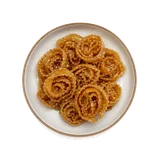
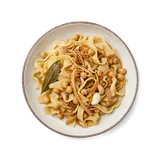
Apulia is renowned for dishes including Apulian Orecchiette with Broccoli Rabe, Cartellate, Ciceri e tria, Cozze arraganate.

10 · Keep Exploring

Your next pour

More of Southern Italy, with similar terroir and table.

Wine styles made in Apulia

Italian Red wine

Red

Italy's boldest expression, structured, complex, built for food

165 wines 11 grapes 5 denominations From £8.86
Explore red
Italian White wine

White

Crisp and versatile, from alpine freshness to Mediterranean warmth

55 wines 11 grapes From £7.99
Explore white
Italian Rosé wine

Rosé

Summer in a glass, bright, delicate, endlessly drinkable

20 wines 11 grapes 4 denominations From £10.80
Explore rose