




Friuli Venezia Giulia White Wines: Italy's Quiet Benchmark
TL;DR
- Friuli Venezia Giulia, tucked into Italy's north-east between the Alps and the Adriatic, is the country's benchmark region for dry white wine, with a cool climate that lends its bottles rare freshness.
- For genuine character, look past supermarket Pinot Grigio to native grapes such as Friulano and Ribolla Gialla, or to the hillside zones of Collio and Colli Orientali printed on the label.
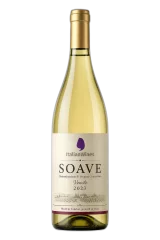
- A Collio Friulano tastes riper and more almond-scented than a Soave, while Ribolla Gialla doubles as the grape behind Friuli's celebrated amber, skin-contact orange wines.

The corner of Italy that chose white
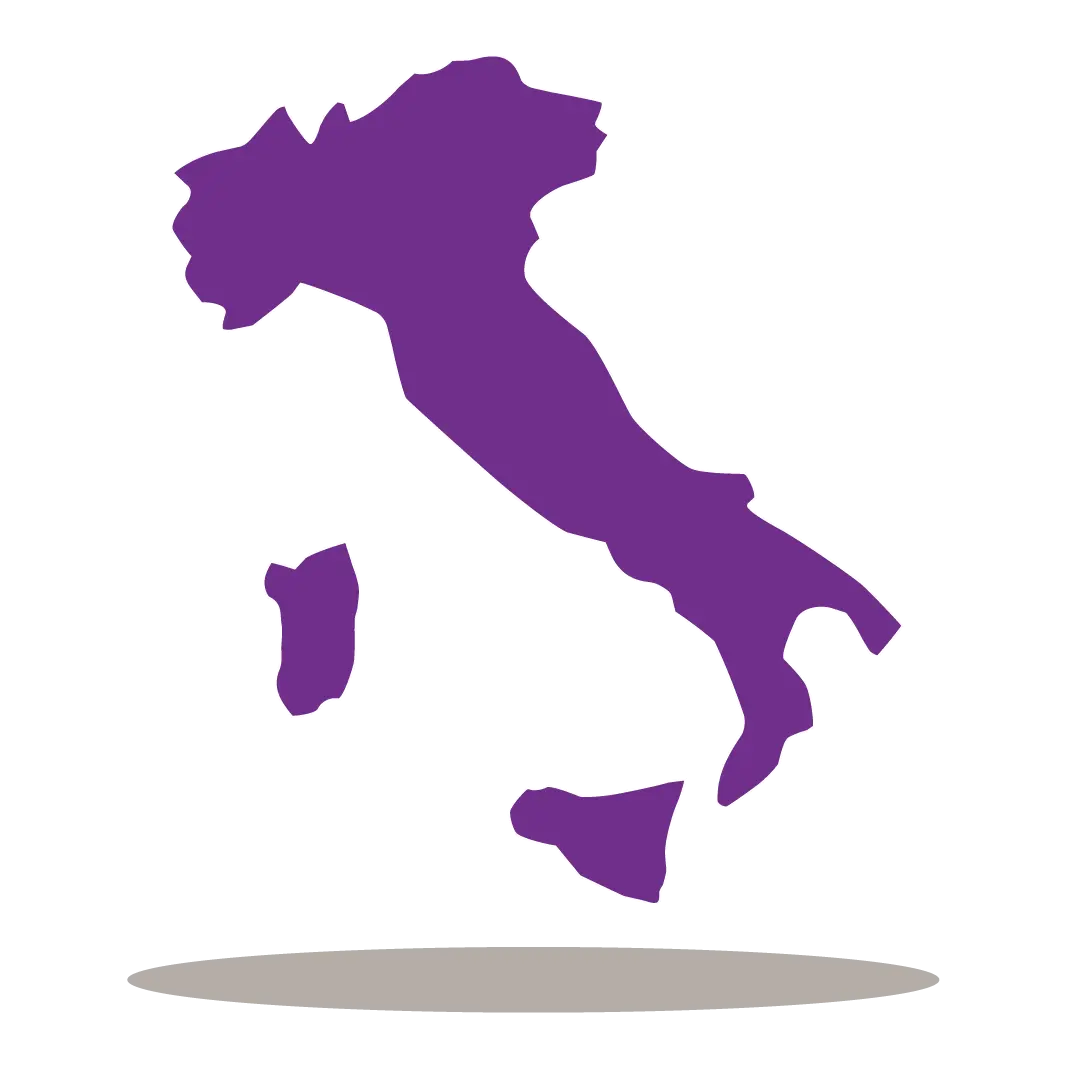
Most Italian regions are known for a red. Piedmont has Nebbiolo and its monumental Barolo, Tuscany has Sangiovese, Veneto leans on Valpolicella. Friuli Venezia Giulia is the great exception. Squeezed into the north-east against Austria and Slovenia, with the Julian Alps at its back and the Adriatic at its feet, it is the one corner of the country that built its reputation on white wine. Roughly sixty per cent of what it grows is a white grape, and in the prized hills the ratio tips much further; the Collio zone alone makes around five times more white than red.
The reason is climate. Warm, sunny days ripen the fruit, then cool Alpine air rolls down at night and Adriatic breezes cut across the vineyards, locking in acidity and perfume. That daily swing is what gives a Friulian white its nervy freshness. Just as important is a change in mindset that arrived in the 1960s, when a handful of local producers pioneered what became known as the metodo friulano, or Friuli method: press gently, get the juice off the skins quickly, and guard obsessively against oxygen. The results were the cleanest, most aromatic dry whites Italy had made, closer in spirit to Alsace or the Loire than to anywhere further south. If you know only supermarket Pinot Grigio, Friuli is where you meet the grown-up version.
The native grapes that define Friuli
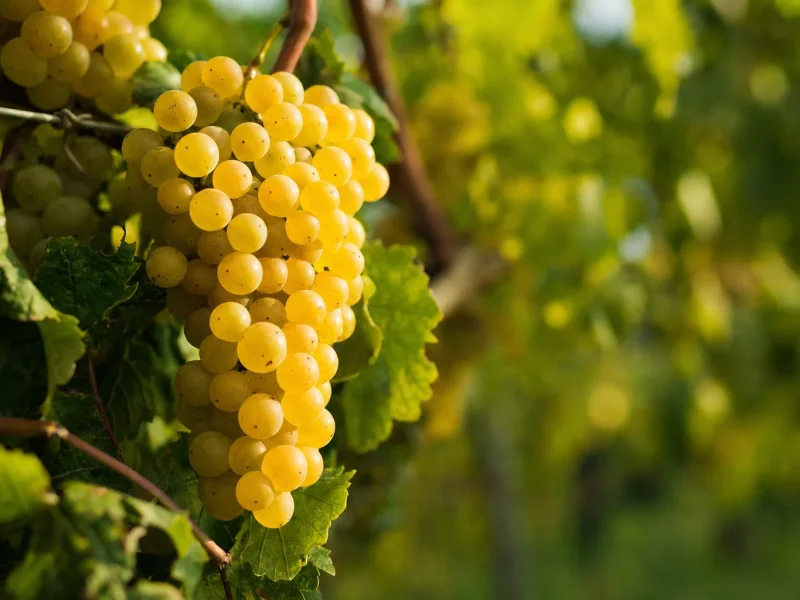
The soul of the region lives in its indigenous varieties. Friulano is the flagship: a dry, textured white with scents of pear and yellow apple and a signature bitter-almond note on the finish. It was called Tocai Friulano for generations, until a European Union ruling in 2006 forced Italy to drop the name over its likeness to Hungarian Tokaji. The grape did not change, only the word on the label.
Then there is Ribolla Gialla, documented in these hills since the 1300s and named from the Slovenian Rebula. It is all high acidity, citrus and white flowers, with a chalky mineral spine that makes it feel weightless. Malvasia Istriana rounds out the classic trio, offering apricot and peach and a softer, almost waxy body that fills the middle of a blend. Sweet wine has a place too. Verduzzo, dried into the passito of Ramandolo, turns honeyed and nutty, while Picolit is the region's rare aristocrat, a delicate, floral dessert wine and one of the jewels of Italy's sweet-wine tradition, once poured at papal tables and shipped to the courts of Paris and Saint Petersburg. Taken together, these grapes give Friuli a set of flavours you will not find anywhere else in Italy.
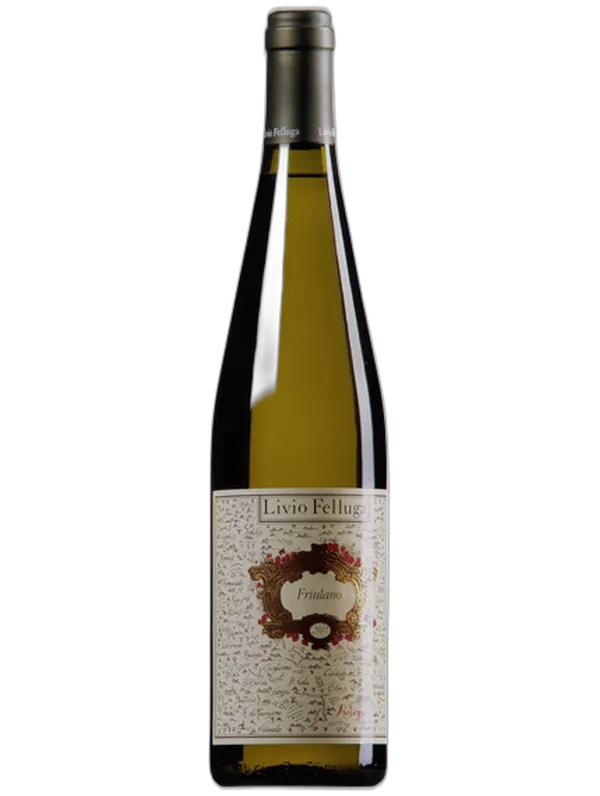
Livio Felluga Friulano 2025
View Wine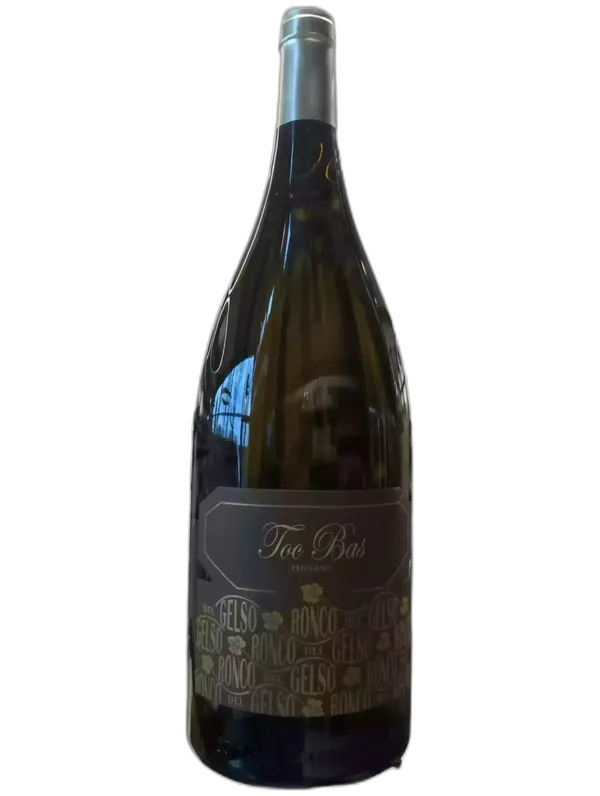
Ronco del Gelso Friulano "Toc Bas" 2022
View Wine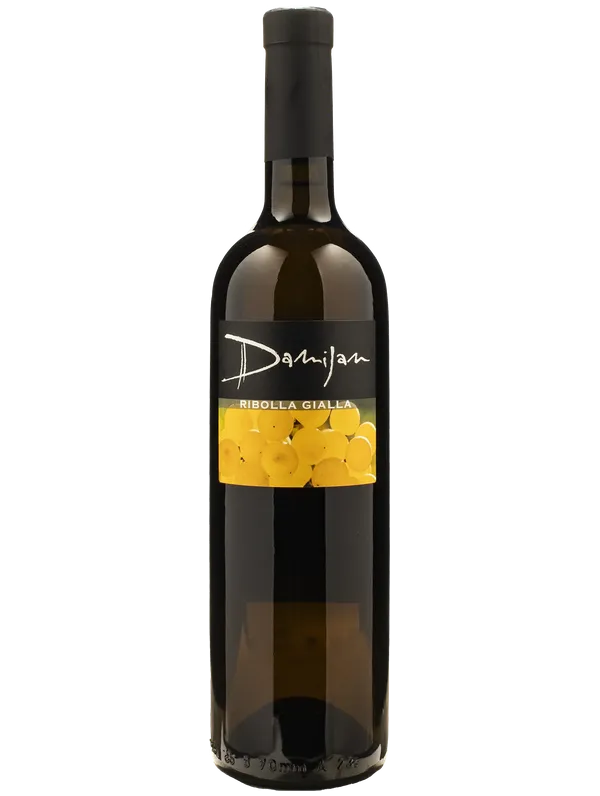
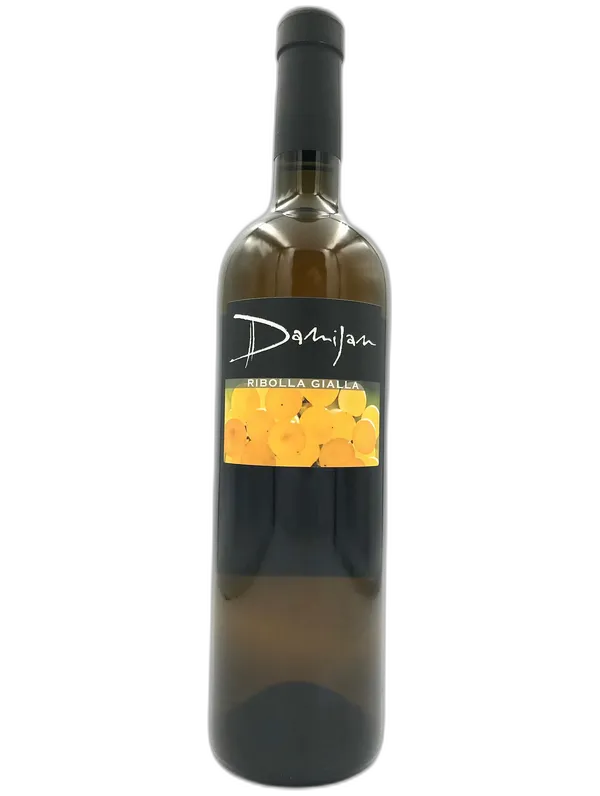
Collio Goriziano Ribolla Gialla DOC Damijan Podversic 2021
View Wine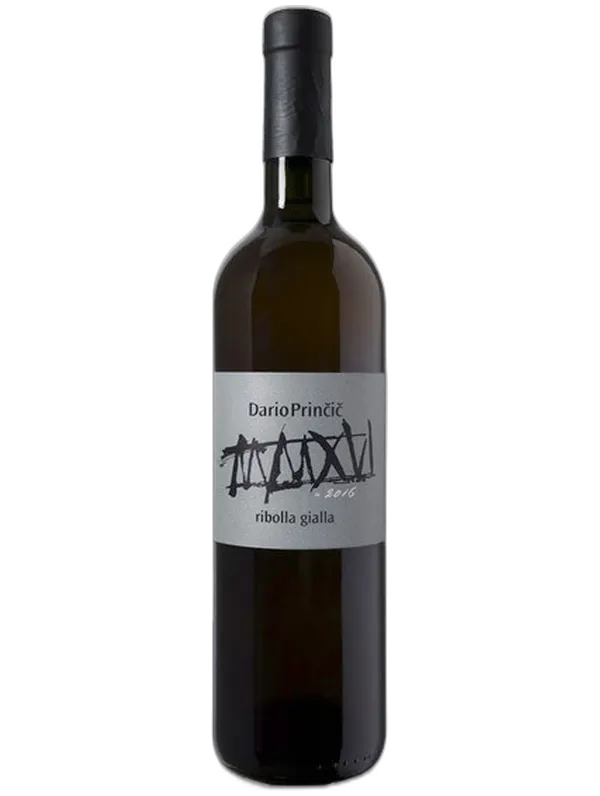
Dario Princic Ribolla gialla 2020
View Wine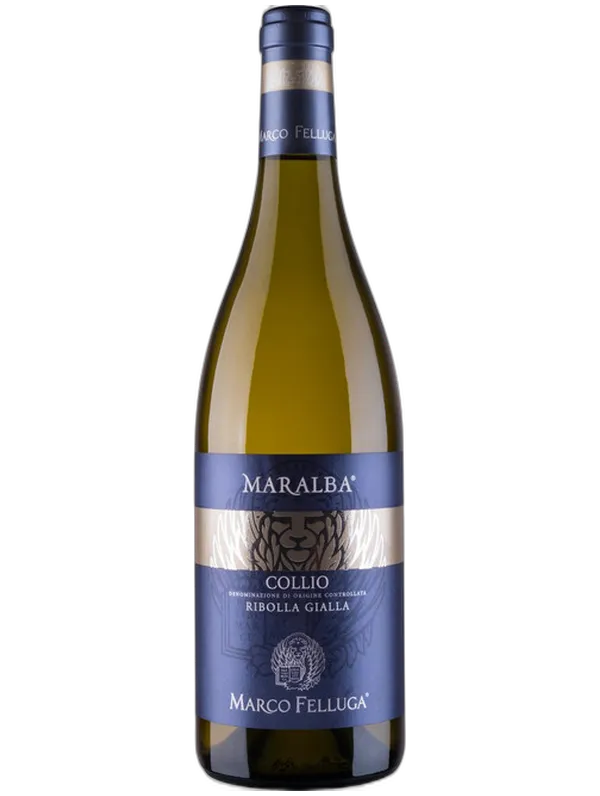
Marco Felluga Collio Ribolla Gialla Maralba 2025
View Wine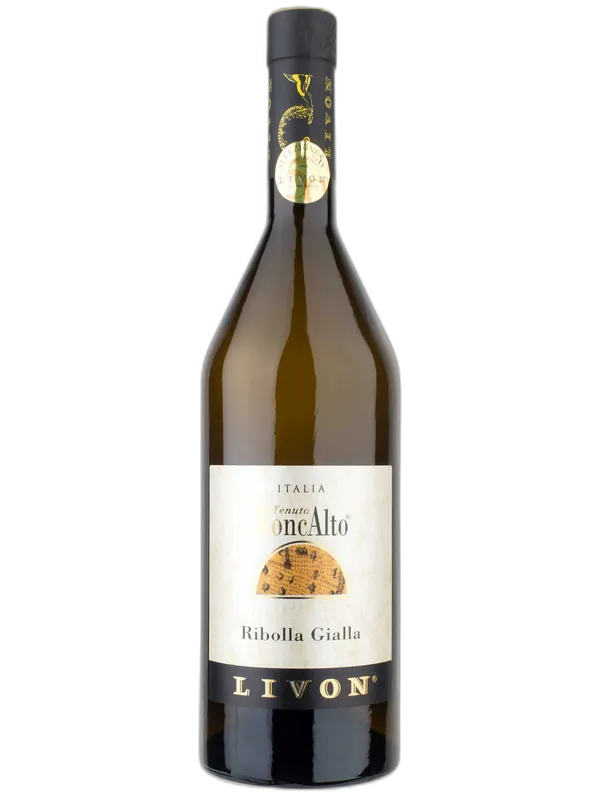
Collio DOC Tenuta RoncAlto Ribolla Gialla Livon 2023
View Wine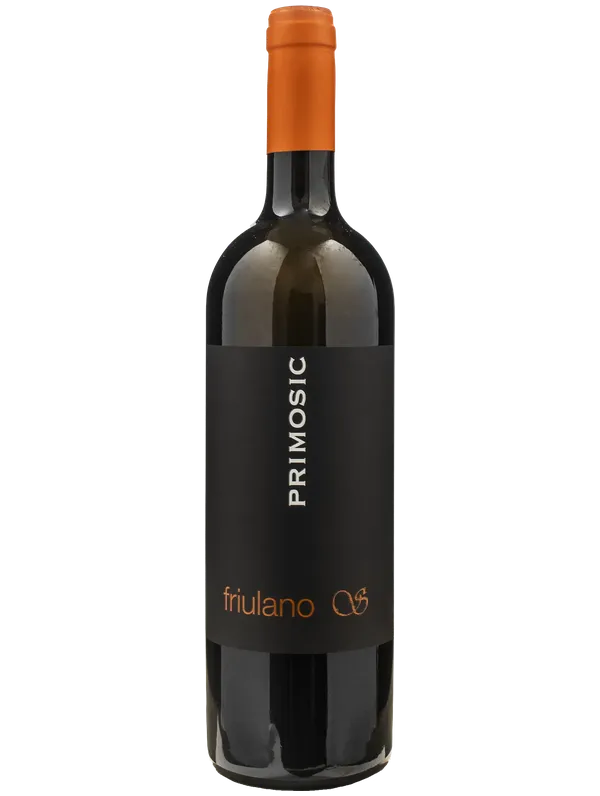
Primosic Friulano S 2020
View Wine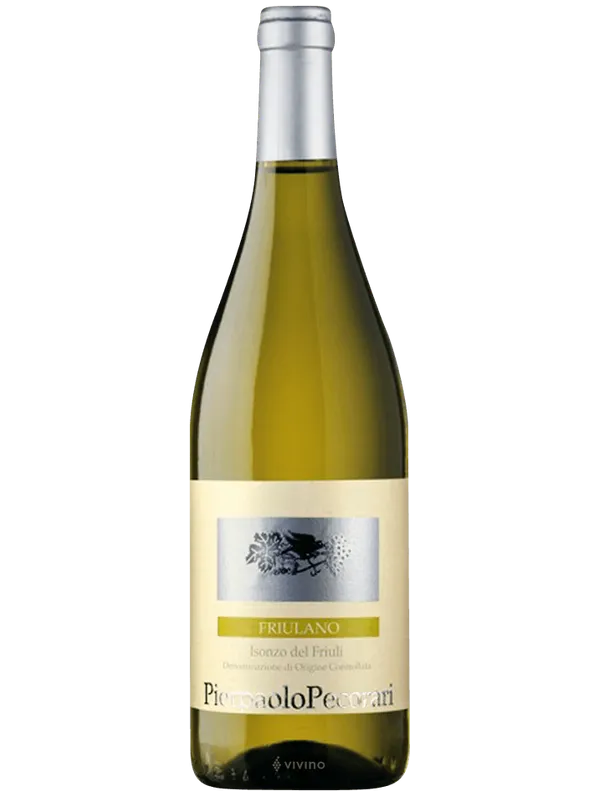
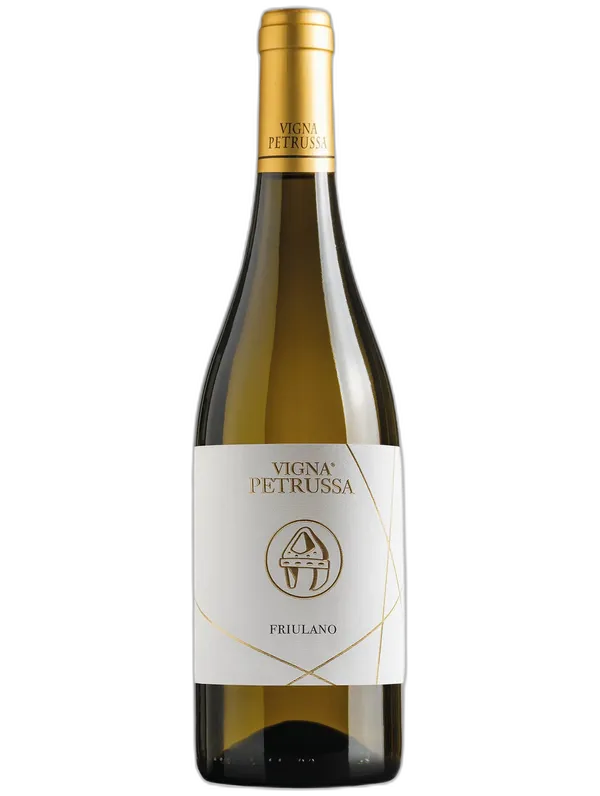
Friulano Pecorari Pierpaolo 2020
View Wine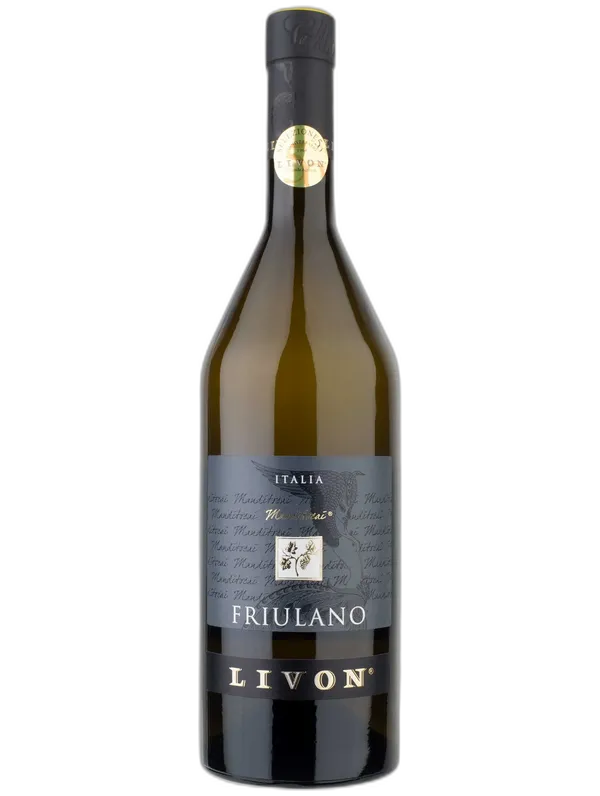
Collio DOC Friulano Manditocai Livon 2022
View Wine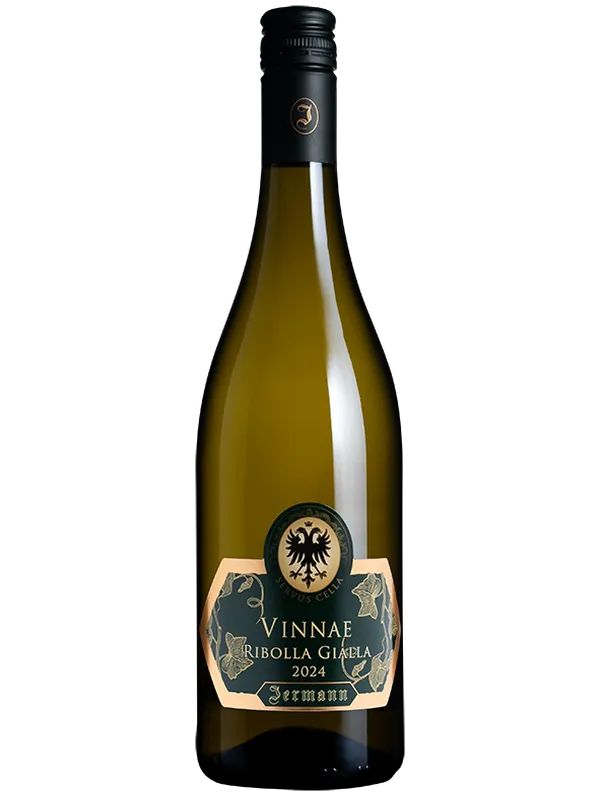
Jermann Ribolla Gialla 2025
View WineInternational grapes, the Friuli way
Friuli also grows the familiar international varieties, but it treats them with unusual seriousness. Pinot Grigio is the clearest example. Where the mass-market style is pale and forgettable, a good Friulian version has real weight, with peach, ripe pear and that almond echo the region seems to stamp on everything. It is the bottle that shows how much the grape has been undersold elsewhere.
Sauvignon Blanc is handled in a taut, smoky, herb-driven register that owes more to Sancerre than to New Zealand. Chardonnay tends to be unoaked and precise, all apple and fresh bread rather than butter and vanilla, and Pinot Bianco gives quietly excellent, understated whites that reward patience. Even here the house style holds: purity of fruit, bright acidity, and very little of the oak that masks a wine's origins. If you have tried these grapes only in their oakier guises, the Friuli readings are a useful correction, and a fair benchmark against the whites of neighbouring Alto Adige or the volcanic Carricante of Etna far to the south.
Reading the map: Collio, Colli Orientali, Grave and beyond
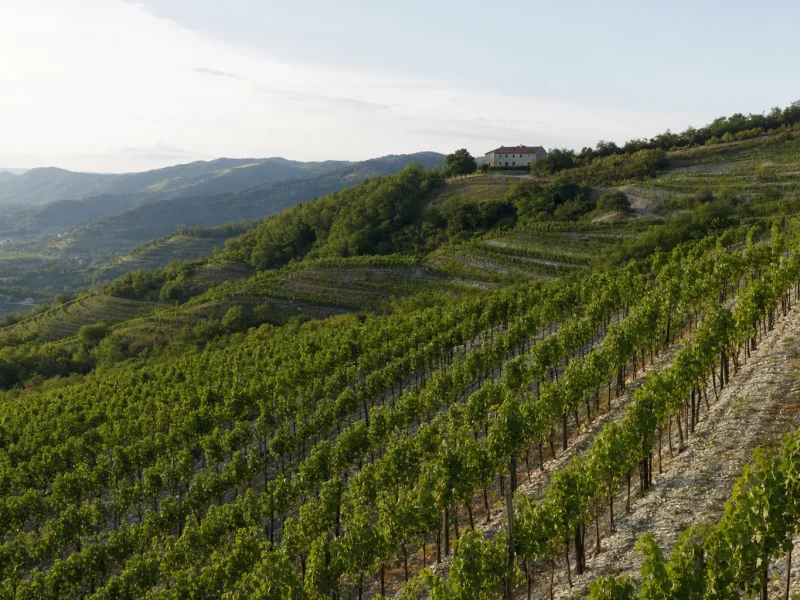
The word on the label that matters most is the zone. Collio, in the hills around Cormons on the Slovenian border, is the grand cru of Friuli. Its consortium, founded in 1964, was one of the first in Italy, and its whites are the region's most complete: full-bodied, mineral, built to age. The secret is the soil, a layered marl and sandstone the locals call ponca, an ancient seabed that stresses the vine and concentrates the fruit.
Just north-west, Colli Orientali del Friuli shares that hillside pedigree across more than two thousand hectares, with nine authorised native grapes, the highest count of any Italian denomination, and a stronger showing for Ribolla Gialla, Verduzzo and Picolit. Down on the flat, Friuli Grave is the volume engine, producing sound, lighter, gulpable whites on gravelly plains. Isonzo works a warmer, maritime pocket near the coast, known for sparkling Pinot Bianco, and tiny Carso, up near Trieste, coaxes honey-almond Malvasia from limestone. As a rule of thumb, hillside zones give you concentration and ageing potential, while the plains give you value and easy drinking. This is the same logic that separates a Classico from a basic bottling in Soave or across Veneto, and learning to read the Italian label is half the battle.
Where orange wine was reborn
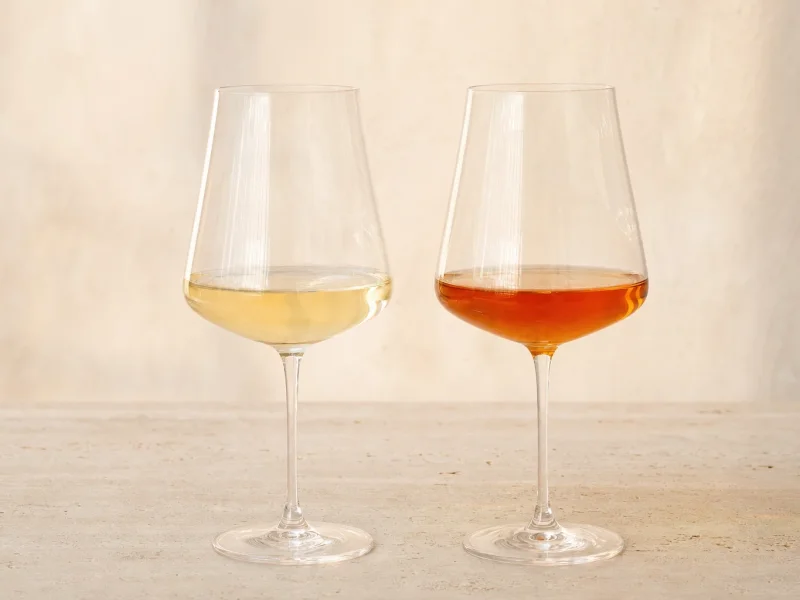
No account of Friuli is complete without its most radical export. In the village of Oslavia, on the Collio hills, a small group of growers led by Josko Gravner and Stanko Radikon revived an almost forgotten idea in the 1990s: ferment a white grape on its skins, the way reds are made, for days or even months. The result is orange wine, amber-hued, tannic and savoury, with the grip of a red and the aromatics of a white.
Ribolla Gialla, with its thick skins and firm acidity, turned out to be the perfect grape for it, and Friuli became the spiritual home of the modern skin-contact movement that has since spread across the wine world. These are not everyday bottles, and they divide drinkers, but they are among the most distinctive wines Italy produces. If a conventional Friulian white is about clarity, its orange cousin is about texture and depth. Trying the two side by side, from the same grape and the same hills, is one of the most instructive tastings in all of Italian white wine.
How to choose, pair and cellar a Friuli white
For a UK drinker, Friuli sits in a sweet spot. Entry-level Grave and regional Friuli bottlings start around ten to fifteen pounds and outperform their price. Hillside Collio and Colli Orientali whites usually run from the high teens into the thirties, and the single-vineyard and orange wines climb from there. Compared with a well-known Soave or a Cortese from Piedmont, a Friulian white typically offers more body and a longer, more savoury finish for a pound or two more.
At the table they are wonderfully adaptable. A crisp Friulano or Pinot Grigio is a natural with seafood, risotto and lighter pasta, while a richer Collio blend can stand up to roast chicken, creamy sauces and hard mountain cheeses. The mineral cut of Ribolla Gialla loves fried food and sushi alike, and an orange wine will happily partner spiced dishes that flatten most whites. On ageing, forget the idea that white wine must be drunk young. Serious Collio bottlings gain nutty, honeyed complexity over five to ten years, and top Ribolla can go further still. Start with a hillside Friulano, and you will understand quickly why the trade treats this quiet corner as Italy's white-wine benchmark, a reputation the wider Friuli Venezia Giulia region has earned bottle by bottle.
Frequently asked questions
Friuli's signature white is Friulano, a dry, almond-scented grape that was known as Tocai Friulano until 2006. Just as celebrated is Ribolla Gialla, an ancient, high-acid variety native to the hills, and the blended Collio Bianco, which combines several local grapes. If you want a single benchmark bottle, a hillside Friulano or a Collio white from the Friuli Venezia Giulia hills is the place to start.
Yes, and the difference is real. Most mass-market Pinot Grigio is pale and neutral, but a good Friulian example has genuine body, with peach, ripe pear and a gentle almond note on the finish. The region's cool nights and its careful, oxygen-shy winemaking give the grape a depth it rarely shows elsewhere. It is one of the clearest cases in Italian white wine of a familiar variety being taken seriously.
Friulano is dry and medium-bodied, with aromas of yellow apple, pear and fresh herbs, and a distinctive bitter-almond twist on the finish that is its calling card. Grown in the hillside zones of Friuli Venezia Giulia it gains texture and a mineral edge; on the plains it is lighter and more immediate. It rewards a slightly warmer serving temperature than a zippy seaside white, which lets its nutty character show.
Both are hillside white-wine zones of Friuli Venezia Giulia, and their wines share a mineral, ageworthy style. Collio, on the Slovenian border, is the most prestigious, prized for complete, full-bodied blends. Colli Orientali sits just north-west, spans more native grapes, and gives Ribolla Gialla, Verduzzo and the rare sweet Picolit a bigger role. For a buyer, either name on the label signals serious hillside quality rather than everyday plains wine.
Orange wine is a white made like a red, fermented on its grape skins for days or months, which turns it amber and gives it tannin and grip. The modern orange wine revival began in the 1990s in the Collio village of Oslavia, led by growers such as Gravner and Radikon, using Ribolla Gialla. Savoury and textured, these bottles pair beautifully with spiced and rich dishes.
Longer than most people expect. Everyday Pinot Grigio and Grave whites are best within two or three years, but serious hillside bottlings from Collio and Colli Orientali gain nutty, honeyed complexity over five to ten years. Top Ribolla Gialla, and orange wines made from it, can develop for a decade or more. Compared with a young, fresh Soave, the best Friulian whites are built to reward patience.