








Prosecco vs Champagne: The Italian Sparkling Guide
TL;DR
- Champagne and Prosecco differ by law, grape and method: Champagne is France's traditional-method classic, while Prosecco is Veneto's Glera, made sparkling in steel tanks.
- For most celebrations Prosecco gives fresher, fruitier value under £15, while Champagne justifies its price with bottle-aged, biscuity complexity.
- For Champagne-style depth without leaving Italy, choose traditional-method Franciacorta or Trento DOC rather than Prosecco itself.

The short answer: same sparkle, different rules
Stand at any UK supermarket fridge and the gap is plain: a bottle of Prosecco near £9, a bottle of Champagne nearer £35, both fizzing with promise. The price tells you they are not the same wine. Champagne is a place before it is a drink, the sparkling wine made only in the Champagne region of northern France, by a slow method that ages the wine on its own yeast. Prosecco is an Italian wine built around the Glera grape, grown across Veneto and Friuli Venezia Giulia and turned sparkling in sealed steel tanks.
Both are protected names: you cannot make Champagne outside Champagne, and Prosecco has been pinned to its north-east Italian home, with the Glera grape itself renamed to lock down the link, since 2009. Same bubbles, then, but different law, different grape and different mood. One is built for biscuity depth and a long, slow pour; the other for fresh fruit, lightness and an easy second glass. Knowing which is which, and when each is worth the money, is the whole point of this guide.
Grapes and ground: Glera vs the Champagne trio
Champagne is a blend, usually of three grapes: Chardonnay for citrus and backbone, Pinot Noir for body, and Pinot Meunier for roundness. They ripen slowly in a cool, northerly climate about 130 km north-east of Paris, on the chalk soils that keep the wines lean, mineral and high in the acidity that traditional-method wine needs.
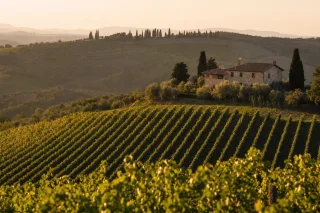
Prosecco is the opposite story, led by a single grape. The Conegliano Valdobbiadene rules require at least 85 per cent Glera, with small amounts of local varieties such as Verdiso, Perera and Bianchetta Trevigiana permitted alongside it. Glera grows across nine provinces of Veneto and Friuli, and the steep hills between Conegliano and Valdobbiadene, now a UNESCO World Heritage site, give the finest fruit of all. Glera is naturally aromatic and lower in acidity than the Champagne trio, full of orchard fruit and white flowers rather than citrus and chalk. That single difference in the grapes is exactly why the two wines are then made in such different ways.
Two ways to make a bubble: tank vs bottle
The bubble is where Prosecco and Champagne truly part. Champagne uses the traditional method: a still base wine takes its second fermentation inside the very bottle you buy, then rests for months or years on the spent yeast, or lees. That lees contact builds the toasty brioche and biscuit notes Champagne is famous for, along with the fine, persistent mousse that comes from a high pressure of around five to six atmospheres. By law a non-vintage Champagne must age at least fifteen months, and a vintage far longer.
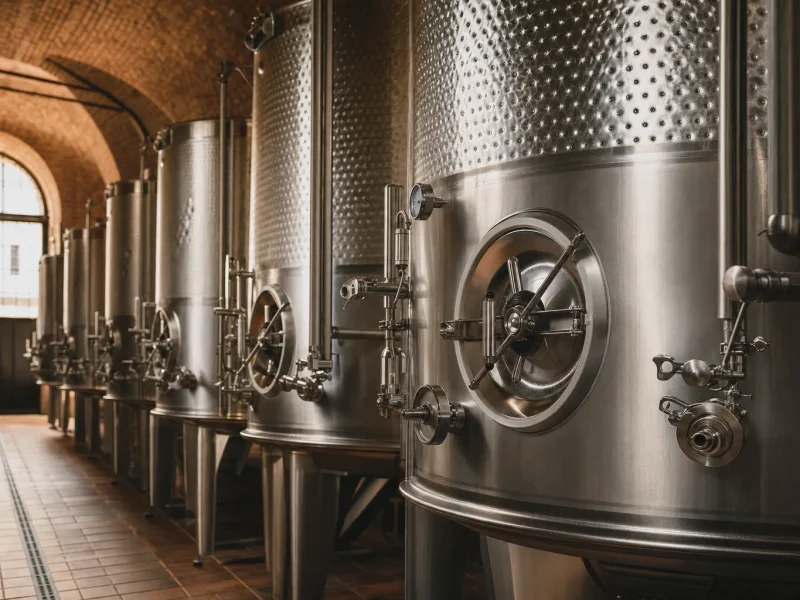
Prosecco uses the tank method, known in Italy as the Metodo Martinotti after Federico Martinotti, who patented it, and later as Charmat. The second fermentation happens in a large sealed steel autoclave, and the wine is then bottled under pressure, usually within a few months of harvest. It is faster and cheaper, it works at a gentler pressure, and crucially it protects Glera’s fresh pear-and-flower character instead of burying it under yeast. If you want the full mechanics of each route, our guide to how sparkling wine is made walks through both, and a primer on how white wine is made covers the still base. The short version: Champagne is engineered for complexity, Prosecco for freshness.
Taste, sweetness and price: what you actually notice
Pour them side by side and the difference is obvious. Prosecco smells of green apple, white peach, pear and honeysuckle, with soft, frothy bubbles that fade fairly quickly. Champagne is tighter and more savoury: lemon, green apple, almond and that telltale toast or brioche, carried on a fine, lasting stream of bubbles. A quick test settles most arguments: if the bubbles are tiny and long-lasting and the nose smells of fresh bread, you are drinking the traditional method.
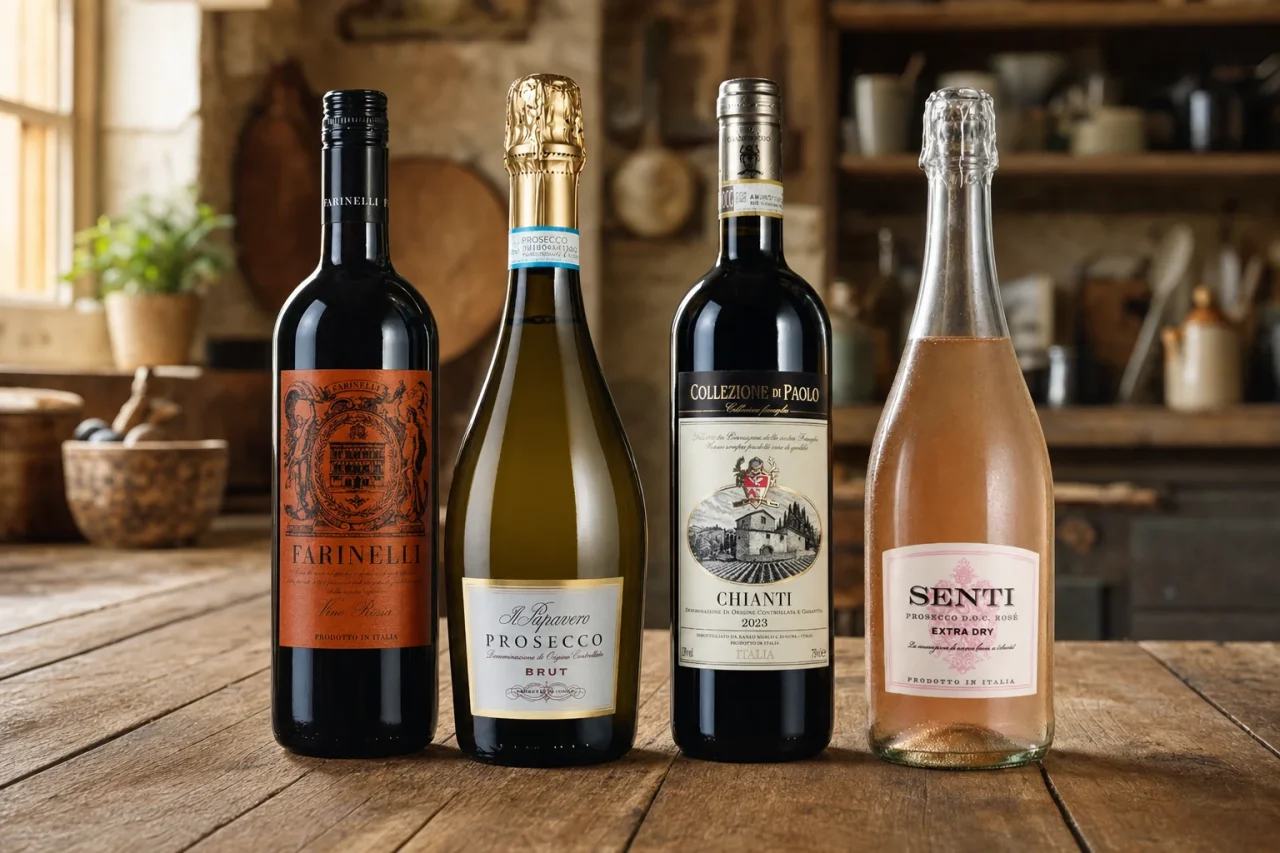
Sweetness trips up a lot of drinkers. Most supermarket Prosecco is labelled Extra Dry, which, confusingly, is sweeter than Brut, while most Champagne is Brut and tastes drier; if you want a crisper Prosecco, look for the word Brut on the label. Price is the other headline. Everyday Prosecco sits around £8 to £15, a good Conegliano Valdobbiadene Prosecco Superiore around £15 to £25, and entry-level Champagne rarely dips below £30. So is Prosecco cheaper than Champagne? Almost always. Is Champagne better? Not better, just different, and worth the outlay when you want depth and ceremony rather than easy refreshment.
Where Cava fits, and the Prosecco worth trading up to
Plenty of shoppers are really weighing up three wines, because Spain’s Cava sits on the same shelf and comes up constantly in the same question. Cava is made by the traditional method, like Champagne, but usually priced near Prosecco, so it is the obvious value route to bottle-aged, biscuity character. If you would rather stay Italian and still get that style, an entry-level Franciacorta from Lombardy or an Oltrepò Pavese Metodo Classico does the same job.
Within Prosecco itself there is a quality ladder worth climbing. Basic Prosecco DOC covers a huge area of Veneto and Friuli and is built for easy, everyday drinking. Step up to Conegliano Valdobbiadene Prosecco Superiore, recognised at Italy’s highest quality tier since 2009, and the wine gains real texture and length from those steep hillside vineyards. At the very top sits Superiore di Cartizze, the tiny grand cru above Valdobbiadene that the locals treat as their finest hill. Names worth seeking out include Nino Franco, Ruggeri, Bisol and Bortolomiol. The label lesson is simple: the best Prosecco rarely just says Prosecco.
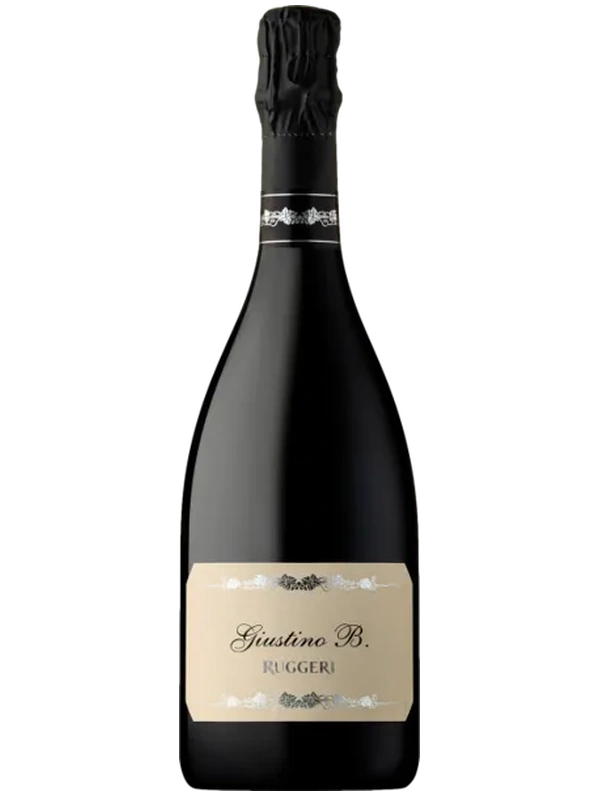
Ruggeri Giustino B. Valdobbiadene Prosecco Superiore 2024
Ruggeri's flagship Valdobbiadene Prosecco Superiore DOCG, named after founder Giustino Bisol. Glera from selected hillside crus, Extra Dry at 17 g/l: apple, white peach and citrus over a fine, persistent mousse with a touch of brioche.
View Wine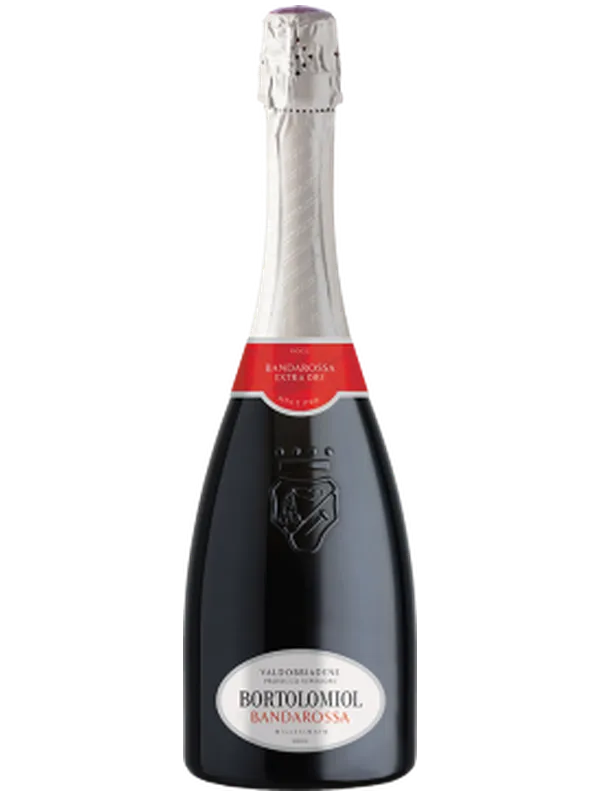
Valdobbiadene Prosecco Superiore Extra Dry - Bandarossa - Bortolomiol 2025
View Wine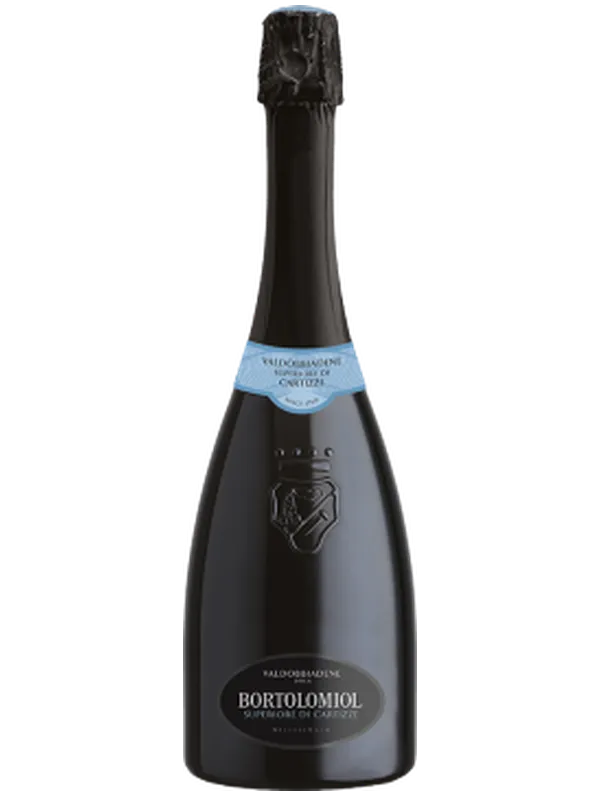
Valdobbiadene Prosecco Superiore di Cartizze Dry - Bortolomiol 2025
View Wine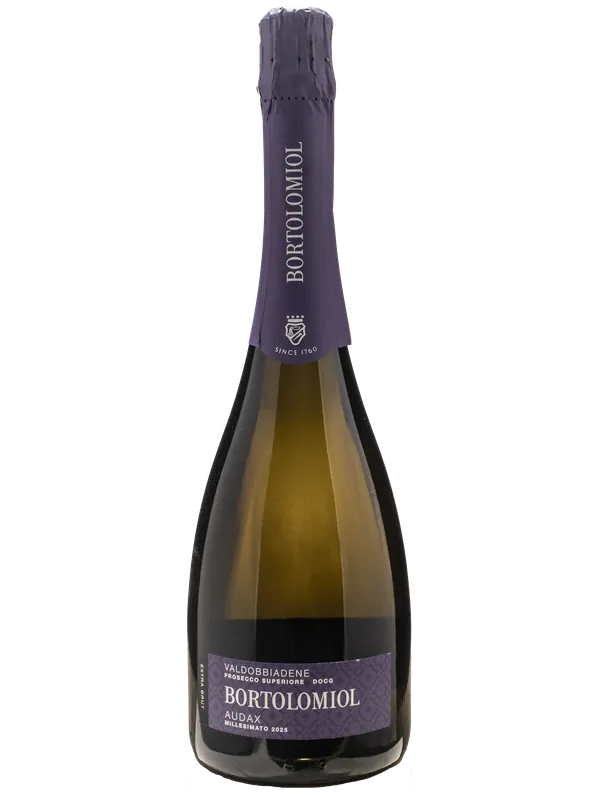
Valdobbiadene Prosecco Superiore DOCG Extra Brut Audax Bortolomiol 2025
View Wine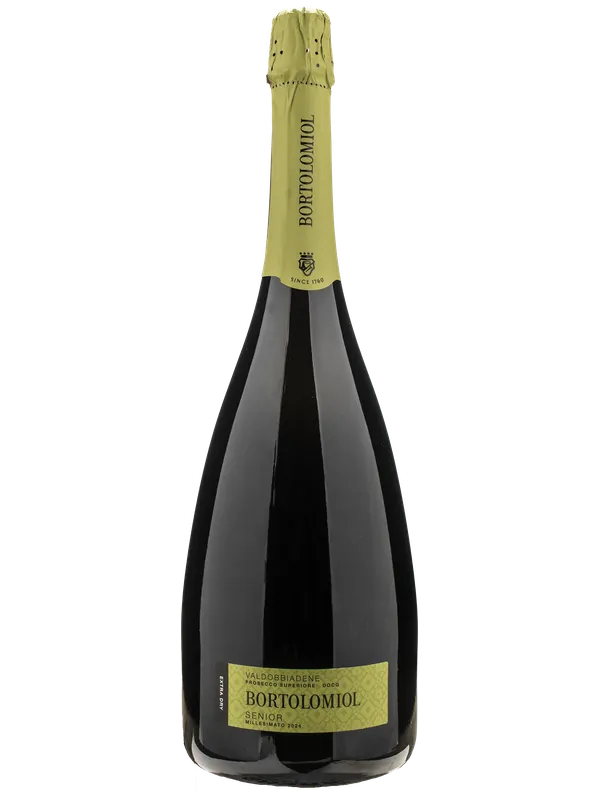
Valdobbiadene Prosecco Superiore DOCG Extra Dry Senior Bortolomiol 2025
View Wine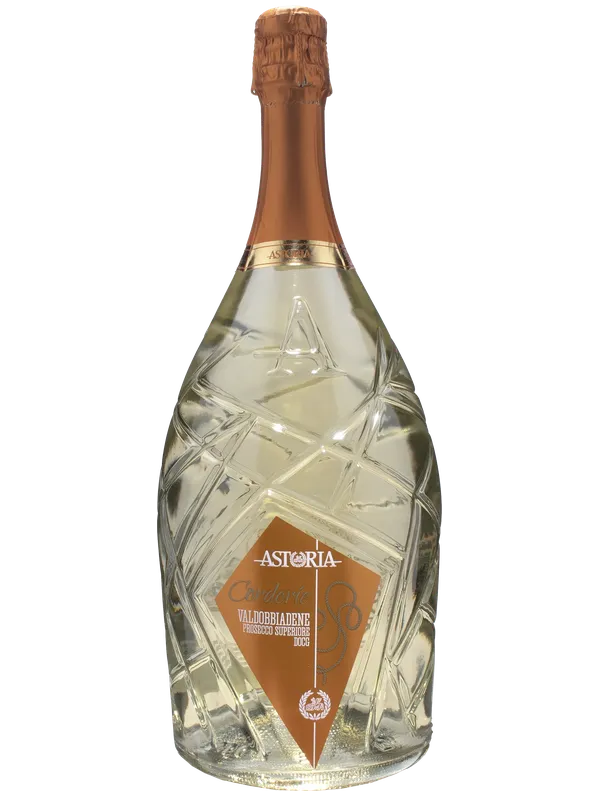
Valdobbiadene Prosecco Superiore Extra Dry DOCG Corderìe Astoria
View Wine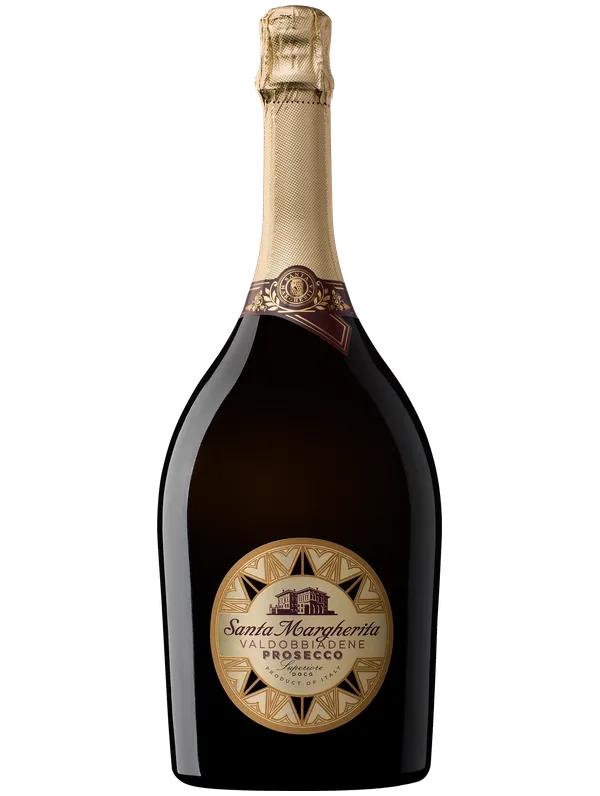
Valdobbiadene Prosecco Superiore DOCG Brut Santa Margherita
View Wine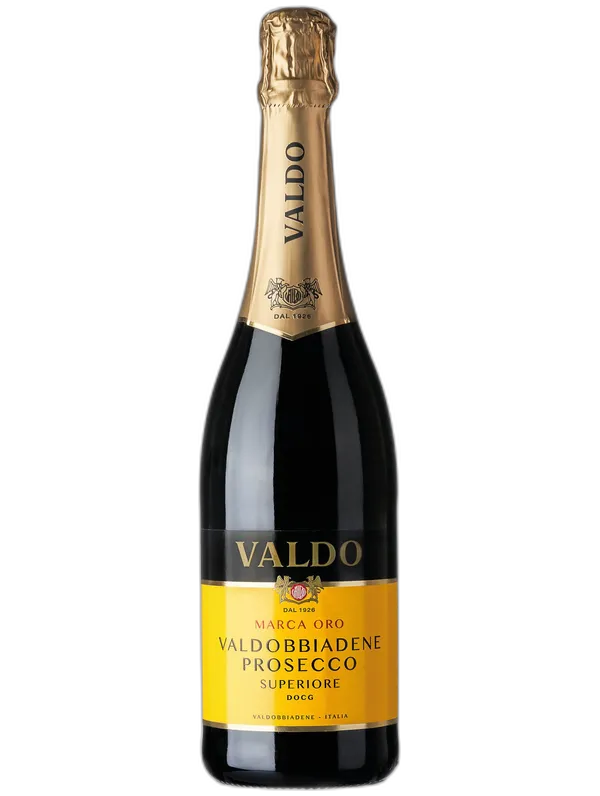
Valdobbiadene Prosecco Superiore DOCG Extra Dry Marca Oro Valdo
Valdo's gold-label Prosecco from the Valdobbiadene hills, made only from Glera. Extra Dry means a shade sweeter than Brut: apple, acacia and honey, soft bubbles, 11% alcohol. About £15 a bottle, from Italy's top Prosecco tier.
View Wine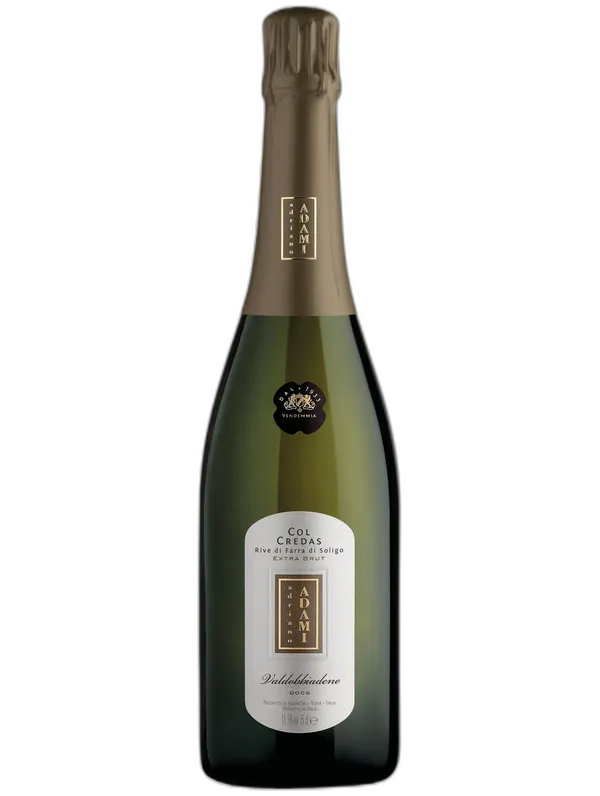
Valdobbiadene Prosecco Superiore DOCG Rive di Farra di Soligo Extra Brut Col Credas Adami 2024
View Wine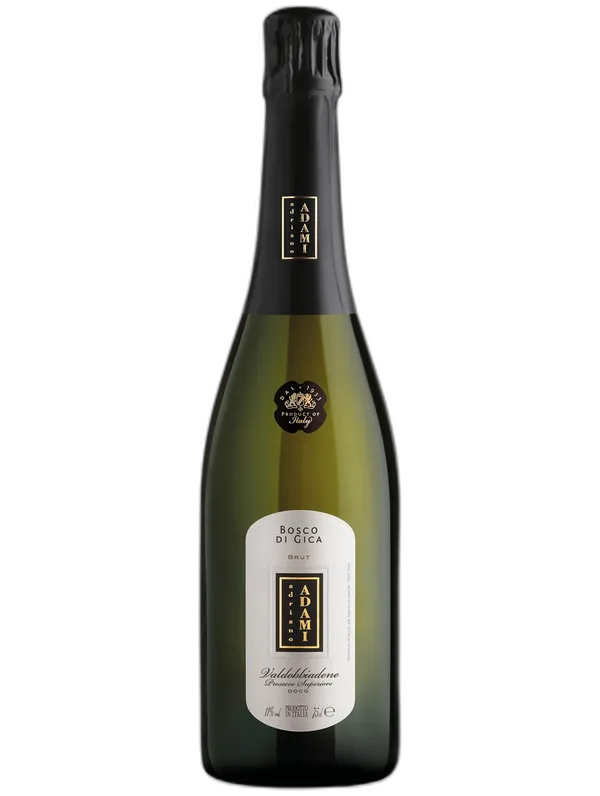
Valdobbiadene Prosecco Superiore DOCG Brut Bosco di Gica Adami Spumanti
View WineThe Italian answer to Champagne: Franciacorta, Trento DOC and beyond
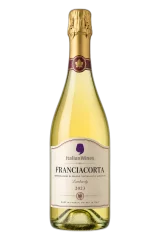
Here is the part the usual comparison guides skip. If what you really love about Champagne is its bottle-aged, biscuity depth, Italy makes that wine too, just not under the Prosecco name. Franciacorta, from Lombardy, is Italy’s traditional-method flagship: Chardonnay and Pinot Nero fermented and aged in the bottle exactly as in Champagne, from producers such as Ca’ del Bosco and Bellavista. Trento DOC, grown high in the Dolomites and led by Ferrari, is the mountain version, taut and mineral and built to age.
Want something sweeter and lower in alcohol for brunch or pudding? Asti and Moscato d’Asti from Piedmont are the answer, gently fizzy and barely 7 per cent in the case of Moscato d’Asti. Prefer something red and lightly fizzy with a plate of salumi? Reach for a dry Lambrusco from Emilia-Romagna. The map is simple: for fresh, fruity and affordable, drink Prosecco; for Champagne-style complexity without leaving Italy, drink Franciacorta or Trento DOC; for a sweet finish choose Asti; for a red sparkler, Lambrusco. Italy quietly makes a sparkling wine for every job at the table.
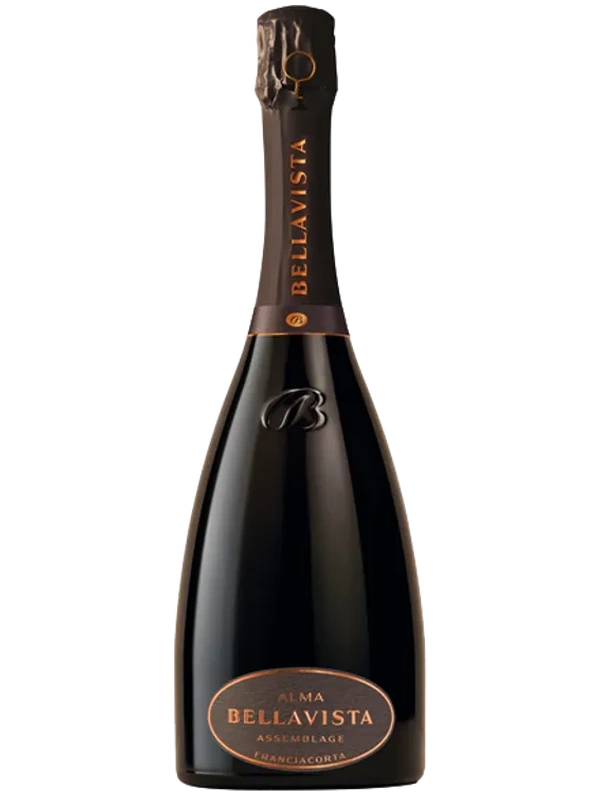
Bellavista, Alma Assemblage 2, Lombardy Franciacorta Extra Brut NV
View Wine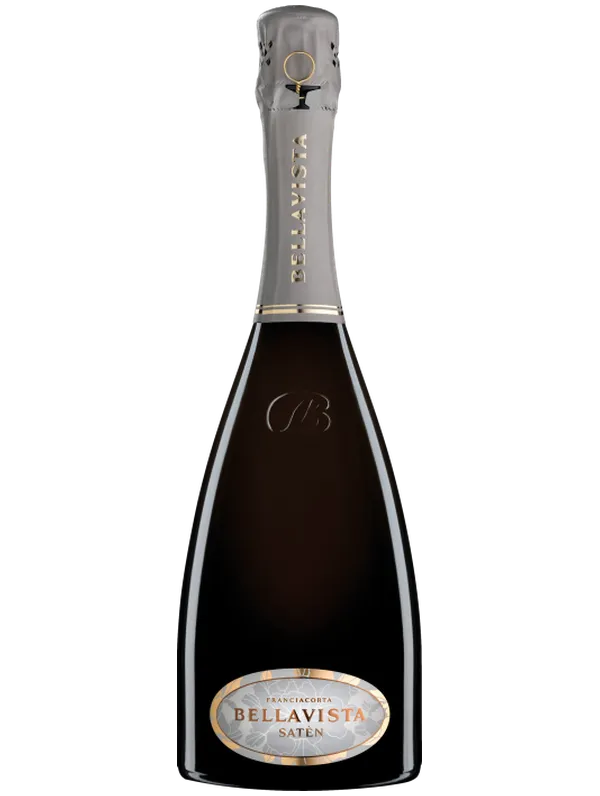
Bellavista Franciacorta Saten 2021
Bellavista's softest sparkler: all Chardonnay from Erbusco, four years on its yeast, bottled at lower pressure so the bubble is creamy rather than sharp. Citrus, pink flowers and toasted nuts. From £39.92.
View Wine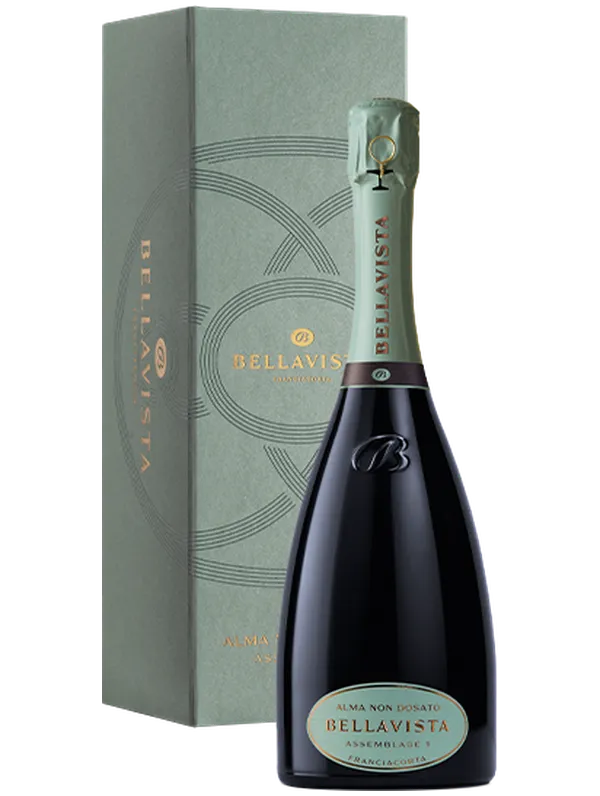
"Alma Assemblage 3" Franciacorta Non Dosato DOCG
View Wine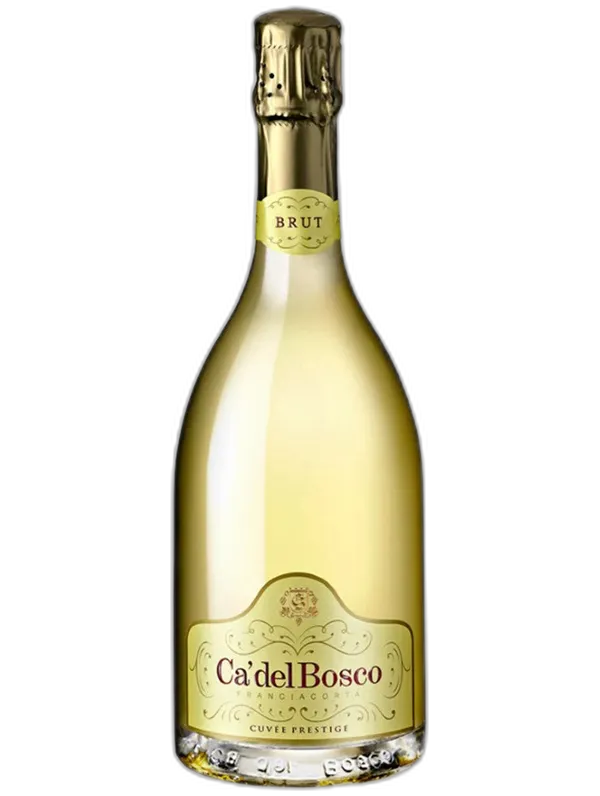
Ca' del Bosco Franciacorta Cuvée Prestige N.V.
Ca' del Bosco's flagship non-vintage Franciacorta: 80.5% Chardonnay with Pinot Nero, 25 months resting on its yeast, Extra Brut at 1.5 grams of sugar. Apple, pear and brioche; 4.1 from 28,000 Vivino drinkers. From £39.99 in the UK.
View Wine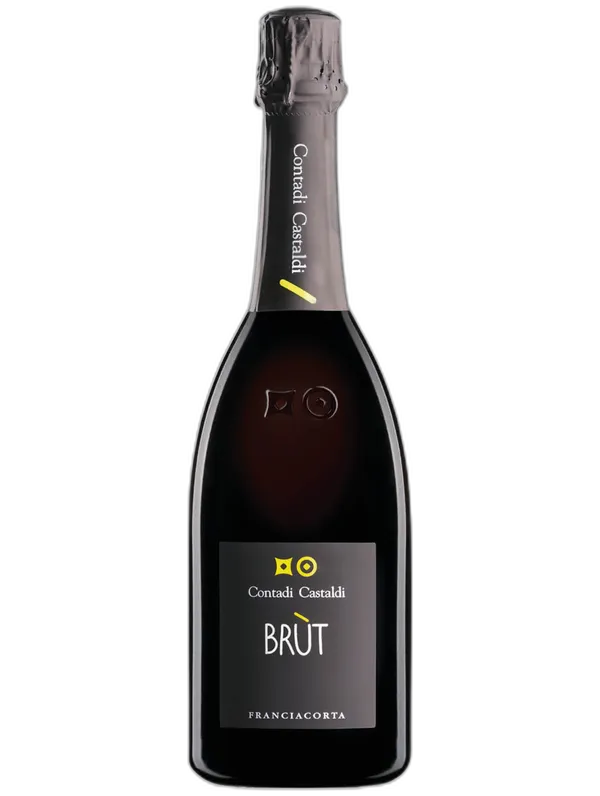
Franciacorta Brut DOCG Contadi Castaldi
View Wine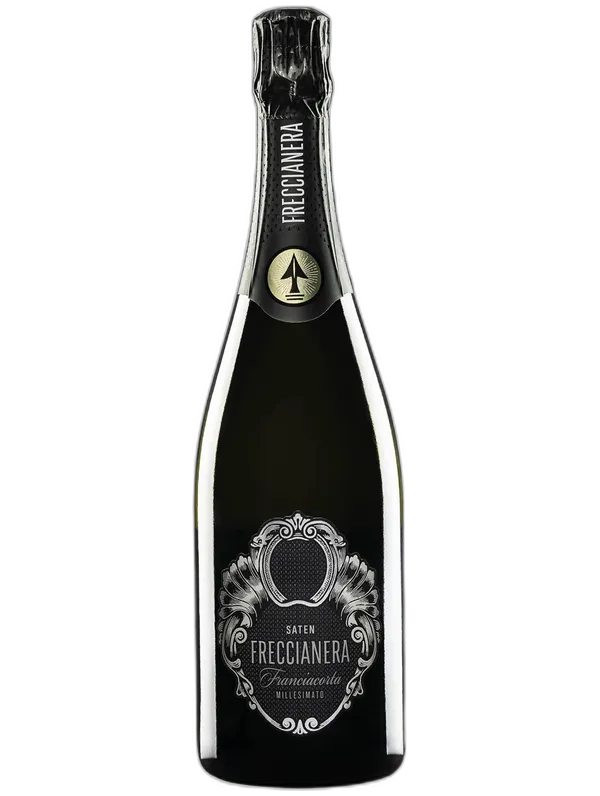
Franciacorta DOCG Brut Satèn Millesimato Freccianera Fratelli Berlucchi 2021
A vintage Franciacorta from Chardonnay grown on the Berlucchi family's own land at Borgonato. Satèn means a softer, gentler bubble. Three years on its yeasts bring apple, lemon and warm brioche. Built for the table, not just the aperitif.
View Wine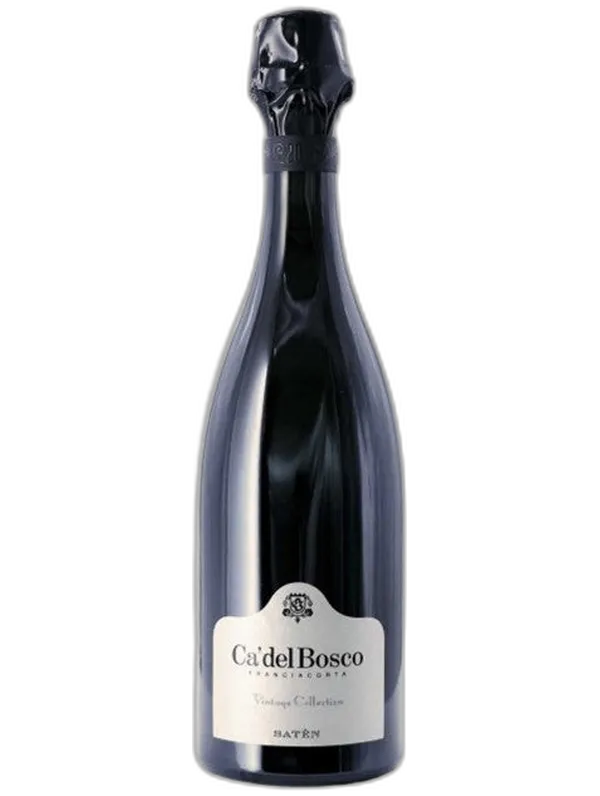
Ca' del Bosco Franciacorta Vintage Collection Saten 2021
View Wine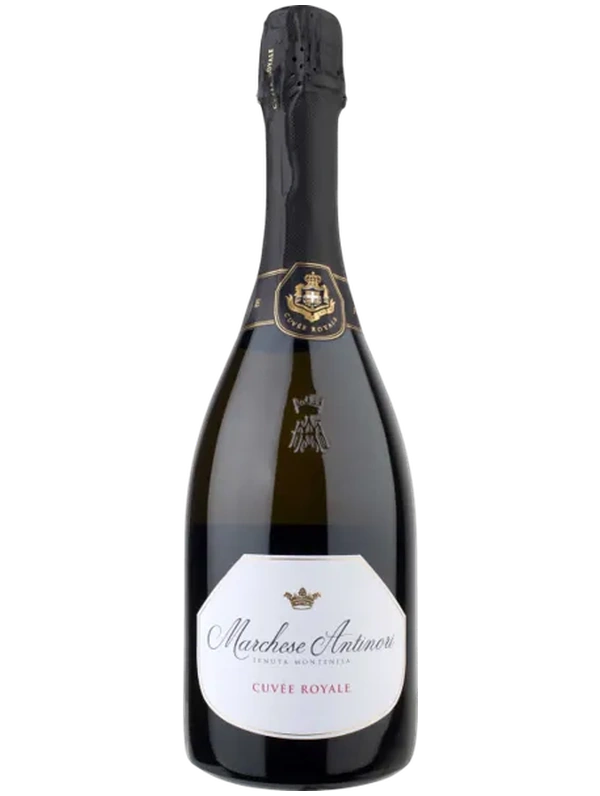
Marchese Antinori Franciacorta Cuvee Royale
View Wine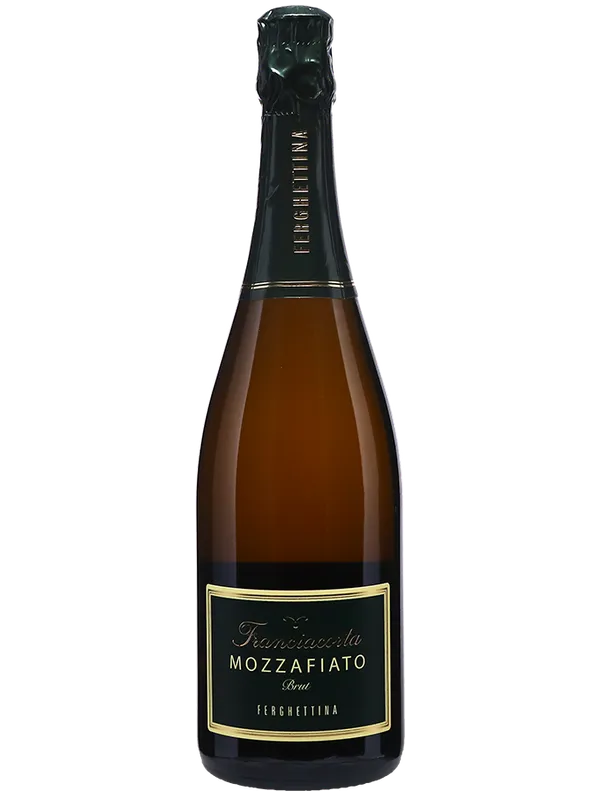
Ferghettina Franciacorta Brut
View Wine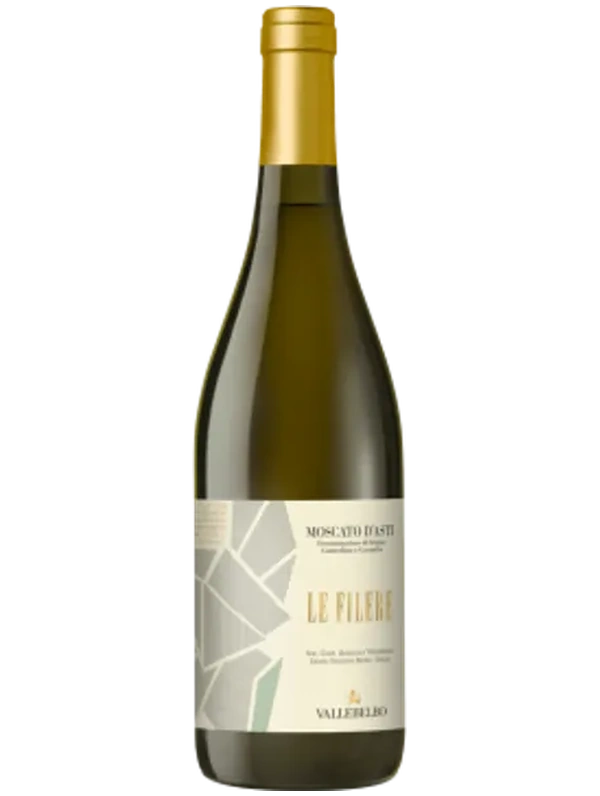
Moscato d'Asti - le Filere - Vallebelbo 2025
A sweet, gently fizzy Moscato d'Asti from the Vallebelbo co-op at Santo Stefano Belbo. Just 5.5% alcohol, with yellow peach, apricot and orange blossom. Falstaff scored it 91. Serve it cold with fruit or panettone.
View Wine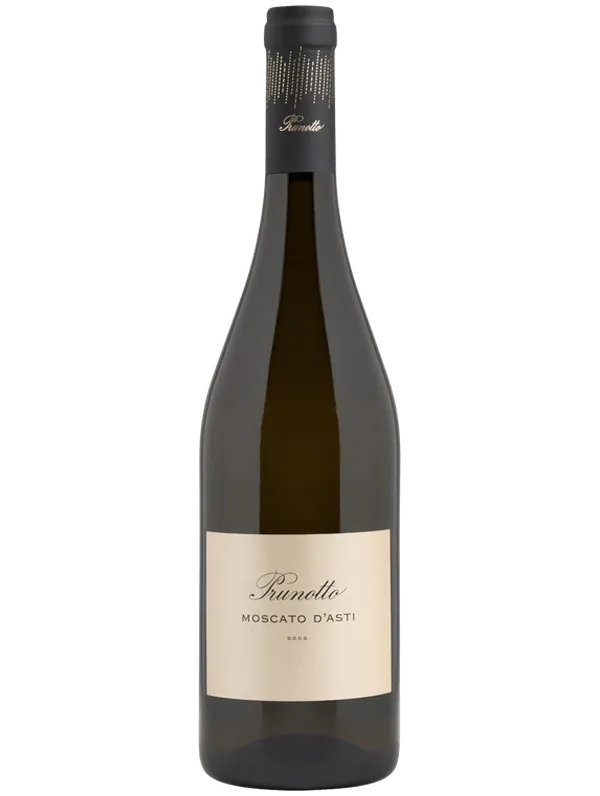
Moscato d'Asti 2025
View Wine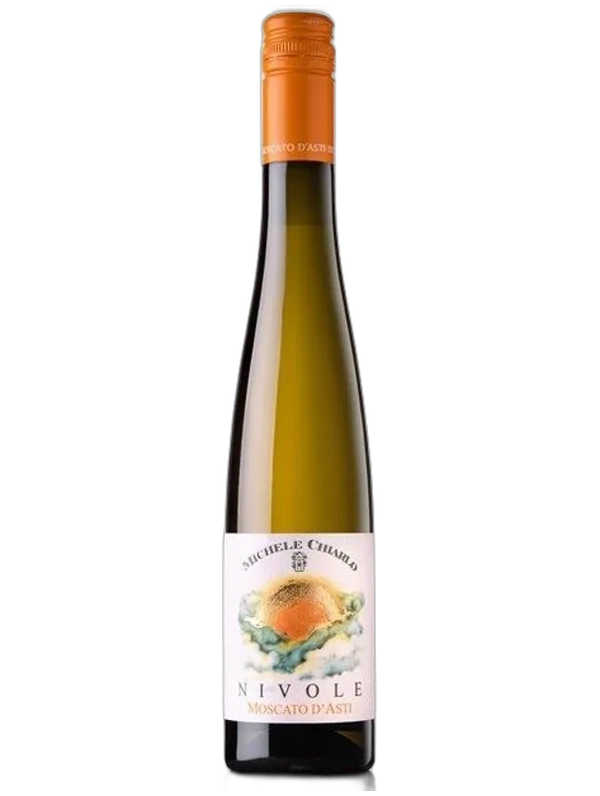
Michele Chiarlo 'Nivole', Moscato d'Asti 2025
View Wine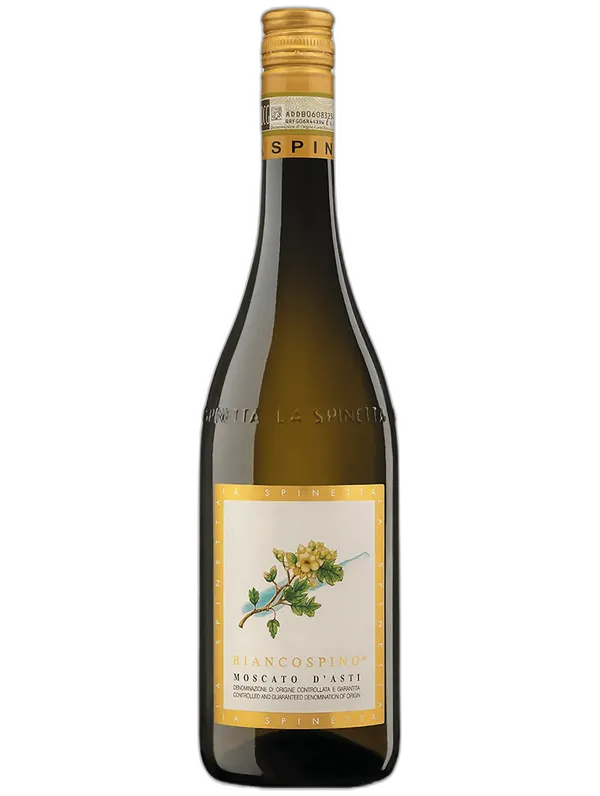
Moscato d'Asti DOCG Biancospino La Spinetta 2025
View Wine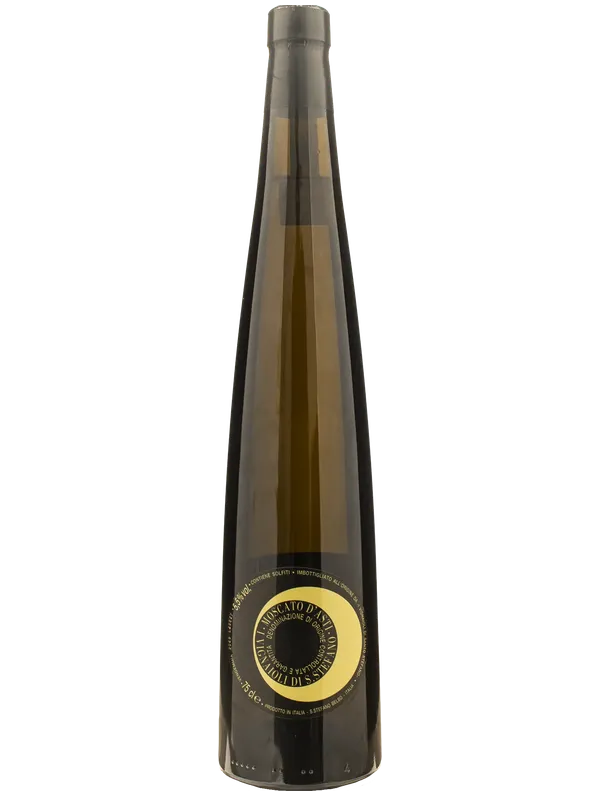
Moscato d'Asti DOCG I Vignaioli di Santo Stefano 2025
View Wine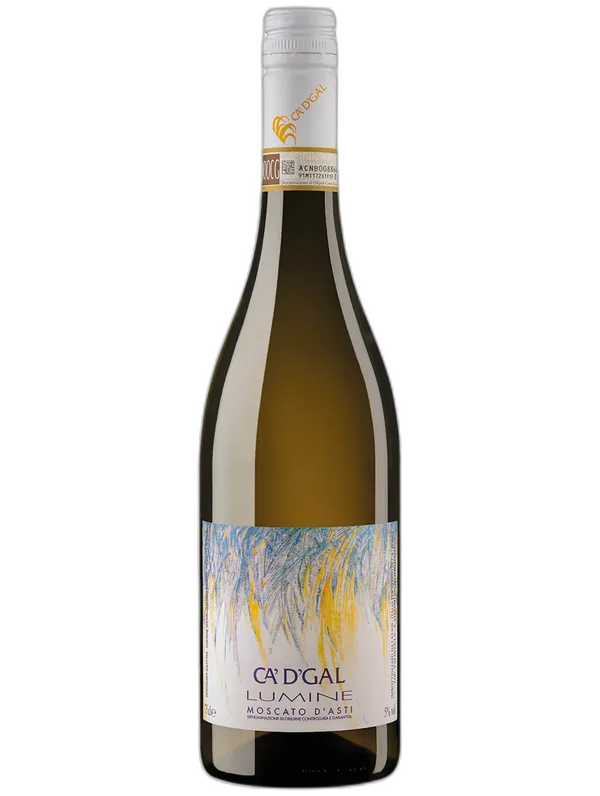
Moscato D'Asti DOCG Lumine Ca' D' Gal 2025
View Wine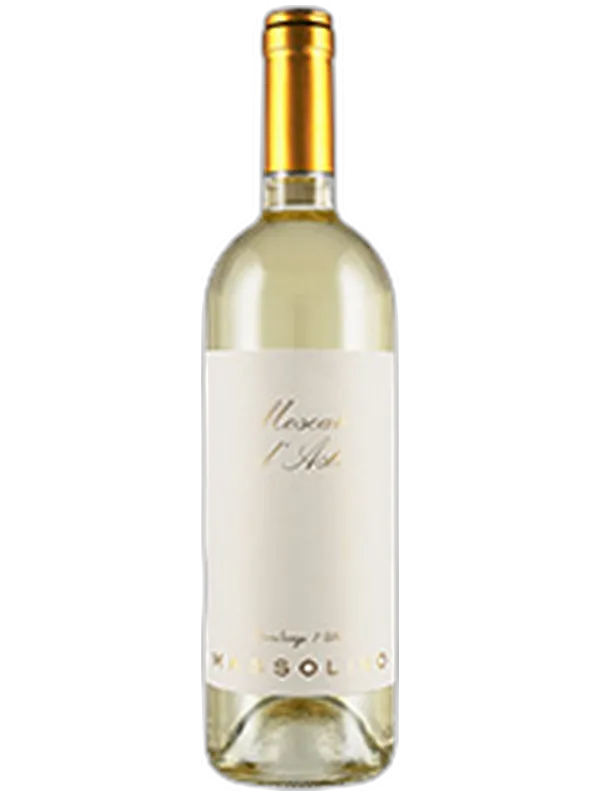
Moscato d'Asti DOCG Massolino 2025
View Wine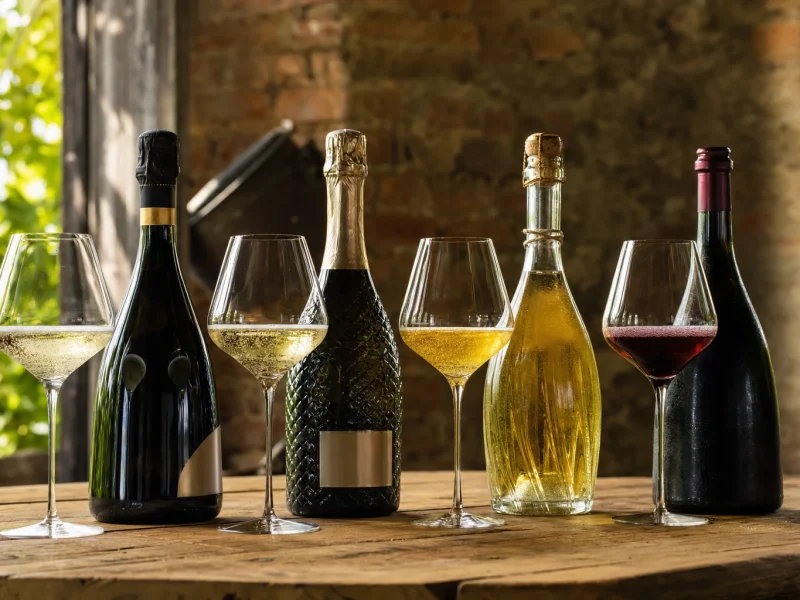
What to pour, and when: food and occasions
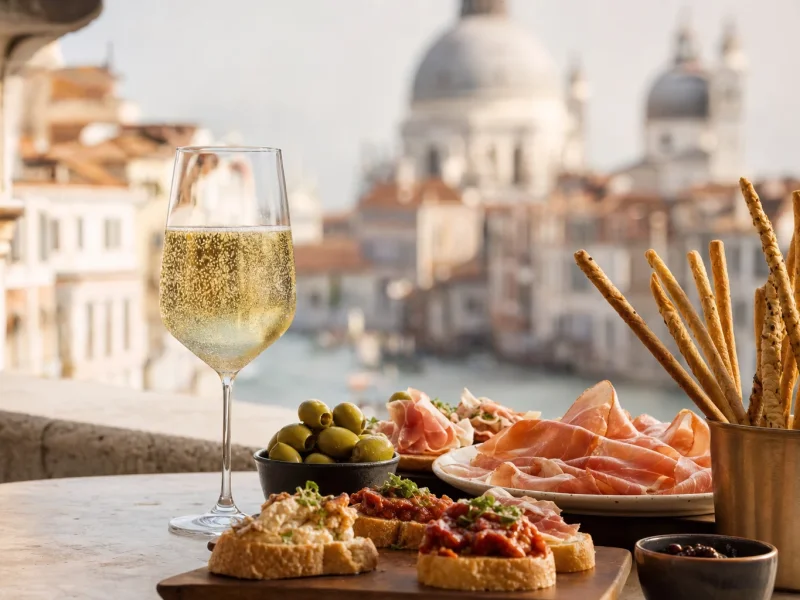
Bubbles are not just for toasts; they are some of the most food-friendly wines Italy makes. Prosecco’s gentle fizz and orchard fruit make it a natural with Venetian cicchetti, fritto misto, prosciutto di San Daniele and creamy risotto, and it is the correct base for a Venetian spritz or a Bellini. Its lower alcohol, often around 11 per cent, suits long lunches and afternoon drinking.
Champagne, drier and more structured, shines with oysters, smoked salmon and aged hard cheese, where its acidity and toast stand up to richness and salt. Franciacorta splits the difference, handsome alongside risotto alla milanese, roast poultry or a wedge of Parmigiano Reggiano. For a celebration the running order almost writes itself: pour Prosecco or a Bellini as a relaxed aperitivo, bring out Franciacorta or Trento DOC for the meal and the toast, and finish the dessert course with a chilled Asti rather than forcing a dry wine against sugar. Serve Prosecco well chilled, around 6 to 8 degrees, and give a serious Franciacorta a touch more warmth so its complexity has room to show.
Frequently asked questions
The main difference is origin and method. Champagne is made only in the Champagne region of France using the traditional method, with a second fermentation in the bottle and long ageing on the yeast. Prosecco is an Italian wine made mainly from the Glera grape in Veneto and Friuli using the tank method, where the second fermentation happens in a sealed steel autoclave. That is why Champagne tastes toasty and complex while Prosecco tastes fresh and fruity, as our guide to how sparkling wine is made explains.
Yes, Prosecco is almost always cheaper than Champagne. The tank method it uses is faster and far less labour-intensive than Champagne’s bottle fermentation and long ageing, and Glera is grown over a large area of Veneto and Friuli, so everyday Prosecco sits around £8 to £15 while entry-level Champagne rarely dips below £30. Even a top Conegliano Valdobbiadene Prosecco Superiore, the best tier of Prosecco, usually undercuts a basic Champagne.
Neither is better; they are built for different moments. Champagne rewards slow drinking with bottle-aged, biscuity complexity and a fine, lasting mousse, so it suits a toast or a special meal. Prosecco offers brighter pear-and-flower fruit and easy refreshment at a friendlier price, which makes it the better everyday and party choice. If you want Champagne’s depth but Italian, the wine to reach for is Franciacorta from Lombardy, not Prosecco.
No. Prosecco leans towards green apple, pear, white flowers and soft, frothy bubbles, with the fruit kept fresh by the quick tank method. Champagne is more savoury, with lemon, almond and toast or brioche from ageing on its yeast, and a finer, longer-lasting bubble. The different grapes and the different production methods pull the two sparkling wines firmly in opposite directions, so a Prosecco drinker and a Champagne drinker are after quite different things.
Franciacorta, from Lombardy, is the closest Italian equivalent. It is made by the same traditional method as Champagne, from Chardonnay and Pinot Nero, and aged in the bottle on its yeast for real depth. Trento DOC, the mountain sparkler led by Ferrari, is another fine traditional-method option. For Champagne-style complexity without leaving Italy, both of these beat Prosecco, which is deliberately made in a lighter, fruitier style. Our Moscato guide covers the sweet end.
Often, yes. Most Prosecco is labelled Extra Dry, which is actually sweeter than Brut, while most Champagne is sold as Brut and tastes drier. The labelling is counter-intuitive, so it pays to read it carefully. If you want a drier Prosecco look for one labelled Brut, and for the driest styles of either wine look for Extra Brut or Brut Nature, which carry the least sugar of all.