







Who Really Makes Britain's Own-Label Italian Wine?
TL;DR
- Names like Farinelli, Senti and Collezione di Paolo live in merchants' catalogues rather than on Italian shelves, yet each bottle is made by a real, traceable Italian cellar.
- Two lines of small print on the back label, the bottler statement and its ICQRF code, let you decode who stands behind any bottle.
- The spread runs from the 1948 Viticoltori Ponte co-op behind Senti's Prosecco Rosé to Tuscan winemaker Paolo Masi bottling Chianti for Laithwaites.

The wine names you cannot quite place
Open a mixed case from one of Britain's big mail-order wine merchants and you will meet names that are strangely hard to place. Farinelli. Senti. Il Papavero. Montidori. The wines are real and often very good, but try to find the winery behind the name and the trail usually ends at the merchant's own page. These are own labels: brands created by or for a retailer, worn by wines that working Italian cellars make.
The model is everywhere once you notice it. Laithwaites builds ranges such as Il Papavero around winemakers it works with; Virgin Wines commissions its Prosecco under the Senti name; the supermarkets run the same play with their premium tiers. None of this is a secret, and none of it is a scandal. But the shelf hands you a brand where a wine label would normally hand you a producer, and that is worth understanding before you re-order.
This piece names the cellars behind the best-known exclusive Italian labels sold in Britain, using the merchants' own words and the bottles' back labels. More usefully, it shows you the two lines of small print that decode any bottle of Italian red, white or sparkling, whoever sells it.
How an exclusive label gets made
An own label starts with a merchant brief rather than a vineyard: a style the buyers know their customers want, at a price they can defend. The wine is then made by an Italian partner, and the partnership takes one of three broad shapes. At one end sits the single estate. Laithwaites presents Farinelli as exactly that: a seaside property on the Adriatic coast of Abruzzo run by Federica d'Amato and Pasquale Caldora, whose head winemaker Davide Dias crafts the range for the merchant's customers.
In the middle are the co-operatives. Virgin Wines' Senti Prosecco Rosé comes from Viticoltori Ponte, a growers' co-op at Ponte di Piave near Treviso founded in 1948, whose head winemaker Damiano Canali has run the cellar since 2010. Co-ops command serious volume in Veneto, which is exactly what a national wine club needs. At the other end sits the roaming-winemaker range: Laithwaites' Il Papavero wines follow Scipione Giuliani, a Conegliano-born winemaker who sources fruit from growers he knows across the Prosecco zone, and as far south as old-vine Primitivo in Puglia.
The merchants themselves shift shape too. Virgin Wines began life in the Virgin group in 2000, spent eight years inside Laithwaites' parent Direct Wines from 2005, and has been independent since a management buyout in 2013, joining the London market in 2021. The labels survive these changes because the labels are the asset; the cellar behind them can change without the front of the bottle ever telling you.
The back label never bluffs
Italian law will not let a bottle hide its origins completely. Every label must identify its bottler, and the exact wording is a code hiding in plain sight. Three phrases do most of the work:
- Imbottigliato da: bottled by. The named company bottled the wine but did not necessarily grow the grapes or make it; this is the standard wording on merchant own labels.
- Imbottigliato all'origine: estate-bottled. The wine went into glass where it was made, by the producer or within the denomination's own boundaries.
- Integralmente prodotto: entirely produced. The strongest claim on an Italian label: grown or vinified, matured and bottled by the same entity.
Where a company name gives way to a string of letters and numbers, that is the ICQRF plant registration: a province abbreviation followed by a number, unique to one bottling facility. It means you can stand two different brands side by side and discover they left the same plant. Do it once and the own-label world snaps into focus, and it works on every bottle in the country, not just the exclusives. Our guide to reading an Italian wine label covers the front; the back is where the ownership story lives, told in the smallest type on the bottle.
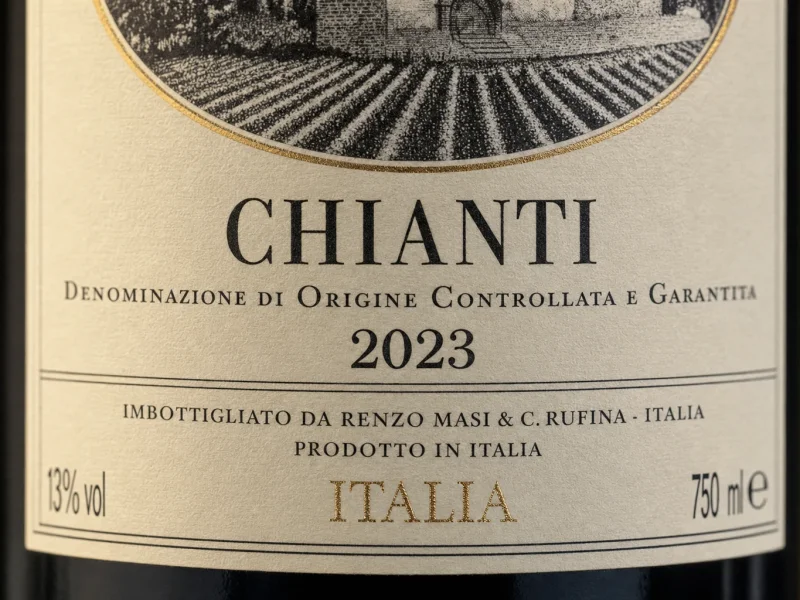
Five labels decoded, and one mystery
Here is what the merchants' own pages and the bottles themselves disclose about Britain's most asked-after exclusive Italian labels. Where we have tasted the wine, the name in the notes below links to our page for it.
| Label | Sold by | Who makes it | Where |
|---|---|---|---|
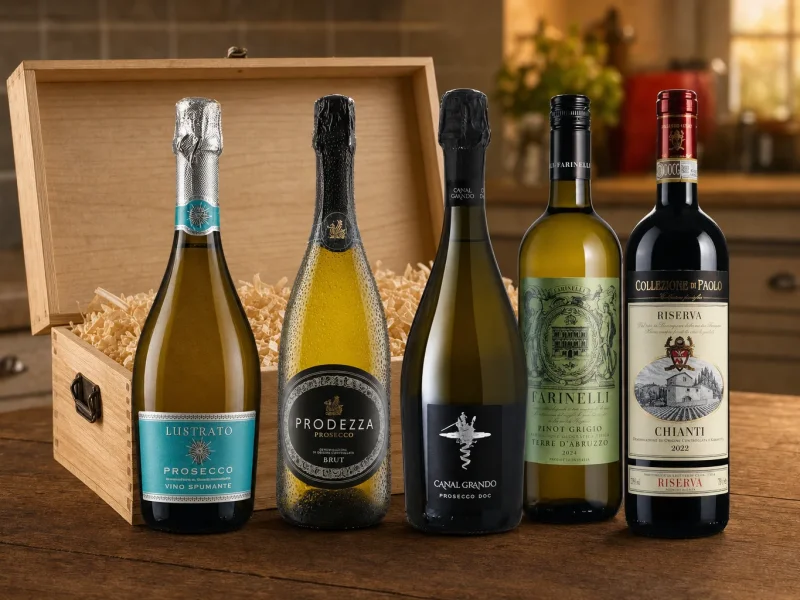
| Farinelli | Laithwaites | Presented by Laithwaites as the estate of Federica d'Amato and Pasquale Caldora; winemaker Davide Dias | Adriatic coast, Abruzzo |
| Senti | Virgin Wines | Viticoltori Ponte, a growers' co-op founded 1948; winemaker Damiano Canali on the rosé, with other cuvées crediting Umberto Menini | Ponte di Piave, Veneto |
| Il Papavero | Laithwaites | Winemaker Scipione Giuliani, sourcing from growers he knows | Prosecco country to Puglia |
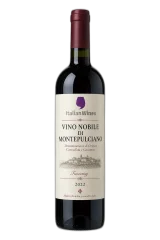
| Collezione di Paolo | Laithwaites | Paolo Masi, at his family estate above the Argomenna Valley | Tuscany |
| Canal Grando | Great Wines Direct | Bottled by Casa Vinicola Bosco Malera, per the label | Veneto |
One detail worth savouring: a single own label does not always mean a single pair of hands. Virgin Wines' own pages credit the Senti rosé to Damiano Canali and other Senti cuvées to Umberto Menini, and nothing in the model stops next year's batch coming from a different cellar entirely. That is not sharp practice, just how brand ownership works; it is also precisely why the bottler line, not the brand name, is the constant worth reading.
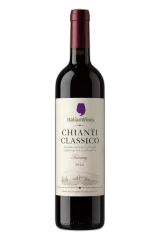
Taste the evidence for yourself. The Farinelli Rosso is old-vine Montepulciano seasoned with Sangiovese; the Senti Prosecco Rosé and Il Papavero Prosecco show two different hands on Glera; and the Collezione di Paolo Chianti is a textbook budget Chianti. Then there is the mystery of the set: Montidori, a Sangiovese British drinkers keep asking about. Merchant copy places it in Emilia-Romagna with a touch of dried-grape richness, no maker is disclosed anywhere we can find, and the brand drifts between catalogues rather than settling on one shelf. If a bottle crosses your path, the back-label code is your route in.
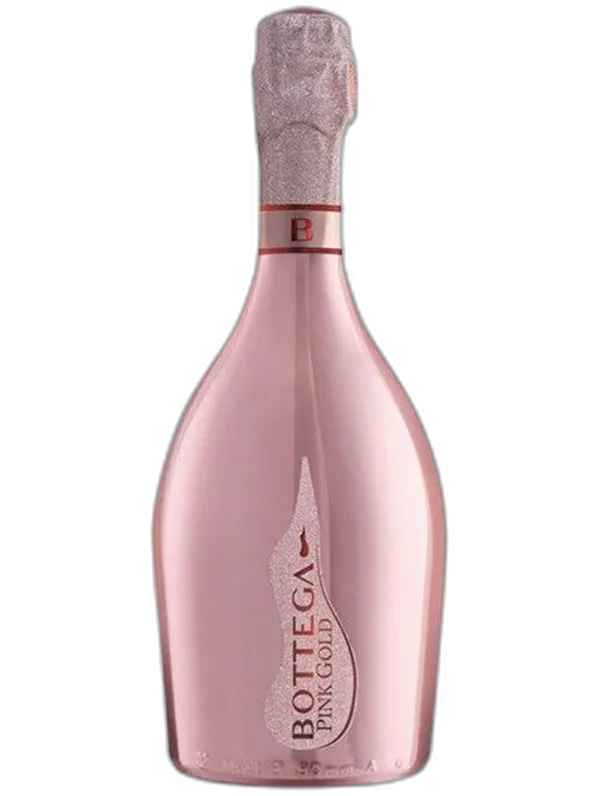
Bottega Pink Gold Prosecco Rosé N.V.
Bottega's Prosecco DOC Rosé in the metallised pink bottle: Glera with red-vinified Pinot Nero, Brut at 11.5%, led by jasmine, rosebud, pear and strawberry. A celebration sparkler at £21 to £28 in the UK, made to drink young.
View Wine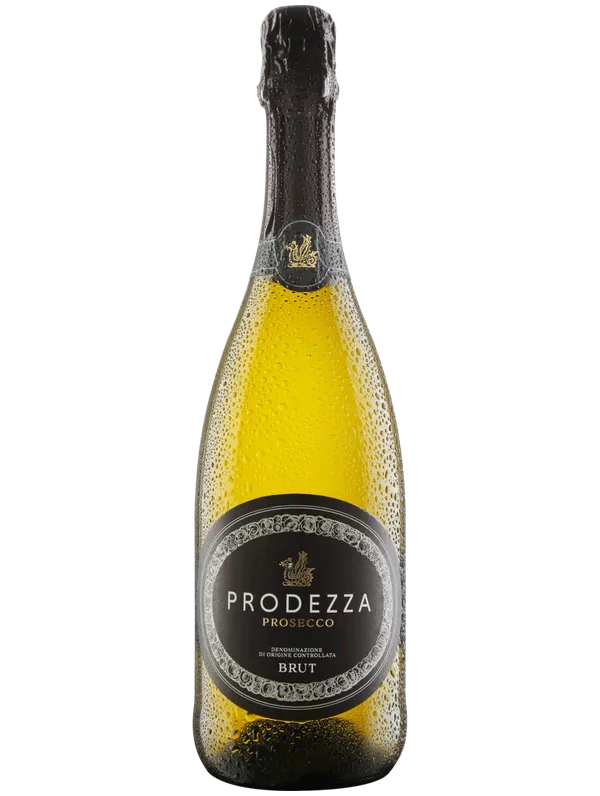
Prodezza Prosecco Brut
Umberto Menini's Veneto Prosecco DOC, made from 100% Glera in the drier Brut style. Fresh pear, crisp apple and lemon zest ride fine, tank-method bubbles at a gentle 11%. A drink-young sparkler for aperitivo, fritto misto and Venetian cicchetti.
View Wine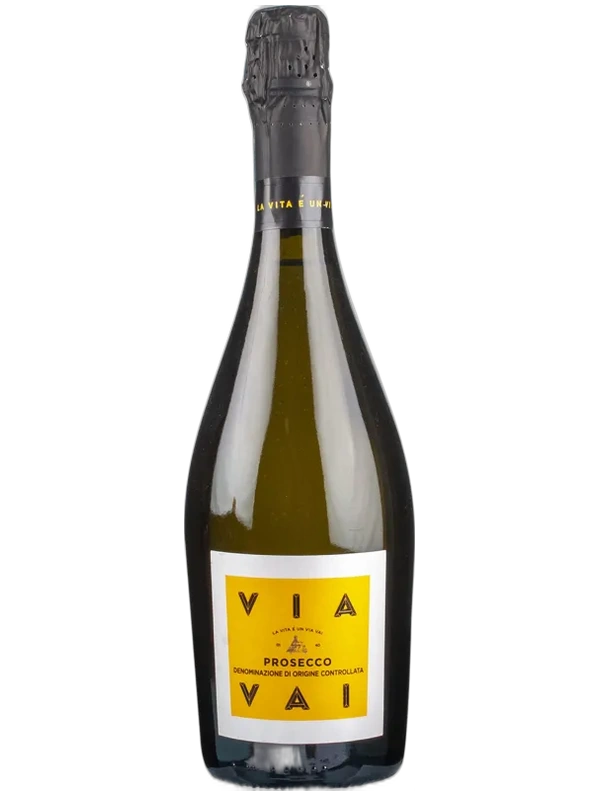
Via Vai Prosecco NV
A dry, everyday Glera Prosecco DOC from the Veneto, tank-made at a soft 10.5% ABV. Apple, pear and lemon carry a brisk, lightly fizzy palate, and drinkers like it well. Pour the 20cl piccolo as a spritz base or simple aperitivo.
View Wine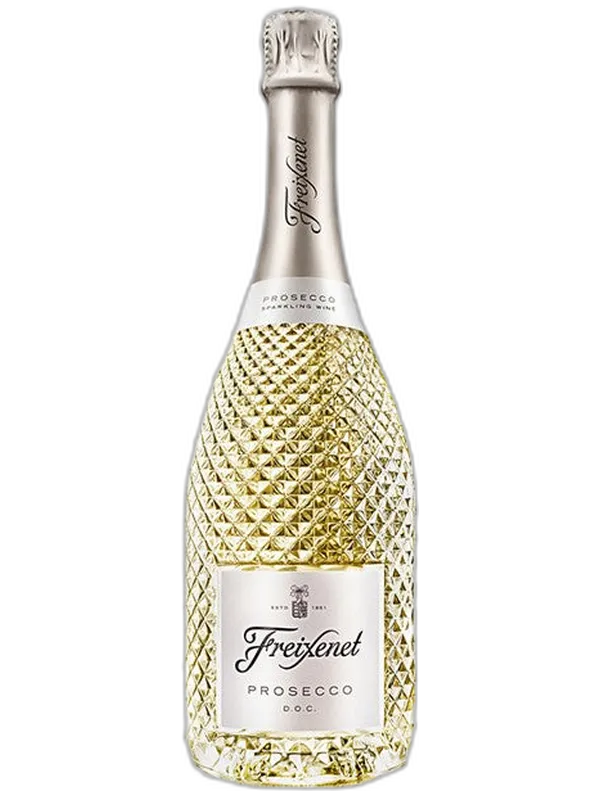
Freixenet Prosecco N.V.
Freixenet's frosted cut-glass Prosecco DOC: Extra Dry, 100% Glera from Veneto at 11% and 17 g/l. Ripe lemon, green apple and grapefruit over a fine Charmat mousse. Among Vivino's most-rated Proseccos, around 11 pounds, built for the aperitivo hour.
View Wine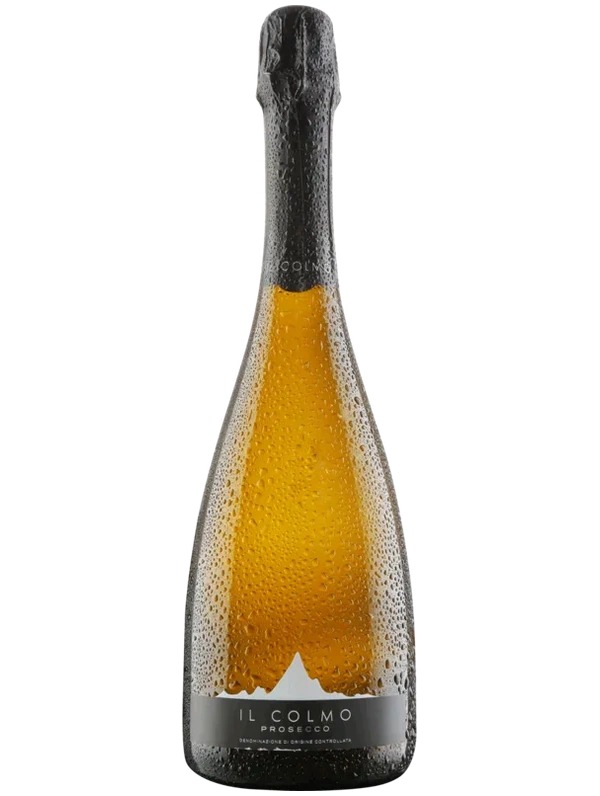
Il Colmo Prosecco Brut
A Virgin Wines exclusive Prosecco DOC from consultant winemaker Umberto Menini. Glera at 11.5%, led by pear and citrus fruit on a crisp, lively palate. Brut means under 12 grams of sugar a litre: a £14.99 aperitif built to drink young.
View Wine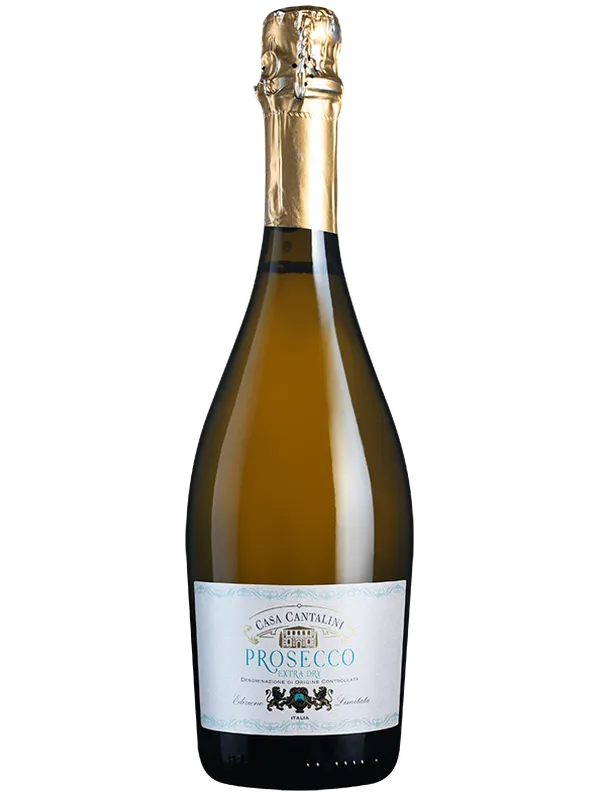
Casa Cantalini Prosecco Spumante
A soft, gently dry Prosecco DOC from Glera grown in the Euganean Hills south of Padua. Fresh apple, pear and citrus with a flinty edge, light at 10.5%. It is Laithwaites' own label: £12.99 a bottle, made for aperitivo hour.
View Wine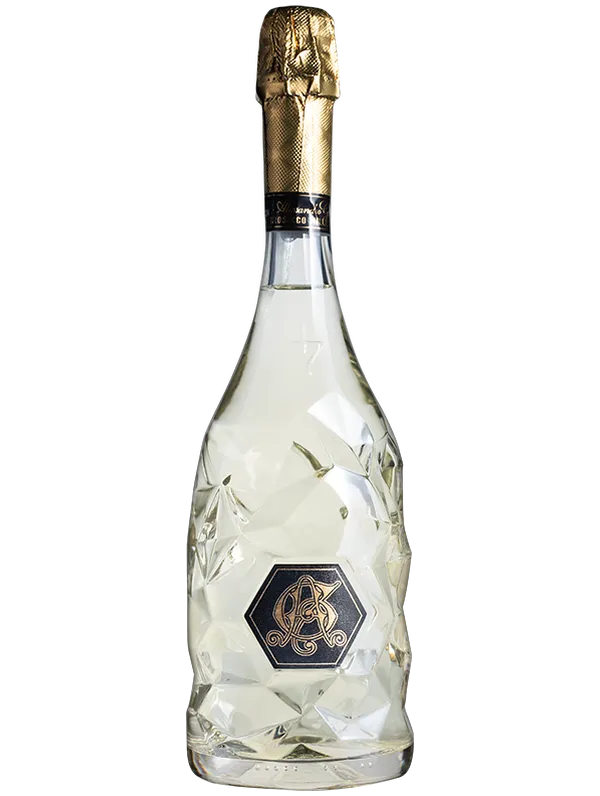
Alessandro Gallici Prosecco Anniversario 2024
The top of Alessandro Gallici's range at Laithwaites, first made for the merchant's 50th birthday. Single-vintage Glera from 47 Anno Domini's organic vineyard at Roncade: lemon, peach and a creamy mousse at 11%. £16, or £14 in a mixed dozen.
View Wine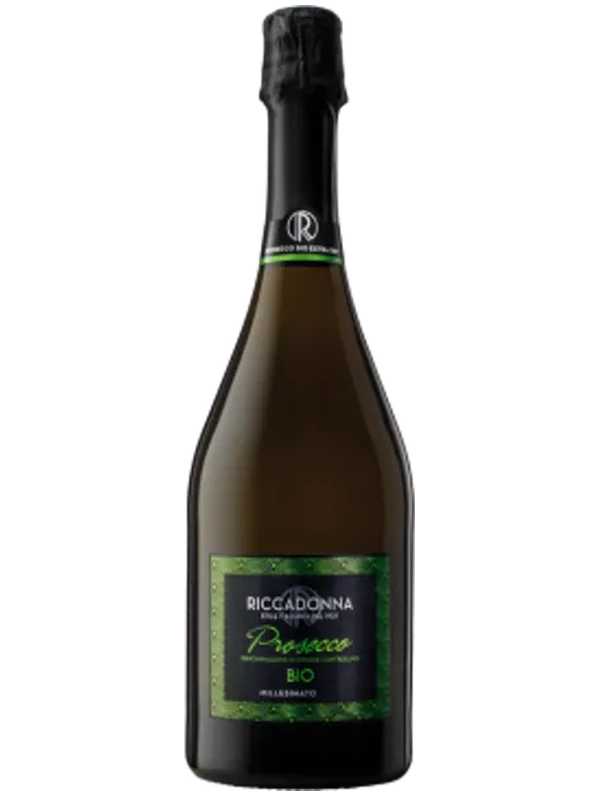
Prosecco DOC Millesimato Biologico - Riccadonna 2025
Riccadonna's organic Prosecco DOC from a single 2024 harvest: at least 85% Glera, 11%, Extra Dry with green apple, pear and a hint of ginger. A Campari-group brand founded in Canelli in 1921. £14.96 at Vinatis.
View Wine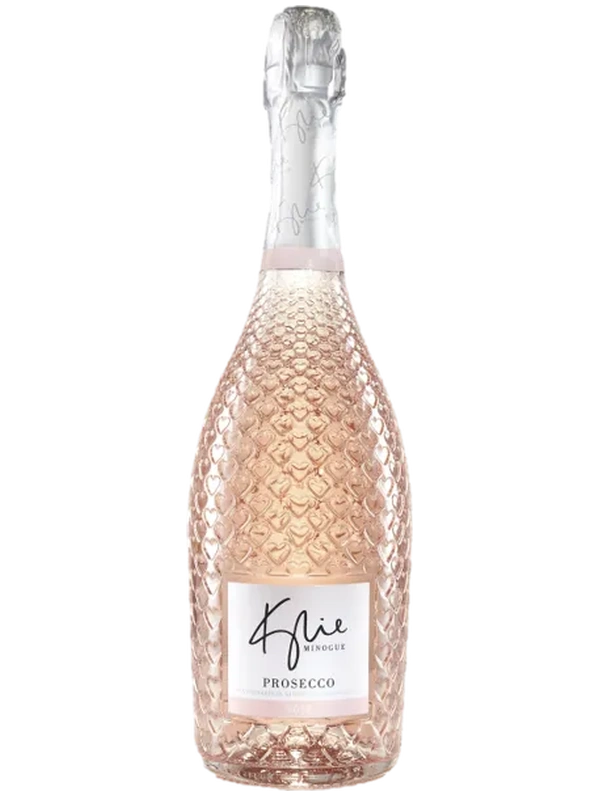
Kylie Minogue Prosecco Rose
A Veneto Prosecco DOC Rose of 85% Glera and 15% red-vinified Pinot Nero. Soft, gently off-dry bubbles bring strawberry, raspberry and red cherry with a rose-petal lift and crisp citrus finish. Decanter scored it 90: drink young and well chilled.
View Wine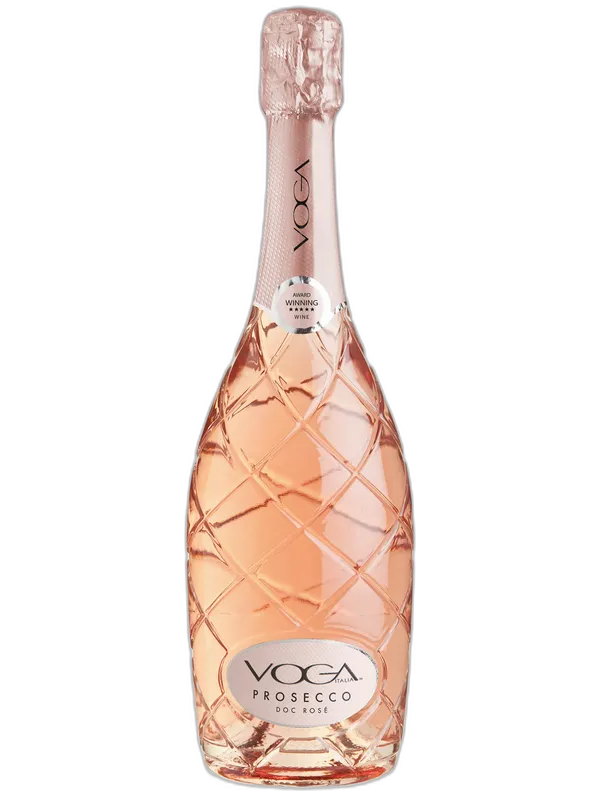
Prosecco Rosé Extra Dry Millesimato DOC Voga Italia 2025
Voga Italia's pink Prosecco DOC is Glera with a tenth of Pinot Nero made as a red wine. That gives the pale colour and the cherry and strawberry scent. Extra Dry, so a touch of sweetness, light and crisp at 11%. Made by Enoitalia near Lake Garda.
View WineAre they any good?
The honest answer is that the model tells you nothing about quality; it tells you about economics. A Veneto co-op bottling for a national wine club runs at a scale that keeps staples keen, which is why own-label Prosecco and Pinot Grigio are so often the best-value bottles in the case. A named winemaker with free rein, the Il Papavero model, can turn up genuinely characterful parcels, like fifty-year-old Primitivo vines, at prices a famous estate would never match.
The higher you climb the prestige ladder, though, the more a named producer matters. The exclusives are built for tonight's table rather than the cellar, and the wines Britain collects, from Barolo downwards, trade on estate names for good reason. The exclusives also stick to the crowd-pleasers: for Italy's byways, from cherry-deep rosato to passito sweetness, named producers still own the field entirely.
So judge the wine in the glass and the claim on the label, not the brand's passport. An own-label Chianti DOCG answers to the same rulebook as any other Chianti; the difference is who gets to put their name on the front. It is also why these labels so often over-deliver at their price: the merchant's reputation rides on every case it ships, and a dud own label costs it far more than a dud guest brand ever would.
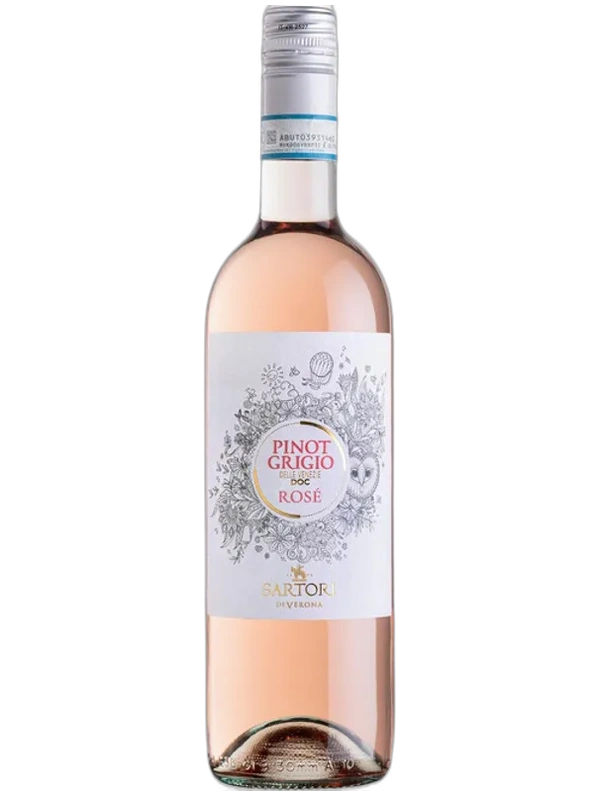
Pinot Grigio Rose' Venezie Vigna Mescita IGT 2025
Casa Vinicola Sartori's blush Pinot Grigio from delle Venezie: brief skin contact gives a pale-copper, rose-petal colour, with orange citrus, peach and a slice of strawberry. Dry, light and crisp at 12%, screwcapped for easy everyday pours.
View Wine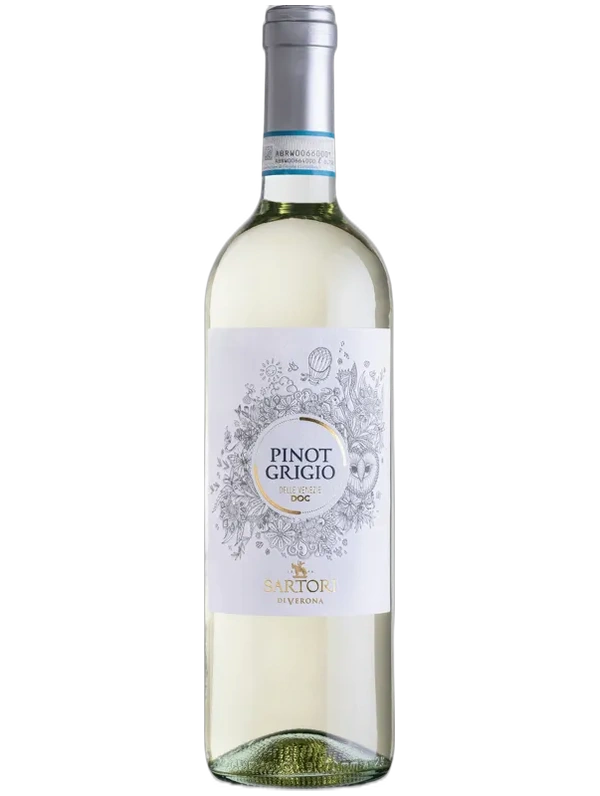
Sartori Pinot Grigio Venezie Vigna Mescita 2025
Sartori's Vigna Mescita Pinot Grigio is a crisp Delle Venezie DOC white made from Pinot Grigio. Expect pear, white peach, citrus and floral notes, with two UK listings around £9-£10 for seafood and light antipasti.
View Wine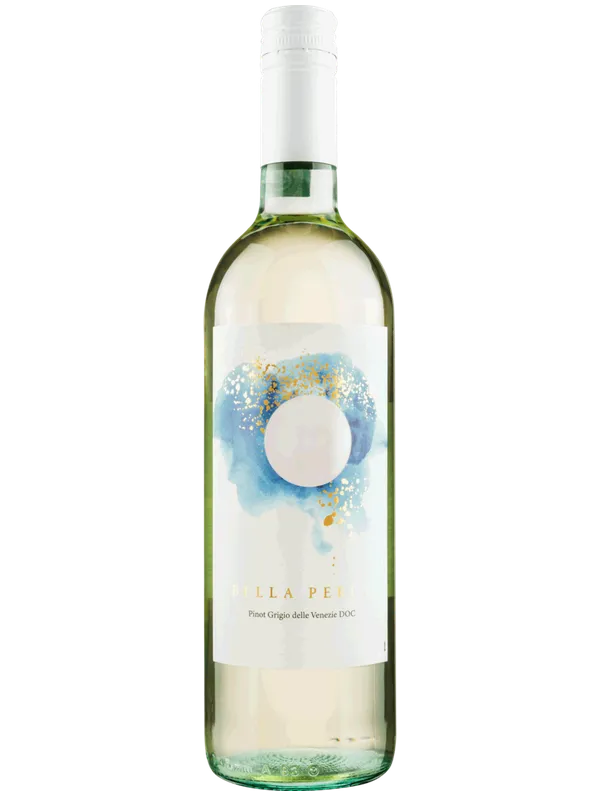
Bella Perla Pinot Grigio delle Venezie DOC 2025
A Virgin Wines own-label Pinot Grigio from the Veneto, bone dry and light at 10.5% ABV. Pear, green apple and lemon zest lead into a crisp, aperitivo-friendly white made for shellfish. Drink the 2025 vintage young, ideally by the end of 2027.
View Wine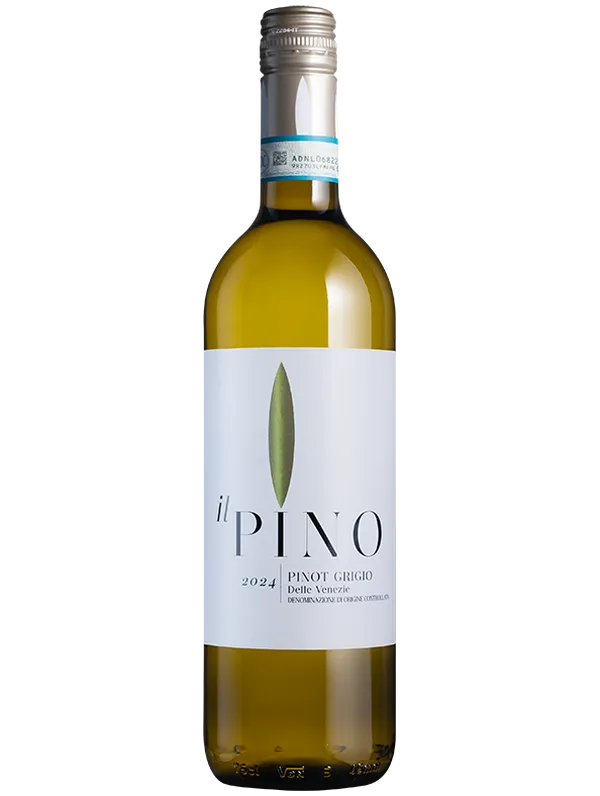
Il Pino Pinot Grigio 2025
Il Pino is a stony-fresh northern-Italian Pinot Grigio from the high-altitude Adige Valley, a Laithwaite's own-label. Green apple, lemon and grapefruit lead, with riper orchard fruit and a stony edge. A crisp, value aperitivo white near 11% ABV.
View Wine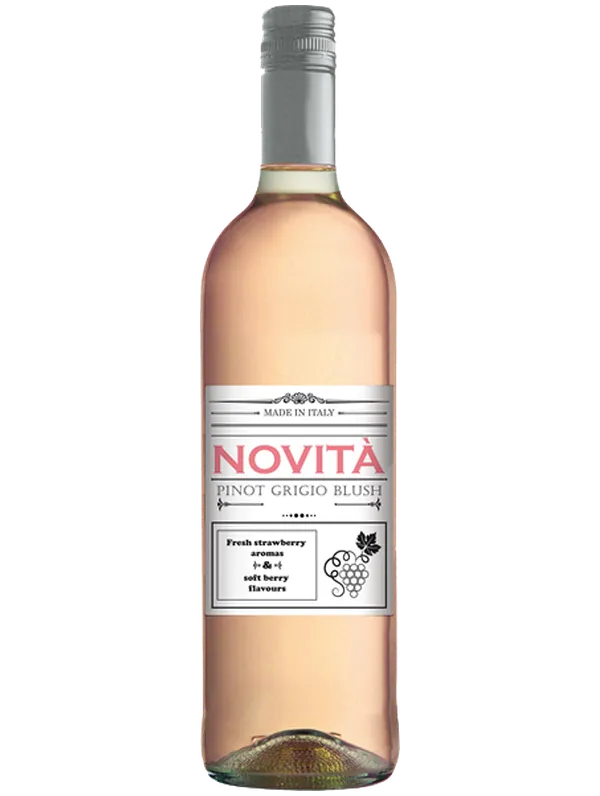
Novità Pinot Grigio Blush 2025
A pale-pink, off-dry Pinot Grigio Blush from the delle Venezie DOC, made for the Novità label by Cevico winemaker Enrico Salvatori. Ripe cherry and strawberry with a twist of grapefruit, light at 11%. Screwcap, vegan-friendly and built for summer.
View Wine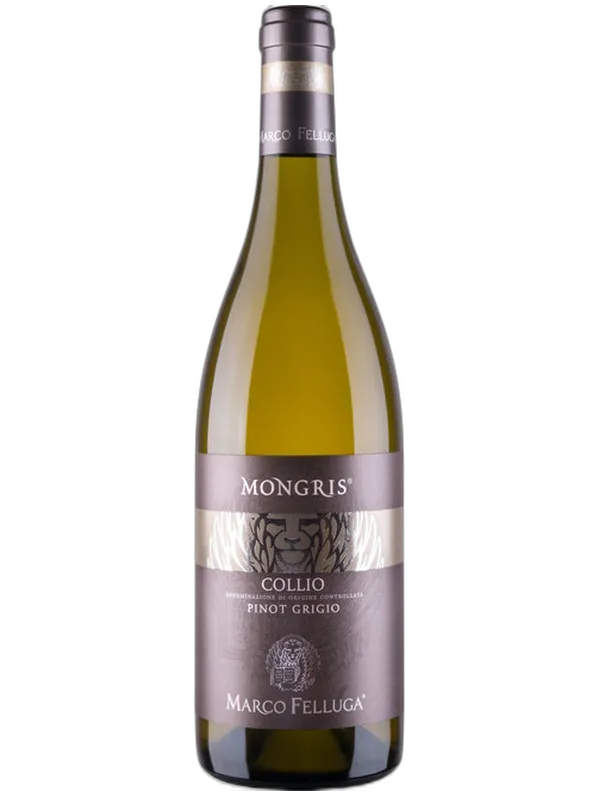
Marco Felluga Collio Pinot Grigio Mongris 2025
Mongris is Marco Felluga's benchmark Collio Pinot Grigio, hand-picked on Eocene ponca hills and rested six months on its spent yeast. Acacia, broom and golden apple lead to a structured, stony palate with a long, almond-edged finish.
View Wine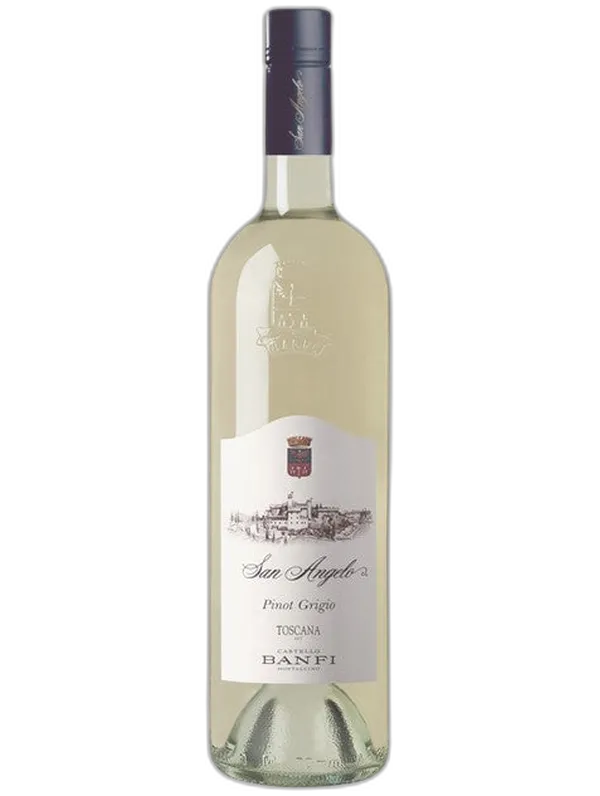
Banfi San Angelo Pinot Grigio 2025
A dry Tuscan Pinot Grigio from Banfi's own vineyards south of Montalcino. Riper and rounder than the Veneto norm: peach, apple and lemon with a salty edge, 12.5%, steel only. Around £20 in the UK, and the 2024 and 2025 are both on sale.
View Wine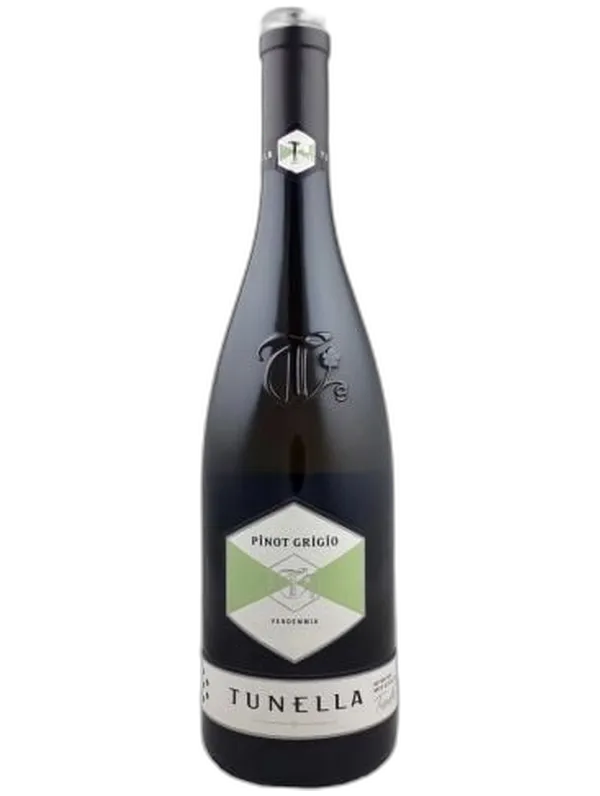
Pinot Grigio Azienda Agricola La Tunella 2025
A fuller, rounder Pinot Grigio from the Friuli Colli Orientali hills. The Zorzettig family ferment it slowly and stir the yeast until March, for warm bread crust, acacia blossom and ripe tropical fruit. Sold by Corney & Barrow at £15.75.
View Wine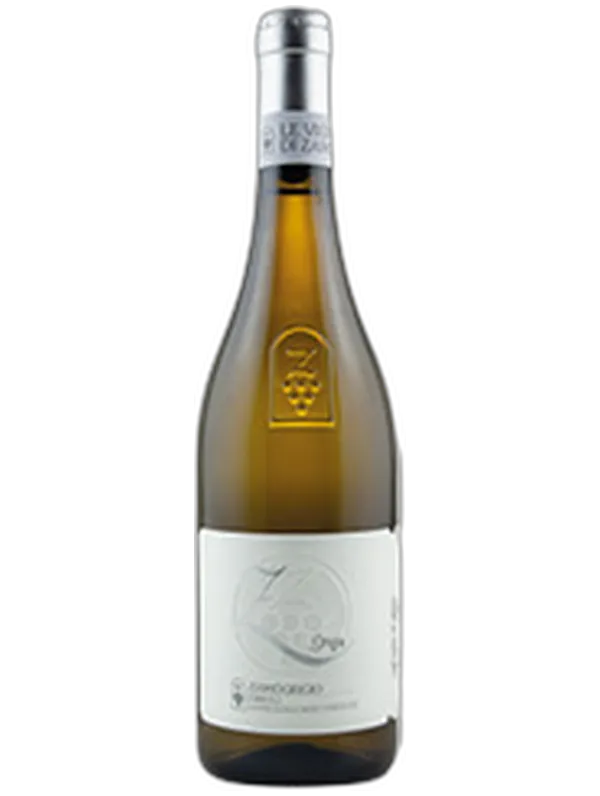
Friuli DOC Pinot Grigio ZamòGrigio Le Vigne di Zamò 2024
A dry, fresh Pinot Grigio from Le Vigne di Zamò at Rosazzo in Friuli. It is made in steel tanks with no oak and rests six months on its fine yeast. Expect crisp apple, apricot and white flowers.
View Wine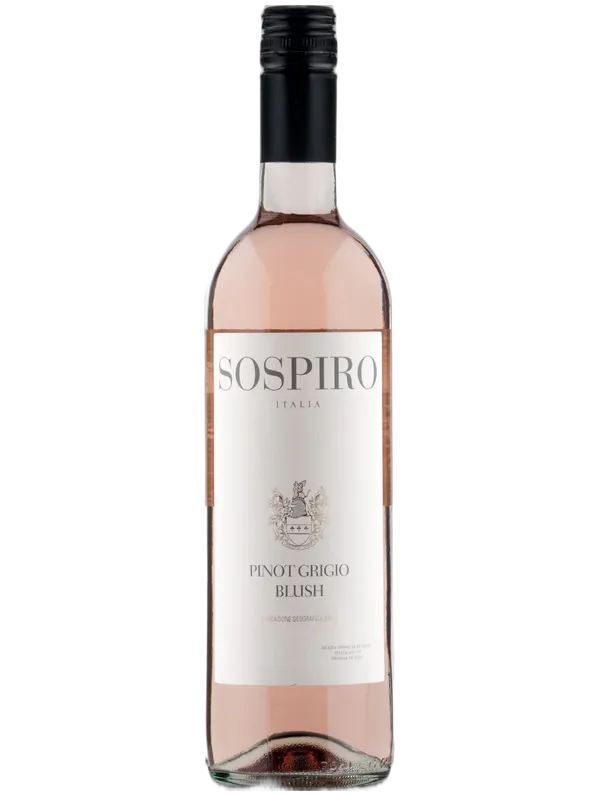
Sospiro Italia Pinot Grigio Blush 2025
A light, dry rosé made from Pinot Grigio grown north of Verona. A cold soak on the skins gives it a salmon colour, and it smells of cranberry, citrus and red berries. At 11% it suits salads, fish and pizza.
View WineReading a case like a merchant
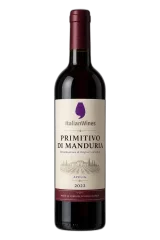
Next time a case arrives, run the drill. Turn each bottle round and find the bottler line: does it say imbottigliato da, or all'origine? Is there a company name and town, or an ICQRF code? Check the front for the denomination, because DOC and DOCG mean the same thing on an exclusive label as on anyone else's, a point our guide to Italian wine classifications unpacks. Then, for one bottle you liked, find a named-producer equivalent from the same denomination, a Primitivo di Manduria against an own-label Primitivo, say, and taste them a week apart.
That small habit turns the exclusive label from a wall into a door. Behind Canal Grando stands a named bottling house in the Veneto; behind Senti's rosé, a co-op pushing eighty; behind Collezione di Paolo, a Tuscan winemaker with his name literally on the brand. Knowing that changes how the wine tastes on a Tuesday night, and it makes you the person at the table who can read the list when you are out.
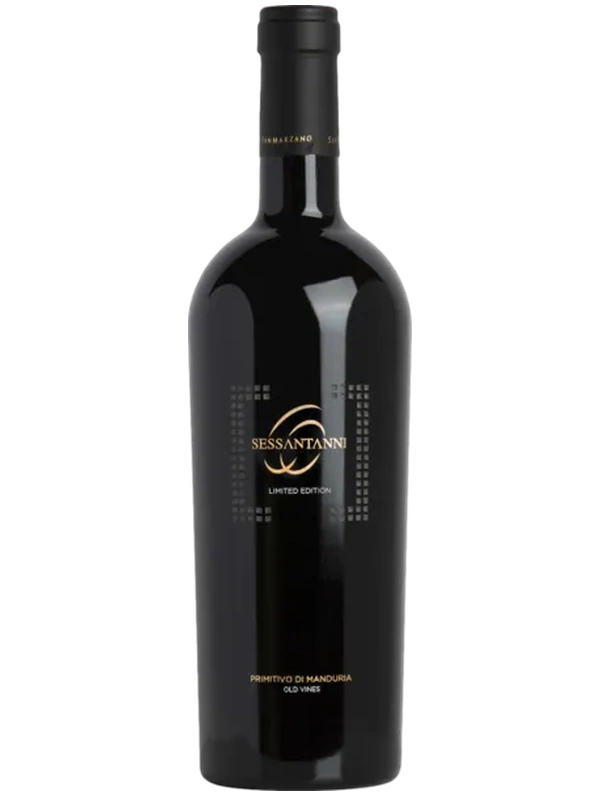
San Marzano 60 Sessantanni Limited Edition Old Vines Primitivo di Manduria 2020
San Marzano's flagship Primitivo, from bush vines at least sixty years old in the Valle del Sessantanni. A year in French and American oak leaves cocoa, coffee and vanilla over ripe plum. Big and soft at 14.5%.
View Wine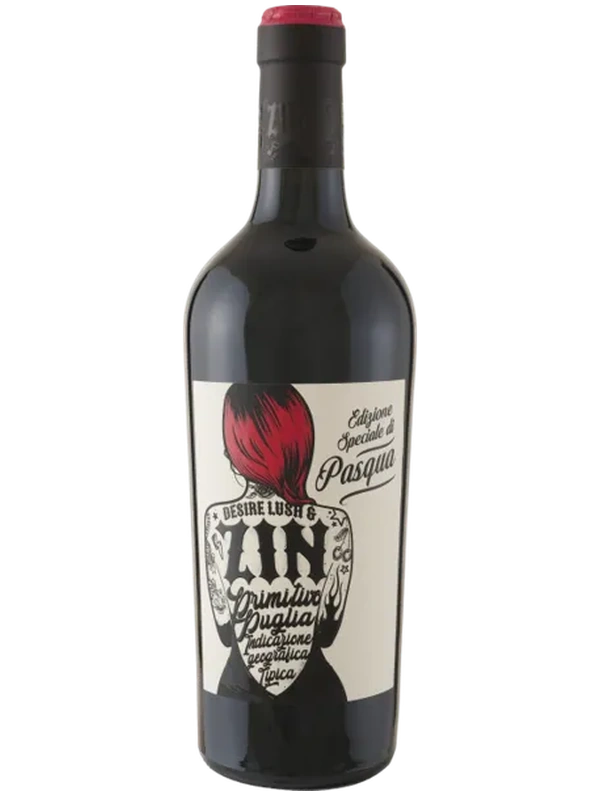
Pasqua Desire Lush & Zin Primitivo 2025
Pasqua's Puglia Primitivo, hand-picked and given six months in wood: ripe plum and black cherry with vanilla and chocolate, soft tannin, 13.5%. A red drinkers like, year after year. £13.50 at Majestic, less on offer.
View Wine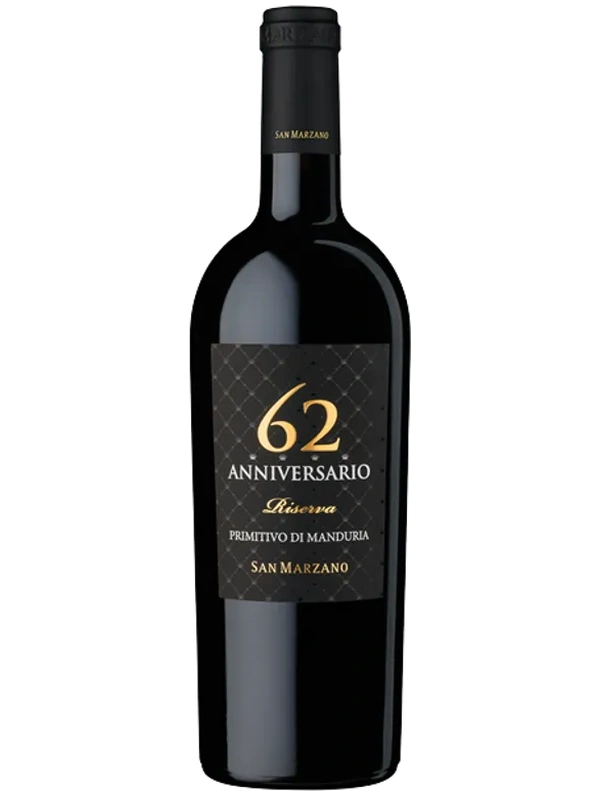
San Marzano, Anniversario 62, Primitivo di Manduria Riserva 2020
San Marzano's old-vine Primitivo, aged 18 months in French and American oak. Ripe plum and cherry jam, tobacco and sweet spice lead to cocoa, coffee and vanilla on a full, soft-tannined finish. A 14.5% Puglia riserva for red meat and game.
View Wine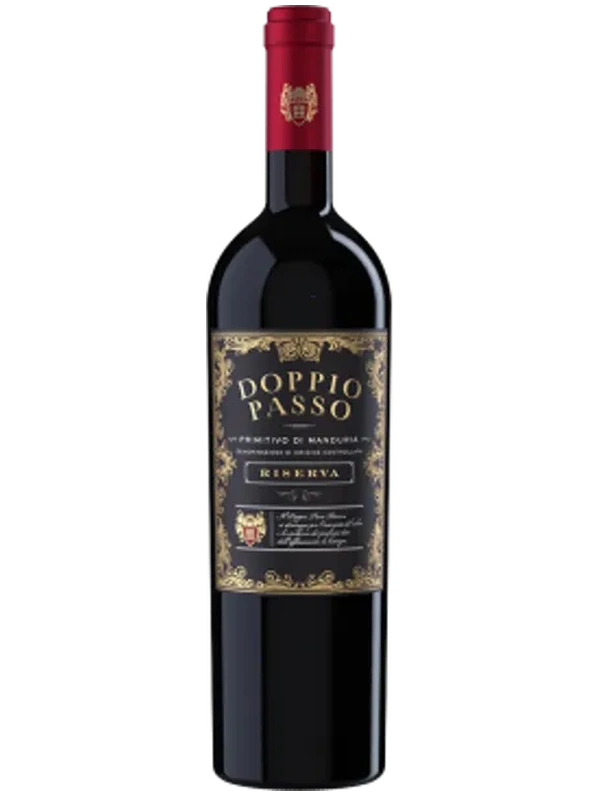
Primitivo di Manduria Riserva - Doppio Passo 2022
Doppio Passo's Riserva is a soft, ripe Primitivo di Manduria from the Botter family's brand. Two years' ageing with nine months in wood give blackberry, cherry, vanilla and toast at 14.5%. UK prices from £15 at Vinatis and Vino.com.
View Wine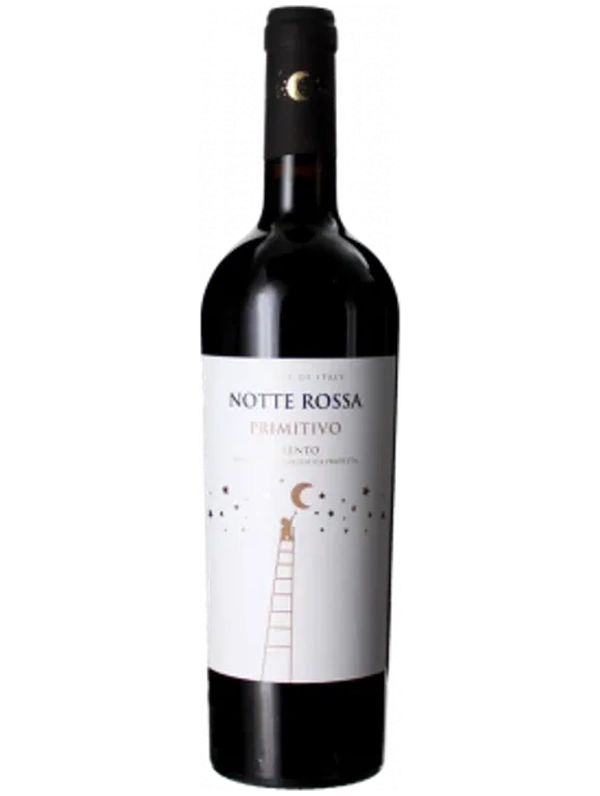
Primitivo Salento - Notte Rossa 2025
A soft, ripe Puglian red made only from Primitivo. Notte Rossa keeps it in steel tanks and never in barrel, so nothing woody gets in the way of the plum and cherry fruit. It took a silver medal at the 2026 International Wine Challenge.
View Wine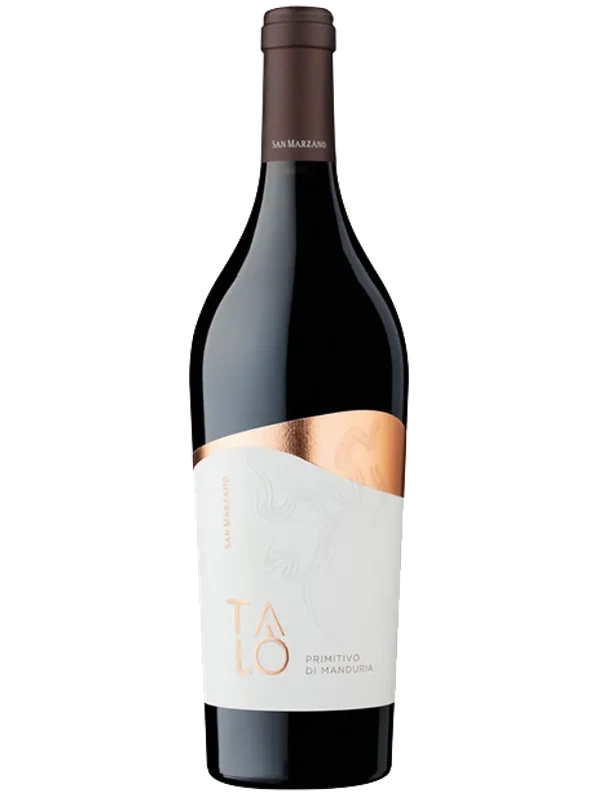
San Marzano, Talo, Primitivo di Manduria 2023
Puglia's big, warm Primitivo, grown on thin clay and stone near the Ionian sea. Six months in French and American oak add cocoa and vanilla over ripe cherry and plum. A well-liked everyday red, about £17 to £18.50.
View Wine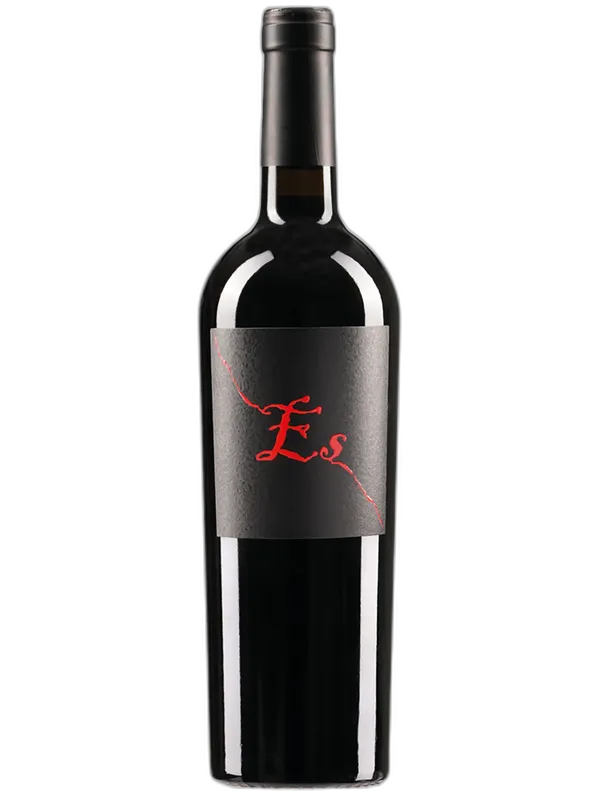
Salento Primitivo IGT Es Gianfranco Fino Viticoltore 2023
Gianfranco Fino's Es is a cult Primitivo from old alberello vines near Manduria, aged about nine months in French oak. Powerful near 16% vol, it shows blackberry, plum, cocoa and liquorice. A benchmark Puglian red built for rich meat and the cellar.
View Wine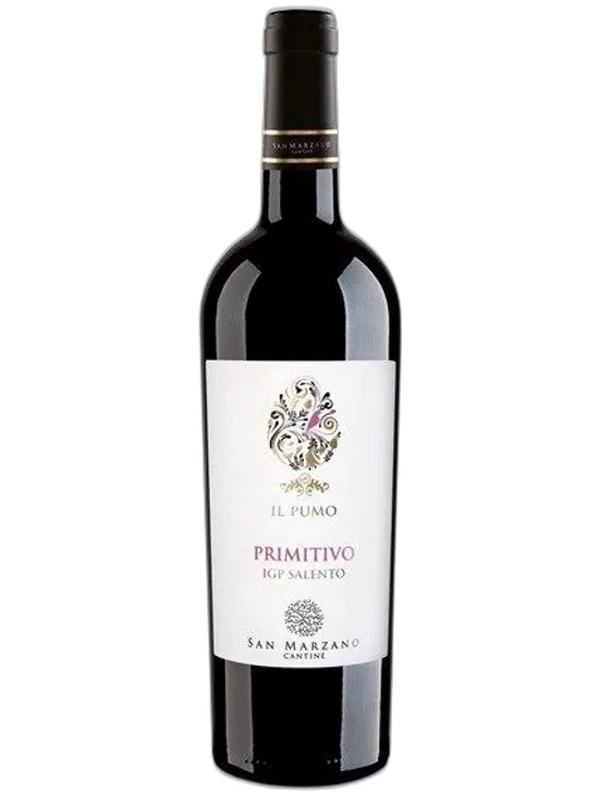
San Marzano Il Pumo Primitivo 2025
A soft, full-bodied Primitivo from San Marzano in Salento, aged in steel tanks. San Marzano describes plum, cherry and a hint of rosemary. From £13.30 in the UK, it suits hearty pasta dishes, red meat and hard cheese.
View Wine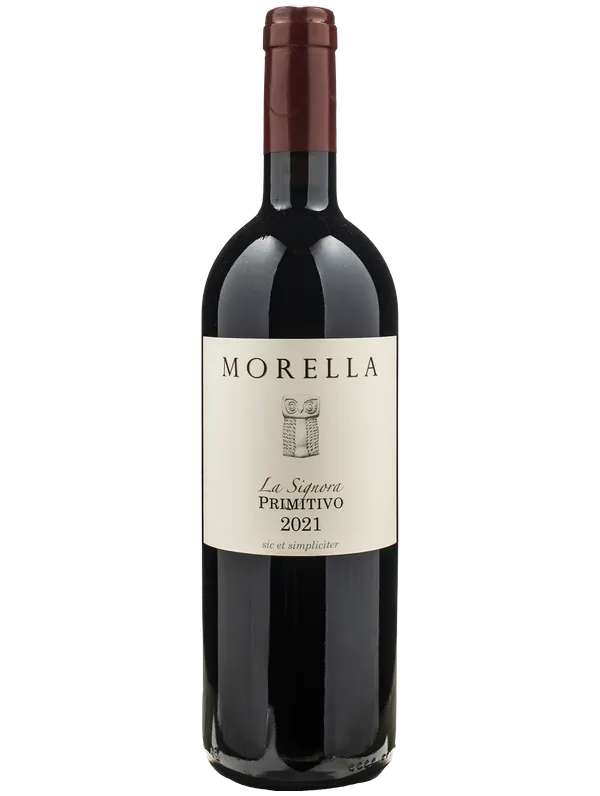
Morella Primitivo La Signora 2021
A single-vineyard Primitivo from Morella's old bush vines on red earth between Manduria and the sea. The 2021 is 16% alcohol and unfiltered, with cherry, blackberry and sweet spice. Best with braised meat.
View Wine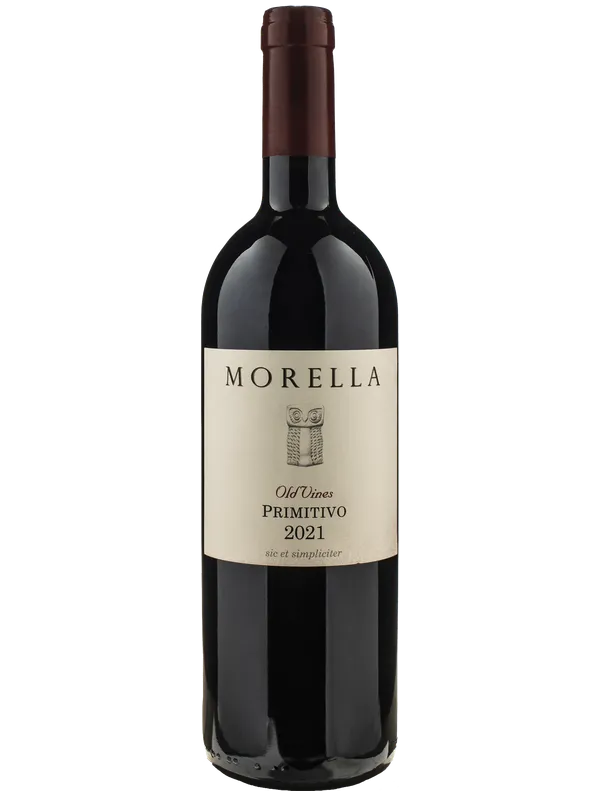
Morella Old Vines Primitivo 2021
A big Salento Primitivo from Morella's oldest bush vines, grown on red earth. The 2021 is 16% alcohol and unfiltered, with black cherry, prune, tobacco and oak spice. Best with red meat and aged cheese.
View WineFrequently asked questions
Laithwaites describes Farinelli as a seaside estate on the Adriatic coast of Abruzzo, run by Federica d'Amato and Pasquale Caldora with head winemaker Davide Dias. The reds are built on old-vine Montepulciano, the whites on Pinot Grigio, and the range is made specifically for the merchant's customers, which is why you will not find the name on an Italian shelf.
The Senti Prosecco Rosé is made by Viticoltori Ponte, a growers' co-operative at Ponte di Piave near Treviso founded in 1948, under head winemaker Damiano Canali; Virgin Wines' pages for other Senti cuvées credit winemaker Umberto Menini. All of it is Glera-based fizz from the Veneto, made for the wine club rather than under the co-op's own name, and our tasting notes cover the rosé in detail.
Not inherently. The brand model changes who owns the name, not the rules in the cellar: an own-label Chianti DOCG or Prosecco DOC must meet exactly the same legal standards as a producer-branded one. Co-op scale often makes the staples sharper value, while prestige, age-worthy wines still belong to named estates. Judge the denomination, the bottler line and the glass, not the passport of the brand.
It means bottled by, and it is the wording to check first. Imbottigliato da alone tells you the named company bottled the wine without necessarily having grown or made it, the norm for merchant labels. Imbottigliato all'origine means estate-bottled, and integralmente prodotto means one entity did everything. Our guide to reading an Italian wine label walks the whole label front to back.
Yes, and many are. Collezione di Paolo is a Chianti DOCG and Il Papavero Prosecco a DOC, because denominations certify where and how a wine is made, not who owns the brand on the front. The consorzio seal and lot rules apply identically. What the denomination cannot tell you is who bottled it, which is exactly what the bottler statement and its code exist to answer.