







Cerasuolo and Chiaretto: Italy's Serious Rosé Traditions
TL;DR
- Italy grows serious rosé under its own names: cherry-deep Cerasuolo d'Abruzzo and pale Lake Garda Chiaretto are deliberate styles with their own rules, not afterthought pink.
- If your default pink is pale Provence style, Italian rosato offers more colour, more structure and a wider range of food matches for similar money.
- Puglia holds Italy's only rosé DOCG, Castel del Monte Bombino Nero, while Sicily's Cerasuolo di Vittoria, despite the name, is a red.

Italy never called it rosé
Walk the pink aisle of a British supermarket and the range runs from pale salmon to slightly paler salmon. Provence set the template, and most of the wine world followed it. Italy, characteristically, did not. Its pink wines answer to rosato, and the two most serious traditions, Cerasuolo d'Abruzzo and the Chiaretto wines of Lake Garda, have been made with intent since long before pale became fashionable.
There is history behind that confidence. Italy's first bottled rosato was a wartime commission: in 1943, General Charles Poletti, supply commissioner for the Allied forces, asked for a large order of pink wine with an American-sounding name, and the Leone de Castris estate in Puglia answered with Five Roses, a Negroamaro rosato from Salento that is still bottled today.
What Italy never developed is the idea that pink means trivial. Rosato is a parallel craft to red and white winemaking, with its own denominations, its own release rules and, in one Puglian case, the country's only rosé DOCG. For the British drinker it is a genuinely useful stretch: these wines cost Provence money or less and bring far more variety to the table. This piece walks the two poles of the tradition, the cherry-red style of Abruzzo and the pale lakeside style of Garda, then maps the rest of Italian pink between them.
Cerasuolo d'Abruzzo: the cherry-red contrarian
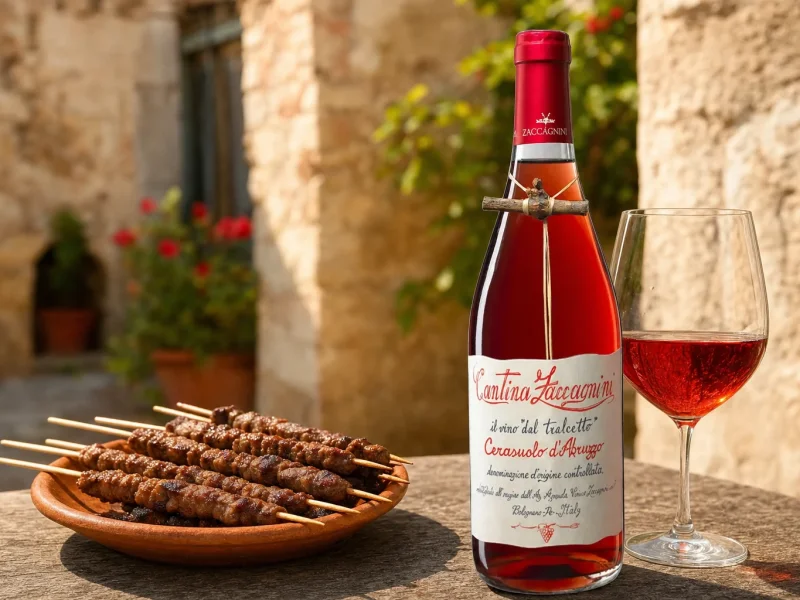
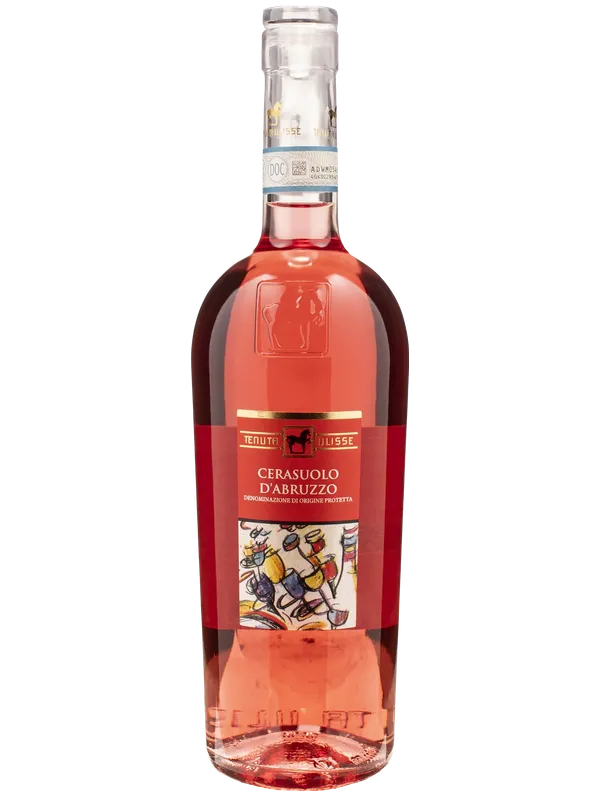
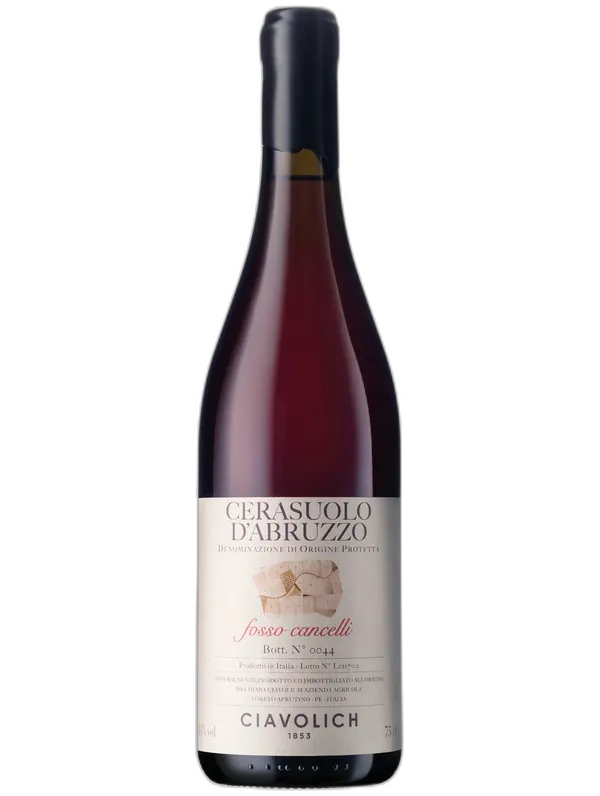
Cerasuolo takes its name from cerasa, dialect for cherry, and the wine wears it literally. This is the deepest-coloured serious rosato in Italy, made from at least 85 per cent Montepulciano, a grape so rich in pigment that even a few hours on the skins leaves a colour most producers elsewhere would call light red. Poured next to a Provence pale it looks almost transgressive, somewhere between wild salmon and morello juice.
For decades it lived inside the Montepulciano d'Abruzzo rulebook, until 2010, when it was carved out as a DOC of its own, complete with a Superiore tier. That separation mattered: it said the pink version of Abruzzo's great red grape was a destination, not a diversion. And if the grape's name trips you up, you are not alone: two very different wines share the Montepulciano name, and only one of them has anything to do with Tuscany.
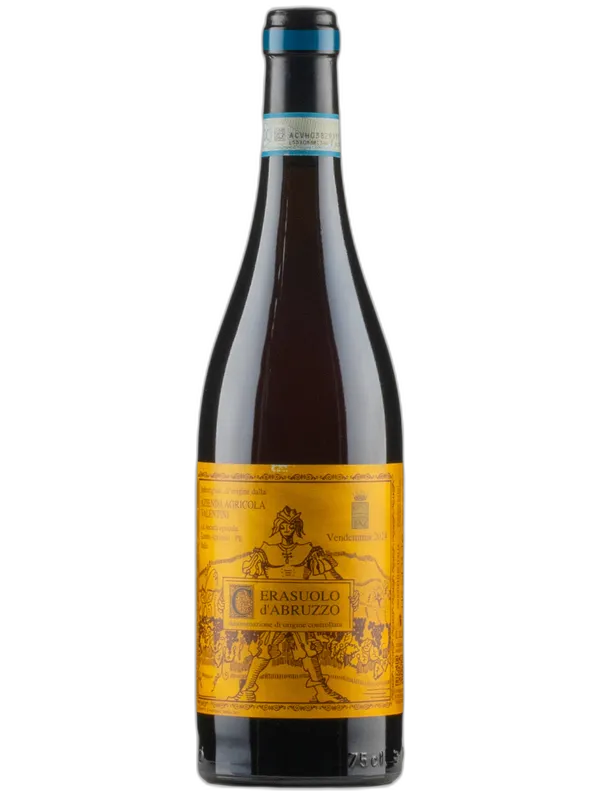
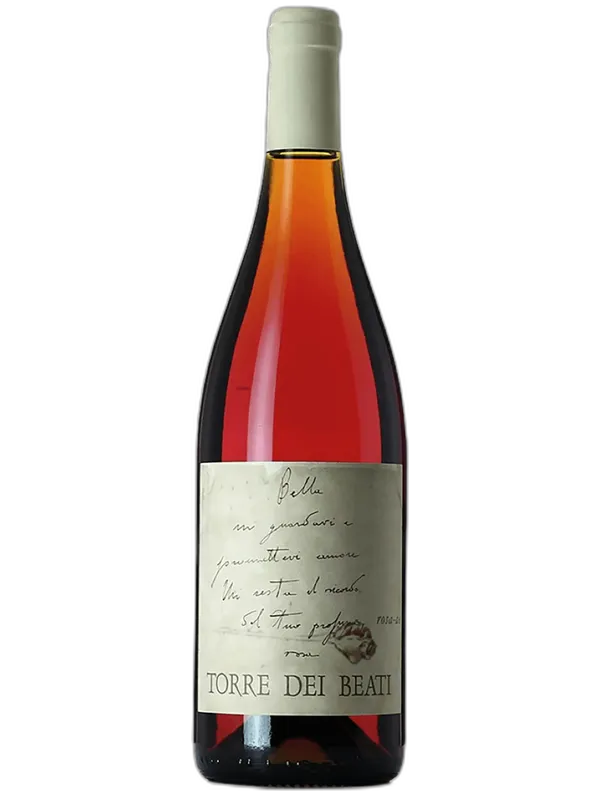
In the glass, Cerasuolo behaves like no other pink wine. There is red-cherry fruit, orange peel and a savoury, faintly bitter grip that comes straight from Montepulciano's skins. Producers such as Valentini, Emidio Pepe, Tiberio and Cataldi Madonna treat it with the seriousness of their reds, and the wider world has caught up: at the Concours Mondial de Bruxelles in 2024, a tasting of more than 1,200 rosés from 32 countries, a Cerasuolo d'Abruzzo took one of just 13 Grand Gold medals, as Gambero Rosso reported.
Chiaretto: Lake Garda keeps it pale
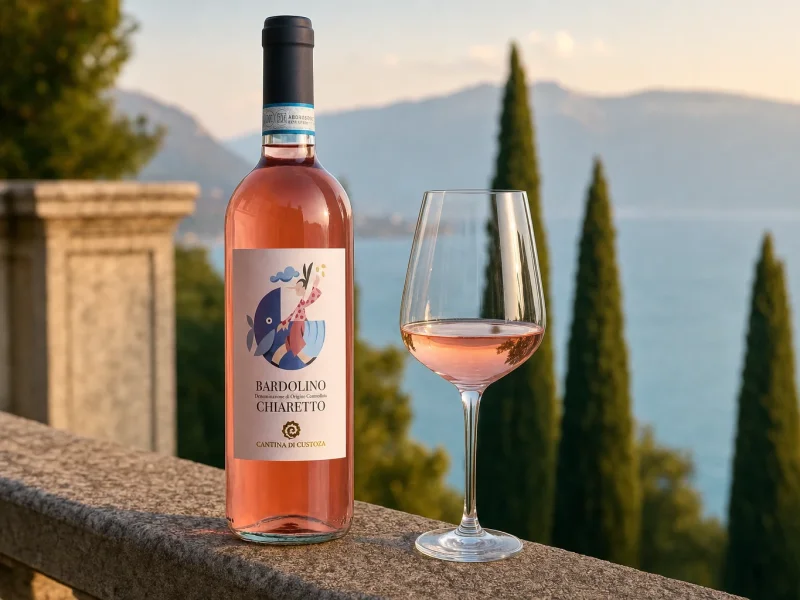
At the opposite end of the spectrum sits Chiaretto, from chiaro, meaning pale or light. It is made on both shores of Lake Garda, and the lake is the point: a huge, light-filled basin whose mild air lets red grapes ripen gently enough to give delicate, low-colour juice.
The eastern, Veneto shore makes Chiaretto di Bardolino from the same Corvina-led blend as red Bardolino. Its consorzio, founded in 1969 and covering sixteen lakeside municipalities, has spent the last decade steering the wine ever paler, drier and more citrus-fresh, a rare case of an Italian denomination consciously restyling itself around its rosato. The gamble paid off: at the 2024 Concours Mondial de Bruxelles a Chiaretto di Bardolino Classico was named the tasting's international rosé revelation.
The western, Lombardy shore answers with Valtènesi, built on the local Groppello grape across twenty-six communes of morainic hills above the Brescia shoreline. It is, if anything, even paler and more perfumed, all white peach and small red berries. Both shores also bottle a sparkling Chiaretto, a style worth chasing if your default Italian fizz is Prosecco and you fancy the pink lakeside alternative.
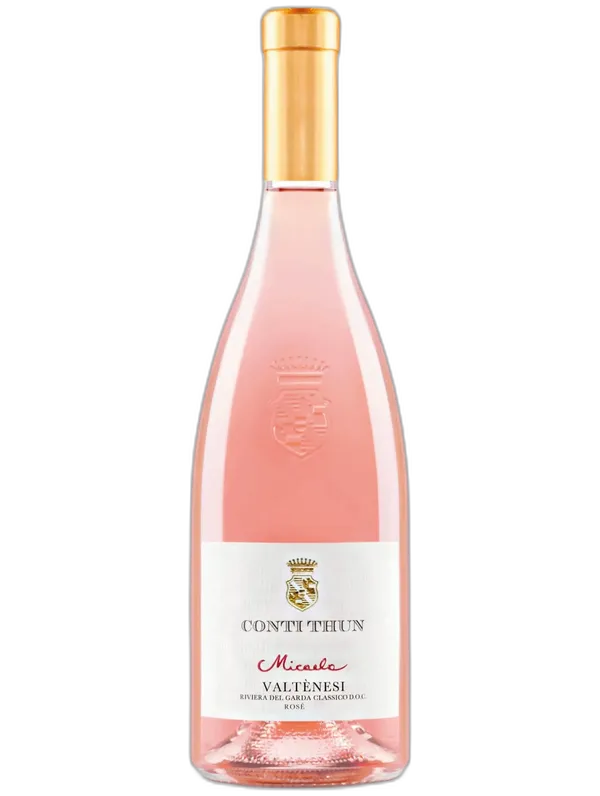
Riviera del Garda Classico Valtènesi DOC Micaela Conti Thun 2025
View Wine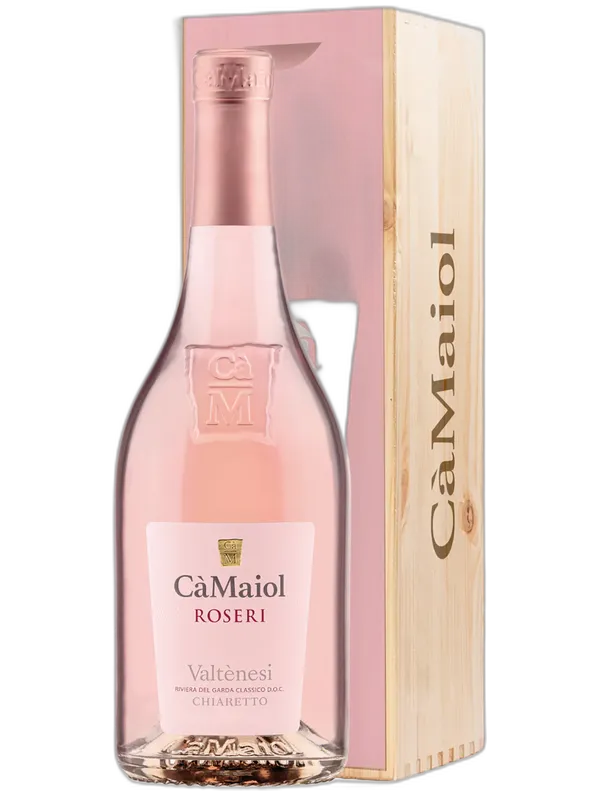
Riviera del Garda Classico DOC Valtènesi Chiaretto Roseri Cà Maiol 2025
View Wine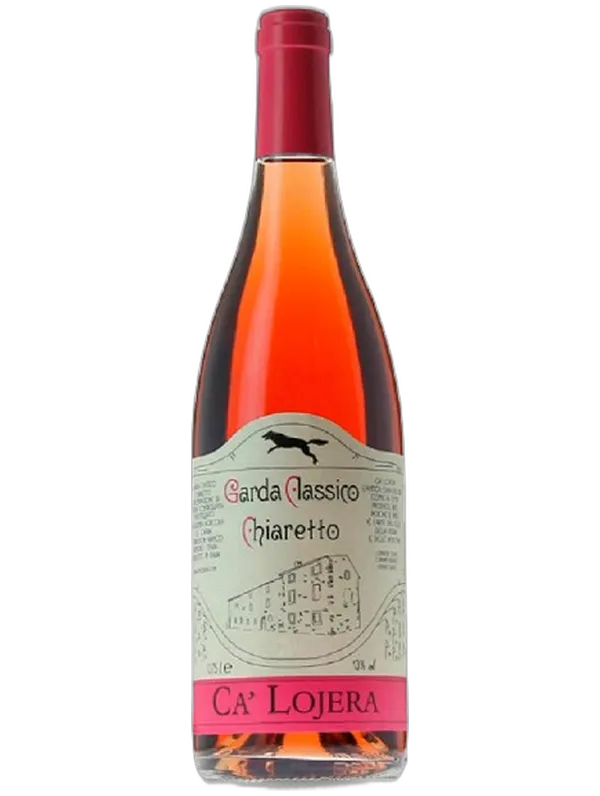
Ca’ Lojera Chiaretto Riviera del Garda Classico 2025
View Wine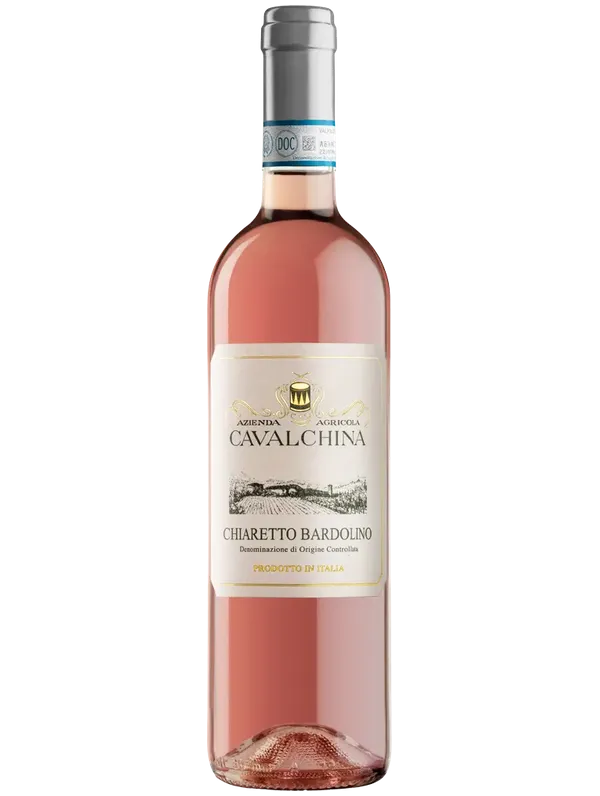
Bardolino Chiaretto Cavalchina 2024
View Wine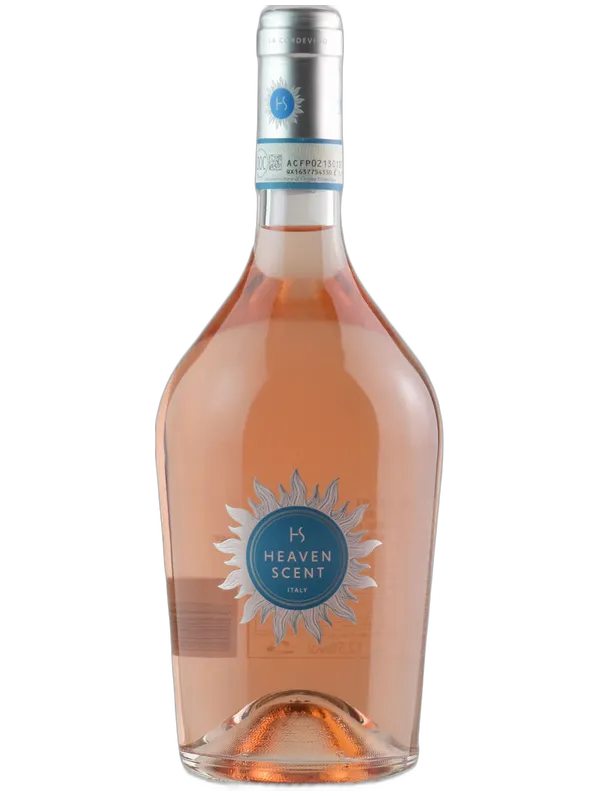
Bardolino Chiaretto DOC Heaven Scent Rosè Villabella 2021
View Wine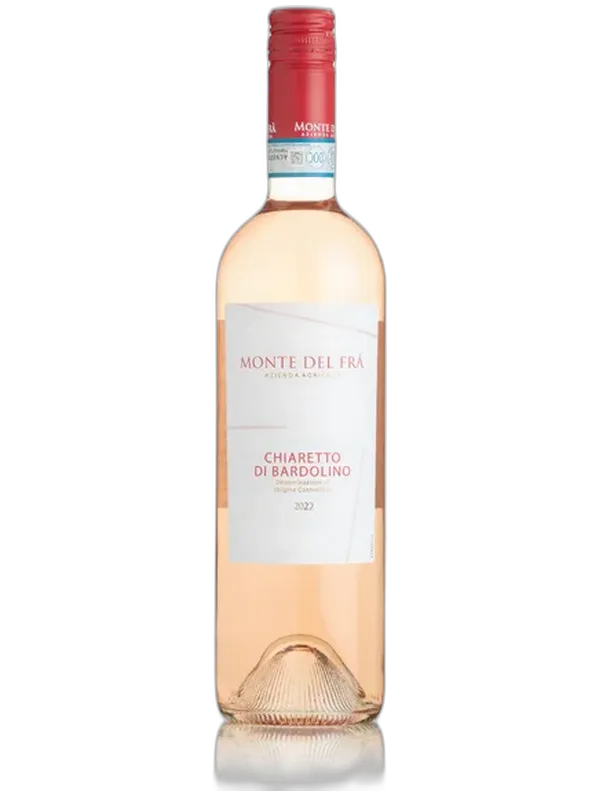
Chiaretto di Bardolino Monte del Fra' 2025
View Wine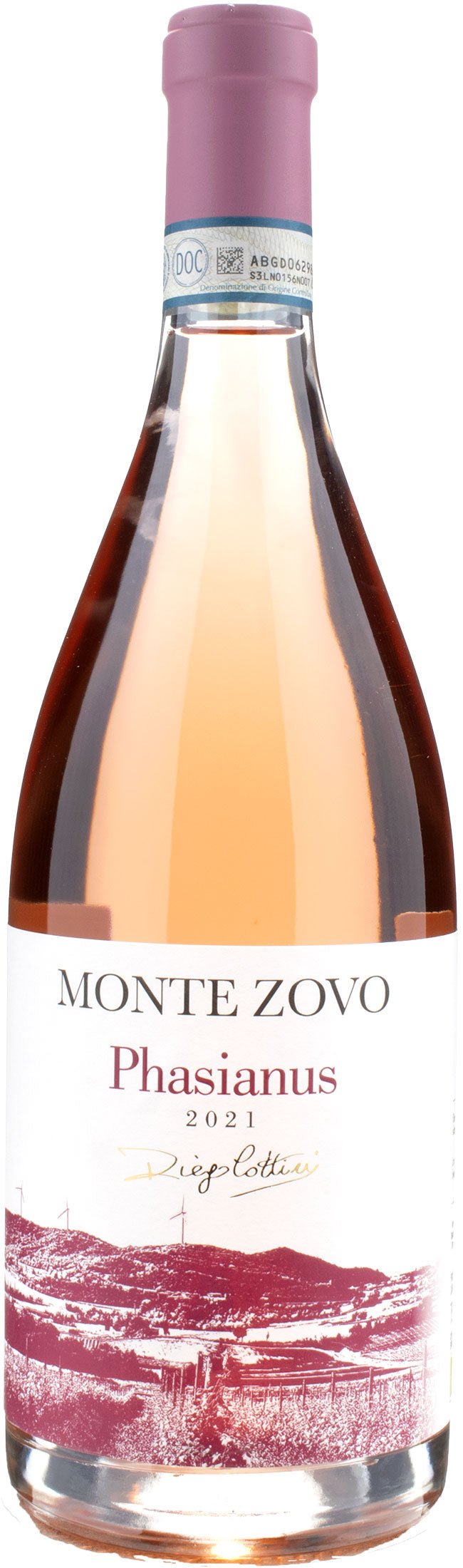
Monte Zovo Chiaretto di Bardolino Phasianus 2021
View Wine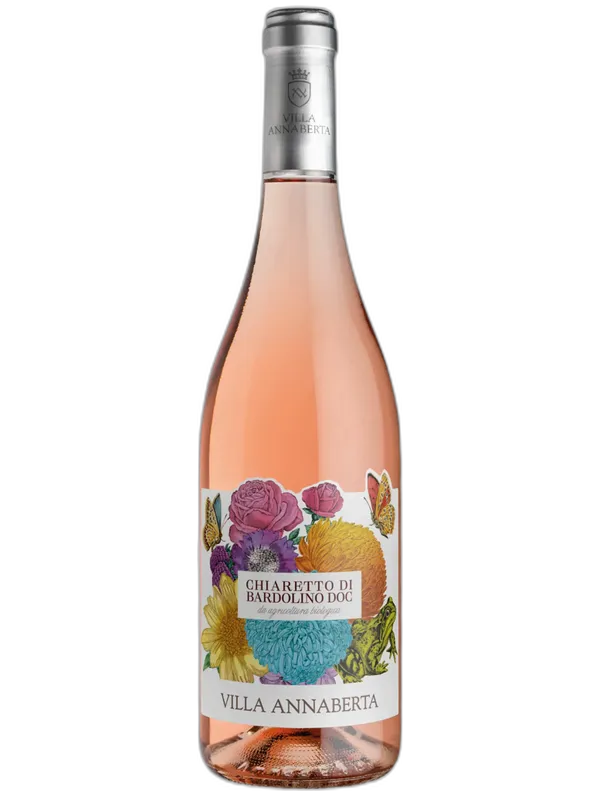
Chiaretto di Bardolino DOC Villa Annaberta Cottini 2025
View Wine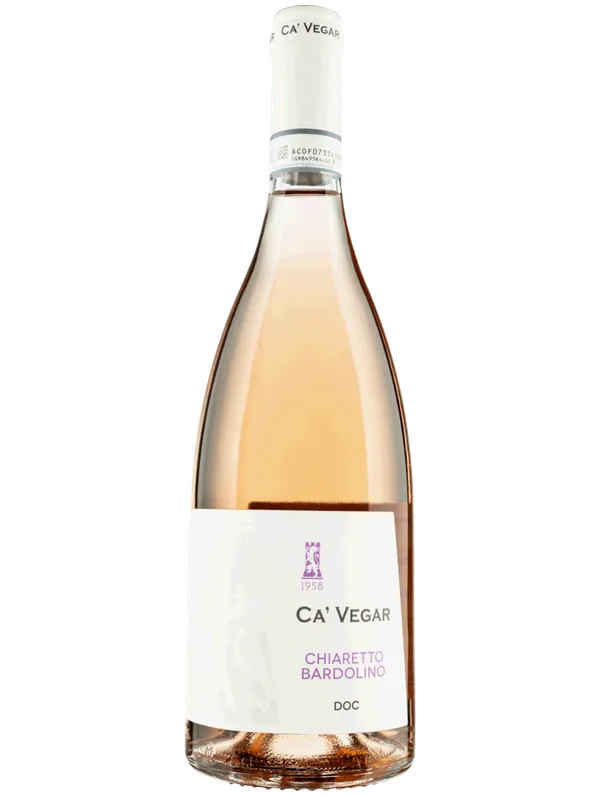
Ca' Vegar Bardolino DOC Chiaretto 2024
View WineFrom onion skin to cherry: reading the colour spectrum
Italian rosato is best understood as a spectrum of intent, not a single style. Colour is the honest signal of how a wine was made, but never of how good it is. At the pale end sit the Garda wines; in the middle, coral and cherry tones from the south; at the deep end, wines that flirt with light red.
| Tradition | Where | Lead grape | Colour | Character |
|---|---|---|---|---|
| Valtènesi | Lake Garda west, Lombardy | Groppello | Palest petal pink | Delicate, white peach, saline |
| Chiaretto di Bardolino | Lake Garda east, Veneto | Corvina | Pale coral | Citrus, redcurrant, brisk |
| Castel del Monte Bombino Nero DOCG | Puglia | Bombino Nero | Coral to cherry pink | Strawberry, raspberry, supple |
| Cerasuolo d'Abruzzo | Abruzzo | Montepulciano | Vivid cherry | Savoury, structured, faintly bitter twist |
| Salento rosato (IGT) | Puglia | Negroamaro | Deep coral | Ripe, mouth-filling, sunny |
Puglia deserves a special word. Bombino Nero, grown on the Murgia plateau around the octagonal castle of Castel del Monte, is the only rosé in Italy with DOCG status, granted in October 2011, and must make up at least 90 per cent of the blend. Further south, Negroamaro gives Salento its deep, generous pinks, the Five Roses lineage. And one warning for label readers: Sicily's Cerasuolo di Vittoria, despite sharing the cherry name, is a red wine and a DOCG, nothing to do with rosato. Sicily's real pink calling card grows on Etna, where Nerello Mascalese makes pale, mineral rosato on volcanic slopes better known for brooding reds.
Why they taste so different: skins, hours, intent
Every rosato starts the same way: red grapes handled almost like a white wine. Press the fruit quickly and ferment the pale juice cool, and you get Chiaretto's watercolour delicacy. Let the juice sit on the skins for some hours first, and colour, aroma and a little tannin leach in, which is the Cerasuolo route. Our guide to how rosé wine is made walks through the cellar steps; what matters here is that the choice is stylistic, not a shortcut.
Grape variety loads the dice. Montepulciano is one of Italy's most deeply pigmented varieties, so Abruzzo's winemakers could not make a ghost-pale pink if they tried, at least not honestly. Corvina and Groppello sit at the other extreme, thin-skinned and gently coloured, which is why Garda's wines stay pale without artifice. Dryness is the norm in both camps, and neither leans on oak.
Age is the last divider. Chiaretto and Valtènesi are wines of the year, at their best inside eighteen months. Cerasuolo's extra structure lets serious bottlings improve for several years, and Valentini's version is famously drunk at ten or more, an ageing curve closer to a light red than to anything the pink shelf usually promises.
Drinking them in Britain: what to pour, and when
Start with the vintage. For Garda pinks, buy the youngest on the shelf and drink it this summer; for Cerasuolo, a year or two of age is nothing to fear. Price is the quiet argument: fashionable pale rosé now carries a premium, while Italian rosato of equal or better craft often sits a few pounds lower on the same list, and our guide to reading an Italian wine list helps you spot the names once you are out.
At the table, treat the two poles differently. Chiaretto and Valtènesi are aperitivo and first-course wines: lake fish if you can get it, prawns, prosciutto and melon, a tomato-heavy pasta. Cerasuolo is a rosé that behaves like a light red, so give it food with char and fat: arrosticini or any grilled lamb, pizza from a proper oven, aubergine parmigiana. Serve the pale wines properly cold and Cerasuolo just a touch warmer, closer to cellar cool; our serving guide has the numbers.
And if what you actually wanted from pink wine was sweetness, Italy would rather pour you the real thing: its sweet wine tradition is a separate, glorious story. For everything else pink and Italian, from featherweight lake wines to cherry-dark contrarians, the rosato shelf rewards curiosity more than almost any corner of the country.
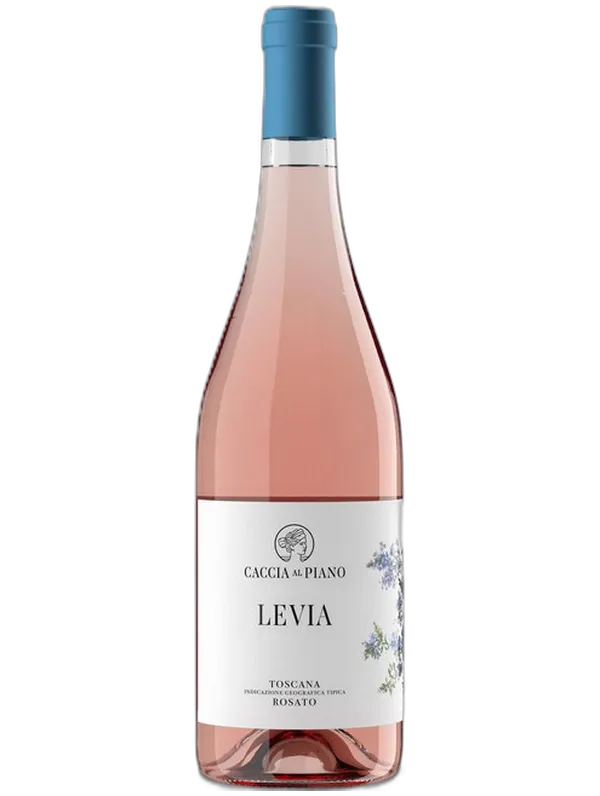
Levia Toscana Rosato 2024
Caccia al Piano splits this Bolgheri-estate rosato evenly between Syrah and Merlot, steel-fermented with four months on its spent yeast. Expect pale salmon colour, wild strawberry and pink grapefruit, a salty snap, and easy 12% drinking.
View Wine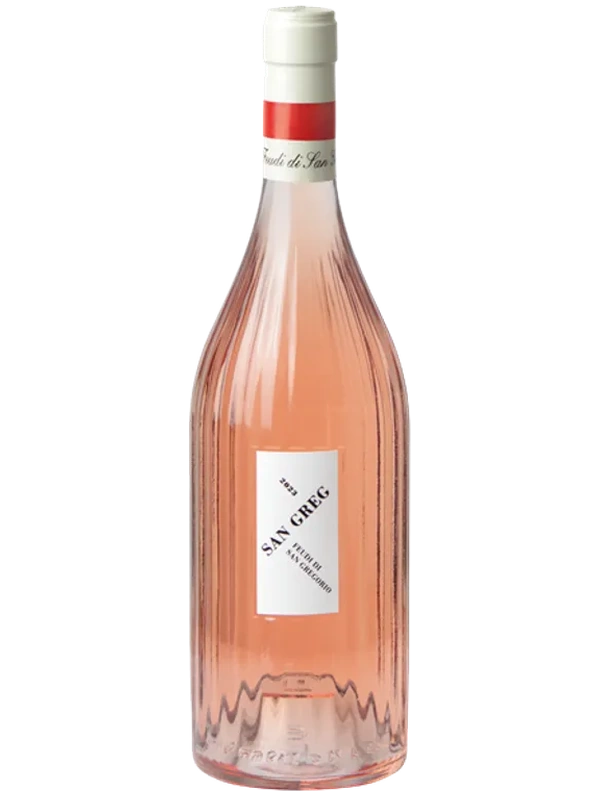
Feudi di San Gregorio, San Greg, Campania Rosato 2025
Feudi di San Gregorio's San Greg is a pale, dry Campania Rosato IGT from Aglianico grown on Irpinia hills up to 700m. Fresh flowers, wild strawberry and cherry over crisp stainless-steel freshness, an aperitivo rosé at around £19 to £25.
View Wine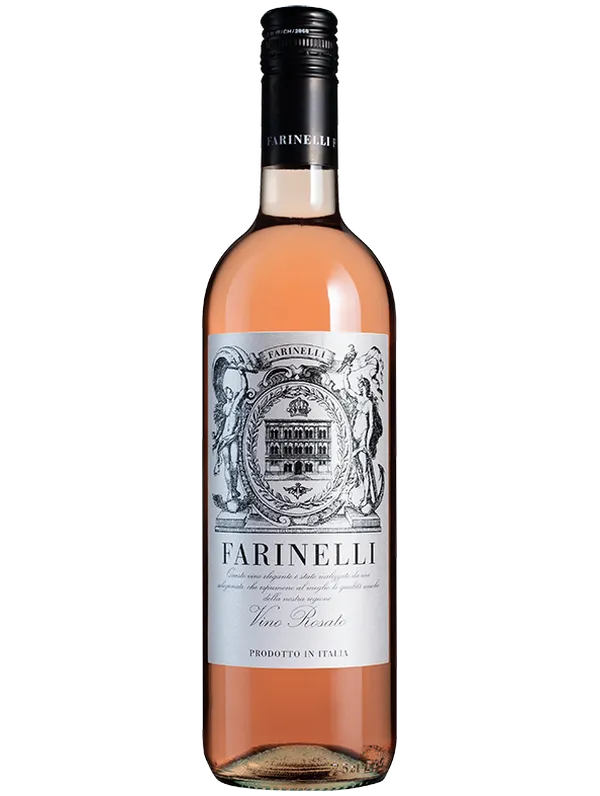
Farinelli Rosato
Laithwaites' own-label Abruzzo rosato: hand-picked Montepulciano with Merlot and a splash of Sangiovese. Deep pink and Medium Dry, all creamy strawberry and citrus tang at 11% ABV. A declassified Cerasuolo-style pink for the antipasti table.
View Wine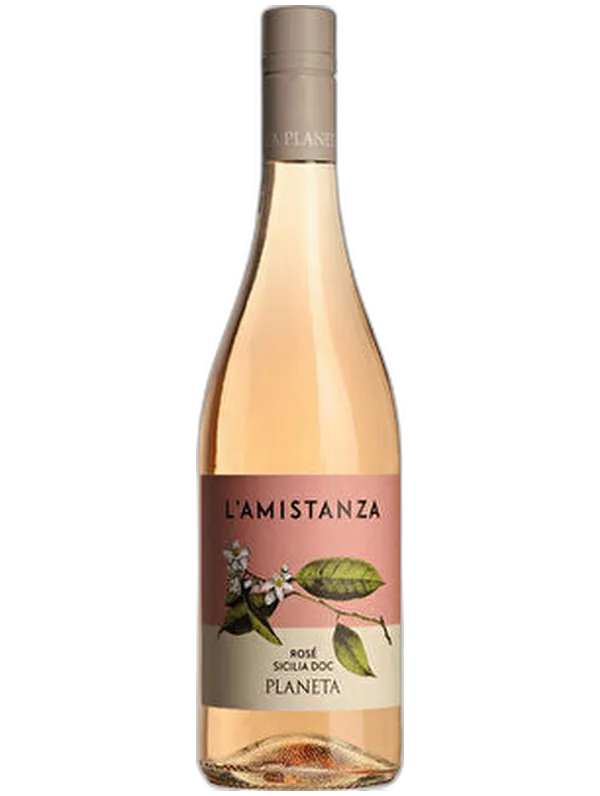
Planeta 'l'Amistanza' Rosato Organic, Sicilia DOC 2025
A pale, dry Sicilian rosé from Nerello Mascalese, Etna's red grape, made by Planeta from fully organic vines. Currants, pomegranate, plum and rosehip on gentle acidity. £17 at Majestic, £13 in a mixed six.
View Wine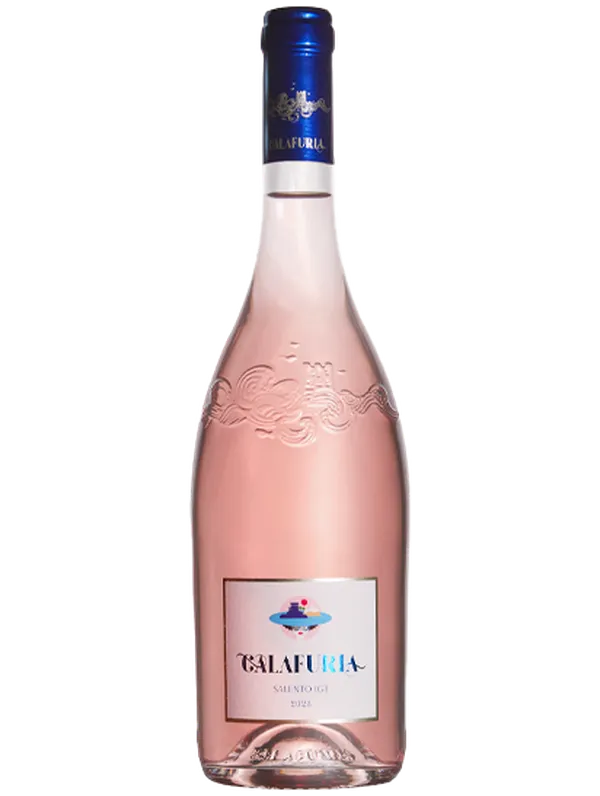
Calafuria Negroamaro Rosato Salento IGT 2025
Tormaresca's pale pink Puglian rosé, 100% Negroamaro from vines by the Adriatic at Masseria Maìme. Dry and 12%, with pink grapefruit, nectarine and a light salty finish. Drink within two years. About £17 to £23 a bottle in the UK.
View Wine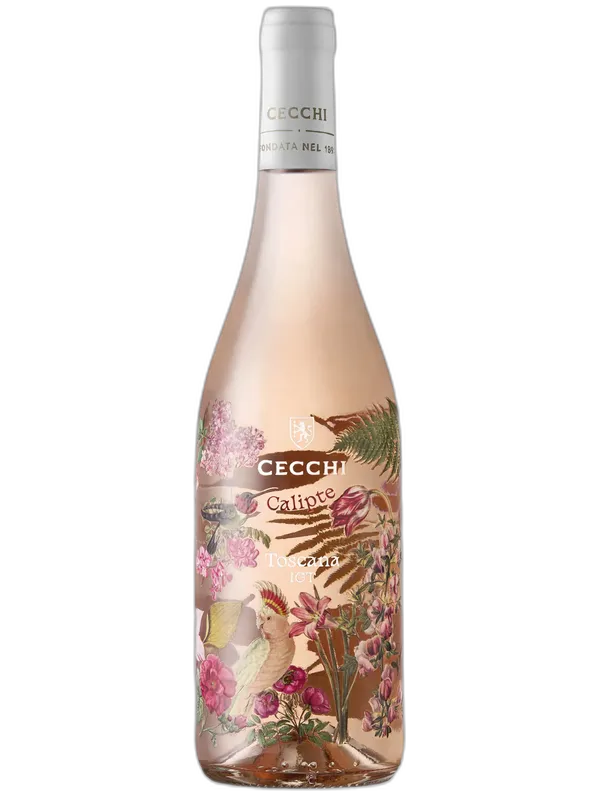
Toscana IGT Rosato Calipte Cecchi 2025
A pale Tuscan rosé made only from Sangiovese, grown on Cecchi's sandy Maremma land. No barrel, and two months in bottle, so the acacia and raspberry scent stays bright. Dry, light and 12%: an aperitivo wine that also handles shellfish.
View Wine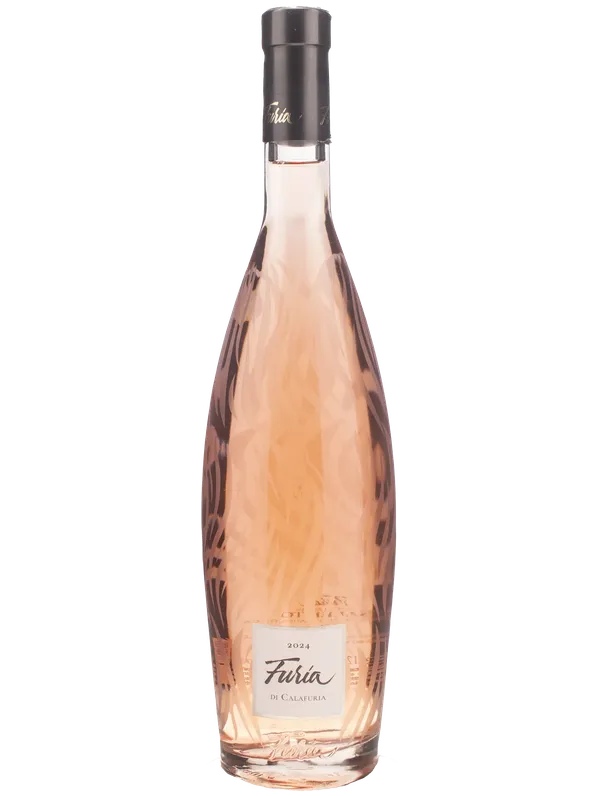
Salento Furia di Calafuria Rosato Tormaresca 2025
View Wine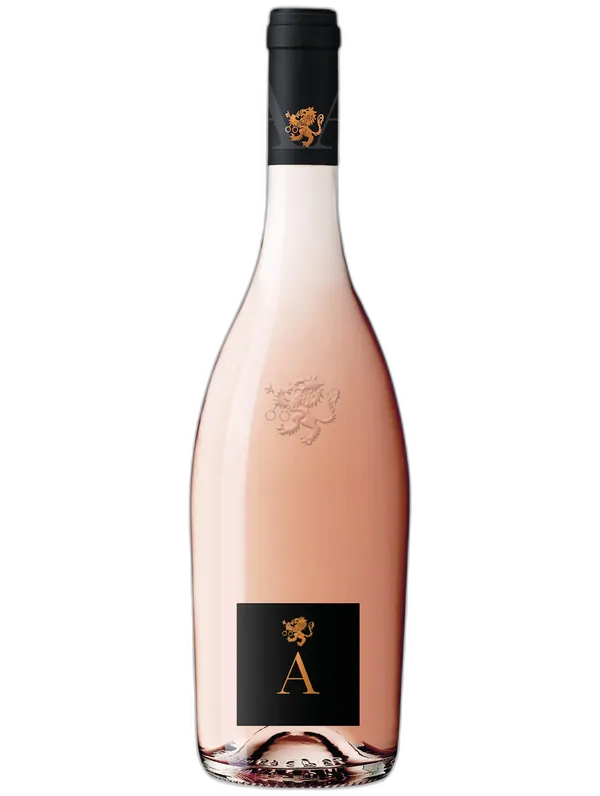
Toscana Rosato IGT A Fattoria Aldobrandesca 2025
View Wine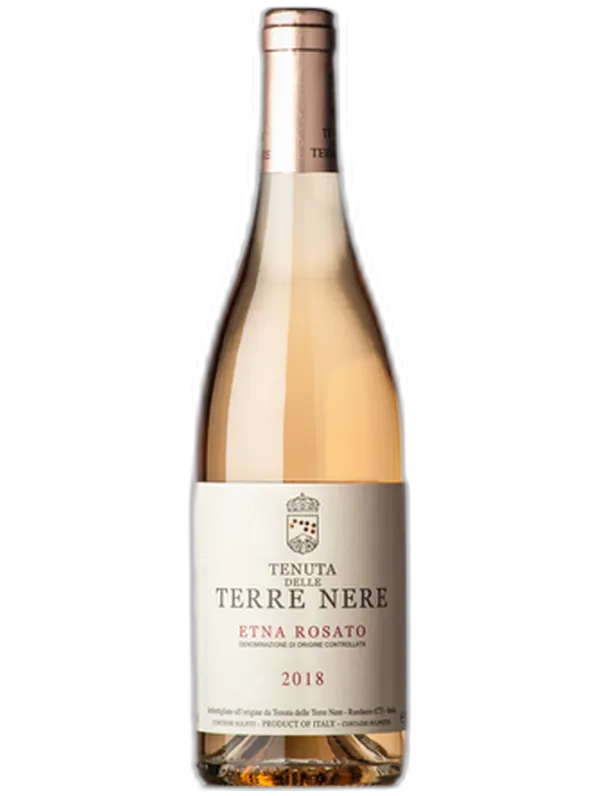
Terre Nere Etna Rosato 2025
View Wine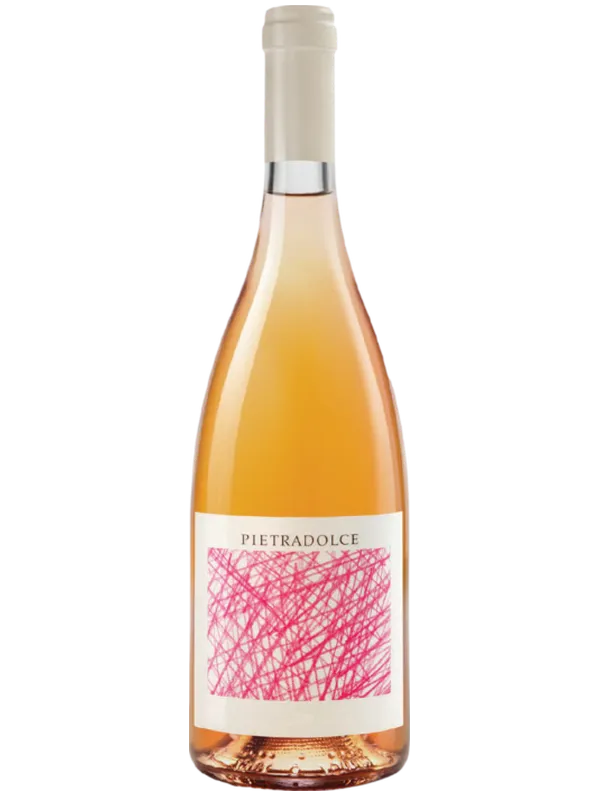
Pietradolce Etna Rosato 2025
View WineFrequently asked questions
Officially it is a rosato, with its own DOC since 2010, made from at least 85 per cent Montepulciano. In practice it drinks like the midpoint between the two: cherry-bright colour, real fruit depth and a gently tannic, savoury finish. Serve it cool rather than ice-cold and it will handle dishes you would normally steer towards a light red, which is exactly why Abruzzo's producers treat it so seriously.
They are the two shores of Lake Garda. Chiaretto di Bardolino comes from the Veneto side and leans on Corvina, giving pale coral wines full of citrus and redcurrant. Valtènesi comes from the Lombardy side and is built on Groppello, if anything paler and more perfumed. Both are dry, both are best young, and both also appear as sparkling versions worth seeking out.
Think of it as a rosé with red-wine manners. In Abruzzo the classic match is arrosticini, skewers of grilled lamb eaten by the dozen, and anything with char and a little fat works on the same logic: pizza, aubergine parmigiana, sausages, tomato-based pasta. Its gentle grip and savoury finish refresh where a paler pink would simply disappear under the food.
For the pale Garda styles, yes: buy the most recent year you can find and drink it within about eighteen months, while the citrus snap is intact. Cerasuolo d'Abruzzo is more forgiving, and structured bottlings improve for several years, with Valentini's famously drunk at a decade or more. Whatever the style, serve it properly chilled; our serving guide covers the details.
Just one: Castel del Monte Bombino Nero, from the Murgia hills of Puglia, promoted in October 2011. The rules require at least 90 per cent Bombino Nero, a grape whose loose bunches suit pink winemaking unusually well. Do not be caught out by Sicily's Cerasuolo di Vittoria: despite the cherry name it is a red wine, and its DOCG has nothing to do with rosato.