







Wine route
Valpolicella Classico Loop
Half day · 5 stops
Open the driveYour cellar, your trips, and the wines you've been tracking are right where you left them.
New here?
Free, always. Education first, we'll never sell you anything you didn't ask to see.
Already have an account?
Enter the email you signed up with and we'll send a link to choose a new password.
Veneto · DOCG
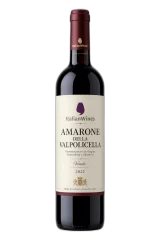
Amarone della Valpolicella is Veneto's flagship DOCG red, made from dried Corvina, Corvinone and Rondinella grapes. The appassimento takes 100 to 120 days in fruttai lofts. The berries lose nearly half their weight, which concentrates sugar and polyphenols. The wine that follows is dry and full-bodied, and it typically tops 15 percent alcohol.
Decode the label
One word on the front changes the ageing, the strength and the price.
On the label
Amarone della Valpolicella
the dried-grape giant
Corvina dried until December before pressing: black cherry, fig and spice at a strength no fresh grape gives.
In stock from £20.20 See the 63 bottles ↓On the label
Amarone Classico
the original five valleys
The historic heartland north-west of Verona, where the drying lofts and the cherry-tree hills started it all.
In stock from £19.12 See the 47 bottles ↓On the label
Amarone Riserva
four years before release
The longest-held wine of the Veneto: leather, dried plum and balsam notes take over from fruit.
In stock from £25.50 See the 26 bottles ↓The boundary
Everything on this page, the estates, the bottles, the sub-zones, sits inside this line.
Wine route
Half day · 5 stops
Open the driveWine route
1 day · 7 stops
Open the drive
Estate 1
Negrar · Classico
Tastings available
Estate 2
Fumane · Classico
Tastings available
Estate 3
Negrar di Valpolicella
Book online
Estate 4
Verona
Tastings available
Estate 5
S. Pietro in Cariano
Tastings available
Estate 6
Gargagnago · Classico
Tastings available
Estate 7
Illasi · The eastern valley
Tastings available
Estate 8
San Pietro in Cariano · Classico
Tastings available
Estate 9
Negrar di Valpolicella
Tastings available
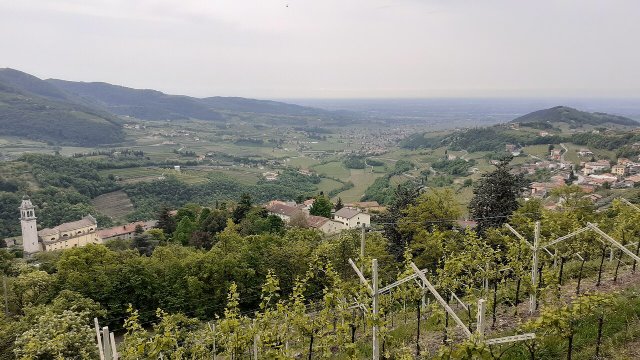
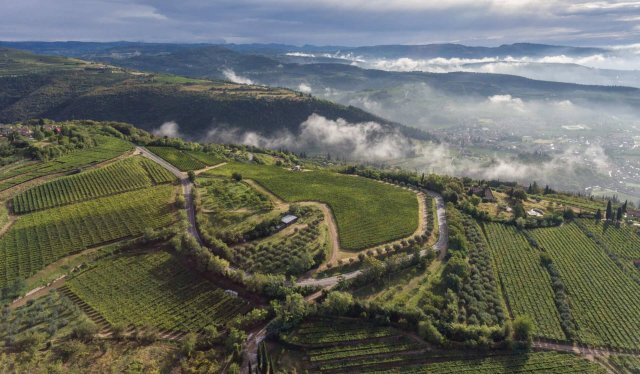
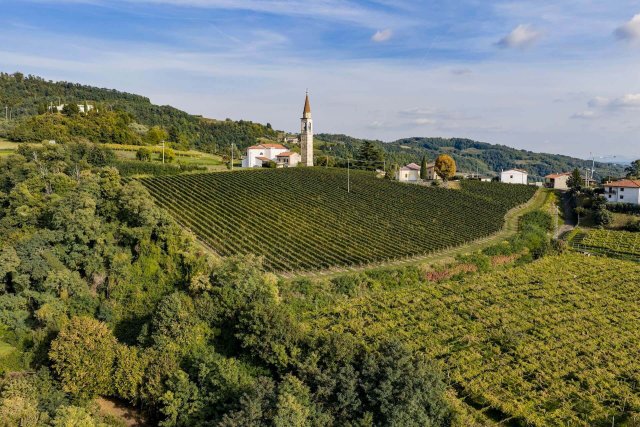
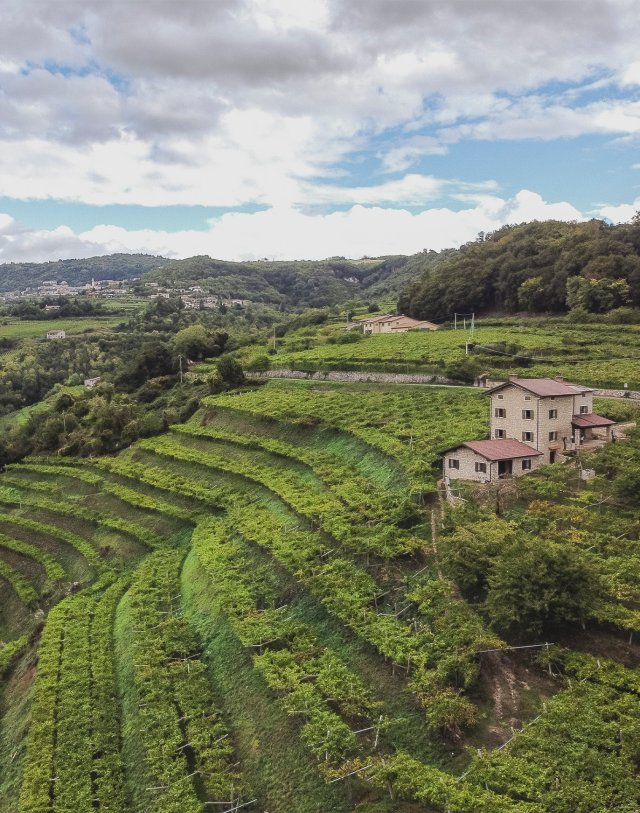
The same 19 communes as Valpolicella DOC, on the hills north of Verona: from the Classico valleys of Fumane, Marano and Negrar in the west, across the single-valley Valpantena, to the eastern ridges of Illasi and Tregnago. What changes for Amarone is not the map but the building: every zone needs its drying rooms, where whole bunches lose a third of their weight between harvest and the December pressing.
Inside the zone
Click or tap a pin for its estate. The numbered pins match the estate cards below.
Towns worth knowing
The five Classico communes; Grezzana holds the Valpantena valley, and Verona itself sits inside the DOCG's map.
In the glass

Black cherry

Prune
Cocoa

Leather

Liquorice
The disciplinare
The same table on every denomination page, straight from the production rules.
 Corvina and/or CorvinoneThe lead pair; Corvinone may stand in for Corvina45 to 95%RondinellaColour and resilience in the drying loft5 to 30%Other Verona redsNon-aromatic local varieties, jointly cappedup to 25%
Solid means the rules demand it. Striped means optional, up to that amount. The words on the right say the same rule.
The grapes wait until 1 December drying on racks before pressing; only a ministry derogation can move the date.
Only 40% of the fruit becomes wine the drying loss is written into the rulebook as a maximum yield of wine from grapes.
Two years of ageing, four for Riserva the Riserva clock starts earlier, on 1 November of the harvest itself.
Sweetness is capped on a sliding scale 9 g/l at 14% alcohol: Amarone must finish essentially dry, unlike its Recioto sibling.
No barrel is prescribed the law fixes time and strength; botte, barrique or neither is the house's choice.
Ageing and alcohol minimums per tier are in the label guide above.
Editor's cellar
By style, today
Live prices, compared across 24 UK retailers.
Cellar doors · inside the zone
9 working estates with their gates open, numbered to match their pins on the map above.
No estates match these filters. Clear a filter to see more.
Experiences in the Amarone della Valpolicella zone
Cellar experiences here average around €45. These are the strongest fits for this page.
Cantina Valpolicella Negrar
The guided tour offers a fascinating journey into the heart of the Valpolicella wine-making tradition. The experience begins in the Appassim…
Cantina Valpolicella Negrar
The guided tour offers a fascinating journey into the heart of the Valpolicella wine-making tradition. The experience begins in the Appassim…
Cantina Valpolicella Negrar
The guided tour offers a fascinating journey into the heart of the Valpolicella wine-making tradition. The experience begins in the Appassim…
Two names the label may add
Two geographic mentions may follow Amarone on a label: Classico for the five original communes, Valpantena for the single valley north-east of Verona.

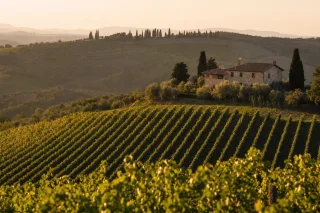
The original amphitheatre north-west of Verona: Fumane, Marano, Negrar, Sant'Ambrogio and San Pietro in Cariano, the five valleys the name Valpolicella first meant.
The single Pantena valley running north-east from Verona, the only other place name the label may carry.
The years
Reading the years
Excellent
The short version: 2016 towers over the decade; 2011, 2012 and 2015 drink richly now, and 2014 is the year to avoid.
Tap a year for its note.
After the harvest the grapes are laid out on bamboo mats or plastic trays in fruttai lofts. They dry from late September into January, roughly 100 to 120 days. Over that time they lose 35 to 45 percent of their weight. Fermentation then starts in cold winter cellars. Native yeasts work slowly on the concentrated must. DOCG rules require Corvina at 45 to 95 percent. Corvinone may replace up to half of the Corvina share. Rondinella sits at 5 to 30 percent, and complementary varieties may reach 25 percent. Ageing runs at least two years, counted from the January after the harvest. It usually happens in large Slavonian oak casks, in mid-size French casks, or in smaller barrels. Finished wines must reach at least 14 percent alcohol. In practice they often pass 15.
On the table
Dried-grape depth wants rich, slow food: game, mature cheese and the bitter edge of radicchio risotto all stand up to it.


Risotto al Radicchio, known for its slightly bitter and nutty flavor from the radicchio, can be paired effectively with a red wine that has little or no tannins.
In-depth guide
Dried and intense: black cherry, dried fig, raisin, cocoa, leather and sweet spices. The finish is dry, the alcohol runs hot and the tannins are firm. The dried grapes give the weight and concentration, and the long ageing adds the savoury edges.
Fresh Corvina, Corvinone and Rondinella grapes dry on mats in fruttai lofts for 100 to 120 days. They lose 35 to 45 percent of their weight. The concentrated must then ferments slowly in cold winter cellars. It ages at least two years, usually in oak.
Rich, slow-cooked meat. Brasato al Amarone is the braise named after the wine. Ossobuco and wild boar ragu work too, as do aged hard cheeses such as Monte Veronese stravecchio or Parmigiano Reggiano 24 mesi. The weight of the wine needs protein and umami to match.
Valpolicella is a light, fresh red from the same grapes, with no drying. Amarone uses fully dried grapes, long ageing and 14-plus percent alcohol. Ripasso takes Valpolicella base wine and ferments it again over Amarone skins. It sits in between the two on body and on price.
It is drinkable from 5 years after the vintage, and at its peak between 8 and 15 years. The best Riserva bottlings, with their 4-year minimum ageing, keep for 20 to 30 years in good cellar conditions.
It is a smaller named zone inside the denomination. It covers the five original Valpolicella towns north-west of Verona: Negrar, Marano, Fumane, Sant'Ambrogio and San Pietro in Cariano. These hillside vineyards are generally regarded as the quality heartland.
Explore more Veneto
Same region only: the denominations Amarone della Valpolicella drinkers reach for next.