Northern Italy

Emilia Romagna Lambrusco fizz, Sangiovese sunsets

Italy's pasta plains pour fizzy Lambrusco from Modena and Reggio, ageworthy Sangiovese di Romagna, Albana DOCG whites, and Bologna's gentle Pignoletto.

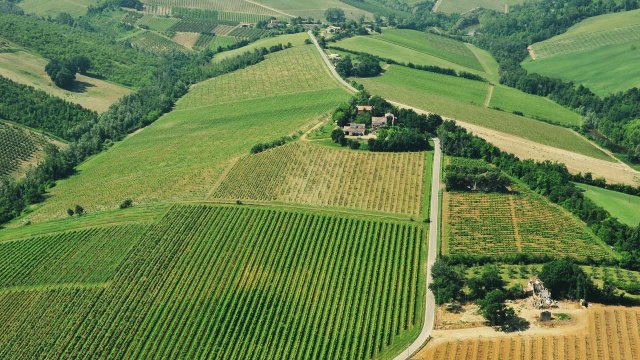
Emilia-Romagna stretches across the broad Po plain from Piacenza in the west to the Adriatic coast at Rimini, splitting cleanly into two wine cultures. Emilia, the western half, is Lambrusco country: four DOCs around Modena and Reggio Emilia produce purple, fizzy reds built for mortadella, prosciutto and tortellini.

Romagna, on the eastern side, leans on Sangiovese di Romagna and the Albana grape, the first Italian white to win DOCG status in 1987. Between the two, the Apennine foothills around Bologna ripen Pignoletto for Colli Bolognesi DOCG, and Piacenza's Colli Piacentini blend Barbera with Croatina to make Gutturnio.

With around 52,000 hectares under vine and roughly seven million hectolitres a year, Emilia-Romagna is one of Italy's largest wine regions by volume, but the wines are still designed first to drink with food.

31
Wines in stock
35
Denominations
6
Heritage grapes
£8 +
Starting price
01 · Wine Areas6

Where Emilia Romagna wine takes shape

The named places that explain the region's grapes, styles, and labels, plotted across the map.

01

Emilia (Modena and Reggio)

Lambrusco country on the Po plain, where Modena and Reggio Emilia ferment four DOC styles of fizzy purple red.

The flat, fertile plain that runs north from the Apennines into the Po river is Italy's most prolific Lambrusco zone. Modena and Reggio Emilia together account for the lion's share of regional production, with Lambrusco di Sorbara, Lambrusco Grasparossa di Castelvetro, Lambrusco Salamino di Santa Croce, Modena DOC and Reggiano DOC all working different clones of the Lambrusco family.

Sorbara is the palest, sharpest and most fragrant style, made famous around Bomporto and the river bend villages. Grasparossa, from the Castelvetro hills south of Modena, is darker, more tannic and pairs naturally with gnocco fritto and salumi. Salamino, planted on the plain east of Modena, sits between the two for body. Reggiano covers a broader area and includes the white-grape Spergola.

Lambrusco di SorbaraDOC Lambrusco Grasparossa di CastelvetroDOC Lambrusco Salamino di Santa CroceDOC Red grapeLambrusco Red grapeTrebbiano Red grapeMalvasia
02

Colli Piacentini

Hill country south of Piacenza where Barbera and Croatina blend into Gutturnio and Malvasia di Candia Aromatica turns sappy.

The four river valleys south of Piacenza (Tidone, Trebbia, Nure and Arda) climb from the Po plain into the Apennine foothills. Soils swing from clay-loam in the lower valleys to limestone-marl higher up, where reds gain structure and whites keep acid.

Gutturnio is the signature blend of Barbera and Croatina (locally Bonarda) and is bottled still, frizzante and superiore. Ortrugo is a lean, salty white made for aperitivo, and Malvasia di Candia Aromatica gives one of Italy's most distinctive aromatic whites. Bonarda Frizzante is a regional sweet spot for everyday drinking.

Colli PiacentiniDOC GutturnioDOC OrtrugoDOC Red grapeBarbera Red grapeCroatina Red grapeBonarda
03

Colli Bolognesi

The first hills above Bologna, home of Pignoletto DOCG and a quietly serious zone for Cabernet and Sauvignon.

Colli Bolognesi rolls along the Apennine ridge from Sasso Marconi to Castel San Pietro, looking down on the Via Emilia and the city of Bologna. The 2010 promotion of Pignoletto Classico to DOCG (later restructured as Colli Bolognesi Pignoletto DOCG) confirmed the variety as one of the region's finest dry whites.

Pignoletto is grown on alternating clay, sandstone and gypsum bands, often producing a citrussy, gently bitter white that finishes savoury. The same hills also produce Sauvignon, Pinot Bianco and small but ageworthy bottlings of Barbera and Cabernet Sauvignon. The Colli d'Imola sub-zone reaches towards Romagna with its own Pignoletto and Albana plantings.

Colli Bolognesi PignolettoDOCG Colli BolognesiDOC Colli d'ImolaDOC White grapePignoletto Red grapeCabernet Sauvignon Red grapeBarbera
04

Romagna

From Imola to Rimini, Sangiovese di Romagna and Albana DOCG carry the region's eastern half across clay hills and seaside vineyards.

Romagna is the eastern half of the region, running south from the Lamone river to the Conca and east to the Adriatic. Sangiovese is the dominant red grape and has its own Romagna Sangiovese DOC with sub-zones at Predappio, Bertinoro, Modigliana, Brisighella, Castrocaro and others, each pushing the variety in a different direction.

Albana di Romagna was the first Italian white promoted to DOCG (1987) and is bottled secco, amabile, dolce and as a passito. Pagadebit, Trebbiano di Romagna and the local Cagnina (Refosco) round out the still-wine repertoire. The hills of Bertinoro and Brisighella now sit at the centre of a quiet quality push for terroir-driven Sangiovese.

Romagna AlbanaDOCG RomagnaDOC Sangiovese di RomagnaDOC Red grapeSangiovese Red grapeAlbana Red grapeTrebbiano
05

Colli di Parma

Slopes between Parma and the Apennines bottling Malvasia, Sauvignon and the local frizzante Lambrusco di Parma.

The first hills south of Parma sit between the Lambrusco plain and the Tuscan Emilian Apennines. Colli di Parma DOC makes light, food-friendly reds from Barbera and Bonarda, lean whites from Malvasia and a small but distinctive Sauvignon. Most production is frizzante and sold within the province.

Fortana del Taro IGT covers the western edge towards the Taro river. The wines were built to wash down the prosciutto, culatello and Parmigiano of the Parma food economy, and the style remains pointedly low in tannin and quick to drink.

Colli di ParmaDOC Fortana del TaroIGT Red grapeBarbera Red grapeMalvasia Red grapeBonarda
06

Bosco Eliceo

A coastal sand strip between the Po delta and the Ravenna pinewoods, the only Italian DOC built on Fortana grown on its own roots.

Bosco Eliceo runs along the Adriatic dunes from the Po delta down to Ravenna. The sandy soil resists phylloxera, so vines are still grown ungrafted, an oddity in Italian viticulture. Fortana, locally called Uva d'Oro, makes a tart, salty, frizzante red that local cooks pour with eel from Comacchio and stewed shellfish from the lagoon.

Merlot, Sauvignon and Trebbiano round out the DOC, but Fortana is the reason the area exists on a wine map. Production is small and local, with a strong agriturismo and food culture pulling visitors off the coast road.

Bosco EliceoDOC Red grapeFortana Red grapeMerlot Red grapeTrebbiano
02 · Regional Guide6

Understanding Emilia Romagna

Layered notes on terroir, history, label rules, taste, drinking window and where to start.

03 · Wines To Know6

What to drink from Emilia Romagna

A short shortlist that maps the region: benchmark reds, signature whites and the labels worth a step-up.

04 · Heritage Grapes7

The grapes behind the bottle

7 curated guides with editorial content. Pronunciations, traits and the regional footprint of each variety.

Browse all grape guides

05 · Editor's Picks31

Wines from Emilia Romagna

A starter selection from the catalogue. Pour them as a regional flight.

View all 31 wines

06 · La Tavola5

The table of Emilia Romagna

Mountain, pasture and coast on one plate. Pour the regional wine alongside.

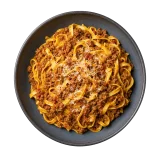
Emilia-Romagna's table is built around pork and egg pasta. Bologna's tagliatelle al ragu asks for a young Sangiovese di Romagna; Modena's tortellini in brodo wants a low-tannin Lambrusco di Sorbara to cut the richness.

Parma's prosciutto and Parmigiano slabs match Malvasia di Candia Aromatica from Colli Piacentini, while gnocco fritto and salumi platters drink best with chilled Lambrusco Grasparossa di Castelvetro.

For piadina romagnola filled with squacquerone and rocket, pour a citrussy Pignoletto from Colli Bolognesi. Cassatella di Modena and Albana di Romagna passita close the meal, an unusual sweet-white pairing to the region's most famous pasta plain.

07 · On The Ground15

Explore Emilia Romagna by place

Wine routes, towns and wineries to follow when you go.

Wine routes

Wine towns

Wineries to follow

08 · Common Questions9

Ask the sommelier

Quick answers about Emilia Romagna. Numbers, denominations, food and what to start with.

Lambrusco. Sparkling red wines from Modena and Reggio Emilia (Lambrusco di Sorbara, Lambrusco Grasparossa di Castelvetro, Lambrusco Salamino di Santa Croce, Modena and Reggiano DOC) make up the largest share of regional production. Romagna's Sangiovese DOC, Albana DOCG and Bologna's Pignoletto DOCG are the other key names.

Not necessarily. Modern Lambrusco runs from fully dry (secco) through off-dry (semisecco) to amabile and dolce. Lambrusco di Sorbara is most often dry, Grasparossa di Castelvetro can be dry or amabile, and the export-styled Lambrusco of the 1970s and 1980s gave the wine an undeserved reputation for being uniformly sweet. Look for secco on the label for the dry style.

Albana is the white grape behind Romagna Albana DOCG, the first Italian white granted DOCG status in 1987. It is bottled in four styles: secco (dry), amabile (off-dry), dolce (sweet) and passito (a dried-grape sweet wine of dried apricot, honey and saffron). Bertinoro and Oriolo dei Fichi are the two best-known sub-zones.

Gutturnio is a Colli Piacentini DOC blend of Barbera and Croatina (locally called Bonarda), bottled in three guises: a still Classico, a frizzante for everyday drinking, and a Superiore Riserva for ageing. The wine is named after the gutturnium, a Roman silver cup found near the Trebbia river.

Tuscan Sangiovese (Chianti, Brunello, Vino Nobile) tends to lead with cherry, leather and dust. Romagna Sangiovese, grown on the Adriatic side of the Apennines on heavier clay and the marine spungone of Bertinoro, is often a touch riper and rounder, with red plum, blood orange and savoury herbs. Modigliana and high-altitude Brisighella sub-zones now make wines that drink closer in style to cool-climate Tuscan reds.

Match the wine to the local cooking. Lambrusco di Sorbara cuts the richness of tortellini in brodo and prosciutto di Parma. Grasparossa di Castelvetro stands up to gnocco fritto, salumi and braised pork. Sangiovese di Romagna is the natural partner for tagliatelle al ragu and grilled meats, while Albana DOCG secco drinks well with piadina and squacquerone, and the passito closes a meal beside hard cheese or biscotti.

We currently list 31 wines from Emilia Romagna, starting from £8.48. Browse them all on our wines page.

We currently curate 7 active Emilia Romagna grape guides, including Lambrusco, Barbera, Bombino Bianco, Malvasia di Candia, Merlot, and more. This is an editorial selection, not the complete regional grape list.

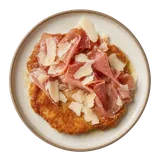
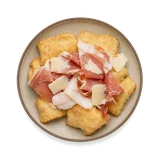
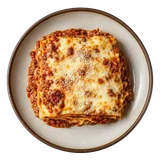
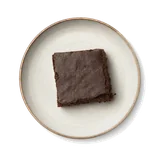
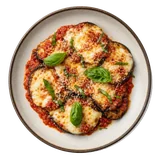
Emilia Romagna is renowned for dishes including Cotoletta alla bolognese, Gnocco fritto, Lasagna, Torta Barozzi.

09 · Keep Exploring

Your next pour

More of Northern Italy, with similar terroir and table.

Wine styles made in Emilia Romagna

Italian Red wine

Red

Italy's boldest expression, structured, complex, built for food

13 wines 14 grapes 2 denominations From £8.48
Explore red
Italian White wine

White

Crisp and versatile, from alpine freshness to Mediterranean warmth

15 wines 14 grapes From £10.52
Explore white