








What's Changing on Italian Wine Labels in 2026
TL;DR
- Italy's 2026 label updates rewrite three famous names at once, led by a brand-new official rose from the giant Chianti denomination.
- For anyone buying Italian wine in the UK it means a Chianti rose on shelves from summer, a new word, Classese, on Lombardy's sparkling bottles, and a shorter name on top Marche whites.
- The clearest example is Chianti DOCG, where a Sangiovese-led rose now joins the familiar red, while Castelli di Jesi quietly drops Verdicchio from its grandest label.

Why 2026 Is a Big Year for Italian Wine Labels
Italian wine has never stood still, but 2026 has brought an unusually busy run of changes to what appears on the bottle. Three well-known names are being rewritten at once: a giant Tuscan denomination is launching its first official rose, a historic sparkling-wine zone in Lombardy has adopted a brand-new word for its bottles, and a benchmark white from the Marche is quietly dropping its grape from the label. None of it changes how the wines taste tomorrow morning, but together the moves signal how Italy is rethinking the way it presents itself to drinkers.
If the alphabet soup of DOC, DOCG and IGT already feels like a lot, it helps to start with the fundamentals. Our guide to how to read an Italian wine label walks through the anatomy of the bottle, while decoding the DOP, IGP, DOC and DOCG system explains what each tier actually guarantees. For the wider geographic picture, Italy's wine zones explained maps how regions and appellations fit together. This piece picks up where those leave off, looking at what is genuinely new for 2026.
Chianti Goes Pink: The New Chianti DOCG Rose
The headline change comes from one of Italy's most recognisable names. Chianti DOCG, the sprawling Tuscan denomination behind millions of everyday bottles, has won approval for an official rose. Published in the Italian Official Gazette in June 2026, the revised production rules add a pink version to a denomination most drinkers know only in red, the result of a process the Consorzio Vino Chianti began back in 2020.
The new Chianti rose stays true to its roots. It is led predominantly by Sangiovese, the same grape that gives Chianti its red, alongside other native varieties and a small share of white grapes such as Trebbiano. The Consorzio expects the style could reach around 10 million bottles a year at full capacity, a serious volume for a category built from scratch. In the glass it points to a dry, Sangiovese-driven pink made more for the aperitivo hour and the summer table than the cellar. Producers were cleared to use fruit from the 2025 harvest, so 2026 becomes the first real test of how drinkers respond.
It is worth being precise about which Chianti this is. The rose belongs to the broad Chianti DOCG, not its smaller, pricier neighbour Chianti Classico, whose famous black rooster covers a separate hillside zone. The same revision also recognised a new subzone, Terre di Vinci, in the countryside once roamed by Leonardo. For anyone who thinks of Sangiovese only as a structured red, the distance between a serious bottle of Brunello di Montalcino and a fresh, summery rose shows just how wide one grape's range can be.
Frescobaldi Montesodi Chianti Rufina Riserva 2022
Frescobaldi's single-vineyard Sangiovese from a 400m schist plot on the Castello Nipozzano estate, named Chianti Rufina's first cru in 1974. Aged in 30hl French and Austrian oak casks: cherry and violet with leather, tobacco and silky tannin.
View Wine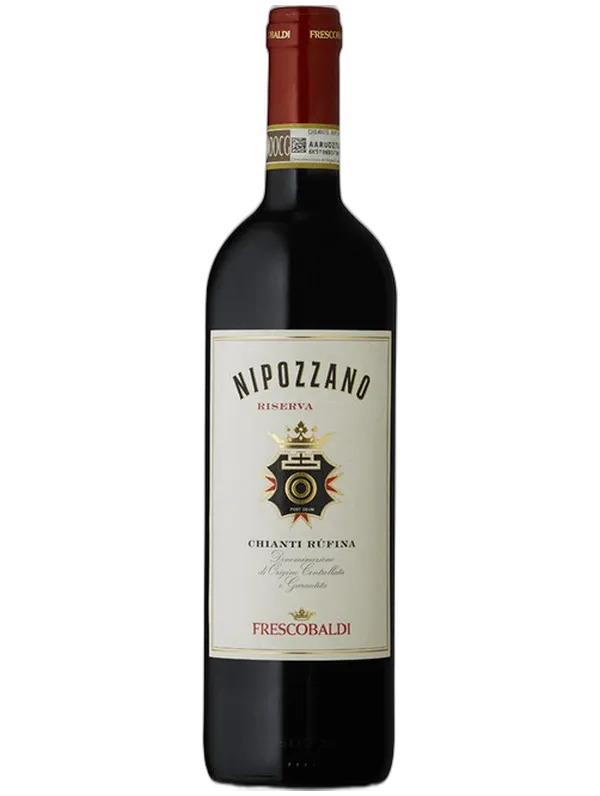
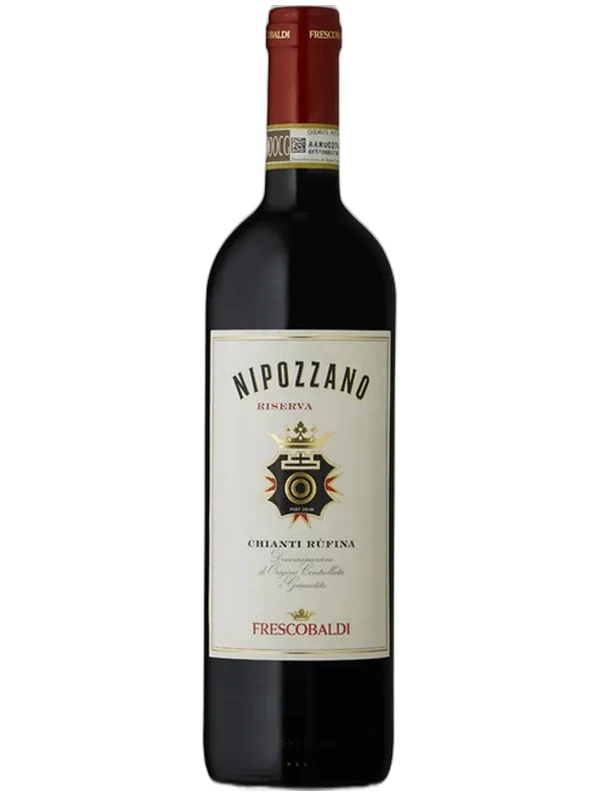
Frescobaldi Nipozzano Chianti Rufina Riserva 2023
View Wine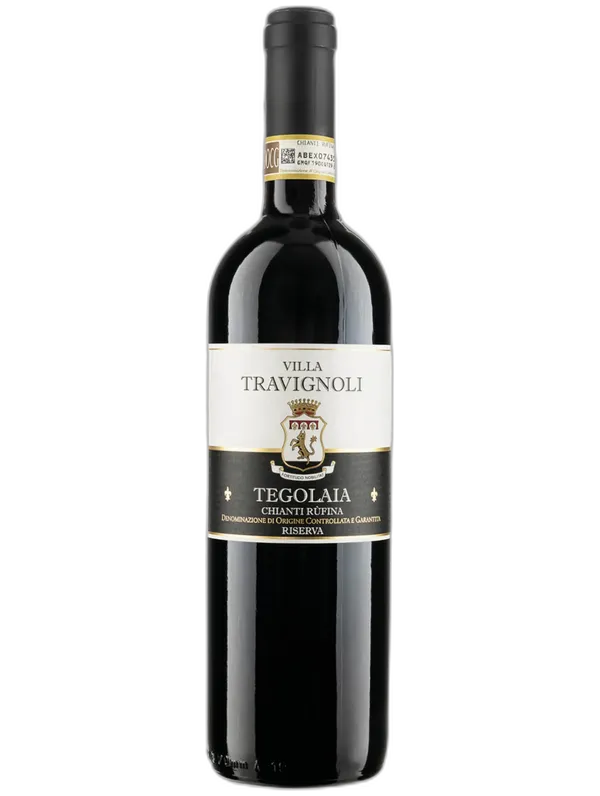
Chianti Rufina Riserva DOCG Tegolaia Villa Travignoli 2023
View Wine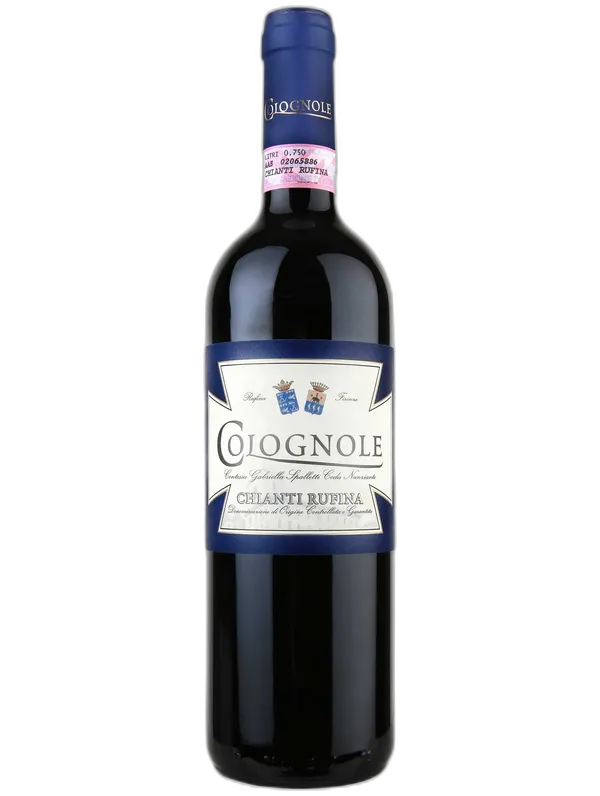
Chianti Rufina DOCG Colognole 2022
View Wine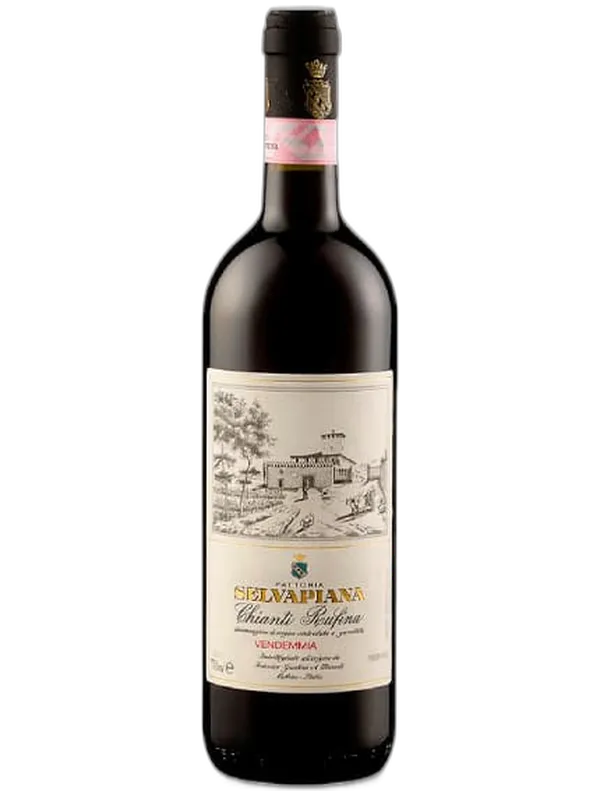
Fattoria Selvapiana Chianti Rufina 2024
View Wine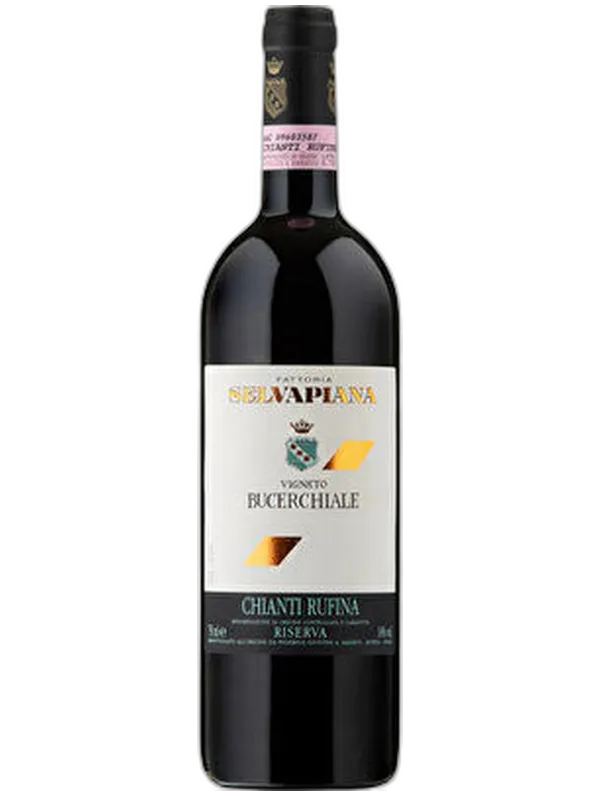
Selvapiana 'Vigneto Bucerchiale' Chianti Rufina Riserva 2022
View Wine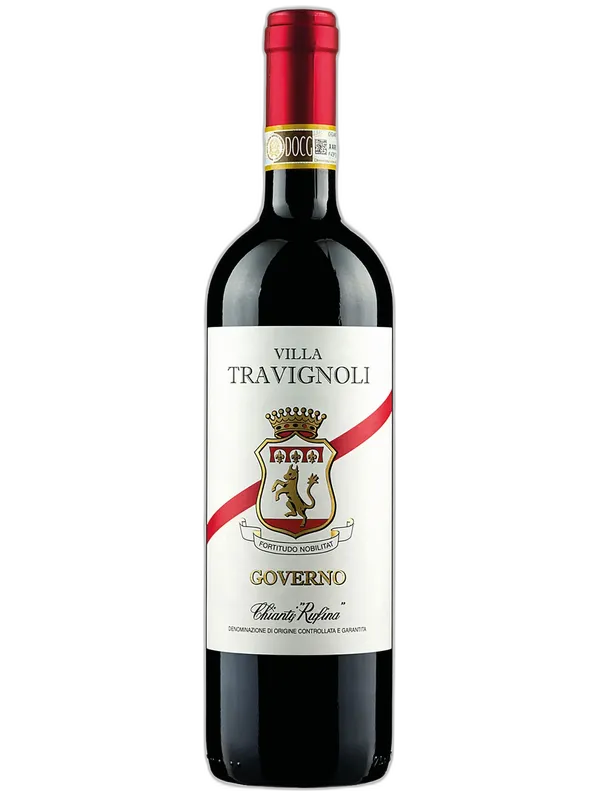
Chianti Rufina DOCG Governo Villa Travignoli 2025
View Wine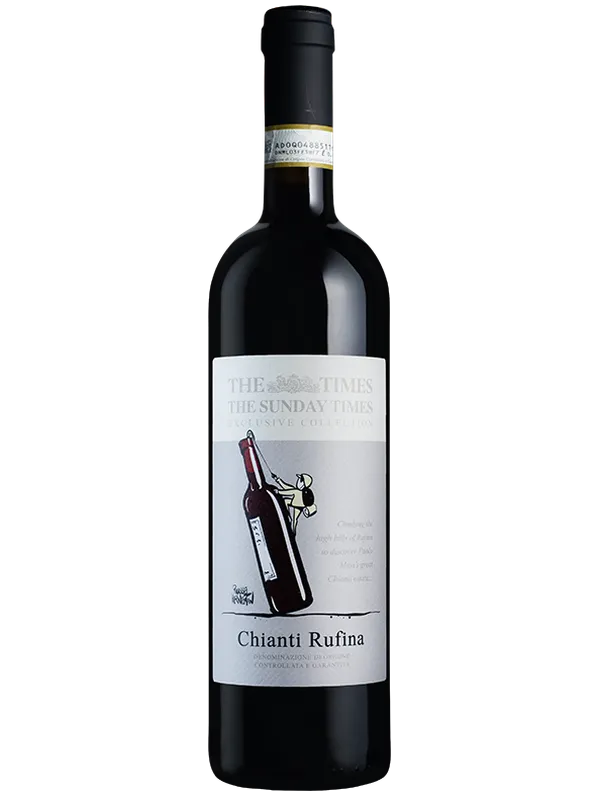
The Times Exclusive Collection Chianti Rufina 2022
View Wine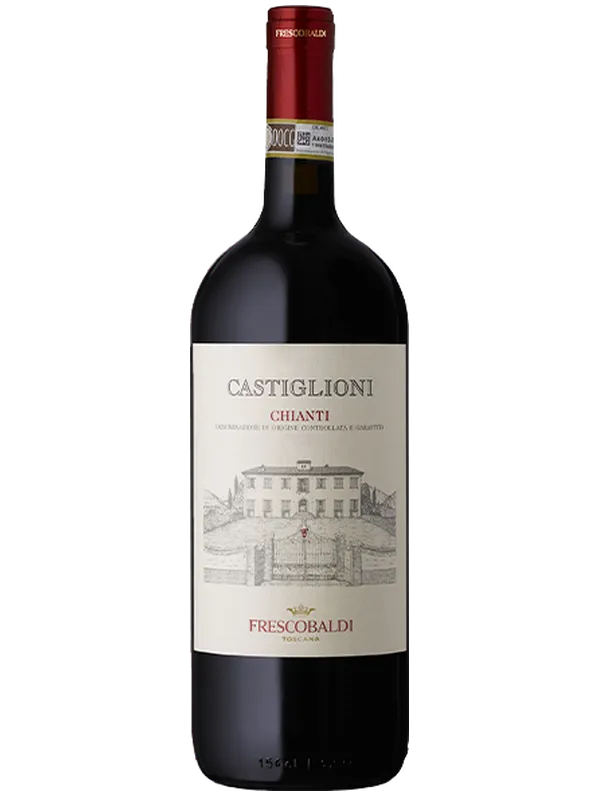
Frescobaldi Castiglioni Chianti 2025
Marchesi de' Frescobaldi's Chianti DOCG from the historic Tenuta Castiglioni estate. Sangiovese with a little Merlot, steel-aged and bright: cherry, strawberry, violet, soft tannin, fresh acidity. A versatile Tuscan red for pasta and roast meats.
View Wine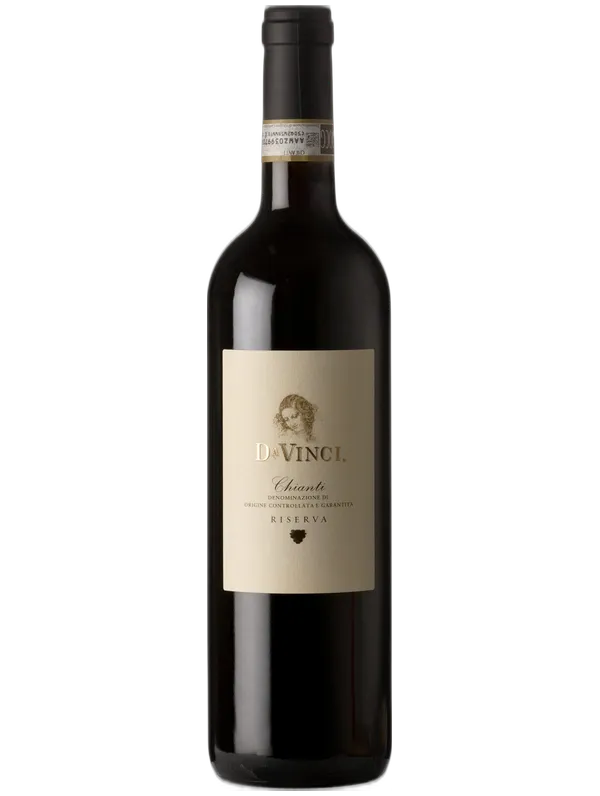
Da Vinci Chianti Riserva 2021
Sangiovese Chianti Riserva DOCG from the hills around Vinci, made by the Leonardo da Vinci co-op. Over two years in French and American oak give dark cherry, vanilla and cinnamon over soft tannins and a long, mineral finish. Easy, well priced, 13%.
View Wine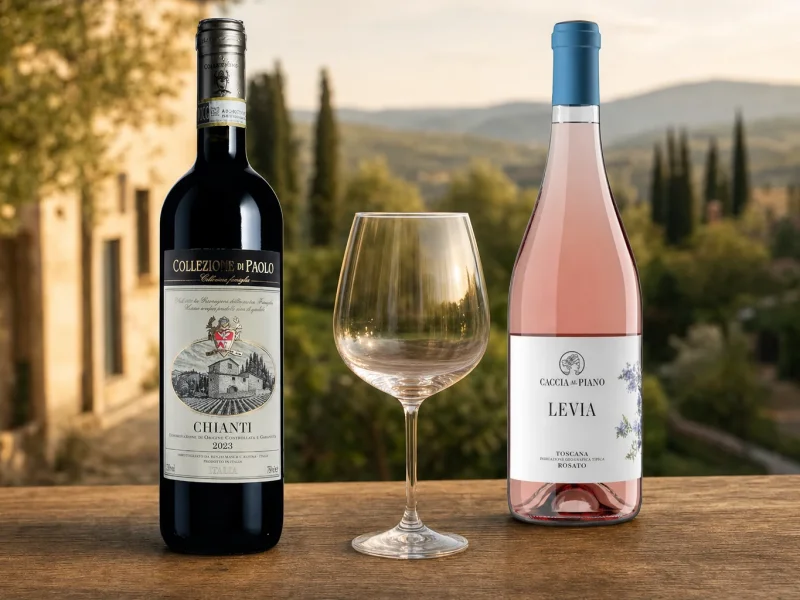
Oltrepo Pavese Rewrites Its Sparkling Name: Classese
Travel north to Lombardy and the change is about identity rather than colour. The Oltrepo Pavese, a hilly stretch south of Milan with a metodo classico tradition reaching back to the 1860s, has agreed on a single word to rally behind: Classese. The name fuses classico, for the traditional bottle-fermented method, with the ese of Pavese, and revives a term first coined in 1984 to champion the area's sparkling Pinot Nero.
The decision matters because the Oltrepo has long been one of Italy's most important sources of Pinot Nero yet has struggled for a clear identity in the glass. The consortium approved the rules for putting Classese on labels in December 2025 with more than 99 percent backing, so producers can begin printing the word straight away, with the full denomination approval expected by the end of 2026. The same assembly tightened quality elsewhere, cutting permitted yields for the area's Pinot Grigio and Pinot Nero.
For drinkers, Classese is a flag to look for on bottle-fermented fizz from Lombardy. If you want to understand why method matters so much to the final wine, our guide to Prosecco versus Champagne sets out the gulf between the quick tank method behind most Prosecco and the slow bottle fermentation, on the Glera grape in one case and Pinot Nero in the other, that defines wines like Classese.
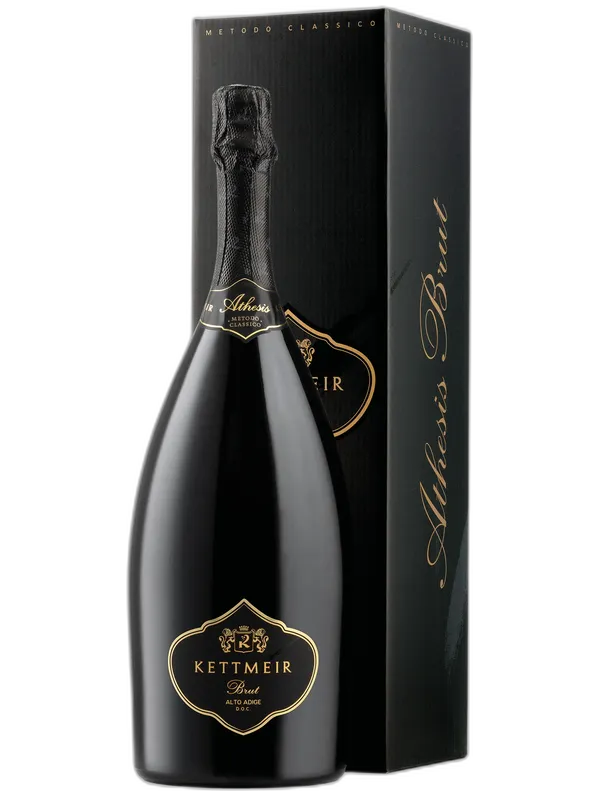
Südtirol - Alto Adige DOC Spumante Metodo Classico Brut Athesis Kettmeir 2023
View Wine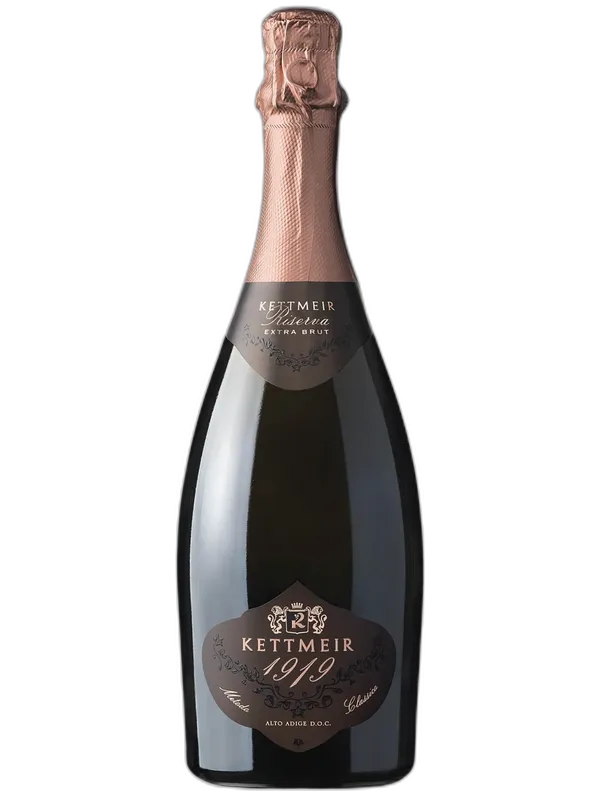
Südtirol - Alto Adige DOC Spumante Metodo Classico Extra Brut Riserva Kettmeir 2018
View Wine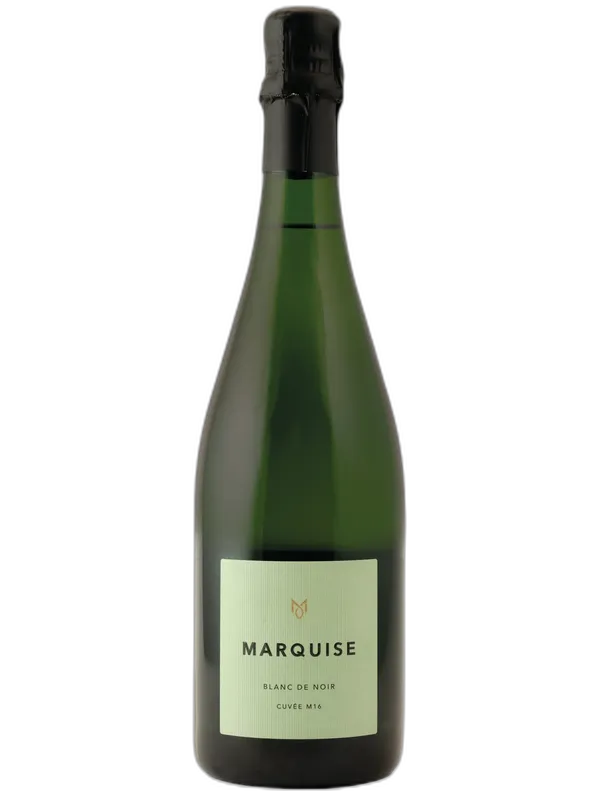
Vino Spumante di Qualità Metodo Classico Extra Brut Blanc de Noir Marquise Cuvée M16 Serafini & Vido
View Wine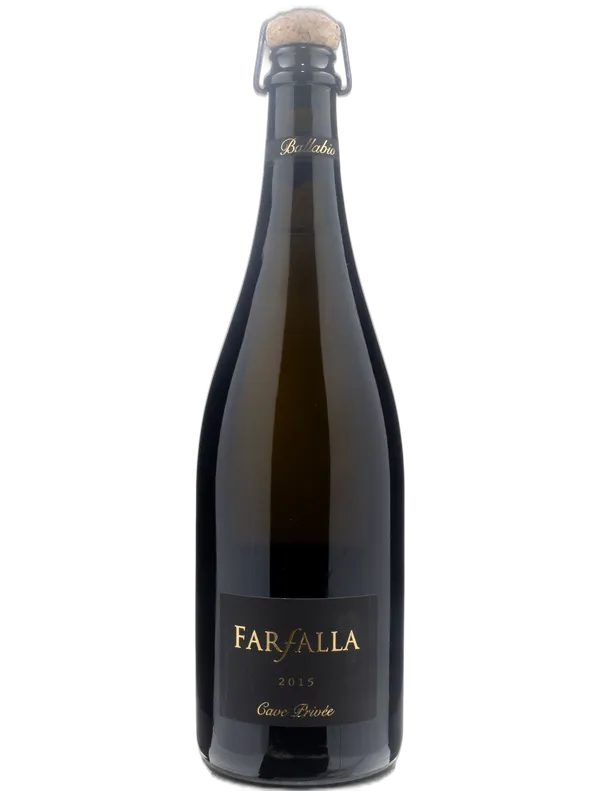
Ballabio Farfalla Pinot Nero Cave Privee Metodo Classico Extra Brut 2015
View Wine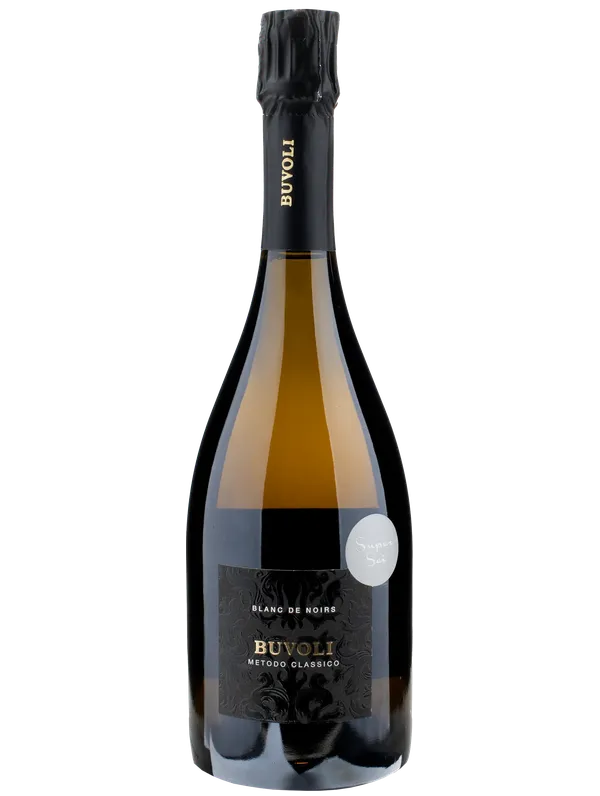
Super Sei Metodo Classico Blanc de Noirs Extra Brut Buvoli - L'Opificio del Pinot Nero
View Wine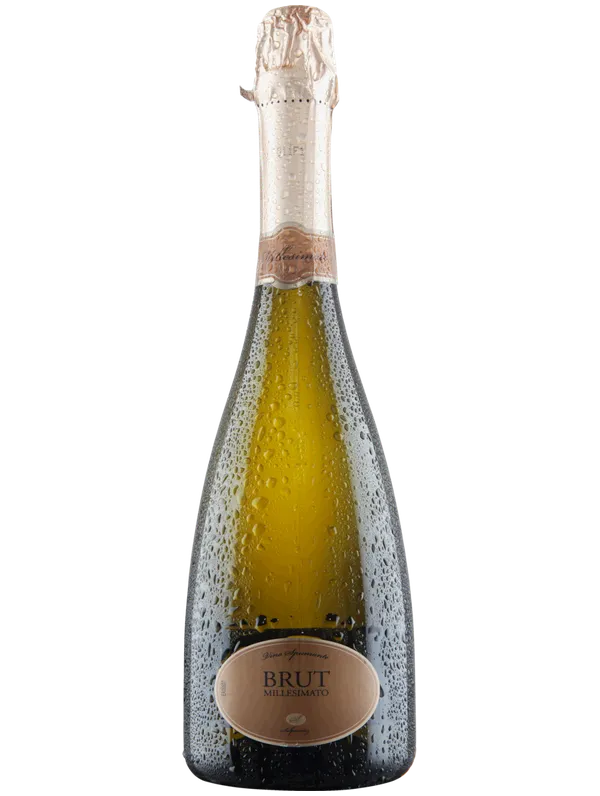
Solpiantez Spumante Brut Millesimato 2024
A light, crisp brut fizz from the Veneto: Trebbiano and Garganega, 11% alcohol, green apple, pear and a lemon finish. Sold by Virgin Wines at £11.99 and well liked by the people who buy it. Open it as an aperitif or with fried food.
View Wine
Trento Spumante Riserva DOC Perle Bianco Brut Cantine Ferrari 2017
View Wine
Solpiantez Spumante Brut Rose Millesimato 2024
A pink Vino Spumante from the Veneto, mostly Garganega with a small part of Raboso for colour and berry fruit. The 2024 smells of strawberries and cream, then turns crisp, with fresh red berries and 11% alcohol.
View Wine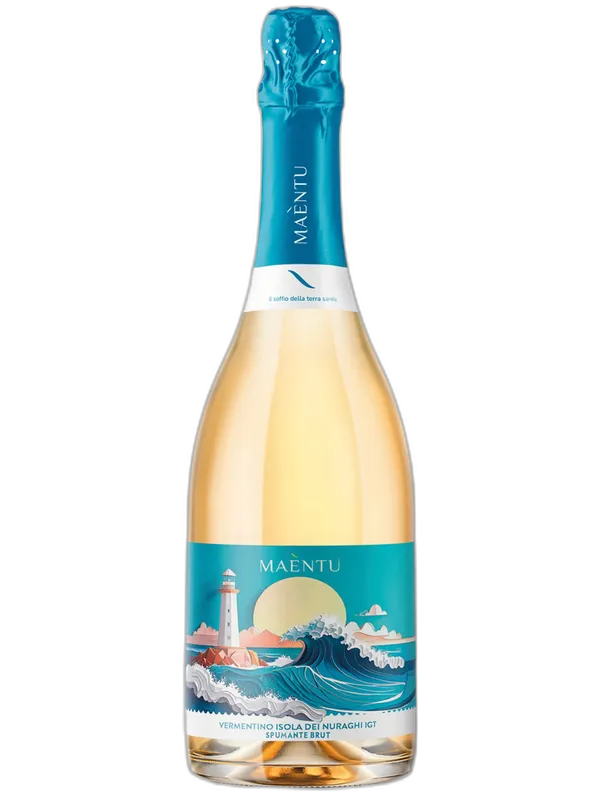
Isola dei Nuraghi Vermentino Spumante Brut IGT Maèntu
A dry sparkling Vermentino from Sardinia, sold under the Maèntu name. Expect citrus, green apple and white flowers, a light salty touch and a creamy fizz. It has 12% alcohol and suits fried fish.
View Wine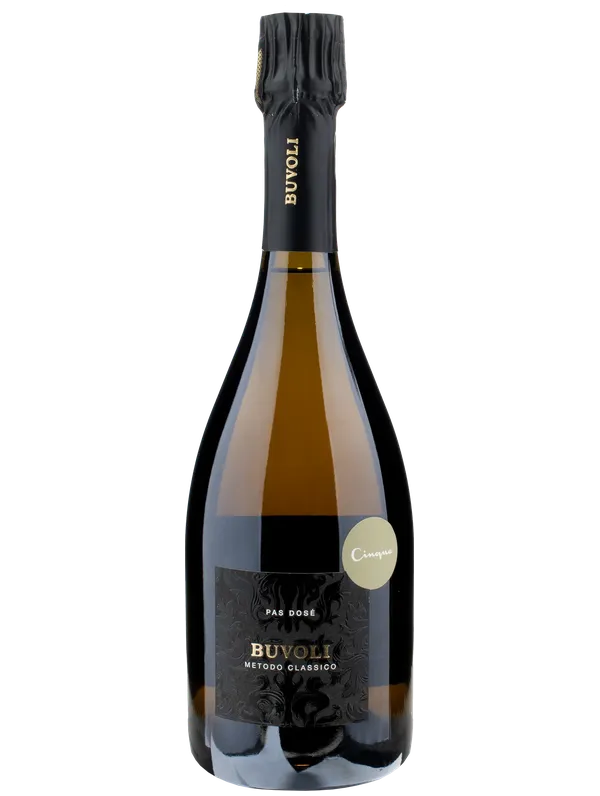
Cinque Metodo Classico Pas Dose Buvoli - L'Opificio del Pinot Nero
View Wine
Castelli di Jesi Puts Place Before Grape
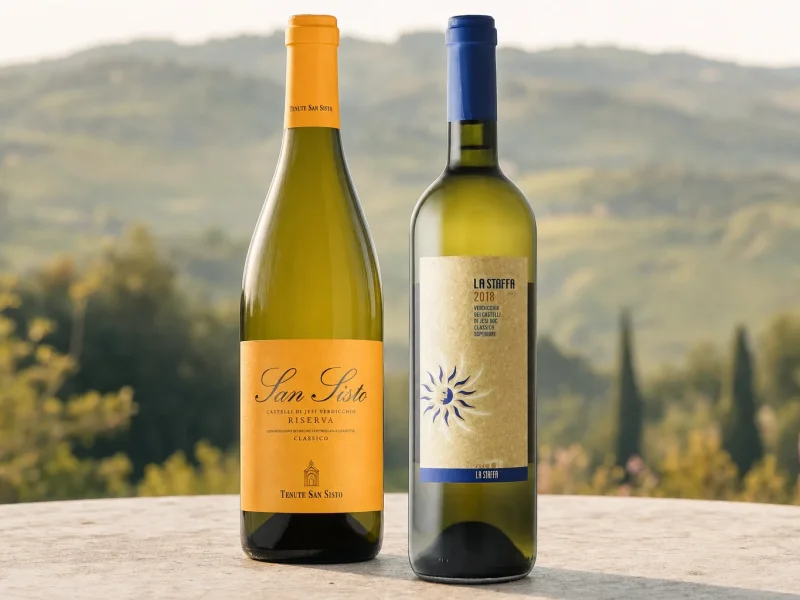
The third change is the most understated, and arguably the boldest. In the Marche, the top tier of Verdicchio has long been called Castelli di Jesi Verdicchio Riserva DOCG, a mouthful that names both place and grape. Under new rules due to take effect before the 2026 harvest, the grape becomes optional: the flagship can now simply read Castelli di Jesi DOCG.
It is a deliberate move to sell the place first. Verdicchio remains the variety in the bottle, but the consortium, the Istituto Marchigiano di Tutela Vini, wants the denomination to stand on its territory the way the great names do, where the word alone signals quality. The body behind the change estimates it could lift the denomination's potential output four to five times from today's niche of just over 200,000 bottles, partly by welcoming white wines with shorter ageing than the Riserva.
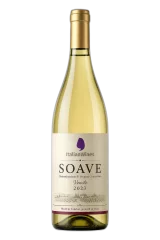
If that logic sounds familiar, it is the same instinct that built Italy's most prestigious appellations. A wine like Soave trades on its name rather than its Garganega, just as drinkers ask for Chianti or Barolo without a second thought for the grapes inside.
Why Italy Is Rewriting Its Labels Now
These three changes might look unrelated, but they share a logic. Italian wine is wrestling with abundant harvests and cautious export markets: the 2025 vintage was a bumper one, roughly 47 million hectolitres that restored Italy's place as the world's largest producer, which only sharpens the need to open new occasions and stand out on a crowded shelf. A Chianti rose reaches summer tables the red never could; a single word like Classese gives Lombardy's growers a banner to market together; and foregrounding the place over the grape lets a region build an identity that outlasts any one variety.
There is also a broader shift in what a label is asked to do. More and more it carries signals about how a wine is made, not just where it comes from, as our look at the rise of organic and biodynamic Italian wines shows. Whether it is a certification, a place name or a brand-new category, the bottle is becoming a busier, more deliberate piece of communication. The same instinct is visible across the country, from Piedmont to the Veneto, as regions decide which part of their story to tell first.
What It Means for Your Next Italian Bottle
For now, the practical effects are gentle. Expect to see a Chianti rose appear next to the familiar straw-flask reds, most likely from summer 2026 onward as the first vintages reach merchants. The word Classese will start turning up on serious Lombardian fizz, a useful cue if you enjoy bottle-fermented sparkling. And the grandest Marche whites may arrive labelled simply as Castelli di Jesi, with Verdicchio either in smaller type or absent from the front.
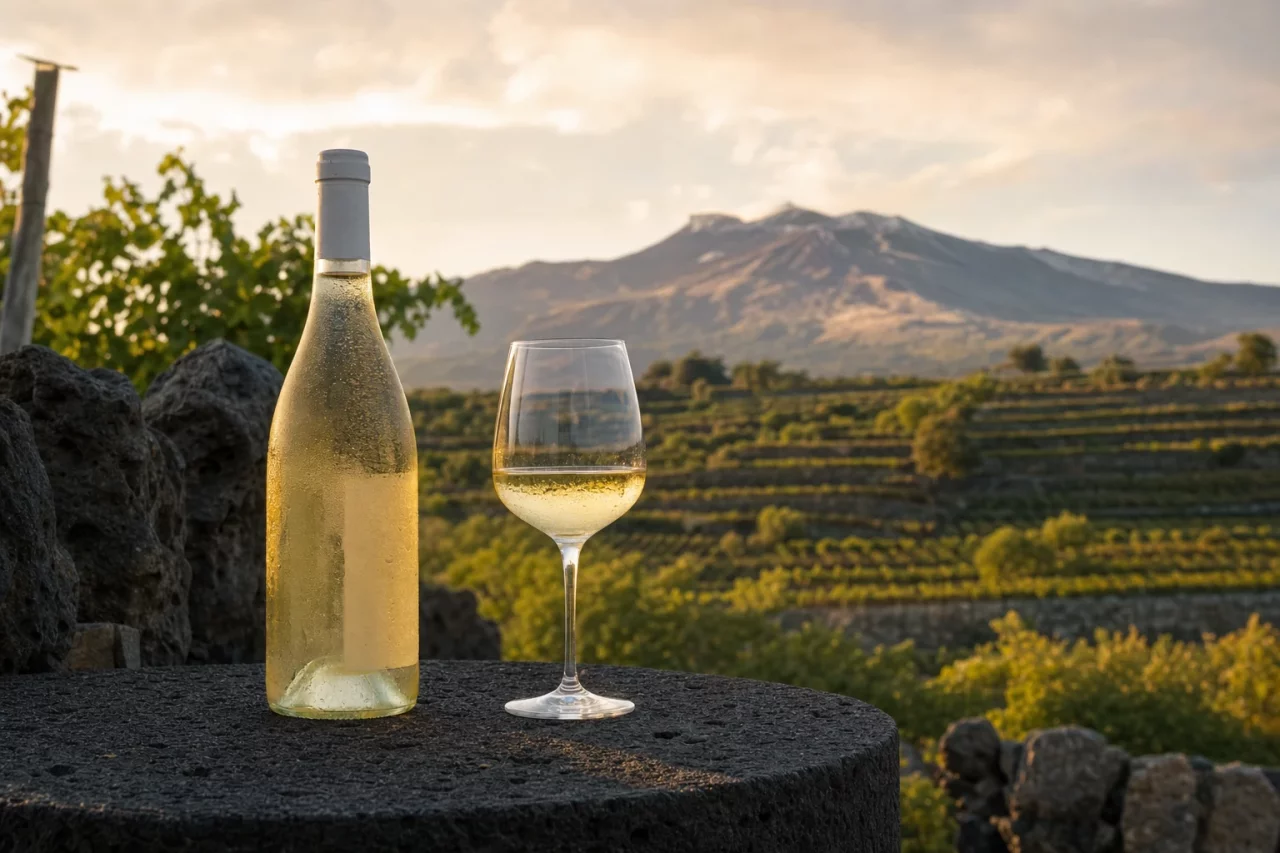
None of this rewrites the contents of the glass. A change of name is not a change of style, and the wines behind these labels are the same Sangiovese, Pinot Nero and Verdicchio they always were. If you enjoy following Italy's appellations as they evolve, our recent look at Carricante and Etna Bianco is another case of a once-obscure name stepping into the light. The best approach is the one that always serves Italian wine lovers well: read the label, ask your merchant, and let curiosity rather than habit choose the next bottle.
Frequently asked questions
No. The new official rose belongs to the broad Chianti DOCG, the large Tuscan denomination, not to Chianti Classico, which is a separate, smaller zone with its own rules and its black-rooster seal. Both are built on Sangiovese, but the 2026 rose approval applies to Chianti DOCG. Expect the pink bottles to read simply Chianti rather than Chianti Classico.
Classese is the new name for the bottle-fermented sparkling wine of the Oltrepo Pavese in Lombardy, made chiefly from Pinot Nero. The word blends classico, for the traditional method, with the ese of Pavese. Its consortium approved label use in December 2025, so the term is already appearing on bottles. Treat it as a regional banner for serious sparkling wine, distinct from the quicker tank-method fizz made elsewhere. If you spot Classese on a Lombardian label, it now signals bottle-fermented quality rather than a producer's private name.
Yes. The 2026 rule change in the Marche makes naming the grape optional, not the grape itself. A flagship bottle may now read Castelli di Jesi DOCG rather than Castelli di Jesi Verdicchio Riserva, but Verdicchio stays the variety in the glass. The aim is to sell the place first, much as Soave leans on its name rather than its grape.
Gradually, through 2026 and beyond. Chianti producers could use 2025-harvest fruit for the rose, so the first rose bottles should reach merchants from summer 2026. Classese is already cleared for labels, while the full Oltrepo approval is expected by year-end, and the Castelli di Jesi change is due before the 2026 harvest. As ever, availability here depends on which importers choose to bring the wines in, and following a denomination's news is often the quickest way to spot the new bottles early.
No. A label revision alters what is written on the bottle, not what is inside it. The Chianti rose is a genuinely new style for the denomination, but the red Chianti you know is unchanged, and Classese and Castelli di Jesi simply rename wines that already existed. To revisit how the classification tiers themselves work, our guide to the DOC and DOCG system is the place to start.