








Carricante and Etna Bianco: Sicily's Volcanic White Wine
TL;DR
- Carricante gives Etna Bianco its bright citrus, saline edge and volcanic Sicilian character, especially on Mount Etna's higher slopes.
- The practical buying cue is to look for Etna Bianco first, then check whether Carricante leads the blend or appears on the back label.
- If you like Soave, Ribolla Gialla or Grillo, Carricante offers a tauter Sicilian white with freshness, texture and ageing potential.

Carricante Steps Out From Etna's Shadow
Etna's red wines have often taken the spotlight, thanks to the elegance of Nerello Mascalese and the drama of vineyards on an active volcano. Carricante deserves the same attention on the white side. It is not a soft, simple Sicilian white built only for sunshine and seafood. At its best, it is tense, stony and quietly powerful, with a line of acidity that keeps the wine alive long after the first glass.
That is why Carricante matters for anyone building a serious Italian white-wine shelf. It gives Sicily a white style that can stand beside the north's better-known classics without imitating them. The grape feels unmistakably southern in brightness and warmth, yet the best Etna examples carry mountain freshness, citrus peel and a saline finish that make the wine feel precise rather than broad. It is a wine of edges: lemon, stone, salt and air.
The useful way to approach it is through Etna Bianco. Some labels make Carricante obvious, while others lead with the denomination. Either way, the bottle is usually pointing toward the same idea: a volcanic Sicilian white with lift, texture and a distinctive mineral frame. The appeal is not novelty. It is the chance to drink a southern Italian white that behaves with real composure at the table.
Why Etna Bianco Carries the Story
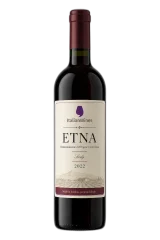
Etna Bianco is the label most drinkers are likely to meet first. The official Consorzio Etna DOC page sets Carricante at the heart of the style: Etna Bianco must be pure Carricante or at least 60 percent Carricante, while Etna Bianco Superiore must be pure Carricante or at least 80 percent. Those rules make the grape central rather than decorative, so the denomination is a practical clue rather than just a geographical badge.
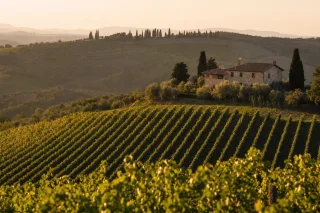
The setting matters too. Etna vineyards sit on volcanic soils, often at altitude, with warm days and cooler nights. That combination helps Carricante keep its acidity while developing citrus, herb, almond and salty notes. The wines are rarely loud. Their charm is in the tension between Sicilian sun and mountain restraint, which is why they can feel both Mediterranean and almost Alpine in the glass. The best bottles feel energetic rather than merely crisp.
That profile places Etna Bianco firmly inside the wider Italian white wine conversation, but with its own accent. It is not trying to be Pinot Grigio, Chardonnay or Sauvignon Blanc. It is a native Sicilian expression with enough structure for food, enough freshness for aperitivo drinking and enough depth for a few years in bottle. For anyone used to treating Sicilian whites as simple and sunny, Carricante changes the frame.
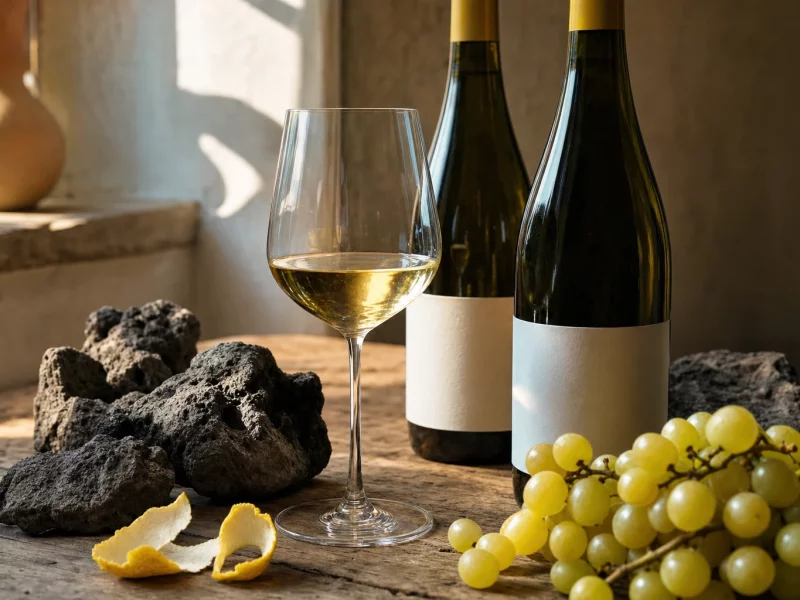
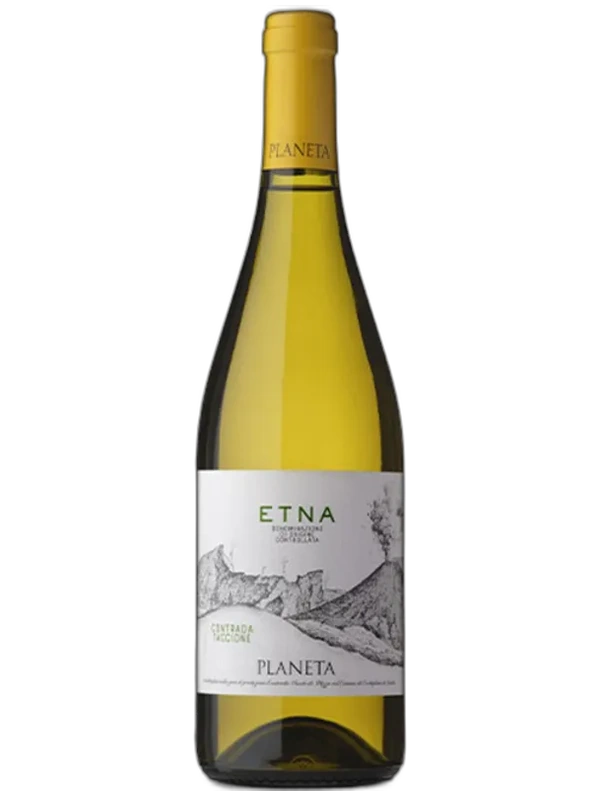
Etna Bianco Contrada Taccione 2024
Planeta's single-vineyard Carricante from the Montelaguardia plot at Castiglione di Sicilia, grown on black volcanic sands at 690 to 720 metres on Etna's northern slopes. Acacia, mountain peach and bitter almond meet a mineral, saline spine. A benchm
View Wine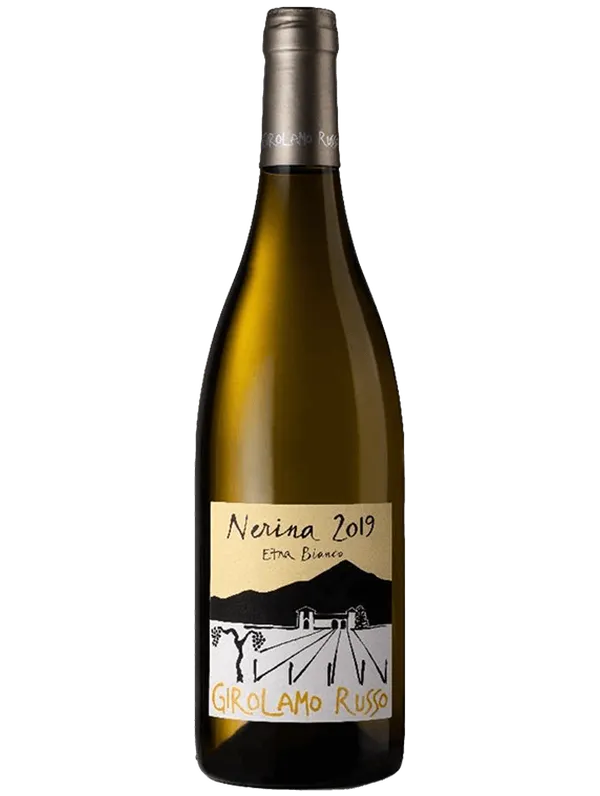
Azienda Agricola Girolamo Russo Nerina Etna Bianco 2024
Giuseppe Russo's Carricante-led Etna Bianco, grown on old vines at 650 to 800 metres on the volcano's north face and fleshed out with Catarratto, Grecanico and Inzolia. Citrus and white fruit lead over a smoky, saline minerality that finishes taut.
View Wine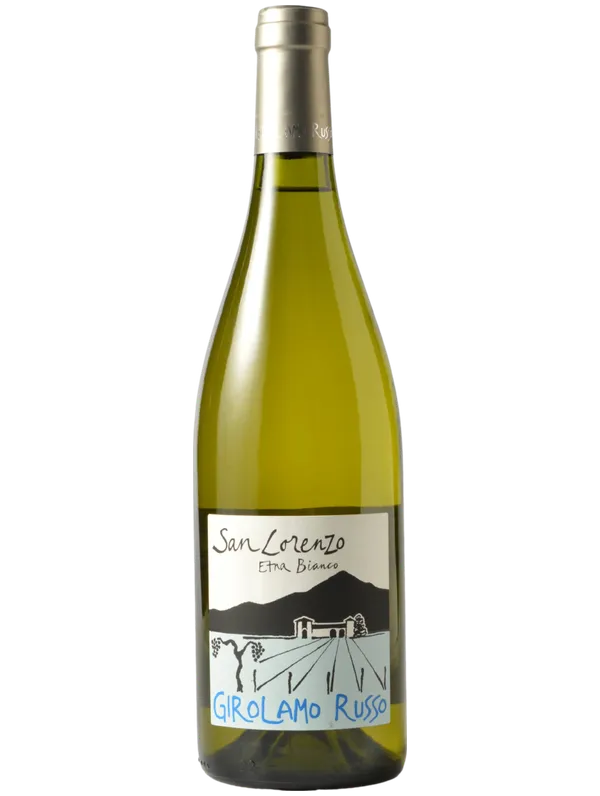
Girolamo Russo San Lorenzo Etna Bianco 2024
Girolamo Russo's single-contrada Etna Bianco: 90% Carricante off 80-year-old alberello vines at 750 m in Contrada San Lorenzo, Randazzo. Citrus and light spice over a long saline finish; just 1,200 bottles made.
View Wine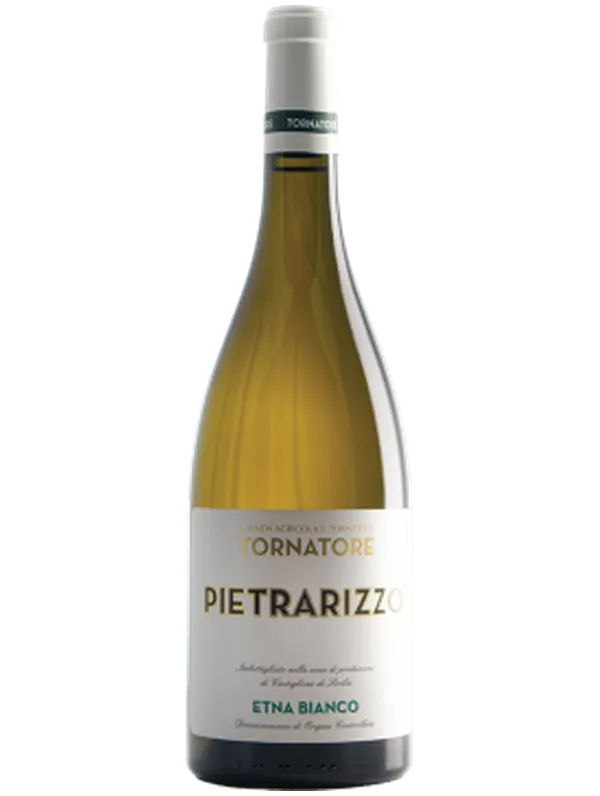
Pietrarizzo Etna Bianco - Tornatore 2025
Tornatore's single-contrada Etna Bianco: 100% Carricante grown at 650-700 m on 1908 lava-flow soils above Castiglione di Sicilia. Grapefruit, white peach and a salty, stony palate. Around £26-28 in the UK; Decanter rated the 2023 at 93.
View Wine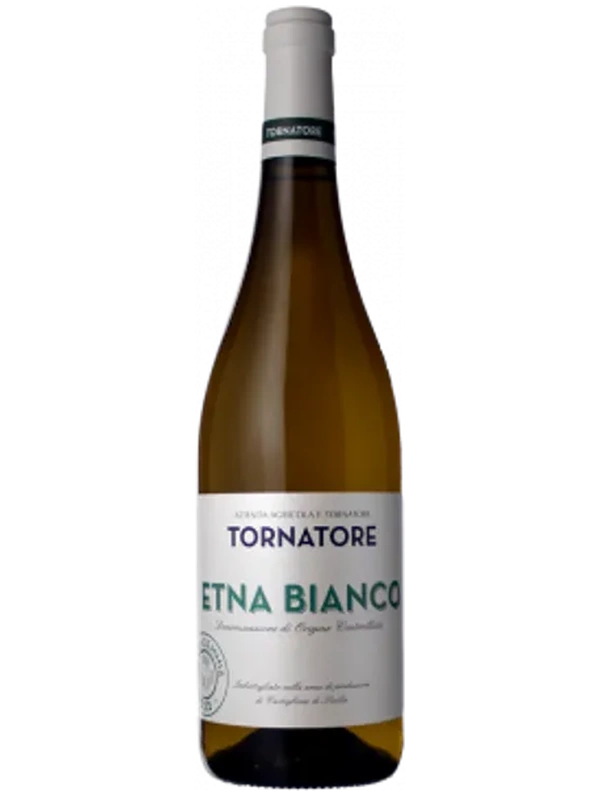
Etna Bianco - Tornatore 2025
Carricante from Tornatore's terraced vineyards on Etna's north slope at Castiglione di Sicilia. Concrete-fermented, three months on fine lees: green apple, grapefruit and saline volcanic minerality, from £20.60 in the UK.
View Wine
Arcurìa, Etna Bianco, Graci, Sicily, Italy 2022
Graci's Arcurìa is 100% Carricante from a 2.5-hectare plot at 600m on Etna's volcanic north slope, where lava-rich sand drives saline tension. Lemon, orange blossom and green apple lead to a stony, almond finish. A benchmark Etna white for seafood.
View Wine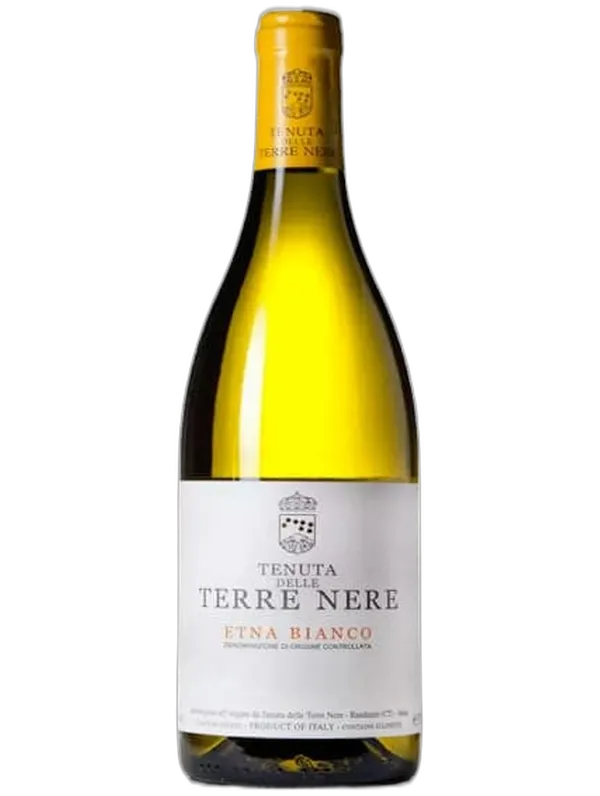
Tenuta delle Terre Nere Etna Bianco 2025
A Carricante-led white from old vineyards at 600 to 900 m on Etna's north slope. Linden blossom, lemon and wet-stone salinity in a light, bone-dry frame. The benchmark Etna estate's most versatile bottling, from about £19 in the UK.
View Wine
Etna Bianco Superiore Contrada Rinazzo DOC Benanti 2023
View Wine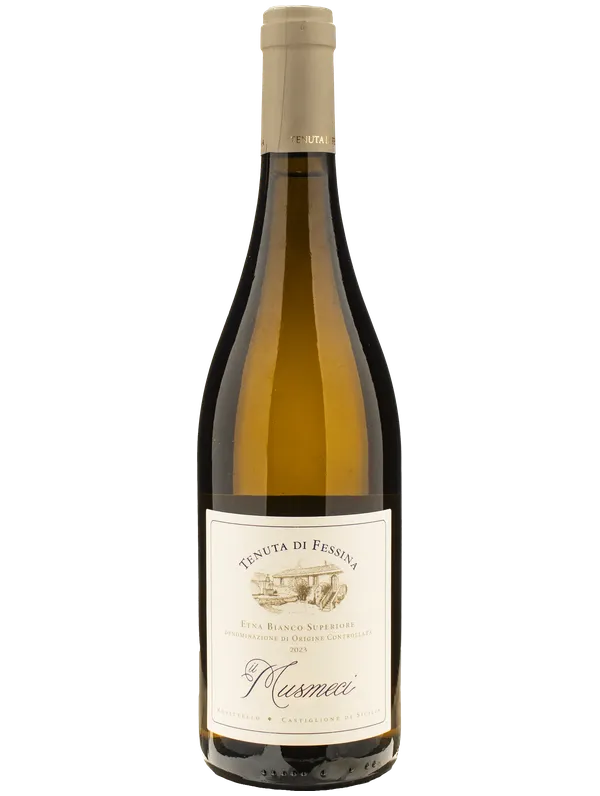
Etna Bianco Superiore DOC Il Musmeci Tenuta di Fessina 2023
View Wine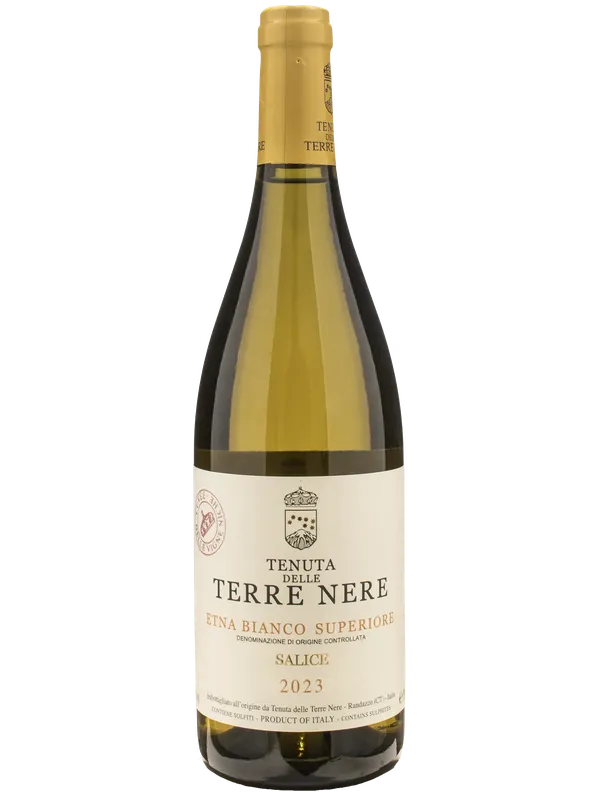
Tenuta delle Terre Nere Etna Bianco Superiore Salice 2023
View WineHow Carricante Tastes in the Glass
A good Carricante-led Etna Bianco usually opens with lemon, grapefruit, green apple and white flowers. With air, the more interesting details arrive: sea salt, wet stone, almond skin, fennel, chamomile or a slight smoky note from the volcanic setting. The wine's acidity is the backbone, but the best bottles are not thin. They have grip and texture, especially when the producer lets the fruit and lees build a little weight. That extra texture is what stops the wine feeling severe.
This makes Carricante useful at the table. It can handle grilled fish, shellfish, lemon-dressed vegetables, young pecorino, chicken with herbs and simple pasta with clams or anchovy. It is also a smart choice when a dish needs freshness without the sharp aromatics of Sauvignon Blanc. Think of it as a white wine for clean flavours, salt, herbs and a little oil rather than cream or heavy spice. It is particularly good with food that has brightness but not sweetness.
It also rewards patience. Many easy Sicilian whites are best enjoyed young, but stronger Etna Bianco can develop honey, dried herb and nutty tones after a few years. That ageing potential is part of Carricante's appeal: the wine can be brisk and refreshing now, then more savoury and layered later. This does not mean every bottle needs a cellar, but it does mean the best examples deserve more than casual treatment.
How to Read the Label Without Overthinking It
Start with the front label. If it says Etna Bianco, Carricante is doing the main work under the DOC rules. If it says Etna Bianco Superiore, expect an even stronger Carricante identity and fruit from a more specific part of the denomination. If it says Carricante with a broader Terre Siciliane or similar indication, the producer may be working outside the DOC route while still making a varietal or Carricante-led wine. The key is to read grape, place and denomination together.
None of those options is automatically better. The DOC label gives useful guardrails; a broader label can give a producer freedom. The best choice depends on bottle, producer and vintage. If the wording feels dense, our Italian wine label guide explains the practical clues, and the DOC and IGT label terms guide gives the slower background. The useful habit is simple: find the place, then the grape, then the style.
For buying, look for freshness first. Carricante should not feel flat or heavy. A good bottle will usually promise citrus, mineral tension and a dry finish. If the merchant note mentions Etna, Carricante, saline character, volcanic soil or ageing potential, you are probably in the right area. If the note leans only on ripe tropical fruit, it may be a different kind of Sicilian white altogether.
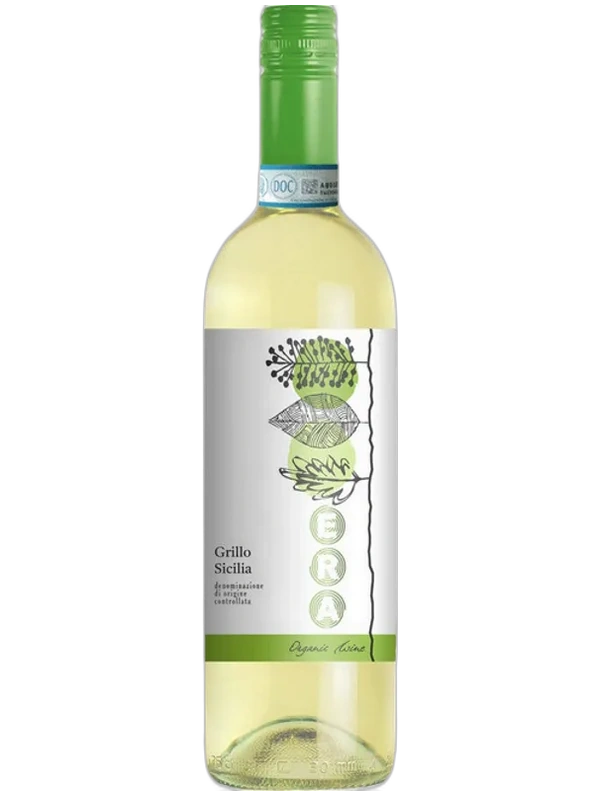
Era Grillo Organic 2025
Cantine Volpi's organic Sicilian Grillo, ICEA-certified and vegan, from the negoce ERA range. A short skin maceration lifts lemon, grapefruit and tropical fruit over a dry, refreshing palate. Around £10, built for aperitivo and seafood.
View Wine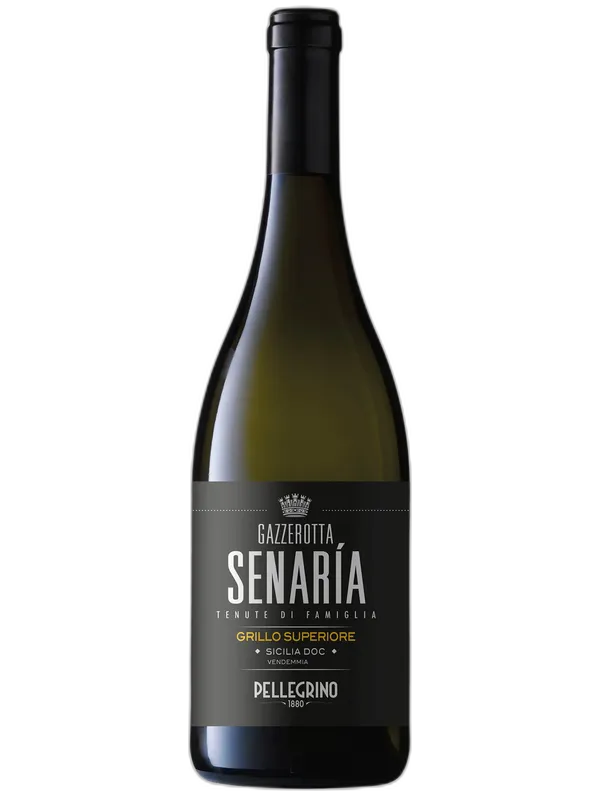
Sicilia Bianco Superiore DOC Grillo Gazzerotta Senaría Pellegrino 2025
View Wine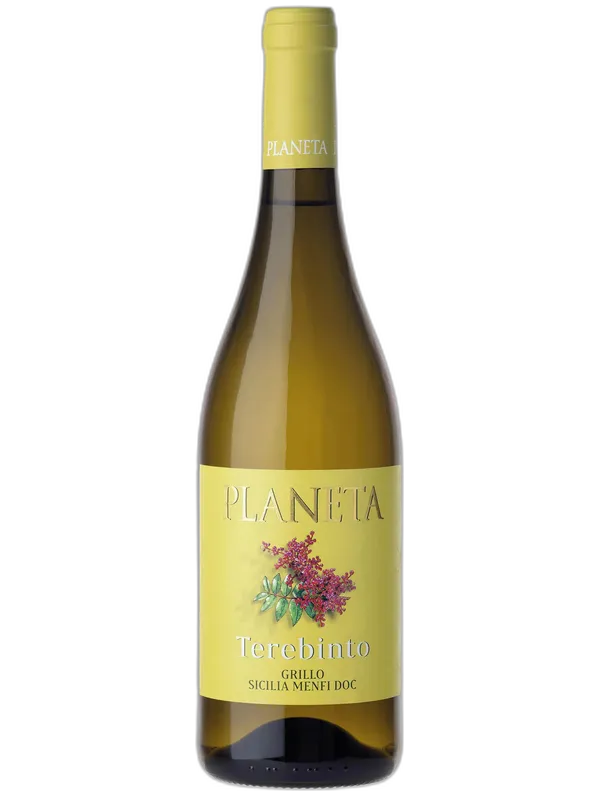
Planeta Terebinto Grillo 2025
Planeta's single-variety Grillo from Menfi DOC in south-western Sicily, farmed organically. Aromatic and fresh, with pineapple, white melon and grapefruit over a saline, mineral finish. James Suckling 92; around £18 to £22 in the UK.
View Wine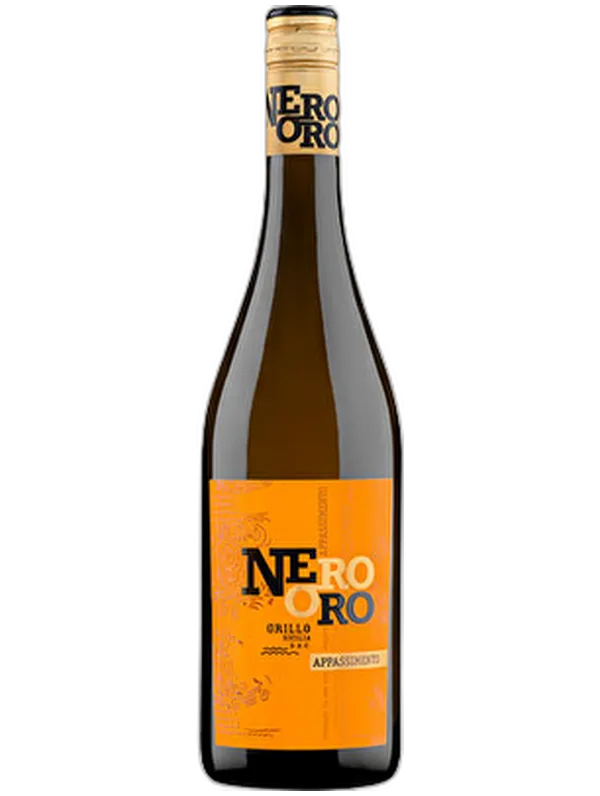
Nero Oro Grillo Appassimento , Sicily 2024
A rare appassimento white: Marsala-area Grillo part-dried on the vine gives honeyed peach, dried apricot and candied grapefruit, just off-dry at 13%. From negociant The Wine People; Decanter gave the 2019 90 points. £12.50 at Majestic.
View Wine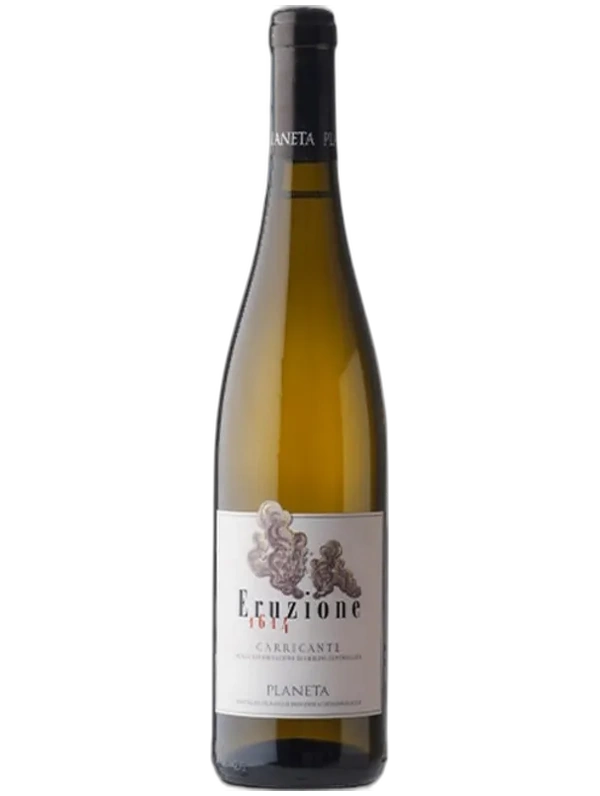
Eruzione Bianco Carricante 2024
View Wine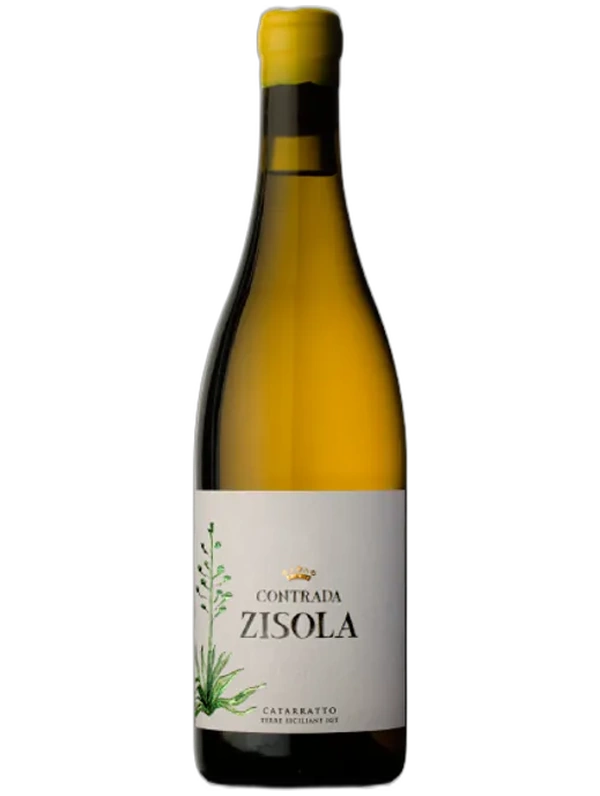
Contrada Zisola Catarratto Terre Siciliane 2023
View Wine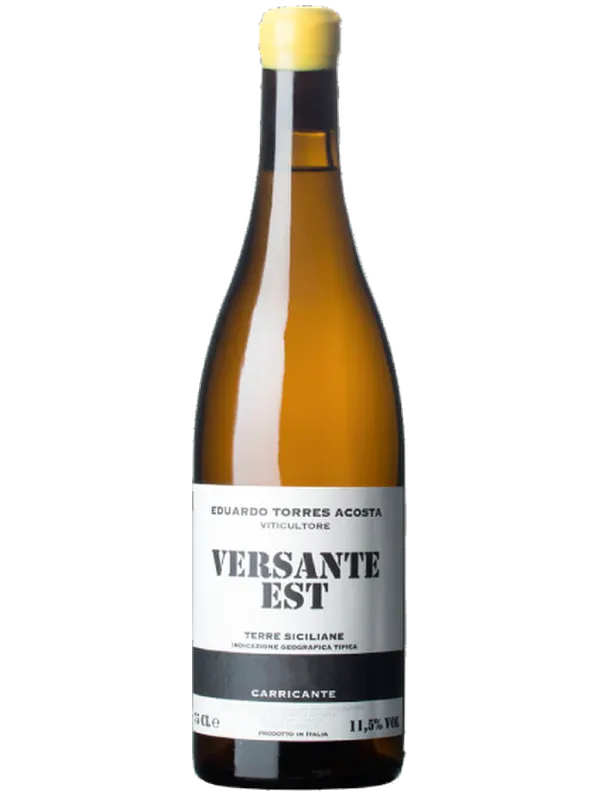
Eduardo Torres Acosta Versante Est Carricante 2025
View Wine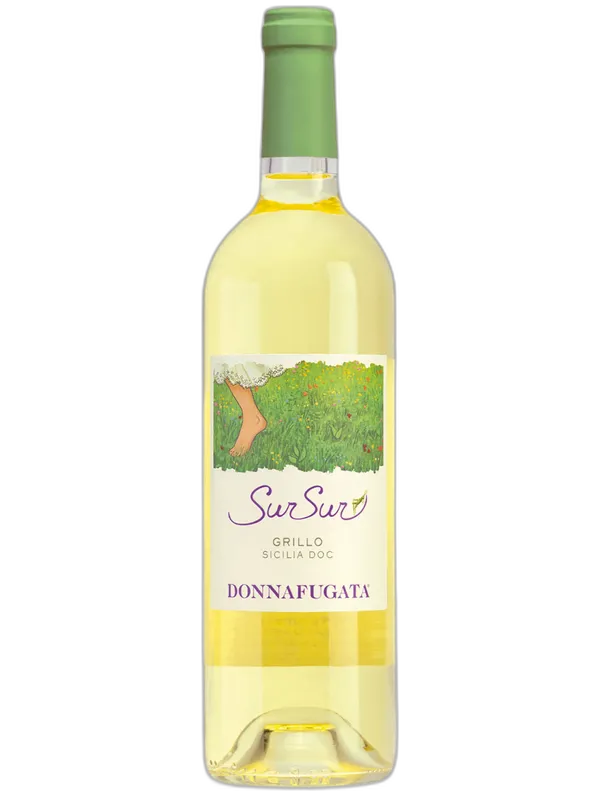
Sicilia DOC Grillo SurSur Donnafugata 2025
View Wine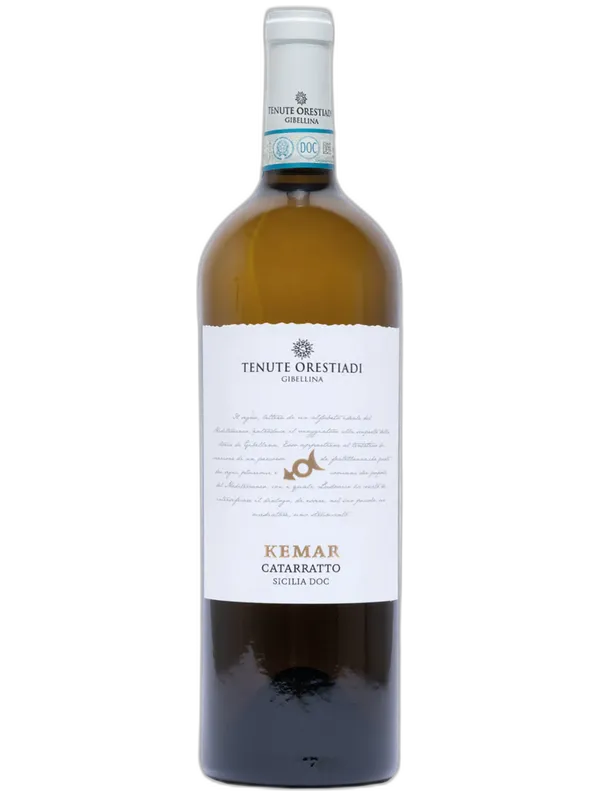
Sicilia DOC Catarratto Kemar Tenute Orestiadi 2025
View Wine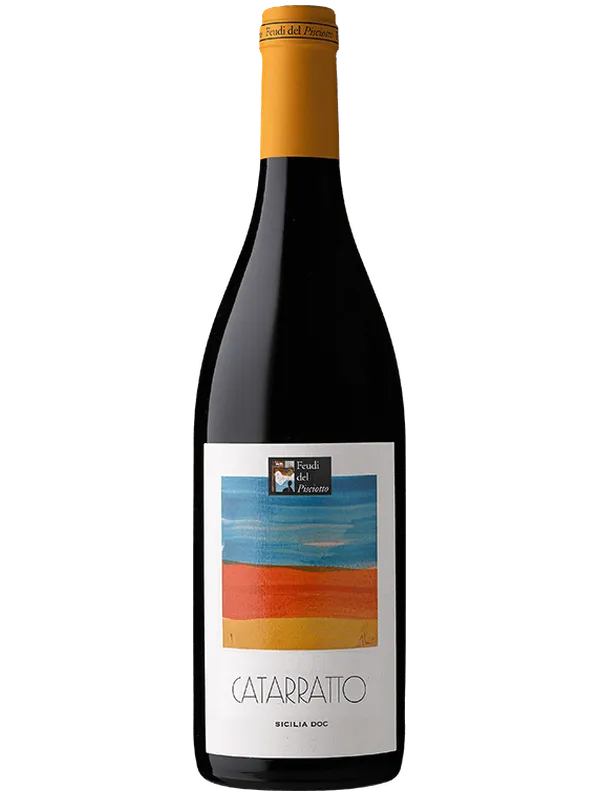
Catarratto Colori di Sicilia 2024
View WineItalian Whites to Compare With Carricante
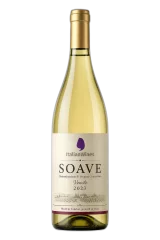
Carricante becomes easier to place when compared with other Italian whites. Soave DOC can share its citrus line and almond hint, but Soave usually feels more Veneto in softness and orchard fruit. Ribolla Gialla can share the grip and texture, especially from Friuli Venezia Giulia, but it carries a different northern savouriness. Carricante is more volcanic and saline, with less overt perfume than many northern whites.
If coastal freshness is the goal, Vermentino is a useful comparison. If rounder fruit and southern charm appeal more, Falanghina from Campania is worth trying. Inside Sicily, Grillo is the obvious neighbour, often broader and more immediately generous than Carricante. Those comparisons help without turning the wines into substitutes. Each keeps its own regional accent.
The familiar contrast is Glera and Prosecco DOC. Prosecco offers easy sparkle and softness; Carricante offers still-wine tension, salt and stone. Both have a place, but they answer different moods. Carricante is the one to choose when the meal or the moment calls for precision. It is also the better fit when you want the wine to grow more interesting as it warms slightly in the glass.
Why It Belongs on the Italian White-Wine Shortlist
Carricante is not a novelty grape. It is one of the clearest reasons to take Sicilian white wine seriously beyond simple warm-weather drinking. Etna Bianco gives it a home, a set of rules and a landscape that shapes the wine's identity. The result is a bottle that can feel vivid on release and increasingly complex with time. That combination of clarity and depth is rare enough to make the style worth remembering.
For anyone who already enjoys Italian wine, the pleasure is in how distinctive it feels without needing explanation at the table. Pour it with fish, herbs, lemon, capers, grilled vegetables or young cheeses and the style makes sense quickly. Pour it beside a more familiar white from Veneto or Friuli and its volcanic edge becomes even clearer. Carricante is not a replacement for those wines. It is a sharper Sicilian answer to the same desire for freshness.
The broader Etna wine guide is the place for the whole mountain story, from reds to food pairings. This Carricante piece has a simpler purpose: to make Etna Bianco easier to recognise, buy and enjoy. Once the bottle is open, a narrow white-wine glass is usually enough; for more serving detail, see our Italian wine glass guide. The important thing is to serve it cool, not ice-cold, and let the mineral detail come through.
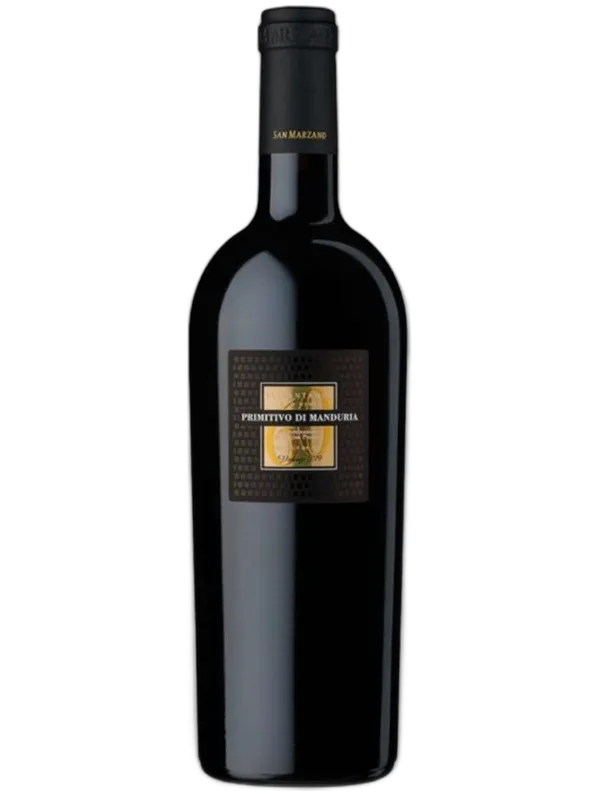
Berry Bros. & Rudd Soave Classico by Pieropan, Veneto, Italy 2025
View Wine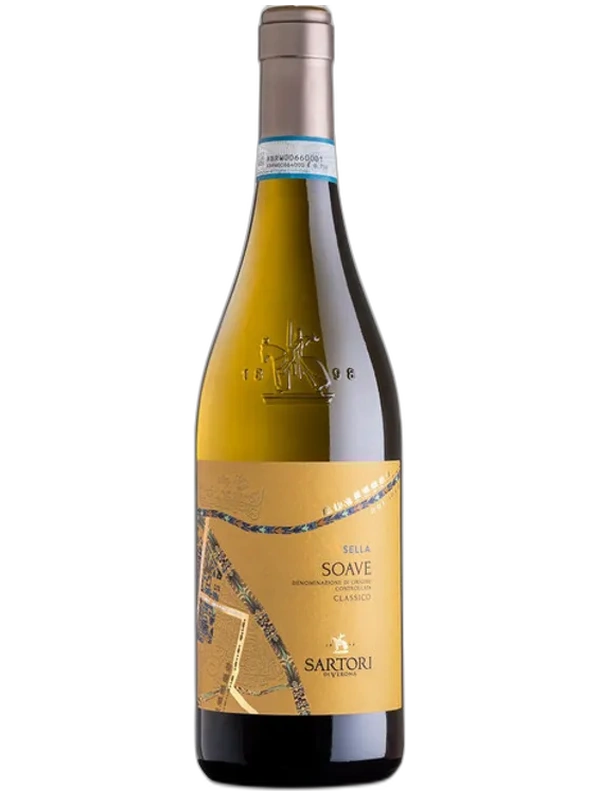
Soave Classico DOC Sella 2025
Sartori's Sella is a Soave Classico off the volcanic-basaltic hills east of Verona, 90% Garganega with Trebbiano di Soave. Steel and concrete ageing keeps it dry, mineral and saline, with pear, white peach and a bitter-almond finish at 12.5%.
View Wine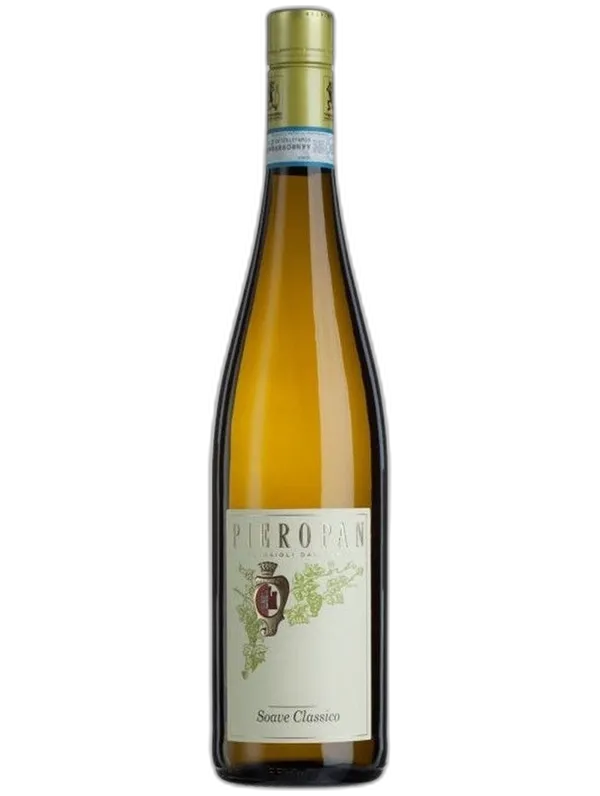
Pieropan, Soave, Classico 2025
Pieropan's Soave Classico is Veneto's Garganega benchmark: estate-grown on volcanic hills, fermented in glass-lined concrete and aged on its lees. Pear, white peach and lemon meet a saline mineral core and the trademark bitter-almond finish.
View Wine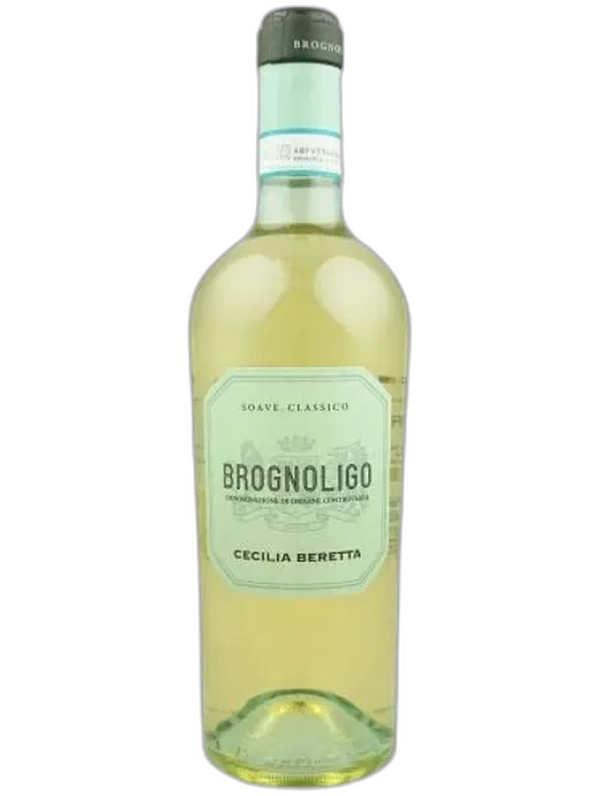
Soave Classico DOC Brognoligo Cecilia Beretta 2024
Cecilia Beretta's single-cru Soave Classico from the historic Brognoligo hill: 100% organic Garganega off 45-year-old pergola vines, late-ripened on the cane and finished with a little French oak. Chamomile, orchard fruit and a savoury almond close.
View Wine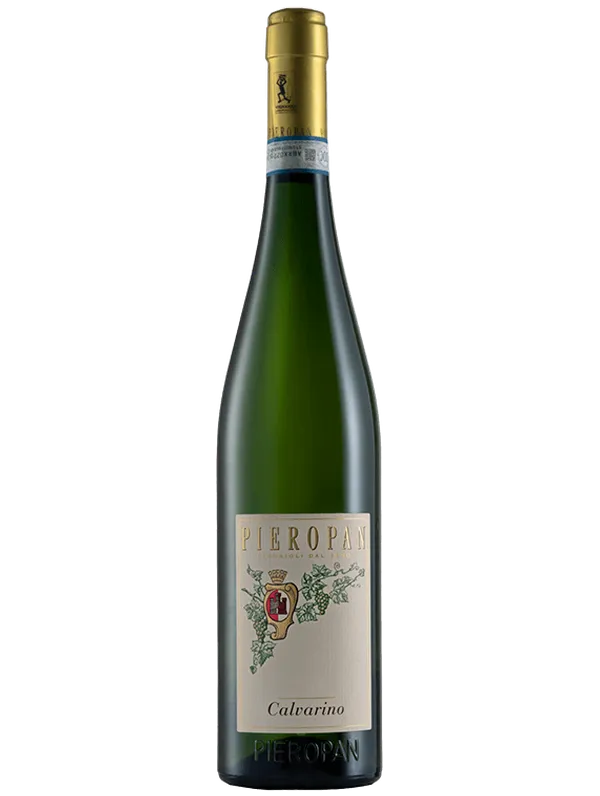
Soave Classico Calvarino Pieropan 2024
Pieropan's Calvarino proved Soave can age. Garganega and Trebbiano di Soave on basalt give a saline, almond-scented white with citrus drive and a stony finish. A benchmark single-vineyard Soave Classico, fine young and better at five years.
View WineFrequently asked questions
Yes. Carricante is the main grape behind Etna Bianco under the official Etna DOC rules. Etna Bianco requires Carricante to lead the blend, and Etna Bianco Superiore asks for an even higher share. That is why the denomination is one of the easiest ways to meet the grape in a serious Sicilian white wine.
No. Carricante is the grape, while Etna Bianco is the DOC wine category from Mount Etna in Sicily. Many Etna Bianco bottles are Carricante-led, but a bottle can also show Carricante under a broader indication. The label tells you whether you are buying the denomination, the varietal identity, or both.
Carricante usually tastes dry, bright and mineral, with lemon, grapefruit, green apple, herbs, almond and a salty finish. Etna examples often feel more structured than simple island whites because the grape keeps firm acidity. If you enjoy taut Soave or textured Ribolla Gialla, Carricante is a natural next step.
Good Etna Bianco can age better than many people expect from Sicilian white wine. Carricante has natural acidity, and stronger bottles can develop honey, dried herb, almond and savoury notes over a few years. Not every bottle is built for cellaring, but serious examples from careful producers are worth holding if the merchant note suggests structure.
Useful alternatives include Soave, Ribolla Gialla, Vermentino, Falanghina and Grillo. None is identical, but each helps place Carricante in context before choosing a bottle for dinner. Soave is softer, Ribolla is more northern and textured, Vermentino is coastal, Falanghina is rounder, and Grillo is the closest Sicilian neighbour.