






Choosing the Perfect Glass for Your Italian Wine
TL;DR
- The right glass changes how Italian wine smells, feels and warms in the hand, even before the first sip.
- For UK drinkers, use larger bowls for structured reds, narrower glasses for sparkling wine and moderate stems for crisp whites.
- Barolo needs room for perfume, Prosecco needs freshness, and Verdicchio benefits from a glass that keeps citrus and almond notes focused.
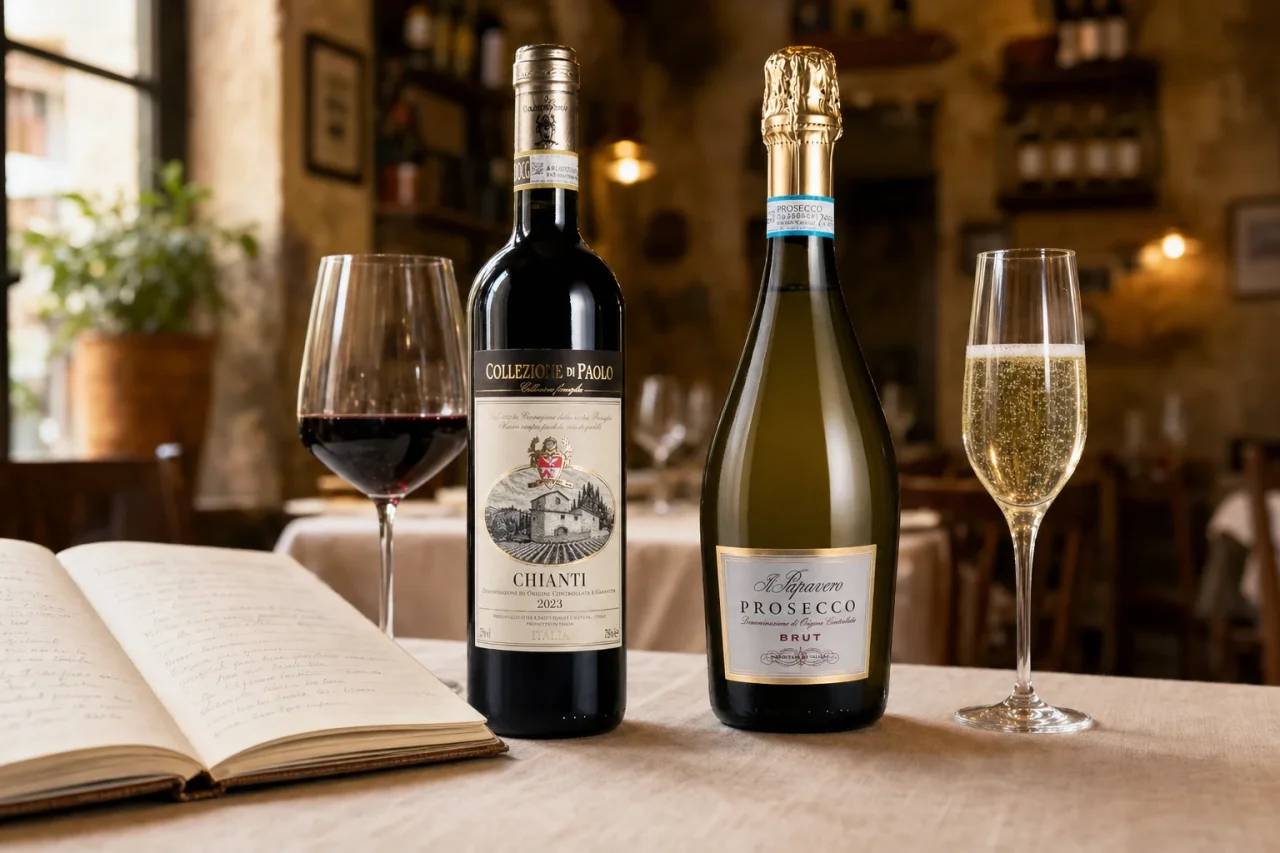
Pour the same Sangiovese into two different glasses and it will not smell the same. The bowl decides how much air the wine meets, the rim shapes the first sip, and the stem keeps the warmth of your hand off the wine. Glassmakers such as Riedel build whole ranges around single grapes, but you do not need a cupboard full of crystal. This guide covers the four shapes that matter for Italian wine and the bottles each one flatters.

Red Wine Glasses
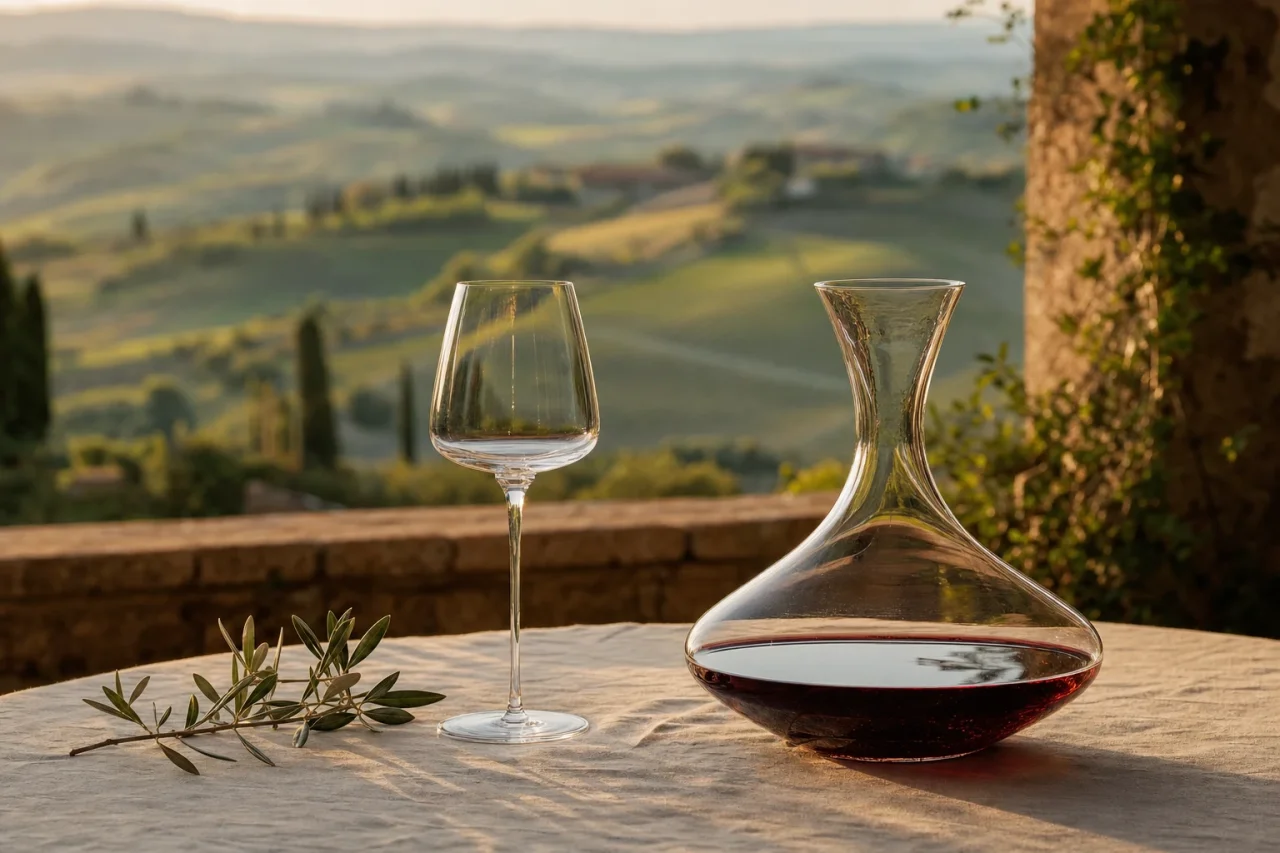
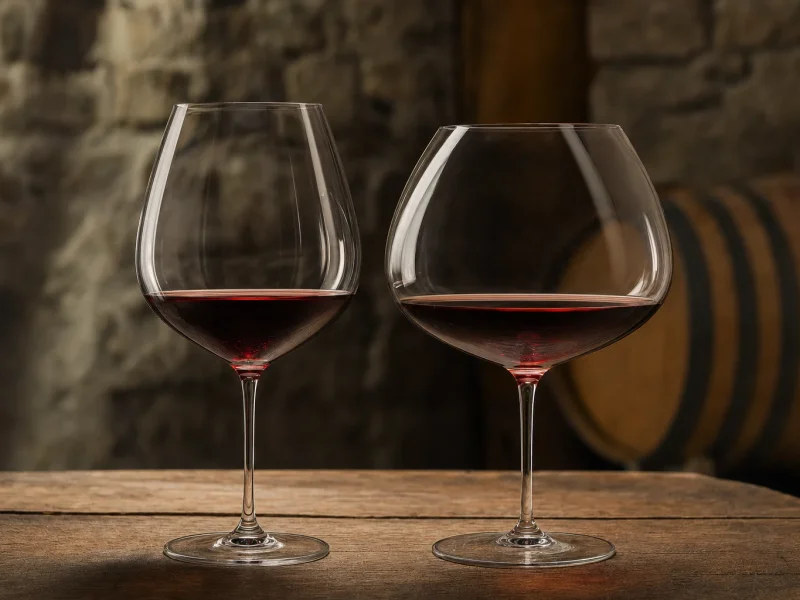
Red wine glasses come in two main families, and the difference is the bowl. A bigger bowl gives the wine more air, which softens tannin and opens the aromas locked in a young red. The biggest Italian reds get the biggest glasses, while lighter styles want something smaller and closer to the nose.

Riedel Vinum Bordeaux Wine Glass, Set of 2
Lead crystal, ideal for Bordeaux, Cabernet. 22.5 cm, 610 ml capacity.
View on Amazon
Krosno Red Wine Glasses, Set of 6
Generous 550 ml bowls from the Avant-Garde line. An affordable everyday set for medium reds.
View on Amazon
Spiegelau Definition Bordeaux Wine Glasses, Set of 2
European-made, lead-free crystal. Dishwasher safe, holds 26 ounces.
View on Amazon
Schott Zwiesel Pure Burgundy Wine Glasses, Set of 2
Tritan crystal, perfect for Burgundy wines. Elegant design, 692ml.
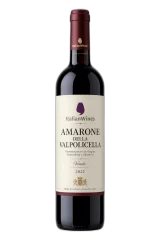
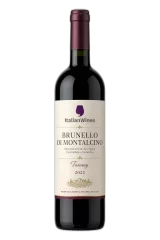
View on Amazon- Bordeaux glass Tall, with a broad bowl. Built for dense, firmly tannic reds: Amarone della Valpolicella, Brunello di Montalcino or a Sagrantino from Umbria. The height gives the wine a long path of air on the way to your nose, so dark fruit arrives before the grip does. Riedel's Vinum Bordeaux, at 610 ml, is the reference shape.
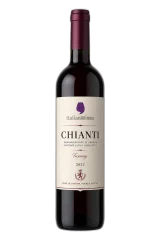
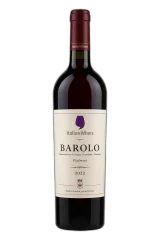
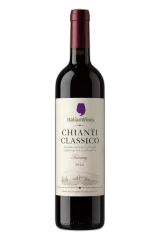
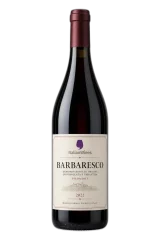
- Burgundy glass A wider balloon with a slightly narrower rim, made for perfumed, high-acid reds. This is the shape for Nebbiolo: Barolo and Barbaresco pour their rose-and-tar scent into the wide bowl instead of losing it, and Etna Rosso loves it too. An everyday Chianti does not need the full balloon; a standard medium bowl serves it well.
White Wine Glasses
White wine glasses are smaller and more upright, closer to a U than a balloon. Less glass means the wine stays cooler for longer, and the tighter shape funnels citrus and floral notes upward. Italian tradition splits whites two ways: crisp and unoaked on one side, fuller whites raised in oak or aged in bottle on the other.

RIEDEL Veritas Viognier/Chardonnay, Set of 2
Fine machine-blown crystal for crisp, unoaked whites.
View on Amazon
RIEDEL Veritas Oaked Chardonnay, Set of 2
Wider 655 ml bowl for oaked and fuller whites. Dishwasher safe.
View on Amazon
Riedel Vinum Chablis/Chardonnay Glasses, Set of 4
Uniquely crafted to enhance Chablis and Chardonnay wines.
View on Amazon
Riedel Extreme Riesling Glass, Set of 2, Clear
Machine-made crystal glass, ideal for white wine. Dishwasher safe.
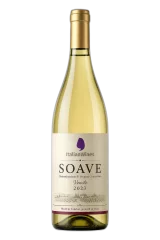
View on Amazon- A fuller white glass Slightly wider and rounder, the shape Italian sommeliers reach for with whites that have weight: oaked Chardonnay, Fiano di Avellino or a mature Soave Classico. The extra width lets honey and nut tones join the fruit.
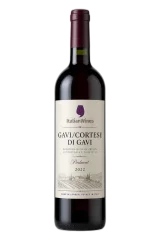
- A crisp white glass Taller and narrower, often called a tulip. It keeps acidity bright and sends aromas straight up: perfect for Gavi, Verdicchio, Vermentino and Pinot Grigio. If you mostly drink seafood-friendly whites, this is the one to buy first.
Rosé Wine Glasses
Rosé has never settled on one official glass, and that is fine. A crisp white glass handles most bottles: it keeps a pale Chiaretto di Bardolino cold and focused. Deeper, structured rosato such as Cerasuolo d'Abruzzo gains from the fuller white shape instead, which gives its cherry fruit more room. Dedicated rosé glasses with a flared lip exist, but they are a nice-to-have, not a need.
Sparkling Wine Glasses
Sparkling wine lives and dies by its bubbles, so its glasses are built to protect them. A narrow glass gives the fizz less surface to escape from and keeps the wine cold. The argument in recent years is about how narrow: the classic flute keeps the show going, while a tulip gives the nose more to work with.

Elixir Glassware Champagne Flutes, Set of 4
Hand blown, lead-free crystal. Perfect for celebrations, 8oz.
View on Amazon
Diamante 'Soho' Champagne Flutes, Set of 2
Lead-free crystal with Swarovski crystals. Unique 'Soho' design, 170ml.
View on Amazon
Luigi Bormioli Atelier Prosecco Flutes, Set of 6
Italian-made 272 ml flutes from Luigi Bormioli's Atelier line.
View on Amazon
Krosno Prosecco Champagne Glasses, Set of 6
Designed for Prosecco and champagne. Dishwasher safe, 280ml.
View on Amazon- Flute The classic tall, straight glass. It holds the sparkle longest and looks the part at a toast, and a fresh Prosecco keeps its pear snap in it. Best for lighter, fruit-led fizz served well chilled.
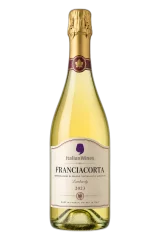
- Tulip Like a flute that swells in the middle, then narrows again. The extra width releases aroma while the narrow top still guards the bubbles. It is the better home for Franciacorta and Trentodoc, whose slow second fermentation in bottle builds a bready, hazelnut depth that a flute muffles. Many sommeliers now pour top Italian fizz in a white wine glass for the same reason.
A practical note for UK kitchens: every glass in this guide is sold in sets on Amazon UK, and most are dishwasher safe. None costs more than a good bottle of Barolo. Check the maker's care advice for anything with a fine rim.

Summing up
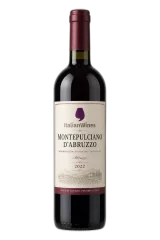
If you are starting from nothing, buy in this order. First a medium red glass of around 500 ml, which will serve everything from Chianti to Montepulciano d'Abruzzo. Then a crisp white tulip for Gavi, Pinot Grigio and most rosé. Add flutes or sparkling tulips when Prosecco becomes a habit rather than an occasion, and save the big Bordeaux and Burgundy bowls for the cellar reds. Four shapes, and every Italian bottle you are likely to open has a glass that fits.
Frequently asked questions
Because shape changes what reaches your nose, and smell is most of taste. A wide bowl gives red wine air and softens its grip; a narrow glass keeps whites cold and sparkling wine lively. The wine is the same liquid, but the glass decides how much of it you notice.
Use a tall Bordeaux-shaped glass for big, tannic reds such as Amarone or Brunello di Montalcino, and a wider Burgundy balloon for perfumed reds such as Barolo or Etna Rosso. For everyday Chianti, a medium bowl of around 500 ml is all you need.
A medium, slightly tapered glass of around 500 ml. It flatters Chianti and other mid-weight reds, copes with fuller whites, and will not embarrass a Prosecco. The Krosno 550 ml set in this guide is exactly that shape; add specialist glasses once you know what you pour most.
A flute or a tulip. The flute keeps bubbles longest, which suits fresh, fruity Prosecco. The tulip's wider middle shows more aroma, so it is the better choice for Franciacorta and other bottle-fermented styles.
Yes, and for most rosé they are the best glasses you already own. A crisp white glass keeps pale styles such as Chiaretto di Bardolino cold and bright. Only deeper rosato, such as Cerasuolo d'Abruzzo, gains from a slightly fuller bowl.
Yes, measurably. Shape controls how much air the wine meets, how concentrated the aroma is when it reaches your nose, and how cool the wine stays. Swap the same wine between a tulip and a balloon and the difference is obvious within two sips.