






Wine route
Strada del Franciacorta
1 day · 6 stops
Open the driveYour cellar, your trips, and the wines you've been tracking are right where you left them.
New here?
Free, always. Education first, we'll never sell you anything you didn't ask to see.
Already have an account?
Enter the email you signed up with and we'll send a link to choose a new password.
Lombardy · DOCG
Franciacorta is Lombardy's metodo classico DOCG. The vines grow on the morainic hills south of Lake Iseo. Chardonnay leads most blends, with Pinot Nero, Pinot Bianco and a measured role for Erbamat. Expect a fine mousse, with citrus, white peach, almond and bready notes from the yeast. Saten, Rose, Millesimato and Riserva add the range.
Decode the label
One denomination, 5 things it can say on the front. Colour first, then the qualifier.
On the label
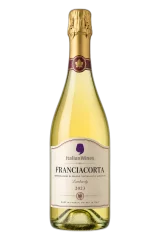
Franciacorta
the base bottle, never called spumante
Chardonnay and Pinot Nero refermented in this bottle: baked apple, hazelnut and a fine bead. The dosage word (Brut, Extra Brut, Dosaggio Zero) is a sweetness label, not a tier.
In stock from £18.52 See the 97 bottles ↓On the label
Franciacorta Satèn
the silk cuvée
No Pinot Nero and a gentler pressure: the softest, creamiest wine in the family, always Brut.
In stock from £22.20 See the 27 bottles ↓On the label
Franciacorta Rosé
Pinot Nero's turn
Onion-skin pink from the zone's red grape: red berries over the same bready lees notes.
In stock from £20 See the 33 bottles ↓On the label
Millesimato
one harvest in the bottle
A vintage on a Franciacorta label is a commitment: nearly all of the wine must come from that year.
In stock from £21 See the 36 bottles ↓On the label
Riserva
five years in the dark
Toast, dried fruit and depth in place of primary freshness: the tier that argues with Champagne.
In stock from £35 See the 20 bottles ↓The boundary
Everything on this page, the estates, the bottles, the sub-zones, sits inside this line.
Wine route
1 day · 6 stops
Open the drive
Estate 1
Corte Franca · Borgonato
Tastings available
Estate 2
Erbusco · The central hills
Tastings available
Estate 3
Provaglio d'Iseo
Tastings available
Estate 4
Passirano · Camignone
Tastings available
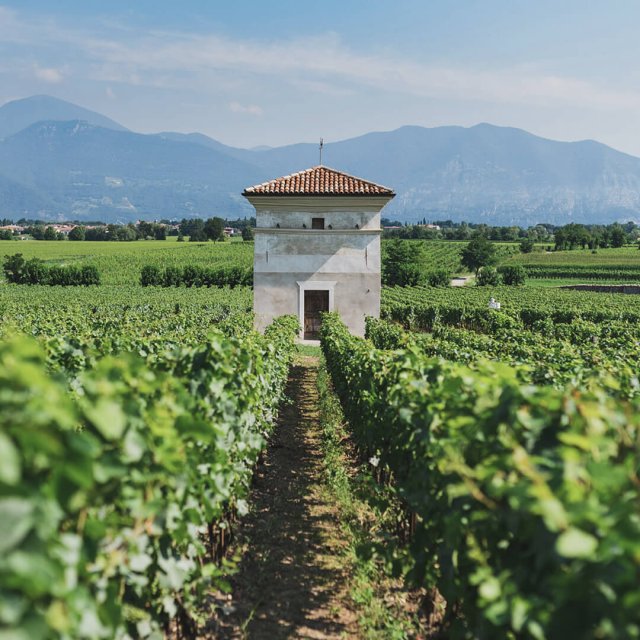
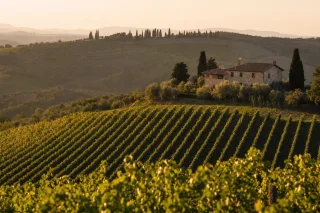
An amphitheatre of glacial hills between the southern shore of Lake Iseo and the plain of Brescia: the whole territory of fourteen communes, Paratico and Capriolo on the Oglio, Adro, Erbusco and Corte Franca at the centre, east through Passirano and Gussago to the edge of Brescia itself, plus a strip of four more communes north of the old state roads. The moraine left by the Ice Age glacier is the whole point: poor, stony, free-draining ground that ripens Chardonnay and Pinot Nero with the tension bottle fermentation needs.
Inside the zone
Click or tap a pin for its estate. The numbered pins match the estate cards below.
Towns worth knowing
Cellatica and Gussago carry the zone to Brescia's doorstep; the crenellated F has been the producers' shared mark since 1991.
In the glass

Toasted bread

Brioche
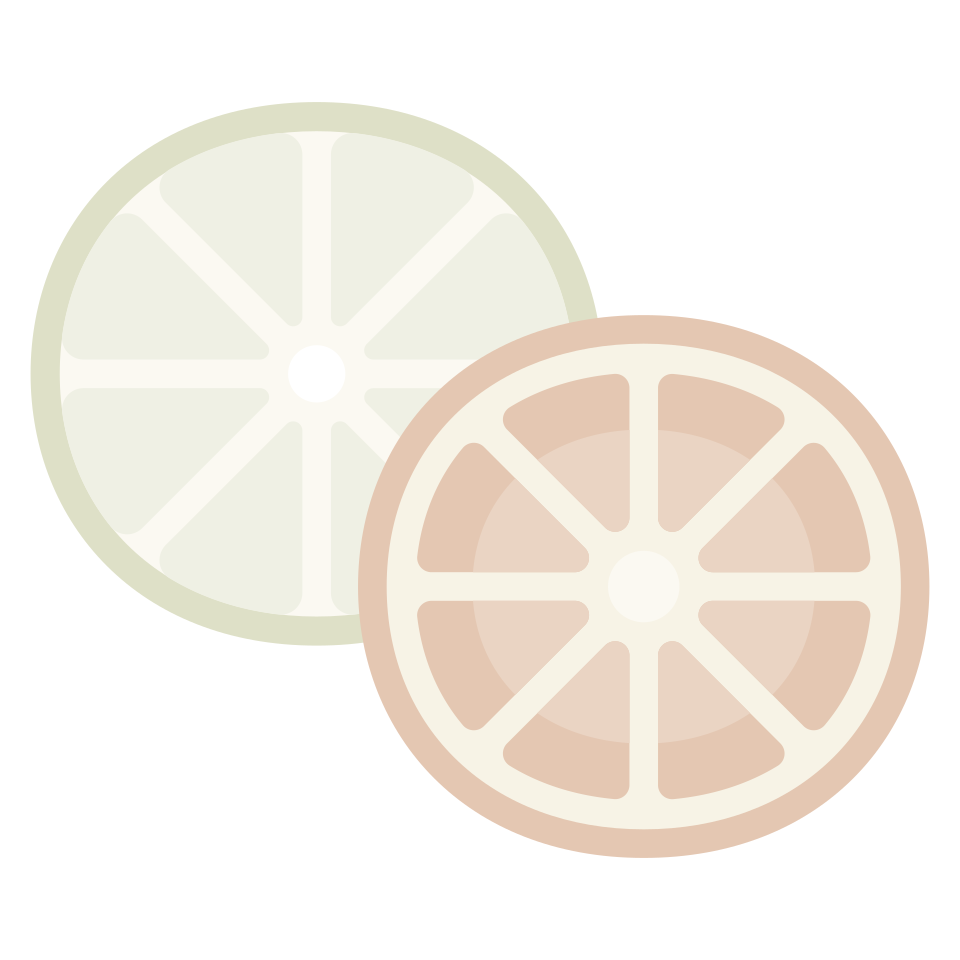
Citrusy fruit

Green Apple

White peach

Pear
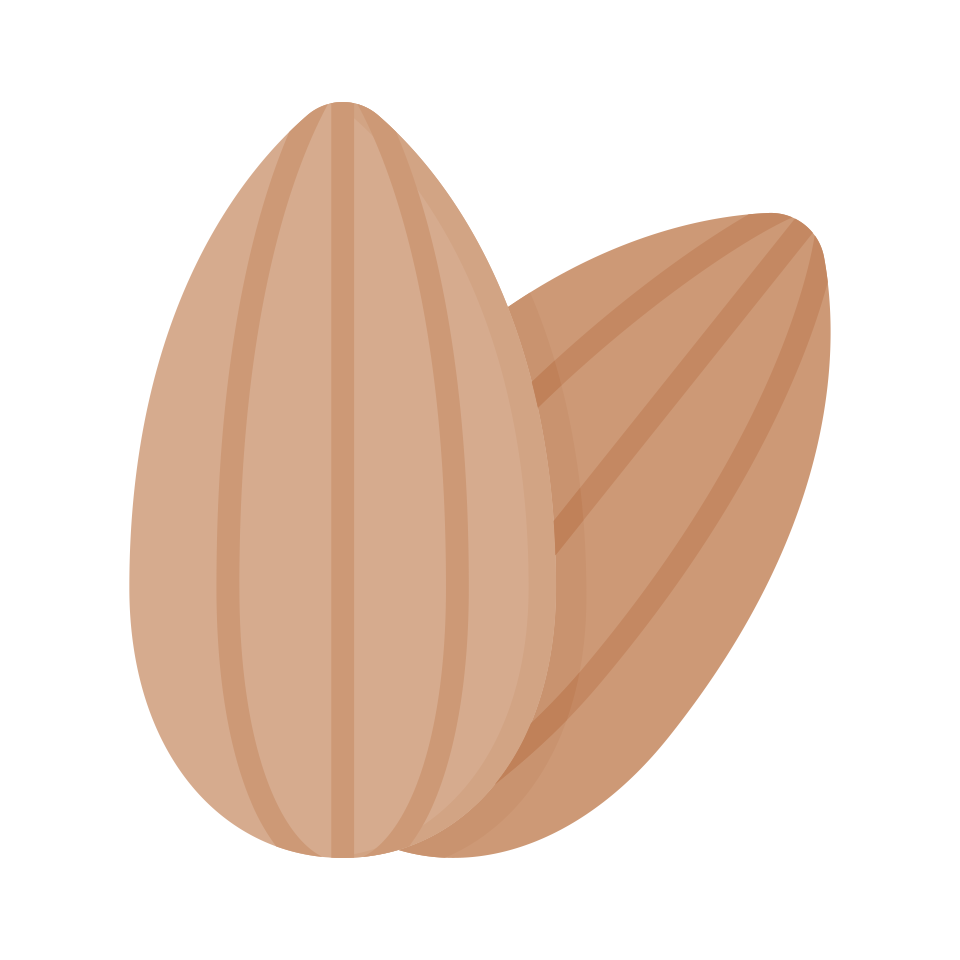
Almond

Hazelnuts
The disciplinare
The same table on every denomination page, one row group per style here, because Franciacorta writes its rules per colour.
 Chardonnay and/or Pinot NeroThe core, alone or togetherup to 100%
 Pinot BiancoThe traditional supporting whiteup to 50%ErbamatOld local white, kept for its acidityup to 10%ChardonnayThe leadat least 50%Pinot BiancoFills the balanceup to 50%Pinot NeroThe colour and the spineat least 35%ChardonnayFreshness and finesseup to 65%Pinot BiancoPermitted supporting whiteup to 50%ErbamatPermitted, for acidityup to 10%
Solid means the rules demand it. Striped means optional, up to that amount. The words on the right say the same rule.
The word spumante is banned from the label and so is metodo classico: the name Franciacorta is meant to say it all.
18 months on the lees before disgorgement Satèn and Rosé wait 24, millesimato 30, Riserva 60.
No crus, by law geographic mentions and vineyard names are forbidden on Franciacorta labels.
Erbamat is the quiet newcomer an old local white allowed up to 10% of the blend for its acidity.
Tirage may start only from 1 February after the harvest, and yields stop at 10 tonnes per hectare.
Ageing and alcohol minimums per tier are in the label guide above.
Editor's cellar
By style, today
Live prices, compared across 18 UK retailers.
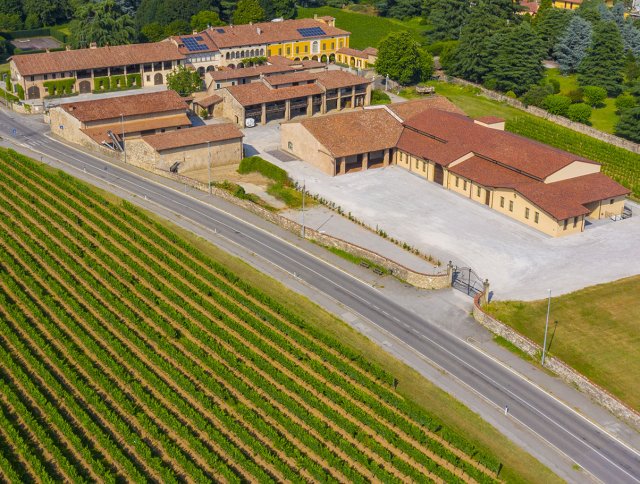
Cellar doors · inside the zone
4 working estates with their gates open, numbered to match their pins on the map above.
No estates match these filters. Clear a filter to see more.
The years
Chart ratings come from the Consorzio Franciacorta harvest history. Rows from 2011 to 2018 use the Consorzio numeric vintage or qualitative assessment, with half scores rounded conventionally. Rows from 2019, 2020, 2021 and 2023 are skill-scored from the Consorzio denomination-specific harvest narrative because the public page lists recent numeric ratings as quantitative rather than quality ratings. 2024 and 2022 are skipped until a clear quality assessment is published.
Reading the years
Consorzio vintage assessment 5; excellent base wines from slow ripening and cool nights.
The short version: Mostly a blend across years by design: when a year is on the label, 2016 and 2020 lead.
Tap a year for its note.
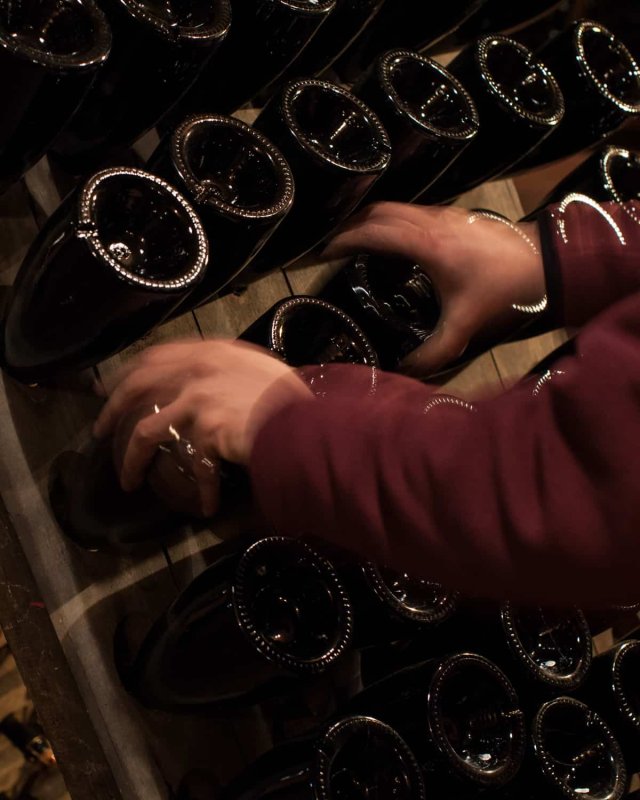
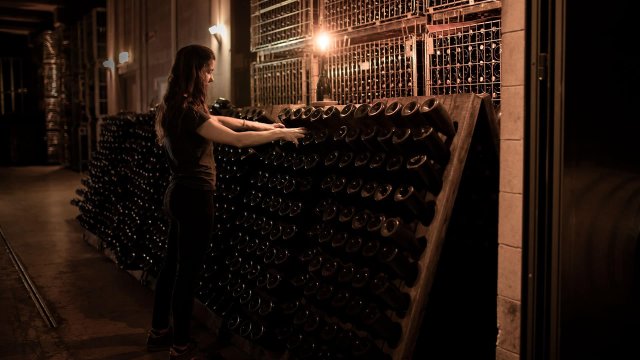
Franciacorta DOCG gets its bubbles from a natural second fermentation in the bottle, not in a tank. Chardonnay and Pinot Nero are the core base grapes. Pinot Bianco is permitted up to 50 percent and Erbamat up to 10 percent. Franciacorta's consortium rules set the steps. Growers must pick by hand and press gently. The blend is put together after the first fermentation. Yeast and sugar then go into the bottle for the second one. The wine rests on the spent yeast, and only later is that yeast removed. The minimum time on the lees is 18 months for Franciacorta. Rose and Saten need 24 months, Millesimato 30 months and Riserva 60 months. The base Franciacorta category has a minimum alcohol of 11.5 percent. It must also keep at least 5 grams per litre of total acidity.
On the table
The home country leads; global pairings that genuinely work follow.
In-depth guide
It is Lombardy's bottle-fermented sparkling wine, from the hills south of Lake Iseo. It is made mainly from Chardonnay and Pinot Nero. Pinot Bianco and Erbamat are permitted in limited proportions.
No. Franciacorta is made by second fermentation in the bottle. Prosecco DOC is normally made by the Martinotti tank method. That gives Franciacorta more bread, almond and citrus detail. Those notes come from ageing on the yeast.
Franciacorta uses Chardonnay and/or Pinot Nero. Pinot Bianco is allowed up to 50 percent, and Erbamat up to 10 percent. Saten is the white-grape exception. It is based on Chardonnay, with Pinot Bianco allowed.
Standard Franciacorta spends at least 18 months on the lees. Rose and Saten require 24 months, Millesimato requires 30 months, and Riserva requires 60 months.
Franciacorta is usually fresh, savoury and finely sparkling. Expect citrus, white peach, apple, almond, hazelnut, bread crust and yeast notes from bottle ageing.
Franciacorta works across the meal. Lake Iseo fish, shellfish, salumi, fresh cheeses, medium-aged cheeses, polenta with Bagoss and richer Lombardy dishes all suit different sweetness levels.
Explore more Lombardy
Same region only: the denominations Franciacorta drinkers reach for next.


__600x796.webp?v=1778302189)