






Wine route
Strada del Vino della Valtellina
2 days, 67 km · 8 stops
Open the driveYour cellar, your trips, and the wines you've been tracking are right where you left them.
New here?
Free, always. Education first, we'll never sell you anything you didn't ask to see.
Already have an account?
Enter the email you signed up with and we'll send a link to choose a new password.
Lombardy · DOCG
Valtellina Superiore is Nebbiolo grown on stone terraces in the Alps. The vines climb the sunny north bank of the River Adda in Lombardy, between 300 and 700 metres up. The wine is mid-weight, fresh and firm, with red cherry, rose and a dusty mountain edge. Every bottle spends two years in the cellar before it goes on sale.
Decode the label
One denomination, 7 things it can say on the front. Colour first, then the qualifier.
On the label
Valtellina Superiore
the base wine, two years in the cellar
Fruit from anywhere on the terraces, or from two sub-zones blended, wears the plain name.
In stock from £22.80 See the 8 bottles ↓On the label
Sassella
the stony classic above Sondrio
Named after the Madonna della Sassella sanctuary: warm, rocky and probably the best known of the five.
In stock from £22.40 See the 8 bottles ↓On the label
Grumello
under the castle, north of Sondrio
A compact heart of rocky terraces beneath Grumello castle, with the Dossi Salati above it.
In stock from £18 See the 6 bottles ↓On the label
Inferno
with Sassella the warmest of the five
Its name means hell: vertiginous south-facing slopes east of Sondrio, matched only by Sassella for warmth.
In stock from £19.50 See the 5 bottles ↓On the label
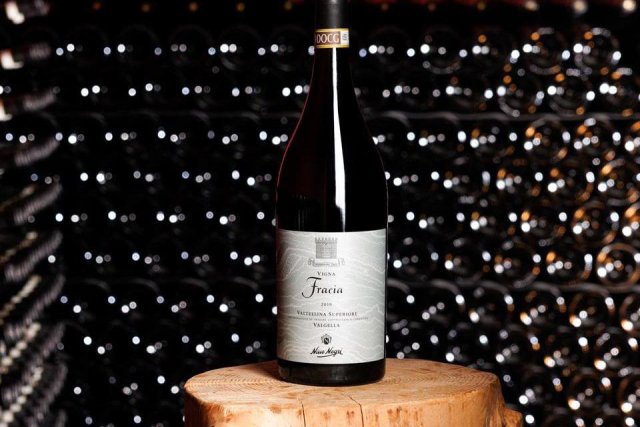
Valgella
the largest, from Chiuro to Teglio
Deeper soils and less rain than its neighbours; the name comes from valgel, the small streams that cut the slope.
No bottles in stock right now
On the label
Maroggia
the smallest and most westerly
Recognised as a sub-zone in 2002, on old terraces at Berbenno, the western end of the five sub-zones.
No bottles in stock right now
On the label
Riserva
three years' rest, any zone
The same rules plus a third year in the cellar, with or without a sub-zone name on the label.
In stock from £27.12 See the 11 bottles ↓The boundary
Everything on this page, the estates, the bottles, the sub-zones, sits inside this line.
Wine route
2 days, 67 km · 8 stops
Open the drive
Estate 1
Chiuro · where Valgella begins
Tastings available
Estate 2
San Giacomo di Teglio · Valgella
Tastings available
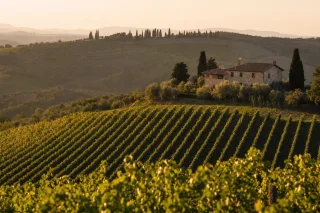
A single sunny bank. The vines sit on the north side of the River Adda, which faces south. They run between Buglio in Monte in the west and Tirano in the east, all inside the province of Sondrio. The zone is a thin ribbon of terraces between roughly 300 and 700 metres, never the valley floor and never the shaded south bank. Along it sit the five named zones, west to east: Maroggia, Sassella, Grumello, Inferno and Valgella, each a stretch of the same slope with its own angle to the sun.
Inside the zone
Click or tap a pin for its estate. The numbered pins match the estate cards below.
Towns worth knowing
Sondrio is the hub. The sub-zones start at Berbenno in the west and end at Teglio, while plain Valtellina Superiore runs on to Tirano.
In the glass
Cherry

Rose petal

Violet
Red forest berries

Strawberry
Liquorice

Leather

Black pepper
The disciplinare
The same table on every denomination page, straight from the production rules.
 Nebbiolo (Chiavennasca)The whole story, under its mountain nameat least 90%Other red grapes of LombardyNon-aromatic onlyup to 10%
Solid means the rules demand it. Striped means optional, up to that amount. The words on the right say the same rule.
Nebbiolo, 90% or more the mountain name is Chiavennasca, and the rulebook prints both.
Two years before sale, one of them in wood counted from 1 December after the harvest.
Riserva means three years with or without a sub-zone name.
One sub-zone per label mix two and the wine goes back to plain Valtellina Superiore.
Only steep, stony, sunny plots qualify with at least 3,500 vines per hectare on new plantings.
Ageing and alcohol minimums per tier are in the label guide above.
Editor's cellar
Live prices, compared across 8 UK retailers.
Cellar doors · inside the zone
Two estates inside the zone open their doors today. A small list, honestly kept: only working cellars with confirmed visits appear here.
No estates match these filters. Clear a filter to see more.
Five stretches of one slope
The terraces run west to east for about 50 kilometres, and the rulebook cuts them into five named sub-zones. A wine may carry a sub-zone name only when all its grapes grew inside it.

The smallest and most westerly sub-zone: 25 hectares of steep terraces at Berbenno between 270 and 550 metres, recognised on its own only in 2002.
The classic stretch from Castione Andevenno to the edge of Sondrio: over 100 hectares of rock and dry-stone wall, named after the Madonna della Sassella sanctuary.
About 80 hectares of rocky terraces beneath Grumello castle, just north of Sondrio, between 350 and 600 metres.
Fifty-five hectares of vertiginous south-facing terraces east of Sondrio, between 300 and 500 metres, and with Sassella the warmest of the five sub-zones.
The largest sub-zone: 140 hectares from Chiuro to Teglio between 350 and 650 metres, with deeper soils, less rain and a name taken from its small streams.
Vintage provenance
No denomination-wide vintage chart is currently published for Valtellina Superiore. The guides rate individual wines, so quality here is tracked producer by producer, not year by year.
Buy the current vintage with confidence: every bottle has already had two years' rest. Give a Riserva another three to five years if you want the leather and dried-rose side of Nebbiolo.
What to check instead
The sub-zone: where a wine comes from inside the zone changes what is in the glass. See them above.
The producer: quality here is tracked estate by estate rather than year by year.
The rulebook asks for at least 90% Nebbiolo, known here as Chiavennasca. Up to 10% can be other red grapes grown in Lombardy. Only steep, stony, well-exposed plots qualify, and new vineyards must carry at least 3,500 vines per hectare. Yields are capped at 8 tonnes of grapes per hectare. Every wine rests for 24 months before release, and at least 12 of them are spent in wooden barrels. The clock starts on 1 December after the harvest. A Riserva waits three years. Finished wines must reach 12% alcohol. Bottles show the vintage and use dark glass. A wine from one of the five named zones can carry that zone on the label. Blend fruit from two zones and the label goes back to plain Valtellina Superiore. Wine bottled over the border in Switzerland may add the word Stagafassli to its name, and then cannot carry a zone name or Riserva.
On the table
Fresh acidity and fine tannin want alpine food: pizzoccheri, sciatt, mushroom risotto, ossobuco and slow-cooked beef.
In-depth guide
It is a dry red wine made from at least 90% Nebbiolo on the terraced north bank of the Valtellina, in the Lombardy Alps. It has been a DOCG since 1998. Every bottle spends two years in the cellar before sale.
Same grape, lighter build. Valtellina Superiore grows 300 to 700 metres up on sandy granite terraces, so it is usually paler, fresher and less tannic than Barolo, and it usually costs less. It is the wine to try if Barolo feels too big or too dear.
They are the five official sub-zones, running west to east along the valley. A wine may name one only when every grape comes from inside it. Sassella and Inferno are the warmest, Valgella is the largest and Maroggia the smallest.
The wine waited at least three years before release instead of two. The extra time softens the tannin and brings out dried rose, leather and tea leaf notes.
It is ready to drink when sold, because the rules already give it two years' rest, three for a Riserva. Nebbiolo's acidity and tannin let it keep well beyond that in a cool, dark place, and a Riserva rewards a few more years.
Start with the valley's own dishes: pizzoccheri, the buckwheat pasta with cabbage, potato and cheese, sciatt cheese fritters and bresaola, the local cured beef. Its fresh acidity and firm tannin also suit mushroom risotto, ossobuco and slow-cooked beef.
It is the local name for Nebbiolo, the same grape that makes Barolo and Barbaresco in Piedmont. The rulebook prints both names, so a label may say either.
Explore more Lombardy
Same region only: the denominations Valtellina Superiore drinkers reach for next.