






Moscato Wine Explained: Every Italian Style, from Asti to Pantelleria
TL;DR
- Moscato is a family of Italian wines from one very perfumed grape, and most of it is sweet, gently fizzy and only about 5% alcohol.
- A Moscato d'Asti DOCG from a named Piedmont estate costs about £10 to £20 in Britain and is the bottle to start with.
- The same grape family also gives Italy dry Moscato Giallo in Alto Adige, pink Moscato Rosa, and the sun-dried Passito di Pantelleria.

What Moscato wine is
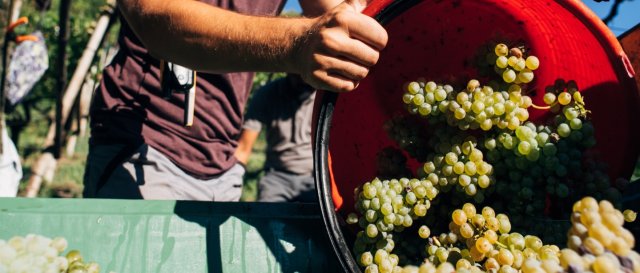
Pour a glass of Moscato d'Asti and the smell arrives before the glass does: peach, orange blossom, fresh grapes. Most wines smell of many things. Moscato smells of the grape it came from. That is what people mean when they call it aromatic, and it is why a first-time drinker can pick it out of a line-up.
In Italy the name covers a family, not a single bottle. The main grape is Moscato Bianco, the Italian name for Muscat Blanc à Petits Grains. Roman writers called it apiana, the bee grape. It has cousins: yellow-skinned Moscato Giallo in the Alps, pink-skinned Moscato Rosa, the Sicilian Zibibbo, and a rare red Moscato near Bergamo.
Four things change from one Moscato to the next: how fizzy it is, how sweet it is, how strong it is, and its colour. The colour runs from pale straw to gold, and in the rare cases to pink and ruby. Everything below sorts the Italian styles by those four questions, so the label makes sense before you pay for it.
Moscato d'Asti and Asti Spumante: the Piedmont classics
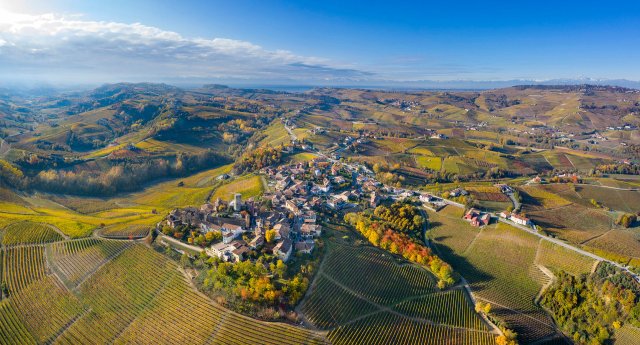
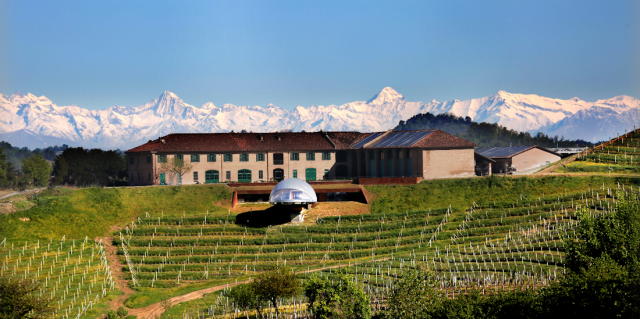
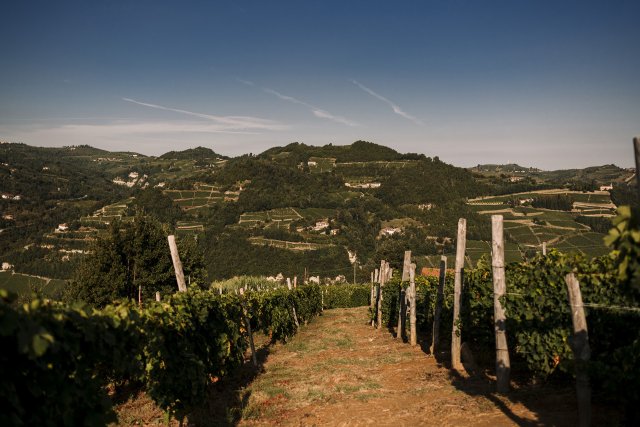
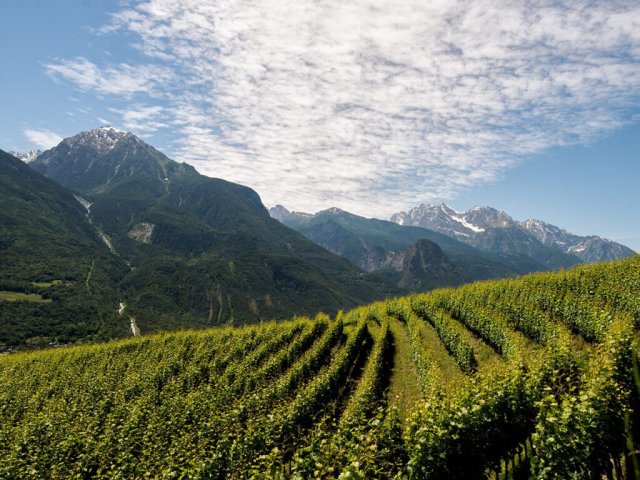
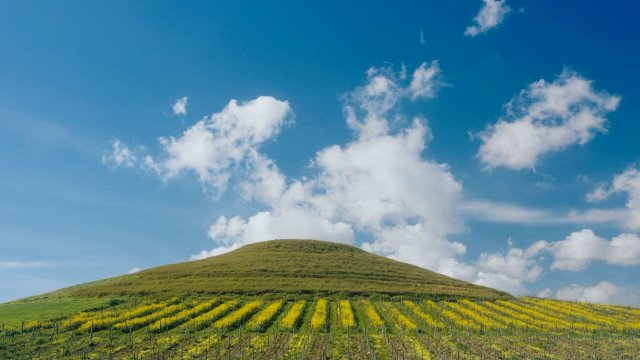
The Moscato most of the world knows comes from a band of hills south of the town of Asti in Piedmont. The Consorzio dell'Asti DOCG counts 51 towns and villages, nearly 10,000 hectares of vines and about 4,000 growers. Since June 2014 these hills have been a UNESCO World Heritage landscape. One set of rules, the Asti DOCG, covers two very different wines.
Moscato d'Asti is the gentle one. The makers chill the tank to stop the ferment at about 5% alcohol, so most of the grape sugar stays in the wine. By law it is between 4.5% and 6.5% alcohol, only lightly frizzante, always sweet, and it must show its vintage. It is sealed with a normal cork, not a mushroom one.
Asti Spumante is the party bottle. It is fully sparkling, at least 6% alcohol, and made in a sealed tank over a month or more. The rules now allow anything from bone dry to sweet, though the classic bottle is still sweet. A pink Asti is now allowed too, made with 10% to 30% of the red Brachetto grape.
The history matters because it explains the price. Carlo Gancia made Italy's first sparkling wine from Moscato at Canelli in 1865, by the Champagne method. In 1898 Federico Martinotti worked out how to make the fizz in big pressure tanks instead, which made the wine cheaper to make and opened the way for Moscato d'Asti. Asti became a DOC in 1967 and a DOCG in 1993.
On a British shelf, Moscato d'Asti from a named estate costs about £10 to £20, and the big-house Asti starts under £10. The one that stands apart is Contratto's De Miranda, an Asti still made by the bottle method Gancia started with, at about £34.
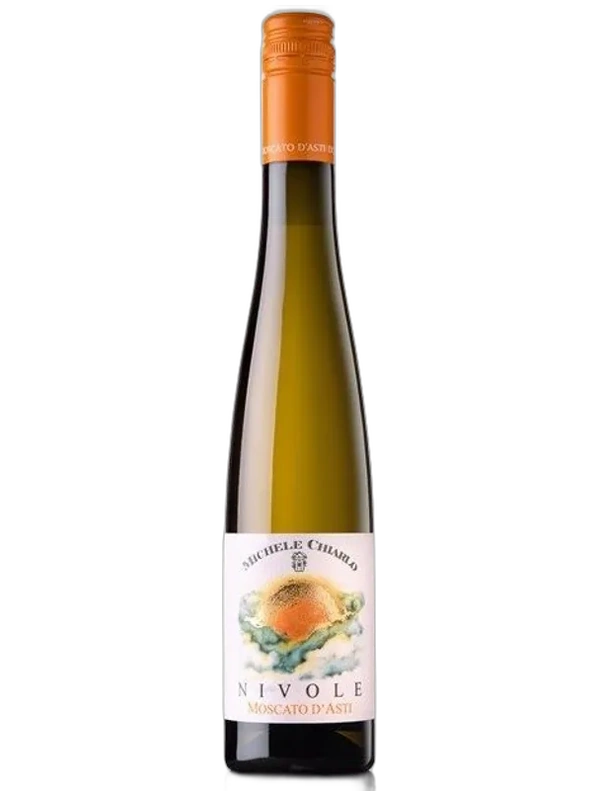
Michele Chiarlo 'Nivole', Moscato d'Asti 2025
View Wine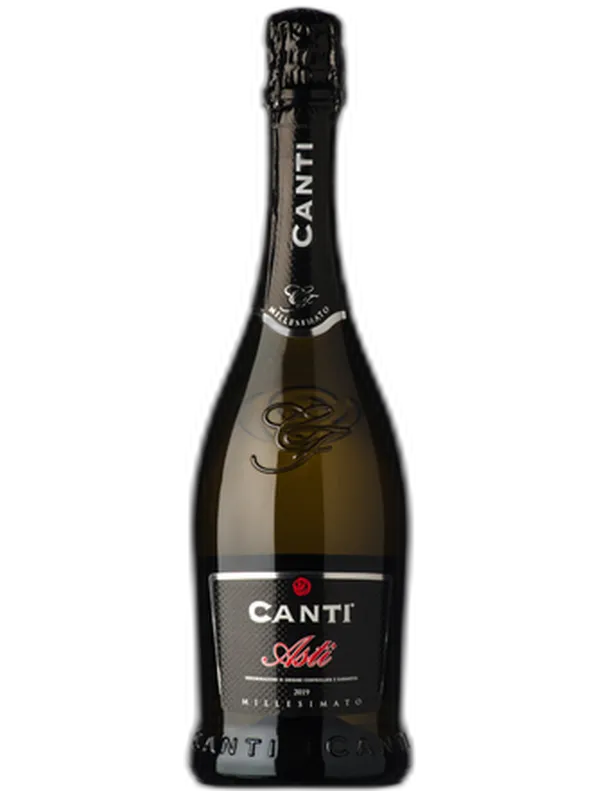
Canti Asti 2024
Canti's Asti is sweet Piedmont fizz, made from Moscato Bianco on the hills around Cossano Belbo. Just 7% alcohol, all peach, pear and orange blossom. Chill it hard and pour it with panettone or a fruit tart.
View Wine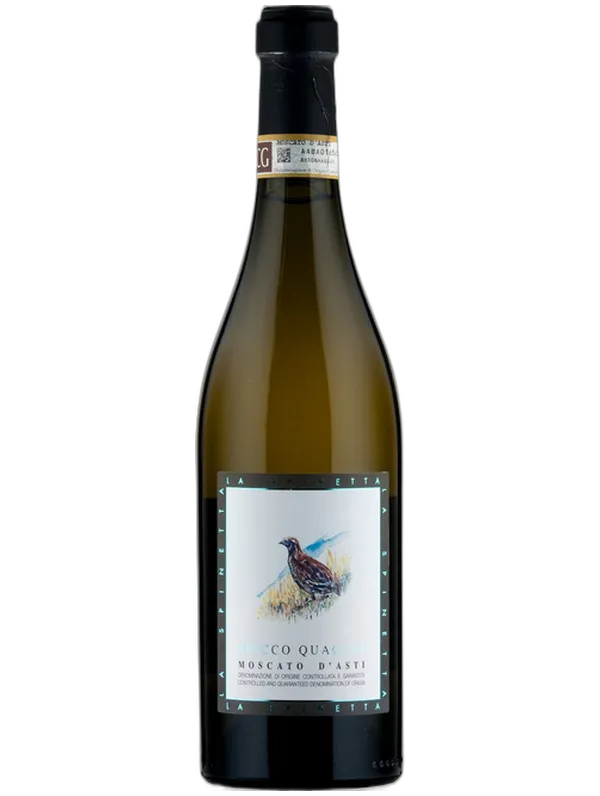
Azienda Agricola Spinetta Bricco Quaglia 2025
La Spinetta's Bricco Quaglia was Italy's first single-vineyard Moscato d'Asti, grown on 40-year-old vines at 300m in Castagnole delle Lanze. Peach, sage and honey lead a gently sparkling, low-alcohol sweet white at 5.5%, finishing clean and fresh.
View Wine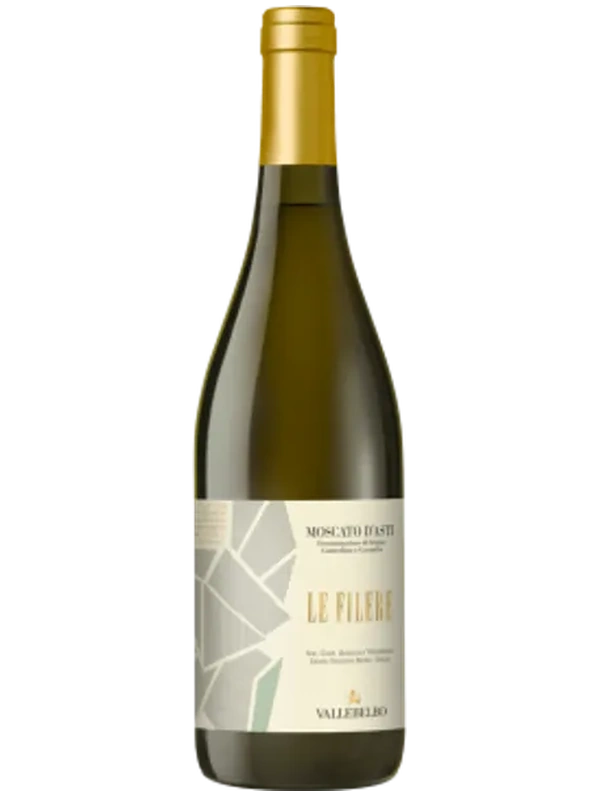
Moscato d'Asti - le Filere - Vallebelbo 2025
A sweet, gently fizzy Moscato d'Asti from the Vallebelbo co-op at Santo Stefano Belbo. Just 5.5% alcohol, with yellow peach, apricot and orange blossom. Falstaff scored it 91. Serve it cold with fruit or panettone.
View Wine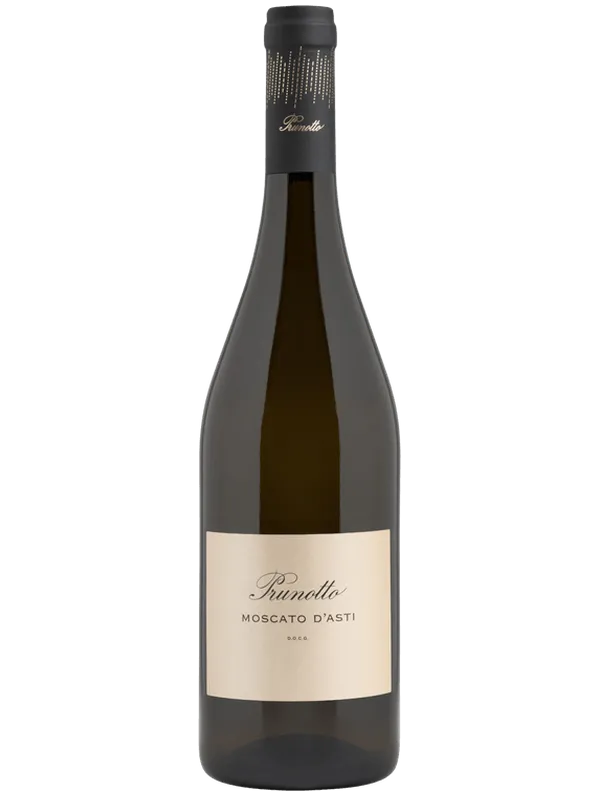
Moscato d'Asti 2025
View Wine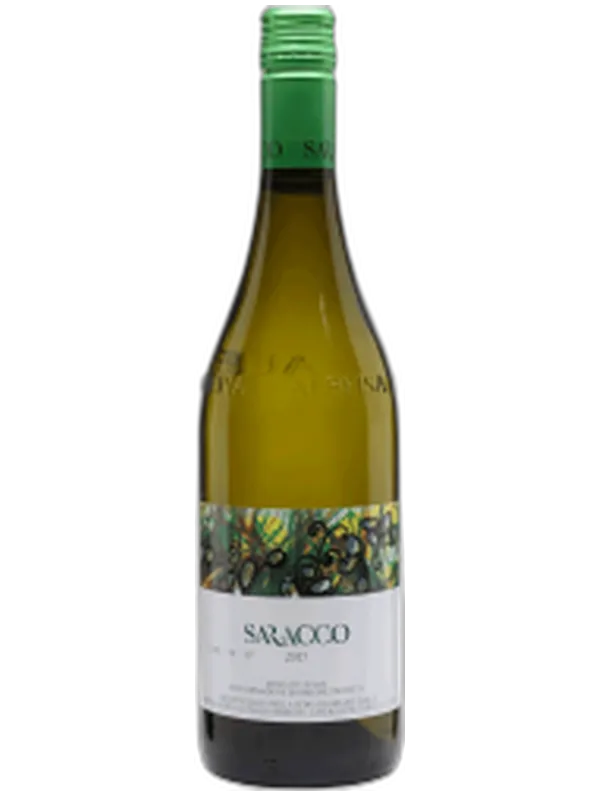
Moscato d'Asti Saracco 2025
A sweet, gently fizzy Moscato d'Asti from Paolo Saracco's hillside vines around Castiglione Tinella. Orange blossom, peach and thyme, fresh acidity and about 5.5% alcohol. Lovely with fruit tarts, biscuits and blue cheese.
View Wine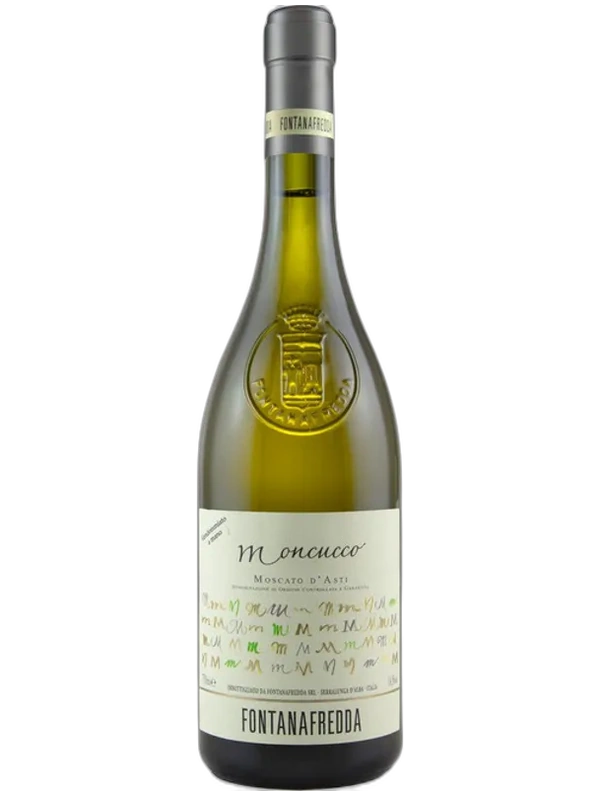
Fontanafredda Moscato d'Asti Le Fronde 2025
An organic Moscato d'Asti from Fontanafredda, sweet and lightly fizzy at just 5% alcohol. Orange blossom, sage and honey on the nose, fresh grape on the palate. Drink it young, with fruit desserts or on its own.
View Wine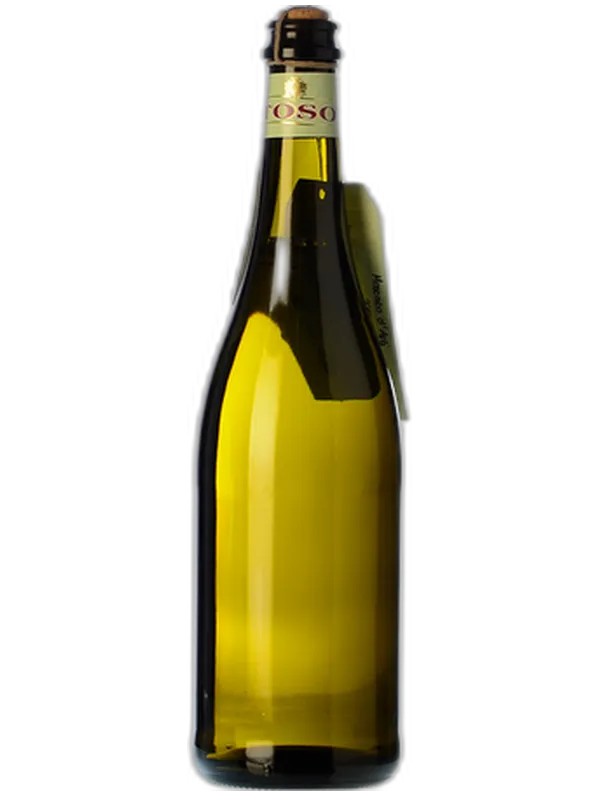
Toso Moscato d'Asti Fiocco di Vite 2025
A sweet, gently fizzy Moscato d'Asti from Toso's Fiocco di Vite range, at just 5.5% alcohol. Elderflower, sage and citrus meet peach and pear. Drink it young and chilled, with fruit puddings or panettone.
View Wine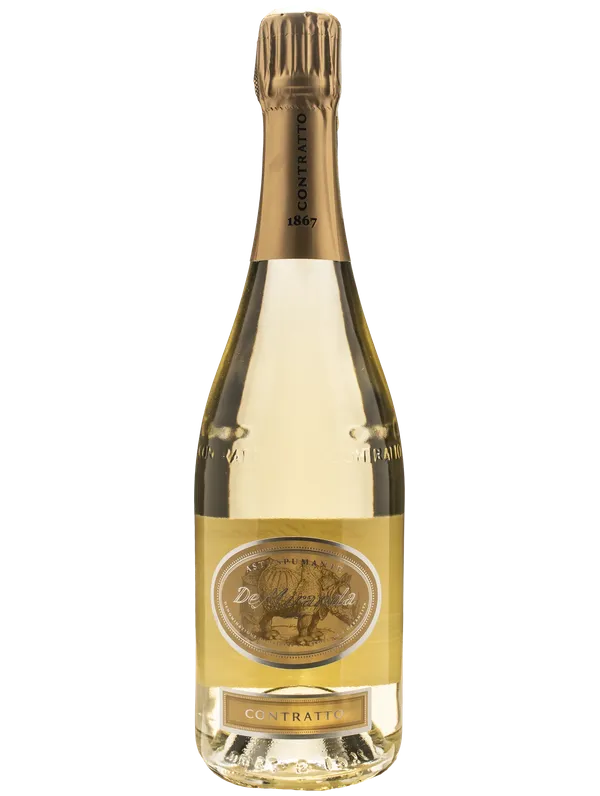
Asti Spumante DOCG De Miranda Contratto 2022
View Wine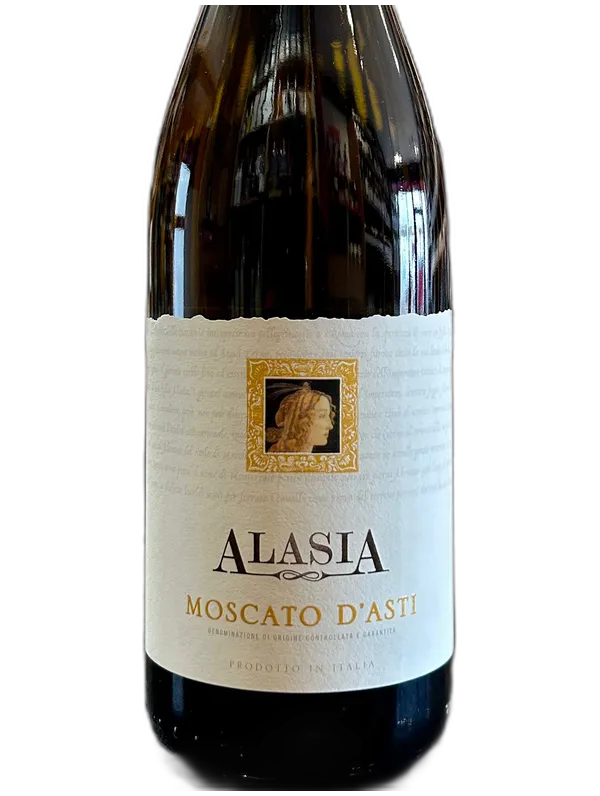
Moscato D'Asti Alasia 2025
Alasia's Moscato d'Asti is sweet and gently fizzy, with honey, fresh grape and ripe apricot. Araldica, the co-operative at Castel Boglione, makes it from Moscato Bianco grown in the Monferrato hills. Serve it cold with fruit puddings.
View WineIs Moscato sweet, and is it fizzy?
Sweet, yes, in nearly every bottle you will meet. The sweetness is the grape's own sugar, left in the wine because the ferment was stopped early. Nothing is added. Winemakers call what is left residual sugar, and in a Moscato d'Asti there is a lot of it.
It rarely tastes syrupy, and there are three reasons. The wine keeps its fresh acidity. The bubbles scrub the tongue between sips. And at 5% alcohol there is no warmth to make the sugar feel heavy. A Prosecco is dry and about 11%, so the two can look alike in the glass and taste nothing alike.
The fizz is not pumped in. It is the carbon dioxide from the wine's own fermentation, trapped in the tank. Moscato d'Asti keeps a soft prickle, under 2.5 bar of pressure. Asti Spumante is made in a sealed tank for longer, so it foams like Champagne. Our guide to how sparkling wine is made explains the tank method step by step.
Serve it cold, at 6 to 8 degrees, and drink it young. Moscato d'Asti is at its best within a year or two of the harvest on the label. After that the perfume fades, which is why a fresh vintage beats a bargain old one.
Pink Moscato: what Italy makes, and what the supermarket sells
Pink Moscato is a marketing idea before it is an Italian one. Barefoot, the Californian brand, says its Moscato is made in California, and retailers list its Pink Moscato as a blend led by Muscat of Alexandria, at 9% alcohol. Wine Folly calls the style a marketing invention: mostly Muscat, with a dash of a red grape for the colour. It is sweet and it is pink, but it is a different drink from the Italian ones.
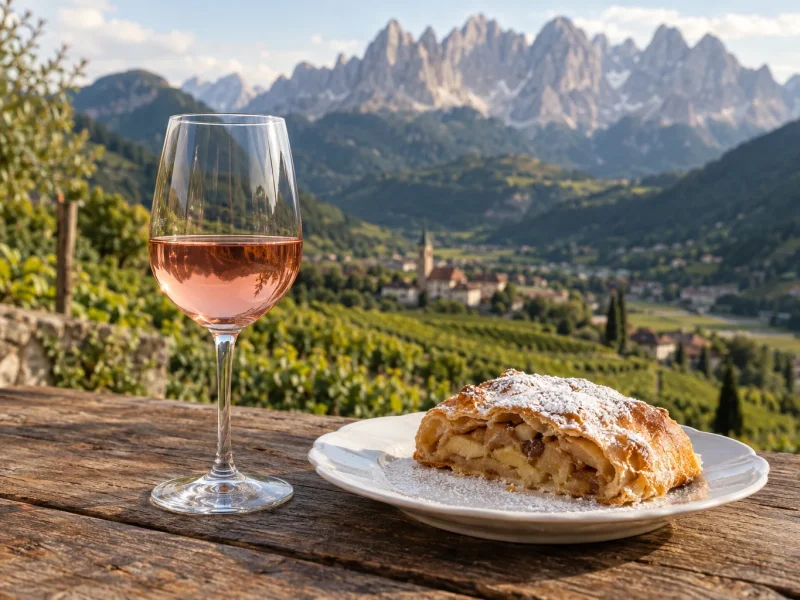
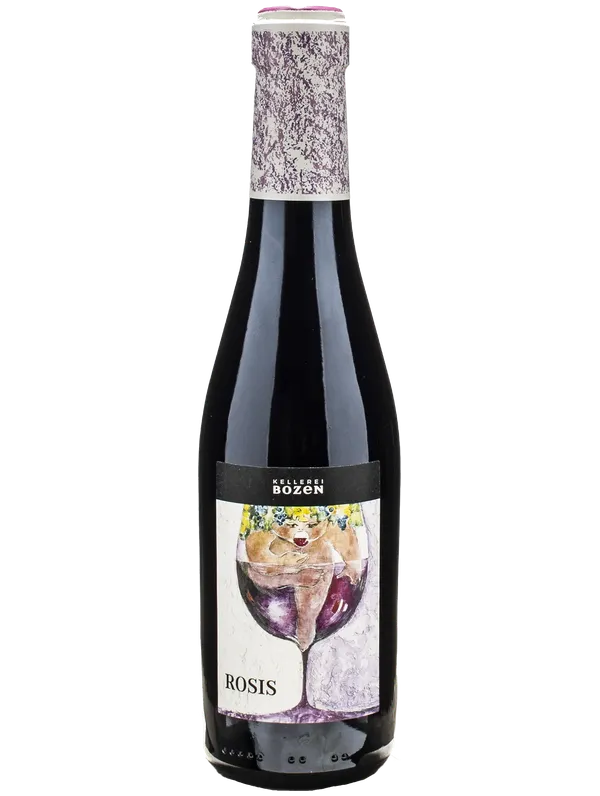
Italy has two kinds of pink Moscato of its own, and a red cousin. Moscato Rosa is a pink-skinned Muscat that came to Alto Adige from Sicily about 125 years ago. The Alto Adige wine consortium counts just 7 hectares of it. The grapes ferment like a red, and the wine smells of rose petals. Franz Haas's Moscato Rosa and Kellerei Bozen's Rosis are the two in our UK listings.
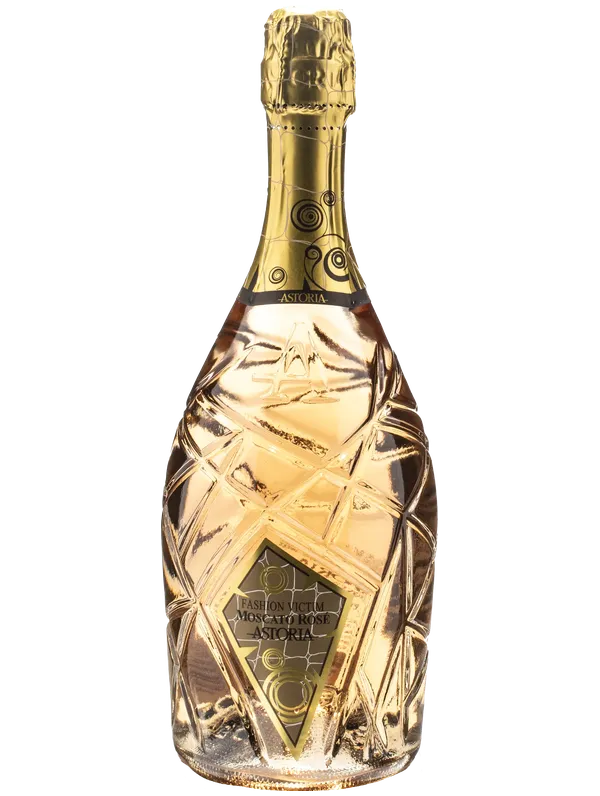
The second is fizzy. Asti Rosé blends Moscato with 10% to 30% Brachetto under the Asti rules, and Astoria's Fashion Victim from the Veneto is a pink Moscato fizz at about £9. The red cousin is Brachetto d'Acqui, from the same Piedmont hills. It is not a Moscato but a different grape doing the same job: sweet, gently fizzy, smelling of rose petals and red berries. If what you want from a pink wine is dryness rather than sugar, Italy's serious rosato traditions are a different story.
Dry Moscato: the styles most people never meet
A dry Moscato plays a trick. The nose promises sugar, the mouth gets none. The perfume is in the grape skin, not in the sweetness, so a Moscato fermented all the way to dry keeps the orange blossom and loses the honey.
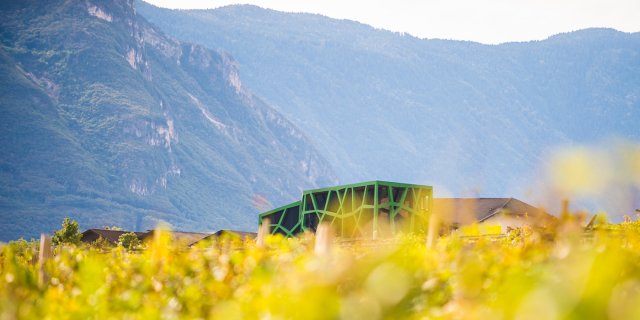
The home of the dry style is Alto Adige, where the yellow-skinned Moscato Giallo is called Goldmuskateller. The consortium counts 92 hectares in warm spots up to 500 metres around Bolzano and Merano, and lists dry versions as aperitif wine and sweet ones as dessert wine. Alois Lageder at Magrè makes a dry one, Vogelmaier, at about £26. Cantina Tramin at Termeno makes an off-dry one at about £18, which shows how far the same grape can swing.
Two more places make it dry. In the Aosta Valley, La Crotta di Vegneron makes Chambave Moscato from Alpine vineyards at about £20. In Sicily, Zibibbo is now often picked fresh and fermented dry, a full white that smells of jasmine and goes with grilled fish.
Dry Moscato is the answer for spicy food when you do not want sugar. It has the perfume to stand up to ginger and coriander and no tannin to clash with chilli. For the sweet version of the same idea, our Indian food guide puts Moscato d'Asti with gulab jamun and kheer.
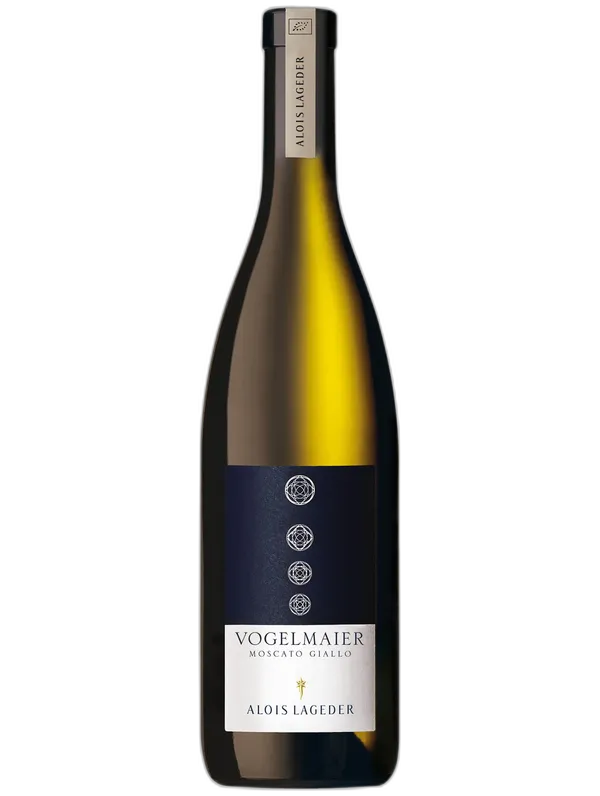
Alois Lageder Vogelmaier Moscato Giallo 2025
View Wine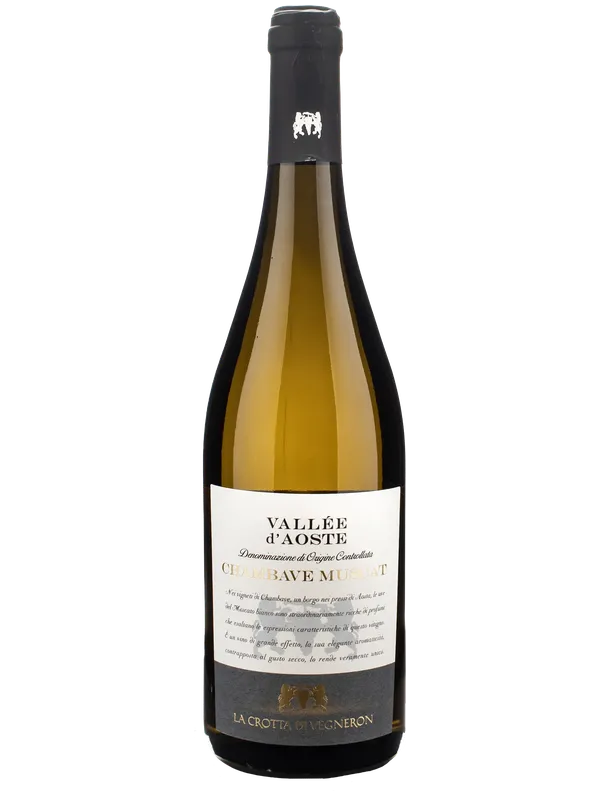
Valle d'Aosta Chambave Moscato DOC La Crotta di Vegneron 2025
View Wine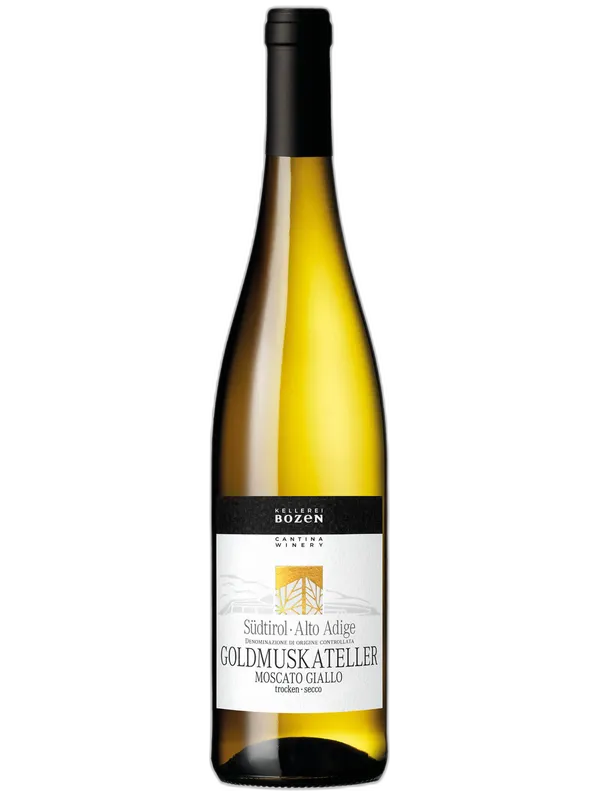
Südtirol - Alto Adige DOC Moscato Giallo Cantina di Bolzano 2025
View Wine
Südtirol - Alto Adige DOC Moscato Giallo H. Lun 2025
View Wine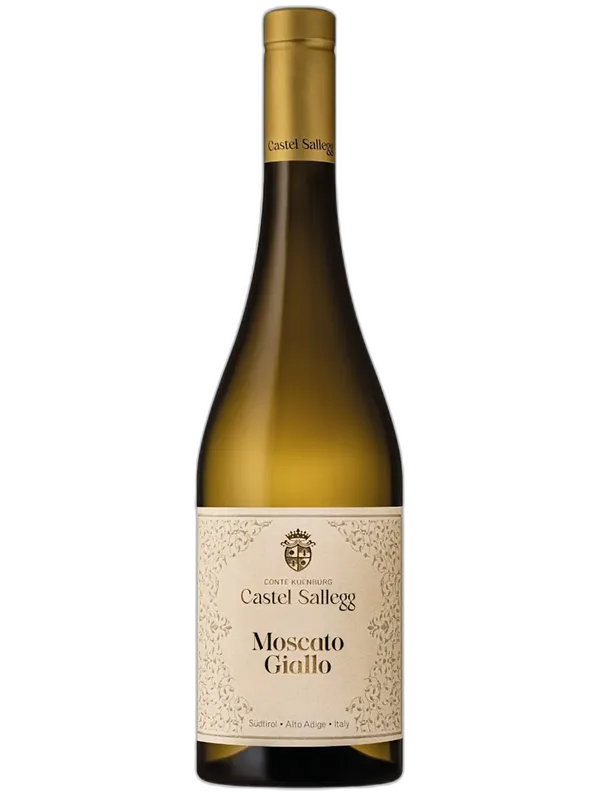
Südtirol - Alto Adige Moscato Giallo DOC Castel Sallegg 2022
View Wine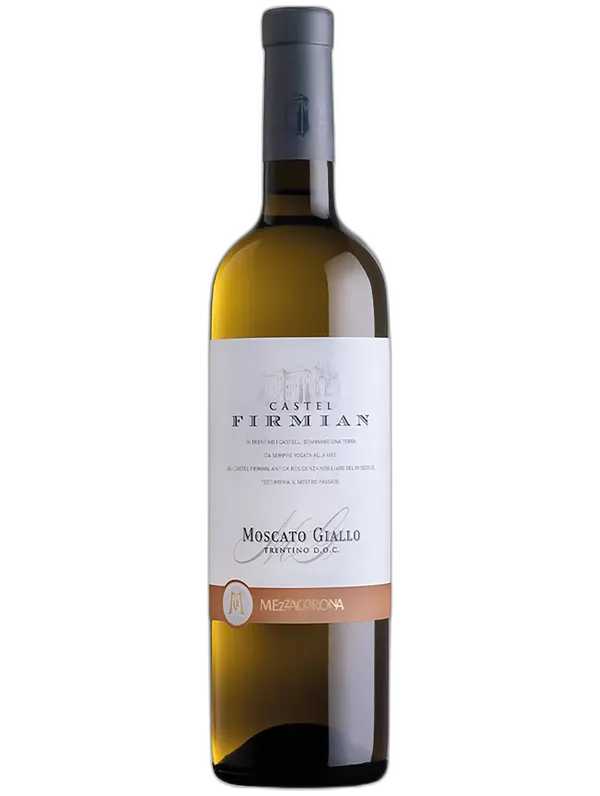
Trentino DOC Moscato Giallo Castel Firmian Mezzacorona 2025
View Wine
Vigneti delle Dolomiti IGT Goldmuskateller Ritterhof 2025
View Wine
Südtirol - Alto Adige DOC Goldmuskateller Blumenfeld 2024
View Wine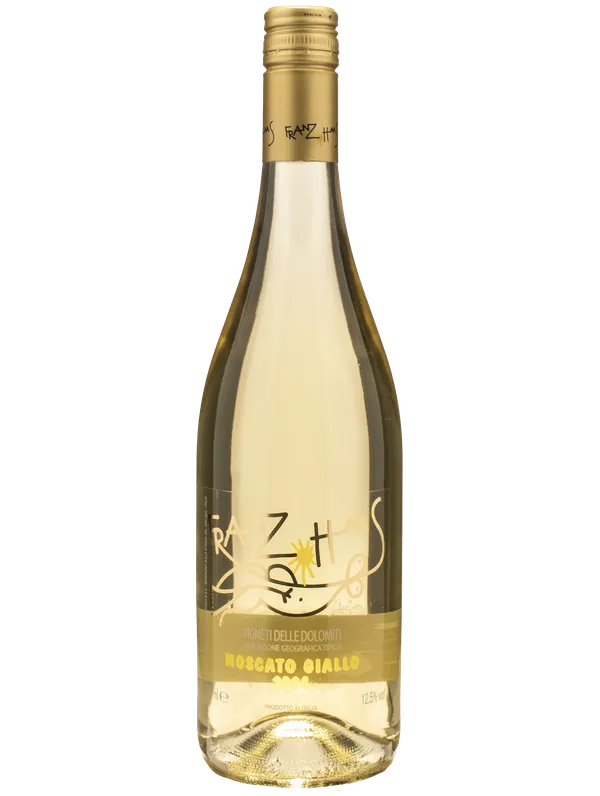
Franz Haas Moscato Giallo 2024
View WineSun-dried Moscato: Pantelleria, Noto and the sweet south
Go south and the fizz disappears. Here Moscato grapes are picked ripe and dried, on mats in the sun or on the vine, until the juice is thick with sugar. The result is a still, golden passito that tastes of dried apricot, fig and honey and keeps for years.
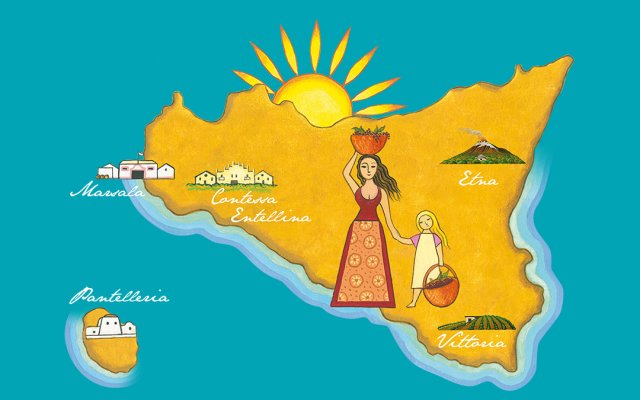
Passito di Pantelleria is the famous one. The island sits closer to Tunisia than to Sicily, and every wine on it is Zibibbo, grown as low bushes in hollows dug against the wind. Donnafugata's Ben Ryé and Marco De Bartoli's Bukkuram are the benchmarks, at £50 and up. Pellegrino's Giardino Pantesco starts at about £25.
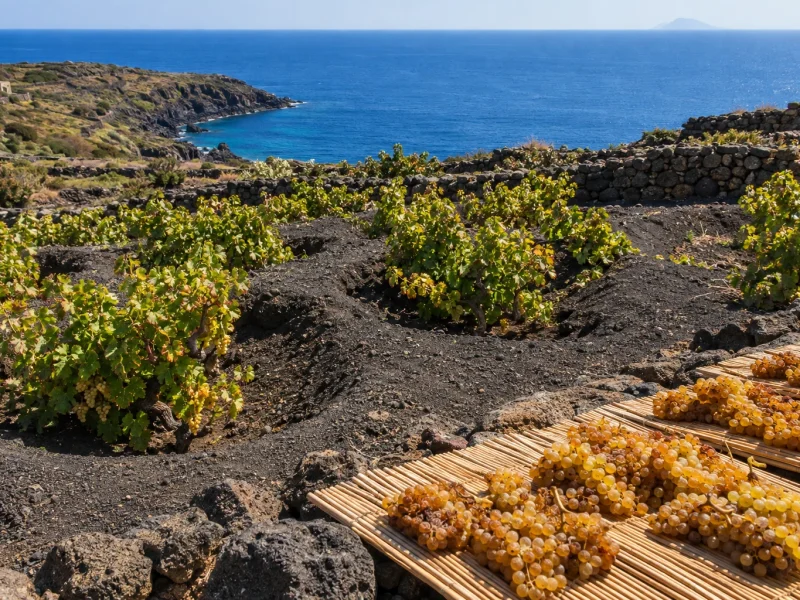
On Sicily itself, Noto makes its passito from Moscato Bianco: Planeta's costs about £30 in the UK. Moscato di Trani in Apulia leaves the grapes to shrivel on the vine instead. In Tuscany, Castello Banfi makes Moscadello di Montalcino, the sweet wine of Brunello country, from a local Moscato.
The rarest is red. Moscato di Scanzo DOCG, from about 30 hectares of hills above Bergamo in Lombardy, is Italy's smallest DOCG. The grapes dry for at least three weeks and the wine ages for two years before sale. For the wider family of dried-grape wines, from Vin Santo to Recioto, see our guide to Italian dessert wines.
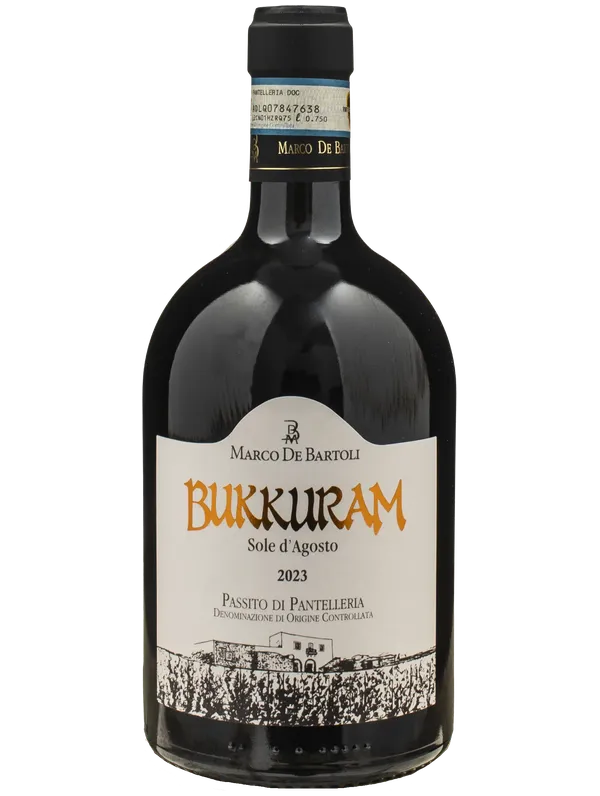
Marco De Bartoli Bukkuram Passito di Pantelleria Sole d'Agosto 2023
Marco De Bartoli's younger Passito di Pantelleria, made every year from Zibibbo in the Bukkuram vineyard. Part of the crop dries in the August sun. Expect raisin, apricot and honey, with a fresh, fruity lift.
View Wine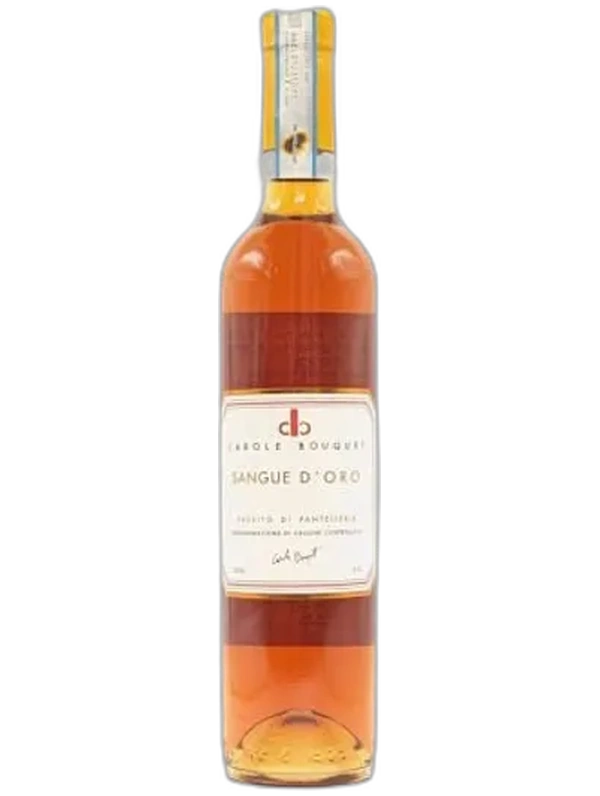
Carole Bouquet Sangue d'Oro Passito di Pantelleria 2022
View Wine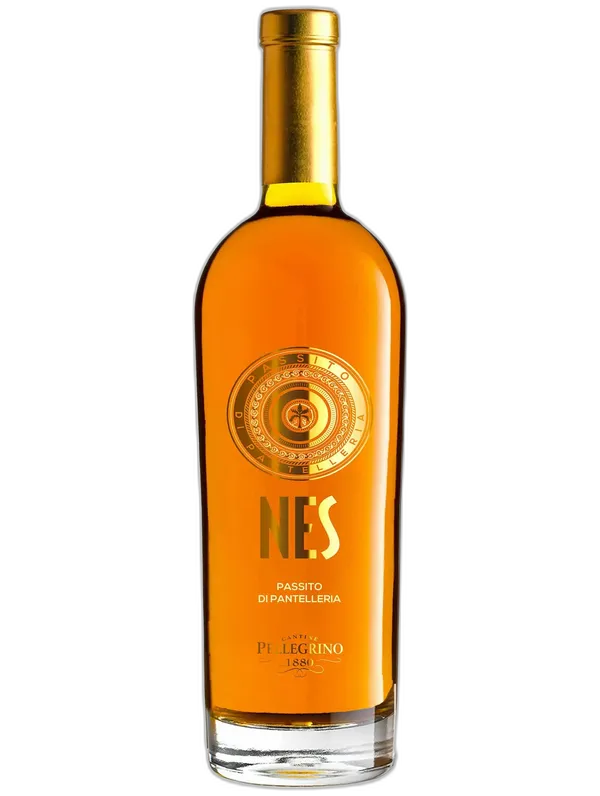
Passito di Pantelleria DOC Nes Pellegrino 2024
Nes is Pellegrino's sweet Passito di Pantelleria, made from Zibibbo with raisins added to the fermenting must. Expect candied orange peel, dried apricot and honey. The 2024 won Gold with 96 points at the Decanter World Wine Awards 2026.
View Wine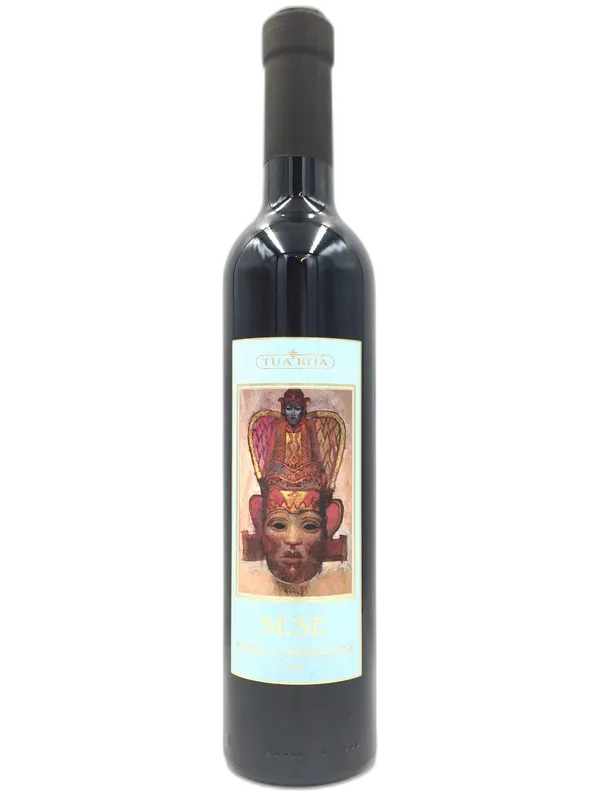
Tua Rita Sese Passito Di Pantelleria 2024
View Wine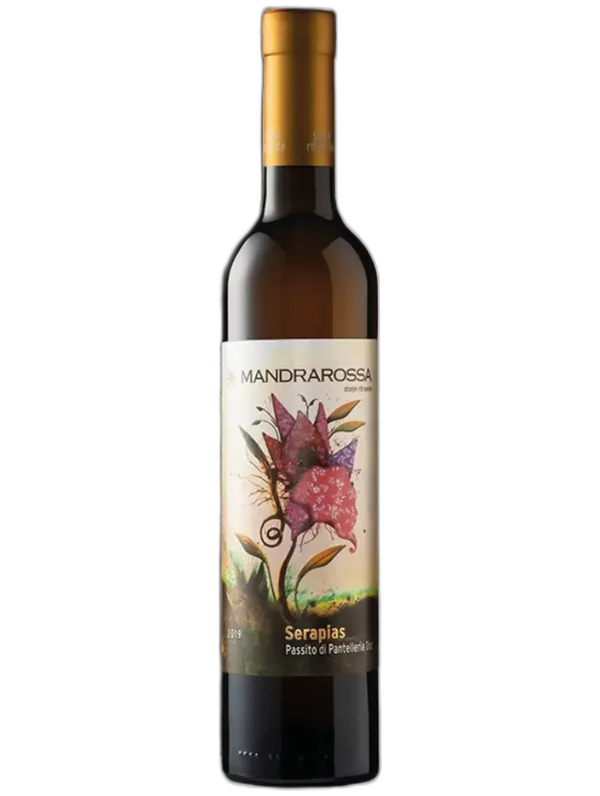
Passito di Pantelleria DOC Serapias Mandrarossa 2022
View Wine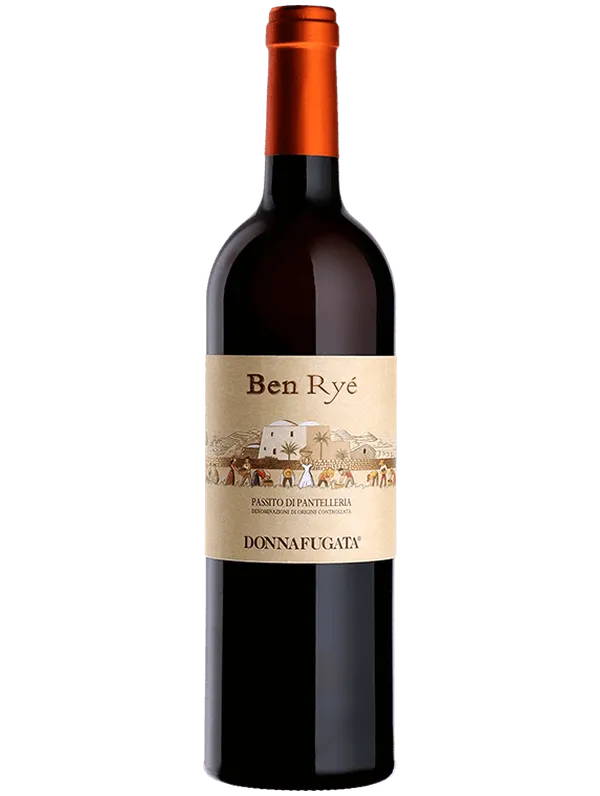
Donnafugata Ben Ryé Passito di Pantelleria 2023
Donnafugata's benchmark passito from volcanic Pantelleria, made from sun-dried Zibibbo. Amber-gold, with apricot, candied orange peel, dried fig and honey lifted by sea-salt freshness. Pour it with blue cheese, almond pastries or alone.
View Wine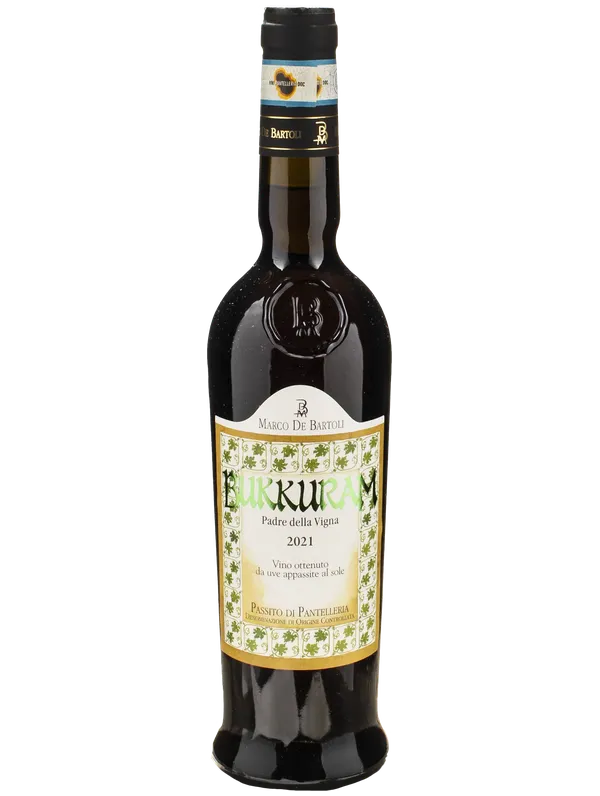
Marco De Bartoli di Bukkuram Padre della Vigna Passito Pantelleria 2023
View Wine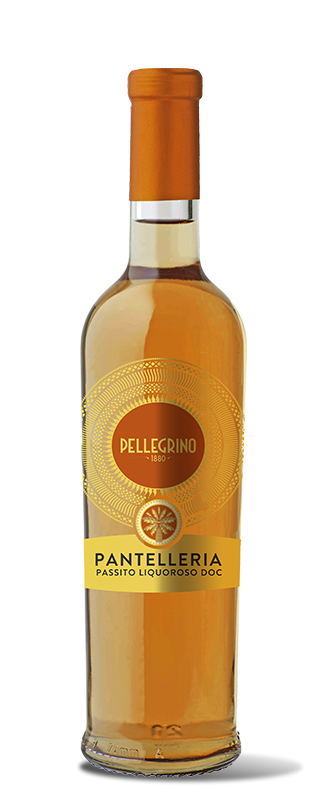
Pantelleria Sicily Passito Liquoroso Pellegrino
View Wine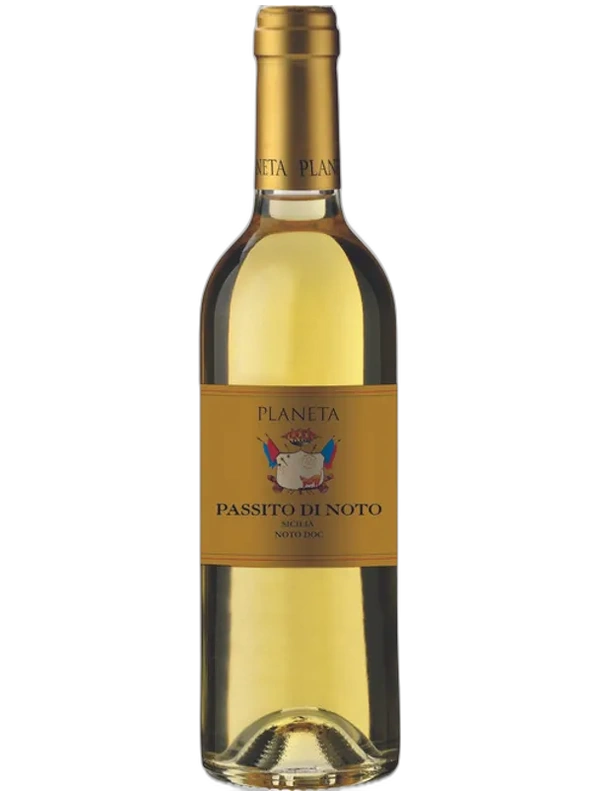
Passito di Noto 2025
Planeta's Sicilian dessert wine: 100% Moscato Bianco from Noto, dried five weeks then fermented sweet. Apricot, chestnut honey, rose and candied orange in a rich 50cl half-bottle, a benchmark passito for almond pastries, cassata and blue cheese.
View WineWhich Moscato to buy, and what to eat with it
Start with a Moscato d'Asti from a named estate. Vietti at Castiglione Falletto, Ceretto at Alba and Saracco at Castiglione Tinella all sell in Britain for £10 to £20, and Toso at Cossano Belbo makes the supermarket-priced one at about £9. Buy the youngest vintage on the shelf.
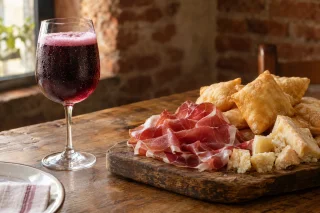
Match the sweetness to the plate, not the other way round. Moscato d'Asti belongs with fruit tarts, panettone and baci di dama, the hazelnut biscuits of Piedmont. It is also a wine that works at a birthday breakfast. A passito wants something richer: cassata, cannoli, or a piece of aged pecorino. Moscato Rosa suits apple strudel, the pudding of its own valleys.
Keep the bottle cold and finish it within three or four days. A Moscato d'Asti loses its fizz first and its perfume second. A passito is tougher: recorked in the fridge it stays good for weeks.
Nine of the estates named in this guide take visitors. In Piedmont, Vietti, Ceretto and Toso. In the Alps, Cantina Tramin, Alois Lageder and La Crotta di Vegneron. In the south, Donnafugata and Planeta in Sicily and Castello Banfi at Montalcino. Their pages show what a visit involves and, where we have it, the price.
 26



Frequently asked questions
Much sweeter. A Moscato d'Asti keeps most of the grape's own sugar because the ferment is stopped at about 5% alcohol. A Prosecco is fermented dry and sits at about 11%. The two look similar in the glass, pale and fizzy, but one is a pudding wine and the other is an aperitif. If a Prosecco has ever tasted too sharp for you, Moscato d'Asti is the bottle to try instead.
No gas is added. The bubbles are the carbon dioxide made by the wine's own fermentation, held in a sealed tank. Moscato d'Asti is kept at low pressure, under 2.5 bar, so it prickles rather than foams. Asti Spumante is made in the tank for longer and comes out fully sparkling. Our guide to how sparkling wine is made explains the tank method.
Often not. The pink Moscato with the big American name is Californian. Barefoot says its Moscato is made in California, and retailers list its Pink Moscato as a blend led by Muscat of Alexandria. Italy's pink Moscatos are rarer and different. Moscato Rosa from Alto Adige is a pink-skinned grape that makes a sweet, rose-scented wine. Asti Rosé is the fizzy pink one from Piedmont. Brachetto d'Acqui, its red neighbour, is a different grape, not a Moscato.
A Moscato d'Asti DOCG from a named estate, and the youngest vintage you can find. Vietti, Ceretto, Saracco and Michele Chiarlo's Nivole all sell here for £10 to £20. Look for the vintage on the label and about 5% alcohol. Asti Spumante is the choice for a party, and a passito from Pantelleria is the one to try when you are ready for something richer.
Match the weight. Moscato d'Asti, light and fizzy, suits fruit tarts, panettone, panna cotta and the hazelnut biscuits of Piedmont. A sun-dried passito from Pantelleria or Noto is thick enough for cassata, cannoli and almond cakes. Moscato Rosa suits apple strudel. The one rule is that the wine should be at least as sweet as the pudding, or it will taste thin.
Three or four days in the fridge for Moscato d'Asti and Asti, with the cork or a stopper back in. The fizz goes first, then the perfume. A still passito lasts far longer, often several weeks in the fridge, because its sugar and its concentration protect it. An unopened Moscato d'Asti is best within a year or two of its vintage. A passito can wait for years.