








The Best Wine for Indian Food Is Probably Italian
TL;DR
- The best wine for Indian food is fresh, aromatic and low in tannin, and Italy is full of it: Prosecco, Lambrusco, Fiano, Verdicchio, Barbera and Moscato d'Asti.
- For a UK curry house or a takeaway, one bottle of off-dry Prosecco or a chilled dry Lambrusco covers the starters, the hot curries and the creamy ones alike.
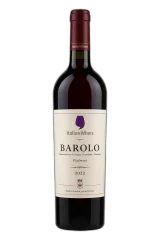
- The one real mistake is a big tannic red with a hot curry, because alcohol and tannin both make chilli burn harder, so save the Barolo for the lamb roast.

Why Italian wine suits Indian food
Ask most wine guides what to drink with a curry and you get German Riesling or Alsace Gewürztraminer. Some well-known guides never name an Italian wine at all. One UK merchant's curry guide lists more than a dozen wines and not one of them is Italian. That advice is not wrong. It just assumes the answer has to come from north of the Alps.
Indian food asks three things of a wine. It wants acidity, because ghee, cream, yoghurt and coconut coat the mouth and something has to cut through. It wants perfume rather than oak, so the spice mix is met instead of buried. And where there is real chilli heat, it wants low alcohol and a touch of sweetness or fizz.
Italy is unusually good at all three. Prosecco is light, a little sweet and gently fizzy. Fiano from Campania and Verdicchio from the Marche are dry whites with real acidity and their own perfume. Barbera is a red with bright acidity and soft tannins. Moscato d'Asti is sweet, frothy and only about 5% alcohol. That covers a whole Indian menu without leaving one country.
This guide explains which style suits which kind of dish, and names bottles you can buy in the UK, most of them under £25. For dish-by-dish picks, from butter chicken to Goan fish curry, our Indian cuisine pairings go through them one at a time. If acidity and tannin are new words to you, the beginner's guide to pairing food and wine covers the groundwork.
Why a big red makes a curry hotter
The commonest mistake at an Indian table is ordering the most serious red on the list. A Barolo or an Amarone does not tame a hot curry. It makes it worse.
There is a reason for that, and it is not wine snobbery. Chilli burns because capsaicin switches on the heat sensor in your mouth. Alcohol works on the same sensor. A study in Nature Neuroscience found that alcohol makes the sensor fire at a lower temperature, about 34°C instead of 42°C, and strengthens its response to capsaicin. In plain terms, a strong wine turns the heat up.
Tannin does something similar by another route. It dries the mouth, chilli inflames it, and together they read as bitterness. The fruit in the wine vanishes behind the burn. Our guide to tannins in wine ranks Italian grapes from gentlest to grippiest, and every grape in this article sits at the gentle end.
So the rule for anything hot is simple. Keep the alcohol low, keep the tannin low, serve it cold, and let a little sweetness or fizz do the work. Save the Barolo for the lamb roast.
Fizz first: Prosecco and Lambrusco
If you want one bottle that handles samosas, onion bhajis, a korma and a jalfrezi, make it sparkling. Bubbles scrub fried batter off the palate. Cold fizz calms chilli. And the slight sweetness in most Prosecco meets the mango chutney halfway.
Prosecco is the easy pick, and the bottle you are most likely to find on a curry-house list. Look for the words Extra Dry on the label, which, confusingly, means a touch sweeter than Brut. Ruggeri's Giustino B. from the Valdobbiadene hills is the step-up bottle: apple, white peach and fine bubbles for just over £20. Il Colmo Prosecco Brut does the job for under £15 if you prefer it drier.
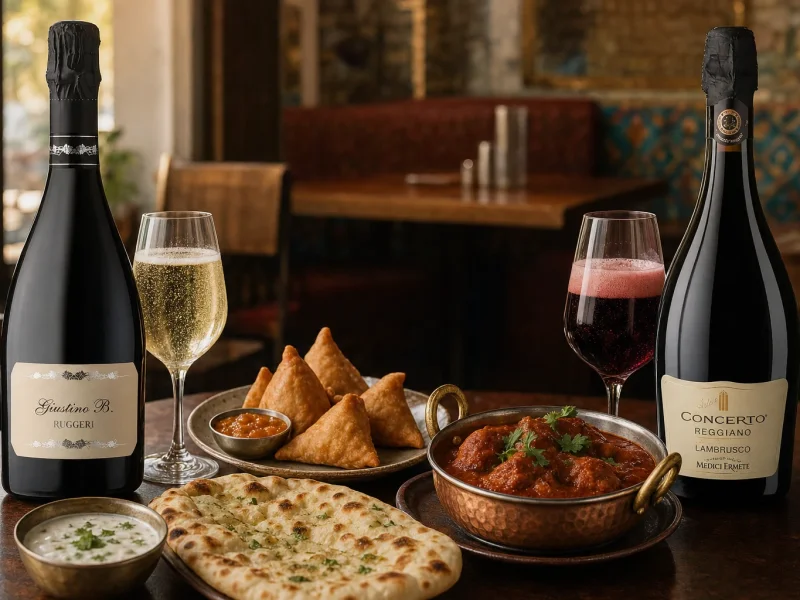
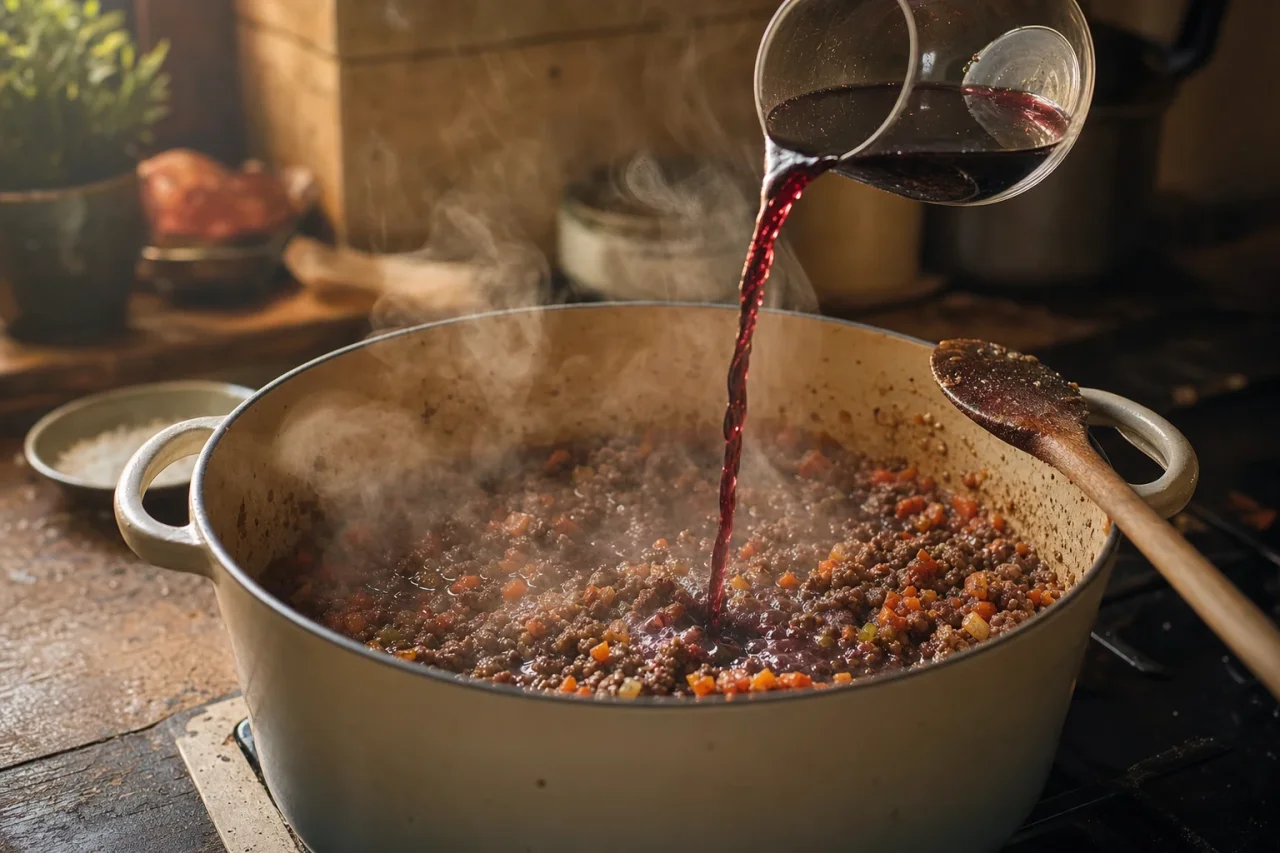
The bolder choice is Lambrusco, the frizzante dry red of Emilia-Romagna. Forget the sweet stuff of the 1980s. A proper dry Lambrusco is foaming, ruby, low in tannin and about 11.5% alcohol. It is the best thing we know for a vindaloo or a madras. Medici Ermete's Concerto has taken Gambero Rosso's top award seventeen years running and costs under £20. Serve it fridge-cold.
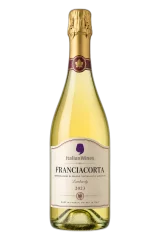
For a celebration, Italy's bottle-fermented sparklers do the Champagne job. Ferrari's Maximum Blanc de Blancs from Trento is all mountain Chardonnay, dry and brioche-scented, and stands up to tandoori prawns. Franciacorta from Lombardy works the same way.
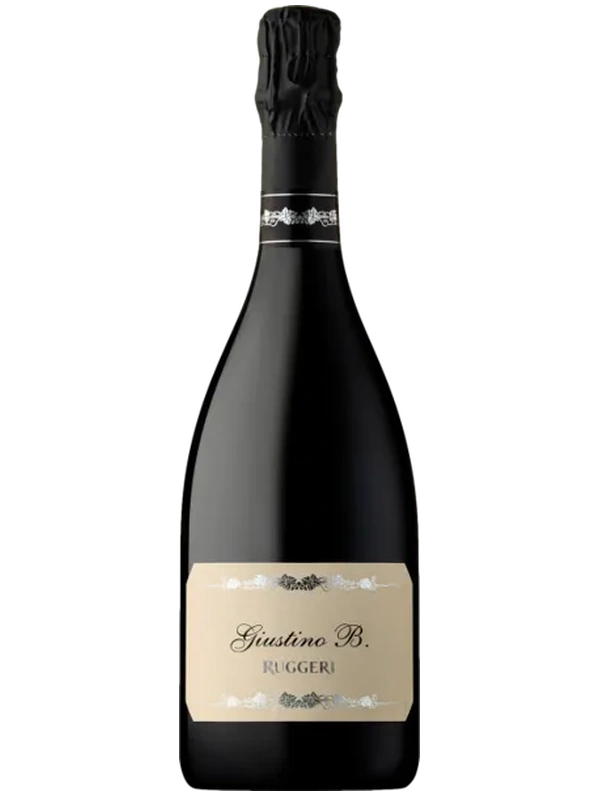
Ruggeri Giustino B. Valdobbiadene Prosecco Superiore 2024
Ruggeri's flagship Valdobbiadene Prosecco Superiore DOCG, named after founder Giustino Bisol. Glera from selected hillside crus, Extra Dry at 17 g/l: apple, white peach and citrus over a fine, persistent mousse with a touch of brioche.
View Wine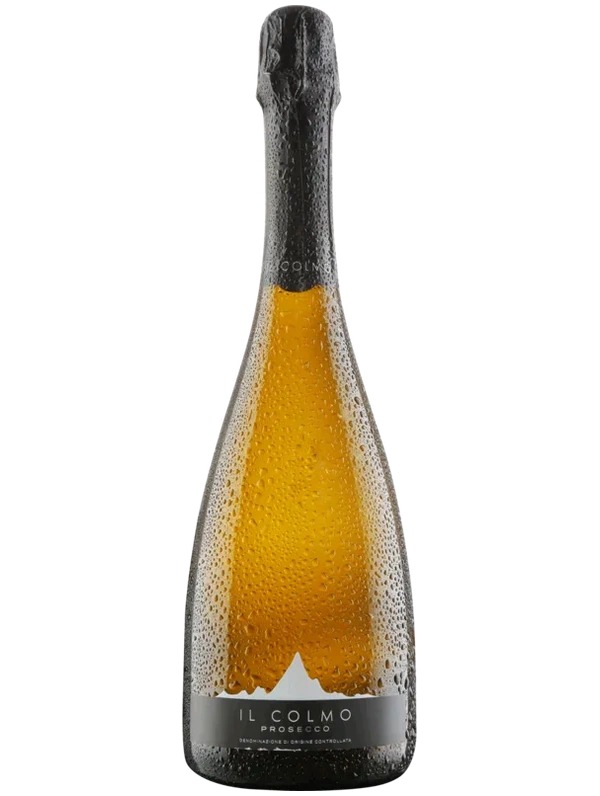
Il Colmo Prosecco Brut
A Virgin Wines exclusive Prosecco DOC from consultant winemaker Umberto Menini. Glera at 11.5%, led by pear and citrus fruit on a crisp, lively palate. Brut means under 12 g/l of sugar: a £14.99 aperitif built to drink young.
View Wine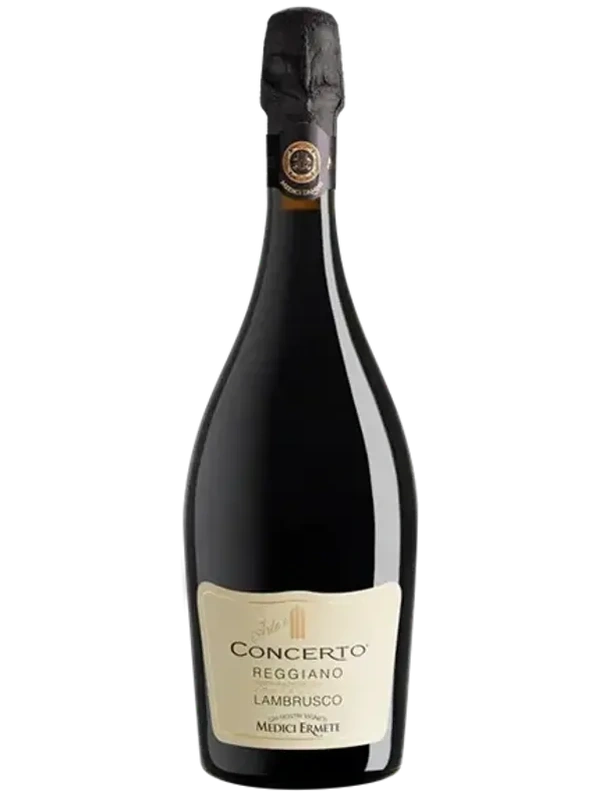
Medici Ermete, 'Concerto', Reggiano, Lambrusco 2025
The Lambrusco with a record no rival matches: Gambero Rosso's Tre Bicchieri 17 years running. Dry, organic Salamino from one clay vineyard, 11.5%, foaming ruby, made for salumi and ragu. UK listings from £12.30.
View Wine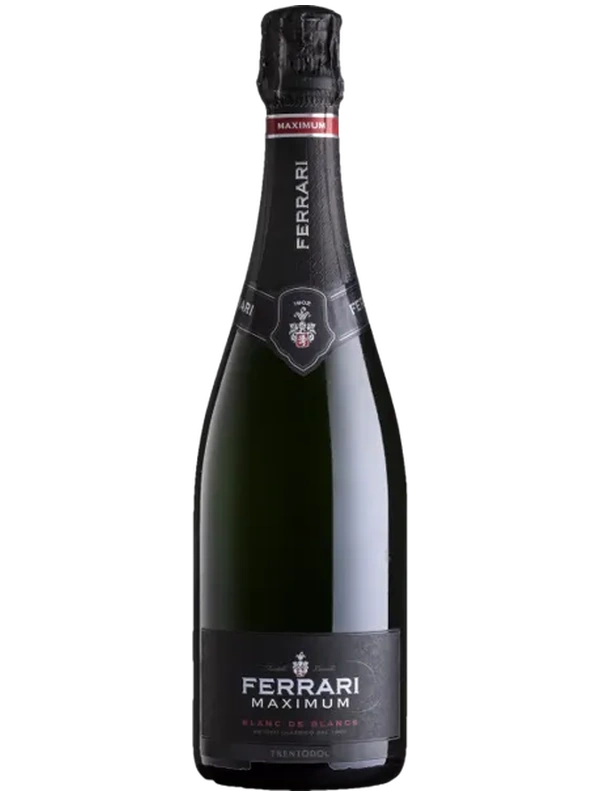
Ferrari Maximum Blanc de Blancs
Ferrari's non-vintage Maximum Blanc de Blancs is a Trentodoc from pure Trentino mountain Chardonnay, aged at least 24 months on the lees. Green apple, citrus and brioche over a fine, persistent perlage at 12.5%, near 22 pounds the bottle.
View Wine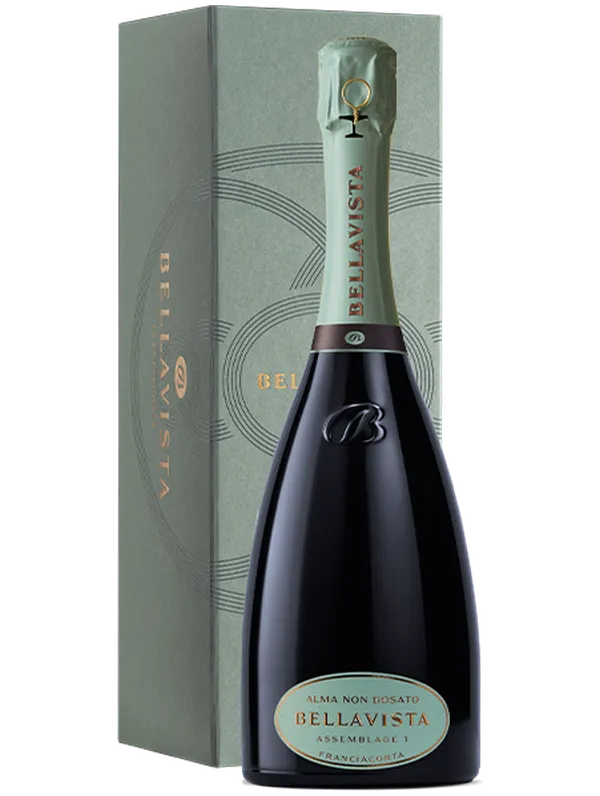
Azienda Agricola Bellavista Alma Non Dosato
Bellavista's zero-dosage Franciacorta from Erbusco: around 90% Chardonnay and 10% Pinot Nero, aged 30 months on the lees. Bone dry, with citrus, white peach, brioche and a fine, mineral mousse. A prestige aperitif and seafood sparkling.
View Wine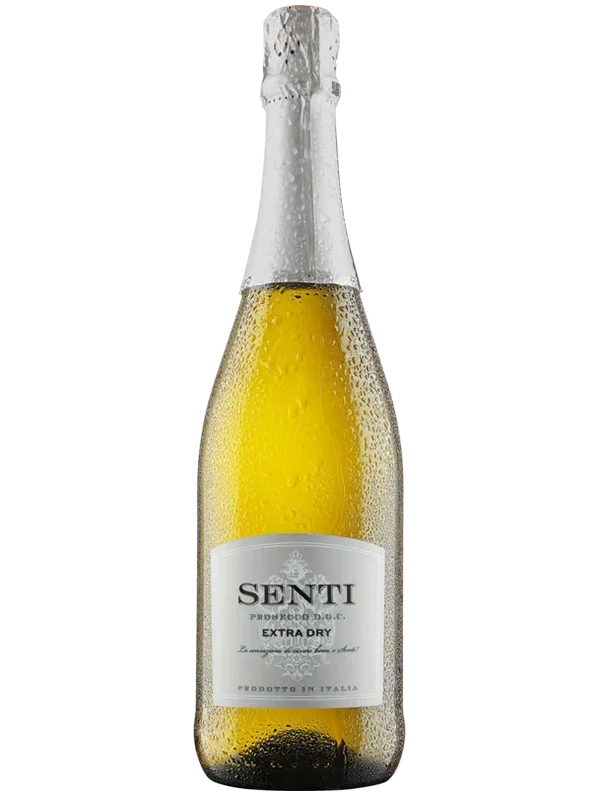
Senti Prosecco Extra Dry
Senti is Virgin Wines' white Prosecco DOC Extra Dry, a Glera fizz credited to consultant winemaker Umberto Menini. Apple, pear and a citrus-led, gently off-dry palate at 11%. Pour it cold for aperitivo hour; the pink Senti Rose is a separate wine.
View Wine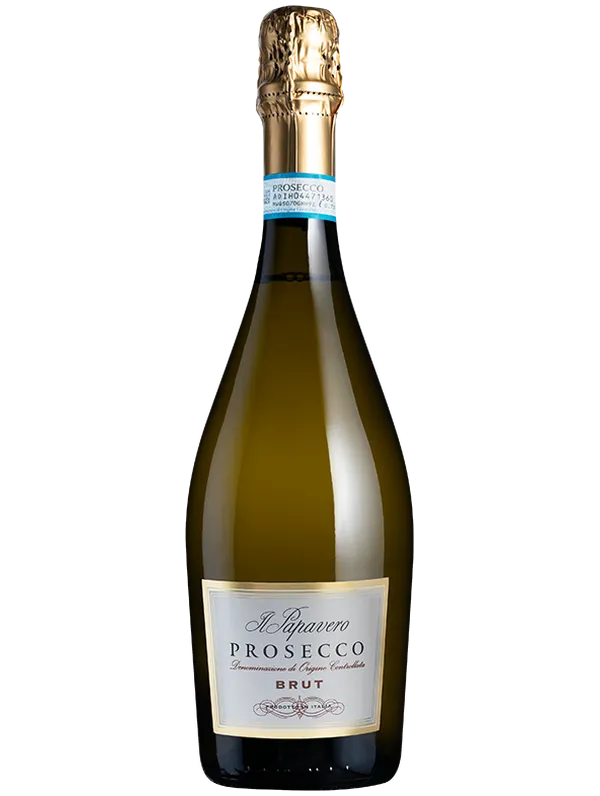
Il Papavero Prosecco
Laithwaites' own-label Prosecco DOC, made from Glera by Conegliano-born winemaker Scipione Giuliani. Dry and gently sparkling at 10.5%, it runs to pear, green apple, lemon and a light almond finish. At £9.99 it is built for aperitivo hour.
View Wine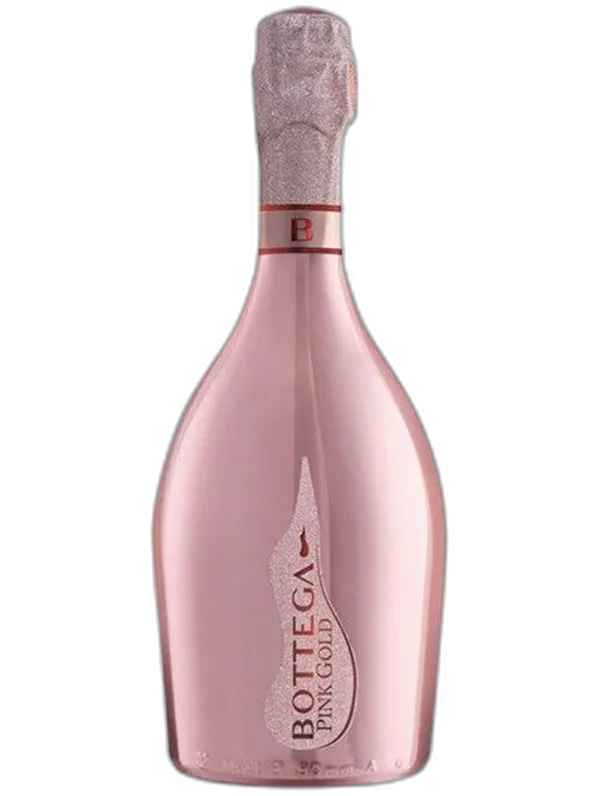
Bottega Pink Gold Prosecco Rosé N.V.
Bottega's Prosecco DOC Rosé in the metallised pink bottle: Glera with red-vinified Pinot Nero, Brut at 11.5%, led by jasmine, rosebud, pear and strawberry. A celebration sparkler at £21 to £28 in the UK, made to drink young.
View WineAromatic whites for cream, coconut and greens
Korma, butter chicken, malai kofta and paneer makhani are built on cream, butter and cashew. They need a white with enough acidity to cut the richness and enough perfume to sit next to cardamom and fenugreek. Oak is the enemy here. Vanilla and butterscotch smother the spices.
Italy's answer used to be a secret. Fiano di Avellino from Campania is a dry white with pear, almond and a firm line of acidity. Verdicchio from the Marche adds lemon and bitter almond, and the Riserva versions have the weight for a butter-rich sauce. Fattoria Nannì's Origini Riserva is the bottle for paneer makhani. Both grapes hold up to cream better than a Pinot Grigio does.
For the classic curry-house aromatics, Italy grows Gewürztraminer too, in Alto Adige and in Friuli, where it is usually labelled Traminer Aromatico. Puiatti's Traminer Aromatico from Friuli smells of rose and peach and costs about £15. It is the bottle for saag paneer, a korma or a chicken biryani.
Coconut and coastal dishes want the seaside whites. Vermentino di Sardegna is dry, lemony and a little salty. Grillo from Sicily brings grapefruit and a soft middle. Sella & Mosca's Cala Reale and Volpi's organic Era Grillo both come in under £16. They suit a Goan fish curry, a Kerala prawn curry or a plate of tandoori prawns, and our Indian seafood pairings go dish by dish.
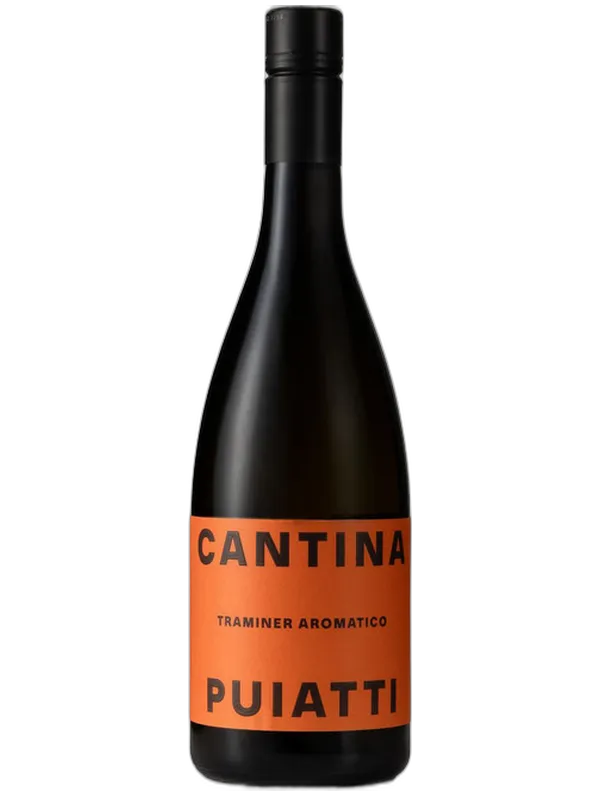
Puiatti Traminer Aromatico 2025
Friuli DOP Traminer Aromatico from Cantina Puiatti at Romans d'Isonzo: 100% aromatic Traminer grown on gravelly, iron-rich red clay and rested four months on the lees in steel. Rosebud, yellow peach and candied pear on a taut, dry palate.
View Wine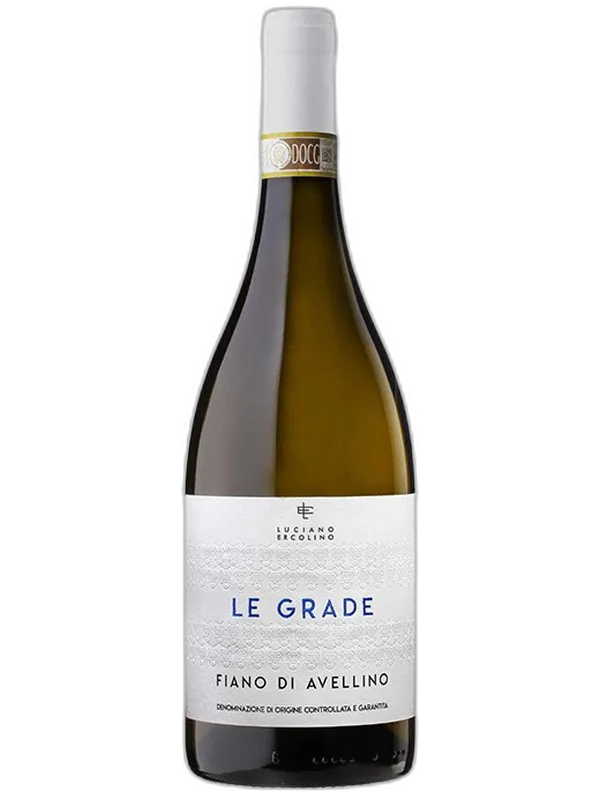
Fiano di Avellino DOCG 'Le Grade' 2025
Vinosia's single-site Fiano from San Potito Ultra, grown at around 500 metres on clay threaded with volcanic tuff. Steel-raised, dry and saline, it layers Williams pear, apricot and toasted almond over a mineral spine. About £17 in the UK.
View Wine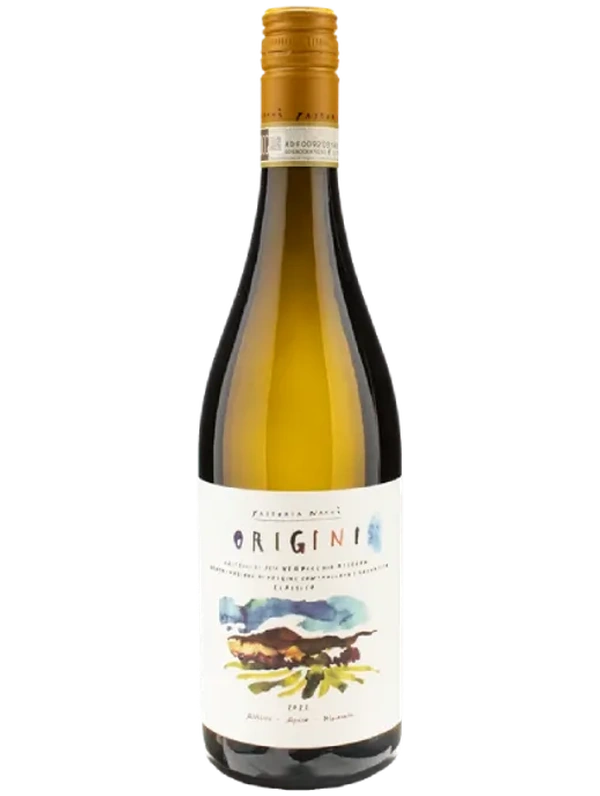
Fattoria Nannì Castelli di Jesi Verdicchio Classico Origini Riserva 2024
View Wine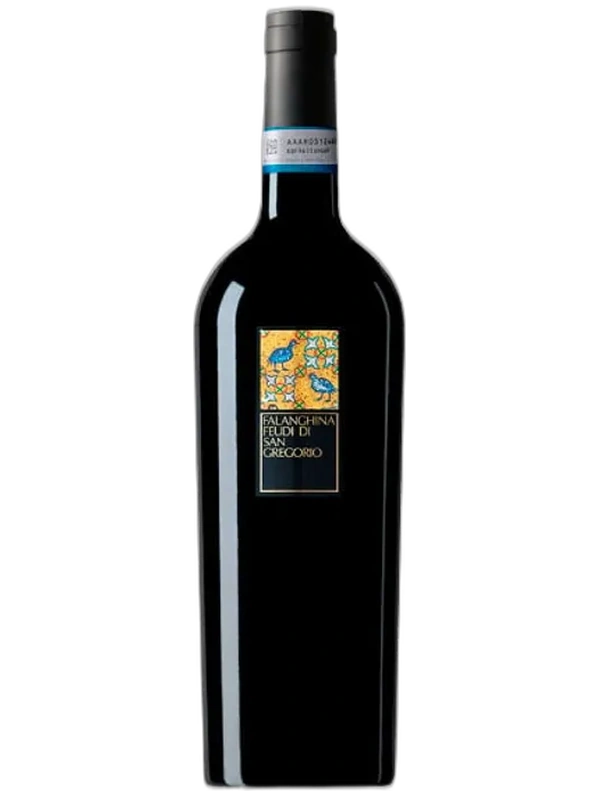
Feudi di San Gregorio Falanghina del Sannio 2025
Feudi di San Gregorio's Falanghina del Sannio is a fresh, unoaked Campanian white from 100% Falanghina. Five months on its lees in steel give lemon, white peach and acacia over a saline, almond-tinged finish. A versatile aperitivo white.
View Wine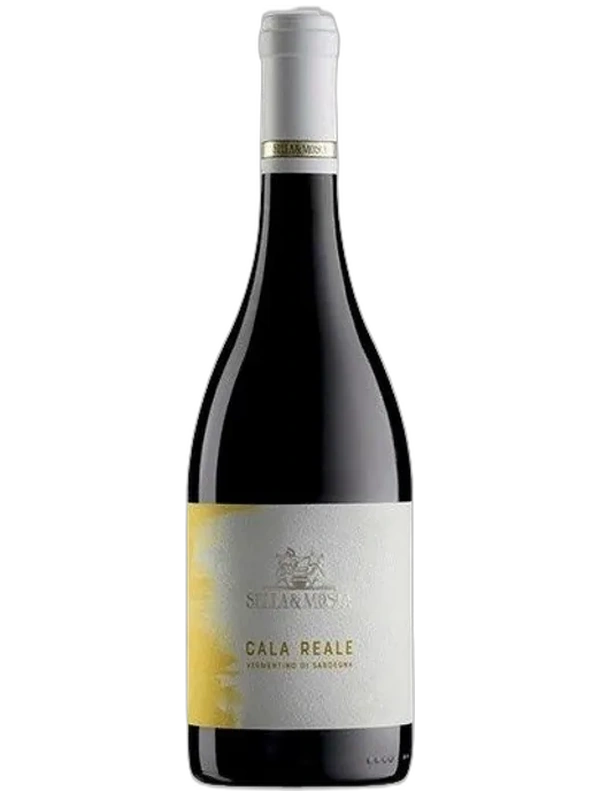
Sella and Mosca, Cala Reale, Vermentino di Sardegna 2025
Sella & Mosca's top Vermentino selection, grown on marine soils near Alghero, aged briefly in steel on its lees. Dry, citrus-fresh and saline, with white peach and a long mineral finish. A Sardinian seafood white, best drunk young, around £15.
View Wine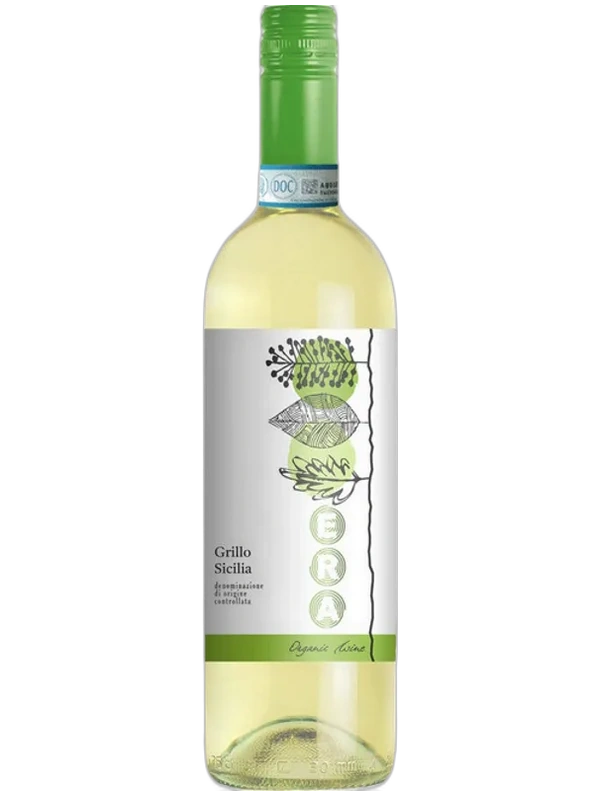
Era Grillo Organic 2025
Cantine Volpi's organic Sicilian Grillo, ICEA-certified and vegan, from the negoce ERA range. A short skin maceration lifts lemon, grapefruit and tropical fruit over a dry, refreshing palate. Around £10, built for aperitivo and seafood.
View Wine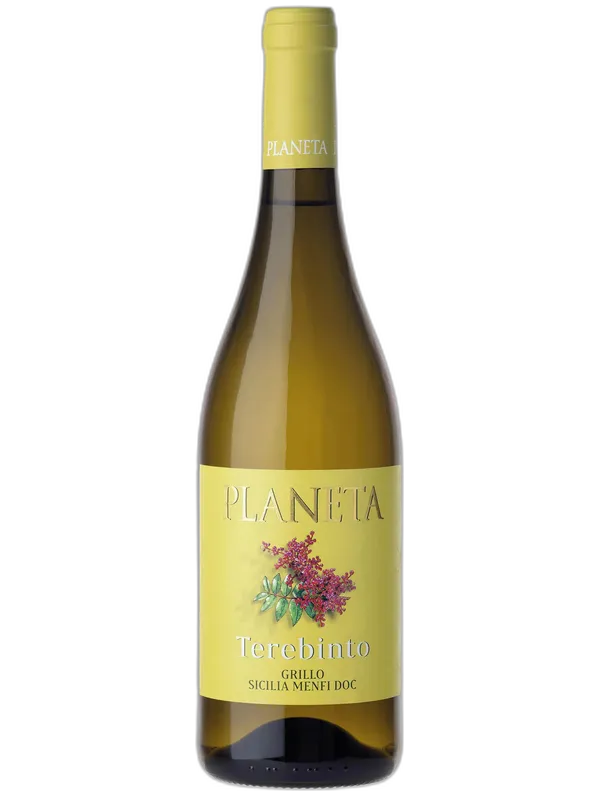
Planeta Terebinto Grillo 2025
Planeta's single-variety Grillo from Menfi DOC in south-western Sicily, farmed organically. Aromatic and fresh, with pineapple, white melon and grapefruit over a saline, mineral finish. James Suckling 92; around £18 to £22 in the UK.
View Wine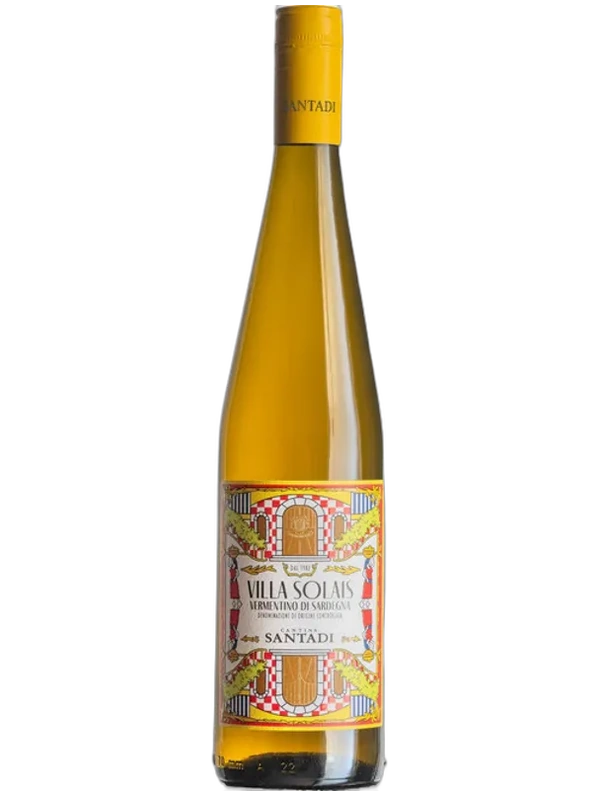
Vermentino di Sardegna, Villa Solais 2025
A Sardinian seafood white from Santadi, the Sulcis co-op advised by Giacomo Tachis: 85% Vermentino with Nuragus, steel-made and never oaked. Pear, lemon and wet stone with a salty edge. About £12 to £16 in the UK; James Suckling gave the 2024 92.
View Wine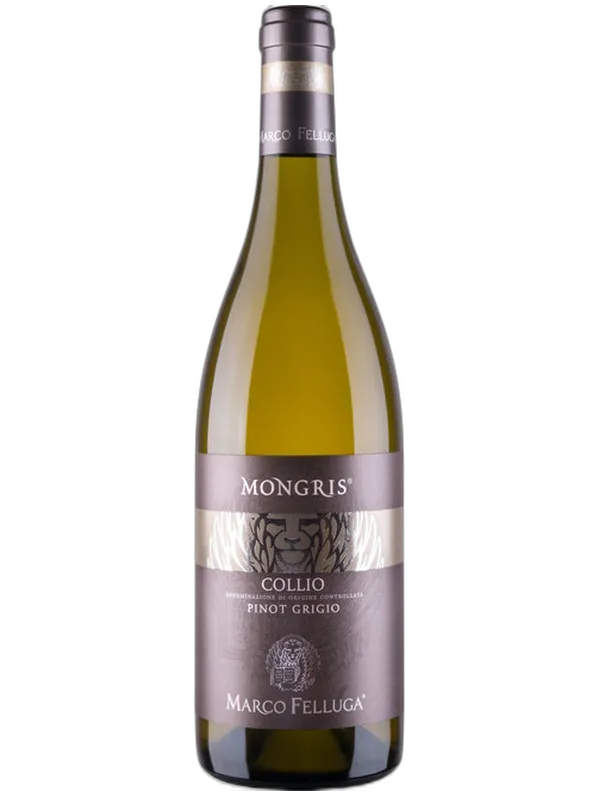
Marco Felluga Collio Pinot Grigio Mongris 2025
Mongris is Marco Felluga's benchmark Collio Pinot Grigio, hand-picked on Eocene ponca hills and rested six months on the fine lees. Acacia, broom and golden apple lead to a structured, mineral palate with a long, almond-edged finish.
View Wine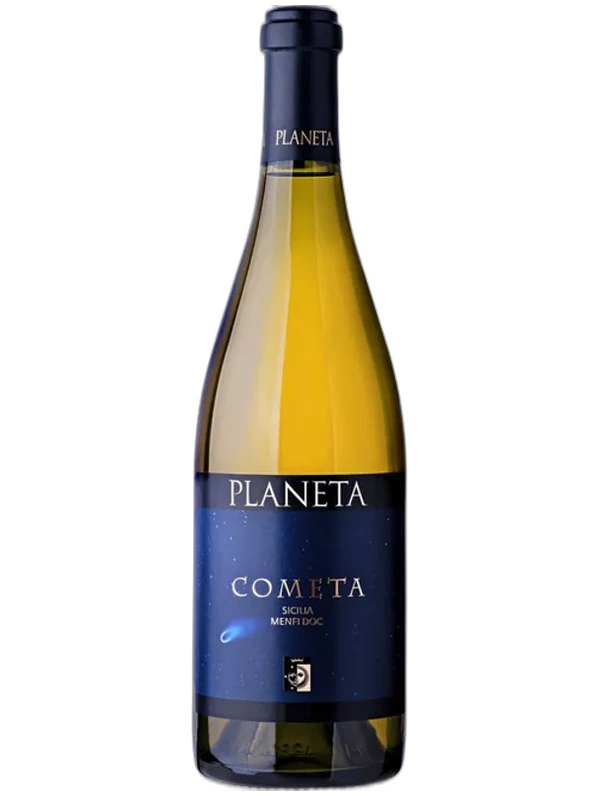
Cometa Fiano 2024
Planeta's Cometa is 100% organic Fiano from chalky vineyards at Menfi in south-west Sicily. Fermented mostly in steel with a little Allier oak, it is white peach, broom and saline minerality: bright, structured and built to age.
View WineThe reds that work: tandoori, tomato and lamb
You can drink red wine with a curry. You just have to pick the right kind, and the dish gives you the clue. Tandoori char, tomato-based sauces and slow-cooked lamb all take a red, as long as it is fresh, fruity and low in tannin, and served a little cooler than the room.
Barbera is the safest Italian red at an Indian table. It has the high acidity of a white and the soft tannins of a summer red. La Spinetta's organic Ca' di Pian Barbera d'Asti Superiore is the one for chicken tikka masala and tandoori chicken. Mauro Molino's Le Radici does the same job for a little less.
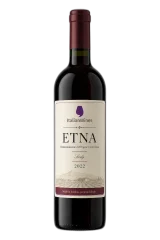
Sicily's light reds were made for this too. Frappato is pale, floral and cherry-scented, and Cerasuolo di Vittoria, the island's only DOCG, blends it with Nero d'Avola for a little more body. Planeta's Cerasuolo di Vittoria handles rogan josh and lamb bhuna. Etna Rosso, made from Nerello Mascalese grown on the volcano, is a taut, smoky red for lamb seekh kebabs and tandoori lamb chops.
For a mild lamb curry or a korma, look to Tuscany and Piedmont. Frescobaldi's Campo ai Sassi Rosso di Montalcino is a supple young Sangiovese. Produttori del Barbaresco's Langhe Nebbiolo gives you rose and cherry without Barolo's grip. Pour both cool. What you avoid is anything big, oaky and above 14.5% alcohol. Our tandoori and kebab pairings list the bottles for each dish.
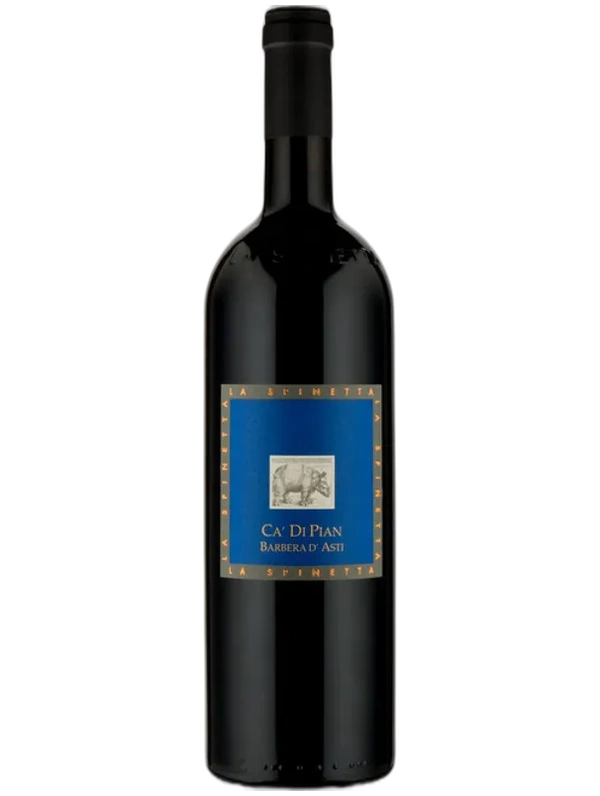
Barbera d'Asti Superiore DOCG Organic 2024
La Spinetta's organic Ca' di Pian comes from old Barbera vines near Castagnole delle Lanze: dark-fruited and supple, blackberry and cherry over gentle French-oak vanilla. Bright Piedmontese acidity suits tomato pasta, braised veal and hard cheese.
View Wine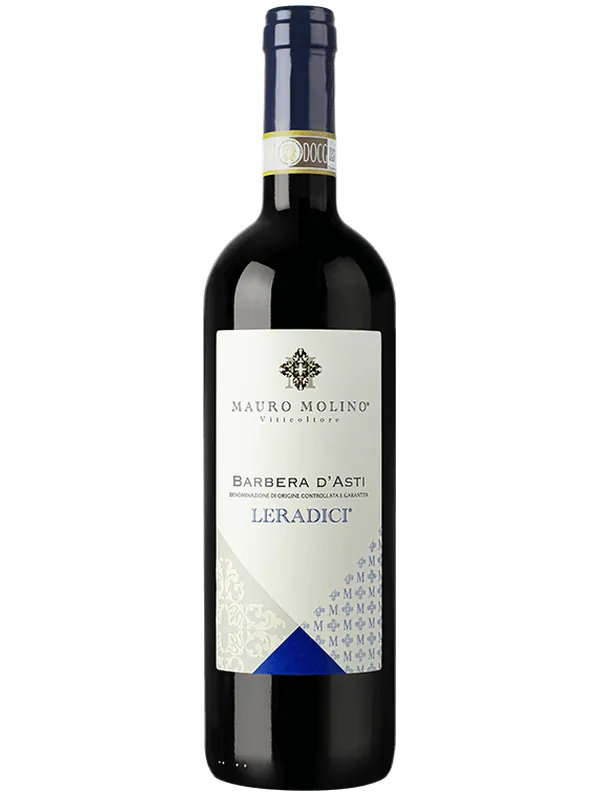
Barbera d'Asti Le Radici 2024
View Wine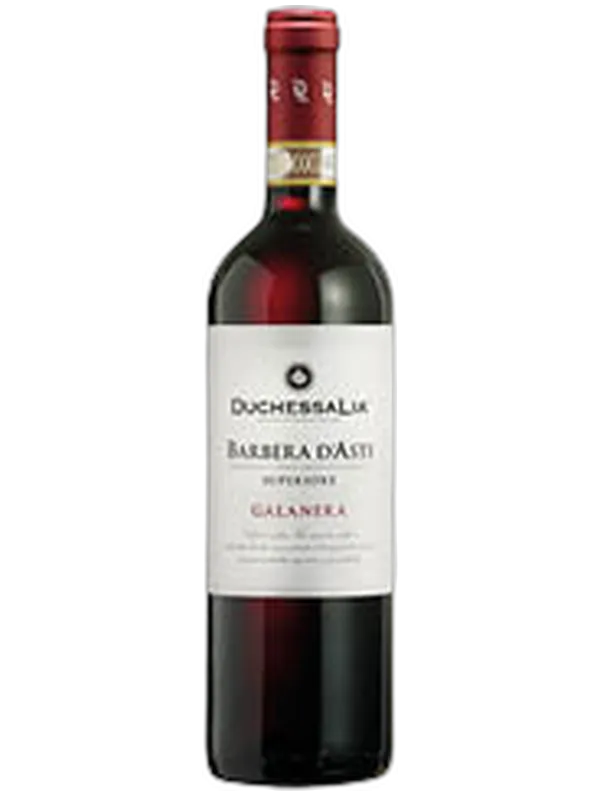
Barbera d'Asti Superiore DOCG Galanera Duchessa Lia 2022
Duchessa Lia picks its Barbera from the Asti and Monferrato hills, then ages Galanera 14 months, about half in oak. The 2022 is dark, dry and velvety, with plum, cherry and warm spice. A Sunday-roast red at under £20.
View Wine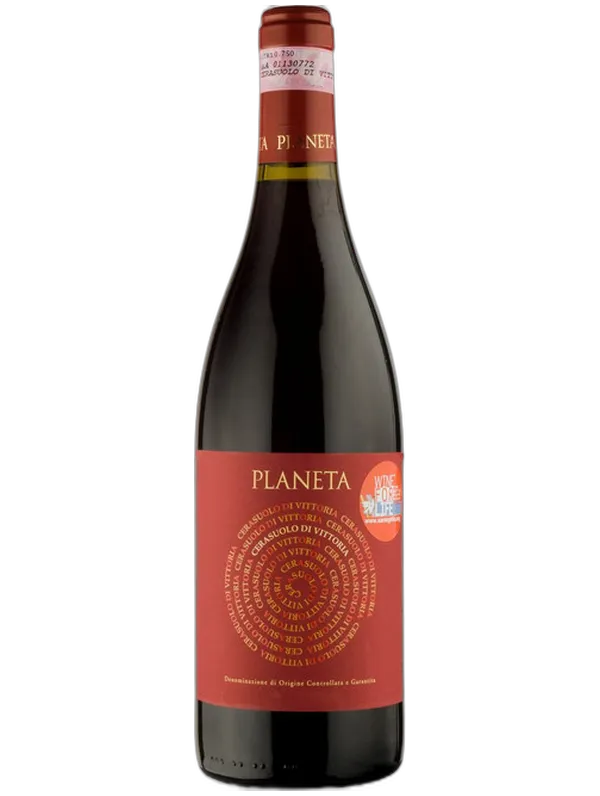
Planeta Cerasuolo di Vittoria 2024
Sicily's only DOCG: Planeta's 60/40 Nero d'Avola and Frappato from the red sands of Acate. Bright cherry, wild strawberry and pomegranate, white pepper and a fresh, lightly tannic palate. Steel-aged, organic, built to drink young.
View Wine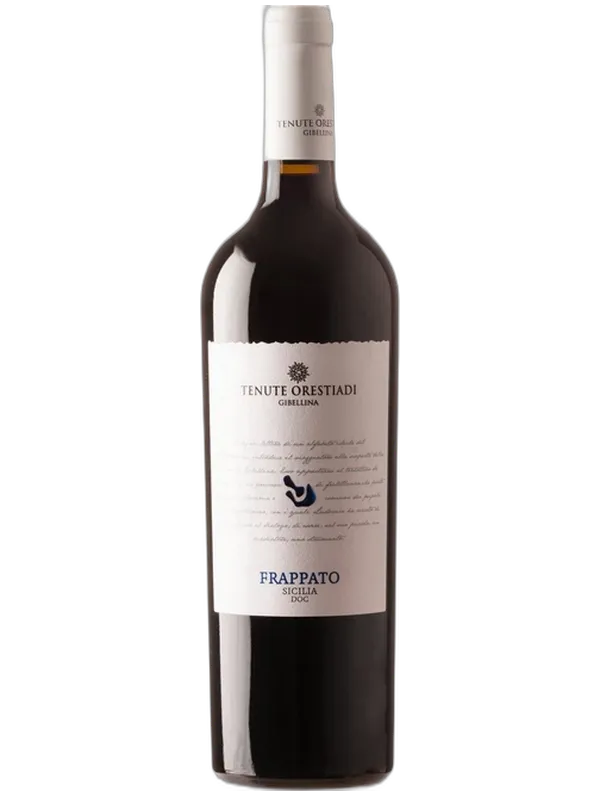
Frappato 2024
A bright, perfumed Sicilian Frappato from Tenute Orestiadi at Gibellina, in the Valle del Belice. Floral red cherry and wild fennel lead to a light, fresh palate with lively acidity and soft tannins. Wine Enthusiast scored the 2023 90 points.
View Wine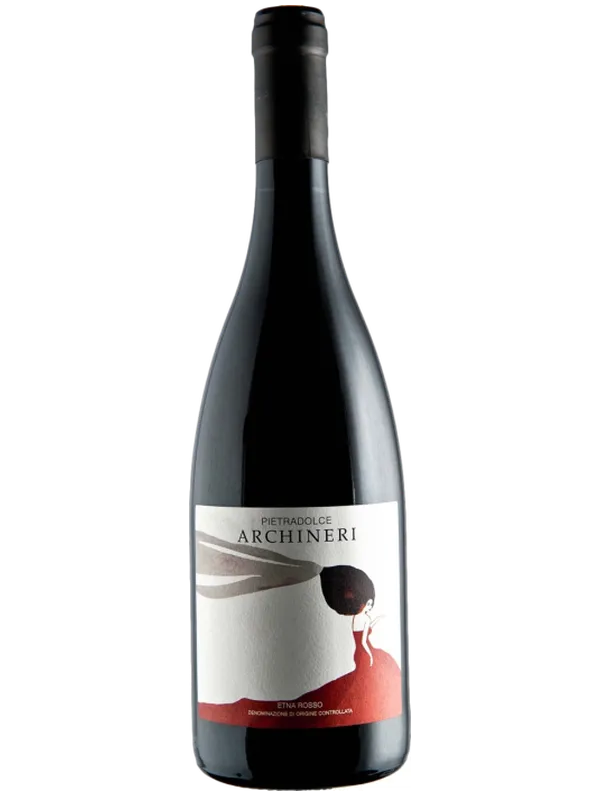
Pietradolce Etna Rosso 2024
Nerello Mascalese grown at 700-800 m around Solicchiata on Etna's north slope: pale ruby, sour cherry and strawberry over smoky volcanic stone, taut acidity and fine savoury tannins. Three months in oak keeps it fragrant and food-ready.
View Wine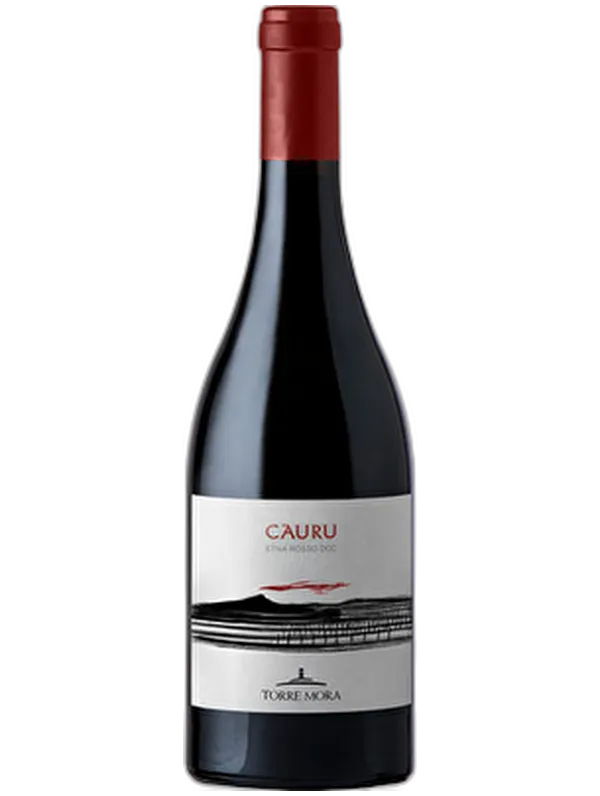
Torre Mora ‘Cauru’ Etna Rosso DOC 2023
An entry into Etna red from Torre Mora, the Piccini family's estate on the volcano's north slope. Mostly Nerello Mascalese, fresh and lively, with cherry, blackberry, violet and a peppery, stony edge. About 18 to 23 pounds in UK shops.
View Wine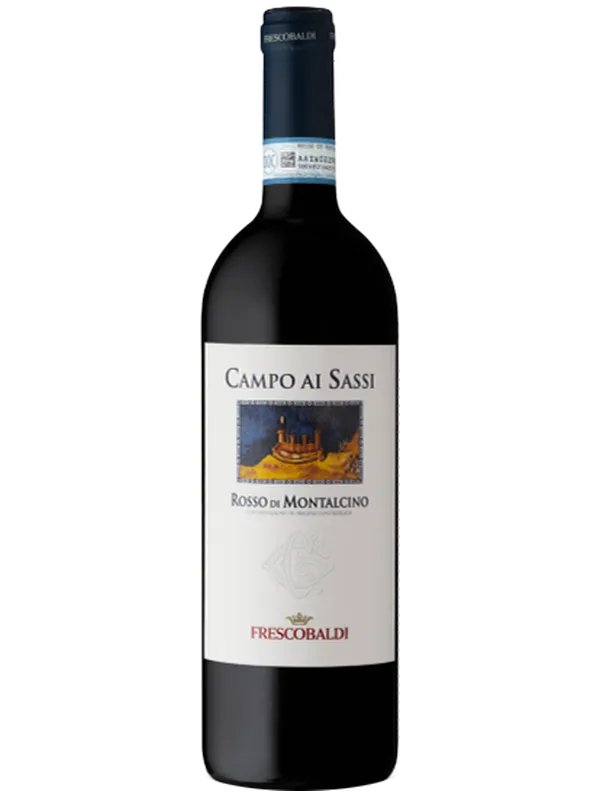
Marchesi de’ Frescobaldi Campo Ai Sassi 2024
Frescobaldi's Montalcino entry: 100% Sangiovese from the Tenuta CastelGiocondo estate, fermented in steel and aged in oak. Red cherry, raspberry and violet with a bergamot lift, smooth tannins and the bright acidity Rosso di Montalcino is loved for.
View Wine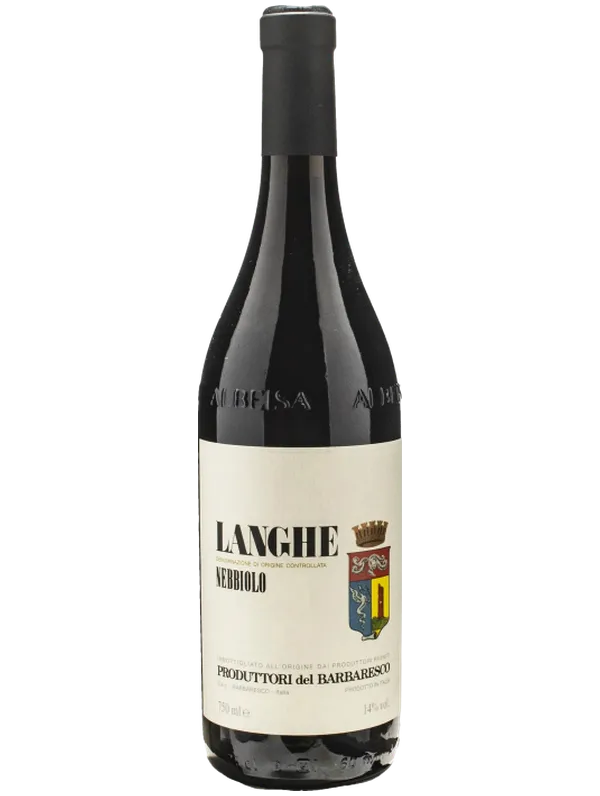
Produttori del Barbaresco Langhe Nebbiolo 2024
The Barbaresco co-op's entry Nebbiolo: Barbaresco-zone fruit fermented in concrete for a fresh, medium-bodied red of red cherry, dried rose, tar and white pepper. Firm acidity and gentle tannin make it a versatile Piedmont food wine near £20.
View Wine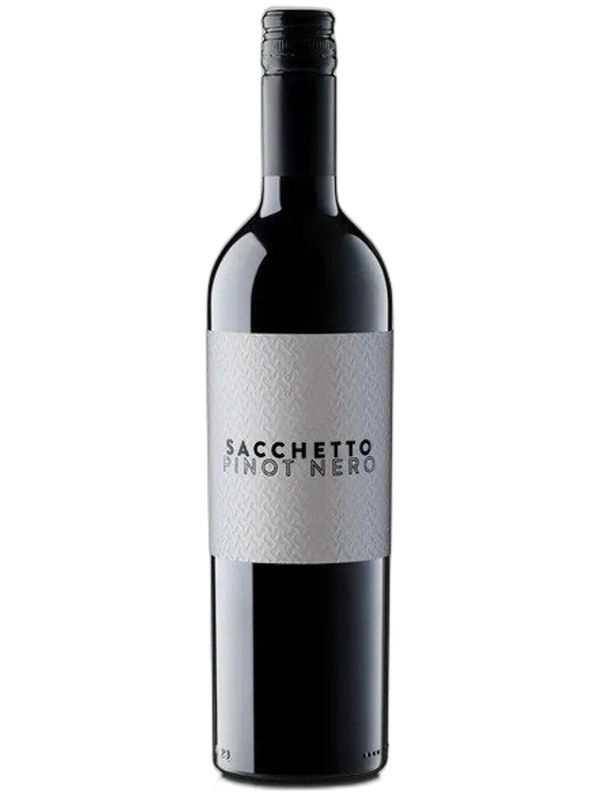
Sacchetto, Trevenezie, Pinot Nero 2024
View WineDish by dish, and one bottle for the whole table
A British Indian menu puts several regions, heat levels and sauces on one table, and everyone shares. So the one-bottle question is the real one. The answer is an off-dry Prosecco or a chilled dry Lambrusco. Both survive a vindaloo, both suit a korma, and neither needs to cost more than £20.
If the table is ordering by the glass, ask for the Prosecco or the Italian white, served properly cold. Most curry-house lists are short, but Pinot Grigio and Prosecco are nearly always on them. If you are bringing your own, the table below gives you the style to look for.
| Dish | Pour this | Why it works |
|---|---|---|
| Samosa, pakora, onion bhaji | Prosecco Extra Dry | Bubbles scrub the batter; a little sweetness meets the chutney |
| Chicken tikka masala | Barbera d'Asti, lightly chilled | Bright acidity for tomato and cream, soft tannin |
| Butter chicken, korma | Verdicchio Riserva or Traminer Aromatico | Acidity cuts the butter; perfume matches cardamom |
| Saag or palak paneer | Traminer Aromatico | Rose and peach lift spinach and coriander |
| Chicken or lamb biryani | Traminer Aromatico or Collio Pinot Grigio | A dry, aromatic white for saffron rice |
| Rogan josh, lamb bhuna | Cerasuolo di Vittoria or Etna Rosso | Juicy red fruit and low tannin for slow-cooked lamb |
| Tandoori chicken, seekh kebab | Barbera or Langhe Nebbiolo | A fresh red for char and smoke |
| Vindaloo, madras, jalfrezi | Dry Lambrusco, fridge-cold | Low alcohol and fizz calm the chilli |
| Goan fish or Kerala prawn curry | Vermentino di Sardegna or Grillo | Lemony, slightly salty whites for coconut and lime |
| Dal makhani, chana masala | Falanghina, a dry white, or Frappato | Earthy pulses want fresh fruit, not oak |
| Gulab jamun, kheer, ras malai | Moscato d'Asti | Sweet, frothy and only about 5% alcohol |
Every dish in the table has its own page with a shortlist of bottles to choose from. Start with the curries, the dals and pulses or the breads and starters.
Sweet wines for Indian desserts
Indian sweets are very sweet. Gulab jamun sits in syrup, jalebi is fried batter soaked in more syrup, and kheer and ras malai are milk cooked down with sugar, cardamom and pistachio. A dry wine tastes sour next to them. The wine has to be at least as sweet as the dish.
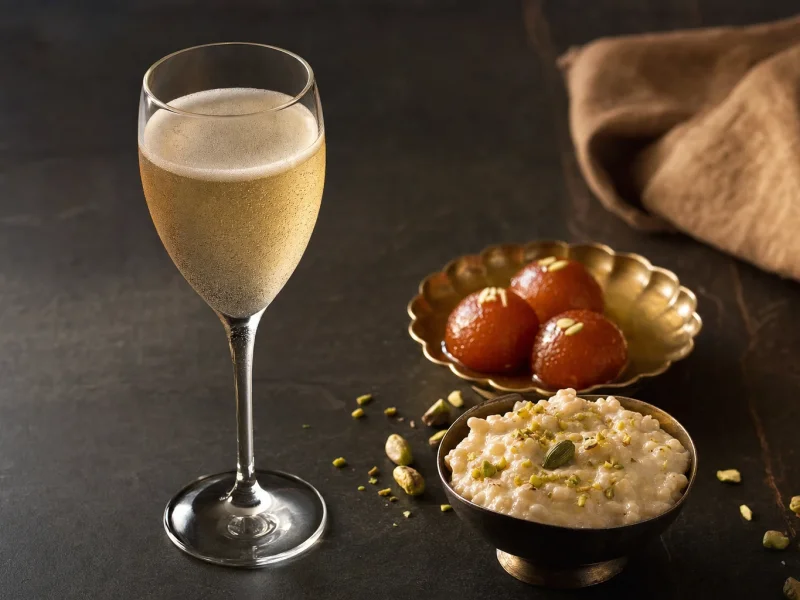
Italy's answer is Moscato d'Asti. It is sweet, gently fizzy and only about 5% alcohol, well under half the strength of a normal white, because the makers stop the ferment early. The Asti DOCG consortium sets the minimum at 4.5%. Peach, orange blossom and fresh grape sit lightly on the tongue, and the fizz cleans up the syrup. Prunotto's Moscato d'Asti and La Spinetta's Bricco Quaglia are both around £20, and Vallebelbo's Le Filere is about £11.
For the richer, nuttier sweets such as barfi or gajar halwa, a Vin Santo del Chianti works: amber, raisiny, with dried fig and walnut. Fattoria dei Barbi's Vin Santo has been made at Montalcino since 1870. Planeta's Passito di Noto, a Sicilian passito of dried Moscato grapes with apricot and honey, does the same for anything with almonds or saffron.
A gently sparkling sweet red is the party trick. Picchioni's Sangue di Giuda from Lombardy is 7% alcohol, chilled, red-fruited and sweet, and it goes with gulab jamun as happily as with a hot curry. For the wider picture, our guide to Italian dessert wines explains the four traditions behind these bottles.
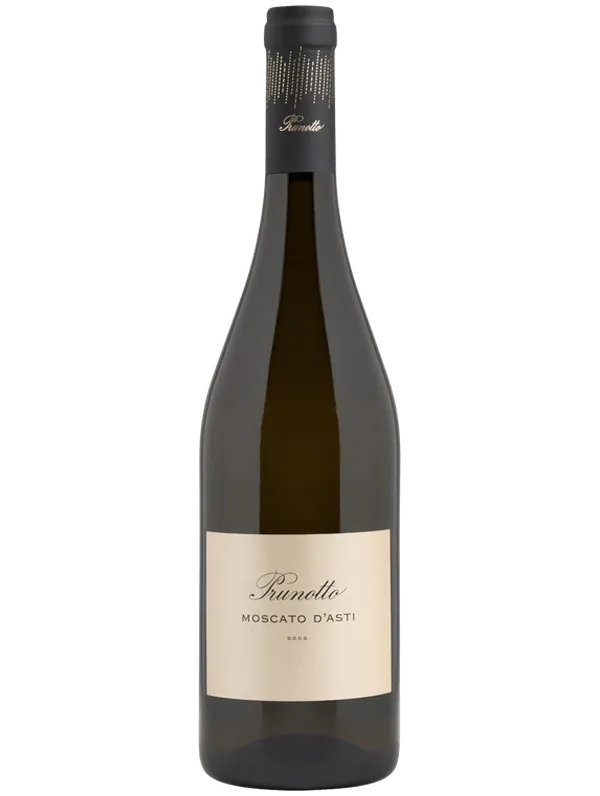
Moscato d'Asti 2025
View Wine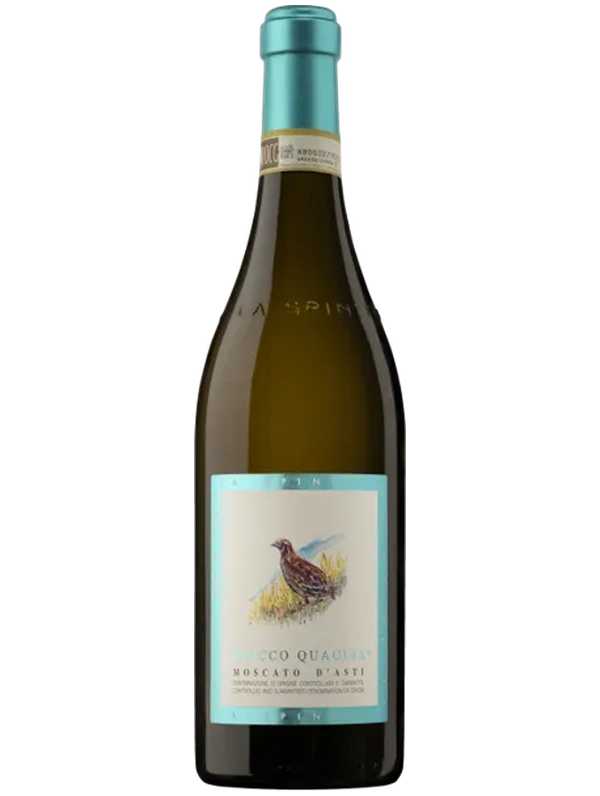
Azienda Agricola Spinetta Bricco Quaglia 2025
La Spinetta's Bricco Quaglia was Italy's first single-vineyard Moscato d'Asti, grown on 40-year-old vines at 300m in Castagnole delle Lanze. Peach, sage and honey lead a gently sparkling, low-alcohol sweet white at 5.5%, finishing clean and fresh.
View Wine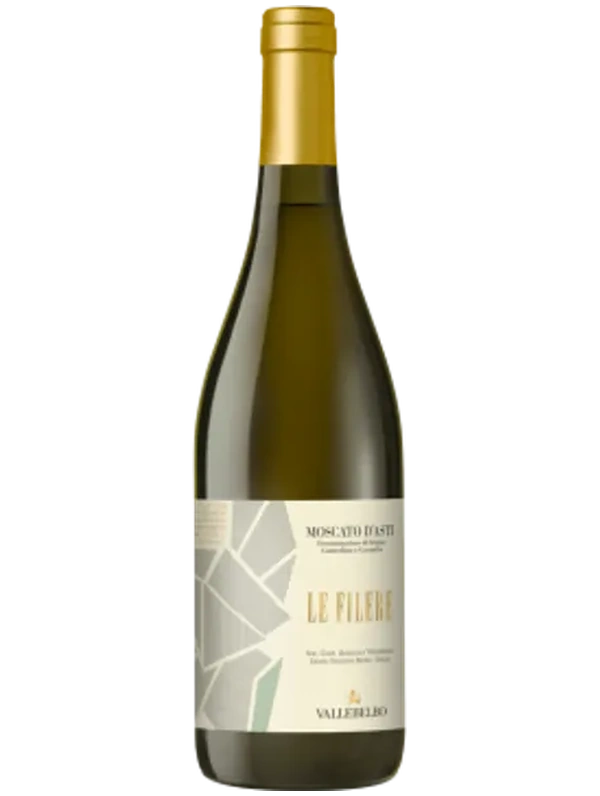
Moscato d'Asti - le Filere - Vallebelbo 2025
A sweet, gently fizzy Moscato d'Asti from the Vallebelbo co-op at Santo Stefano Belbo. Just 5.5% alcohol, with yellow peach, apricot and orange blossom. Falstaff scored it 91. Serve it cold with fruit or panettone.
View Wine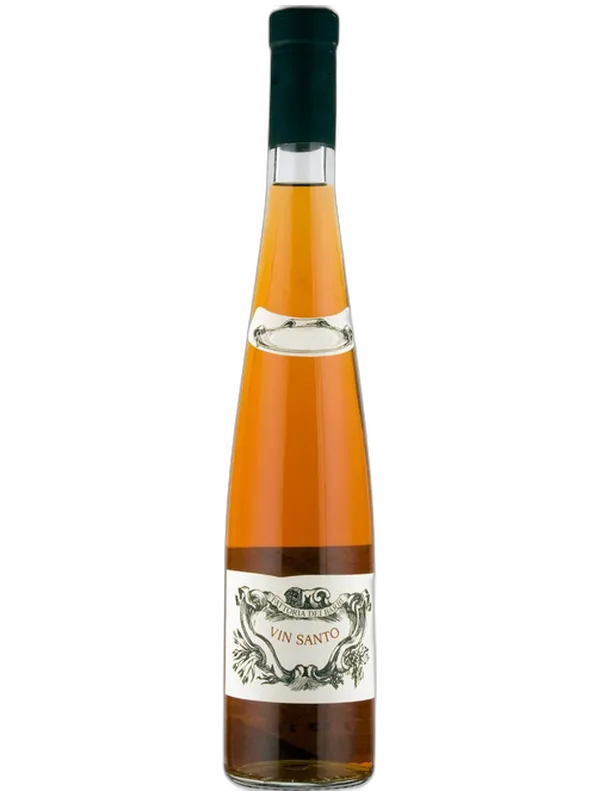
Fattoria dei Barbi Vin Santo 2019
Fattoria dei Barbi has made this sweet Vin Santo del Chianti DOC at Montalcino since 1870. Trebbiano, Malvasia and a little Sangiovese, dried to raisins then aged for years in oak caratelli: amber, velvety and full of dried fruit, walnut and honey.
View Wine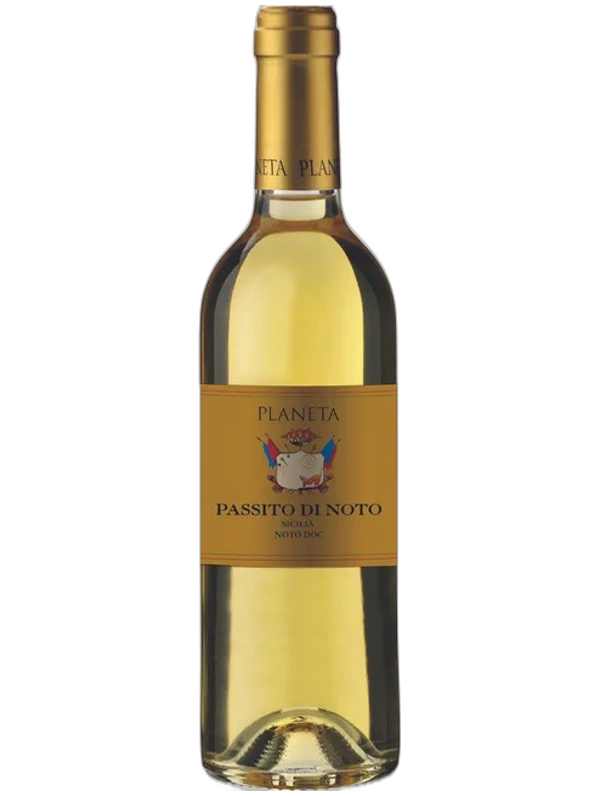
Passito di Noto 2025
Planeta's Sicilian dessert wine: 100% Moscato Bianco from Noto, dried five weeks then fermented sweet. Apricot, chestnut honey, rose and candied orange in a rich 50cl half-bottle, a benchmark passito for almond pastries, cassata and blue cheese.
View Wine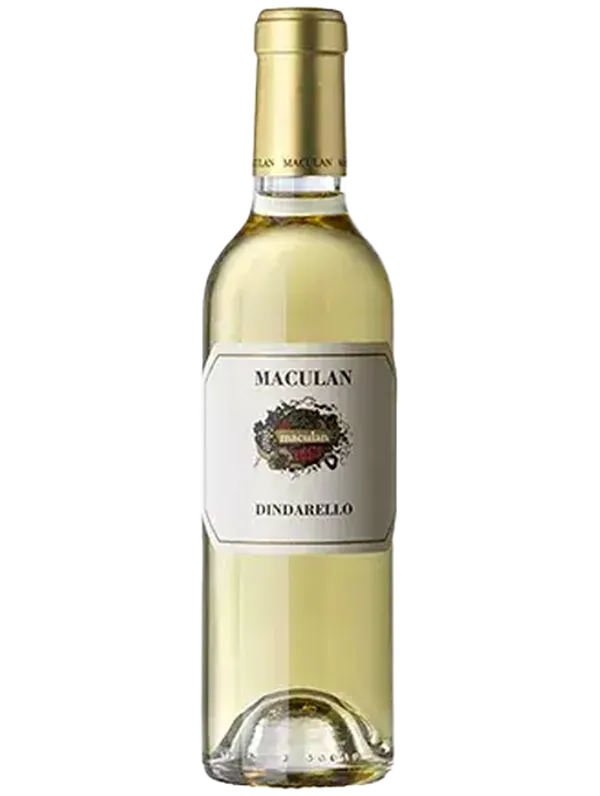
Maculan Dindarello 2025
A month of grape-drying in Maculan's Breganze fruttaio gives Dindarello its honey and orange-blossom sweetness: 100% Moscato, unoaked, about 11.5% alcohol, fully sweet yet fresh. UK half bottles run from £16 across two live vintages.
View Wine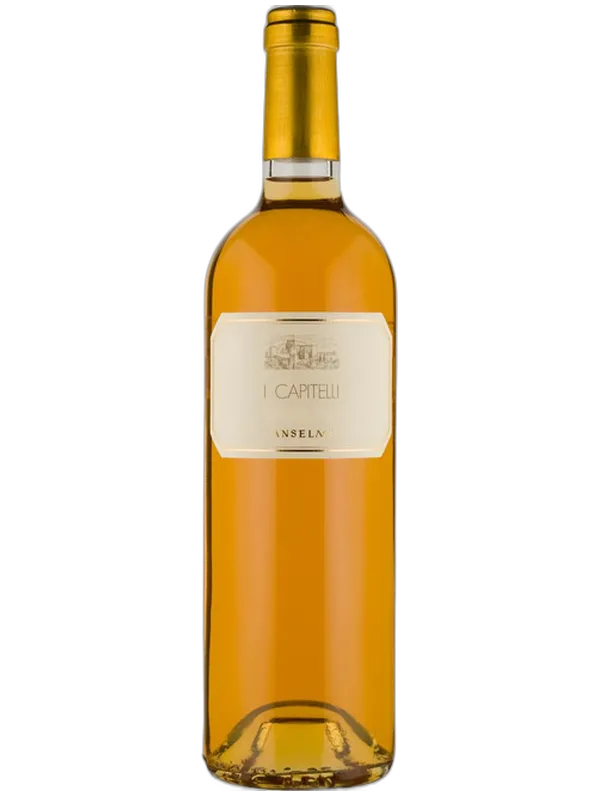
Azienda Agricola Anselmi Roberto I Capitelli 2023
Roberto Anselmi's botrytised Garganega passito from Monteforte d'Alpone, dried on racks into January and aged in Allier oak. Honeyed apricot, saffron and toasted almond over bright acidity. A Veneto IGT dessert wine for blue cheese and almond tarts.
View Wine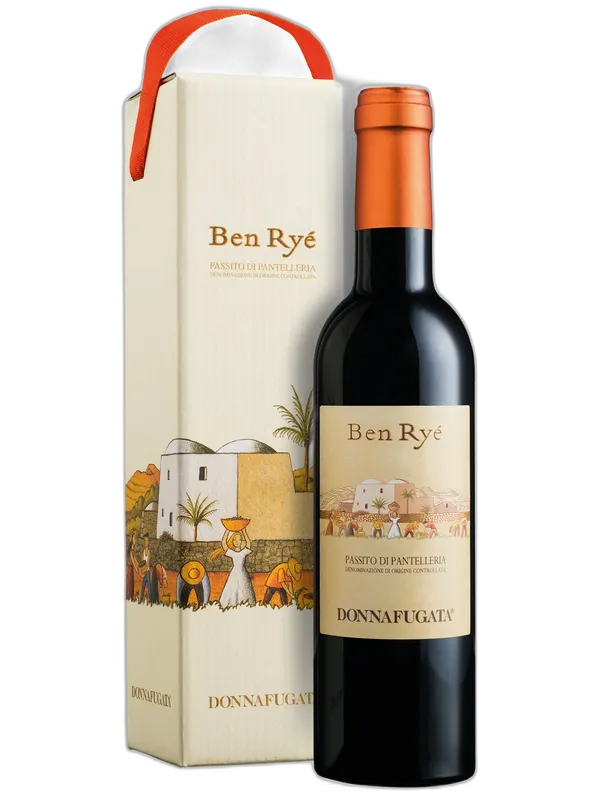
Passito di Pantelleria DOC Ben Rye Donnafugata 2023
View Wine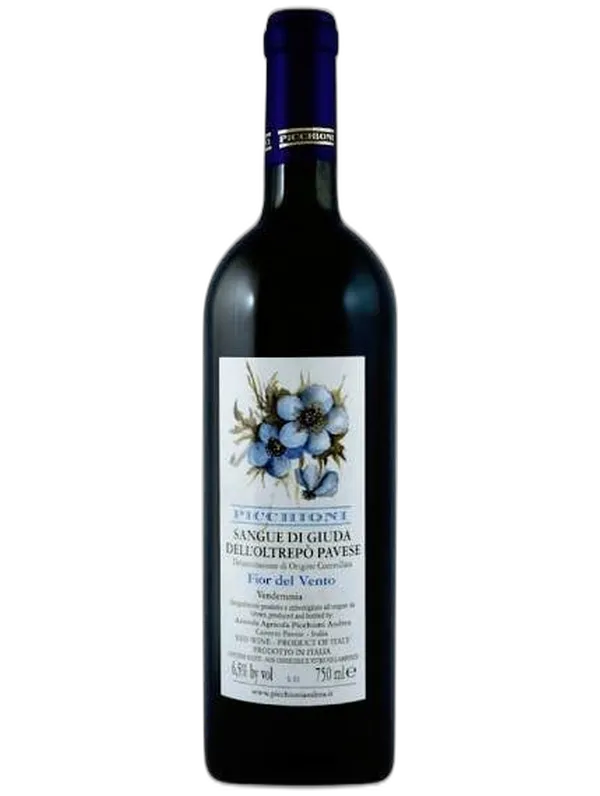
Picchioni Fior del Vento Sangue di Giuda 2025
A gently sparkling sweet red from Andrea Picchioni's steep Valle Solinga vines: Croatina, Barbera and Uva Rara stopped mid-ferment to keep grape sugar at just 7% alcohol. Chill it for red-fruit desserts, dry pastry or piquant Gorgonzola.
View WineFrequently asked questions
Yes, if the wine is strong or tannic. Chilli works on the heat sensor in your mouth, and alcohol acts on the same sensor, so a 14.5% red makes a hot curry feel hotter. Tannin adds a drying grip that reads as bitterness against chilli. Low alcohol, a little sweetness and bubbles all work the other way. That is why a chilled dry Lambrusco such as Medici Ermete's Concerto, or an off-dry Prosecco, is the safe order with a madras or a vindaloo.
Barbera d'Asti is the best red for chicken tikka masala. The sauce is tomato, cream and warm spice, so it wants a red with bright acidity and soft tannin, served slightly cool. La Spinetta's Ca' di Pian Barbera d'Asti Superiore is our pick. If you prefer white, an off-dry Prosecco or a Traminer Aromatico from Friuli both handle the cream. Our chicken tikka masala page lists the bottles we match to it.
Yes, and make it sparkling. A shared Indian table mixes hot, creamy and fried dishes, and an off-dry Prosecco or a chilled dry Lambrusco suits all three. Both are low in alcohol and tannin, so they stay refreshing against chilli, and their slight sweetness meets the chutneys. If the list has neither, a cold Pinot Grigio is the fallback. Order two bottles for four people: cold fizz disappears fast next to a curry.
Colder than usual. Serve whites and sparkling wines straight from the fridge, at about 6 to 8°C, and cool reds to about 14°C, which is twenty minutes in the fridge. Cold mutes alcohol and tannin, the two things that make chilli burn harder, and it keeps the wine refreshing next to hot food. In a restaurant, ask for an ice bucket for the red too. Our serving guide covers how to get the temperature right at home.
Moscato d'Asti. It is at least as sweet as the dessert, gently fizzy and only about 5% alcohol, so it does not fight the syrup or the cardamom. Prunotto's Moscato d'Asti and Vallebelbo's Le Filere are both easy to find in the UK. For nuttier sweets such as barfi, a Vin Santo del Chianti or Planeta's Passito di Noto brings dried fig, honey and almond instead.