














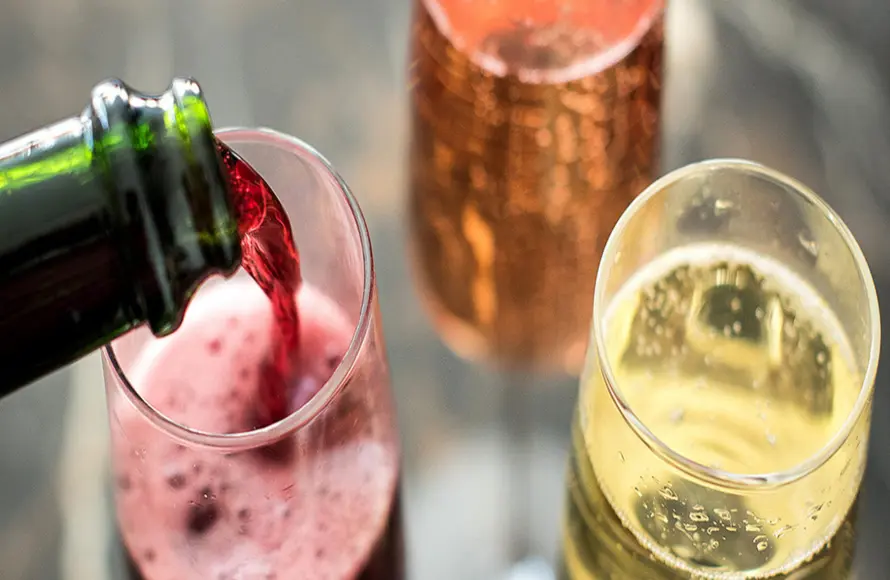


Chardonnay is a white grape with a clear Italian role.
Wines
626
Acidity
Body
White Grape · Marche
Italy's most quietly serious white: a high-acid Marche native with a saline snap and a bitter-almond finish, and the rare gift of ageing for a decade.
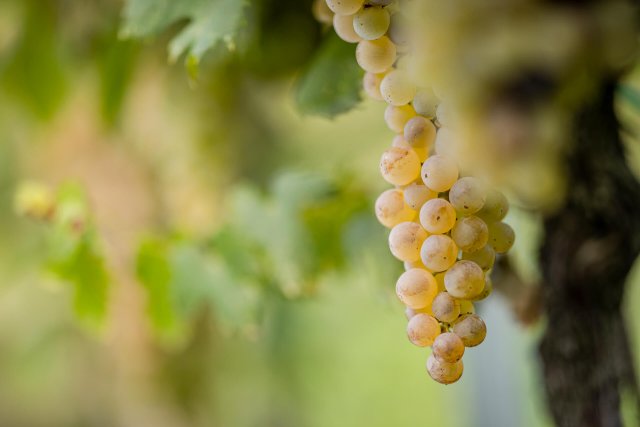
Verdicchio is the pale straw-gold white grape behind Marche's two benchmark whites. They are Verdicchio dei Castelli di Jesi and Verdicchio di Matelica. High acidity, a salty snap and a telltale bitter-almond finish define it. DNA has since proved that it is the same vine as Soave's Trebbiano di Soave and Lugana's Turbiana.
Your cellar, your trips, and the wines you've been tracking are right where you left them.
New here?
Free, always. Education first, we'll never sell you anything you didn't ask to see.
Already have an account?
Enter the email you signed up with and we'll send a link to choose a new password.
Setting it straight
The anchor fact: Verdicchio is regularly named one of Italy's finest white grapes; the cheap-bottle image is a hangover from mass 1970s production, not the wine in a good bottle today.
Taste · Where it sits
Forget scores out of five. Here’s Verdicchio described against grapes you already know.
Fuller and waxier than Soave or Pinot Grigio, yet never as broad as an oaked Chardonnay; the Castelli di Jesi Superiori carry the most weight.
Effectively tannin-free, though lees ageing and the odd skin-contact Superiore lend a faint phenolic grip a steely Pinot Grigio never has.
Among the highest-acid whites in Italy, closer to a Matelica's citric cut than a rounder Fiano; the salinity makes it read fresher still.
Bone-dry, with orchard fruit and almond rather than tropical sweetness; a world away from Moscato's sugar or Gewurztraminer's exotic perfume.
Key flavours



The map
Verdicchio is light to medium, crisp, fresh acidity, mapped against other white grapes you can buy. The closer a grape sits, the more its weight and freshness resemble Verdicchio.
Is this for you?
Reach for it when…
Maybe skip it if…
Serving guide
Serve at
10-12°C
Serve at 10 to 12C: colder and the almond and honeyed notes vanish, warmer and the acidity turns shrill.
Decant
Not needed
No decant for Classico; a Riserva or Matelica can take twenty minutes of air to open up.
Glass
Chardonnay Glass
A wider white bowl gives the texture and almond depth room, which matters most for the Superiore and Riserva.
Drink within
3-5 days
Classico is at its best in its first two or three years, when the freshness is the whole point.
Cellar
Up to 10 years
Riserva DOCG and Matelica reward five to ten years, building honey, marzipan and a Riesling-like hydrocarbon note.
On the table
Start with the home-table matches that made the grape, then browse the full cuisine library.

Marche egg pasta
The Marche's paper-thin egg pasta needs a wine with cut, not weight; Verdicchio's acidity keeps a rich ragu or seafood dressing light.

Adriatic shellfish
Saline meets saline: the grape's briny minerality and lemon edge mirror steamed mussels straight off the Marche coast.

Acqualagna truffle
A Verdicchio di Matelica's mineral tension frames white truffle without fighting it, where an oaky white would smother it.

Marche flatbread
With cured meats and cheese in a warm crescia, Verdicchio's almond bite and acidity reset the palate between bites.
Browse every pairing
Buy it · three to start with
A curated trio across the price range, then every Verdicchio on sale in the UK right now.
Entry · everyday
 1 retailer
Verdicchio dei Castelli di Jesi
1 retailer
£12.38
Why this one: The amphora-bottled Classico that first took Verdicchio global; textbook lemon, green apple and almond at an everyday price.
Special occasion
 1 retailer
Verdicchio dei Castelli di Jesi
1 retailer
£27.20
Why this one: Old-vine fruit from a benchmark Marche estate, built to age a decade toward honey and marzipan.
12 of 39 bottles
 8 retailers
Soave
8 retailers
£18.17
 5 retailers
Lugana
5 retailers
£19.94
 2 retailers
Verdicchio di Matelica
2 retailers
£11.30
 2 retailers
Verdicchio dei Castelli di Jesi
2 retailers
£13.00
£15.00
 2 retailers
Verdicchio dei Castelli di Jesi
2 retailers
£16.50
 2 retailers
Verdicchio di Matelica
2 retailers
£17.50
 2 retailers
Verdicchio dei Castelli di Jesi
2 retailers
£19.54
 2 retailers
Verdicchio dei Castelli di Jesi
2 retailers
£20.00
 2 retailers
Castelli di Jesi Verdicchio Riserva
2 retailers
£24.66
 2 retailers
Verdicchio dei Castelli di Jesi
2 retailers
£28.80
 2 retailers
Verdicchio dei Castelli di Jesi
2 retailers
£29.83
 2 retailers
Verdicchio dei Castelli di Jesi
2 retailers
£56.90
Denominations
The appellations where Verdicchio plays a starring role.
Where it grows
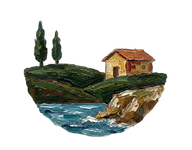
From Castelli di Jesi Verdicchio to Conero Montepulciano and Offida Pecorino, Marche covers 5 DOCGs across roughly 16,500 hectares of Adriatic and Apennine Read more
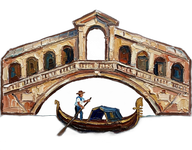
Italy's largest wine region by volume, where Prosecco hills, Valpolicella ridges, and Soave's volcanic plain shape three different Italian classics. Read more
The terroir
Verdicchio speaks in three accents, two in the Marche and one borrowed by the Veneto.
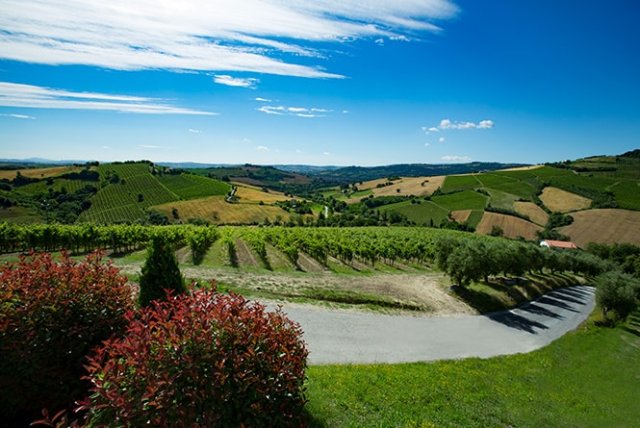
Castelli di Jesi
Hills behind Ancona, Marche
Broader, riper and orchard-fruited, and close to 90 percent of all Verdicchio.
Matelica
Inland Apennine valley, Marche
Leaner, saltier and higher-acid, and the most age-worthy expression.
Soave
Volcanic hills of the Veneto
Here it is Trebbiano di Soave, folded into the blend for its acidity.
Producers
Every estate on the site that works with Verdicchio.
Editorial
Verdicchio has grown in the Marche since at least the 14th century. DNA profiling has since revealed a surprising family tree. The grape is genetically identical to the Trebbiano di Soave of the Veneto and to Lugana's Turbiana. Even so, despite those aliases, it is not a true Trebbiano like Trebbiano Toscano at all. One theory has Venetian families carrying the vine south to the Adriatic hills after the plague.
DNA finally confirmed what growers long suspected: the Verdicchio of the Marche and the Trebbiano di Soave of the Veneto are one and the same vine.
On Verdicchio's split identityTwo zones set the benchmark for the variety. Verdicchio dei Castelli di Jesi sits in the hills behind Ancona. It makes close to 90 percent of all Verdicchio, and it gives the broader, riper, more textured wine. Verdicchio di Matelica grows inland at higher altitude, in a cooler Apennine valley. It is leaner and more mineral, with the structure to age ten years or more. Both peak in their Riserva DOCGs.
Styles run from crisp everyday Classico to barrel-aged Riserva and traditional-method sparkling. All of them are built on Verdicchio's high acidity and salty cut. Benchmark names include Villa Bucci and Umani Ronchi around Jesi, and ColleStefano and Belisario in Matelica. Fazi Battaglia's amphora-shaped Titulus bottle carried the grape to a global audience in the twentieth century, for better and worse.
One marker recurs across every style. A bitter-almond note sits on the finish, and it softens towards marzipan and honey as the wine ages. It often rests over a waxy, hydrocarbon depth that recalls a fine Riesling. That almond note is the surest sign that the white in your glass is Verdicchio.
Good to know
Verdicchio is a dry, high-acid white with lemon and green-apple citrus. It has a salty, mineral edge and a signature bitter-almond note on the finish. With age it gains honey, marzipan and a waxy, petrol-like depth.
Almost all Verdicchio is bone-dry. A handful of producers make sweet passito or late-harvest versions, but they are rare. The grape's high acidity and savoury almond character suit dry styles best.
Castelli di Jesi, behind Ancona, makes around 90 percent of all Verdicchio, in a broader and riper style. Verdicchio di Matelica grows inland at higher altitude. It is leaner, stonier and it typically ages longer.
Yes. DNA studies confirm that Verdicchio is identical to Trebbiano di Soave in the Veneto and to Lugana's Turbiana. Even so, it is not a true Trebbiano like Trebbiano Toscano.
Yes, unusually well for an Italian white. Everyday Classico is best drunk young, for its freshness. Riserva DOCG and Matelica bottlings can age five to ten years, developing honey, almond and hydrocarbon notes.
Verdicchio is pronounced ver-DEE-kyoh. The double c before an i makes a hard k sound, as in the Italian word chi.
Explore by style
Jump to the editorial guide for each style this grape turns up in.
Keep exploring