








 1,868 wines
 62 denominations








Chardonnay is a white grape with a clear Italian role.
Wines
635
Acidity
Body
White Grape · Piedmont
The grape behind Gavi, Piedmont's benchmark dry white. Cortese trades perfume for precision: green apple, lemon and a bitter-almond snap over the kind of high, stony acidity that made it Liguria's seafood wine long before Gavi earned its DOCG.
Cortese is the white grape of Gavi DOCG. It grows across the marl and limestone hills of south-eastern Piedmont, around Alessandria and the Alto Monferrato. It is bone-dry, high in acidity and deliberately understated. It trades tropical fruit for green apple, lemon and a signature bitter-almond finish. This is Piedmont's answer to a serious, food-driven white.
Your cellar, your trips, and the wines you've been tracking are right where you left them.
New here?
Free, always. Education first, we'll never sell you anything you didn't ask to see.
Already have an account?
Enter the email you signed up with and we'll send a link to choose a new password.
Before you buy
The anchor fact: Every bottle of Gavi is 100% Cortese. Cortese is the grape; Gavi is just the most famous place it grows.
Taste · Where it sits
Forget scores out of five. Here’s Cortese described against grapes you already know.
Built light and lean, close to coastal Vermentino in weight and well short of a barrel-aged white; the frame exists to carry acidity, not fruit.
A white with next to no tannin, so its only grip is the faint phenolic bite of the bitter-almond finish, not structure.
High, lemony acidity is Cortese's engine, sharper than Fiano and in the bracing league of Verdicchio, and the reason Gavi cuts fried Ligurian seafood.
Fermented bone-dry with cool orchard fruit, green apple and lemon over anything tropical, which keeps it more savoury than an aromatic Moscato.
Key flavours


The map
Cortese is light to medium, crisp, fresh acidity, mapped against other white grapes you can buy. The closer a grape sits, the more its weight and freshness resemble Cortese.
Is this for you?
Reach for it when…
Maybe skip it if…
Serving guide
Serve at
8-10°C
Serve at 8 to 10C. Too warm and Cortese's delicate green-apple and almond notes fall flat, losing the tension that defines it.
Decant
No
No decanting. Gavi is about primary freshness; air only dulls its citrus lift and mineral snap.
Glass
Sauvignon Blanc Glass
A smaller white-wine bowl funnels the quiet aromatics and keeps the wine cold, flattering Cortese's restrained nose.
Drink within
3-5 days
Drink most bottles within two to three years; the fruit fades faster than the acidity.
Cellar
Up to 5 years
Only single-vineyard and riserva Gavi rewards five years or more, trading apple for a waxy, flinty depth.
On the table
Start with the home-table matches that made the grape, then browse the full cuisine library.

The Piedmont classic
Cortese and vitello tonnato are both Piedmontese, and Gavi's lemony acidity slices through the rich tuna-and-caper sauce while its almond note echoes the cold veal.

Ligurian neighbour
Gavi grows just over the hills from Liguria, and its crisp, mineral cut keeps basil pesto and its olive-oil richness fresh rather than heavy.

Raw bar
The wine's saline, flinty edge and searing acidity meet raw oysters head on, resetting the palate between each one.

Fried and salty
High acidity is the whole point: Gavi's lemon-zest freshness cuts battered, fried fish the way a squeeze of lemon does.
Browse every pairing
Buy it · three to start with
A curated trio across the price range, then every Cortese on sale in the UK right now.
Entry · everyday
 1 retailer
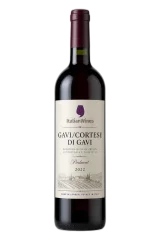
Gavi/Cortese di Gavi
1 retailer
£10.70
£12.52
Why this one: An honest everyday Gavi: green apple and lemon, crisp and clean, the easiest way to meet Cortese for around a tenner.
The sweet spot
 4 retailers
Gavi/Cortese di Gavi
4 retailers
£17.20
Why this one: Villa Sparina is a Gavi di Gavi benchmark, rounder and more textural, showing what a serious estate draws from the marl soils around Gavi.
12 of 68 bottles
 5 retailers
Gavi/Cortese di Gavi
5 retailers
£12.95
 4 retailers
Lugana
4 retailers
£16.50
4 retailers
Gavi/Cortese di Gavi
4 retailers
£17.20
 3 retailers
Gavi/Cortese di Gavi
3 retailers
£14.24
 3 retailers
Gavi/Cortese di Gavi
3 retailers
£23.77
 2 retailers
Piemonte
2 retailers
£7.95
 2 retailers
Appellation TBD
2 retailers
£11.00
 2 retailers
Appellation TBD
2 retailers
£13.67
 2 retailers
Gavi/Cortese di Gavi
2 retailers
£17.00
 2 retailers
Appellation TBD
2 retailers
£18.23
 2 retailers
Gavi/Cortese di Gavi
2 retailers
£18.31
 2 retailers
Gavi/Cortese di Gavi
2 retailers
£18.50
Denominations
The appellations where Cortese plays a starring role.
Where it grows

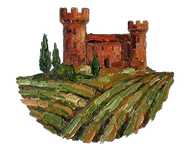
From Barolo's tannic spine to Asti's gentle fizz, Piedmont turns Nebbiolo, Barbera, Moscato, and Cortese into Italy's most cru-mapped wine country.
The terroir
Cortese barely leaves south-east Piedmont, and exactly where it grows changes the wine in the glass.
Gavi
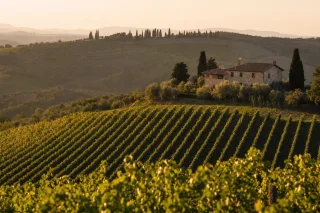
Marl and limestone hills around the town of Gavi
The mineral benchmark: taut, stony and the longest-lived Cortese of all.
Alto Monferrato
The wider hills of Ovada, Acqui and Tortona
Softer, rounder and earlier-drinking, bottled as Cortese dell'Alto Monferrato.
Colli Tortonesi
The Tortona hills to the east, Timorasso country
Firmer and more textural, from cooler, higher vineyard sites.
Editorial
Cortese has been grown in south-eastern Piedmont for centuries. A 1659 document preserved in the archives of Novi Ligure records vineyards of Cortese bianco planted for dry wine. By the late nineteenth century the variety was widespread across the province of Alessandria. It was valued for its reliable yields and its resistance to disease. Its modern reputation was built at Gavi. The dry whites there climbed steadily in quality through the twentieth century, until Gavi was raised to DOCG in 1998.
Piedmont is red-wine country. Cortese is the quiet exception that taught the region to take white wine seriously.
Gavi, raised to DOCG in 1998The grape is a faithful mirror of where it grows. It ripens early and holds its acidity high. On the marl and limestone soils of Gavi and the Alto Monferrato it gives a wine of stony precision rather than showy aroma. Expect green apple, lemon, unripe pear and white flowers. It always closes on the faintly bitter almond note that marks a true Cortese. With a year or two in bottle the best examples gain a waxy, flinty depth.
Most Cortese is made as a still, unoaked white. The grape also lends itself to spumante and lightly frizzante styles, and a handful of producers age a riserva. Beyond Gavi it appears in Cortese dell'Alto Monferrato, Colli Tortonesi and Piemonte Cortese. Its natural home remains the hills of Piedmont. There it stands alongside aromatic whites like Arneis and Vermentino, as the region's understated, gastronomic counterpoint.
Good to know
Gavi tastes dry, crisp and stony, with green apple, lemon and a signature bitter-almond finish. It is made from the Cortese grape in south-eastern Piedmont. It is light-bodied and high in acidity, built around citrus and a stony edge rather than tropical fruit.
Cortese is the grape. Gavi is the wine and its denomination. Gavi DOCG is made entirely from Cortese grown around the town of Gavi in Piedmont. So every Gavi is a Cortese. But Cortese is also bottled as Cortese dell'Alto Monferrato, Colli Tortonesi and Piemonte Cortese.
Gavi is a bone-dry white. Cortese has naturally high acidity and no sugar left over in its standard form. That gives a fresh, savoury style. The grape is also made into dry spumante and frizzante versions.
Cortese pairs best with seafood and lighter Italian dishes. Its high acidity and clean finish suit vitello tonnato, fritto misto di mare, shellfish and trofie al pesto. That reflects its home just inland from the Ligurian coast.
Cortese is grown mainly in south-eastern Piedmont, in the provinces of Alessandria and Asti. Its most famous zone is Gavi. There are further plantings across the Alto Monferrato hills around Ovada, Acqui and Tortona.
Most Gavi is made to drink young, within two to three years, for its freshness. The best single-vineyard and riserva bottlings can develop for five years or more. They gain a waxy, flinty depth while holding their acidity.
Explore by style
Jump to the editorial guide for each style this grape turns up in.
Keep exploring