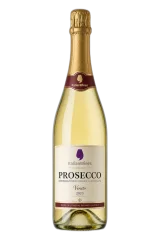
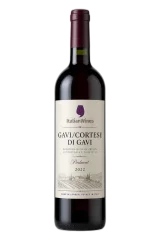
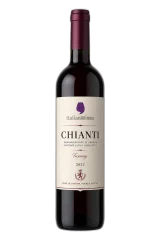
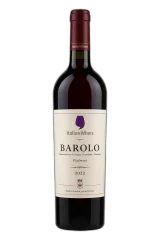
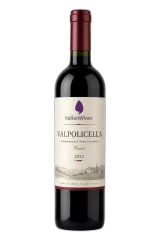
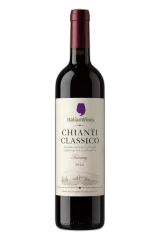
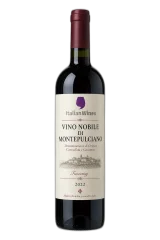
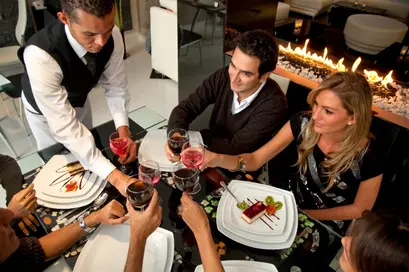
Sangiovese (san-jo-vay-zeh) is the undisputed king of red wines in central Italy, virtually present in every area of the country Thanks to its many clones and surprising versatility, Sangiovese can create a wide range of wines: from young and fresh Chiantis to complex and full-bodied Brunellos.
Red Grape · Piedmont
Barbera
Piedmont's everyday red: sky-high acidity, whisper-soft tannin and ink-dark colour, the people's wine poured at the daily table while Nebbiolo waits for Sunday.
One of the most approachable red wines in Italy, Barbera (“bar-BAY-rah”) is a fresh and fruity wine that is always present on the tables of the inhabitants of Piedmont. It is the most drunk and consequently the most cultivated grape, representing at least half of the entire production of Piedmont as a region.
Setting it straight
More than meets the eye
A serious, ageworthy red too
- It has its own DOCGNizza broke away from Barbera d'Asti in 2014, demanding 100% Barbera and time in wood.
- Deep colour, real bodyInk-dark and full-bodied, the barrique-aged 'Super Barbera' style can cellar ten years.
- Priced like a contenderTop single-vineyard Barbera d'Alba and Nizza now sit beside village Nebbiolo, not beneath it.
Just Nebbiolo's cheap sidekick
- The peasant's daily litreFor generations it was the everyday jug wine, poured while the good Nebbiolo was saved for guests.
- Soft, simple, forgettableThe gulpable unoaked style is real, but it is only half of what the grape can do.
The anchor fact: Since the 2014 vintage Nizza has stood as its own DOCG: 100% Barbera from the hills around Nizza Monferrato, wood-aged and built to last ten years.
Taste · Where it sits
What it’s actually like in the glass
Forget scores out of five. Here’s Barbera described against grapes you already know.
Deeply coloured and genuinely full-bodied, with more flesh than its 'everyday' billing suggests: close to Nebbiolo in sheer weight, nowhere near it in tannic grip.
The grape's calling card. Barely any tannic grip, so Barbera drinks smooth and young while tannic Nebbiolo is still locked shut for years.
Sky-high, mouth-watering acidity is the engine of the whole wine: it slices through butter and braised meat where low-acid Dolcetto would fall flat.
Bone-dry, even as it floods the nose with juicy black cherry and blueberry: the fruit smells sweet, but the finish stays savoury and clean.
Key flavours
The map
Barbera is full-bodied, very soft tannin, mapped against other red grapes you can buy. The closer a grape sits, the more its weight and grip resemble Barbera.
Is this for you?
An honest gut-check
Reach for it when…
A bold red that just works
- You want a food wine before anything else: that racing acidity cuts butter, braised meat and tomato sauce like almost no other red.
- You love a deep, dark, bold red but hate a gum-drying tannic finish: Barbera gives colour and body with barely any grip.
- You want Piedmont in the glass without Barolo money: a good Barbera d'Alba or Nizza brings structure for a fraction of Nebbiolo's price.
Maybe skip it if…
You’re after something else tonight
- You want firm, chewy tannin to frame a rare steak: Barbera is built on acid, not grip, so reach for Nebbiolo or Sangiovese instead.
- You like soft, low-acid, easy-going sippers: on its own, away from food, Barbera's tartness can come across as sharp.
- You are buying for a twenty-year cellar: only top wood-aged Nizza goes the distance, while most Barbera is at its joyful best inside three years.
Serving guide
Pour it at its best
Serve at
17-20°C
Hold it at 17-20C, just below room temperature: served too warm, Barbera's alcohol and high acid both turn sharp.
Decant
30 minutes
Thirty minutes of air is plenty. With so little tannin to soften, Barbera needs a decanter only to lift its fruit, not to tame it.
Glass
Standard Balloon Glass
A wide balloon bowl gathers the dark-cherry and blueberry perfume and steers that racy acidity gently across the palate.
Drink within
1-3 days
The high acid keeps an open bottle alive: re-corked in the fridge, Barbera still tastes fresh two or three days on.
Cellar
Up to 10 years
Only serious wood-aged bottlings reward the cellar. A top Nizza can hold ten years, but everyday Barbera is made to drink young.
On the table
What to eat with Barbera
Start with the home-table matches that made the grape, then browse the full cuisine library.
Straight from home
Agnolotti del Plin
The Sunday pasta of the Langhe and Monferrato, meat-stuffed and dressed in butter: Barbera's acidity slices clean through the richness the way nothing else at the Piedmontese table can.
The Piedmont classic
Vitello Tonnato
Cold veal under a creamy tuna-and-caper sauce is a Piedmont icon, and Barbera's low tannin is the secret: it refreshes the rich sauce without the clash a grippy red would strike against the fish.
Friday night, sorted
Pizza Diavola
Spicy salami pizza is made for this grape: bright acid locks onto the tomato while the soft tannin shrugs off chilli heat and cured-pork fat that would turn a tannic red bitter.
Fried and golden
Cotoletta alla Milanese
A butter-fried, breadcrumbed veal cutlet needs a sharp red to reset the palate between bites, and Barbera's mouth-watering acidity does exactly that, a Lombard cousin reaching back to its native Piedmont.
Browse every pairing
Buy it · three to start with
Not sure which bottle? Start here
A curated trio across the price range, then every Barbera on sale in the UK right now.
Entry · everyday
2 retailers
Briccotondo Barbera Piemonte DOC
Piemonte
2 retailers
£14.93
Why this one: The everyday face of the grape: unoaked, juicy and all about that bright cherry acidity. Fontanafredda is one of Piedmont's most dependable large estates, which makes this a safe, honest first taste at around fifteen pounds.
The sweet spot
2 retailers
Barbera d'Asti Superiore DOCG Organic
Barbera d'Asti
2 retailers
£25.55
Why this one: A step up into serious Asti: organically farmed, DOCG-classified and given time in wood, this is the modern 'Super Barbera' style, deeper and rounder while keeping the acid spine. La Spinetta helped write the quality-Barbera playbook.
Special occasion
1 retailer
Cantina Vietti Vigna Scarrone
Barbera d'Alba
1 retailer
£57.26
Why this one: Proof of how high Barbera climbs: a single old-vine cru in Alba, dense and structured and built to age a decade, at a Barolo-adjacent price. This is the bottle that silences anyone who still calls Barbera simple.
12 of 48 bottles
4 retailers
Barbera d'Alba
Barbera d'Alba
4 retailers
£18.77
3 retailers
Barbera d'Alba DOC
Barbera d'Alba
3 retailers
£19.10
£23.58
3 retailers
Bruno Rocca Barbera d'Alba
Barbera d'Alba
3 retailers
£27.50
£29.26
3 retailers
Barbera d'Alba - Sandrone
Barbera d'Alba
3 retailers
£26.70
£30.38
2 retailers
Barbera
Barbera del Monferrato Superiore
2 retailers
£10.86
2 retailers
Briccotondo Barbera Piemonte DOC
Piemonte
2 retailers
£14.93
2 retailers
Giovanni Rosso Barbera d'Alba
Barbera d'Alba
2 retailers
£18.49
£19.04
2 retailers
Fontanafredda Raimonda
Barbera d'Alba
2 retailers
£20.52
2 retailers
Trevigne
Barbera d'Alba
2 retailers
£22.72
2 retailers
Barbera d'Alba - Elio Altare
Barbera d'Alba
2 retailers
£23.06
£23.39
2 retailers
Ceretto Piana
Barbera d'Alba
2 retailers
£23.06
£23.85
2 retailers
Barbera d'Asti Superiore DOCG Organic
Barbera d'Asti
2 retailers
£25.55
Denominations
Where it earns a name on the label
The appellations where Barbera plays a starring role.
Where it grows
The places it calls home
Piedmont
From Barolo's tannic spine to Asti's gentle fizz, Piedmont turns Nebbiolo, Barbera, Moscato, and Cortese into Italy's most cru-mapped wine country. Read more
Lombardy
From Franciacorta classic-method bubbles to Valtellina mountain Nebbiolo and Lugana lake-cool whites, Lombardy spans 5 DOCGs across roughly 25,000 hectares of Read more
Emilia Romagna
Italy's pasta plains pour fizzy Lambrusco from Modena and Reggio, ageworthy Sangiovese di Romagna, Albana DOCG whites, and Bologna's gentle Pignoletto. Read more
The terroir
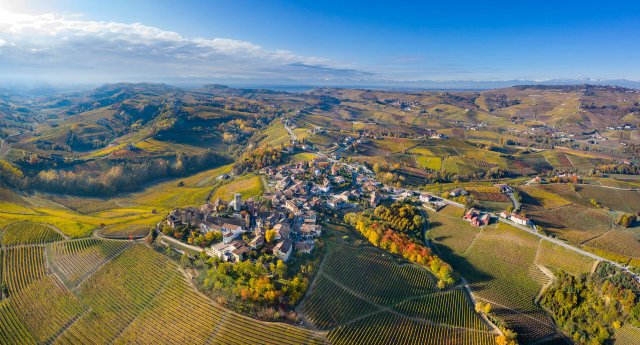
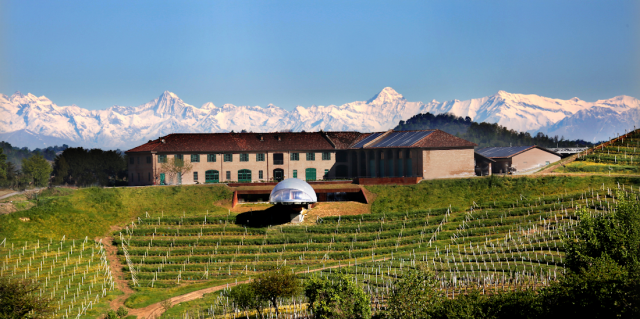
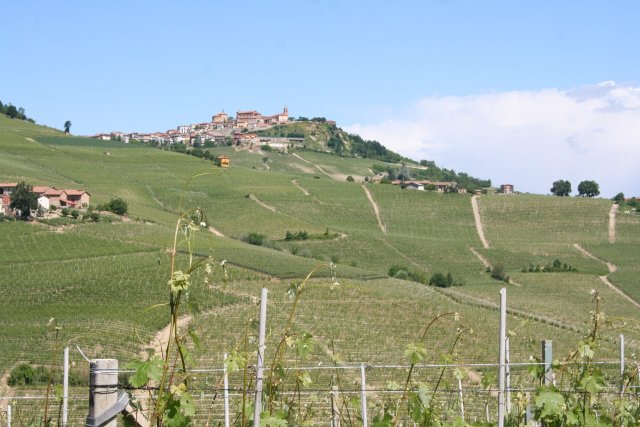
Barbera is the grape that paid Piedmont's bills, planted on nearly every slope the noble Nebbiolo could not claim, and spilling east into Lombardy and Emilia-Romagna. But it is far from one wine: its character swings sharply from zone to zone.
Barbera d'Asti & Nizza
Monferrato hills around Asti
The grape's historic stronghold and its largest appellation. Barbera d'Asti runs from juicy and unoaked to deep, wood-aged Superiore, with the cru-level Nizza at its summit.
Barbera d'Alba
The Langhe, shared with Nebbiolo
Planted on the sites Nebbiolo cannot fully ripen, Alba's Barbera is often the deeper, riper, more powerful cut, made as a foil to Barolo in the very same cellars.
Gutturnio
Colli Piacentini, Emilia-Romagna
Beyond Piedmont the grape turns team player: here Barbera is blended with Croatina and often lightly frizzante, a juicy, sometimes fizzy everyday red.
Editorial
About Barbera
This is a young wine with ample aromas, a good body, notes of plum and spices, provided with a marked but pleasant acidity.
Everything changed in 1982, when Giacomo Bologna aged his Bricco dell'Uccellone in new French barriques and proved that Piedmont's everyday jug grape could make a wine fit for the finest tables in the world.
Braida, and the birth of the modern Super BarberaCharacterised by a floral and fruity nose, with notes of ripe cherry, plum, raspberry and blackberry. This wine is dry and harmonious, with a lively acidity.
Produced in the provinces of Asti and Alessandria, it must age at least 14 months, including 6 in oak barrels. The nose is intense and ethereal, and in the mouth, it is harmonious and full.
One of the most important Barbera wines made outside Piedmont. Its curious name (‘buttafuoco’ translates as ‘throw fire’) derives from the local dialect and refers to its strong character and warmth.
The Barbera grape is less ancient than other varieties which are grown in Piedmont, such as Moscato, Grignolino and Nebbiolo; however, the first written records of Barbera wines date back to the end of the 18th century.
In the past, Barbera was considered a peasant wine, but over time its cultivation has expanded considerably, alongside its fame. Thanks to modern and appropriate winemaking processes it is now possible to find various types of Barbera wines. There are excellent ready-to-drink bottles and more complex wines that provide medium longevity and good structure, which get better with ageing.
Traditionally seen as a peasant wine, Barbera wine offers great value, they are extremely approachable and particularly food friendly; the perfect red for those getting introduced to the Italian wine universe.
Good to know
Frequently asked
Barberas are intense and robust red wines. They are rustic and genuine, deeply integrated in the enogastronomic traditions of the region of Piedmont. They can be sparkling or still, red or rosé, dry or sweet, hence offering a wide choice of food combinations.
It is quite an immediate wine, thanks to a pleasant acid nerve, velvety tannins and a good body. It is round and well balanced with juicy notes of red fruit. The Superiore wines show more complexity, with notes of chocolate, vanilla and coffee that blend well with the sweetness of the fruit
Generally speaking, most Barbera based wines are dry, although on the market it is possible to find some ‘passito’ (sweet) versions.
Barbera is the most widespread red grape in Piedmont: the historic area of origin is Monferrato, but the grape is also present in the province of Asti and in the Langhe. Out of Piedmont, Barbera appears in the province of Pavia, as part of the blend of the Oltrepò Pavese Sangue di Giuda and Buttafuoco, and in the area of the Colli Piacentini.
Barbera is a very drinkable wine. A light Barbera is ideal to accompany cold cuts, lasagna or cannelloni and white meat dishes in general. The more full-bodied versions, aged in wood, can be paired with more elaborate preparations such as risotto with truffles, game, and braised or stewed meat.
Explore by style
Wine styles made from Barbera
Jump to the editorial guide for each style this grape turns up in.
Keep exploring