Red Grape · Piedmont

Nebbiolo

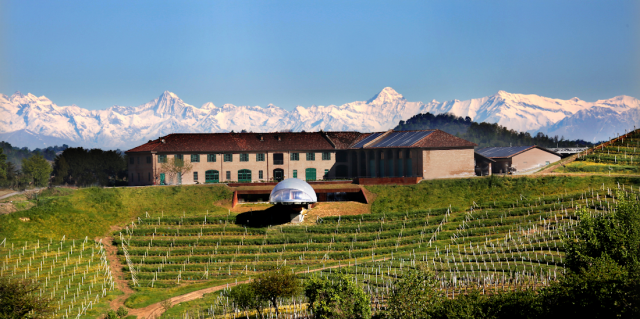
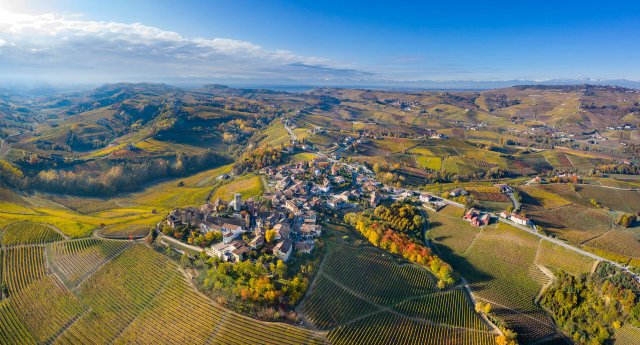
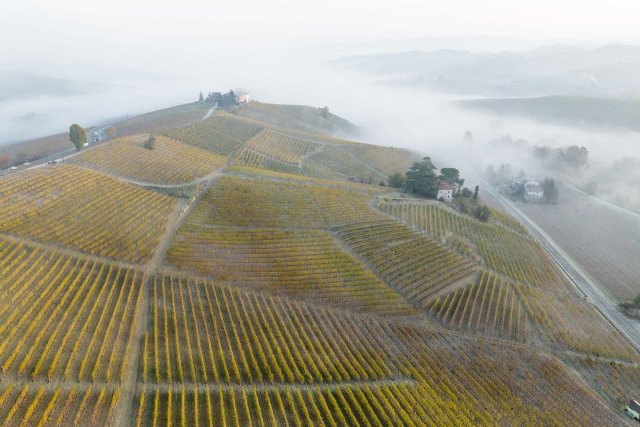
Nebbiolo (Nay-bee-OH-lo) is a native Italian variety cultivated in the northern regions, whose name derives from the word “Nebbia” which is Italian for fog. This grape type creates exceptional wines, characterised by great finesse and extraordinary ageing capacity. It reaches its best expressions in the southern part of Piedmont, where it produces some of the finest and most prestigious Italian wines: Barolo and Barbaresco.

243
Bottles live now
14
UK retailers
10
Denominations

Taste · Where it sits

What it’s actually like in the glass

Forget scores out of five. Here’s Nebbiolo described against grapes you already know.

Body
LightFull
Tannin
SoftGrippy
Acidity
SoftZippy
Fruit & sweetness
DrySweet

Key flavours

Strawberry
Rose petal
Vanilla
Leather
Burnt toast
Black pepper
Violet
Cherry
Red forest berries
Liquorice
Black pepper
Structured · Tannic Soft · Approachable Light-bodied Bold · Full Sangiovese Merlot Corvina Primitivo Barbera Nero d'Avola
Nebbiolo

The map

Nebbiolo is full-bodied, firm tannin, mapped against other red grapes you can buy. The closer a grape sits, the more its weight and grip resemble Nebbiolo.

Nebbiolofull-bodied, firm tannin
Sangiovesea close match
Merlota close match
Corvinalighter, softer
Primitivosofter
Barberafar softer

Serving guide

Pour it at its best

Serve at

14-15°C

Decant

1 hours

Glass

Burgundy Glass

Drink within

3-5 days

Cellar

Up to 10 years

On the table

What to eat with Nebbiolo

Start with the home-table matches that made the grape, then browse the full cuisine library.

Browse every pairing

Denominations

Where it earns a name on the label

The appellations where Nebbiolo plays a starring role.

BarbarescoDOCG BaroloDOCG CaremaDOC GattinaraDOCG GhemmeDOCG Nebbiolo d'AlbaDOC RoeroDOCG Sforzato di Valtellina/Sfursat di ValtellinaDOCG Terre AlfieriDOCG Valtellina SuperioreDOCG

Where it grows

The places it calls home

Editorial

About Nebbiolo

Nebbiolo is a very sensitive grape that can create different types of wine depending on the specific terroir.

Probably the most approachable and immediate nebbiolo wine, characterised by fresh fruity scents of raspberry, wild strawberry and delicate spicy notes of cinnamon and vanilla.

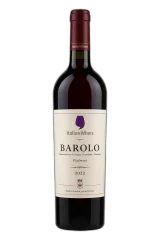
The “King of wines and wine for Kings” is produced on the hills surrounding the homonymous village in Piedmont. It is harmonious and elegant, with an ethereal bouquet of red fruits that evolves into spices, leather and licorice with time. It can age almost forever!

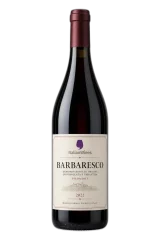
Slightly less popular and refined than Barolo but somehow more gentle and feminine. Full bodied with a dry finish of mature tannins. It ages brilliantly, but not as long as Barolo!

Its name derives from the traditional practice of ‘forcing’ (prolonging) the ripening of selected grapes by letting them dry on racks in well ventilated rooms, immediately after harvesting.

Nebbiolo has been recognised as a noble vine variety since the 16th century and has always been one of the main references for the Italian oenological scene.

In the last decades, two schools of thought have developed in regards to wood ageing.

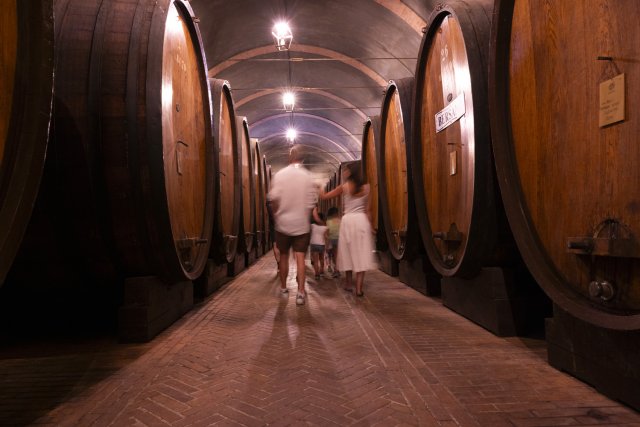
Traditionalists claim that Nebbiolo wines should be produced according to the traditional long fermentation followed by three or four years of maturation in large Slavonian oak or chestnut barrels.

Modernists, instead, prefer to age these wines in French oak barrels to round off their sharp edges and to obtain a more approachable wine that retains its fruity character.

Nebbiolo produces incredibly good wines that stand out for the elegance of their color, the finesse of their aromas, their structure and tannic texture and an outstanding ability to withstand long periods of ageing.
Good to know

Frequently asked

Nebbiolo wines are strong and characterful reds with good structure and tannins. They can be a bit difficult and rough to unfamiliar mouths, but surprisingly seductive and capable of ageing for decades.

It is extremely difficult to generalise the taste of all Nebbiolo based wines. This grape can create wines of incomparable character with complex notes of leather, tobacco and earth such as the Barolo or Barbaresco, as well as more approachable and fruity ones such as the Langhe Nebbiolo or Nebbiolo d’Alba or the Roero.

Nebbiolo wines are generally dry. There is one exception though, that is the Barolo Chinato, a flavored wine, such as vermouth, obtained by mixing Barolo with a solution of sugar in ethyl alcohol, to which various spices were previously put in slow maceration.

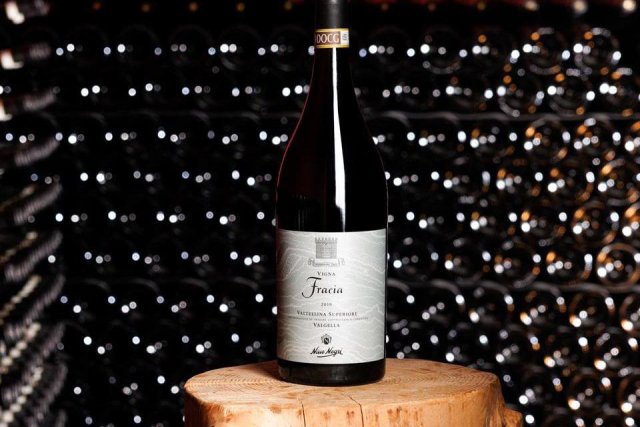
Nebbiolo is widespread all over Piedmont producing plenty of both DOCG and DOC wines. In Lombardy, it produces excellent red wines entering for a 90% in the blend of the red Valtellina Rosso DOC, Superiore and Sfursat DOCG.

Nebbiolo wines are perfect in combination with dishes based on beef and game. They are also excellent with cold cuts and aged cheeses, but also with delicate first courses such as mushrooms risotto or rich ones such as lasagna.

Explore by style

Wine styles made from Nebbiolo

Jump to the editorial guide for each style this grape turns up in.

Keep exploring

More red grapes

Sangiovese

Sangiovese (san-jo-vay-zeh) is the undisputed king of red wines in central Italy, virtually present in every area of the country Thanks to its many clones and surprising versatility, Sangiovese can create a wide range of wines: from young and fresh Chiantis to complex and full-bodied Brunellos.

Wines 295
Tannin
Body

Explore Sangiovese

Merlot

Merlot is a red grape with a serious Italian footprint: Bolgheri DOC, Bolgheri Rosso, Cortona DOC, Suvereto DOCG, Rubicone IGT and Montello Rosso DOCG form its Italian map.

Wines 122
Tannin
Body

Explore Merlot

Corvina

Corvina is the principal red grape of Verona's wine country, forming the backbone of Valpolicella DOC, Amarone della Valpolicella DOCG, and Recioto della Valpolicella DOCG.

Wines 70
Tannin
Body

Explore Corvina

Barbera

One of the most approachable red wines in Italy, Barbera (“bar-BAY-rah”) is a fresh and fruity wine that is always present on the tables of the inhabitants of Piedmont.

Wines 46
Tannin
Body

Explore Barbera