



Cheese

Italian Wine Pairings for Cheese

Cheese is the perfect place to experiment with your wine pairings. Rich, complex whites and reds are classic, but the key is really to let the consistency and texture of the cheese lead your wine pairing choices. Soft cheeses, for example, demand a certain fruit level and balance in the wine, compared to blue cheeses which are more suitable to sweet styles. There is no need to guess anymore what wine goes with what cheese: read our recommendations below and learn the best matches to any cheese!

Cheese and wine share a fundamental bond: both are products of fermentation and ageing, and their complexity deepens with time. Read more

Quick Facts

Grape colour mix

71% red 29% white

Rules of Engagement

The Do's

  1. 01

    Match Intensity to Intensity

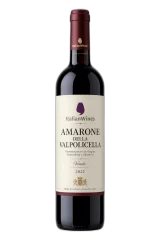
    Mild cheeses with delicate wines, strong cheeses with bold wines. A Gorgonzola piccante needs Amarone, not Pinot Grigio.

  2. 02

    Use Bubbles as a Palate Cleanser

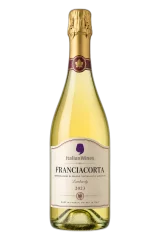
    Sparkling wines like Franciacorta or Prosecco cut through rich, creamy cheeses beautifully.

  3. 03

    Try sweet with salty

    Lambrusco, Recioto and Vin Santo turn aged cheese, balsamic and salt into balance.
The Do's

  • 01

    Match Intensity to Intensity

    Mild cheeses with delicate wines, strong cheeses with bold wines. A Gorgonzola piccante needs Amarone, not Pinot Grigio.

  • 02

    Use Bubbles as a Palate Cleanser

    Sparkling wines like Franciacorta or Prosecco cut through rich, creamy cheeses beautifully.

  • 03

    Try sweet with salty

    Lambrusco, Recioto and Vin Santo turn aged cheese, balsamic and salt into balance.
The Don'ts

  • 01

    Avoid Tannic Reds with Blue Cheese

    Tannins clash with the mould cultures in blue cheese, creating a bitter metallic taste. Sweet wines work far better.
  • 02

    Skip Very Oaky Wines

    Heavy oak flavours compete with the nuanced funk of aged cheeses rather than complementing them.

  • 03

    Do Not Serve Cheese Ice-Cold

    Cold cheese mutes its flavour and aroma, making it impossible to appreciate the pairing. Serve at room temperature.

Pairings at a Glance

Showing 1–5 of 5 dishes

Why These Pairings Work

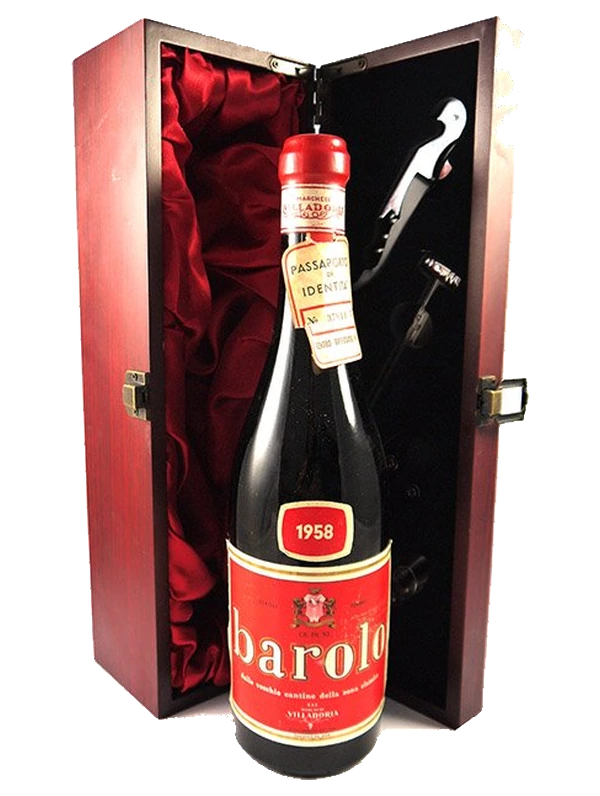
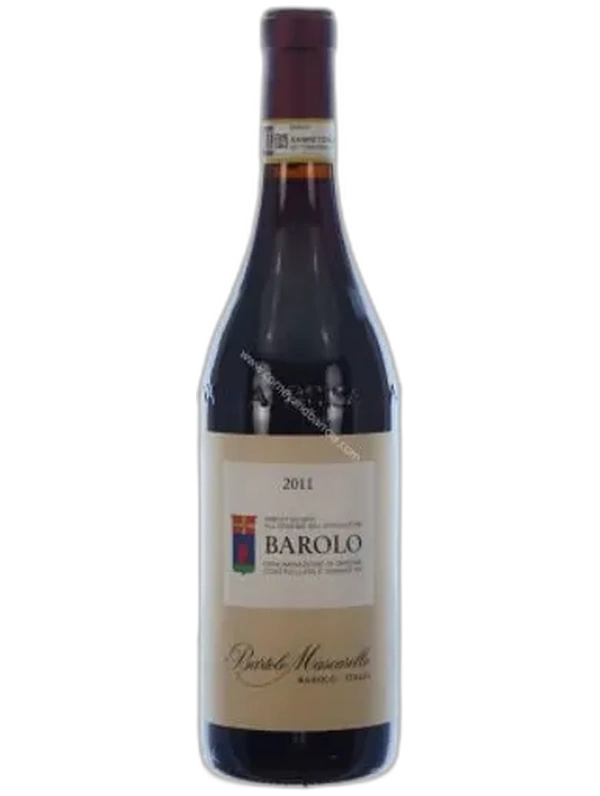
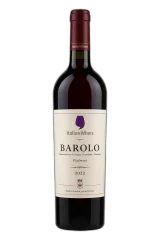
Cheese and wine share a fundamental bond: both are products of fermentation and ageing, and their complexity deepens with time. The key to a great pairing lies in matching intensity - a delicate, young goat cheese calls for a light, crisp white like Vermentino, while a powerful aged Parmigiano Reggiano demands the tannic structure of a mature Barolo.

Fat is the bridge. The high fat content in cheese coats the palate, and a wine with good acidity cuts through that richness like a knife through butter. This is why sparkling wines like Franciacorta are extraordinary with cheese - the bubbles physically lift the fat, refreshing the palate with each sip.

Italy produces over 400 varieties of cheese, from the snow-white mozzarella di bufala of Campania to the cave-aged pecorino of Sardinia. Each has evolved alongside the local wine tradition, creating pairings that feel inevitable rather than invented.

Explore More Pairings

Food Pairing Questions

Fresh mozzarella, especially buffalo mozzarella from Campania, pairs beautifully with crisp, light whites like Falanghina or Fiano di Avellino. The wine’s bright acidity complements the creamy, milky richness of the cheese.

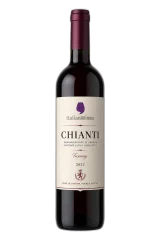
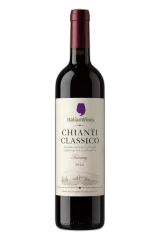
Chianti Classico works with hard, aged cheeses such as Parmigiano Reggiano and Pecorino Romano. Sangiovese tannin and acidity balance salty, crystalline cheese without covering its nutty depth.

Recioto della Valpolicella and Vin Santo work with blue cheese because sweetness calms salt and pungency. Moscato d'Asti is lighter when the blue cheese is creamy rather than sharp.

Yes. Washed-rind cheeses like Taleggio have a more pungent, funky character that calls for aromatic whites like Gewurztraminer or light reds like Dolcetto. Bloomy rinds like Brie work with Champagne-method sparkling wines.