








 1,868 wines
 62 denominations
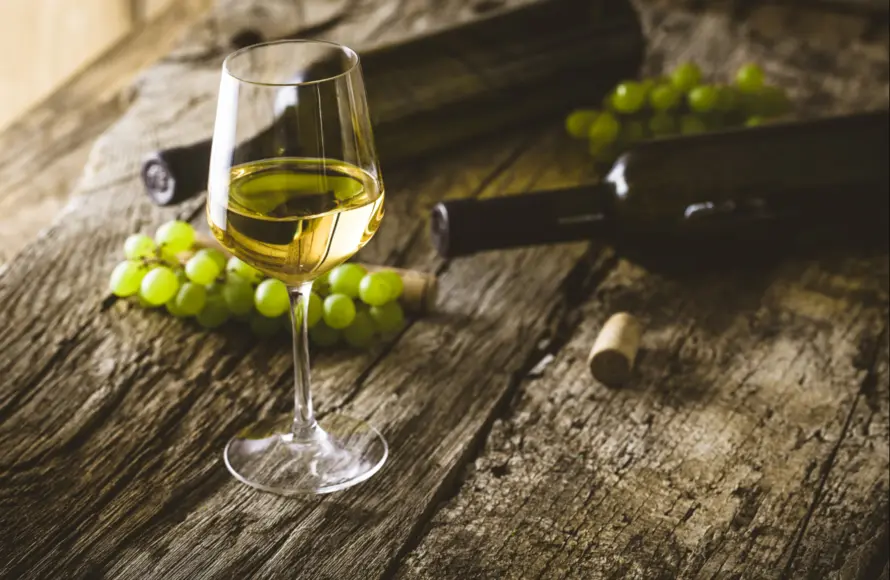






Chardonnay is a white grape with a clear Italian role.
Wines
635
Acidity
Body
White Grape · Piedmont
Piedmont's revived white, once nearly lost: a soft, pear-and-almond wine from the sandy Roero hills, named for a grape so awkward to grow that locals called it the little rascal.
Arneis is Piedmont's revived white grape. It grows mainly in the sandy Roero hills, across the Tanaro from the Barolo vineyards. By the 1970s it was nearly lost. It makes soft dry whites that smell of pear and almond, bottled under Roero Arneis DOCG and Langhe Arneis DOC. The wine is low in acidity and is best drunk young.
Your cellar, your trips, and the wines you've been tracking are right where you left them.
New here?
Free, always. Education first, we'll never sell you anything you didn't ask to see.
Already have an account?
Enter the email you signed up with and we'll send a link to choose a new password.
Also known as
Its old Langhe name, from centuries planted beside Nebbiolo, though the two grapes are botanically unrelated.
A nickname earned because a little Arneis was blended into Barolo to soften Nebbiolo's tannins.
What it was called around Alba when it clung on only as scattered vines in mixed red-grape fields.
After the Roero cru of Renesio, named as the grape's birthplace in documents dating to the 1400s.
The anchor fact: By the 1970s only two producers, Bruno Giacosa and Vietti, still bottled Arneis on its own; today it is the white of the Langhe and Roero.
Taste · Where it sits
Forget scores out of five. Here’s Arneis described against grapes you already know.
A shade rounder than lean Garganega or Verdicchio, not through weight but because Arneis's low acidity strips out any hard edge, leaving a soft, faintly waxy feel.
Naturally low acidity is Arneis's defining trait and its challenge: harvest a week late and it turns flabby, which is why Roero's chalky sands and an early pick matter, and why it is the opposite of a high-acid Verdicchio.
No tannin of its own, yet centuries of being co-planted to soften Nebbiolo left Arneis with a gentle, almondy grip that rounds off a red rather than adding bite.
Always vinified bone-dry, yet the low acid and ripe pear-apricot fruit can read almost off-dry, a plumpness that sets Arneis apart from Piedmont's crisper whites.
Key flavours



The map
Arneis is light to medium, gentle acidity, mapped against other white grapes you can buy. The closer a grape sits, the more its weight and freshness resemble Arneis.
Is this for you?
Reach for it when…
Maybe skip it if…
Serving guide
Serve at
10-12°C
Serve at 10 to 12 degrees; any warmer and Arneis's soft acidity lets the ripe pear fruit turn flabby.
Decant
No
No decant: Arneis is an aromatic, drink-young white with nothing to gain from air.
Glass
Chardonnay Glass
A medium tulip such as a Chardonnay glass flatters its acacia-and-pear perfume without exaggerating the low acidity.
Drink within
3-5 days
Drink within two to three years of the vintage; Arneis rarely improves and fades faster than most Italian whites.
Cellar
Up to 5 years
Not a cellar wine: only a handful of top Roero bottlings hold past five years, and even those trade freshness for honey.
On the table
Start with the home-table matches that made the grape, then browse the full cuisine library.

The Piedmont antipasto
Cold veal under a creamy tuna sauce needs a soft, savoury white, and Arneis's low acid and almond note slide alongside it where a sharp wine would fight.

Alba truffle pasta
Thin egg tajarin buried in white Alba truffle wants a gentle, aromatic wine; Arneis's acacia and hazelnut echo the dish without stealing the truffle's thunder.

Langhe stuffed pasta
The rich meat filling of plin agnolotti suits Arneis's rounded body better than a lean white, its pear fruit lifting the butter and sage.

Piedmont fonduta
Warm Fontina fonduta is all softness and salt, and Arneis's ripe, low-acid fruit cushions it rather than cutting through.
Browse every pairing
Buy it · three to start with
A curated trio across the price range, then every Arneis on sale in the UK right now.
Entry · everyday
 2 retailers
Langhe
2 retailers
£14.76
Why this one: Fontanafredda's Briccotondo Langhe Arneis is an easy, pear-scented introduction for around fifteen pounds.
The sweet spot
 2 retailers
Langhe
2 retailers
£18.31
Why this one: Ascheri, a long-standing Roero house, makes a textbook varietal Arneis with acacia, almond and gentle weight.
Special occasion
 1 retailer
Langhe
1 retailer
£27.30
Why this one: Ceretto's Blange is the wine that made modern Arneis famous, the benchmark for the grape's floral, low-acid style.
12 of 47 bottles
 5 retailers
Langhe
5 retailers
£19.33
 4 retailers
Roero
4 retailers
£17.00
 4 retailers
Langhe
4 retailers
£19.08
 3 retailers
Langhe
3 retailers
£14.50
 3 retailers
Roero
3 retailers
£20.00
 2 retailers
Roero
2 retailers
£14.00
2 retailers
Langhe
2 retailers
£14.76
 2 retailers
Roero
2 retailers
£17.50
 2 retailers
Roero
2 retailers
£17.90
 2 retailers
Roero
2 retailers
£18.00
 2 retailers
Roero
2 retailers
£18.17
2 retailers
Langhe
2 retailers
£18.31
Denominations
The appellations where Arneis plays a starring role.
Where it grows

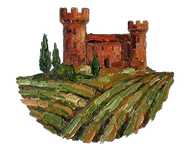
From Barolo's tannic spine to Asti's gentle fizz, Piedmont turns Nebbiolo, Barbera, Moscato, and Cortese into Italy's most cru-mapped wine country.
The terroir
Arneis is a Roero grape at heart, but it changes character as it crosses the Tanaro into the Langhe.
Roero
the sandy left bank of the Tanaro, near Alba
the benchmark: fresher and more mineral, a DOCG in its own right since 2004
Langhe
the right bank, among the Barolo and Barbaresco hills
rounder and riper, often the region's everyday white
Terre Alfieri
the Asti side of the Tanaro
a small DOCG making perfumed, delicate Arneis
Editorial
Arneis takes its name from the Piedmontese word for a difficult, rascally character. The name fits: the grape ripens unevenly, gives a small crop and loses acidity fast. For centuries it did not survive on its own. Growers planted it among the red vines of the Roero and the Langhe. A little of its ripe white fruit went into Nebbiolo to soften Barolo. That earned it the old nicknames Nebbiolo Bianco and Barolo Bianco.
By the 1970s only Bruno Giacosa and Vietti still bottled it; a grape the Langhe had all but thrown away became Piedmont's signature white.
On the Roero revivalBy the 1970s the grape had all but vanished. Only two growers kept it alive, Bruno Giacosa and Vietti. They bottled it on its own when almost no one else in the Langhe would. Then a revival of interest in white Piedmont wine brought it back. Today the sandy, chalky soils of the Roero set the benchmark. Those wines are more mineral and fresher than the rounder ones from the Langhe right bank. Roero Arneis earned its own DOCG in 2004.
Arneis sits at the soft, aromatic end of Italian white wine. Expect pear, apricot, acacia and toasted hazelnut. It has far less cut than an Adriatic white such as Verdicchio. Drink it within a couple of years. It is a gentle foil to Piedmont's truffle and to its structured reds like Barbera, rather than a bottle to lay down.
Good to know
Arneis is a white grape from Piedmont, in north-west Italy. Most of it grows in the Roero hills near Alba. It makes soft dry whites that smell of pear and almond. The best known are Roero Arneis DOCG and Langhe Arneis DOC.
Expect ripe pear, apricot, acacia blossom, almond and toasted hazelnut. The feel is soft and rounded. Arneis has low acidity, so it tastes gentle and aromatic rather than crisp and zesty.
Arneis means difficult or capricious in the Piedmontese dialect. The grape ripens unevenly, yields unpredictably and loses acidity quickly. That gives it a reputation for being hard to grow well.
No. Arneis picked up the old nicknames Nebbiolo Bianco and Barolo Bianco because growers planted it alongside Nebbiolo and blended it in to soften Barolo. The two grapes are not related. Arneis is white and Nebbiolo is red.
Its low acidity and ripe fruit suit rich Piedmontese dishes. Try vitello tonnato, tajarin with truffle, agnolotti del plin and cheese fonduta. It works better with creamy, savoury food than with sharp, acidic dishes.
No. Arneis is made to drink young, usually within two to three years of the vintage. Its low acidity means it rarely improves with age. Only a few top Roero bottlings hold much past five years.
Explore by style
Jump to the editorial guide for each style this grape turns up in.
Keep exploring