




















Chardonnay is a white grape with a clear Italian role.
Wines
626
Acidity
Body
White Grape · Friuli Venezia Giulia
Italy's loudest green-fruited white: a French incomer that found its sharpest voice on the marl hills of Friuli and the cold slopes of Alto Adige.
Sauvignon Blanc is the sharp, green-scented white behind Friuli's Collio and Isonzo bottlings. It is also the grape behind Alto Adige's mountain Sauvignon. And it leads the coastal Tuscan whites, such as Ornellaia's Poggio alle Gazze. A French native, it was registered in Italy in 1970. Close to a third of its Italian vines now grow in Friuli-Venezia Giulia.
Your cellar, your trips, and the wines you've been tracking are right where you left them.
New here?
Free, always. Education first, we'll never sell you anything you didn't ask to see.
Already have an account?
Enter the email you signed up with and we'll send a link to choose a new password.
Also known as
The bare name on most Collio, Isonzo and Alto Adige labels. It is Sauvignon Blanc, bottled dry and unblended, never a red.
The full international name, seen more on Bolgheri and export labels than in Friuli.
A separate variety, once called Tocai and now Friulano, long muddled with true Sauvignon in Friuli. Different grape, softer and rounder wine.
The anchor fact: On an Italian label the single word "Sauvignon" almost always means Sauvignon Blanc, not Cabernet Sauvignon: Friuli and Alto Adige drop the "Blanc" by custom.
Taste · Where it sits
Forget scores out of five. Here’s Sauvignon Blanc described against grapes you already know.
Leaner than a lees-rested Bolgheri blend, fuller than Arneis; Alto Adige mountain fruit keeps it slender, while coastal Poggio alle Gazze carries more flesh.
Next to nothing in a steel-made Collio Sauvignon; only Carso skin-contact bottlings such as Radikon trade freshness for a tannic, tea-like pull.
Sharper than Friulano off the same Collio ponca and knife-like in Isonzo; this thiol-charged acidity is what lets Sauvignon read as nettle and grapefruit rather than orchard fruit.
Fermented out to dryness across Friuli and Alto Adige; the sweetness you sense is elderflower and passion-fruit perfume, not sugar, unlike the botrytis Sauternes made from the same grape.
Key flavours

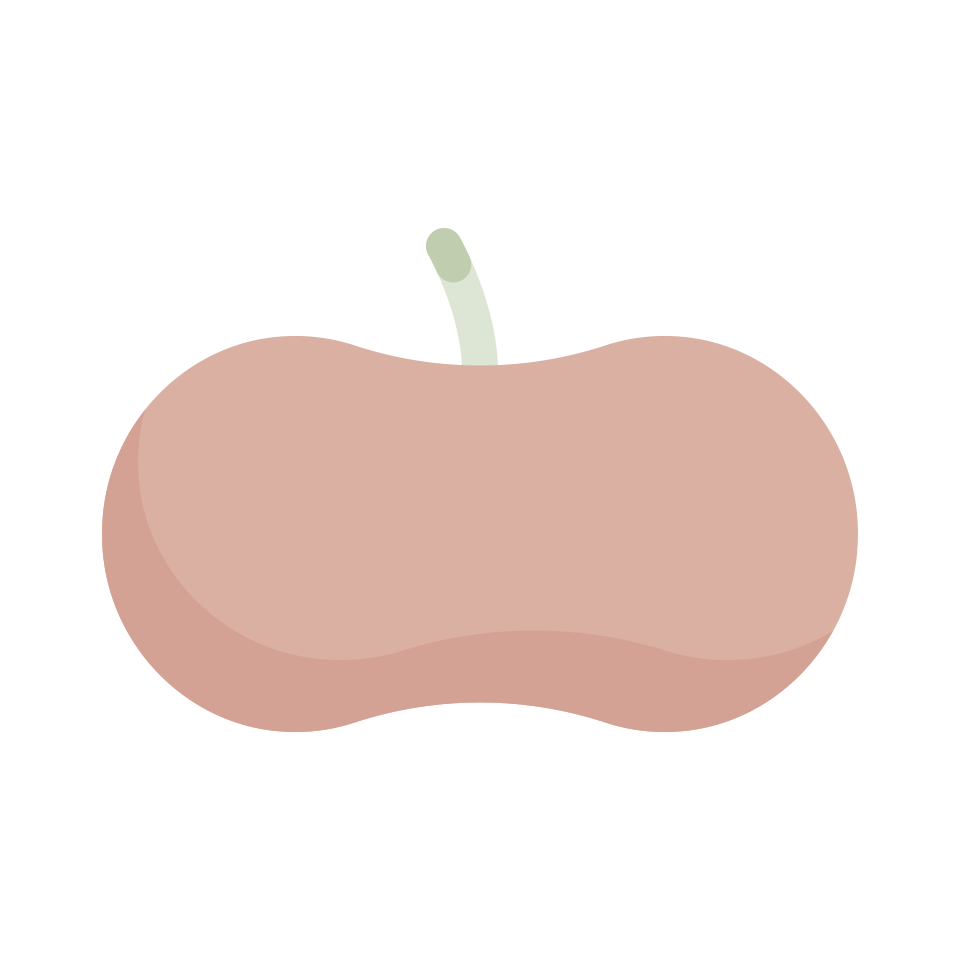
The map
Sauvignon Blanc is light to medium, racy, high acidity, mapped against other white grapes you can buy. The closer a grape sits, the more its weight and freshness resemble Sauvignon Blanc.
Is this for you?
Reach for it when…
Maybe skip it if…
Serving guide
Serve at
10-12°C
Pour it at 10 to 12C: colder mutes the thiols that make Collio Sauvignon smell of elderflower and grapefruit.
Decant
Not needed
No decant. Air flattens the volatile nettle-and-box top note within minutes.
Glass
Sauvignon Blanc Glass
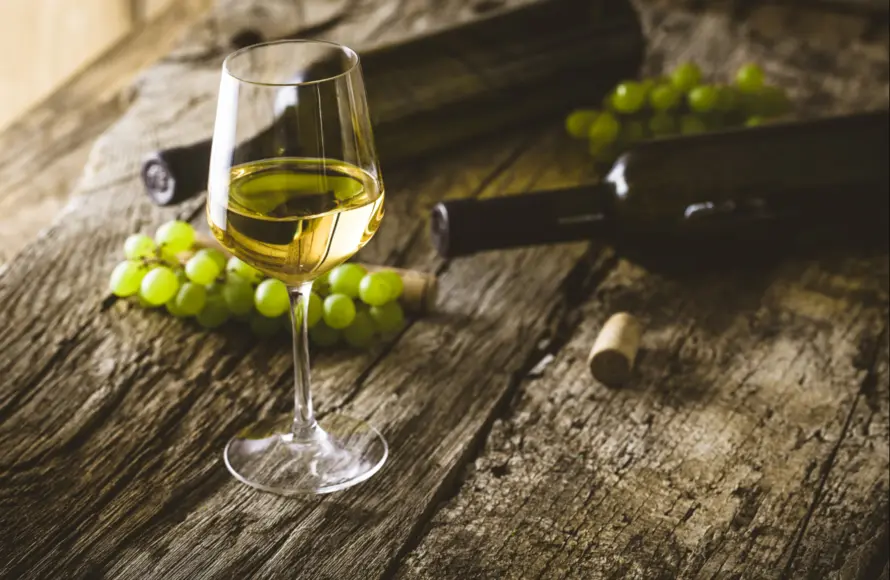
A narrower white bowl, its own Sauvignon Blanc glass, funnels the aromatics that a broad red glass would scatter.
Drink within
3-5 days
Drink Friuli and Alto Adige bottlings inside three years while the green fruit is electric.
Cellar
Up to 5 years
Only Bolgheri blends and Carso skin-contact Sauvignon reward five years or more; steel varietals fade.
On the table
Start with the home-table matches that made the grape, then browse the full cuisine library.

The textbook match
Isonzo Sauvignon's lime-and-nettle cut lifts delicate white fish without the weight a Chardonnay would drop on it.

Green meets green
Sauvignon's tomato-leaf and elderflower notes chime with basil and fresh tomato, while its acidity resets the mozzarella between bites.

Salt and flint
A steel Collio Sauvignon grown on ponca marl answers brine with grapefruit and a saline, stony snap.

Herb on herb
The wine's cut-grass streak runs with basil and pine nut, and its high Friulian acidity slices the pesto's oil.
Browse every pairing
Buy it · three to start with
A curated trio across the price range, then every Sauvignon Blanc on sale in the UK right now.
Entry · everyday
 1 retailer
Veneto
1 retailer
£12.06
+ delivery
Why this one: A pure Veneto Sauvignon at everyday money: gooseberry and cut grass with nothing hidden, the clearest first taste of why the grape smells the way it does.
The sweet spot
 3 retailers
Alto Adige/Südtirol
3 retailers
£19.50
+ delivery
Why this one: Alto Adige mountain fruit from the San Michele Appiano co-op, where cold high-altitude nights sharpen the nettle-and-elderflower line into something piercing and precise.
Special occasion
 6 retailers
Toscana
6 retailers
£46.00
+ delivery
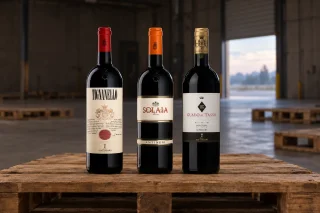
Why this one: Ornellaia's Bolgheri white is roughly half Sauvignon, given lees and a breath of oak: the coastal, riper face of the grape, peach and fennel over the green.
12 of 152 bottles
 7 retailers
Umbria
7 retailers
£27.90
+ delivery
6 retailers
Toscana
6 retailers
£46.00
+ delivery
 5 retailers
Menfi
5 retailers
£15.90
+ delivery
 4 retailers
Trentino
4 retailers
£13.30
+ delivery
 4 retailers
Colli della Toscana Centrale
4 retailers
£26.00
£32.00
+ delivery
 4 retailers
Alto Adige/Südtirol
4 retailers
£30.10
+ delivery
 4 retailers
Rosazzo
4 retailers
£68.50
+ delivery
 3 retailers
Toscana
3 retailers
£14.00
£16.00
+ delivery
 3 retailers
Toscana
3 retailers
£14.04
+ delivery
 3 retailers
Langhe
3 retailers
£14.50
+ delivery
 3 retailers
Langhe
3 retailers
£14.95
+ delivery
 3 retailers
3 retailers
£16.04
+ delivery
Denominations
The appellations where Sauvignon Blanc plays a starring role.
Where it grows
Italy's white-wine heartland, where Friulano, Ribolla Gialla and skin-contact orange wines meet alpine air, Adriatic light and the cooking of San Daniele and Read more
Italy's alpine wine country: Teroldego from the Piana Rotaliana, Trento DOC sparklers raised on dolomitic limestone, and Alto Adige whites perfumed by glacial Read more
From galestro hills in Chianti Classico to the single Brunello rise of Montalcino and the sea-facing Cabernets of Bolgheri, Tuscany is Italian wine's stage in Read more
The terroir
Sauvignon Blanc reached Italy in the nineteenth century and was written into the national register in 1970; today Friuli-Venezia Giulia holds close to a third of the country's plantings. Where it grows rewrites how it tastes.
Collio & Colli Orientali
Friuli-Venezia Giulia
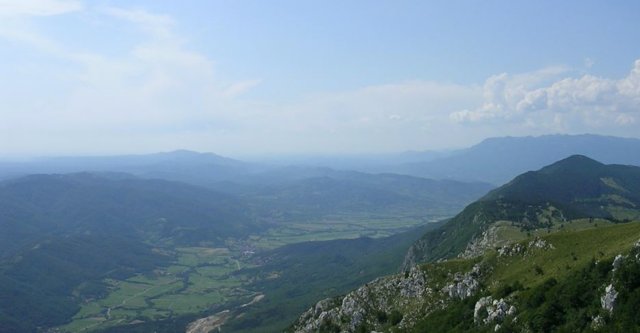
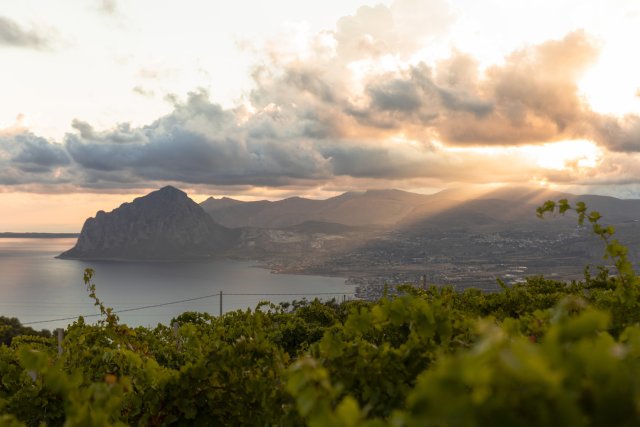
Marl-and-sandstone ponca hills give the tautest, flintiest Italian Sauvignon: nettle and grapefruit over stone.
Alto Adige
Terlano to Appiano
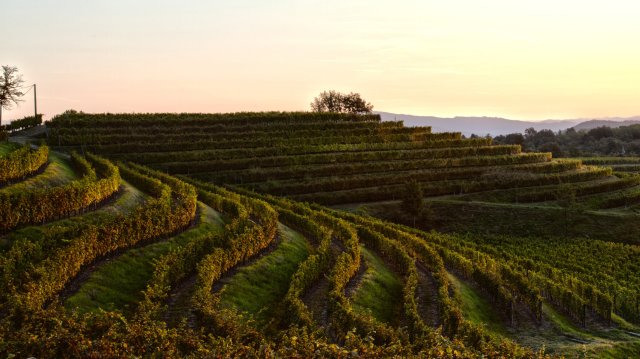
High-altitude vineyards and cold nights push the aromatics to a piercing elderflower-and-box intensity.
Bolgheri & the Tuscan coast
Tuscany
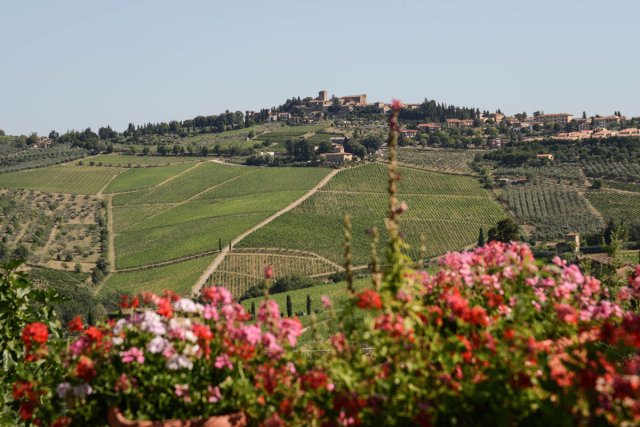
Maritime warmth and a touch of oak broaden the grape into peach, fennel and white flowers, often blended.
Producers
29 estates on the site work with Sauvignon Blanc. Eight at a time, and the line-up changes every week.
Editorial
Sauvignon Blanc is a French native. It was born on the marl and gravel of the Loire Valley and Bordeaux, where its name traces to sauvage, or wild. Genetic work catalogued by the VIVC makes it an offspring of Savagnin. Crossed with Cabernet Franc, it is also the parent of Cabernet Sauvignon. It reached Italy in the nineteenth century, and it entered the national vine register in 1970.
In Friuli the label often just says Sauvignon; the Blanc is left off because everyone on the Collio knows which grape earned the hill.
Italian labelling customIts Italian home is Friuli-Venezia Giulia. The region holds close to a third of the country's plantings. On the ponca marls of the Collio and Colli Orientali it makes the tautest, flintiest Sauvignon in Italy. It has long shared the hill with Friulano. That grape was once muddled with Sauvignonasse, Sauvignon's own green-berried form. Labels here often read simply Sauvignon.
In Alto Adige and neighbouring Trentino, high vineyards and cold nights sharpen the aromas. They reach a piercing elderflower and nettle intensity. Here the grape shares the cellar with Pinot Bianco and Chardonnay. Growers such as San Michele Appiano set the mountain benchmark.
On the Tuscan coast, warmth and a touch of oak broaden the grape. It turns to peach and fennel. The most famous example is Ornellaia's Poggio alle Gazze, which is roughly half Sauvignon. At the other extreme, Carso growers like Radikon ferment it on its skins into an orange wine. Our guide to how orange wine is made covers the method. From steel-fresh to skin-fermented, few white grapes shift so far across one country.
Good to know
Yes. On Italian labels the grape is usually written just "Sauvignon". That is true above all in Friuli and Alto Adige. It always means Sauvignon Blanc, the dry white, and never Cabernet Sauvignon.
Friuli-Venezia Giulia grows close to a third of Italy's Sauvignon. The Collio and Colli Orientali hills are its benchmark. Alto Adige makes a piercing mountain style. Coastal Bolgheri makes a rounder, blended one.
Expect high acidity and aromas of gooseberry, nettle, elderflower and grapefruit. The edge is green and herbal. Italian versions sit between the flinty restraint of the Loire and the tropical loudness of New Zealand.
Its cutting acidity suits steamed sea bass, oysters, insalata Caprese and trofie al pesto. Its tomato-leaf and herb notes also make it a natural match for basil, asparagus and fresh goat cheese.
Most is built to drink young and cold. Drink it within about three years, while the green fruit is still vivid. Only Bolgheri blends and Carso bottlings made on the skins reward five years or more in the cellar.
In Italy, almost always. Friuli and Alto Adige ferment it bone dry. The perfume of elderflower and passion fruit reads as sweetness, but no sugar is left in the wine. Sweet Sauvignon belongs to Bordeaux's noble rot wines, not to Italy.
Explore by style
Jump to the editorial guide for each style this grape turns up in.
Keep exploring