




 Piedmont
 Est. 1937
  18 wines
  Tastings
 Tours
Tours
 Booking required



Wine area
Langhe
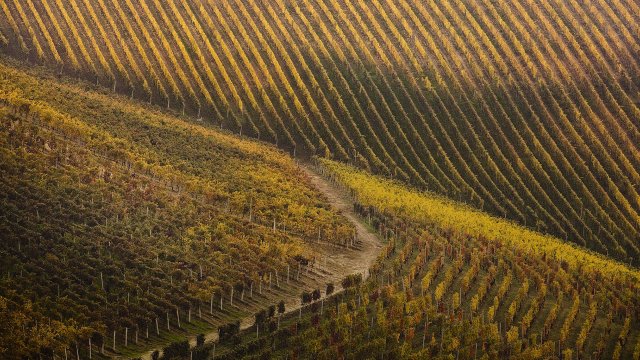
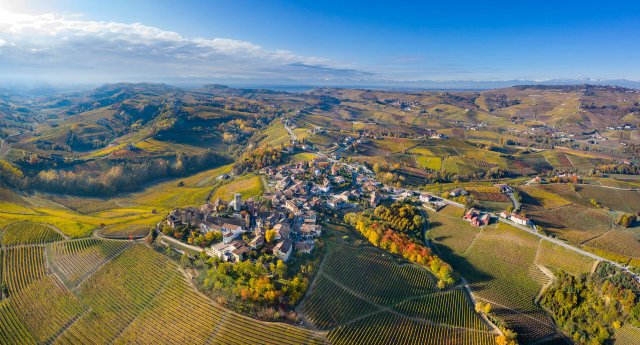
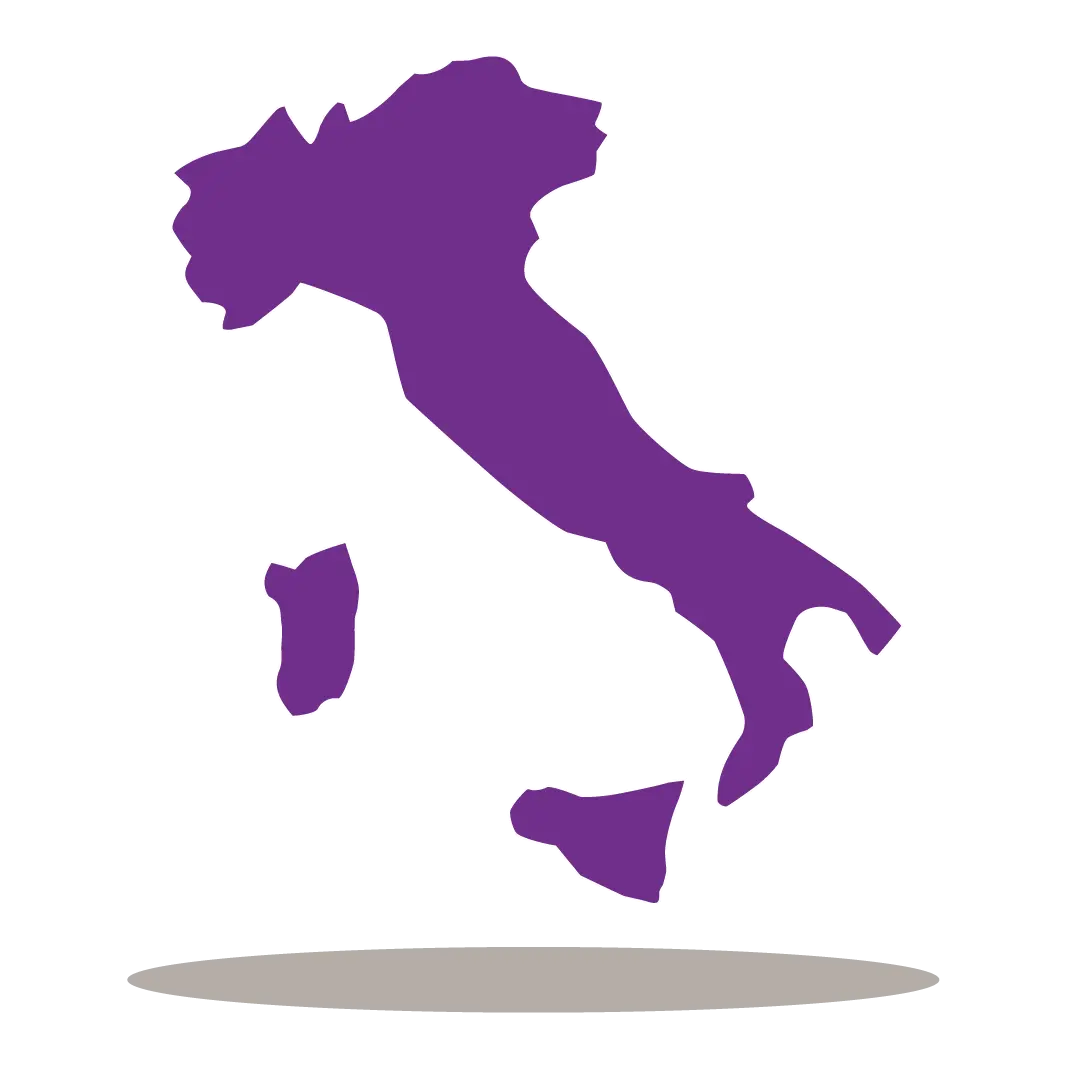
The hill country south of Alba that grows Barolo, Barbaresco and the everyday Nebbiolo, Dolcetto and Barbera bottlings sold under the Langhe DOC umbrella.
Your cellar, your trips, and the wines you've been tracking are right where you left them.
New here?
Free, always. Education first, we'll never sell you anything you didn't ask to see.
Already have an account?
Enter the email you signed up with and we'll send a link to choose a new password.
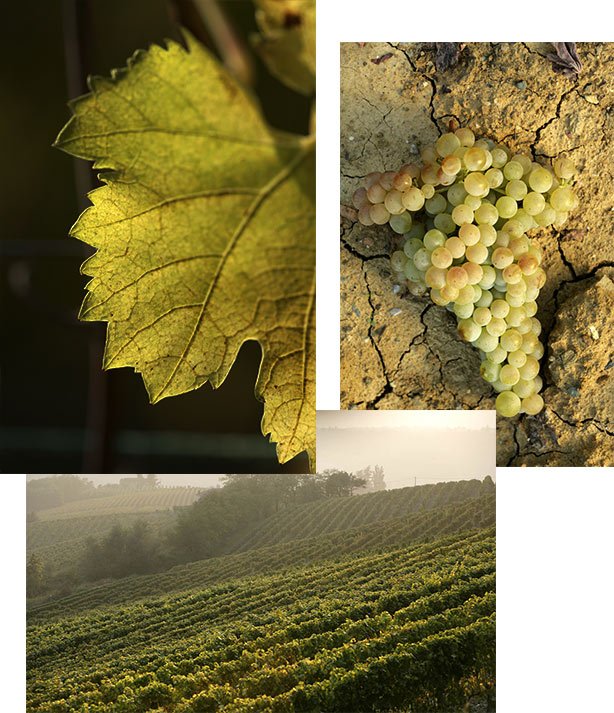
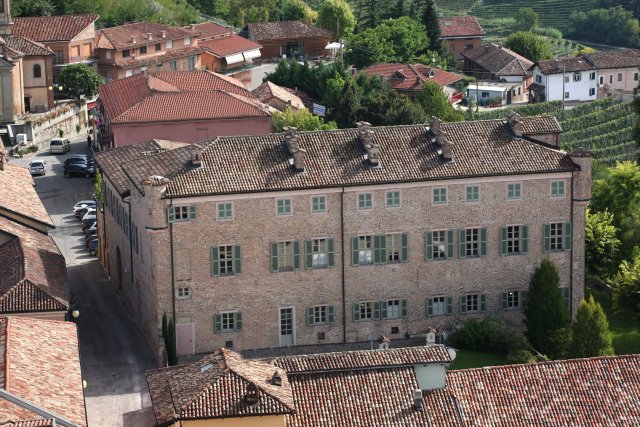
Ceretto works the Langhe from Monsordo Bernardina, its home estate just outside Alba. Separate cellars sit in Barolo at Castiglione Falletto and in Barbaresco. Three generations have built the house around single-vineyard Nebbiolo. The range runs from the Bricco Rocche monopole in Barolo to the Asili and Bernardot vineyards of Barbaresco. The Langhe Arneis it sells as Blangè helped put that white grape on the map. The vineyards are farmed organically, and visitors are received in glass tasting pavilions set among the vines.
Book a visit
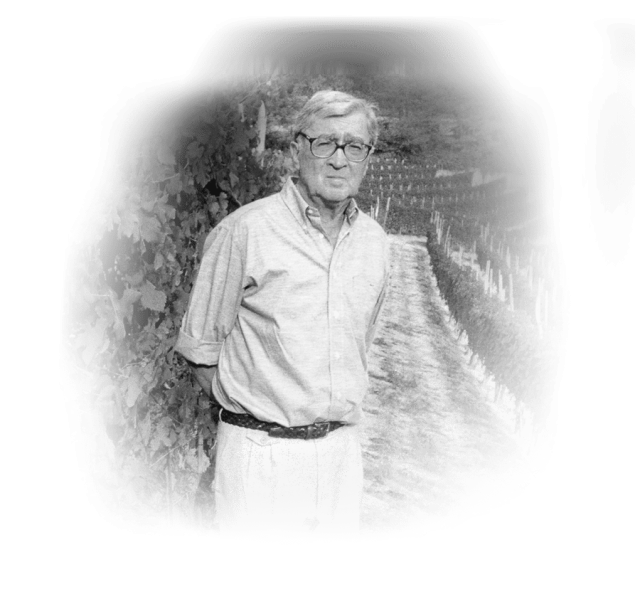
Riccardo Ceretto founded the business in 1937, buying grapes to make wine. At the time few Langhe growers bottled under their own name. The defining shift came in the 1960s. His sons Bruno and Marcello began mapping the hills around Alba and buying the parcels that gave the best fruit. They were among the first in the region to bottle single vineyards on their own. That idea is now central to how Barolo and Barbaresco are read.
In Barolo, Ceretto farms Bricco Rocche at Castiglione Falletto, the smallest cru in the Barolo zone and a family monopole since 1982. Prapò and the Brunate parcels above La Morra complete the Barolo holdings. The Barbaresco comes from Bricco Asili, where Asili and Bernardot are bottled separately. Back at Monsordo Bernardina the range widens to Nebbiolo d'Alba, Barbera d'Alba, Dolcetto d'Alba and the Langhe Arneis sold as Blangè. Moscato d'Asti is made at the family's I Vignaioli di Santo Stefano estate at Santo Stefano Belbo.
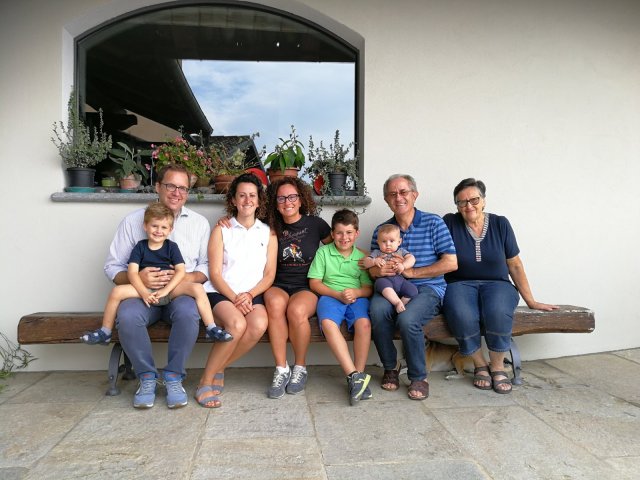
The third generation runs the estate today: the cousins Lisa, Roberta, Alessandro and Federico Ceretto, with Alessandro as winemaker. They moved every vineyard to organic farming from 2010, and the estate has been certified organic since the 2015 vintage. That places Ceretto among the largest certified-organic producers in Italy. Biodynamic and low-intervention work in the vineyard sits alongside the certification.
Ceretto is also one of the most visited estates in the Langhe. The cellar at Bricco Rocche carries a frameless glass cube, added in 2000. A second glass capsule, called L'Acino, was set above the vineyards in 2009. Monsordo Bernardina has its own glass tasting room, known as The Grape. Above La Morra the family owns the Chapel of Barolo, a former vineyard shelter on Brunate. Sol LeWitt and David Tremlett painted it inside and out in 1999, and it is now a landmark of the hills. The estate has been named among the World's 50 Best Vineyards. The family also runs the restaurants Piazza Duomo and La Piola in Alba.
One estate thus covers most of the Langhe, from the Barolo and Barbaresco crus to the Alba wines and the Moscato d'Asti. Tastings run seven days a week by appointment, for anyone who wants to taste the wines at the source.
Plate I · PIEDMONT
Wine area
The hill country south of Alba that grows Barolo, Barbaresco and the everyday Nebbiolo, Dolcetto and Barbera bottlings sold under the Langhe DOC umbrella.
Winery
Alba, Cuneo · Langhe
3 tastings, checked by our editors. From €5.
 Tasting & Tour
A guided walk through the cellar followed by a seated tasting of the estate's Langhe wines, from the Blangè Arneis to the Barolo and Barbaresco crus.
on ceretto.com
 Tasting
A comparative tasting of Ceretto's single-vineyard Nebbiolo, lining up Barolo and Barbaresco crus such as Bricco Rocche, Prapò and Asili.
on ceretto.com
 Tasting
A private tasting of older vintages and rare bottlings, including library Barolo from Bricco Rocche and the historic Cannubi San Lorenzo cru.
on ceretto.com
Not seeing the estate you want? Estates without an online listing are reachable directly, and their phone and email are in Plan your visit.
Ceretto's current bottle selection is led by Barolo DOCG. The clearest grape signal comes from Nebbiolo and Arneis.
This form reaches the ItalianWines.co.uk team, not the winery. Tell us when you would like to come and how many you are: we contact Ceretto for you and come back with availability and prices, usually within two working days.