







The Best Red Wine for Bolognese, in the Pan and in the Glass
TL;DR
- Wine and bolognese is really two questions: what goes into the pan, and what goes into the glass.
- For the pan buy cheap but sound, because a ragu reduces for hours and faults concentrate rather than cook away.
- For the glass, Sangiovese, a dry Lambrusco or a Barbera all bring the acidity that pork fat and long-cooked meat need.

Two questions, one sauce
Ask about wine and bolognese and you are almost certainly asking one of two different things. Either you are standing at a shelf wondering which bottle to tip into the pan, or you are wondering what to open when the tagliatelle goes on the table. They are not the same question and they do not have the same answer.
The wine that goes in is a cooking ingredient. It hits a hot pan, it deglazes, it contributes acidity, and then almost all of it leaves. The wine that goes in the glass has to sit beside two hours of slowly reduced meat, pork fat and a small amount of tomato, and stay interesting for a whole plateful.
Most advice answers only the second question and quietly assumes the first. This piece takes them separately, because the money you should spend on each is different, and so is the bottle.
What the wine actually does in the pan
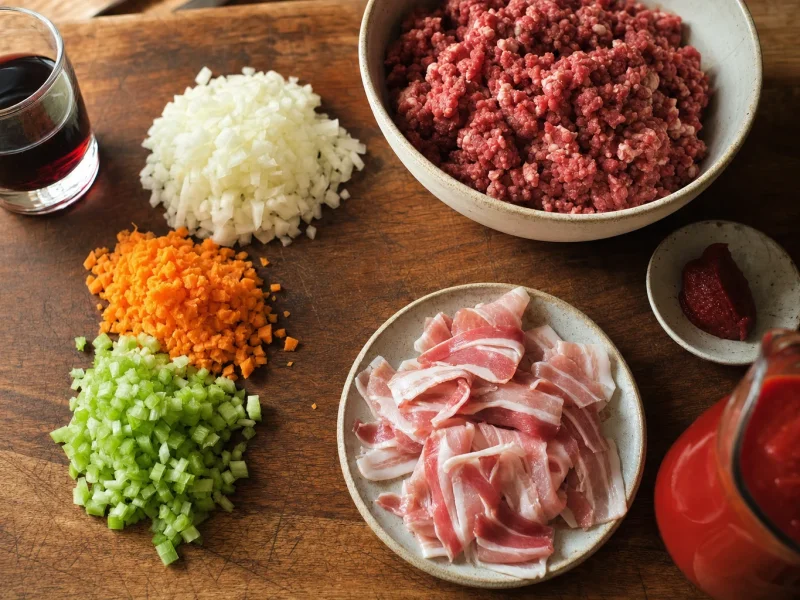
The official method is specific about the moment. The meat browns until it sizzles, then the wine goes in, and it must evaporate and reduce completely, until, in the words of the registered recipe, you can no longer smell wine at all. Only then do the tomato concentrate and passata follow.
Three things happen in that window. The liquid lifts the browned residue off the base of the pan and back into the sauce, which is where a great deal of the savoury depth lives. The acidity cuts the fat of the pancetta and the beef. And the alcohol carries aroma compounds off with it as it goes, which is precisely why the instruction is to drive it off completely rather than leave a splash of raw wine in the pot.
That last point decides the shopping. Anything delicate, aromatic or aged is spending its best qualities on evaporation. Tertiary aromas, the bottle-age character you pay for, are the first thing heat destroys. A structured, expensive red in a soffritto is money leaving through the extractor fan.
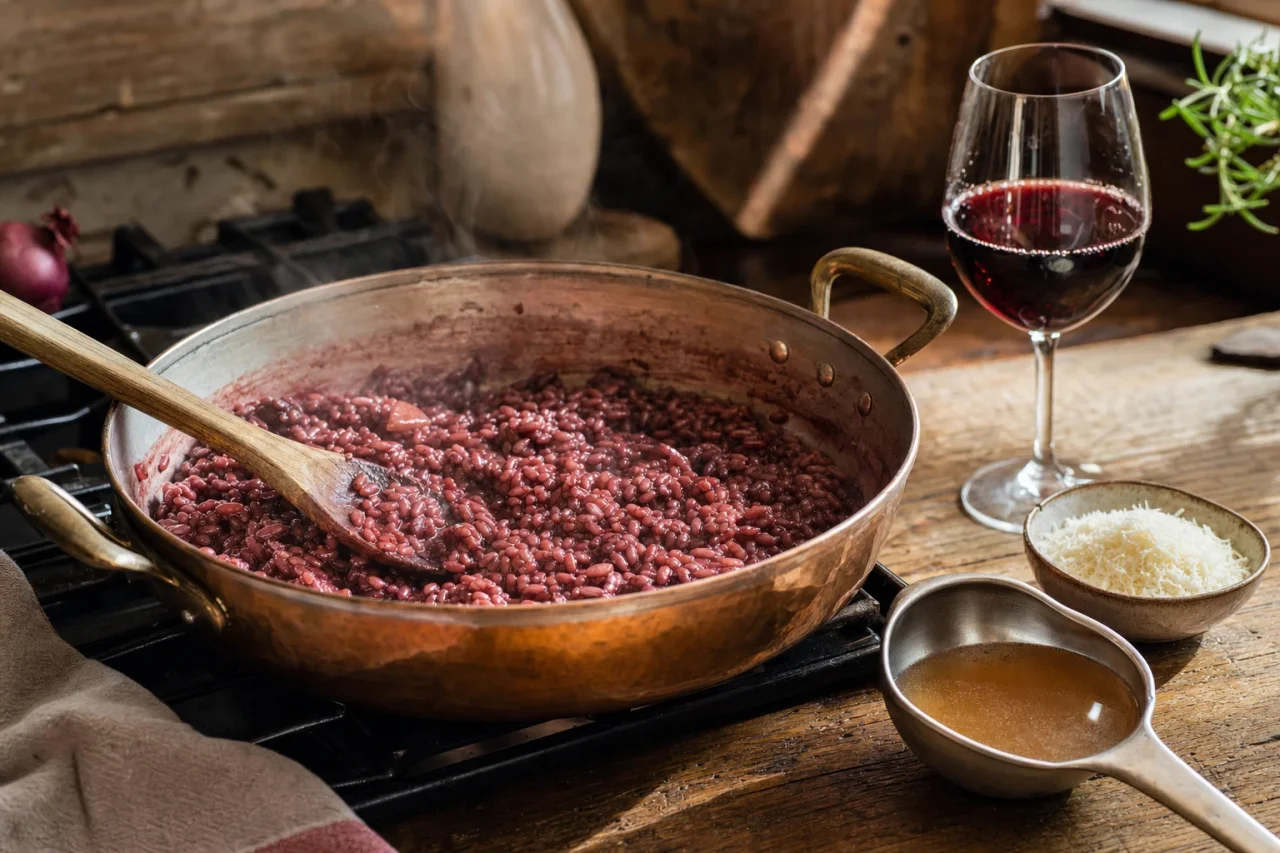
The same logic applies to any long-cooked dish that starts with wine in a pan, which is why our guide to cooking risotto with wine reaches the same conclusion from the other direction.
Red or white: what Bologna actually permits
Search for wine and bolognese and every answer says red. The recipe deposited in Bologna does not.
The Accademia Italiana della Cucina lodged an updated text for the traditional ragu alla bolognese at the Bologna Chamber of Commerce on 20 April 2023, replacing the version registered there in 1982. Among the ingredients it lists 1 bicchiere di vino rosso o bianco, one glass of red or white wine. The choice is explicitly open.
That is worth knowing, because it tells you what the wine is there to do. If the colour were carrying the dish, the recipe would specify it. What matters is a clean glass of something dry and acidic that will disappear cleanly. Plenty of Emilian kitchens use white for exactly that reason, and the sauce still finishes the deep orange the recipe asks for, because the colour comes from the meat, the concentrate and the long reduction, not from the splash of wine that left an hour ago.
The same document is stricter elsewhere, which is a useful signal about what actually changes the dish. Smoked pancetta is not permitted. Neither is veal, nor pork on its own, nor garlic, rosemary, parsley or any other herb or spice. The milk is optional, goes in halfway through, and must reduce away completely. Against that level of precision, leaving the wine colour open is a deliberate statement.
Which bottle to cook with
Buy cheap, but buy sound. That is the whole rule, and the second half matters more than people expect.
A ragu reduces for two hours and sometimes three. Faults concentrate across that time rather than cooking away, so a bottle with volatile acidity or a tired, oxidised edge will taste worse in the finished sauce than it does in the glass. The old advice about never cooking with a wine you would not drink survives for this reason, and not because the sauce somehow deserves a good bottle.
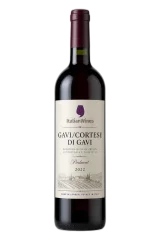
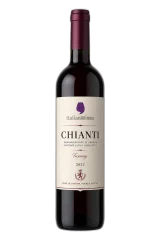
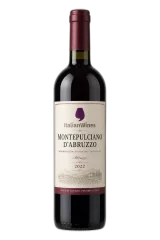
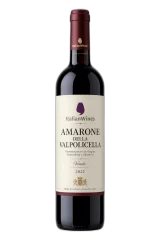
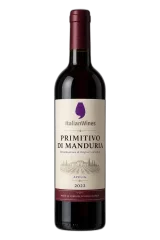
What to look for is dry, fresh, moderate in alcohol and low in oak. A young Sangiovese, a Barbera, or a simple Montepulciano d'Abruzzo all qualify and all sit comfortably under ten pounds. If you would rather follow the recipe's white option, any dry unoaked white with real acidity does the job.
What to avoid is the supermarket bottle labelled cooking wine, which is usually salted and will season the sauce for you whether you want it to or not. Avoid anything sweet, anything heavily oaked, and anything you have had open on the counter for a fortnight.
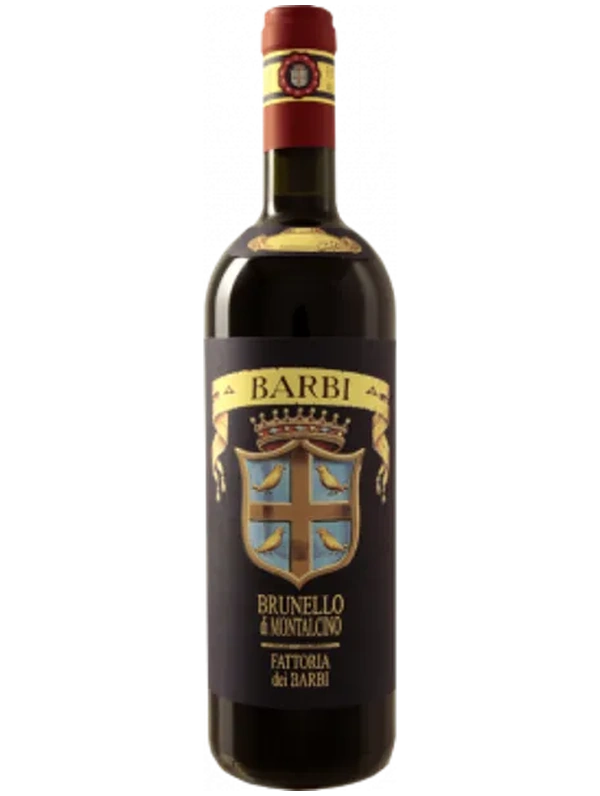
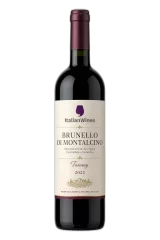
Brunello di Montalcino - Fattoria Dei Barbi 2021
Fattoria dei Barbi has bottled pure Sangiovese Brunello at Montalcino since the XVI century, grown on marl and alberese limestone at 300 to 500 metres. Two years in oak give a structured, savoury red of red berries, leather and spice. A classic Brune
View Wine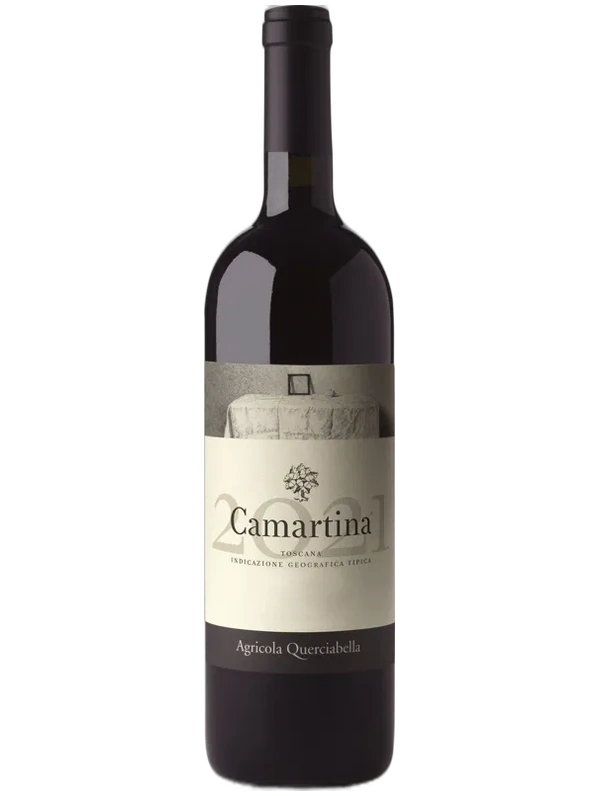
Querciabella, Toscana, Camartina 2021
Querciabella's flagship Super Tuscan, Camartina blends Cabernet Sauvignon and Sangiovese from the Ruffoli hill above Greve in Chianti, farmed biodynamically and aged 18 months in French barrique. Expect blackcurrant, plum, tobacco and leather over fi
View Wine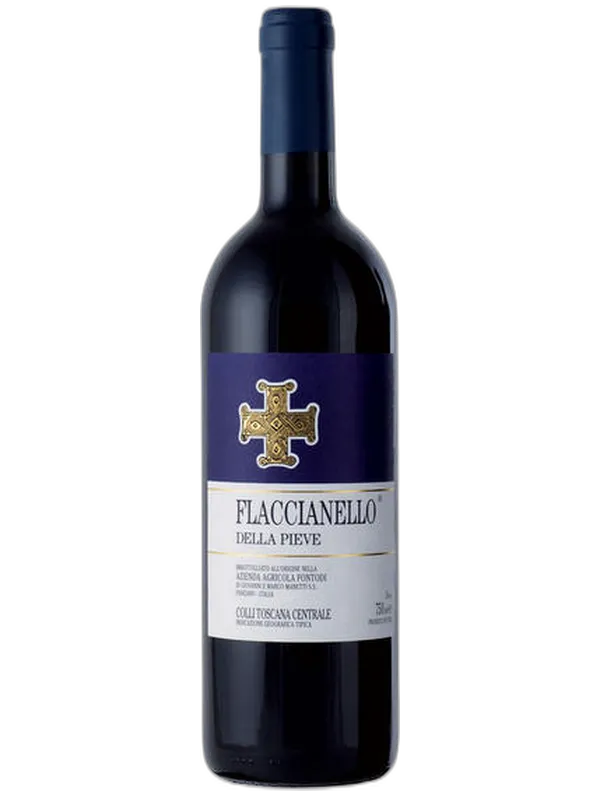
Fontodi Flaccianello della Pieve 2022
Fontodi's benchmark Super Tuscan: 100% Sangiovese from Panzano in Chianti's south-facing Conca d'Oro, aged 24 months in French oak. Dark cherry, blackberry, leather and sweet spice over a dense, age-worthy frame that 72,000 Vivino drinkers rate 4.2.
View Wine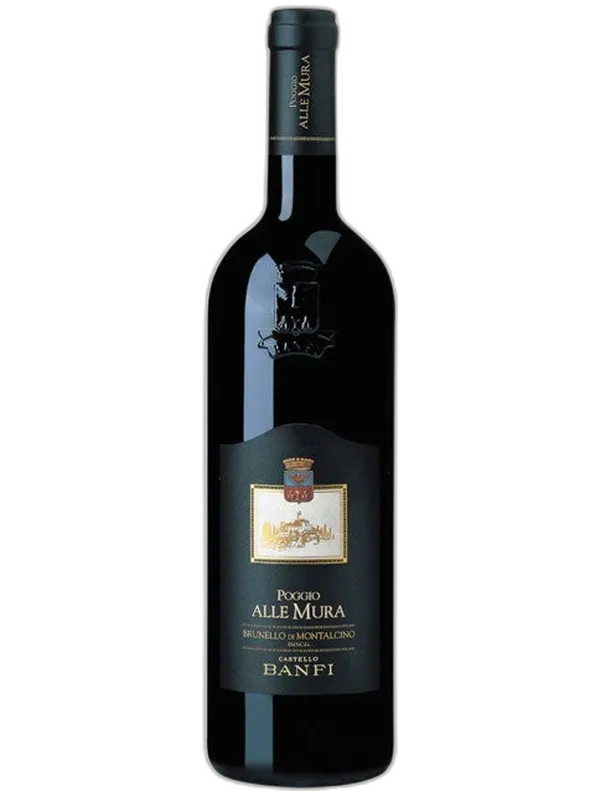
Castello Banfi Brunello di Montalcino Poggio alle Mura 2021
View Wine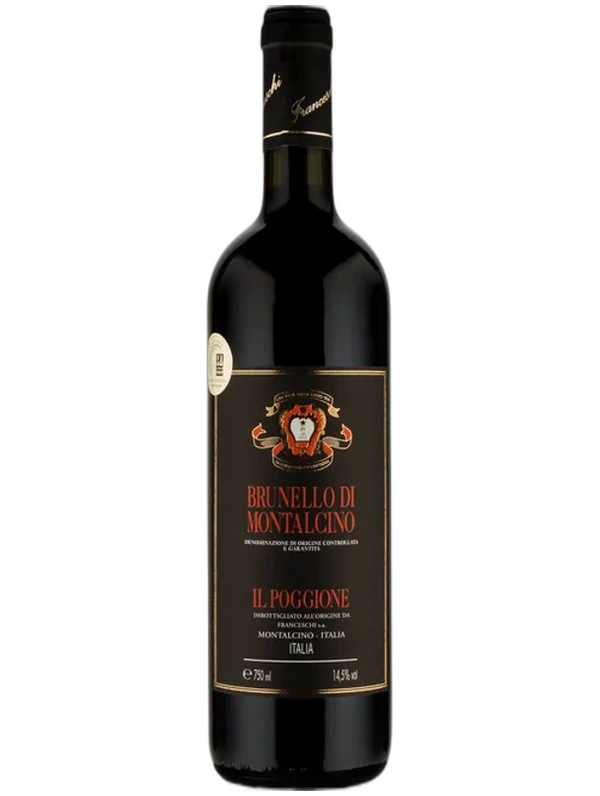
Il Poggione Brunello di Montalcino 2021
Brunello di Montalcino DOCG from Tenuta Il Poggione, a founding member of the Brunello Consorzio. 100% Sangiovese from vineyards in Sant'Angelo in Colle, fermented with indigenous yeasts and aged in large French oak botti. Among Montalcino's most con
View Wine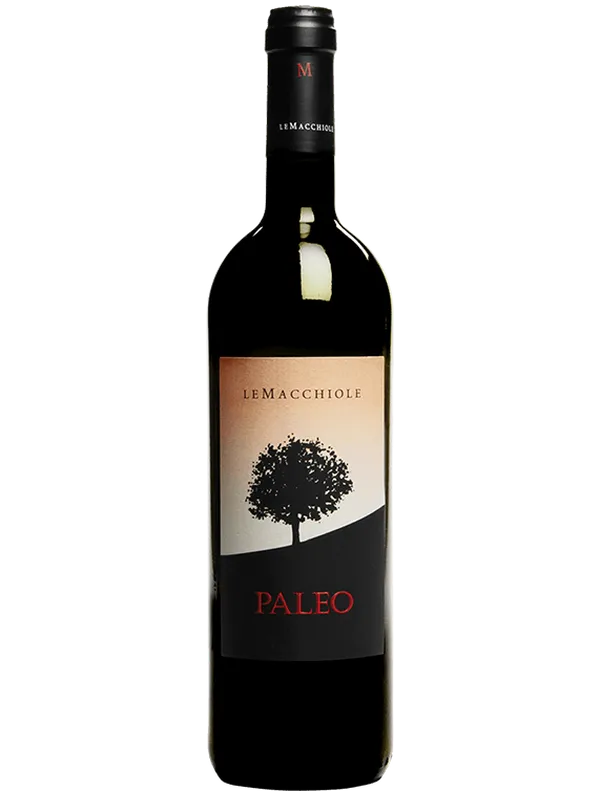
Paleo 2022
Le Macchiole's flagship Bolgheri red and the first 100% Cabernet Franc in the zone. Paleo Rosso ages 16 months in new oak, conical cask and amphora, layering blackcurrant, tobacco and graphite over deep, fine-grained tannins. A cellar wine near £100.
View Wine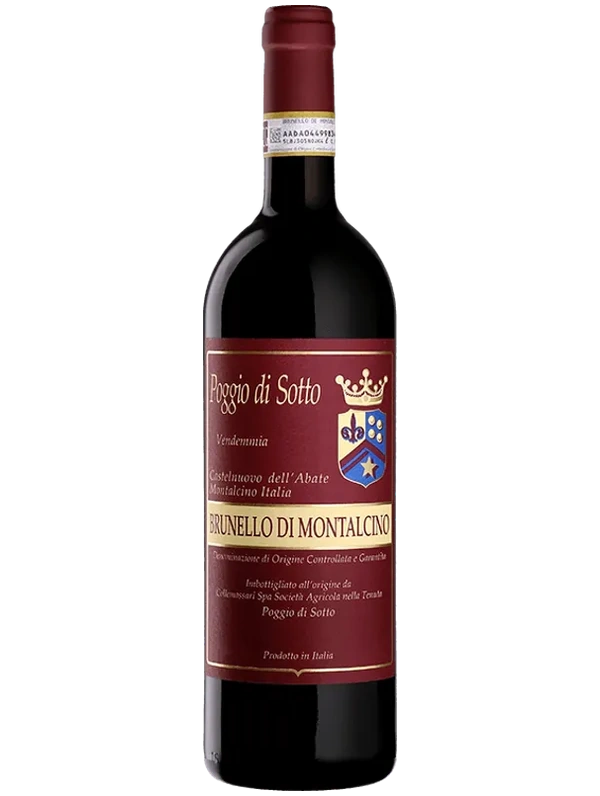
Poggio di Sotto Brunello di Montalcino 2021
Poggio di Sotto's Brunello is one of Castelnuovo dell'Abate's most revered Sangiovese, organic vines at 190 to 440 metres below Mount Amiata, aged in Slavonian-oak botti. Expect leather, violet and red cherry over fine, chalky tannins. A cellar wine
View Wine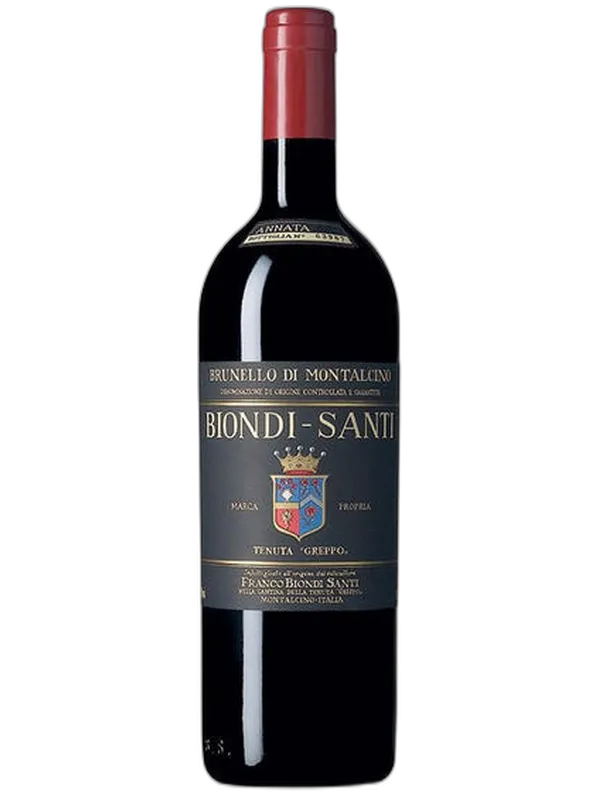
Biondi-Santi Brunello di Montalcino Riserva 2019
The wine that started Brunello. Biondi-Santi have declared a Riserva only about forty times since 1888, always from the oldest vines at Il Greppo. Firm, fresh, and built to last decades rather than years.
View WineWhat to drink with it
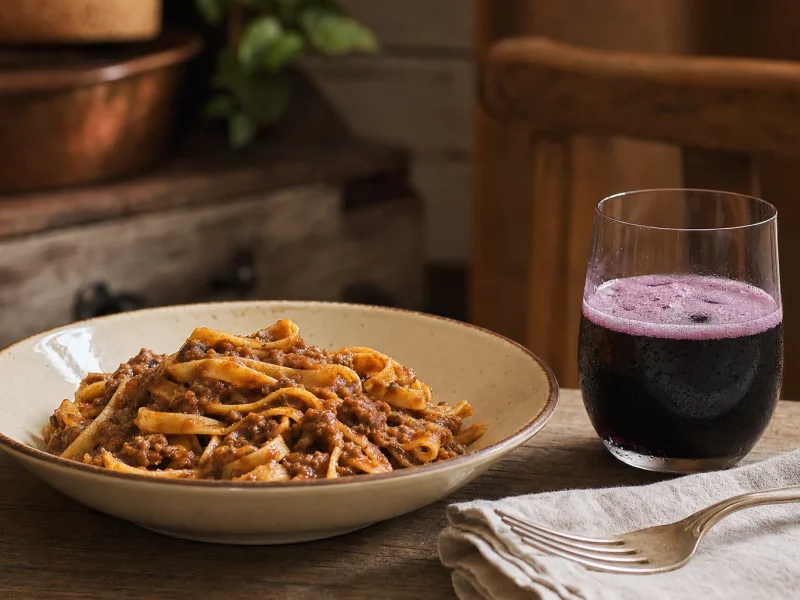
Now the harder question. A finished ragu is rich and savoury rather than sharply tomatoey, because 200g of passata and a spoon of concentrate are doing seasoning duty against 400g of meat and 150g of pork fat. A wine picked to answer tomato acidity alone will taste thin beside it.
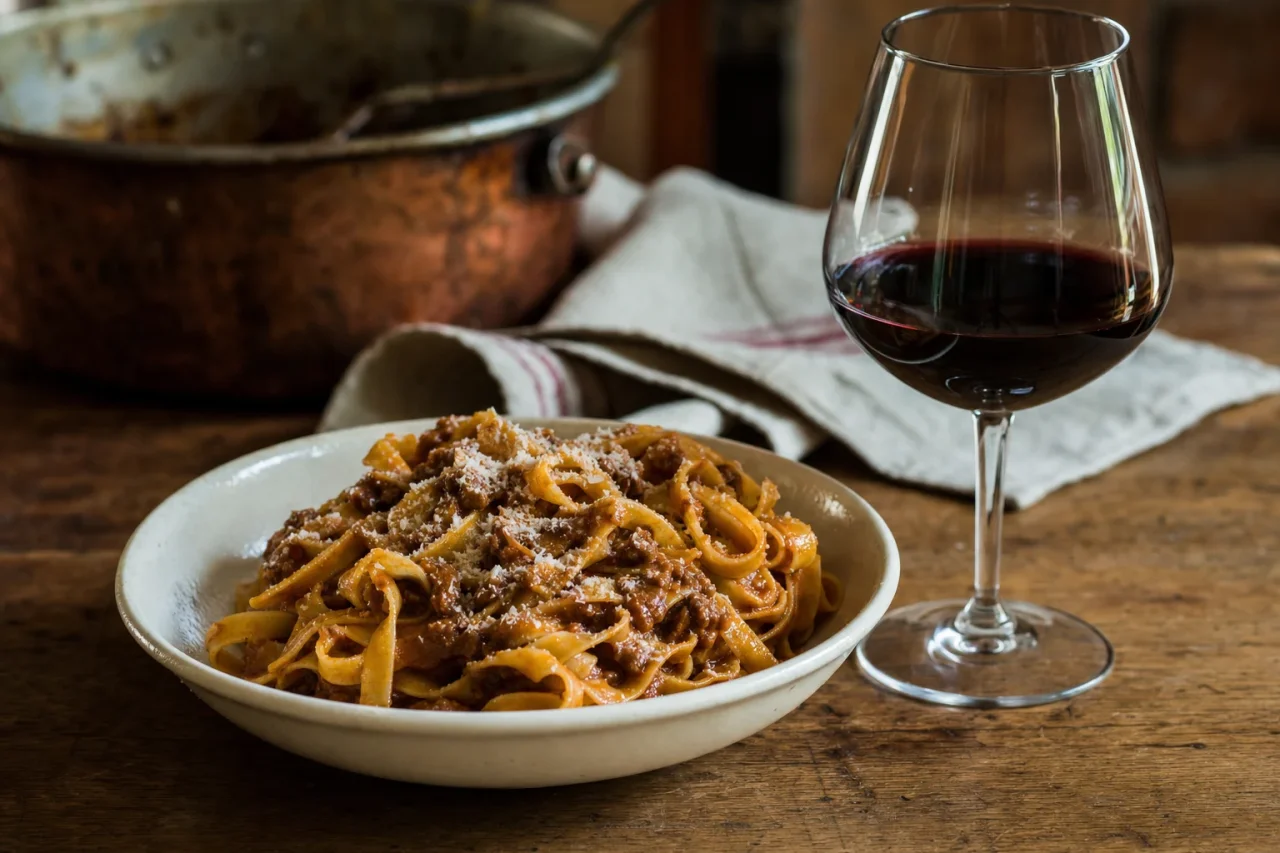
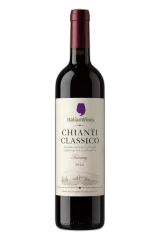
It needs three things at once: enough acidity to cut the fat, enough weight to stand beside the meat, and tannin gentle enough not to turn hard against it. Sangiovese does all three, which is why Chianti is the reliable answer and a Sangiovese di Romagna is the local one.
The genuinely Emilian choice is a dry Lambrusco, served cool. In Emilia Romagna that is not a novelty, it is what people drink with the region's fattiest cooking, and the combination of acidity, light grip and a fine mousse cuts through pork fat in a way a still red has to work harder at. If Lambrusco reached you as a sweet supermarket bottle in the 1980s, the dry versions are a different drink.
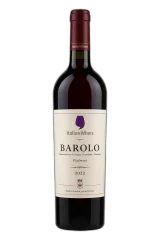
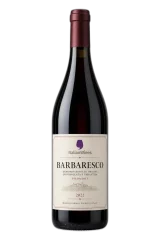
Barbera is the third route, high in acidity and soft in tannin, which suits a particularly fatty batch. What fails is either extreme: a soft, low-acid red leaves the palate coated, and a young, powerfully tannic bottle tastes hard and metallic against the meat. This is not the night for the Barolo.
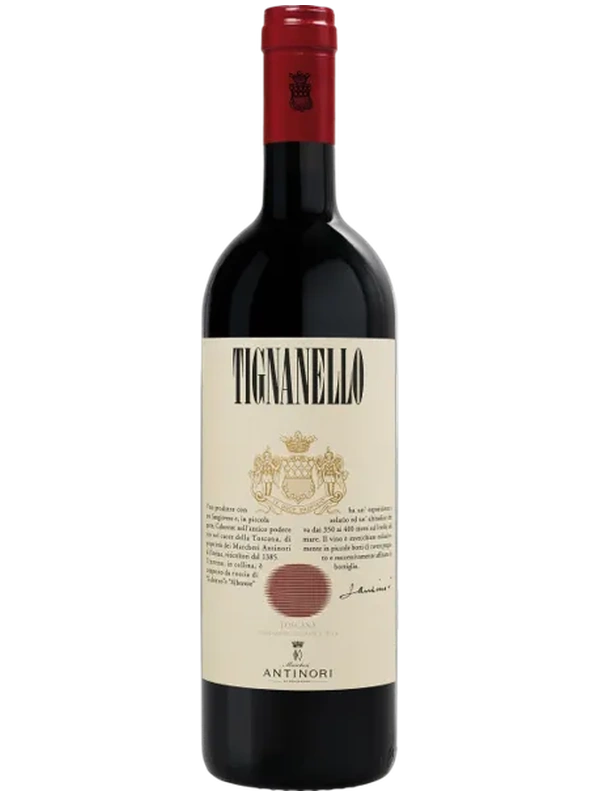
Antinori Tignanello 2024
Antinori's Tignanello is the Super Tuscan that started it all: a Sangiovese-led blend with Cabernet from a single alberese-limestone vineyard in Chianti Classico. The first Sangiovese aged in barrique, it shows dark cherry, violet, tobacco and cocoa
View Wine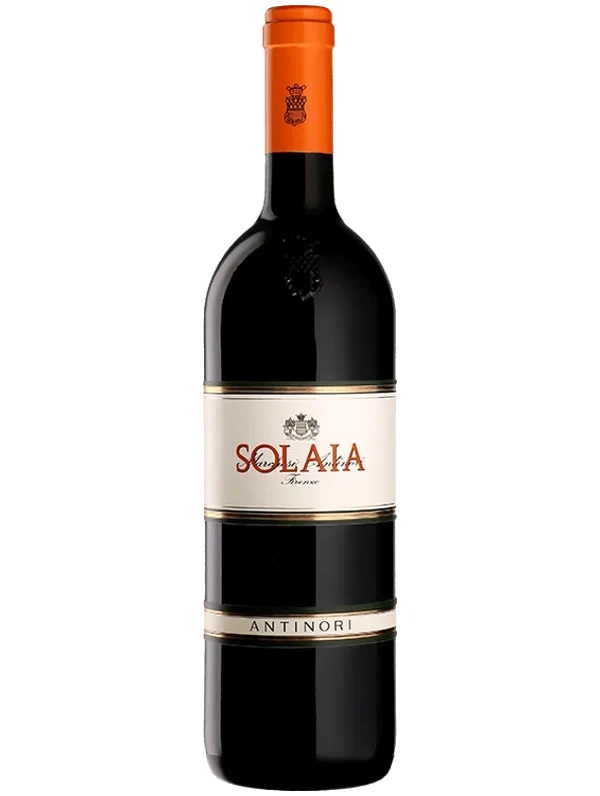
Solaia 2022
Solaia is Marchesi Antinori's Cabernet Sauvignon-led Super Tuscan from the sun-drenched Solaia plot above the Tignanello estate, blended with Cabernet Franc and Sangiovese. Aged around 15 months in new French oak, it offers blackcurrant, violet and t
View Wine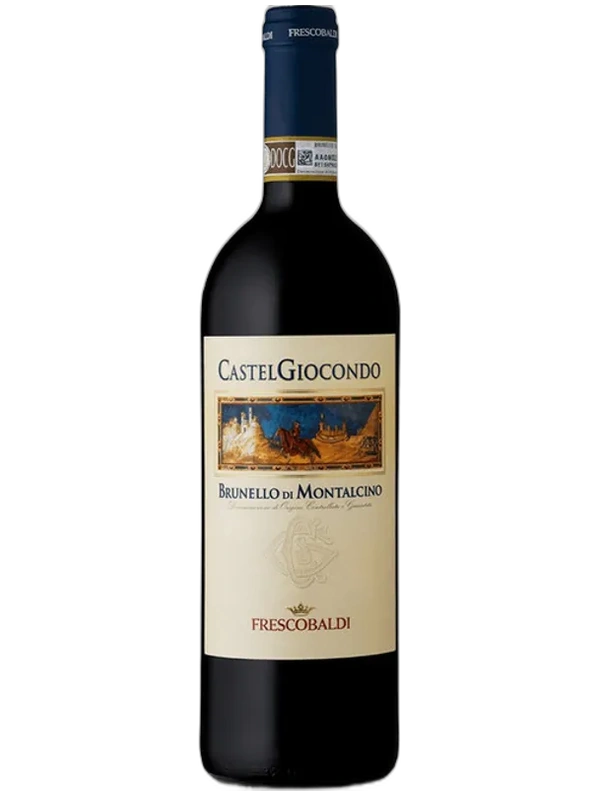
Frescobaldi Castelgiocondo Brunello di Montalcino 2021
Frescobaldi's 100% Sangiovese Brunello from Tenuta CastelGiocondo at Montalcino, grown on galestro, clay and Pliocene sand. Two years in Slavonian oak casks and French barriques give black cherry, violet, leather and warm spice over firm, finely matu
View Wine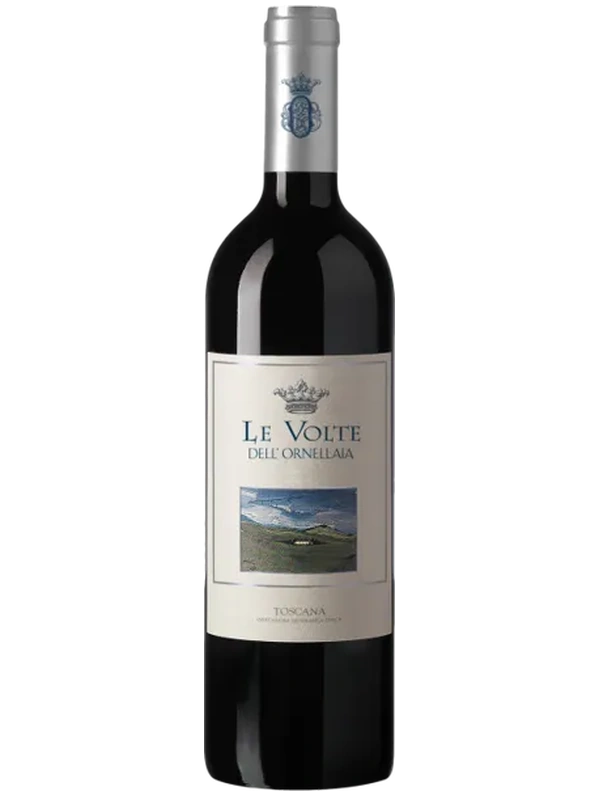
Ornellaia Le Volte 2024
Le Volte dell'Ornellaia is the convivial entry red of the Bolgheri estate, a Toscana IGT blend of Merlot, Sangiovese and Cabernet Sauvignon. Bright cherry and wild berry meet rose and a menthol lift, over fresh, supple tannins.
View Wine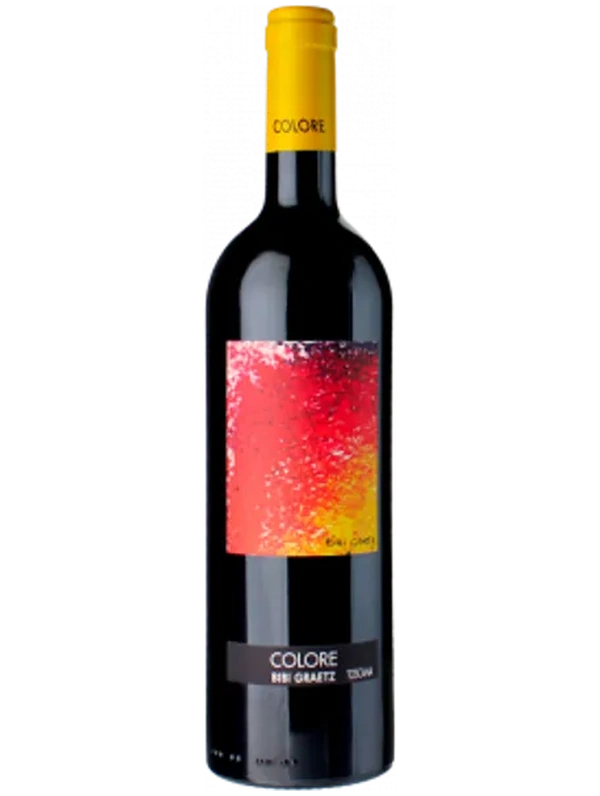
Colore - Bibi Graetz 2022
Bibi Graetz's Gran Vin from over-80-year-old Sangiovese vines at Lamole, this Toscana IGT red is built only from the cellar's best barrels. Expect cherry, blackberry, violet and tobacco over galestro-driven structure. A collector-grade Tuscan bottle,
View Wine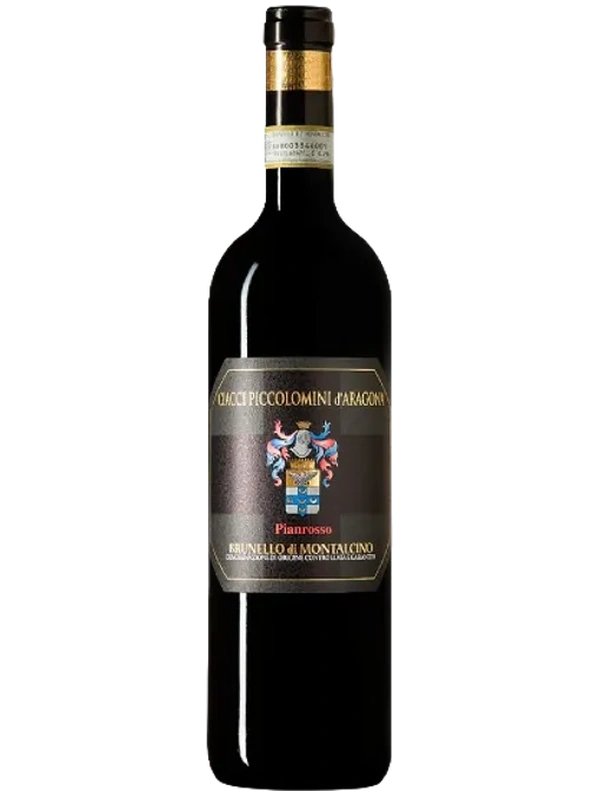
Ciacci Piccolomini Brunello di Montalcino Pianrosso 2021
Ciacci Piccolomini d'Aragona's single-vineyard Brunello, from the 11.69-hectare Pianrosso parcel on galestro and marl above the Orcia river. Three years in Slavonian oak botti build a ruby-to-garnet Sangiovese of forest-floor depth, Morello cherry an
View Wine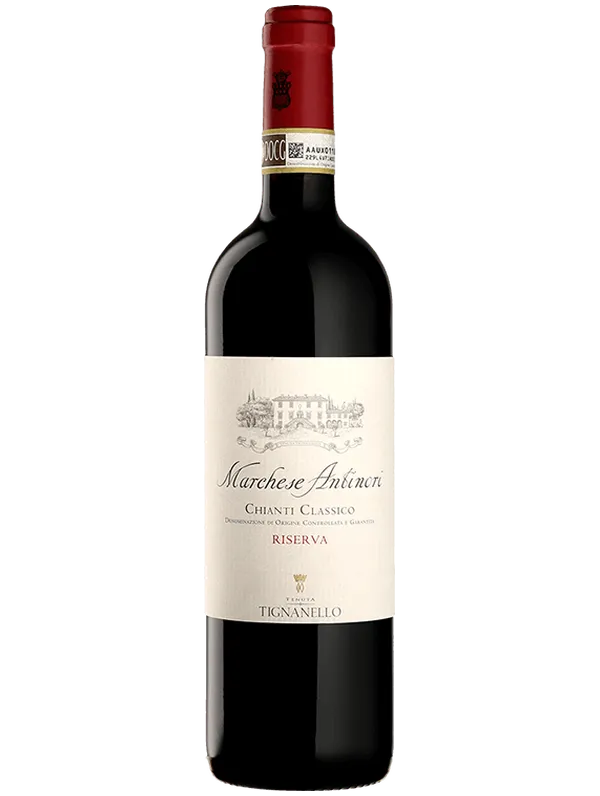
Marchese Antinori Chianti Classico Riserva Tenuta Tignanello 2023
Marchesi Antinori's historic Marchese Antinori Chianti Classico Riserva, sourced since 2011 entirely from the Tenuta Tignanello vineyard between the Greve and Pesa valleys. Mostly Sangiovese on alberese marl, aged in French and Hungarian oak barrique
View Wine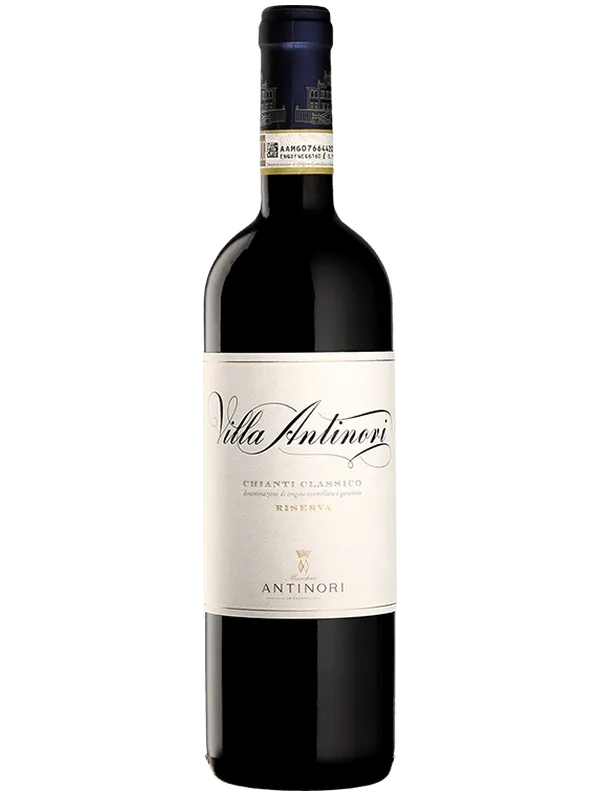
Villa Antinori Chianti Classico Riserva 2023
Antinori's Sangiovese-led Chianti Classico Riserva, made since 1928 and aged about 18 months in large oak and small barrels. Cherry, rose and liquorice, silky tannins, a long savoury finish. Around £24 to £34 from eight UK shops.
View WineLasagne, and what changes
Yesterday's ragu becomes today's lasagne, and the wine should move with it. Bechamel and a browned cheese crust add a second kind of fat, milkier and heavier than the sauce underneath, and baking concentrates the lot.
The requirement shifts towards freshness. Lambrusco is even more at home here than it was with the tagliatelle, and a Chianti or a Barbera still works provided the oak stays low. A big, soft, heavily oaked red beside a tray of lasagne makes the whole plate feel heavier, which is the opposite of the job.
Reheating pushes in the same direction. A ragu that has sat overnight tastes rounder and deeper than it did on the night, because the fat has set and the flavours have married, and that extra weight rewards a wine with a little more acidity rather than a little more body. If you froze a batch and are eating it on a Wednesday, the sharper of the two bottles in front of you is almost always the right one.
For the wider logic across every other sauce, from carbonara to pesto to seafood, our guide to pairing wine with pasta works through them one at a time, and the ragu alla bolognese entry in our pasta pairings has the short version if you are standing in a shop.
Frequently asked questions
For the pan, a dry, fresh, unoaked red under about ten pounds: a young Sangiovese, a Barbera or a simple Montepulciano d'Abruzzo. It has to be sound rather than good, because a ragu reduces for two hours or more and faults concentrate instead of cooking off. For the glass the answer changes: there you want the acidity and gentle tannin of a Chianti or a dry Lambrusco, because that wine has to last a whole plateful rather than evaporate.
Yes. The traditional recipe deposited by the Accademia Italiana della Cucina at the Bologna Chamber of Commerce on 20 April 2023 lists one glass of red or white wine, leaving the choice open. The wine is driven off completely before the tomato goes in, so the colour of the finished sauce comes from the meat, the concentrate and the long reduction rather than from the wine. Use whichever is dry, acidic and unoaked.
One glass for six people, added after the meat has browned and sizzled, then reduced until you can no longer smell wine at all. Only then do the tomato concentrate and passata follow. The point is to lift the browned residue off the base of the pan and add acidity, not to leave liquid wine in the sauce, so resist the urge to keep topping it up.
A red with real acidity and moderate tannin. Chianti and other Sangiovese wines are the reliable answer, Barbera suits a fattier batch, and the genuinely local choice in Emilia Romagna is a dry Lambrusco served cool, which is what people actually drink with it in Bologna. Avoid soft, low-acid reds, which leave the palate coated, and young tannic ones, which turn hard and faintly metallic against the meat.
No. Alcohol carries aroma compounds off with it as it evaporates, and the bottle-age character you pay for is the first thing heat destroys, so a structured or mature red spends its best qualities on evaporation rather than on the sauce. Buy something inexpensive but in good condition, since a ragu reduces for hours and any fault concentrates as it does. The one bottle to genuinely avoid is the salted supermarket product sold as cooking wine, which seasons the dish for you whether you want it to or not.