




Super Tuscan Wines Explained: Bolgheri, Sassicaia and Tuscany's Rebel Reds
TL;DR
- Super Tuscans are Tuscan reds that broke the region's own rules in the late 1960s, blending Cabernet Sauvignon and Merlot with or instead of Sangiovese, and ended up outclassing the system that excluded them.
- On a UK shelf, look for an invented estate name plus Toscana IGT or Bolgheri DOC on the label; prices run from everyday reds to three-figure icons.
- Sassicaia set the template: sold as humble table wine in 1971, it beat Bordeaux first growths in a 1978 blind tasting and now holds its own appellation.

The table wine that outgrew Italy's rulebook
In 1971, a red from a Tuscan estate better known for breeding racehorses went on sale under Italy's lowliest designation: vino da tavola, table wine. The wine was Sassicaia, grown at Tenuta San Guido on the coast at Bolgheri, and within a decade it was beating Bordeaux first growths in blind tastings. That gap between official rank and actual quality is the whole story of the Super Tuscans, the wines that broke Tuscany's rules and ended up rewriting them.
A Super Tuscan is a red from Tuscany made outside the region's traditional appellation rules, and the term has never had a legal definition. Some are Bordeaux-style blends built on Cabernet Sauvignon and Merlot; others are pure Sangiovese; plenty sit in between. What unites them is history rather than recipe: when they emerged, the law for wines like Chianti demanded a blend these producers refused to make.
Half a century on, the rebels are the establishment. Sassicaia carries its own appellation, Bolgheri ranks among Italy's most sought-after vineyard land, and the style stretches from collector icons to bottles for a weeknight ragù. Tuscany now runs on two parallel tracks: the classic DOCG heartland of Chianti Classico and Brunello di Montalcino, and the free-form estate wines that answer to nobody's blend rules.
Why Tuscany's best winemakers went rogue
When the Chianti DOC arrived in 1967, it wrote the habits of the previous century into law, including a compulsory share of white grapes in the red blend. Pure Sangiovese was not permitted; Cabernet Sauvignon had no place at all. Ambitious growers found the results thin at exactly the moment they were tasting what Bordeaux could do, and Chianti's post-war reputation was at a low ebb. The most determined concluded that the only way to make a serious wine was to leave the classification altogether.
The rebellion had three separate roots and one enologist in common. At Tenuta San Guido, Marchese Mario Incisa della Rocchetta had grown Cabernet Sauvignon since 1944 for the family table; Giacomo Tachis, the Bordeaux-trained winemaker of the Antinori house, persuaded him to age it in small French barriques and sell it. At San Felice, cellar director Enzo Morganti bottled Vigorello, a pure Sangiovese no rulebook would accept, working with the great taster Giulio Gambelli. And in the heart of Chianti Classico, Piero Antinori turned his Tignanello vineyard over to a Sangiovese and Cabernet blend without the compulsory white grapes, naming the wine after the plot rather than the appellation on the advice of the critic Luigi Veronelli.
Tachis, a pupil of the Bordeaux professor Émile Peynaud, later admitted the first "1968" Sassicaia was really a blend of the 1966 to 1969 vintages, which tells you how experimental those cellars were. The dates chart how fast heresy became orthodoxy:
| Year | What happened |
|---|---|
| 1944 | Mario Incisa della Rocchetta plants Cabernet Sauvignon at Tenuta San Guido, for a family wine only |
| 1968 | First official Sassicaia vintage; San Felice bottles Vigorello, a pure Sangiovese outside every rule |
| 1971 | Sassicaia goes on sale as plain vino da tavola |
| 1975 | Tignanello settles into its modern form: Sangiovese and Cabernet, no white grapes |
| 1978 | Sassicaia tops a London blind tasting that included Bordeaux first growths |
| 1992 | Italy creates the IGT category, a legal home for the outlaw wines |
| 1994 | Bolgheri DOC embraces the Bordeaux-style reds; Sassicaia gains its own named appellation |
| 1996 | Chianti Classico gives way: white grapes optional, pure Sangiovese legal at last |
From outlaws to the establishment
Recognition came from London first. In 1978 a blind tasting organised by Hugh Johnson set Sassicaia against a field that included Bordeaux first growths, and the Tuscan wine came out on top. Robert Parker later awarded the 1985 Sassicaia a perfect 100 points. By the mid-1980s the English wine press had a name for these wines: Super Tuscans. Who coined it is still argued over; the Master of Wine Nicholas Belfrage is usually credited, with the writers Luigi Veronelli, Burton Anderson and David Gleave also named.
Through the 1980s some of Italy's most expensive bottles legally ranked below the humblest DOC wine, an absurdity the trade simply priced in. The law moved in 1992 with the creation of IGT, Indicazione Geografica Tipica, a middle tier for quality wine made outside DOC rules, and Toscana IGT became the Super Tuscans' home. If the acronyms blur, our guide to what IGT means beside DOC and DOCG untangles them, and how Italy's wine zones fit together shows where Tuscany's patchwork sits.
Two surrenders completed the victory. In 1994 the new Bolgheri DOC embraced the Bordeaux-blend reds the coast actually made, writing Sassicaia into the rules under its own name. In 1996 Chianti Classico dropped compulsory white grapes and legalised pure Sangiovese. The rules now chase the wines, a reversal that Piedmont's tradition-bound Barolo never needed.
Bolgheri, the coastal capital
Bolgheri sits on the Tuscan coast south of Livorno, a strip of vines between the sea and the hills that the Chianti-centred wine establishment barely rated before Sassicaia. The maritime air softens the summers, and Cabernet Sauvignon, Merlot and Cabernet Franc ripen here with a polish inland Tuscany struggles to match. The consorzio that protects the twin appellations, DOC Bolgheri and DOC Bolgheri Sassicaia, today counts 75 producers, with its offices at Località San Guido on the estate where it all began.
The neighbourhood reads like a family argument made permanent. Ornellaia was established next door to Tenuta San Guido by Lodovico Antinori, its first vintage the 1985, and the estate is often described as his answer to his cousin Nicolò Incisa's Sassicaia and his older brother Piero's Solaia. Its pure-Merlot sibling Masseto followed from 1986. Piero's own Antinori house farms Guado al Tasso on the same plain, and names like Grattamacco, Le Macchiole and Castello di Bolgheri fill out a coastline where vineyard land now trades at prices the 1960s would have found laughable.
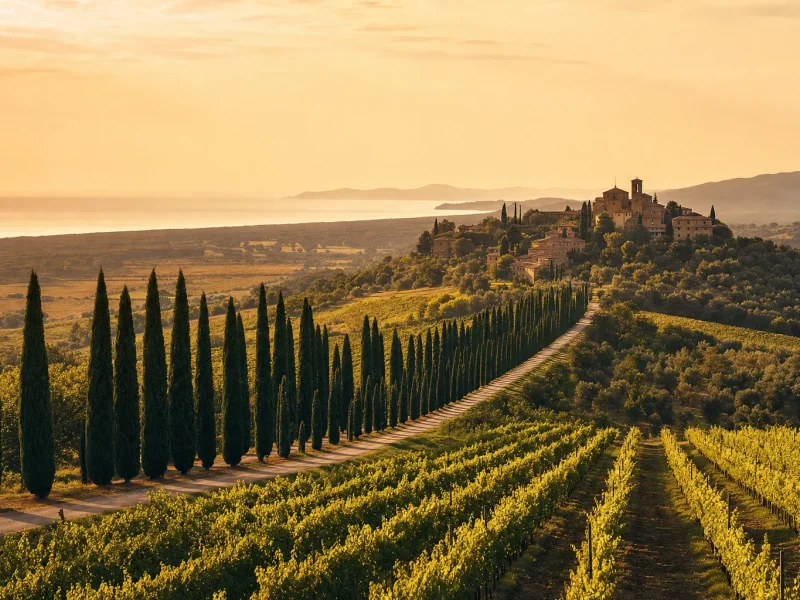
Nor is the coast red alone: Vermentino leads Bolgheri's whites, crisp and saline against the plush reds. The bottles below are all Bolgheri DOC or Bolgheri Sassicaia, the icons beside their village neighbours.
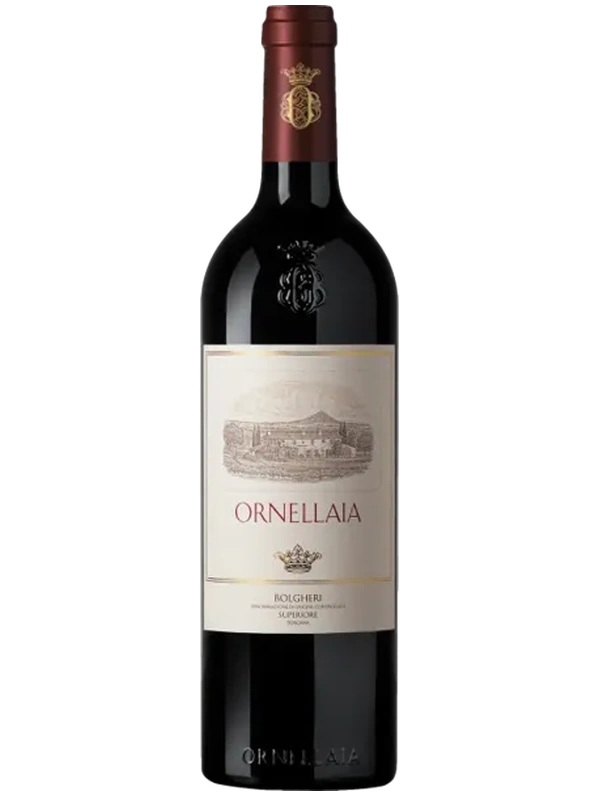
Ornellaia Bolgheri Superiore 2023
Ornellaia is the flagship Bolgheri Superiore from the Frescobaldi estate at Castagneto Carducci: Cabernet Sauvignon leads Merlot, Cabernet Franc and Petit Verdot. Around 18 months in barrique gives black fruit, tobacco and a powerful tannic frame.
View Wine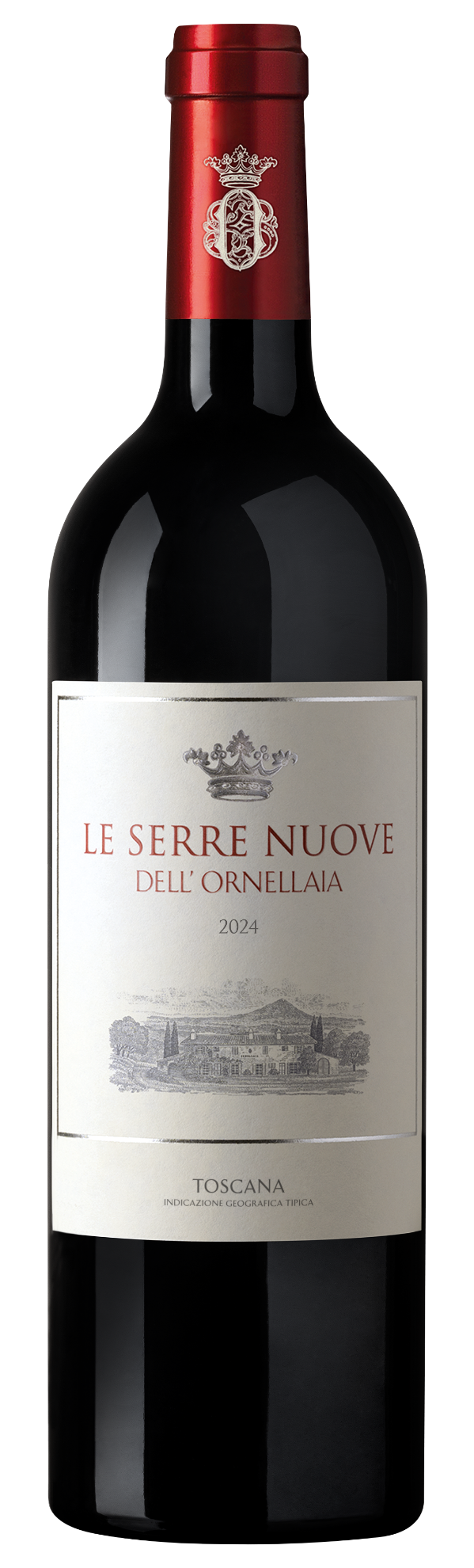
Le Serre Nuove dell'Ornellaia, Bolgheri, Tuscany, Italy 2024
The second wine of Tenuta dell'Ornellaia, this Bolgheri Rosso is Merlot-led with Cabernet Sauvignon, Cabernet Franc and Petit Verdot. Dark cherry, cassis and spice, silky tannins from 15 months in French barrique. Drinks young, ages a decade.
View Wine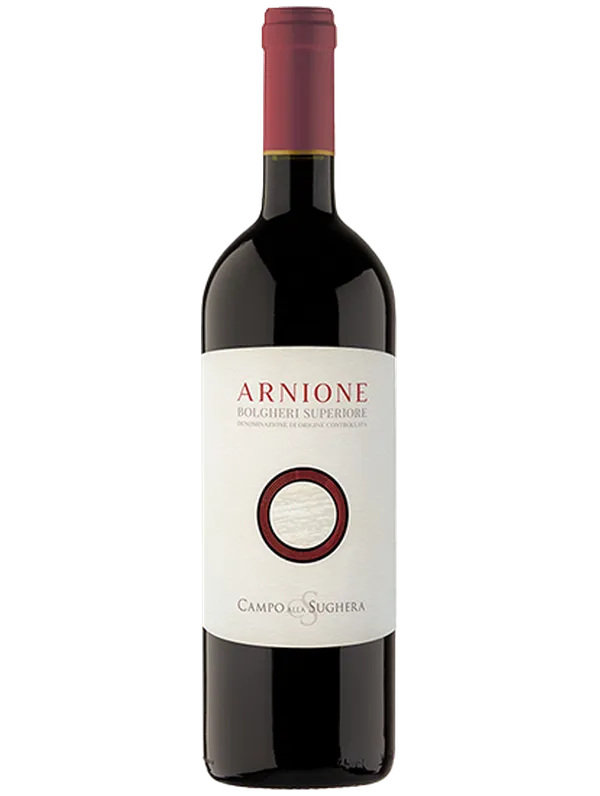
Azienda Agricola Campo alla Sughera Arnione 2021
Arnione is Campo alla Sughera's flagship Bolgheri Superiore, a Cabernet Sauvignon-led Bordeaux blend grown on Bolgheri's marl and sand. Aged in French oak, it pours dense and balsamic, with black cherry, eucalyptus and velvety tannin.
View Wine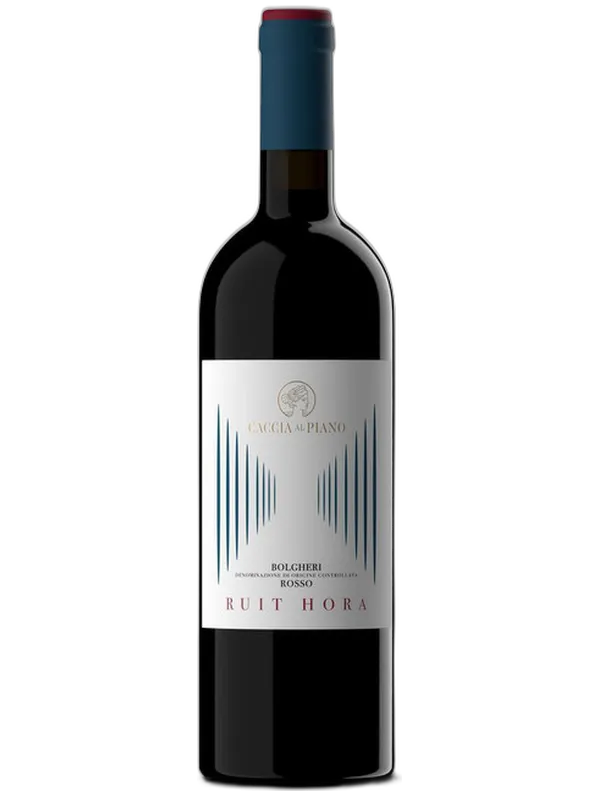
Ruit Hora Bolgheri Rosso 2023
Merlot-led Bolgheri DOC Rosso from Caccia al Piano 1868, the Ziliani family estate at Castagneto Carducci. Oak, blackberry and cherry lead; 16 months in oak ovals and ceramic jars shape the frame. Drink 2025-2030.
View Wine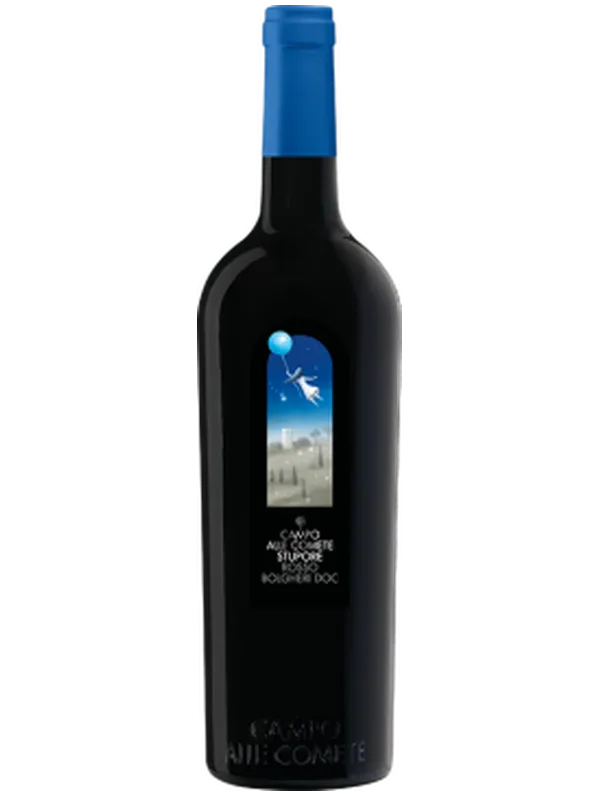
Campo alle Comete Stupore Rosso 2024
A Bolgheri Rosso DOC from Campo alle Comete, the Feudi di San Gregorio estate at Castagneto Carducci. Merlot, Cabernet Sauvignon and Syrah, a year in French oak: ripe plum, cocoa and balsamic herbs, soft tannins, a fresh savoury finish.
View Wine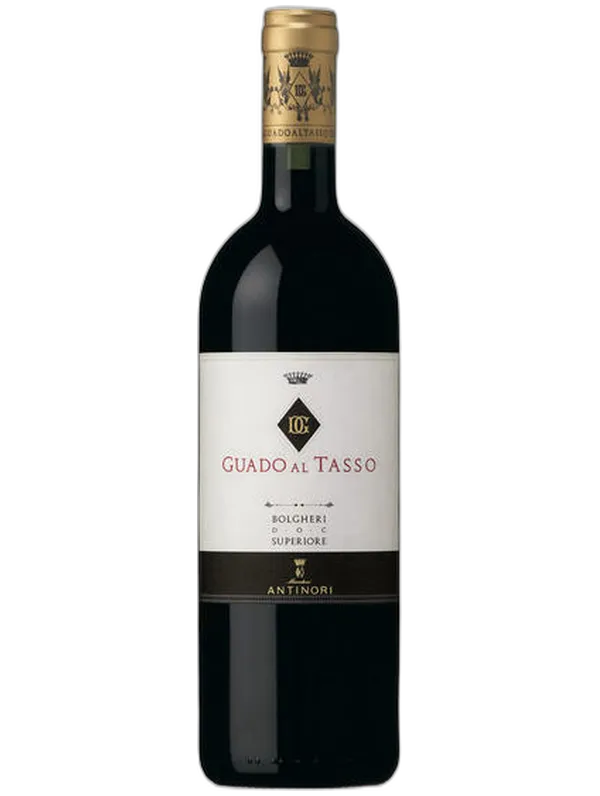
Antinori Guado al Tasso Bolgheri Superiore 2023
Antinori's flagship Bolgheri Superiore from Tenuta Guado al Tasso: a Cabernet Sauvignon-led blend with Merlot, Cabernet Franc and Petit Verdot, aged in new French oak. Dense blackcurrant, tobacco, liquorice; a 10-year cellar red drinkers return to.
View Wine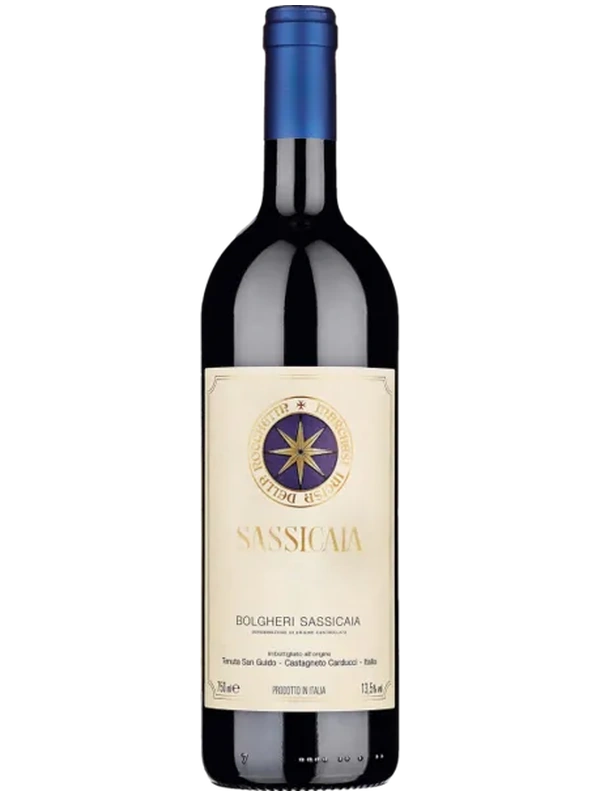
Tenuta San Guido Sassicaia 2023
Sassicaia is Tenuta San Guido's Bolgheri benchmark: 85% Cabernet Sauvignon and 15% Cabernet Franc from stony slopes near the Tuscan coast. Cassis, tobacco and graphite frame ageworthy tannins. Bolgheri Sassicaia is Italy's only single-estate DOC.
View Wine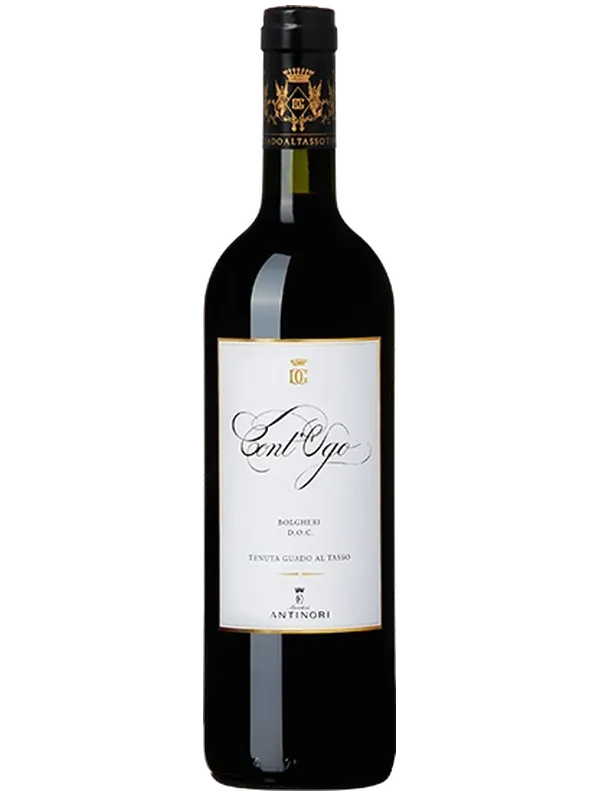
Marchesi Antinori Cont' Ugo 2024
Antinori's Cont'Ugo is a single-varietal Merlot from the Guado al Tasso estate in Bolgheri. Ripe dark cherry, plum and Mediterranean scrub sit over velvety, refined tannins: a plush, food-friendly Tuscan coastal red for steak and lamb.
View Wine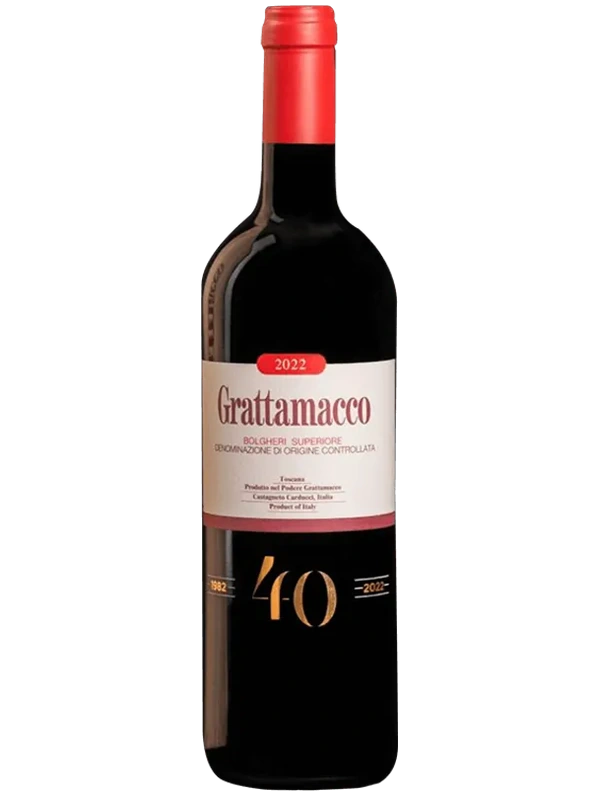
Grattamacco 2023
Grattamacco's flagship Bolgheri Superiore: 65% Cabernet Sauvignon with Merlot and Sangiovese, aged 18 months in barrique on the organic Tuscan coast. Cassis, black cherry and tobacco over a fresh, mineral, tannic frame. From about 40 pounds.
View WineThe three faces of a Super Tuscan
The term covers three distinct styles, and knowing which face you are buying matters more than the name on the band.
| Style | Benchmarks | In the glass |
|---|---|---|
| Bordeaux blend from the coast | Sassicaia, Ornellaia, Guado al Tasso | Blackcurrant, cedar and Mediterranean herb; firm, polished tannin built for a decade or more |
| Sangiovese with a Bordeaux partner | Tignanello, Il Blu, Camartina | Dark cherry and plum over tobacco; Sangiovese acidity inside Cabernet's darker frame |
| Pure Sangiovese | Le Pergole Torte, Cepparello | Bright red fruit, tea leaf and iron; the most Tuscan of the three, tightest in youth |
Spotting one on a shelf is a small decoding game. Look for an invented estate name where a place name should be, Toscana IGT or Bolgheri DOC in the small print, and often the grape varieties stated outright, which traditional labels rarely do. Our guides to reading an Italian wine label and reading a restaurant wine list cover the general rules; the Super Tuscan twist is that the proper noun is the appellation, in spirit if not in law.
Nearly all of them, whatever the blend, spend 12 to 14 months in French oak barriques, so expect present but polished tannin and a cedary frame around the fruit; how red wine is made explains what that barrel time does.
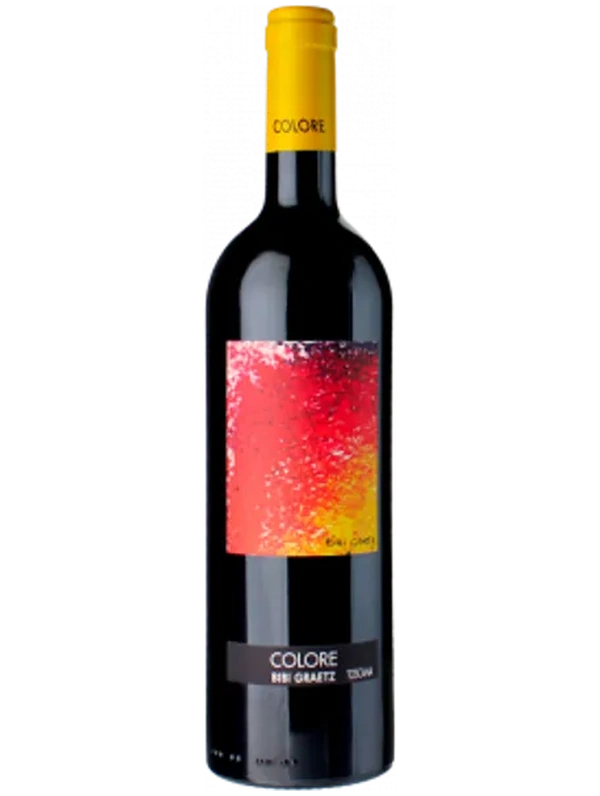
Colore - Bibi Graetz 2022
Bibi Graetz's Gran Vin from over-80-year-old Sangiovese vines at Lamole, this Toscana IGT red is built only from the cellar's best barrels. Expect cherry, blackberry, violet and tobacco over galestro-driven structure. A collector-grade Tuscan bottle,
View Wine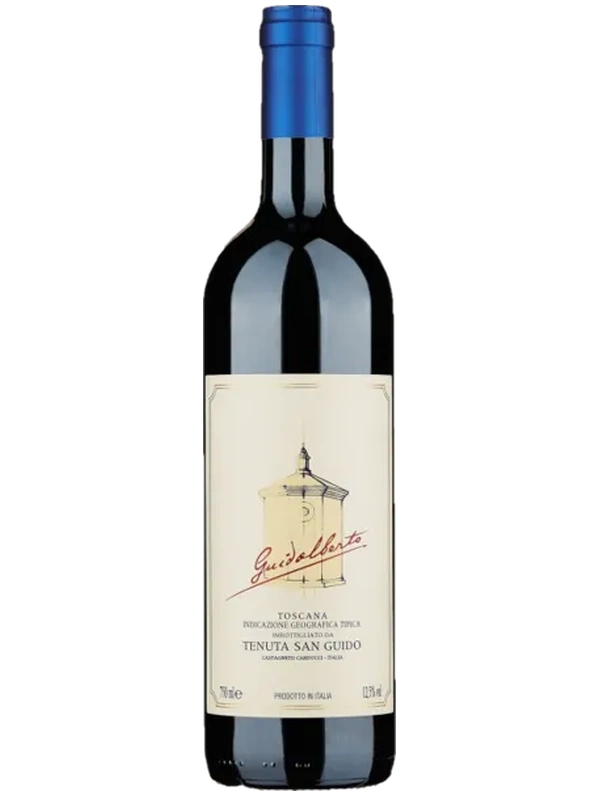
Tenuta San Guido Guidalberto 2024
Guidalberto is the second wine of Tenuta San Guido, the Sassicaia estate: a Bolgheri blend of Cabernet Sauvignon and Merlot aged 15 months in French and American oak. Plum and blackcurrant fruit, tobacco and sweet oak, firm but polished tannin.
View Wine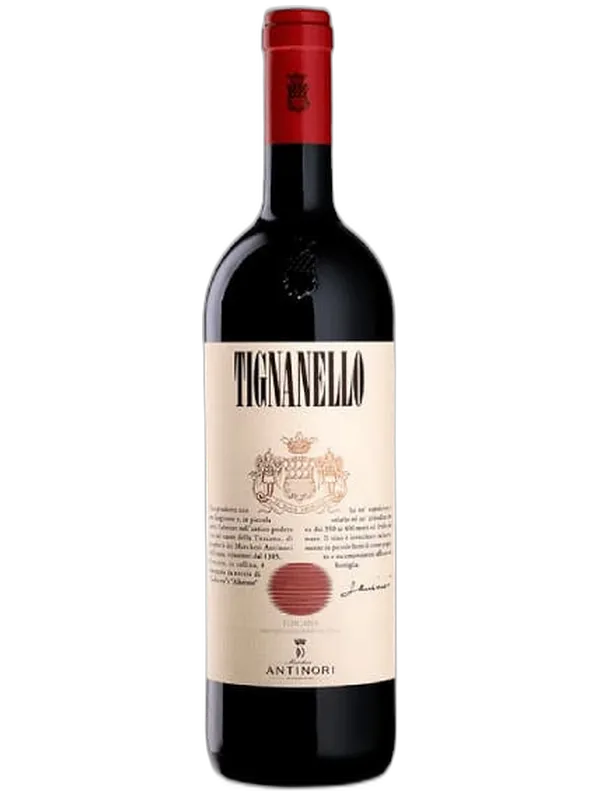
Antinori Tignanello 2024
Antinori's Tignanello is the Super Tuscan that started it all: a Sangiovese-led blend with Cabernet from a single alberese-limestone vineyard in Chianti Classico. The first Sangiovese aged in barrique, it shows dark cherry, violet, tobacco and cocoa.
View Wine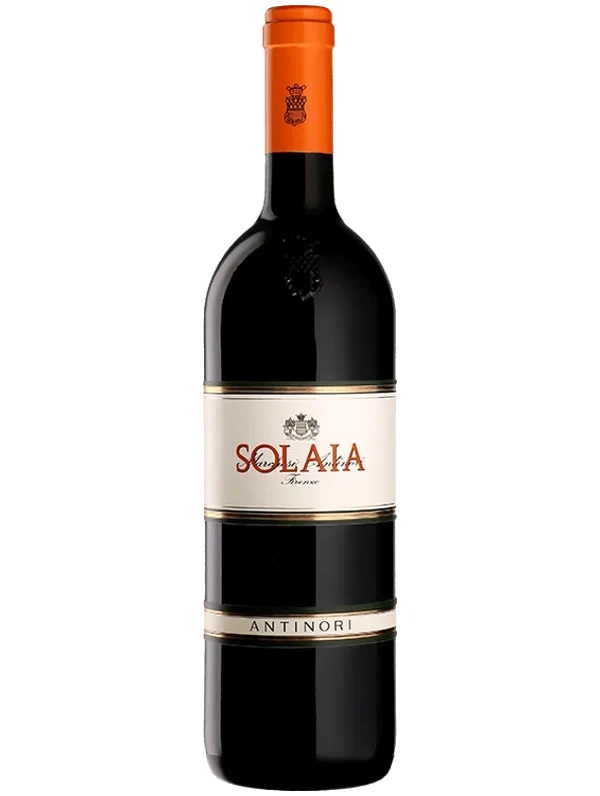
Solaia 2023
Solaia is Marchesi Antinori's Cabernet Sauvignon-led Super Tuscan from the sun-drenched Solaia plot above the Tignanello estate, blended with Cabernet Franc and Sangiovese. Around 15 months in new French oak: blackcurrant, violet and tobacco.
View Wine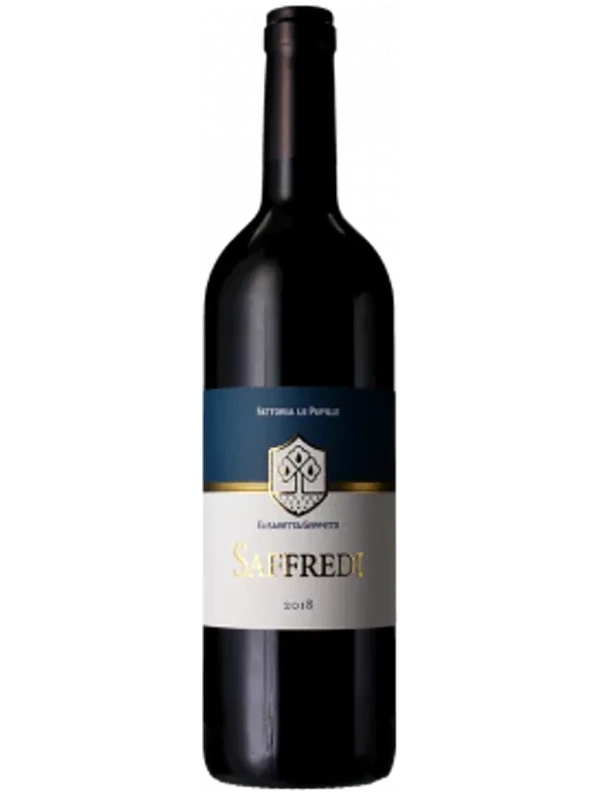
Saffredi - Fattoria le Pupille 2023
Fattoria Le Pupille's flagship super-Tuscan from the Saffredi vineyard at Pereta: 60% Cabernet Sauvignon with Merlot and Petit Verdot. Eighteen months in French oak give blackcurrant, cigar and fine dense tannins. Conceived with Giacomo Tachis.
View Wine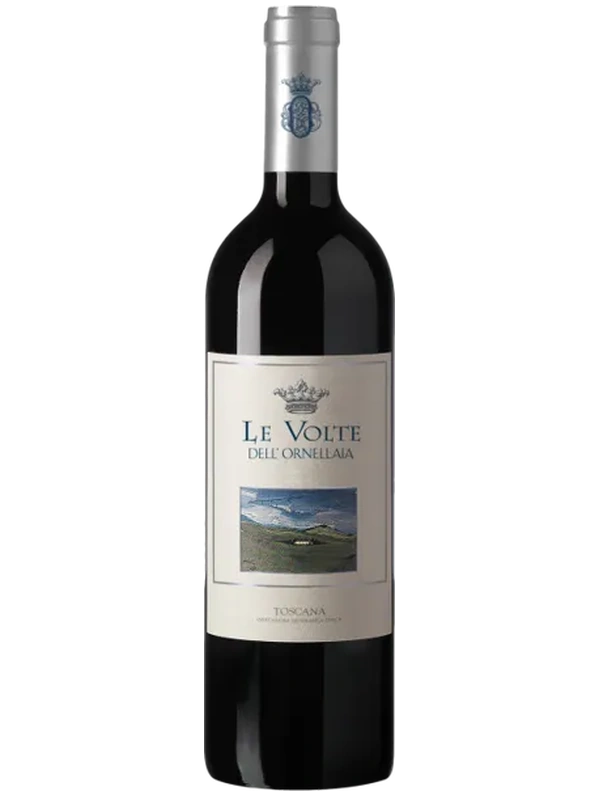
Ornellaia Le Volte 2024
Le Volte dell'Ornellaia is the convivial entry red of the Bolgheri estate, a Toscana IGT blend of Merlot, Sangiovese and Cabernet Sauvignon. Bright cherry and wild berry meet rose and a menthol lift, over fresh, supple tannins.
View Wine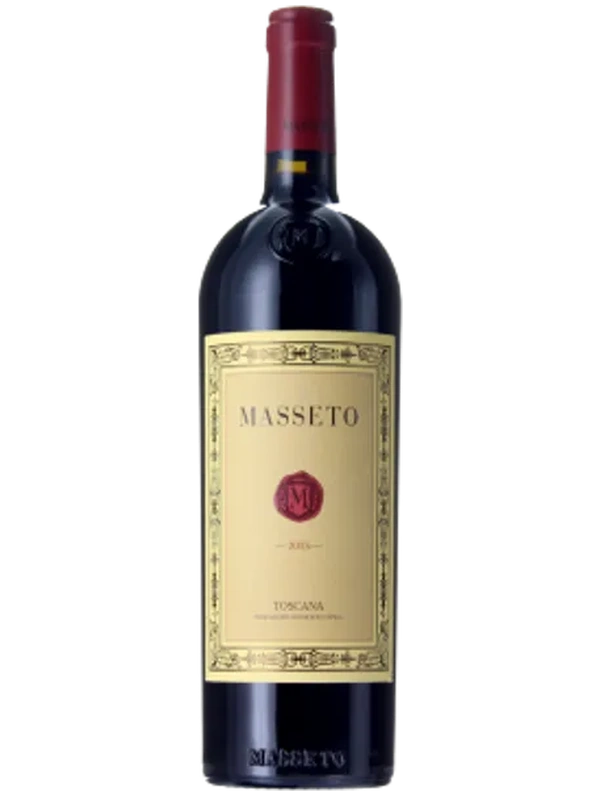
Masseto 2022
Masseto is Bolgheri's benchmark 100% Merlot, grown on the blue-clay hill that gives the wine its name. Plot-by-plot fermentation and two years in French oak build a dense, velvety Toscana IGT of blackberry, cocoa and graphite. A collector's wine: cel
View Wine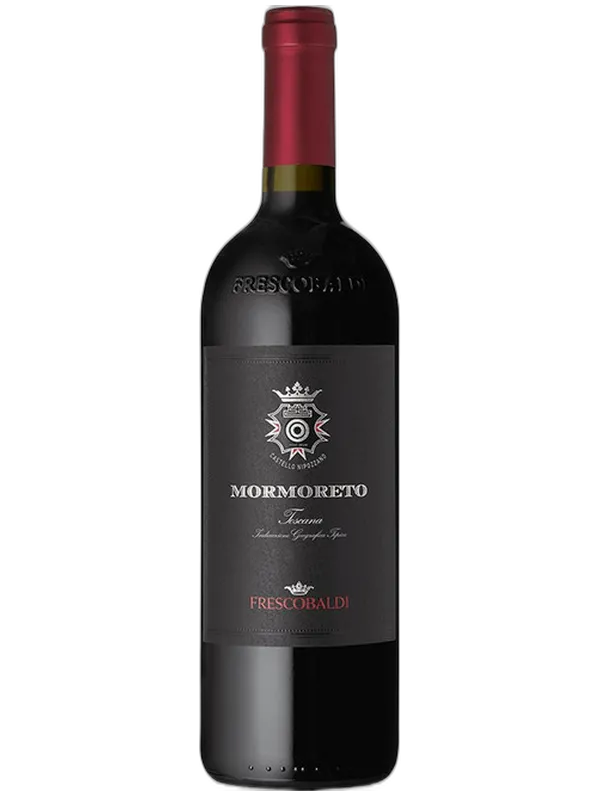
Marchesi de' Frescobaldi Mormoreto 2022
Frescobaldi's Bordeaux-blend flagship from Nipozzano in Chianti Rufina. Cabernet Sauvignon, Cabernet Franc, Petit Verdot and a touch of Sangiovese since 2013, grown at 300m and aged 18 months in French oak: a polished Super Tuscan of black fruit.
View Wine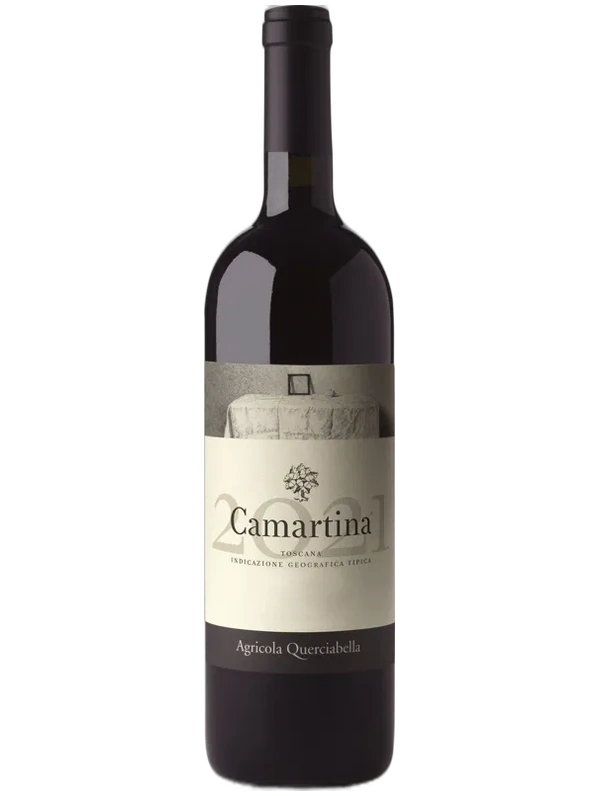
Querciabella, Toscana, Camartina 2021
Querciabella's flagship Super Tuscan, Camartina blends Cabernet Sauvignon and Sangiovese from the Ruffoli hill above Greve in Chianti, farmed biodynamically and aged 18 months in French oak barrels. Expect blackcurrant, plum, tobacco and leather.
View Wine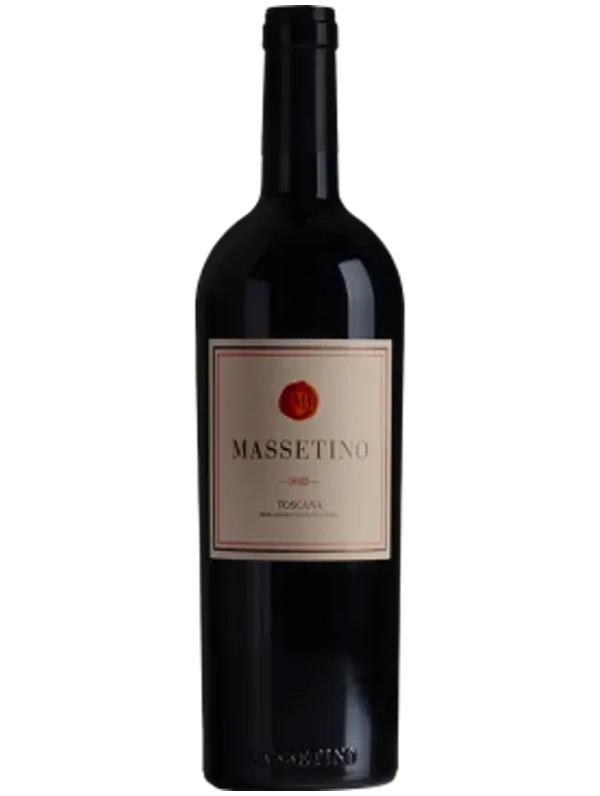
Massetino - Masseto 2024
Massetino is the second wine of Masseto, the cult Merlot estate on the blue clay hill above Bolgheri. A Merlot-led blend with a touch of Cabernet Franc, aged in French oak. Polished black fruit, cedar and sweet spice, open and earlier-drinking.
View WineDrinking the idea without the icon price
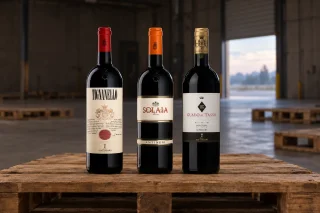
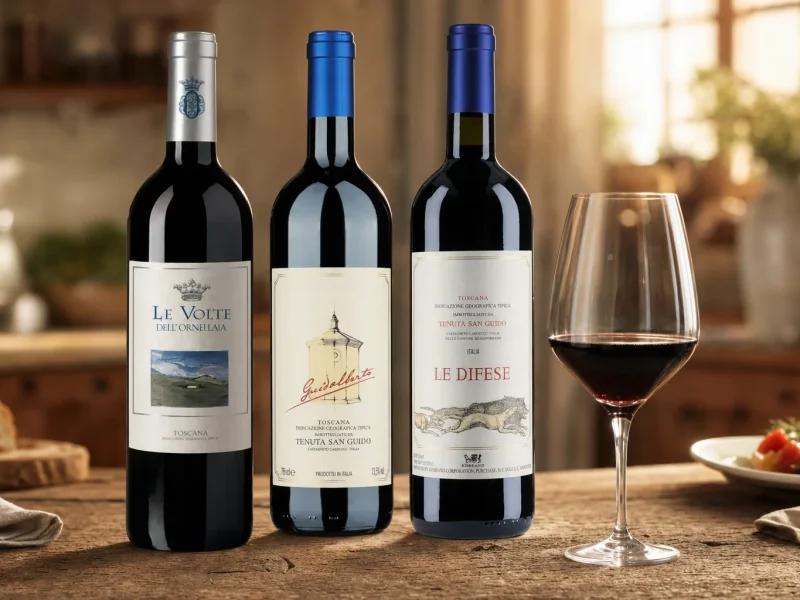
At the top, Sassicaia, Tignanello, Ornellaia, Solaia and Masseto trade at auction-house money, hundreds of pounds a bottle and climbing with each celebrated vintage. You are paying for scarcity and a five-decade track record as much as for what is in the glass. The good news is that the estates built ladders down: Tenuta San Guido follows Sassicaia with Guidalberto and the softer Le Difese, Ornellaia answers with Le Serre Nuove and Le Volte, and Masseto with Massetino. The same cellars, earlier-drinking blends, a fraction of the price.
Below the estate ladders sits the widest rung: Toscana IGT itself. The same legal freedom that sheltered Sassicaia lets serious growers bottle characterful Sangiovese and Merlot blends for under twenty pounds, and it lets bulk producers do much less interesting things for less, so the name on the label carries the weight. Look for an estate that bottles its own wine and a stated blend; our guide to Italy's grape families decodes the varieties. British merchants play the naming game too; we traced who really makes UK own-label Italian wine, and the same read-the-back-label habits apply here.
The bigger blends repay an hour in a decanter and a decade in the cellar if you have one. And if the rebel spirit is what draws you, its heirs are elsewhere now: the outsider energy that lit up this coast in 1968 drives organic and biodynamic conversion across Italy and the volcanic insurgents of Etna today. The Super Tuscans stopped being outsiders the day the rules adopted them; the wines, on their day, still taste like the argument they won.
Frequently asked questions
A Super Tuscan is a red wine from Tuscany made outside the region's traditional DOC and DOCG rules, usually bottled as Toscana IGT or Bolgheri DOC. The term is informal and has never been defined in law. It covers Bordeaux-style blends such as Sassicaia and Ornellaia, Sangiovese and Cabernet blends such as Tignanello, and a few pure Sangiovese wines. The name dates from the mid-1980s, when the English wine press needed a word for Tuscan wines that were officially table wine yet rivalled the world's best.
Because until 1992 Italian law had no respectable category for a quality wine that broke its local blend rules. Chianti's 1967 DOC required white grapes in the red blend and had no place for Cabernet Sauvignon or pure Sangiovese, so wines like Sassicaia and Tignanello had to be labelled vino da tavola, the lowest rank. The IGT tier created in 1992 fixed the absurdity; our guide to Italian label classifications explains the full ladder.
Only by heritage. Since 1994 Sassicaia has held its own named appellation, Bolgheri Sassicaia, inside the Bolgheri DOC, so it is no longer an outsider wine in any legal sense. The first commercial vintage, the 1968, reached the market in 1971 as plain table wine. People still call it a Super Tuscan because the style and the story remain; the paperwork simply caught up with the wine.
Most lean on Cabernet Sauvignon and Merlot, often with Cabernet Franc, Petit Verdot or Syrah in support. The other camp is built on Sangiovese, either alone or blended with a Bordeaux variety. Almost all age 12 to 14 months in French oak barriques, which is where the cedar and spice notes come from. There is no fixed recipe; the freedom to blend is the point.
Indicazione Geografica Tipica: the grapes are Tuscan, but the wine follows looser rules than a DOC or DOCG allows, above all on grape choice. The tier spans everything from Tignanello and Masseto to everyday supermarket reds, so the producer's name does the quality work. Our guide to how Italy's wine zones fit together shows where IGT sits in the pyramid.
At icon level you pay for scarcity and history as much as flavour, and that is a collector's question. The value case lives lower down: estate second labels such as Guidalberto, Le Serre Nuove and Le Volte deliver much of the style for a fraction of the price, and under twenty pounds the best Toscana IGT reds from serious growers are among Tuscany's smartest buys.