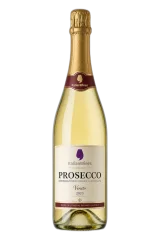







Lombardy · IGT
Alpi Retiche IGT Valtellina's Alpine Wines Outside the DOC Rules
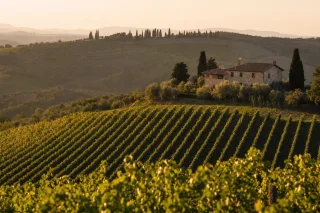
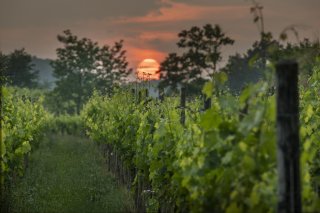
Alpi Retiche IGT is the free-style label of the Valtellina, the alpine valley in Lombardy that also makes Valtellina Superiore. Growers use it for the wines the DOC rules do not cover. That means whites pressed from red Nebbiolo grapes, young reds, rosé, dried-grape sweet wines and bottle-fermented sparkling. Most of it grows on stone terraces above the river Adda; the rest in the Valchiavenna, on the Mera.


Decode the label
What the label tells you
One denomination, 5 things it can say on the front. Colour first, then the qualifier.
On the label
Alpi Retiche Bianco
the white side of a red-grape valley


Steel-raised, dry and salty. Most of what UK shops stock under this label is white.
In stock from £16 See the 4 bottles ↓On the label
Alpi Retiche Rosso
young Nebbiolo, no waiting

The valley's Nebbiolo sold young and light, without the DOCG's two years in the cellar.
In stock from £17 See the 2 bottles ↓On the label
Alpi Retiche Rosato
still or gently fizzy

Rosé from the cooler, higher plots; the frizzante version is the label's only lightly sparkling wine.
No bottles in stock right now
On the label
Passito and Vendemmia Tardiva
the dried-grape sweet wines
Passito dries in a fruit loft, Vendemmia Tardiva on the vine. Made white or red, in small amounts.
No bottles in stock right now
On the label
Spumante Metodo Classico
bottle-fermented, white or rosé
Cellars have tried sparkling Nebbiolo here since the 1970s; this is its legal home.
No bottles in stock right now
The boundary
Where it is
Everything on this page, the estates, the bottles, the sub-zones, sits inside this line.
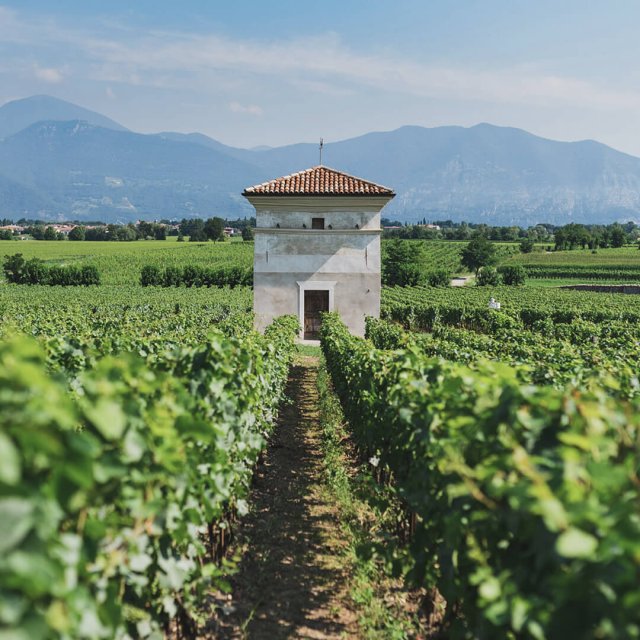
The vineyards run east to west along the Adda from Dubino past Tirano to Sernio, on the south-facing Rhaetian side of the Valtellina. A second arm follows the Mera north into the Valchiavenna as far as Villa di Chiavenna. The terraces climb from 300 to 700 metres on more than 2,500 kilometres of dry-stone walls, and the soil under them is broken granite, about 70% sand, with no lime. The Rhaetian Alps shut out the north wind, the Orobie close the valley to the south, and Lake Como tempers the air from the south-west. The terraces of Valtellina Superiore DOCG sit inside this zone, and the IGT reaches further, down the valley towards the lake and up the Valchiavenna.
Inside the zone
Towns worth knowing
Sondrio sits in the middle of the valley. The vineyards run from Dubino past Tirano to Sernio, and the Valchiavenna arm goes up the Mera past Chiavenna to Villa di Chiavenna.
In the glass
What it tastes like, by style
One profile at a time, never blended into a single set of bars.

Green Apple

Lemon
Pear

Wet stones
Cherry
Raspberry

Violet

Spicy
The disciplinare
The rules that define it
The same table on every denomination page, one row group per style here, because Alpi Retiche writes its rules per colour.
 Any grape registered for LombardyAlone or blended in any shareup to 100%A grape named on the labelThe rest from grapes of the same colour, not aromaticat least 85%ChardonnayAlone or togetherup to 100%Pinot BiancoAlone or togetherup to 100%
 PignolaAlone or together, a local red grapeup to 100%RossolaAlone or together, a local red grapeup to 100%NebbioloAlone or together; may be named even in a white sparklingup to 100%
Solid means the rules demand it. Striped means optional, up to that amount. The words on the right say the same rule.
Any Lombardy grape may go in and a grape named on the label must make at least 85% of the wine.
No ageing rule for Bianco, Rosso and Rosato, and no Riserva tier because Riserva, Superiore, extra and selected are banned words here, and red labels must carry the vintage.
A white from Nebbiolo cannot say Nebbiolo a grape name is allowed only when the wine's colour matches it, except on metodo classico sparkling.

14 tonnes a hectare and 112 hectolitres of wine per hectare; Passito is held to 56 and Vendemmia Tardiva to 84.

DOC vineyards can step down a Valtellina grower may release a wine under this label instead, as long as it meets one of its types.
Ageing and alcohol minimums per tier are in the label guide above.
Editor's cellar
Bottles to try, and what Alpi Retiche costs in the UK
Live prices, compared across 4 UK retailers.


Cellar doors · in Lombardy
Estates you can visit
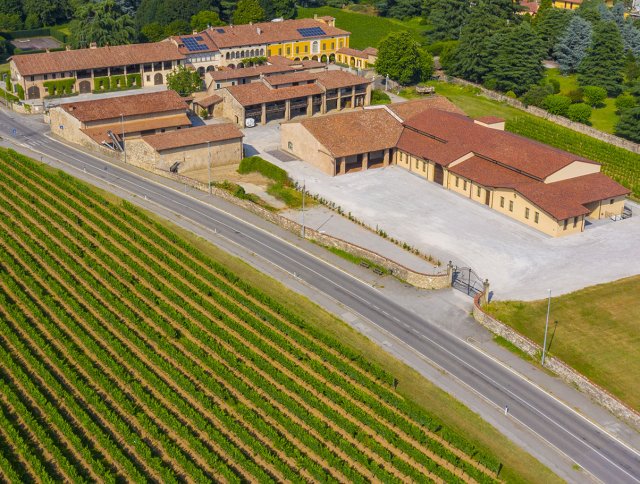
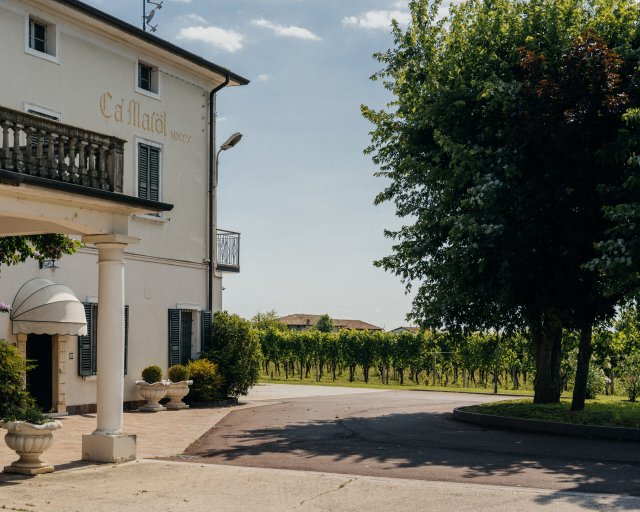
8 working estates with their gates open.



No estates match these filters. Clear a filter to see more.
Experiences in the Alpi Retiche zone
Cellar experiences here average around €40. These are the strongest fits for this page.
The Way We Lake It: Winery Tour & Tasting at Cà Maiol in Lake Garda
Cà Maiol
Vineyard and cellar Tour, followed by a tasting of 3 of the most representative wines of Cà Maiol: Prestige, Roseri, and Negresco.
Cà Maiol Lugana Excellence: Winery Tour & Tasting
Cà Maiol
Explore the versatility of Lugana with tour and tasting that focuses solely on our four Lugana Wines
POSTCARD FROM LAKE GARDA - Wine Tour and Tasting at Cà MAIOL
Cà Maiol
Enjoy the unique experience of our vineyard and cellar tour, followed buy a tasting of 6 wines, enriched by local typical products
Vintage provenance
Why there is no vintage chart
No vintage chart is published for Alpi Retiche IGT. The label covers many styles and grapes. The sources that rate Valtellina years do so for the Nebbiolo DOCG wines, not for this label, so quality is tracked wine by wine.
No chart to follow: buy the whites young, drink the reds within three or four years, and let a Passito wait.
What to check instead
The producer: quality here is tracked estate by estate rather than year by year.
How Alpi Retiche is made
The rules are loose on purpose. Any grape registered for Lombardy may go in, alone or blended. If a grape is named on the label, it must make at least 85% of the wine. The grapes come from 35 towns and villages in the Sondrio province, with a cap of 14 tonnes a hectare. There is no ageing rule for Bianco, Rosso and Rosato, and the words Riserva and Superiore are banned. Red labels must carry the vintage. Bianco, Rosso and Rosato need 10.5% alcohol, Novello 11%. Passito is made from grapes dried in a fruit loft and reaches 16% in total, with at least 45 grams of sugar a litre. Vendemmia Tardiva is dried on the vine and reaches 13%. Both wait until 30 June of the year after the harvest, and neither may be enriched to raise the alcohol. The Spumante Metodo Classico, white or rosé, comes only from Chardonnay, Pinot Bianco, Pignola, Rossola and Nebbiolo, at 11.5%. One quirk matters on the shelf: a grape may be named only when the wine's colour matches it, so a white pressed from Nebbiolo is sold as Alpi Retiche Bianco. A grower with DOC vineyards may also release a wine under this label instead, as long as it meets one of its types.
In depth
On the table
What to eat with Alpi Retiche
Lombardy's own table: the whites cut through Valtellina's sciatt cheese fritters and buttery pizzoccheri, the young reds sit easily with casoncelli and a Milanese risotto.


In-depth guide
Alpi Retiche, answered
It is the place label for wines from the Valtellina and Valchiavenna, in the Sondrio province of Lombardy, made outside the stricter DOC and DOCG rules. It covers white, red, rosé, sweet and sparkling wines, and any grape registered for Lombardy may be used.
Yes. The label was created in 1995 as Terrazze Retiche di Sondrio, and the EU approved the new name Alpi Retiche in July 2020. Older bottles may still carry the long name.
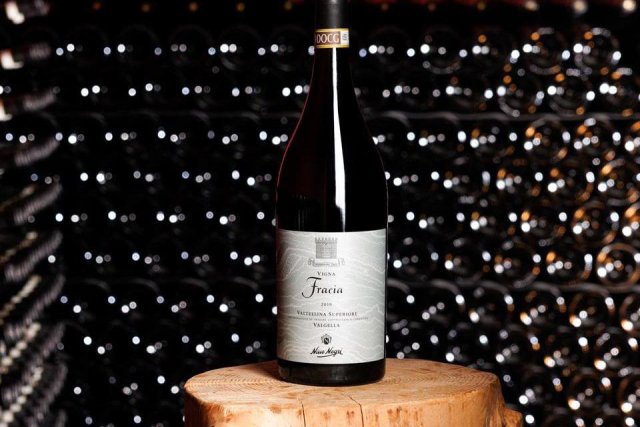
Because the rules allow a grape name on the label only when the wine's colour matches the grape. Nebbiolo is a red grape, so a white pressed from it cannot say Nebbiolo, except on a bottle-fermented sparkling wine. Nino Negri's Alpi Retiche Bianco is one of these whites.
Valtellina Superiore is a DOCG for Nebbiolo reds with set ageing before sale. Alpi Retiche is the loose label for the wider zone around those terraces: any Lombardy grape, no ageing rule for the dry wines, 10.5% alcohol instead of 12%. The two are often made by the same cellars.
Any variety registered for Lombardy, alone or blended. Nebbiolo, called Chiavennasca here, leads. Growers also use Pignola, Rossola, Merlot, Pinot Nero, Chardonnay, Sauvignon and Moscato Giallo. The sparkling wines may use only Chardonnay, Pinot Bianco, Pignola, Rossola and Nebbiolo.
No. The rulebook bans Riserva, Superiore, extra, fine, selected and similar words on this label. Red wines must show their vintage year.
Yes, two kinds. Passito is made from grapes dried in a fruit loft and reaches 16% alcohol in total with at least 45 grams of sugar a litre. Vendemmia Tardiva is picked late and dried on the vine, at 13%. Both are sold from 30 June of the year after the harvest.
Explore more Lombardy
Same region only: the denominations Alpi Retiche drinkers reach for next.


