




 Lombardy
 17 wines
  Tastings
 Tours
Tours
 Walk-ins welcome



Wine area
Franciacorta
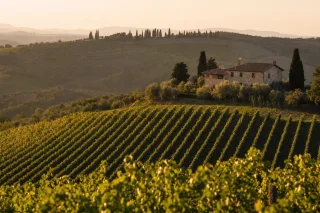
Italy's metodo classico heartland, a moraine amphitheatre south of Lake Iseo where Chardonnay and Pinot Nero make traditional-method sparkling wine.
Your cellar, your trips, and the wines you've been tracking are right where you left them.
New here?
Free, always. Education first, we'll never sell you anything you didn't ask to see.
Already have an account?
Enter the email you signed up with and we'll send a link to choose a new password.
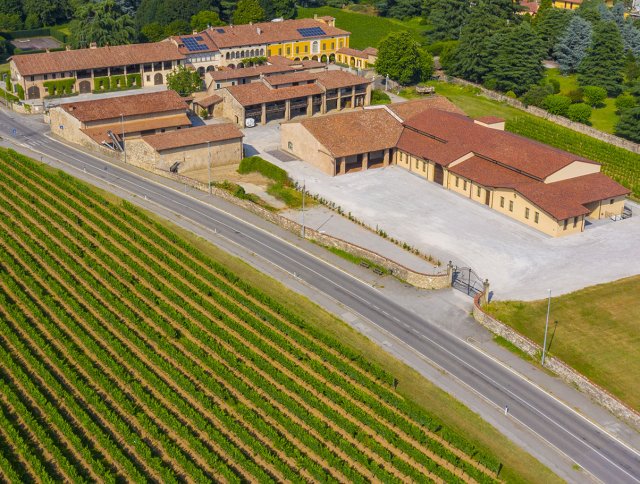
Guido Berlucchi sits in Borgonato, a village in Lombardy's Franciacorta hills. Italian bottle-fermented sparkling wine was born here in 1961. The estate produced Franciacorta's first ever bottle. It is still the largest single producer in the zone. Around the sixteenth-century Palazzo Lana it farms certified organic vines, about 119 football pitches of them. The Ziliani family is now in its second generation in charge. Its range climbs from the everyday Cuvee Imperiale to the long-aged Palazzo Lana Riserva.
Book a visit
The encounter that changed Franciacorta happened in 1955. A young oenologist called Franco Ziliani was shown into the drawing room of Palazzo Lana. His brief was to advise count Guido Berlucchi on a troublesome estate white. Ziliani answered with an idea of his own: try a bottle-fermented sparkling wine in the French style. The count proved a willing listener. With their friend Giorgio Lanciani, the three chased an idea that had no precedent in Italy at the time. In 1961 they sealed three thousand bottles of Pinot di Franciacorta. Uncorked the following year, those bottles became the founding act of an entire denomination.
Sixty years on, Franco Ziliani's three children run the project: Cristina, Arturo and Paolo. They launched the Berlucchi '61, Berlucchi '61 Nature and Palazzo Lana Riserva ranges. They also gave the company a clear, stated sustainability plan. The estate is the largest single producer in Franciacorta. It is the unofficial reference point for the zone's metodo classico canon. The range pairs the accessible Cuvee Imperiale with the upper-tier Palazzo Lana Riserva.
The vineyards are the heart of the operation. Berlucchi works 85 hectares of estate plots, about 210 acres. Long-standing partner growers farm roughly 450 more for the house. The estate vineyards have been certified organic since 2016. The team maps the vines with infrared and checks the life in the soil. It picks fruit selectively. This targeted work has replaced routine treatments. It has published a sustainability report every year since 2019. It has measured its carbon footprint under the ISO 14064 standard for over a decade. It also tries out native grapes such as Erbamat, alongside the zone's pillars, Chardonnay and Pinot Nero.
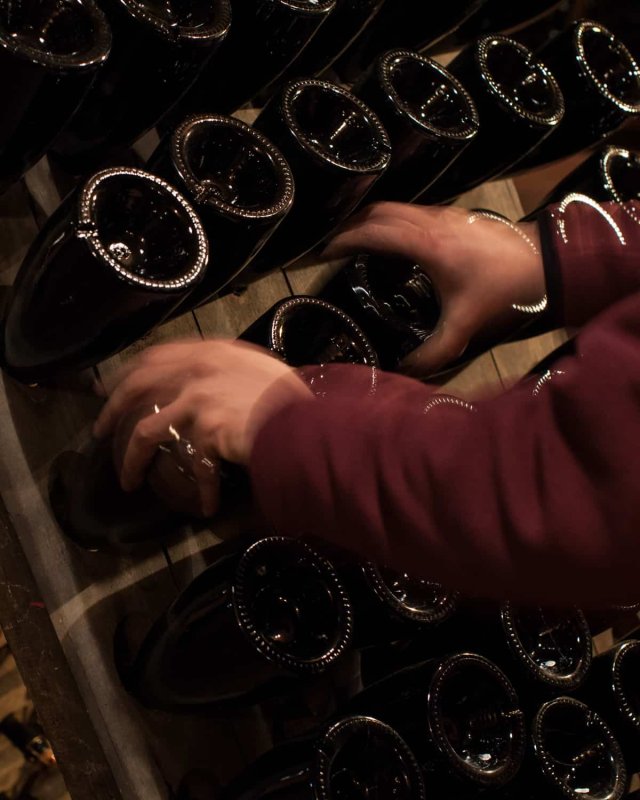
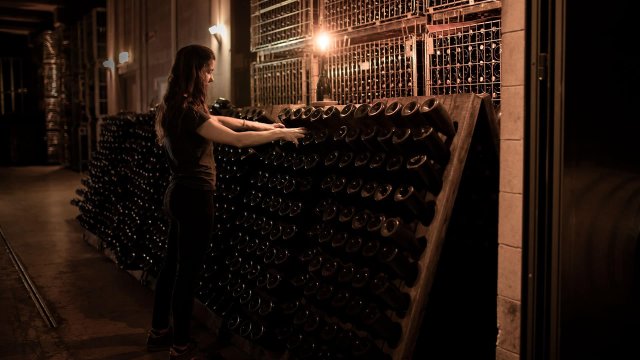
The Palazzo Lana cellars sit ten metres underground, in galleries that date back to 1680. They still age the estate's flagship cuvees. The same historic spaces keep the very first bottle of Franciacorta ever made. They also serve as the setting for guided tastings and occasional private events. Visits run all year by appointment, through the official cellar booking site.
For anyone trying to understand modern Franciacorta, the Berlucchi name is the obvious place to start. Three things set it apart from the boutique houses on the hills around it: its scale, its early moves on certification, and a founding family still in charge. Its own range shows how the zone went from one trial cuvee in 1961 to a strict set of modern production rules, still tightening today.
Plate I · LOMBARDY
Wine area
Italy's metodo classico heartland, a moraine amphitheatre south of Lake Iseo where Chardonnay and Pinot Nero make traditional-method sparkling wine.
Winery
Borgonato, Brescia · Franciacorta
1 tasting, checked by our editors.
Tasting & Tour
Year-round guided tour of the underground galleries that date to 1680, ten metres below ground, where the estate ages its flagship cuvees and still keeps the very first bottle of Franciacorta ever produced. The visit closes with a tasting of the Berlucchi range and can be combined with private-event hire of the historic spaces.
on berlucchi.it
Not seeing the estate you want? Estates without an online listing are reachable directly, and their phone and email are in Plan your visit.
Guido Berlucchi's current bottle selection is led by Franciacorta DOCG. The clearest grape signal comes from Chardonnay and Pinot Nero.
Tell us what you need and we'll help you reach Guido Berlucchi and arrange a visit or tour. We reply within two working days.