


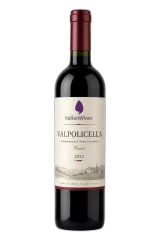
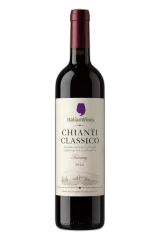
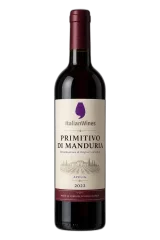
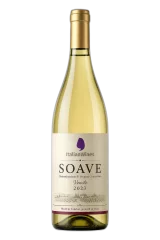













Chardonnay is a white grape with a clear Italian role.
Wines
635
Acidity
Body
White Grape · Puglia
Bombino Bianco is the Adriatic's dependable white: light, mild and appley, so reliably productive that Romagna named it Pagadebit, the debt-payer, and for generations much Trebbiano d'Abruzzo was quietly made from it.
Bombino Bianco is a white grape from Puglia's Adriatic side, above all around Castel del Monte. It also turns up in Emilia-Romagna as Pagadebit and in Lazio as Ottonese. At its best it gives fresh, lightly floral wines. They have crisp acidity, a touch of stone fruit and a salty finish that suits seafood.
Your cellar, your trips, and the wines you've been tracking are right where you left them.
New here?
Free, always. Education first, we'll never sell you anything you didn't ask to see.
Already have an account?
Enter the email you signed up with and we'll send a link to choose a new password.
Also known as
Literally the debt-payer. So hardy and generous a cropper that it yielded even in poor years and paid the grower's bills, and it carries its own Pagadebit di Romagna appellation.
Tear up the promissory note: a second debt-clearing nickname for the same dependable vine, testament to how heavily and reliably it fruited for the farmers who planted it.
One of several Trebbiano-prefixed names Bombino has worn in Abruzzo. Grown under such labels it long filled bottles of Trebbiano d'Abruzzo, though it is officially separate from the region's own Trebbiano and unrelated to Tuscan Trebbiano.
The name the grape answers to around Frosinone in southern Lazio, one more regional alias marking how far this productive white has spread beyond its Adriatic heartland.
The anchor fact: Bombino Bianco is an ancient, highly productive Adriatic white recorded under almost ninety names. In Romagna it is Pagadebit; across Abruzzo it has long gone by Trebbiano-prefixed local names and filled many bottles of Trebbiano d'Abruzzo, yet since 1994 the two have been registered as separate varieties and no DNA study has proven them one grape.
Taste · Where it sits
Forget scores out of five. Here’s Bombino Bianco described against grapes you already know.
A light, low-alcohol white with no oak and little weight, the easy everyday glass of the Adriatic coast. That very lightness and its heavy cropping are why so much of it ends up as bulk wine or as the neutral base for tank-method fizz rather than as a bottle to ponder.
The saving grace of an otherwise gentle grape: a fresh, apple-crisp acidity that keeps a mild wine lively and thirst-quenching, and the reason growers prize a fairly neutral white as a blending partner and a clean base for sparkling.
Made dry, with quiet orchard and soft stone fruit, green apple, pear and white peach, and a whisper of apricot in the warmer Puglia bottlings, over apple-blossom and a faint almond finish. Gentle and appley rather than sweet or showy.
Key flavours



The map
Bombino Bianco is light to medium, crisp, fresh acidity, mapped against other white grapes you can buy. The closer a grape sits, the more its weight and freshness resemble Bombino Bianco.
Is this for you?
Reach for it when…
Maybe skip it if…
Serving guide
Serve at
8-10°C
Serve it fridge-cold, 8 to 10C: a light, delicate white whose fresh apple-and-citrus lift and faint florals need the chill to stay crisp rather than flat.
Glass
Standard White Wine Glass
A standard white glass is all it asks: this is an unfussy everyday wine, not a textured white that needs a big bowl to open up.
Drink within
1-2 days
Once open it holds a day or two in the fridge, the fresh acidity keeping it going, but it is at its best poured young and finished quickly.
Cellar
+3 years
Not a keeper: drink it within two to three years of the vintage while the apple, citrus and florals are fresh, as age only tires a wine built on freshness.
On the table
Start with the home-table matches that made the grape, then browse the full cuisine library.

Taranto's baked mussels
Puglia's own mussels, capped with garlicky, oregano-scented breadcrumbs and baked in the shell, meet a Puglian white on home ground: the wine's fresh apple-and-citrus acidity cuts the richness of the crumb while its light body leaves the brine of the mussels intact.

Southern salt cod
Salt cod stewed the southern way is salty and savoury against flaky white fish, exactly the plate a light, high-acid Bombino was made for: the citrus lift slices through the salt and oil while the mild, unoaked body stays out of the cod's way.
Browse every pairing
Buy it · three to start with
A curated trio across the price range, then every Bombino Bianco on sale in the UK right now.
9 bottles
 2 retailers
Trebbiano d'Abruzzo
2 retailers
£12.30
 1 retailer
Castel del Monte
1 retailer
£11.80
 1 retailer
Lazio
1 retailer
£17.40
£20.00
 1 retailer
Vino da Tavola
1 retailer
£17.50
 1 retailer
Appellation TBD
1 retailer
£25.20
 1 retailer
Appellation TBD
1 retailer
£25.20
 1 retailer
Daunia
1 retailer
£29.40
 1 retailer
Appellation TBD
1 retailer
£38.40
 1 retailer
Trebbiano d'Abruzzo
1 retailer
£295.00
Denominations
The appellations where Bombino Bianco plays a starring role.
Where it grows

From Manduria's Primitivo bottlings to Salento's Negroamaro estates and Castel del Monte's Nero di Troia DOCG hills, Puglia offers Italy's deepest catalogue Read more

Italy's pasta plains pour fizzy Lambrusco from Modena and Reggio, ageworthy Sangiovese di Romagna, Albana DOCG whites, and Bologna's gentle Pignoletto. Read more

Italy's quietest wine region: Tintilia rediscovered on Apennine slopes, Montepulciano ripened by Adriatic light, and Biferno reds anchored above the Termoli Read more
The terroir
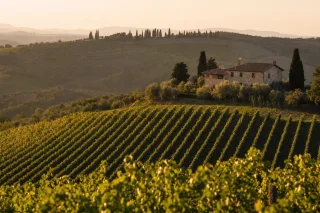
Bombino Bianco is a grape of Italy's Adriatic flank, planted down the eastern coast from Romagna to the heel of Puglia. It has never been a wine of prestige sites; it is a productive, hardy vine grown for dependable volume, and where it puts down roots decides which of its many names it answers to and which local blend it fills.
Puglia
The sun-baked plains and low hills of the heel, above all the Foggia, Bari and Lecce provinces.
Its heartland and the bulk of Italy's plantings: a high-yielding everyday white here, named on the Castel del Monte and San Severo DOCs and poured young, fresh and cold as the coast's house wine.
Romagna
The hills and plains of eastern Emilia-Romagna, inland from the Adriatic.
Where the grape becomes Pagadebit, the debt-payer, and earns its own Romagna appellation: a light, brisk, faintly floral white that once reliably cropped the money to settle a farmer's accounts.
Molise and the Abruzzo coast
The Adriatic middle, from Molise's Biferno hills up into neighbouring Abruzzo.
The confused stretch: grown here under Trebbiano-prefixed local names, Bombino has long slipped into the wine sold as Trebbiano d'Abruzzo, so much of that bottle has really been this productive Adriatic grape.
Editorial
Bombino Bianco is one of those Italian grapes whose reputation depends heavily on yield. The Italian Vitis Database lists it as an officially registered variety. Its synonyms there are Bombino, Ottenese and Bonvino. That is a useful reminder that one grape can travel under several local names. In Lazio it overlaps with Ottonese. In Emilia-Romagna it is better known as Pagadebit. Its deepest cultural foothold, though, is in Puglia, above all the limestone belt of the Alta Murgia and Castel del Monte.
So dependably did it crop, even in lean years, that farmers named it for the bills it settled: Pagadebit, the debt-payer, in Romagna, and Straccia Cambiale, tear up the promissory note, in the south. Few grapes wear their usefulness quite so plainly on the label.
Pagadebit, Romagna's name for Bombino BiancoIt is a late-ripening, productive white grape. That explains both its popularity in the past and its uneven fame. Pushed hard, it can turn neutral and workmanlike. Cropped carefully, it keeps a lively line of acidity and a clean salty edge. That style suits the Adriatic side of southern Italy. Falstaff notes the variety's high yields and late ripening. Current Castel del Monte examples from producers such as Rivera and Giancarlo Ceci show how well it takes to fresh, stainless-steel winemaking.
The best bottles do not chase weight. They lean towards broom, peach flower, apricot, yellow apple and a touch of almond. The finish is dry, and it stays taut rather than broad. Castel del Monte DOC also makes clear that Bombino Bianco belongs to its white tradition. Bombino Nero is handled separately, on the rosato side. That distinction matters. Bombino Bianco is not simply the pale version of Bombino Nero. It is its own grape, with its own regional story. Today its most convincing wines are still whites and spumante styles. They put freshness, a savoury edge and early drinking ahead of oak or extraction.
Good to know
No. They are two separate grapes. Castel del Monte treats them as different styles and denominations.
It is usually dry and high in acidity, with a light to medium body. Look for apple, apricot, peach flower and almond.
Puglia is its main home, above all around Castel del Monte and the Alta Murgia. It also crops up as Pagadebit in Emilia-Romagna and as Ottonese in Lazio.
Yes. Its acidity and late ripening suit both still whites and sparkling styles.
Those are long-standing local names. VitisDB lists Bombino as an official synonym. The name Pagadebit points to the grape's reputation for steady yields in Emilia-Romagna.
The safest matches are shellfish, grilled white fish, raw seafood, aperitivo plates and simple vegetable dishes.
Explore by style
Jump to the editorial guide for each style this grape turns up in.
Keep exploring