











 Sicily
 Est. 2002
  14 wines
  Tastings
 Tours
Tours
 Booking required



Wine area
Etna
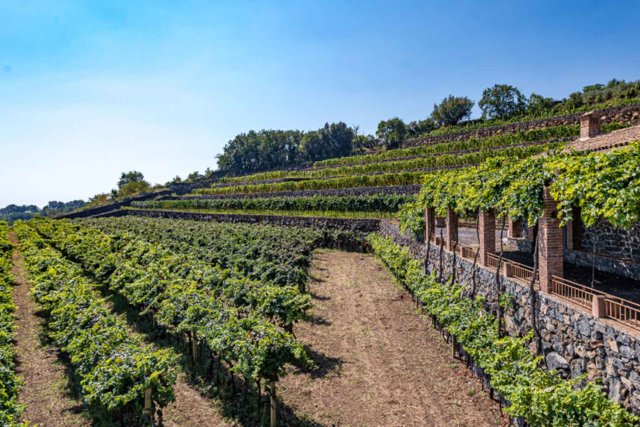
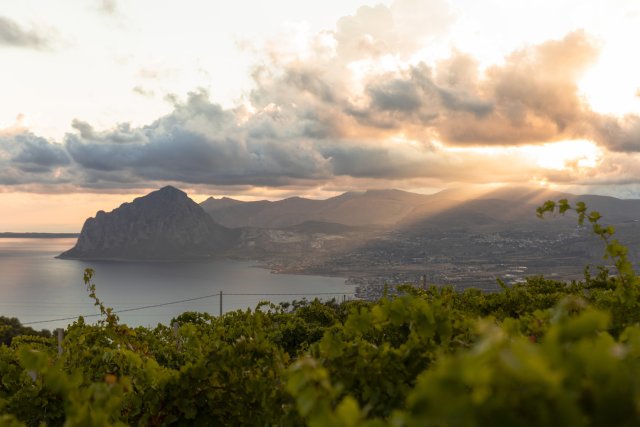
Black volcanic terraces on Europe's highest active volcano, the home of Nerello Mascalese and Carricante.
Your cellar, your trips, and the wines you've been tracking are right where you left them.
New here?
Free, always. Education first, we'll never sell you anything you didn't ask to see.
Already have an account?
Enter the email you signed up with and we'll send a link to choose a new password.
Tenuta delle Terre Nere sits on the northern slope of Mount Etna, outside Randazzo. Marc de Grazia has been assembling old, high-altitude Nerello Mascalese vineyards here since 2002, across nine named districts. The estate now runs to 111 acres, between 600 and 1,000 metres above sea level. Calderara Sottana, Guardiola, Feudo di Mezzo, Santo Spirito and Moganazzi each get their own bottling under the Etna DOC. The vines have been farmed organically since the first vintage.
Book a visit
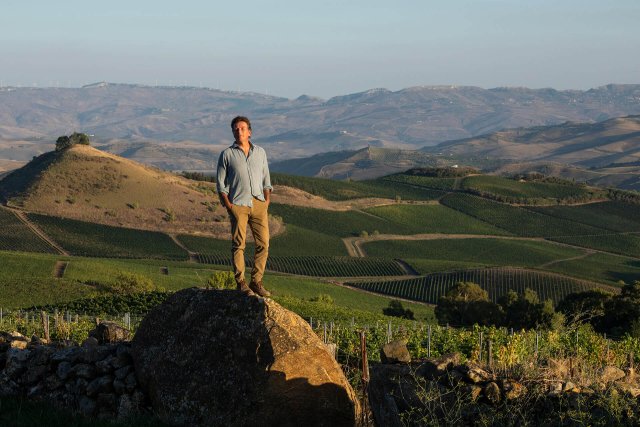
The estate took shape in 2002. Marc de Grazia was then better known as a négociant in Tuscany and Piedmont. He started buying parcels of old Nerello Mascalese on Etna's northern flank. He coined the now-familiar phrase 'Burgundy of the Mediterranean' for the volcano. Then he put it into bottle, by making the wine of each contrada separately. The practice was almost unheard of at the time, and it has defined the Etna conversation ever since.
Those 111 acres are now split across thirty plots in nine districts, between 600 and 1,000 metres above sea level. Most of the vines are 50 to 100 years old. About 17 acres have been replanted. Just under two and a half acres in Calderara Sottana escaped phylloxera. That parcel is named La Vigna di Don Peppino, after the farmer who tended it for almost seventy years. Its vines stand above 140 years of age, still ungrafted, in pure black volcanic soil.
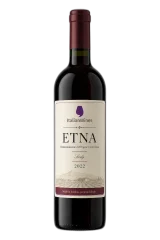
The bottling map reads like a Burgundian climat list. The Classico tier sits under the Etna DOC. It holds an Etna Bianco from Carricante and Catarratto, an Etna Rosato, and an Etna Rosso from Nerello Mascalese with a small share of Nerello Cappuccio. Above it sit the Premier Cru wines, from Feudo di Mezzo, Moganazzi, Santo Spirito and Guardiola. Skurnik flags Guardiola as the highest red-grape vineyards in Europe. The Grand Cru is Calderara Sottana. It includes a Pre-Phylloxera bottling from the Don Peppino parcel, which has set the modern reference for Etna red.
Farming has been organic from the first vintage. Cellar work is deliberately restrained. Fermentations run on native yeasts. Ageing happens in large used French oak, rather than in new small barrels. That way the differences between the districts stay legible in the glass.
The estate is set up to receive visitors by appointment, all year round. Tasting flights move through the Classico and the single-district wines, in the cellar at Calderara. Longer professional sessions can be arranged with the export team. Bookings go through [email protected].
Plate I · SICILY
Wine area
Black volcanic terraces on Europe's highest active volcano, the home of Nerello Mascalese and Carricante.

Winery
Randazzo, Catania · Etna
1 tasting and 1 other experience, checked by our editors.
Tasting & Tour
Cellar tour and seated tasting at Contrada Calderara on the northern flank of Etna. Visits cover the Etna DOC Classico range and a selection of single-contrada Premier and Grand Cru wines depending on availability. Booked by email; the format and length are arranged with the visits team.
on tenutaterrenere.com
 Experience
Extended cellar visit and tasting designed for trade buyers, sommeliers and press. Arranged in advance with the export team and tailored to the visitor's interest in the Premier and Grand Cru bottlings. Booked by email.
on tenutaterrenere.com
Not seeing the estate you want? Estates without an online listing are reachable directly, and their phone and email are in Plan your visit.
Tenuta delle Terre Nere's current bottle selection is led by Etna DOC. The clearest grape signal comes from Nerello Mascalese and Nerello Cappuccio.
Tell us what you need and we'll help you reach Tenuta delle Terre Nere and arrange a visit or tour. We reply within two working days.