





Prosecco Gift Guide: the Best Prosecco to Give
TL;DR
- A Prosecco gift is only as good as the label you choose, and the tiers, DOC, DOCG, Rive, Cartizze, are the honest map of how good.
- Spend the extra few pounds on Conegliano Valdobbiadene DOCG: hillside fruit, stricter yields and a named place, for less than the price of a supermarket bouquet.
- Brut is the gift default because Extra Dry is, confusingly, sweeter; save Dry for pairing with dessert and say which you chose at the hand-over.

The gift is the label, not the glitter
Type prosecco gifts into a shop and you will meet hampers, engraved flutes and bottles dressed in more ribbon than wine. The wine inside is usually the cheapest part of the parcel, which is exactly backwards. Prosecco is Glera grown across a big slice of north-east Italy, and the distance between its bottom shelf and its top is enormous; a gift that spends on the wine rather than the wrapping lands better with anyone who actually drinks it.
The good news is that trading up is cheap. The whole ladder from everyday DOC to the finest hillside bottling spans roughly eight to thirty-five pounds, so the difference between a forgettable gift and a genuinely fine one is the cost of a sandwich. The rest of this guide is that ladder, rung by rung, with the wrapping and budget thinking handled elsewhere.
Know what you are giving, too. Good Glera tastes of pear, white peach and acacia blossom, kept fresh by the tank method that traps the first fermentation's fruit rather than burying it under years of yeast. That brightness is the whole point of Prosecco, and it is why the best gift bottle is a recent one from a named place, not a dusty one from a famous house.
The ladder: DOC, DOCG, Rive and Cartizze
Flat-land Prosecco DOC from the Veneto plains is party wine, honest and simple, and there is no shame in it arriving by the case. The gift tier starts at Conegliano Valdobbiadene Prosecco Superiore DOCG, the original fifteen hillside communes where yields are capped and the wine gains the orchard-fruit depth the flatlands cannot reach.
Above that the consorzio recognises two named summits. Rive bottlings come from a single commune's steep slopes, forty-three of them, hand-harvested by rule, with the vintage always on the label: a named hillside in a bottle, which is gift language in itself. Cartizze is the crown, one hundred and seven hectares of vineyard between three villages, farmed under the region's strictest yields; giving Cartizze says you knew exactly what the top looks like.
The arithmetic for the giver: DOCG over DOC costs three or four pounds more, a Rive sits in the high teens and low twenties, and even Cartizze rarely passes thirty-five. In no other corner of Italian wine does so little money climb so far up the quality slope.
| Tier | What the label means | Typical spend |
|---|---|---|
| Prosecco DOC | The plains; everyday party wine | 8 to 12 pounds |
| Conegliano Valdobbiadene DOCG | The original 15 hillside communes | 13 to 18 pounds |
| Rive | One commune's steep slopes, hand-picked, vintage on label | 16 to 25 pounds |
| Cartizze | The 107-hectare summit of the DOCG | 25 to 35 pounds |
| Sui Lieviti | Bottle-fermented on its yeasts, gently cloudy | 15 to 22 pounds |
There is a fourth rung for the friend who loves the unusual: Sui Lieviti, bottle-fermented the old way and left on its yeasts, unfiltered, gently cloudy, all crusty bread and orchard skin. It is the growers' own Prosecco, made in small lots, and giving one to a natural-wine drinker earns more credit than any Champagne would.
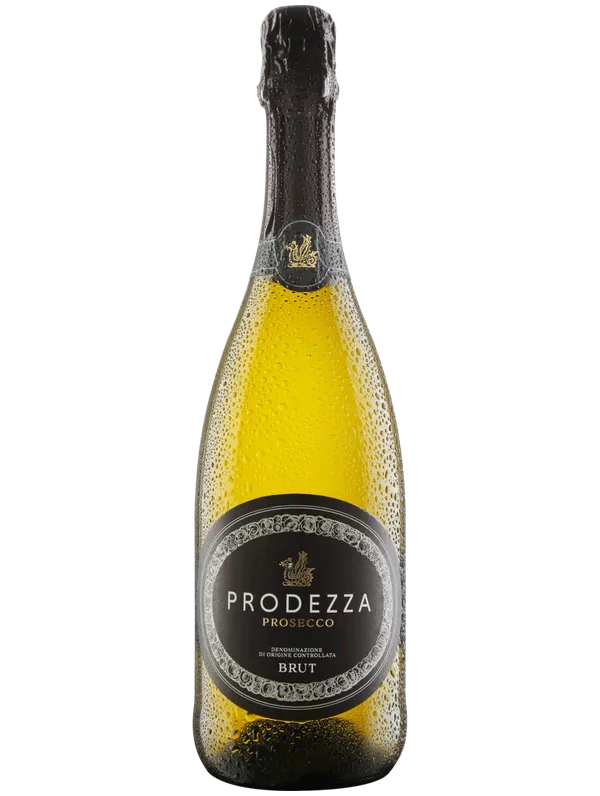
Prodezza Prosecco Brut
Umberto Menini's Veneto Prosecco DOC, made from 100% Glera in the drier Brut style. Fresh pear, crisp apple and lemon zest ride fine, tank-method bubbles at a gentle 11%. A drink-young sparkler for aperitivo, fritto misto and Venetian cicchetti.
View Wine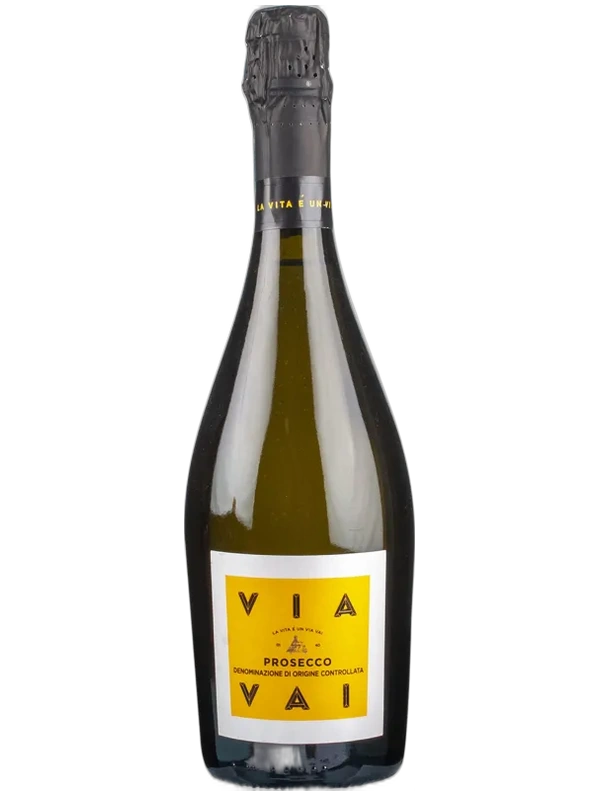
Via Vai Prosecco NV
A dry, everyday Glera Prosecco DOC from the Veneto, tank-made at a soft 10.5% ABV. Apple, pear and lemon carry a brisk, lightly fizzy palate, and drinkers like it well. Pour the 20cl piccolo as a spritz base or simple aperitivo.
View Wine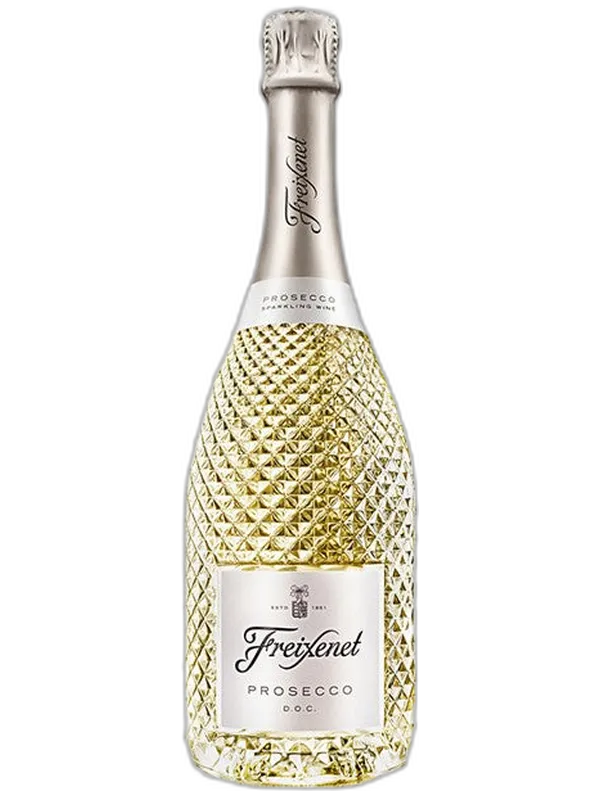
Freixenet Prosecco N.V.
Freixenet's frosted cut-glass Prosecco DOC: Extra Dry, 100% Glera from Veneto at 11% and 17 g/l. Ripe lemon, green apple and grapefruit over a fine Charmat mousse. Among Vivino's most-rated Proseccos, around 11 pounds, built for the aperitivo hour.
View Wine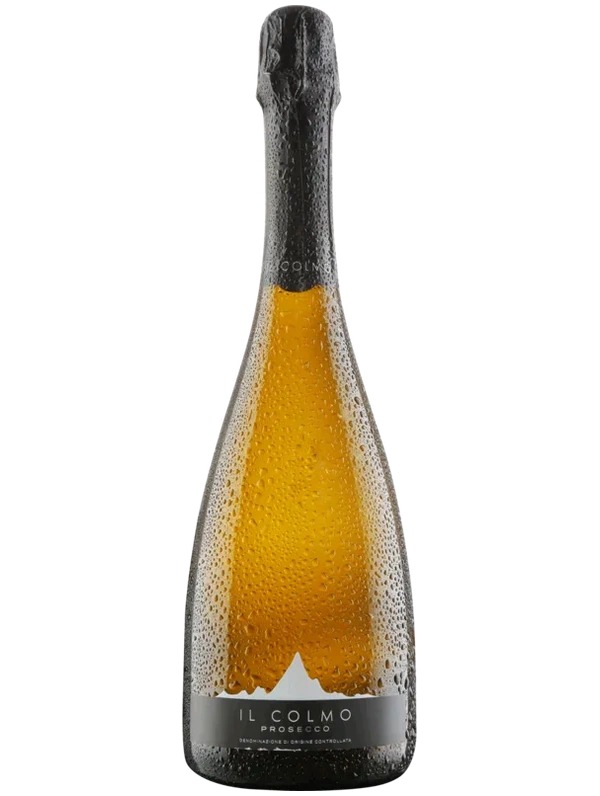
Il Colmo Prosecco Brut
A Virgin Wines exclusive Prosecco DOC from consultant winemaker Umberto Menini. Glera at 11.5%, led by pear and citrus fruit on a crisp, lively palate. Brut means under 12 grams of sugar a litre: a £14.99 aperitif built to drink young.
View Wine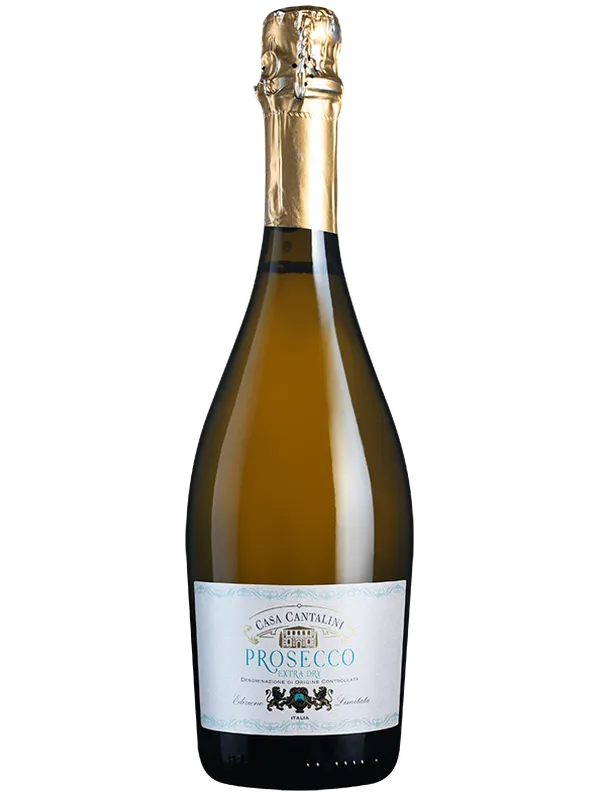
Casa Cantalini Prosecco Spumante
A soft, gently dry Prosecco DOC from Glera grown in the Euganean Hills south of Padua. Fresh apple, pear and citrus with a flinty edge, light at 10.5%. It is Laithwaites' own label: £12.99 a bottle, made for aperitivo hour.
View Wine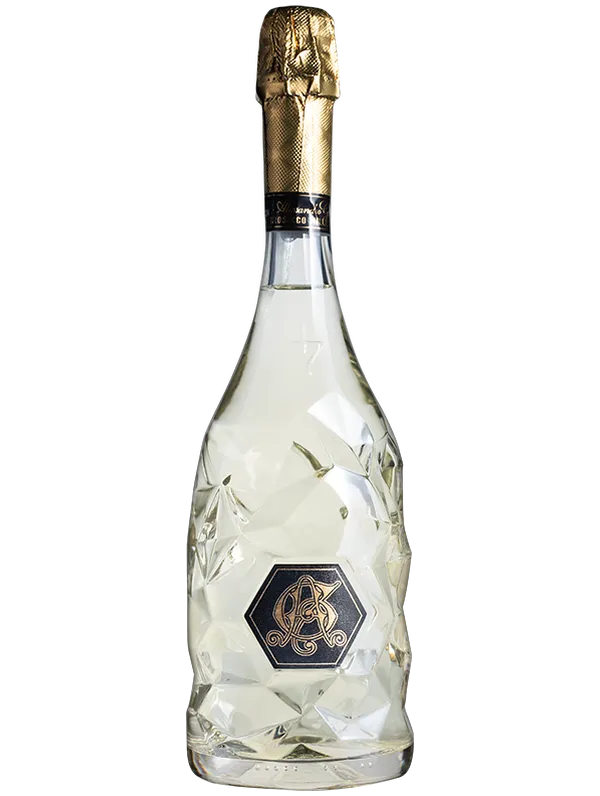
Alessandro Gallici Prosecco Anniversario 2024
The top of Alessandro Gallici's range at Laithwaites, first made for the merchant's 50th birthday. Single-vintage Glera from 47 Anno Domini's organic vineyard at Roncade: lemon, peach and a creamy mousse at 11%. £16, or £14 in a mixed dozen.
View Wine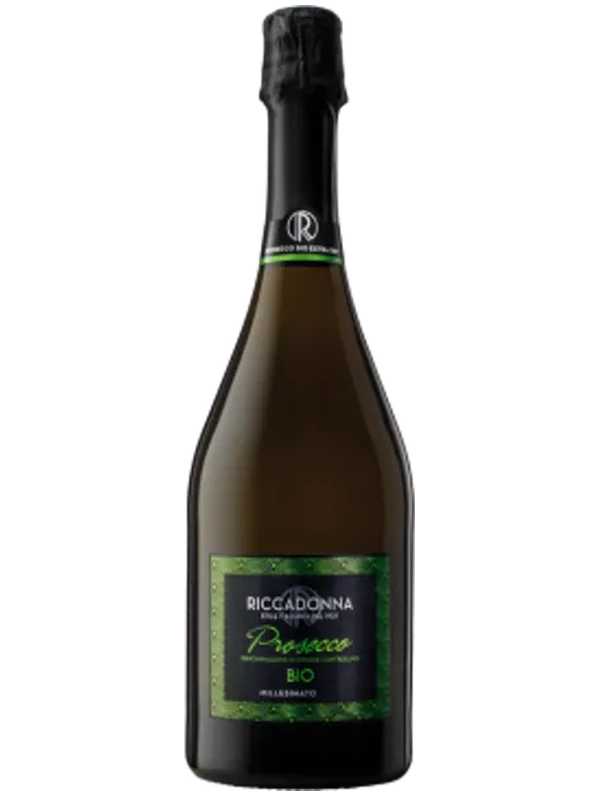
Prosecco DOC Millesimato Biologico - Riccadonna 2025
Riccadonna's organic Prosecco DOC from a single 2024 harvest: at least 85% Glera, 11%, Extra Dry with green apple, pear and a hint of ginger. A Campari-group brand founded in Canelli in 1921. £14.96 at Vinatis.
View Wine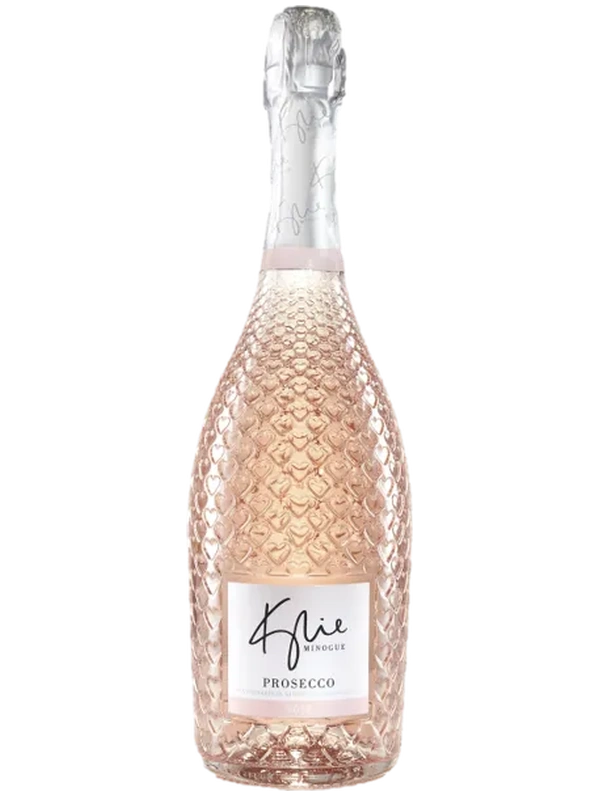
Kylie Minogue Prosecco Rose
A Veneto Prosecco DOC Rose of 85% Glera and 15% red-vinified Pinot Nero. Soft, gently off-dry bubbles bring strawberry, raspberry and red cherry with a rose-petal lift and crisp citrus finish. Decanter scored it 90: drink young and well chilled.
View Wine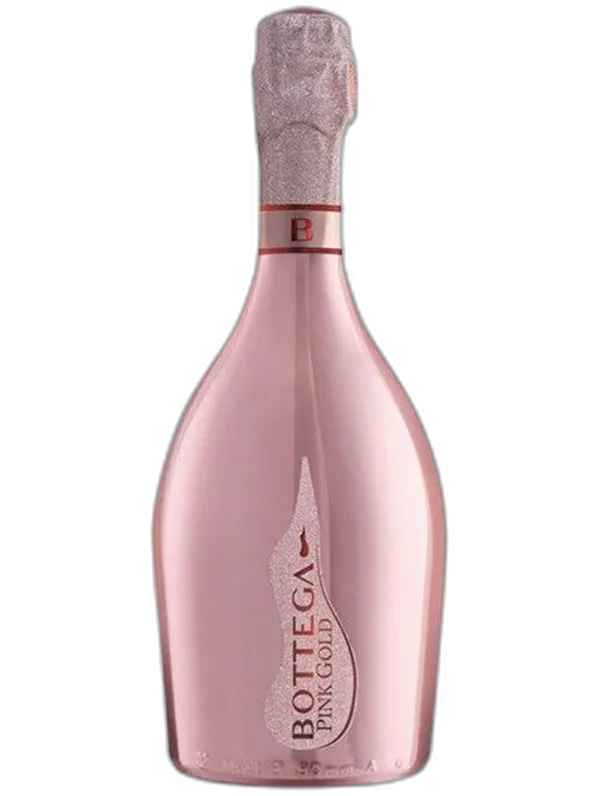
Bottega Pink Gold Prosecco Rosé N.V.
Bottega's Prosecco DOC Rosé in the metallised pink bottle: Glera with red-vinified Pinot Nero, Brut at 11.5%, led by jasmine, rosebud, pear and strawberry. A celebration sparkler at £21 to £28 in the UK, made to drink young.
View Wine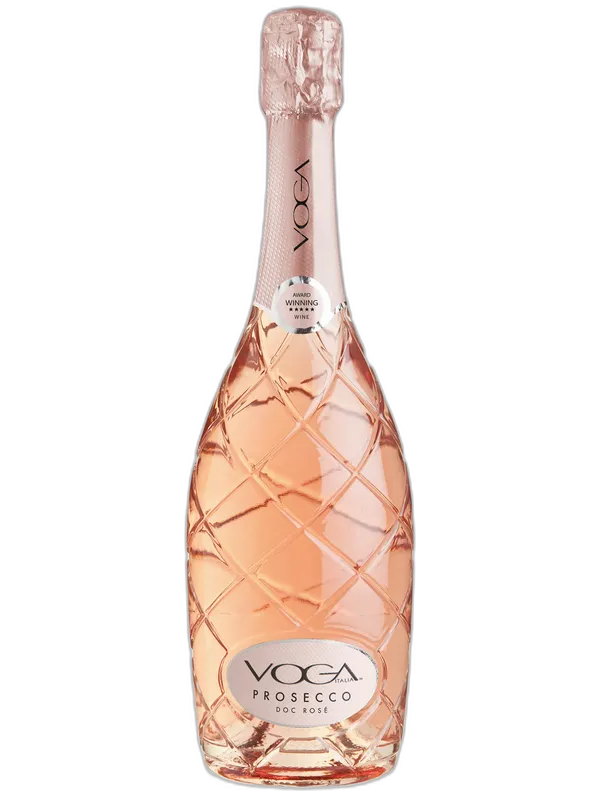
Prosecco Rosé Extra Dry Millesimato DOC Voga Italia 2025
Voga Italia's pink Prosecco DOC is Glera with a tenth of Pinot Nero made as a red wine. That gives the pale colour and the cherry and strawberry scent. Extra Dry, so a touch of sweetness, light and crisp at 11%. Made by Enoitalia near Lake Garda.
View WineSweetness honesty: Brut, Extra Dry and Dry
Prosecco labels are honest about everything except the words for sweetness, which run backwards. Brut is the driest of the common styles; Extra Dry, despite its name, is noticeably sweeter; Dry is sweeter still. The trap catches gift-buyers constantly, because Extra Dry sounds like the safest choice and is actually the sugariest of the three.
For a gift, Brut is the default: it suits aperitivo hour, it flatters food, and it is what the recipient's favourite bar most likely pours. Extra Dry earns its place beside brioche and gentler starters, and Dry belongs with dessert or a wedge of pastry at four in the afternoon. Whichever you choose, say it at the hand-over so the bottle gets opened at its own best moment; our guide to presenting a wine gift covers the words and the chill.
The drier fringe is where the fashion is heading: Extra Brut and Brut Nature bottlings, with little or no added sugar, show the hillside fruit at its most transparent. They are the right call for the friend who orders everything bone dry, and the wrong one for a crowd-pleasing party case, which is exactly the kind of decision that makes a gift feel chosen.
Rose, magnums and minis: formats that gift well
Prosecco Rose became official in 2020: Glera with a measured dose of Pinot Nero, always vintage-dated, always Brut-leaning styles. It is a genuinely pretty gift for a summer birthday and it photographs like a celebration, which is not nothing when the giving is the point. Look for the vintage on the label, which the rules require, and treat it as proof of freshness rather than a claim to age.
Magnums are the party statement, one big bottle that makes the table gasp, though Italian galateo raises an eyebrow at oversized fizz and prefers a single elegant bottle; British parties forgive the theatre. Miniatures run the other way: they are favours, not presents. A tray of minis serves a hen weekend beautifully, but nobody unwraps a twenty-centilitre bottle and feels thought about. If the budget is mini-sized, one honest DOCG bottle beats six tiny ones.
As for the boxed gift set with two engraved flutes: skip it unless you know the recipient owns none, because the glasses in those sets are rarely ones a wine lover would choose, and our glassware guide explains what they would. The more Italian move is the pair, two bottles that talk to each other, a Brut and a Rose, or a DOCG beside the Cartizze it aspires to.
When to trade past Prosecco altogether
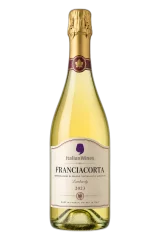
Some recipients have drunk enough Prosecco for one lifetime, and Italy has the next rung ready. Metodo classico, the bottle-fermented method of the French benchmark, reaches its Italian peaks in Franciacorta from Lombardy and Trentodoc from the Trentino mountains: creamier, deeper, built for the table rather than the terrace.
The rule of thumb: give Prosecco for brightness and occasions, metodo classico for seriousness and dinners. Our Prosecco versus Champagne guide walks the whole comparison, method by method and pound by pound, and the sparkling styles page holds the full Italian family in one place.
Spotting the serious stuff on a shelf takes ten seconds: look for metodo classico or rifermentazione in bottiglia on the label, a months-on-lees figure, and the denomination names Franciacorta, Trento or Alta Langa. Any of those words on a gift bottle tells the recipient you crossed from fizz into wine.
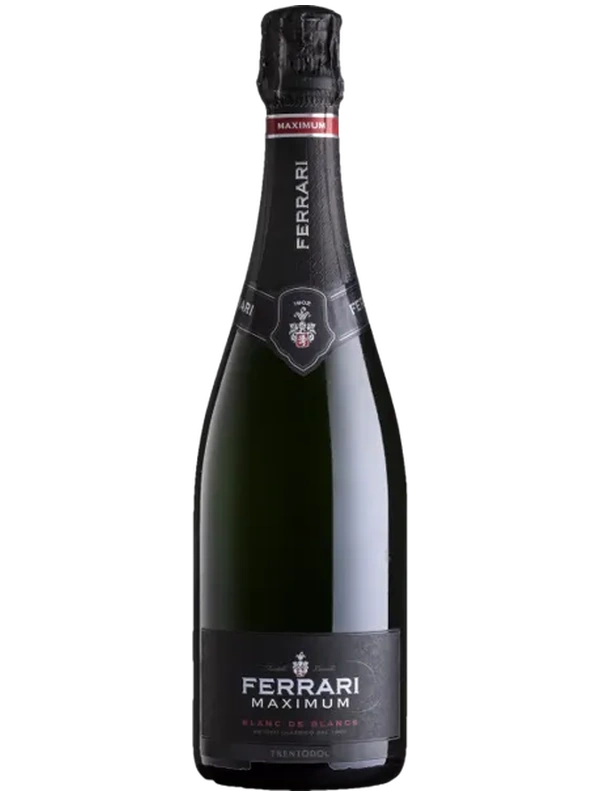
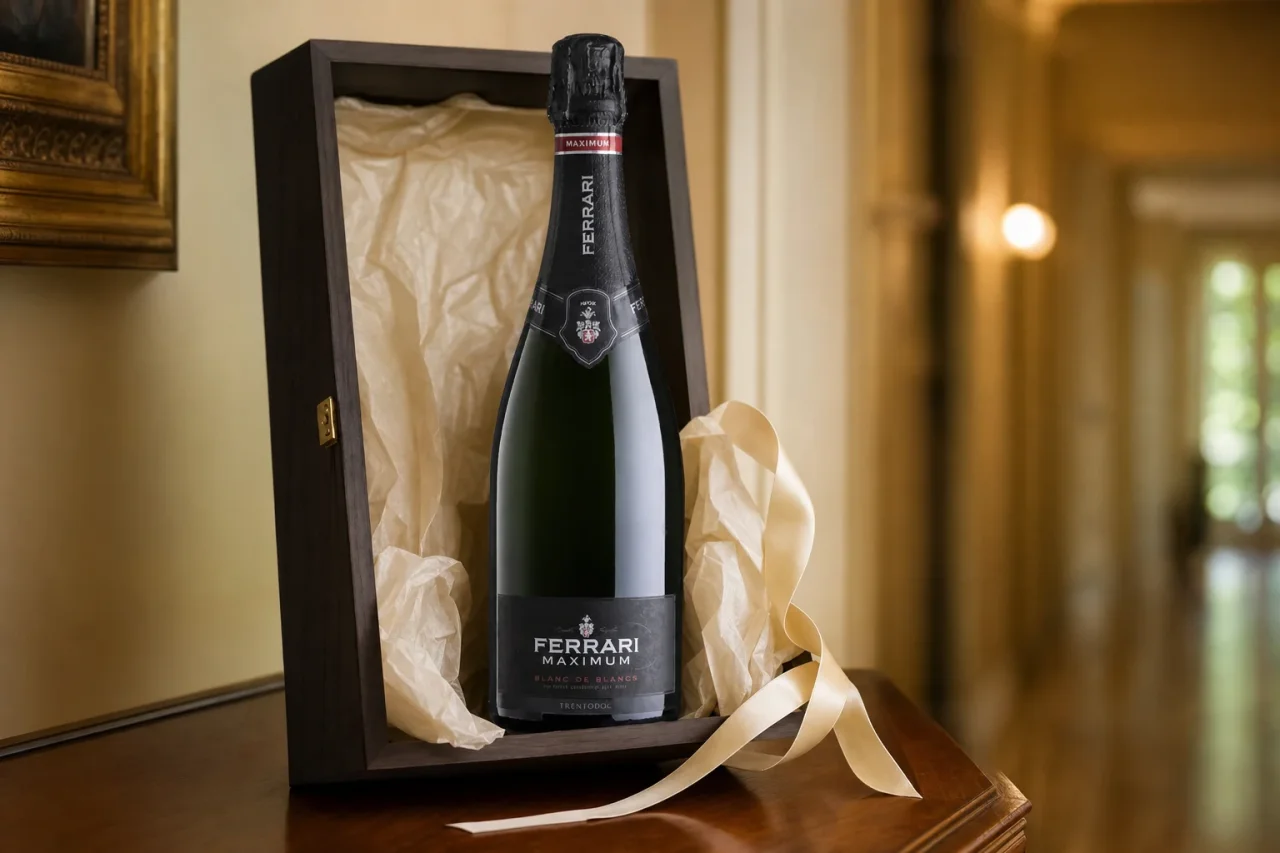
Ferrari Maximum Blanc de Blancs
Ferrari's non-vintage Maximum Blanc de Blancs is a Trentodoc from pure Trentino mountain Chardonnay, aged at least 24 months on its yeast. Green apple, citrus and brioche over a fine, persistent perlage at 12.5%, near 22 pounds the bottle.
View Wine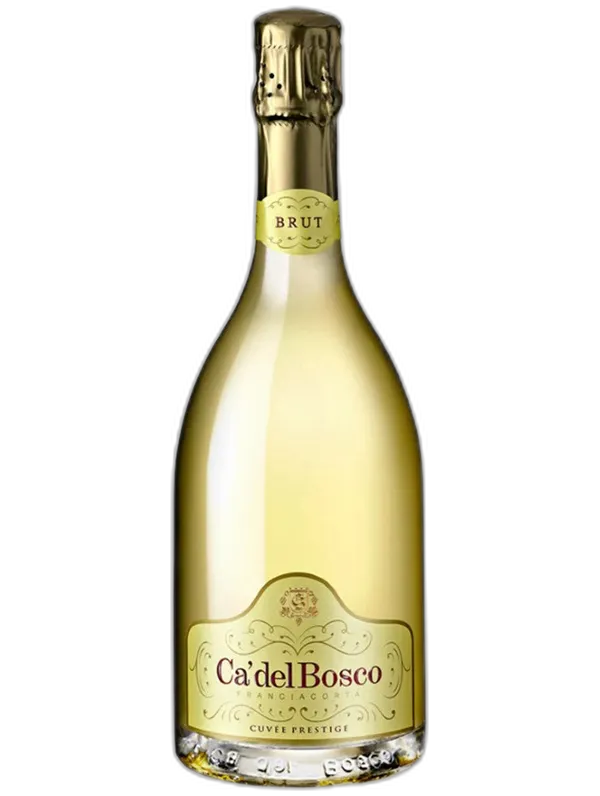
Ca' del Bosco Franciacorta Cuvée Prestige N.V.
Ca' del Bosco's flagship non-vintage Franciacorta: 80.5% Chardonnay with Pinot Nero, 25 months resting on its yeast, Extra Brut at 1.5 grams of sugar. Apple, pear and brioche; 4.1 from 28,000 Vivino drinkers. From £36 in the UK.
View Wine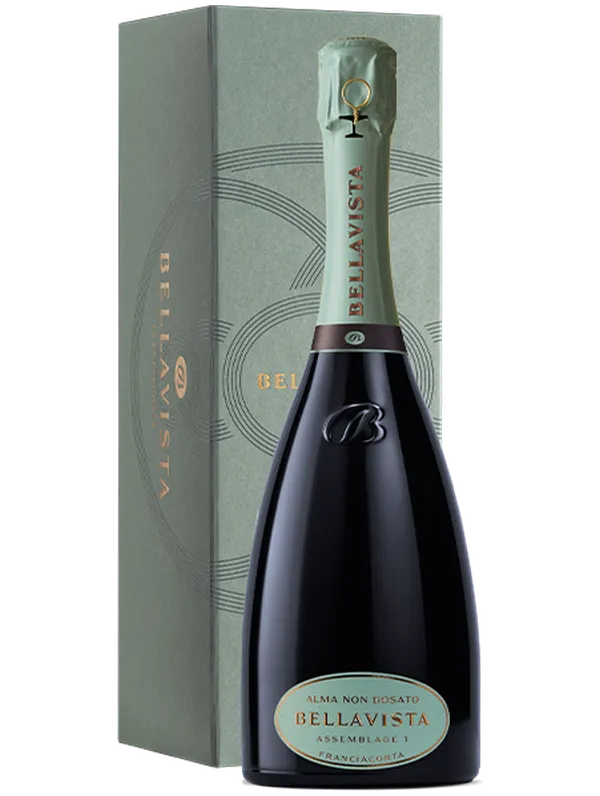
Azienda Agricola Bellavista Alma Non Dosato
Bellavista's bone-dry, zero added sugar Franciacorta from Erbusco: around 90% Chardonnay and 10% Pinot Nero, aged 30 months on its spent yeast. Citrus, white peach, brioche and a fine, stony mousse. A prestige aperitif and seafood sparkling.
View Wine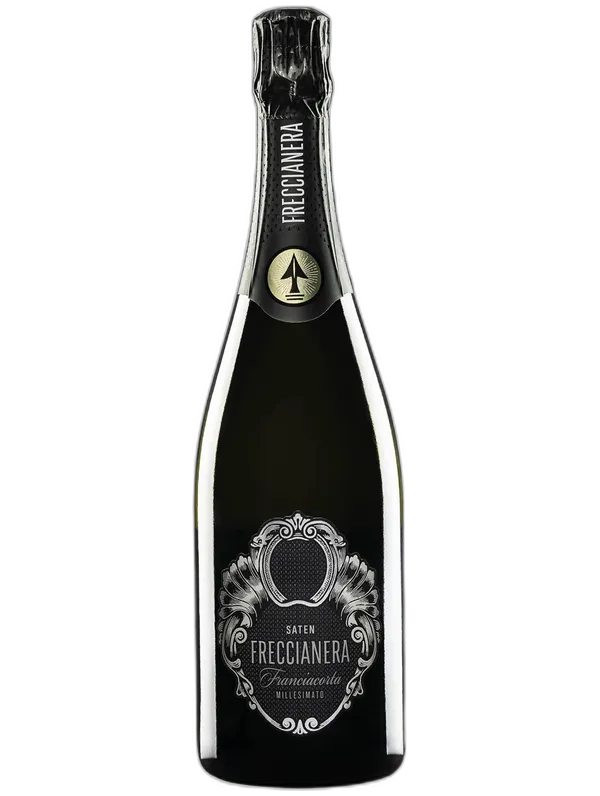
Franciacorta DOCG Brut Satèn Millesimato Freccianera Fratelli Berlucchi 2021
A vintage Franciacorta from Chardonnay grown on the Berlucchi family's own land at Borgonato. Satèn means a softer, gentler bubble. Three years on its yeasts bring apple, lemon and warm brioche. Built for the table, not just the aperitif.
View Wine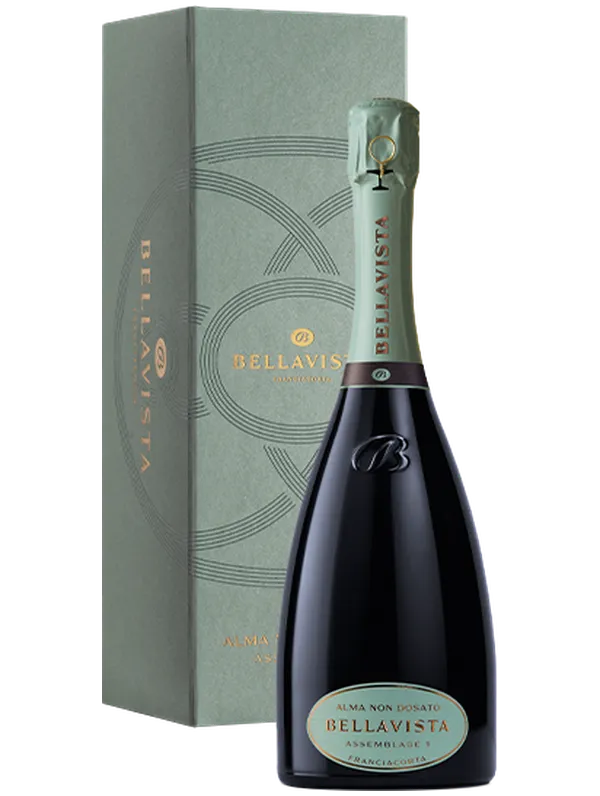
"Alma Assemblage 3" Franciacorta Non Dosato DOCG
View Wine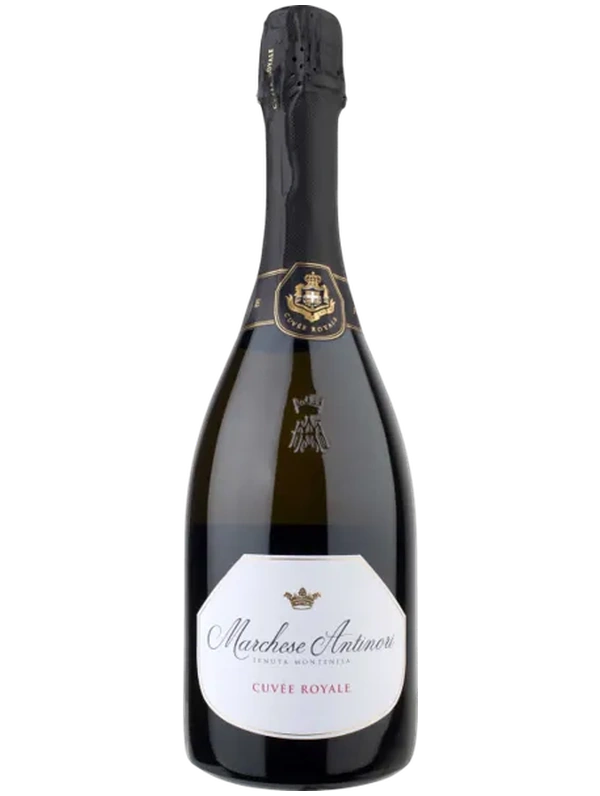
Marchese Antinori Franciacorta Cuvee Royale
View Wine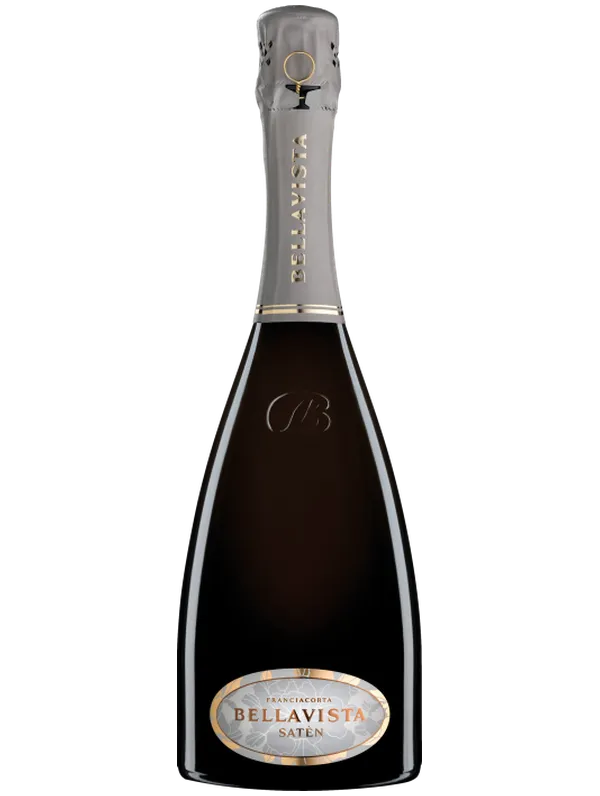
Bellavista Franciacorta Saten 2021
Bellavista's softest sparkler: all Chardonnay from Erbusco, four years on its yeast, bottled at lower pressure so the bubble is creamy rather than sharp. Citrus, pink flowers and toasted nuts. From £39.92.
View Wine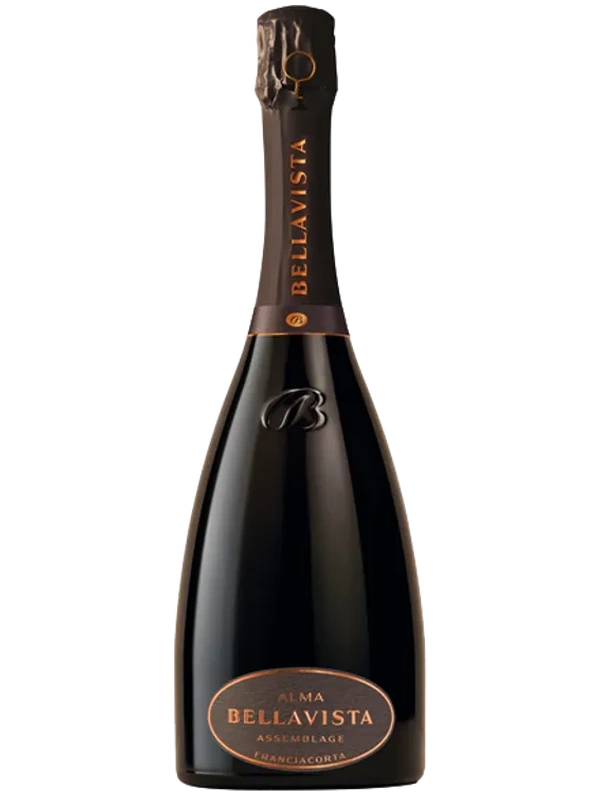
Bellavista, Alma Assemblage 2, Lombardy Franciacorta Extra Brut NV
View Wine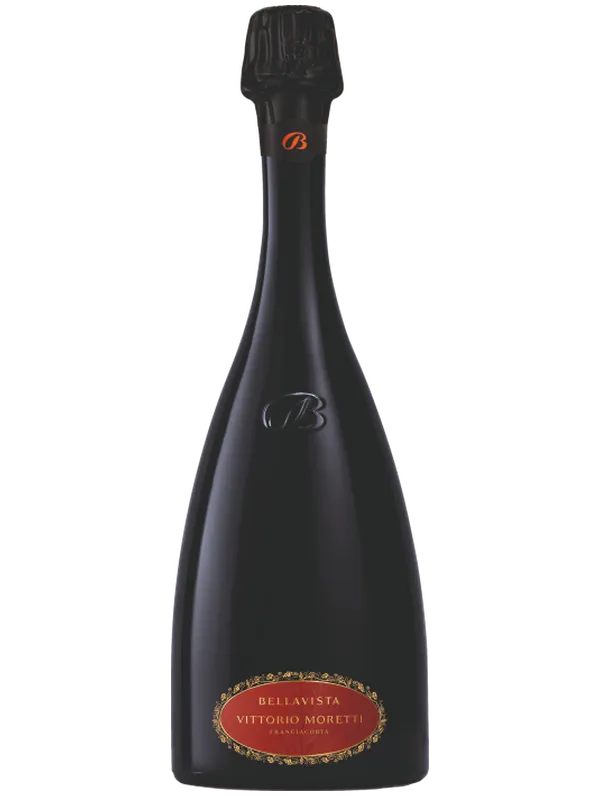
Azienda Agricola Bellavista Vittorio Moretti Riserva 2018
Bellavista's flagship Franciacorta, made only in the finest vintages. A Chardonnay-led Riserva from Erbusco, barrel-fermented and aged seven years on the lees: fine mousse, orchard fruit, hazelnut and brioche over an Extra Brut, mineral finish.
View Wine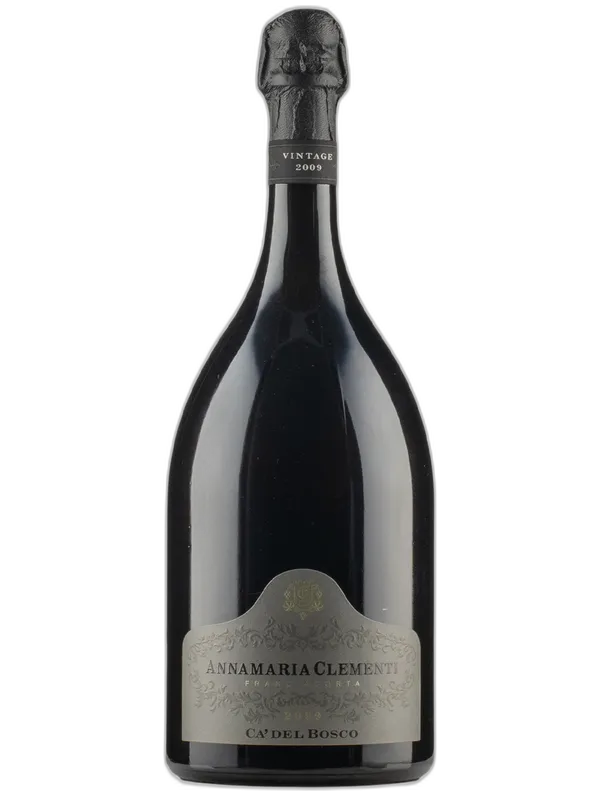
Annamaria Clementi Ca del Bosco 2017
View WineGiving it well: cold, labelled and with its own plan
Sparkling wine is the one gift that should arrive ready. Hand it over cold if there is any chance of it being opened that evening, at six to eight degrees from an ice bucket in twenty minutes, and stand it somewhere cool if not; the mechanics of pouring and glasses live in our serving guide.
Give it a plan as well as a chill. A bottle announced as one for the first warm Friday of spring beats a bottle with no instructions, and if the party runs long, the last glass has honourable second careers in a Hugo Spritz or the classics in our Prosecco cocktail guide. For the bottle-with-a-story alternative, the gift shelf carries wines chosen for the year on the label rather than the sparkle in it.
One last honesty that shops will not print: Prosecco is not a keeping wine. Its charm is its youth, and a bottle given this year wants drinking within a year or two, not laying down. Say that kindly at the hand-over and you have given the recipient permission to enjoy it soon, which with a good bottle of fizz is the entire object of the exercise, and the reason it makes people happier than harder gifts do.
Frequently asked questions
Yes, when the label is chosen rather than defaulted. A Conegliano Valdobbiadene DOCG bottling, a named-hillside Rive or a Cartizze turns the familiar fizz into a considered present for a few pounds more than the supermarket bottle. Prosecco also needs no cellar and creates its own occasion, which makes it the most forgiving wine gift there is. Spend on the wine, not the ribbon, and it lands.
Conegliano Valdobbiadene Prosecco Superiore DOCG is the sweet spot: hillside fruit from the original fifteen communes at a mid-teens price. To impress, step up to a Rive bottling, a single commune's steep slopes with the vintage on the label, or to Cartizze, the hundred-and-seven-hectare summit of the denomination. All three say considered in a way a plain DOC label cannot.
Yes, and the names genuinely run backwards. Brut is the driest of the common styles, Extra Dry is a step sweeter, and Dry is sweeter again. For a gift, Brut is the safe modern default; Extra Dry suits pastries and gentler starters; Dry belongs with dessert. Our Italian sparkling guide explains the scale, and saying which style you chose makes the gift easier to open at the right moment.
Cartizze is the named summit of the Conegliano Valdobbiadene denomination: about a hundred and seven hectares of steep vineyard between three villages, farmed under the region's strictest yield rules. It has been recognised since 1969 and is the closest thing Prosecco has to a grand cru. On a gift it signals that you reached for the top of the hill, not the top of the supermarket shelf.
Match the drinker, not the prestige. Prosecco is brightness, orchard fruit and occasions; Champagne and Italy's own metodo classico wines, Franciacorta and Trentodoc, are depth, bread crust and dinner tables. For a Prosecco lover, a Rive or Cartizze beats a basic Champagne at the same money. Our Prosecco versus Champagne guide makes the call style by style.