




How to Present and Serve a Wine Gift
TL;DR
- Presentation is half the wine gift: hand the bottle over upright, label out, with one line about why you chose it.
- Neither giver nor host owes anyone an opening, since in Italy a gifted bottle is thanks rather than a request, and the same rule keeps British dinners graceful.
- If the bottle is opened, borrow the sommelier's ritual: show the label, name the wine and its year, then pour your guests before yourself.

The hand-over: presenting a bottle as a gift
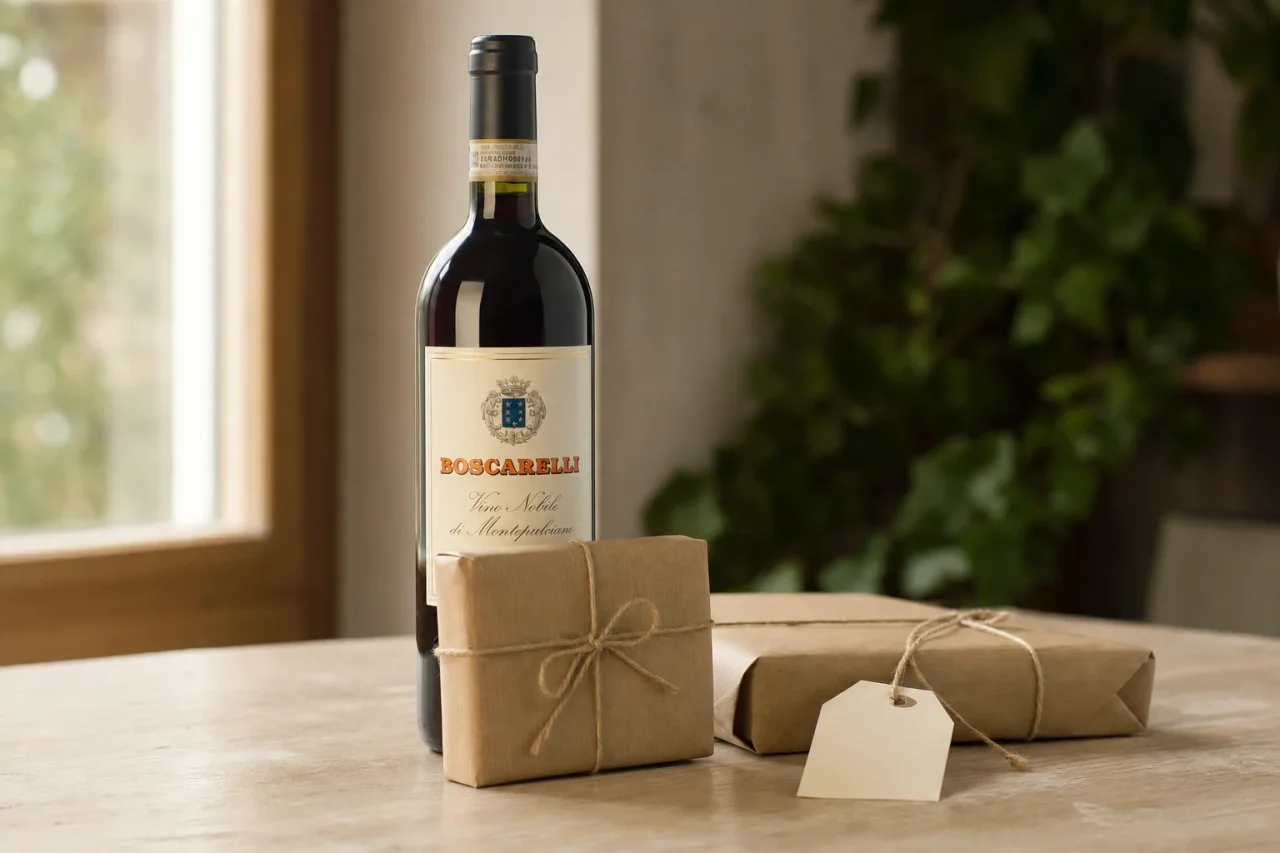
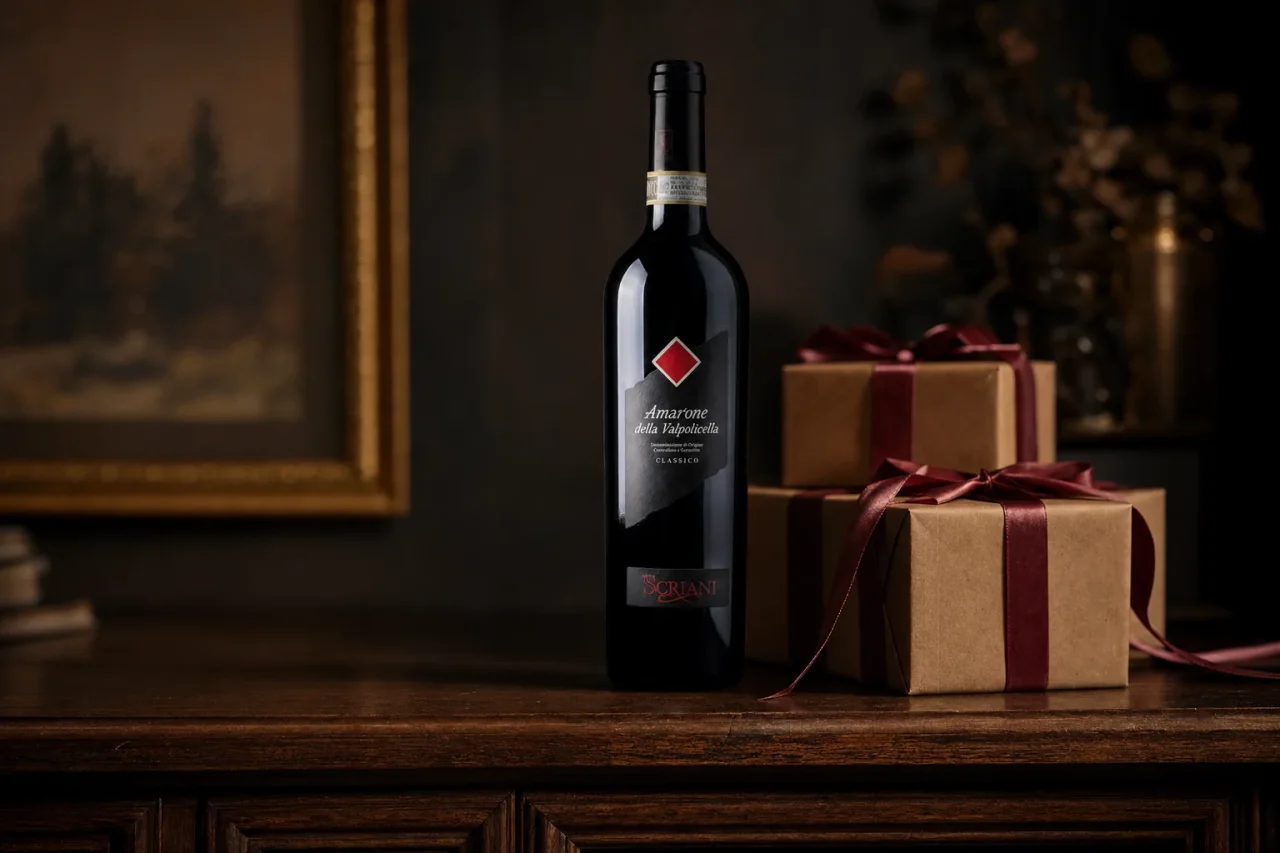
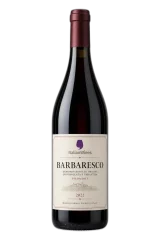
A bottle of Barbaresco handed over in the supermarket bag it travelled in says rather less than the same bottle upright in tissue paper, label facing out, with one sentence about why it was chosen. The sentence does more work than the wrapping: it is from the year you were married, or the estate farms the hill above your grandmother's village. Ten seconds of story turns fifteen pounds of wine into a present.
The mechanics are simple. Peel off the price sticker. Keep the label clean and visible, and never tape the bow across it, because the label is the gift's face. Carry the bottle upright, and if it is a Prosecco or a young white meant for the evening itself, arrive with it already cold in an insulated sleeve; asking the host to chill it at the door turns a gift into a chore. Boxes, wrapping and how a serious bottle should arrive are covered in our guide to choosing an Italian wine gift.
Say what the bottle is for. This is for tonight if you fancy it, and this one is for the cellar, not for Friday, are both generous sentences; the second needs saying out loud, especially when the wine is a birth-year bottle that wants years yet. Releasing the host from guesswork is part of the manners, and it costs one more sentence.
Must they open it? Etiquette in both directions
For the host, the rule is calm: a gifted bottle carries no obligation to be opened. Thank the giver, set it somewhere visible, and serve the wine you planned around the food. Opening the gift is right when the giver plainly hopes to share it, when it happens to suit the menu, or when the evening is loose enough for the menu to bend. We will save this for something special is not an excuse; said while looking at the label, it is a compliment.
For the giver, the mirror rule holds: hand it over with no strings attached. Arriving with a bottle chosen to overrule the host's table is not generosity, it is programming. In Italy long custom settles the point, and guests turn up with wine, pastries or flowers while the host's choice still commands the table; nobody sulks when the gift goes to the rack in Piedmont and nobody should in Putney. British dinners run perfectly well on the same understanding.
One distinction saves most of the awkwardness: a gift is not a contribution. If the invitation was bring a bottle, your wine is for the table and should be something ready to drink tonight. If you were simply invited, the bottle is a present, and its evening is the host's to decide. Choosing which of the two you are carrying, before you leave the house, is the whole etiquette in one decision, and it decides everything from the price you pay to the temperature you arrive at.
The sommelier's ritual, translated for your table
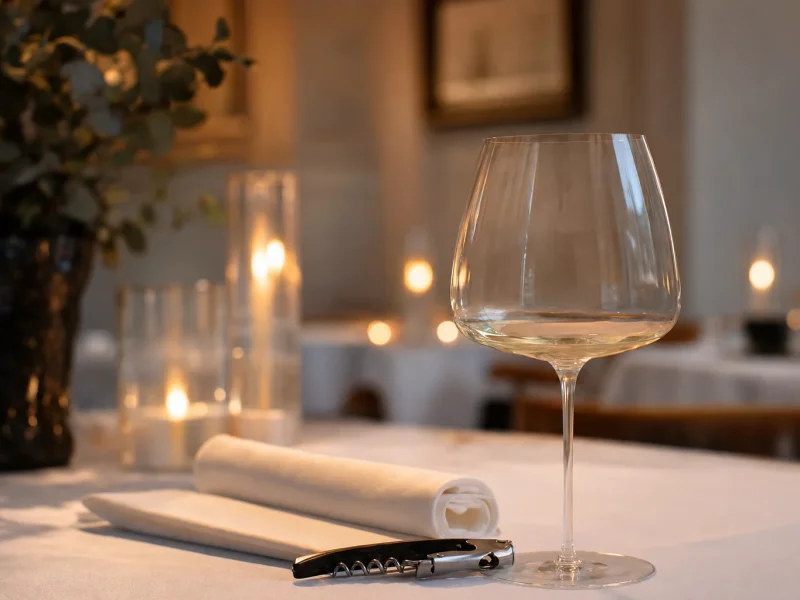
Restaurant wine service looks like theatre, but every step is a check. The bottle is presented label first so the person who ordered confirms the wine and the vintage; the cork comes out in view of the table; a small splash goes to the orderer to catch a faulty bottle before anyone else's glass is poured. Confirm, open, check: that is the entire liturgy, and it exists to protect the drinker, not to flatter the waiter.
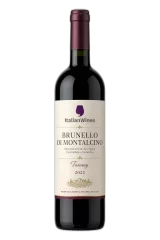
At home, keep the spirit and drop the costume. Stand the bottle on the table rather than opening it out of sight in the kitchen, tell people what it is, perhaps a Brunello di Montalcino and its year and one fact of place or grape, pour yourself the first small splash, then serve your guests and top yourself up last. Fifteen seconds, and the wine has been introduced rather than merely distributed. The pouring mechanics, glass choice and order of service live in our guide to serving wine and our glassware guide, and the naming shorthand is the same one used for reading an Italian wine list.
The splash you taste is not ceremony either. You are checking the wine is clean: damp cardboard on the nose means a corked bottle, and flat, sherry-like fruit means a tired one. Our guide to telling when a wine has turned walks through the signals. A screwcap spares you the cork theatre, never the sniff.
One myth is worth retiring while you are at it: sniffing the cork tells you almost nothing. A pristine cork can sit above a corked wine and a crumbly one above a beauty, which is why the birth-year trade judges bottles by fill level and colour instead. The splash in the glass is the only witness that matters, so taste it and move on.
The bottle you have just been given: open tonight or hold?
Triage takes one look at the label. Young and cheerful, a Prosecco, a fresh white, a Dolcetto or an unoaked Barbera: tonight-friendly, and probably meant that way, since these are wines built for the year they are born. Young but structured, a Barolo still in its first decade: it loses nothing tonight but gains plenty by waiting, so say so and let the giver vote. Genuinely old bottles are the exception, needing days upright and gentler hands, and opening one on a whim wastes it; our birth-year and anniversary guide covers that service properly.
If it is drunk tonight, temperature is the fastest favour you can do it. Italian sommelier references put spumante at 6 to 8 degrees, young whites at 10 to 12, structured reds at 16 to 18 and sweet wines at 12 to 14; twenty minutes in ice water sorts the first, twenty minutes in the fridge rescues a red that has been sitting in a warm kitchen, and a white poured an hour out of the fridge shows more fruit than one served numb with cold. The full table, style by style with Italian examples, is in the serving guide above.
And the gifted bottle does not have to match the menu. Serve it as the aperitivo while the cooking finishes, pour it after the plates with cheese, or hold a sweet style back for the dessert it will meet next week. The point of the gift is the drinking, not the fit, and a host who says we will start with what Anna brought has already served it perfectly.
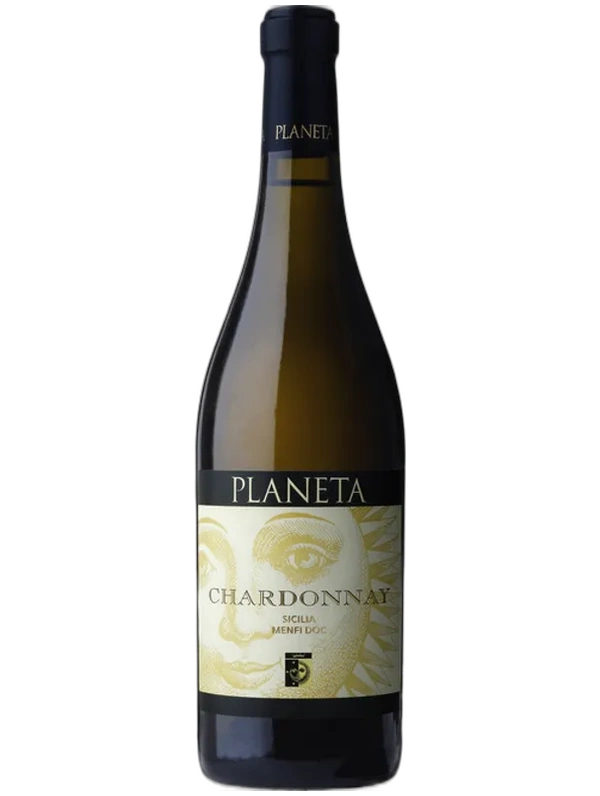
Chardonnay 2024
Planeta's flagship Chardonnay from Sicily, barrel-fermented in French oak with tropical fruit, butter and toasted almond, balanced by crisp acidity.
View Wine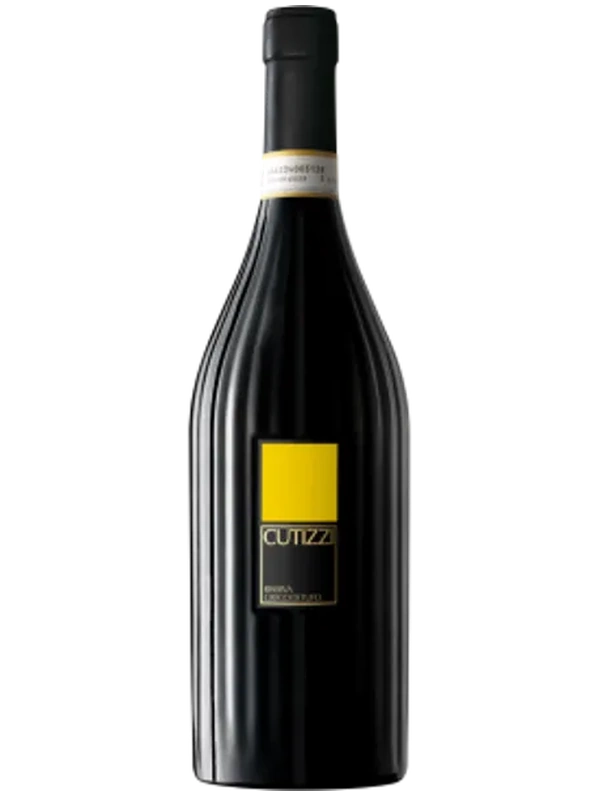
Cutizzi Greco di Tufo Riserva - Feudi di San Gregorio 2024
Feudi di San Gregorio's Cutizzi is single-vineyard Greco di Tufo DOCG from Santa Paolina in Irpinia, bottled as a Riserva since 2022 after 12 months in steel on the lees. Volcanic, sulphur-rich soils drive its pear, citrus and saline minerality.
View Wine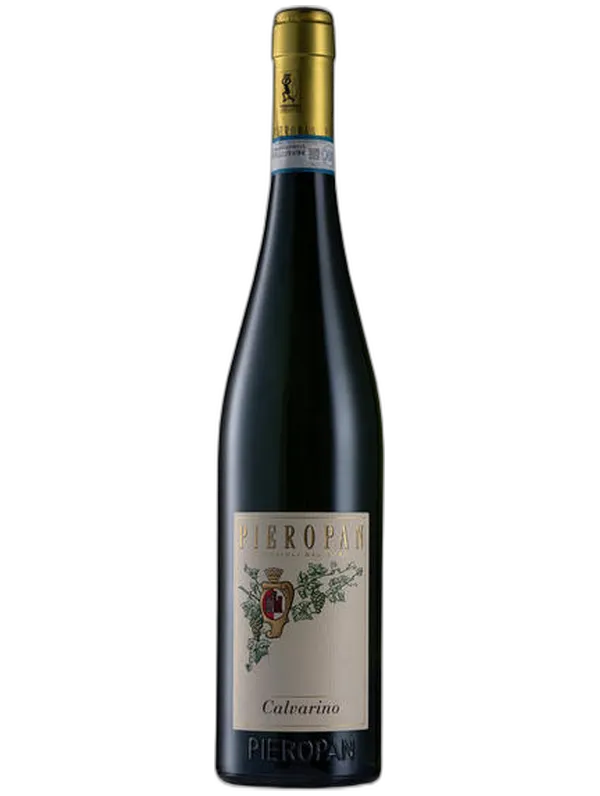
Soave Classico Calvarino Pieropan 2024
Pieropan's Calvarino proved Soave can age. Garganega and Trebbiano di Soave on basalt give a saline, almond-scented white with citrus drive and a stony finish. A benchmark single-vineyard Soave Classico, fine young and better at five years.
View Wine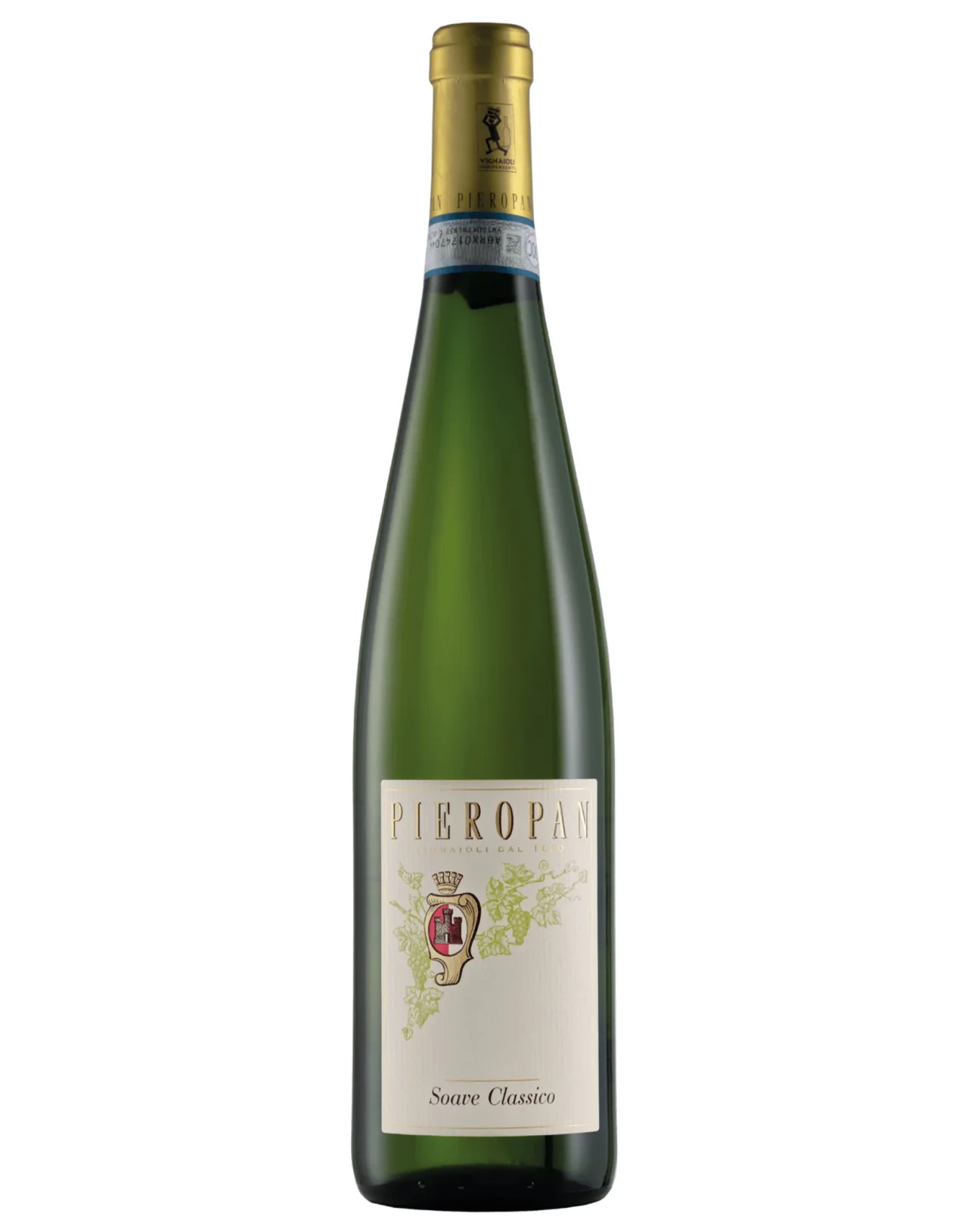
Pieropan, Soave, Classico 2025
Pieropan's Soave Classico is Veneto's Garganega benchmark: estate-grown on volcanic hills, fermented in glass-lined concrete and aged on its spent yeast. Pear, white peach and lemon meet a salty, stony core and the trademark bitter-almond finish.
View Wine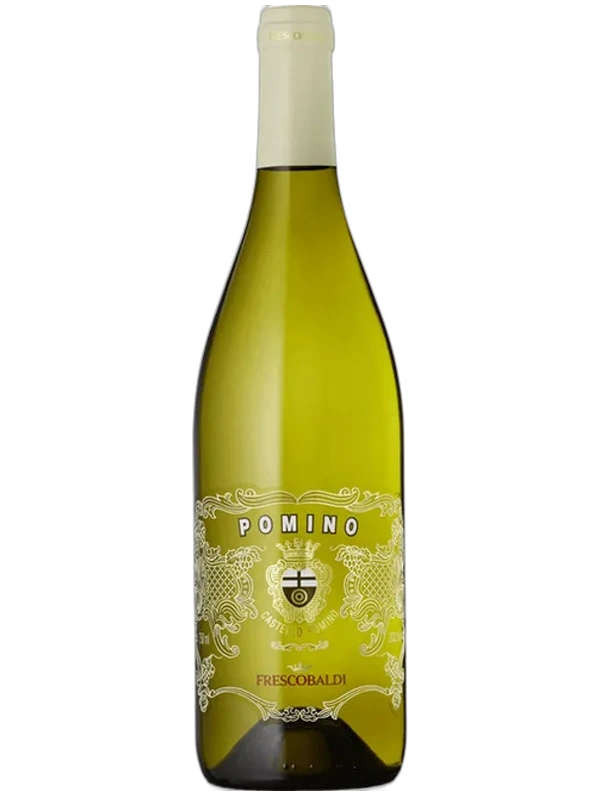
Pomino Bianco 2025
Frescobaldi's high-altitude Tuscan white from the Castello Pomino estate: Chardonnay and Pinot Bianco grown near 700 metres. Steel fermented with a touch of French oak, it gives citrus, orchard fruit and a savoury, mineral palate. Crisp with fish.
View Wine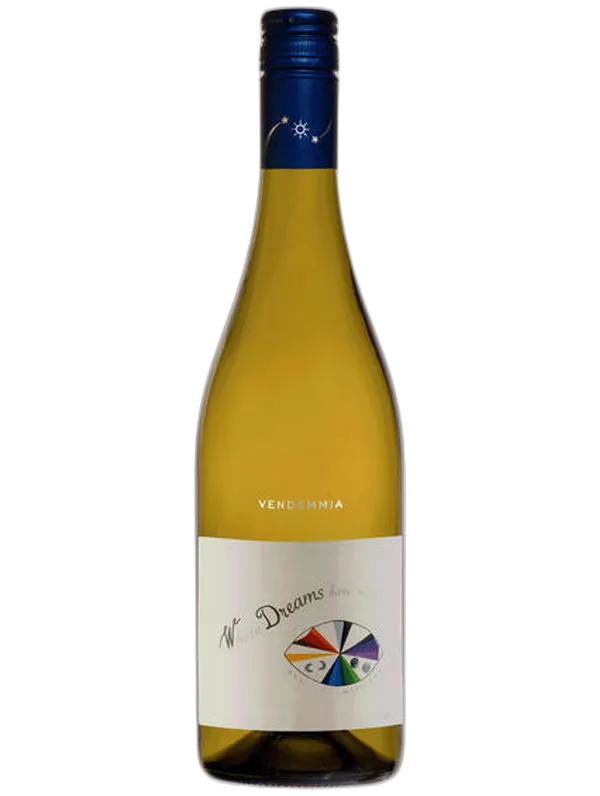
Where Dreams Have No End, Jermann, Friuli-Venezia Giulia, Italy 2023
Jermann's barrel-aged Chardonnay from the Collio hills, first made in 1987 and named after a U2 song. Ripe peach, melted butter and pastry, then a fresh, stony finish. Five UK shops have it in stock, from about £51 to £65 a bottle.
View Wine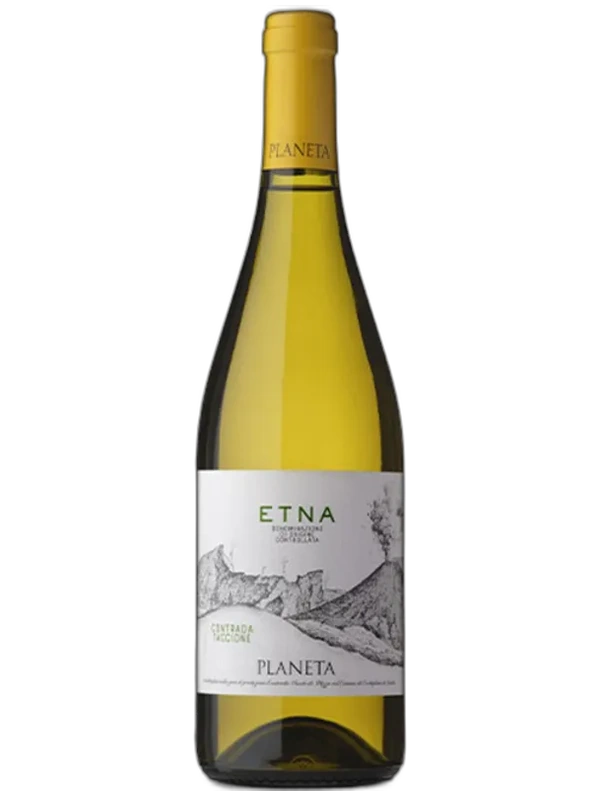
Etna Bianco Contrada Taccione 2024
Planeta's single-vineyard Carricante from the Montelaguardia plot at Castiglione di Sicilia, grown on black volcanic sands at 690 to 720 metres on Etna's northern slopes. Acacia, mountain peach and bitter almond meet a stony, salty spine.
View Wine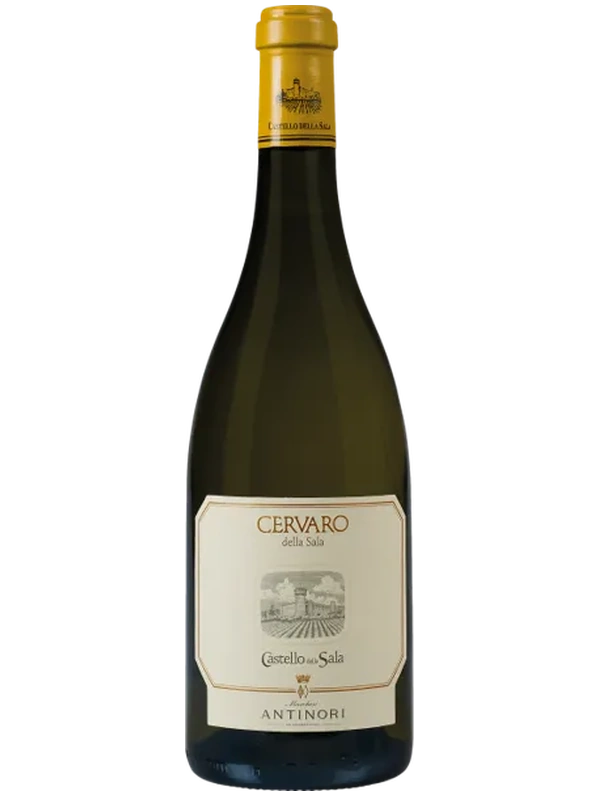
Antinori Cervaro della Sala 2024
Antinori's flagship white from Castello della Sala in Umbria: Chardonnay fermented in small oak barrels with a dash of steel-raised Grechetto. Citrus, pear and hazelnut butter over fresh acidity. First made in 1985 and liked year after year.
View Wine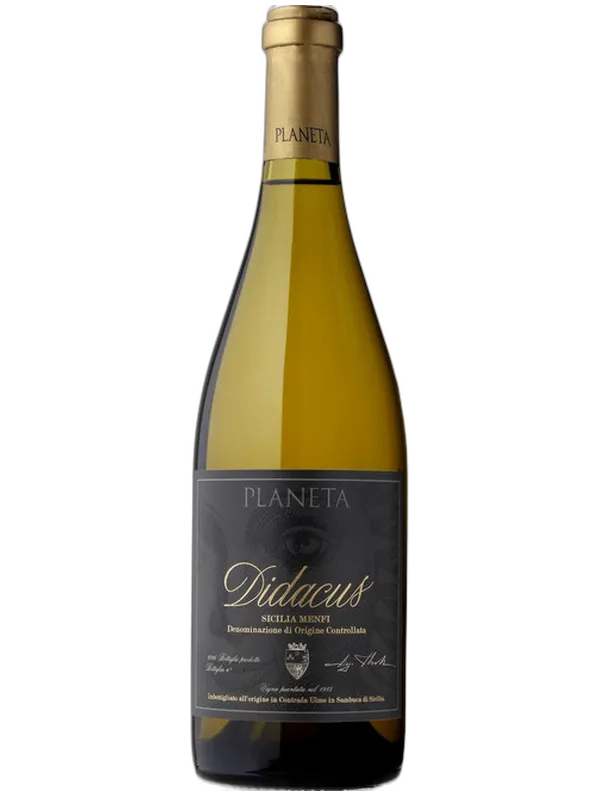
Planeta Didacus Chardonnay 2023
Planeta's flagship Sicilian Chardonnay: barrel-fermented and aged 10 months in French oak off a single old Ulmo vineyard in Menfi DOC. Rich, creamy and oak-driven, with honey, apricot and a stony edge. Built for roast birds and truffle risotto.
View Wine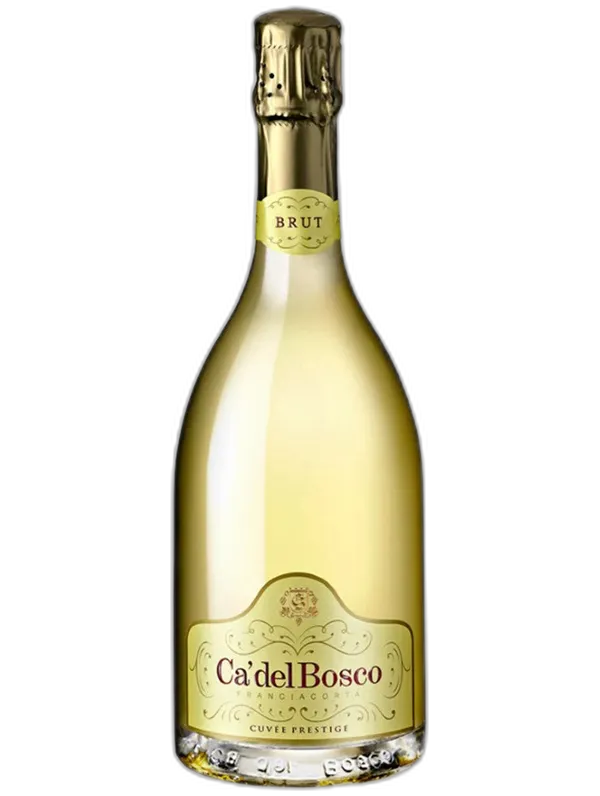
Ca' del Bosco Franciacorta Cuvée Prestige N.V.
Ca' del Bosco's flagship non-vintage Franciacorta: 80.5% Chardonnay with Pinot Nero, 25 months resting on its yeast, Extra Brut at 1.5 grams of sugar. Apple, pear and brioche; 4.1 from 28,000 Vivino drinkers. From £36 in the UK.
View WineAfter the party: the wine left in the bottle
Recork it, stand it upright, and put it in the fridge, the red included: cold slows everything that flattens an open wine. A sparkling wine needs a proper clamp stopper rather than its own cork pushed back, and it is the one gadget worth owning before the party rather than after. Most table wines give you two or three good days like this, and oxidative sweet styles last for weeks. The complete method is in our guide to storing open bottles of wine.
The last glass has its own careers. A spent Chianti makes the base of a Tuscan Mule, a structured red a day past its best is exactly what the ragu wanted, and a forgotten drop of Marsala-style sweet wine lifts a pan sauce better than anything sold for the purpose. A bottle presented well, served well and used to the very end is the whole gift honoured, which is the only etiquette that matters.
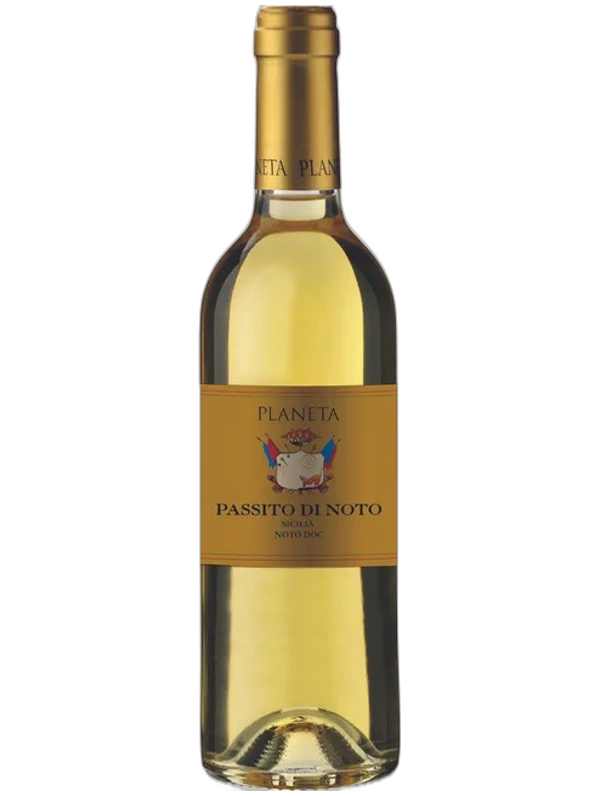
Passito di Noto 2025
Planeta's Sicilian dessert wine: 100% Moscato Bianco from Noto, dried five weeks then fermented sweet. Apricot, chestnut honey, rose and candied orange in a rich 50cl half-bottle, a benchmark passito for almond pastries, cassata and blue cheese.
View Wine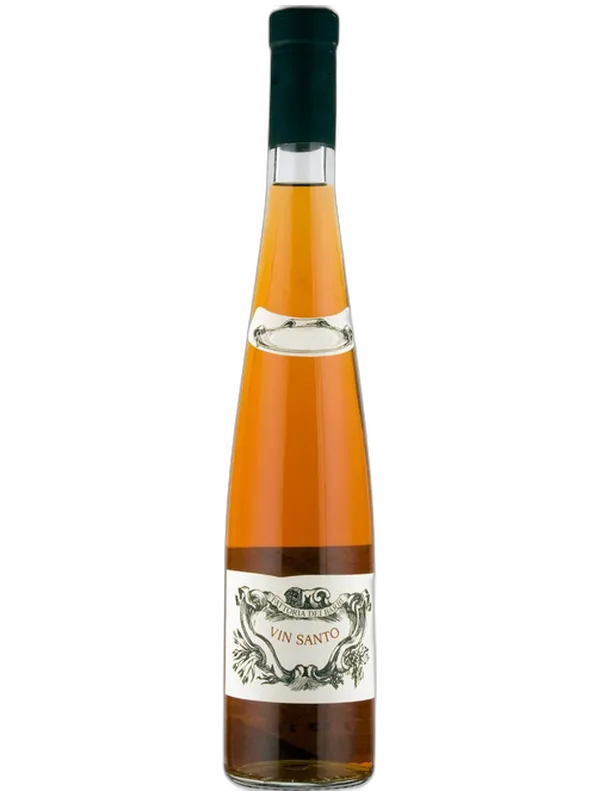
Fattoria dei Barbi Vin Santo 2019
Fattoria dei Barbi has made this sweet Vin Santo del Chianti DOC at Montalcino since 1870. Trebbiano, Malvasia and a little Sangiovese, dried to raisins then aged for years in oak caratelli: amber, velvety and full of dried fruit, walnut and honey.
View Wine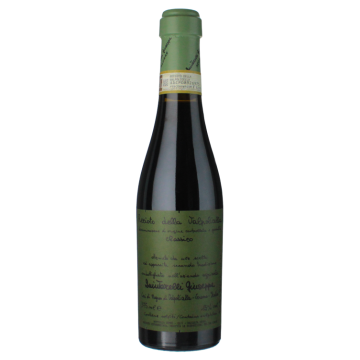
Recioto della Valpolicella Classico Giuseppe Quintarelli 2015
Giuseppe Quintarelli's sweet passito red from the Valpolicella hills at Negrar. Air-dried Corvina aged years in Slavonian oak: garnet, soft and broad, with cocoa, raisin and candied cherry. A rare dessert wine for chocolate and aged cheese.
View Wine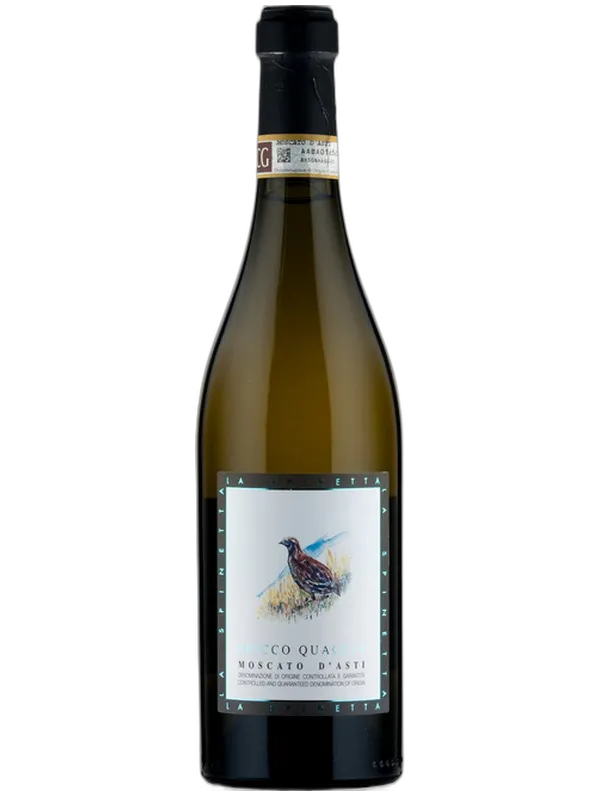
Azienda Agricola Spinetta Bricco Quaglia 2025
La Spinetta's Bricco Quaglia was Italy's first single-vineyard Moscato d'Asti, grown on 40-year-old vines at 300m in Castagnole delle Lanze. Peach, sage and honey lead a gently sparkling, low-alcohol sweet white at 5.5%, finishing clean and fresh.
View Wine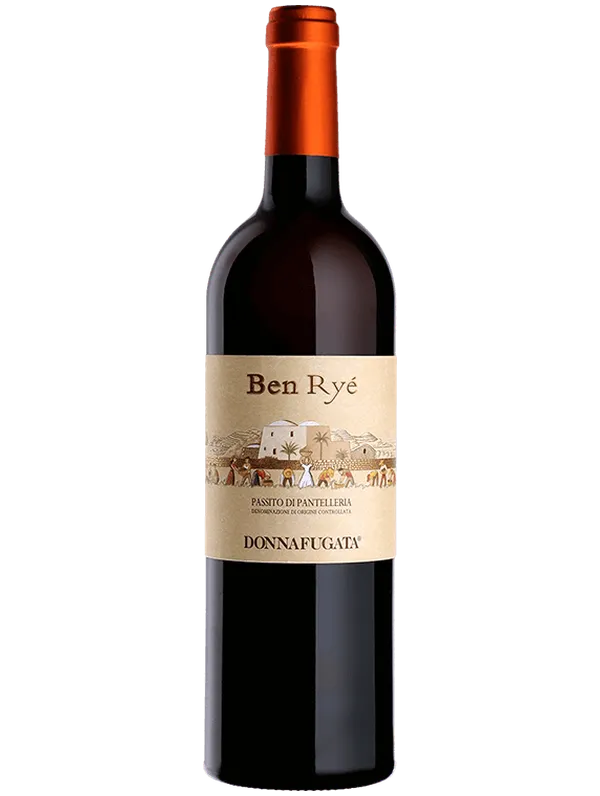
Donnafugata Ben Ryé Passito di Pantelleria 2023
Donnafugata's benchmark passito from volcanic Pantelleria, made from sun-dried Zibibbo. Amber-gold, with apricot, candied orange peel, dried fig and honey lifted by sea-salt freshness. Pour it with blue cheese, almond pastries or alone.
View Wine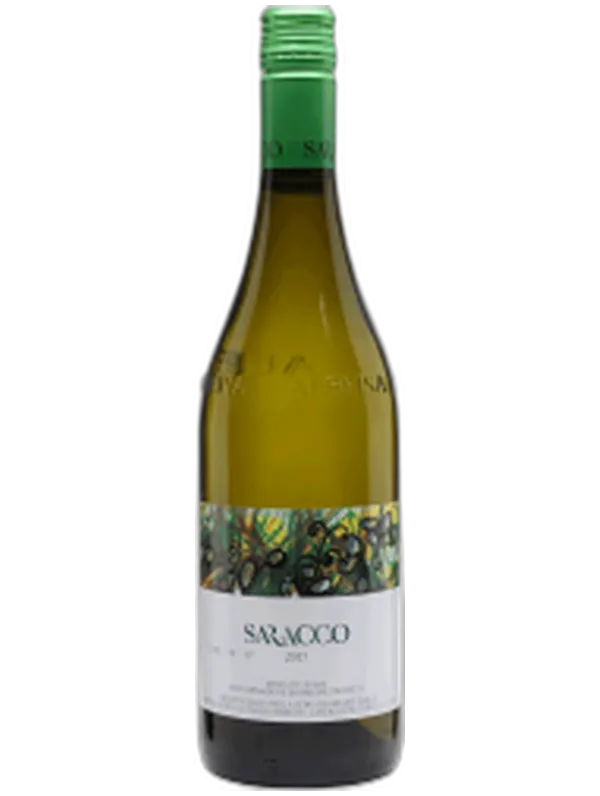
Moscato d'Asti Saracco 2025
A sweet, gently fizzy Moscato d'Asti from Paolo Saracco's hillside vines around Castiglione Tinella. Orange blossom, peach and thyme, fresh acidity and about 5.5% alcohol. Lovely with fruit tarts, biscuits and blue cheese.
View Wine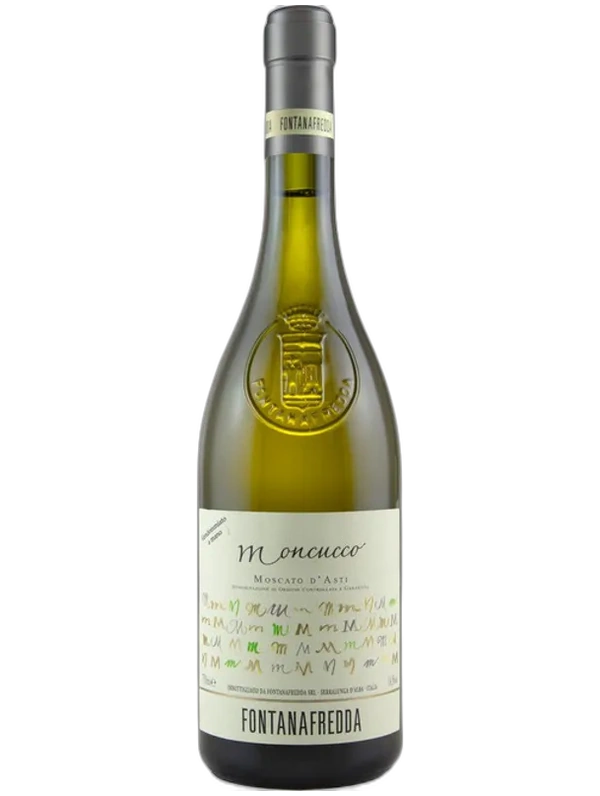
Fontanafredda Moscato d'Asti Le Fronde 2025
An organic Moscato d'Asti from Fontanafredda, sweet and lightly fizzy at just 5% alcohol. Orange blossom, sage and honey on the nose, fresh grape on the palate. Drink it young, with fruit desserts or on its own.
View Wine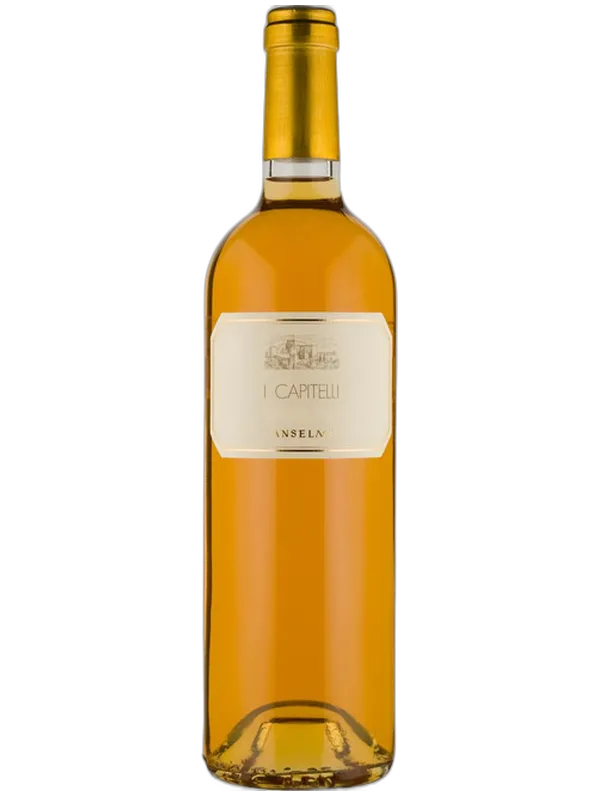
Azienda Agricola Anselmi Roberto I Capitelli 2023
Roberto Anselmi's botrytised Garganega passito from Monteforte d'Alpone, dried on racks into January and aged in Allier oak. Honeyed apricot, saffron and toasted almond over bright acidity. A Veneto IGT dessert wine for blue cheese and almond tarts.
View Wine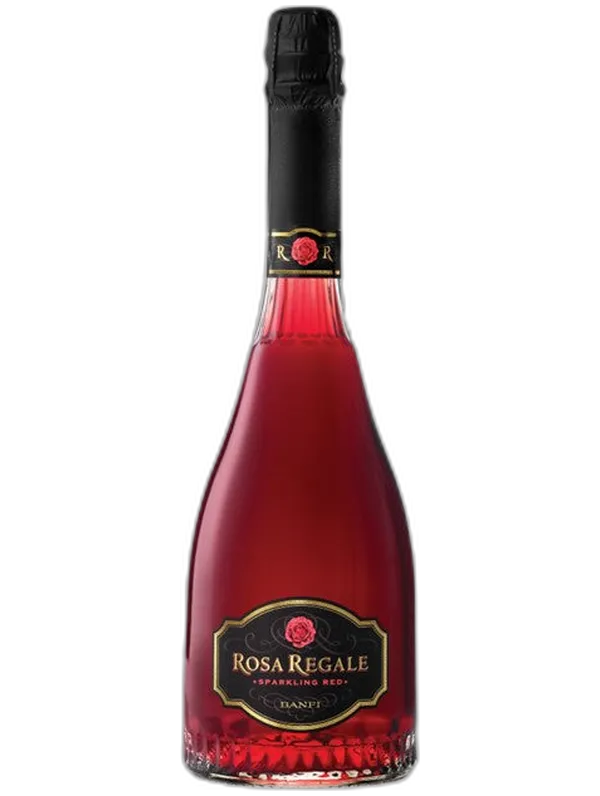
Banfi Rosa Regale Brachetto d'Acqui 2025
A sweet sparkling red from Banfi Piemonte, made from the Brachetto grape. The 2025 smells of strawberries and rose and has 7.1% alcohol. Serve it with fresh strawberries, fruit salad or a fruit tart.
View Wine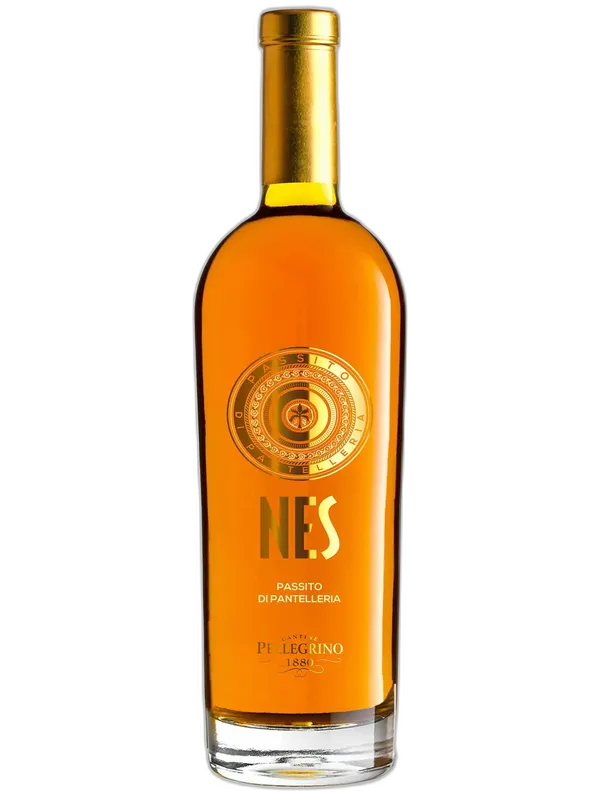
Passito di Pantelleria DOC Nes Pellegrino 2024
Nes is Pellegrino's sweet Passito di Pantelleria, made from Zibibbo with raisins added to the fermenting must. Expect candied orange peel, dried apricot and honey. The 2024 won Gold with 96 points at the Decanter World Wine Awards 2026.
View WineFrequently asked questions
No, there is no obligation. A gifted bottle is thanks, not an instruction, so thank the giver warmly and serve the wine you planned. Open it when the giver clearly hopes to share it, when it suits the food, or when the evening is informal enough not to care. Saying you will keep it for a special night, while looking at the label, is a compliment, not a dodge; our wine gift guide covers the giving side.
Upright, label facing out, price sticker off, and one sentence about why this bottle: the year, the place, or the grower. Skip ribbons taped across the label and skip the supermarket bag. If the wine is meant for that evening, arrive with it cold. If it is meant for keeping, say so plainly so the host is not left guessing. The bottles on our wine gifts shelf are chosen to make that sentence easy.
One honest line beats a speech. Name the wine, then the reason: this is a Barbaresco from your birth year, or the estate sits above the village your family comes from, or simply, the maker is my favourite in Piedmont. Add whether it is for tonight or for keeping. That is all the ceremony a hand-over needs, and it is the part of the gift people retell.
Not at all, it is common and welcome; wine, pastries or flowers are the classic trio. The nuance is that the host's chosen wine still runs the table, and the gifted bottle usually goes to the rack for another day, without offence intended or taken. Follow the same custom anywhere: bring the bottle as thanks, expect nothing of the menu, and let the evening's cook decide what gets opened.
Recorked, upright and refrigerated, most reds and whites hold for two or three days, sparkling wine a day or two with a clamp stopper, and oxidative sweet styles for weeks. Cold is the main preservative, for red wine too. The full routine, stopper by stopper, is in our guide to storing open bottles, and the smell test for a bottle past saving is in how to tell if wine has turned.