







The Best Italian Wines to Gift a Wine Lover
TL;DR
- The best gift for a wine lover is wine, chosen for their palate, and Italy covers every palate there is.
- Match the drinker, not the price: a classicist wants pedigree Nebbiolo, a power-seeker wants Amarone, and the fizz devotee deserves better than the default bottle.
- When you do not know the palate, give the story instead: a bottle from a year or a place that means something to them.

Give the wine, not the gadget
Look up gift ideas for a wine lover and you will be offered aerators, charms, novelty stoppers and a wall-mounted cork cage. Italians find this puzzling. In Italy the present for someone who loves wine is wine, chosen with a little thought and handed over with a sentence about why; the Italian wine press builds its gift lists from bottles, not gadgets, and holds that the choice is never just a matter of labels or price. A bottle says you thought about the person; a gadget says you thought about the category.
There are exactly two objects worth breaking that rule for: a proper decanter and good stems, and we have a guide to decanters and a guide to glasses if one of those is the right call. Everything else on the gadget lists is a way of avoiding the real question, which is what the person actually likes to drink.
So this list is organised by drinker, not by budget. Find the palate below, pick the bottle, then let our wine gift guide handle spend, boxes and timing, and the gift shelf handle the bottles with a year on them. Every wine named here is a denomination you can explore on this site, not a single label you must hunt down, because the producer you can actually reach matters more than the one in a listicle.
| The drinker | Give | Why it lands |
|---|---|---|
| The classicist | Barolo, Barbaresco or Brunello riserva | Structure and a village name on the label |
| The power seeker | Amarone or Primitivo di Manduria | Depth that needs no homework |
| The white-wine drinker | Single-vineyard Soave or Vermentino | Seriousness, not an afterthought |
| The fizz devotee | Rive, Cartizze or Franciacorta | Named hillsides and finer bubbles |
| The beginner | Montepulciano d'Abruzzo or a soft southern red | Warmth before vocabulary |
| The sweet tooth | Vin Santo, Recioto or Moscato d'Asti | Keeps for weeks once open |
For the classicist: Nebbiolo with a pedigree
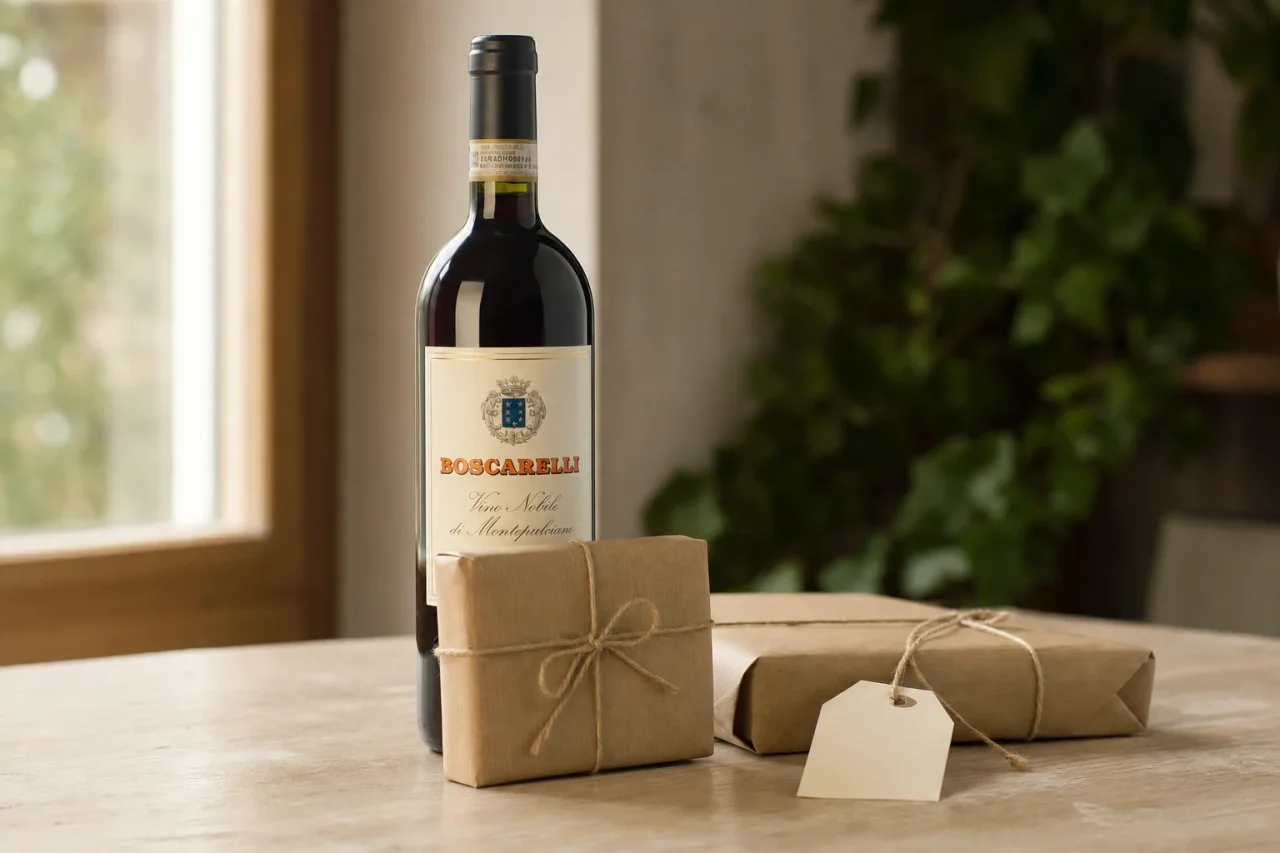
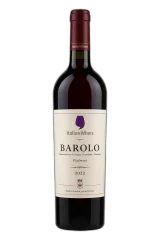
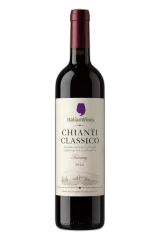
The friend who talks about structure, keeps tasting notes and lingers over old vintages is a Nebbiolo person, whether they know it yet or not. Barolo is the safest serious gift in Italian wine: from a good producer the entry bottlings start around thirty pounds and a riserva from a named vineyard climbs from there, with the village on the label, La Morra soft, Serralunga stern, giving you a story to tell at the hand-over.
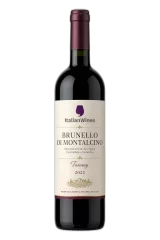
Tuscany runs a parallel track for the same drinker. Brunello di Montalcino is riserva-grade Sangiovese with the patience of Nebbiolo and a gentler welcome in the glass, and because Montalcino grades its harvests in public, the year on the label can be checked before you spend. A five-star year in a wooden box is about as close to a guaranteed success as wine gifting gets.
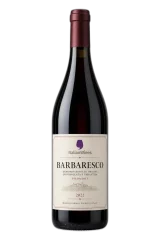
Barbaresco is the insider's alternative from the same Piedmont hills: the same grape, a touch more perfume, and a label that tells the recipient you did not just reach for the famous name. For the classicist who has both, a mature bottle is the escalation; our birth-year and anniversary guide covers how to buy age honestly.
The spend logic is simple: one serious bottle beats three polite ones. A single riserva with a village name says more to this drinker than any mixed case, and it gives them the pleasure classicists actually crave, which is the excuse to decide when the wine is ready.
For the one who likes power: Amarone and the south
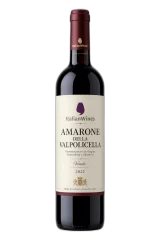
Some drinkers want the wine to arrive like weather. For them, Amarone della Valpolicella: Corvina grapes dried on racks until midwinter, then fermented into a wine of fig, dark cherry and quiet strength. It is Veneto's great occasion red, it looks magnificent wrapped, and nobody has ever been disappointed to receive one.
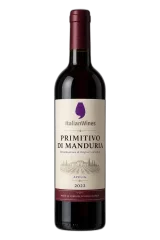
The southern route costs less and gives as much pleasure: Primitivo di Manduria from Puglia is sun in a bottle, generous and immediate, and a well-chosen one at fifteen pounds outperforms most twenty-five pound safe picks. Between the two sits ripasso, Valpolicella refermented on Amarone's pressed skins, which borrows half the grandeur for a third of the money and makes a clever second bottle when the gift wants to be a pair.
Give these with dinner in mind rather than the cellar: they are at their best young-ish and open, which makes them the rare grand bottle that can be drunk the same week it is given. Say so at the hand-over: an Amarone announced as one for the next slow braise lands better than one consigned vaguely to the future.
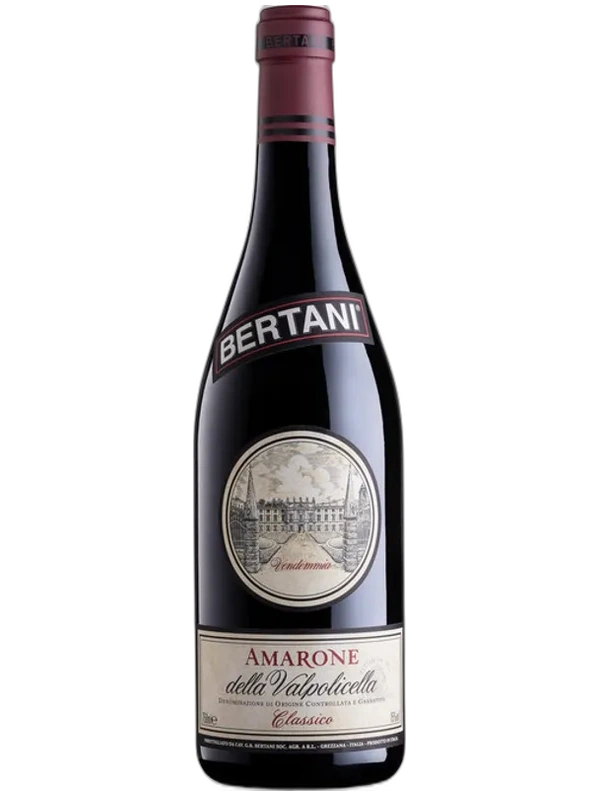
Amarone Classico DOCG 2016
Bertani's benchmark Amarone from the Tenuta Novare estate at Arbizzano di Negrar: 80% Corvina Veronese and 20% Rondinella, dried on lofts then held seven years in large Slavonian oak. Garnet-edged, dry and savoury, with plum, tea leaf and liquorice.
View Wine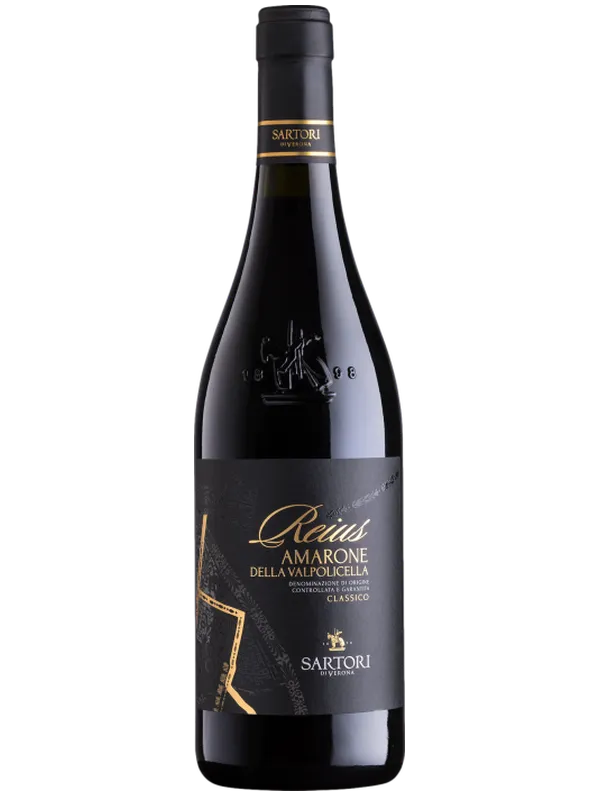
Casa Vinicola Sartori Reius 2021
Sartori's Reius is an Amarone della Valpolicella Classico DOCG of hillside Corvina, Corvinone and Rondinella air-dried for three months. Three years in oak give a velvety 15% red of dried fig, plum and chocolate for braises and aged cheese.
View Wine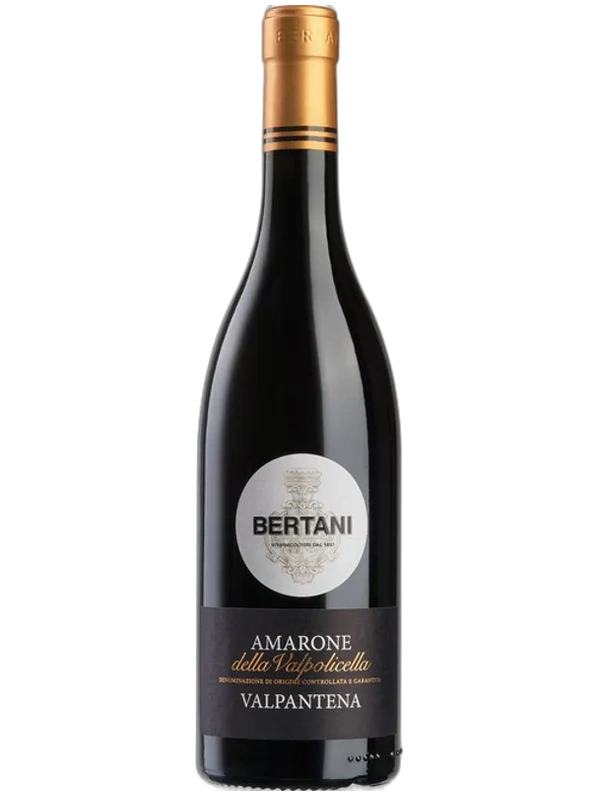
Amarone Valpantena DOCG 2022
Bertani's youthful Amarone from Valpantena: 80% Corvina, 20% Rondinella, dried by appassimento and aged two years in Slavonian oak. Ripe cherry, raisin and warm spice at 15.5%, with soft, meaty tannins. A rich Veneto red for braised meat.
View Wine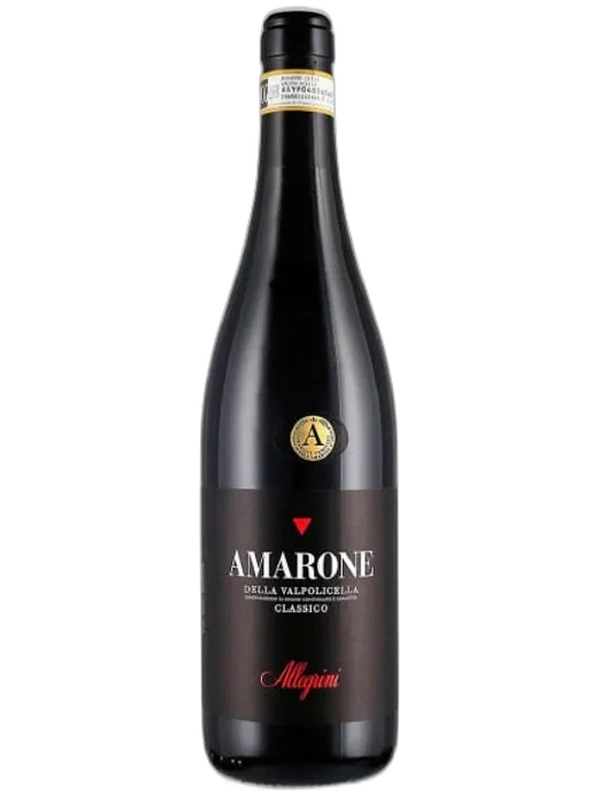
Allegrini Amarone della Valpolicella Classico 2021
Allegrini's benchmark Amarone, from Corvina dried three to four months until it sheds nearly half its weight. Concentrated black cherry, fig and cocoa, 16% alcohol kept dry and savoury, aged in new barriques. For braised meat, game and aged cheese.
View Wine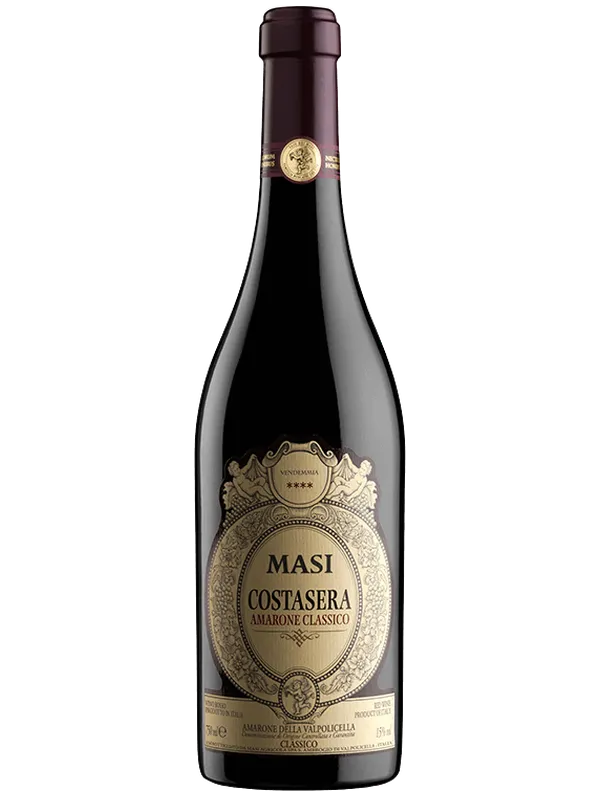
Masi Costasera Amarone della Valpolicella 2021
Masi's benchmark Amarone from sunset-facing slopes above Lake Garda: Corvina, Rondinella and Molinara dried on bamboo racks, then 24 months in Slavonian oak and Allier barriques. Baked plum, coffee and cocoa at 15% vol. About £54 in the UK.
View Wine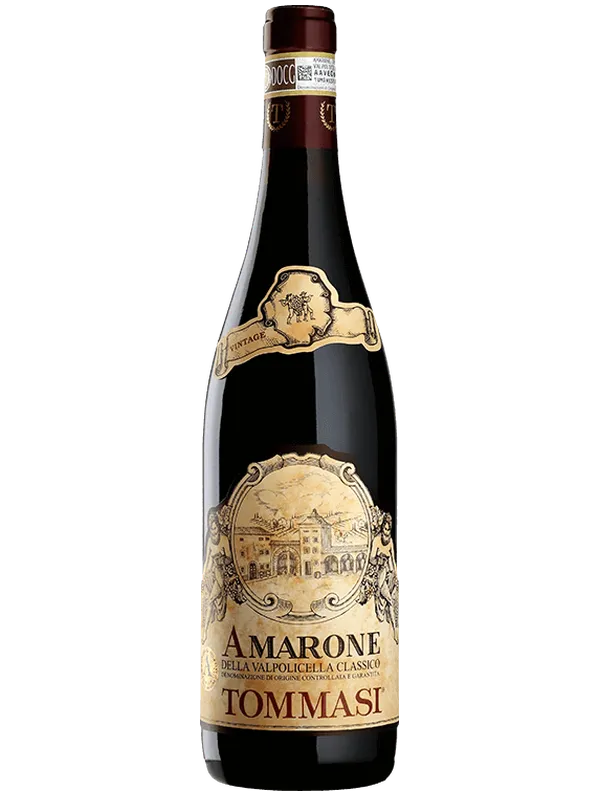
Tommasi Viticoltori Amarone della Valpolicella Classico 2021
Tommasi's flagship Amarone Classico: grapes dried three months, three years in Slavonian oak, 15%. Black cherry, prune and dark chocolate with silky tannin, and drinkers love it year after year. £55.25 in the UK for the 2021.
View Wine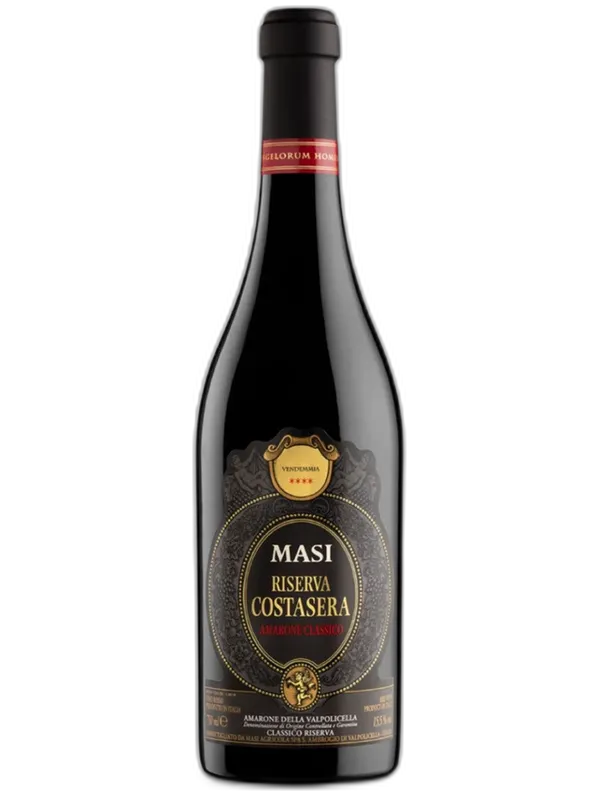
Masi Costasera Amarone della Valpolicella Classico Riserva 2019
Masi's Riserva Costasera is its top selection of Costasera, with 10% of the rare Oseleta grape and at least three years in oak. Dried-grape depth, cherry jam, cocoa and spice at 15.5%. UK prices run from £59 to £78 a bottle.
View Wine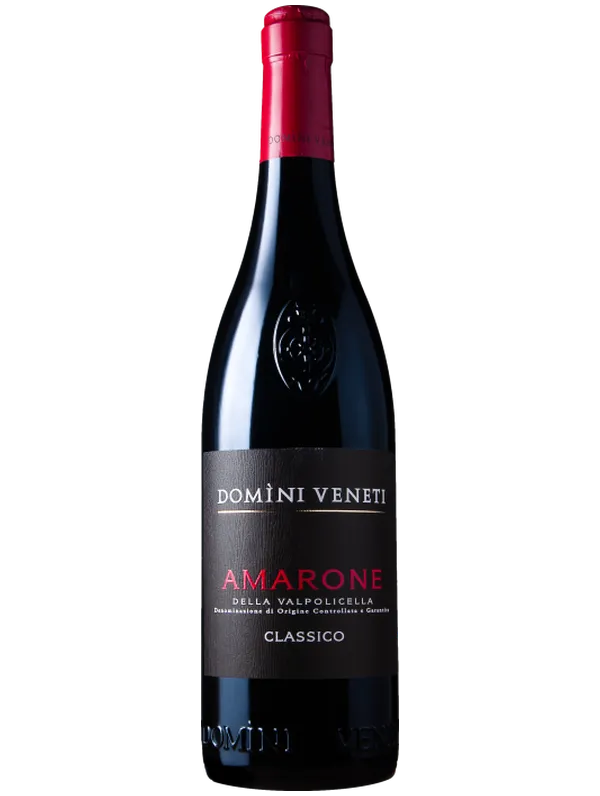
Domini Veneti Amarone della Valpolicella Classico 2022
A big, soft red from the Valpolicella Classica hills. The grapes dry in lofts until January, which is what makes an Amarone. Expect dark cherry, prune and cocoa, gentle tannin and 15.5% alcohol.
View Wine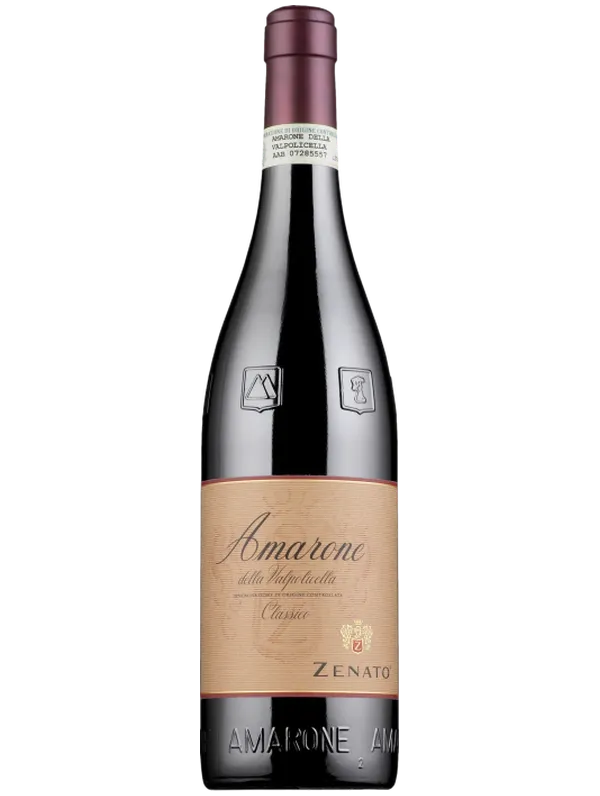
Azienda Vitivinicola Zenato Amarone della Valpolicella Classico 2021
Zenato's first Amarone: 85% Corvina from hillside vines in Sant'Ambrogio, dried for three to four months and aged about four years in big oak casks. Warm, velvety and 16.5%. From £43 a bottle in the UK, or £28.71 for a half bottle.
View Wine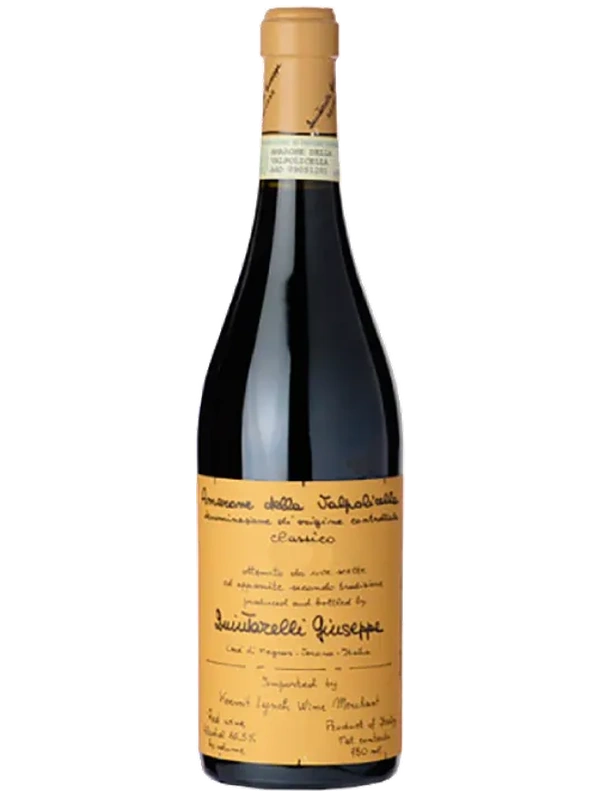
Quintarelli Amarone della Valpolicella 2018
Quintarelli's Amarone is Valpolicella's benchmark: Corvina and Corvinone dried for months, then six years in cask at Negrar. Dense dried fig, cocoa and licorice at 16.5%, built to age decades. A collector's red for braised game and aged cheese.
View WineFor the white-wine drinker, who is right more often than not
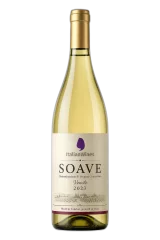
White-wine drinkers get gadgets because gift-buyers panic without a red to reach for. Italy solves this. Soave from a serious producer, Garganega off volcanic hills, is one of the most quietly age-worthy whites in Europe and still absurdly underpriced for what it is. The idea that white wine cannot age is a supermarket habit, not a rule: a serious Soave from a good site gains honey and smoke for a decade, which makes it one of the few whites you can give as a keepsake rather than a chill-and-pour.
For the one who holidays by the sea, Vermentino, at its best in Sardinia, is herb, salt and sunlight; for the mineral obsessive, the whites of Etna carry the volcano in them, Carricante grown on black soils a kilometre up the slope. Any of these, in a single-vineyard bottling, is a white-wine gift with the same seriousness a Barolo signals in red.
One practical note: whites want to arrive cold if they are for the evening itself, so plan the hand-over accordingly; our guide to presenting and serving a wine gift has the drill.
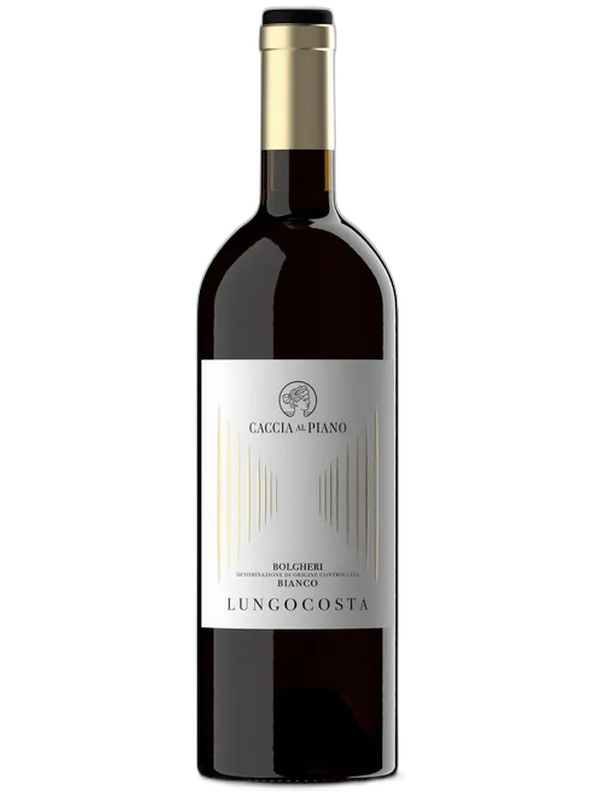
Lungocosta DOC Bianco 23 Caccia al Piano 2023
Limited-edition Bolgheri DOC Bianco from the Ziliani family's Caccia al Piano estate: 70% Vermentino, 30% Sauvignon Blanc, aged a year in casks and ceramic amphorae. A saline, citrus-led coastal white rated 4.1 by Vivino drinkers.
View Wine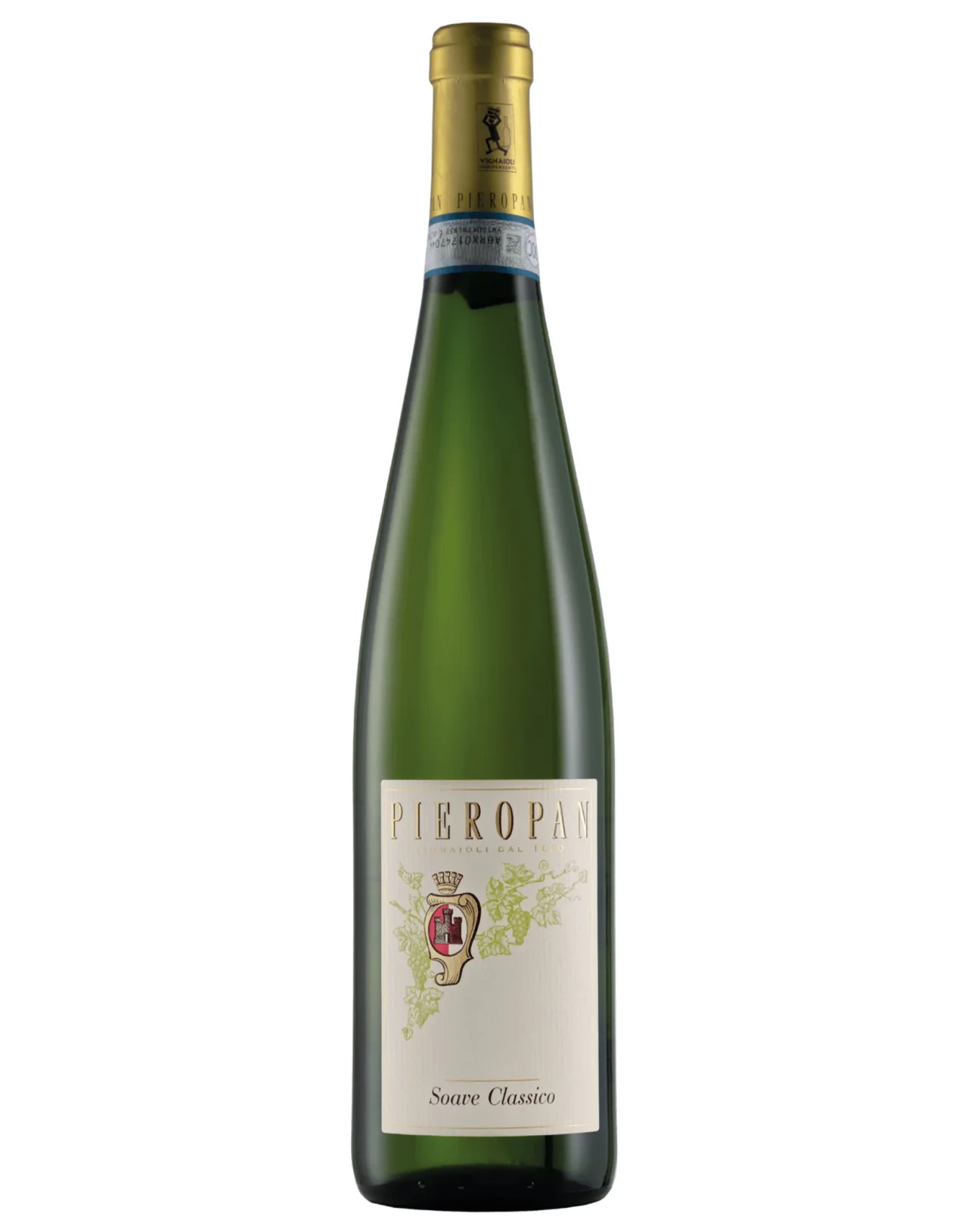
Pieropan, Soave, Classico 2025
Pieropan's Soave Classico is Veneto's Garganega benchmark: estate-grown on volcanic hills, fermented in glass-lined concrete and aged on its spent yeast. Pear, white peach and lemon meet a salty, stony core and the trademark bitter-almond finish.
View Wine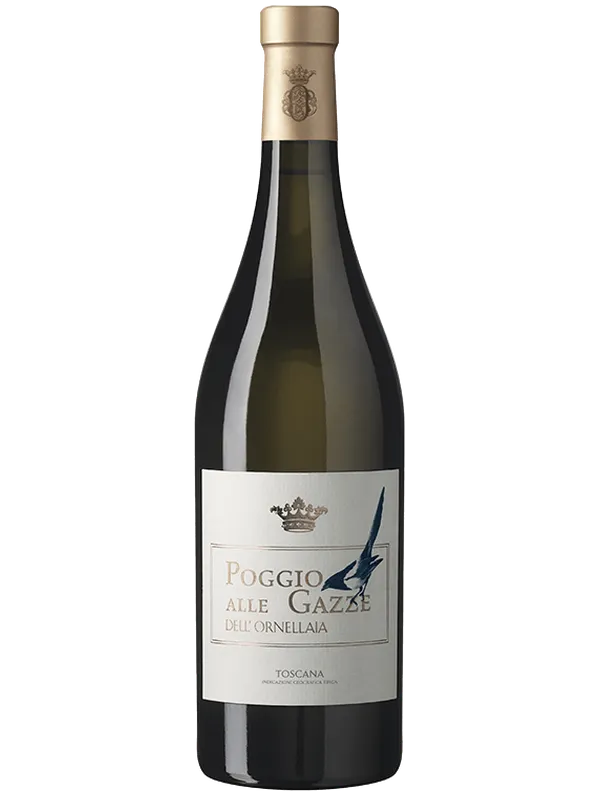
Ornellaia Poggio alle Gazze dell'Ornellaia 2024
Ornellaia's Sauvignon Blanc-led white from Bolgheri, blended with Vermentino and Viognier. Barrique and fine-lees ageing build grapefruit, white peach and a saline, flinty depth. A serious Tuscan white that drinks young yet keeps for years.
View Wine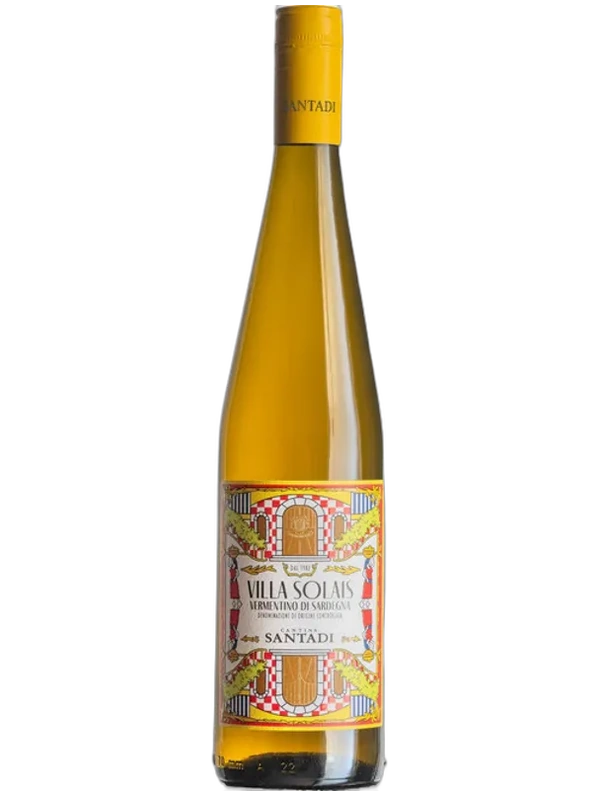
Vermentino di Sardegna, Villa Solais 2025
A Sardinian seafood white from Santadi, the Sulcis co-op advised by Giacomo Tachis: 85% Vermentino with Nuragus, steel-made and never oaked. Pear, lemon and wet stone with a salty edge. About £12 to £16 in the UK; James Suckling gave the 2024 92.
View Wine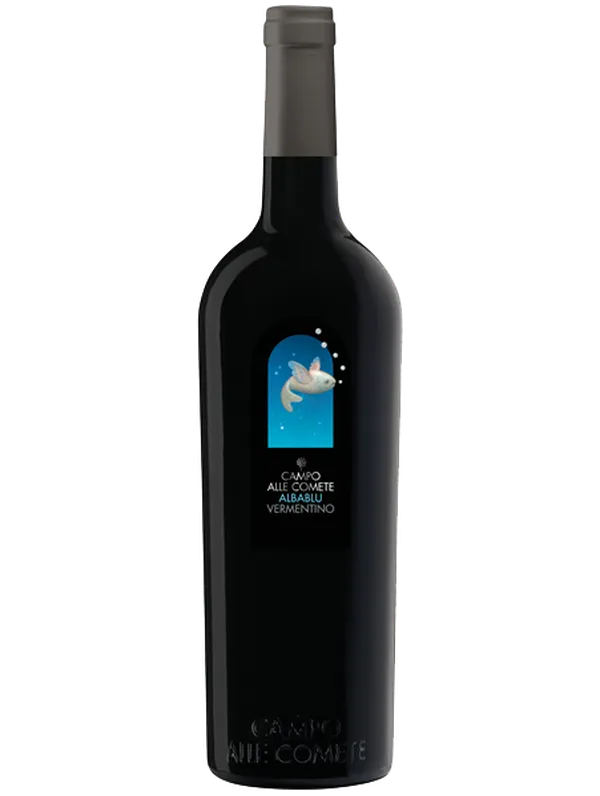
Campo alle Comete Albablu 2025
Coastal Tuscan Vermentino from Campo alle Comete, a Feudi di San Gregorio estate. Steel-fermented and unoaked: grapefruit, lemon and white flowers over a salty, sea-breeze, stony character. Dry and fresh, built for raw shellfish and seafood pasta.
View Wine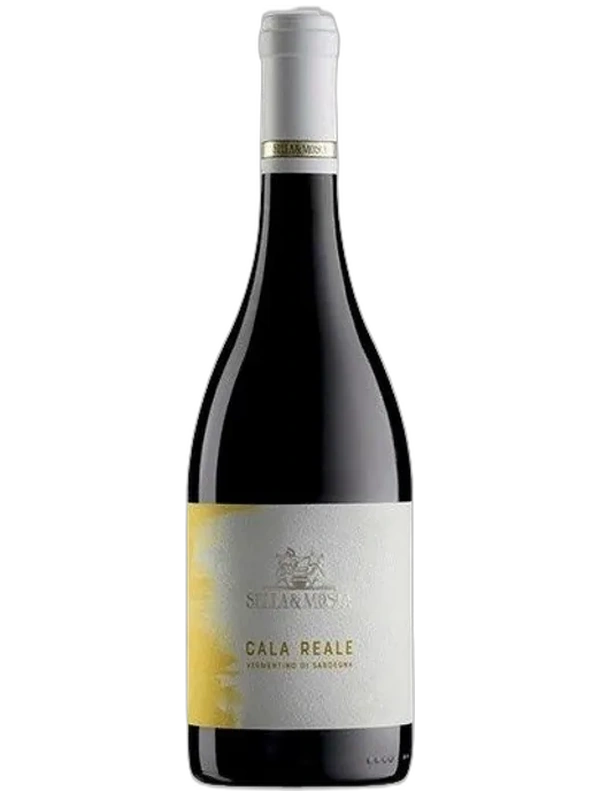
Sella and Mosca, Cala Reale, Vermentino di Sardegna 2025
Sella & Mosca's top Vermentino selection, grown on marine soils near Alghero, aged briefly in steel on its lees. Dry, citrus-fresh and salty, with white peach and a long stony finish. A Sardinian seafood white, best drunk young, around £15.
View Wine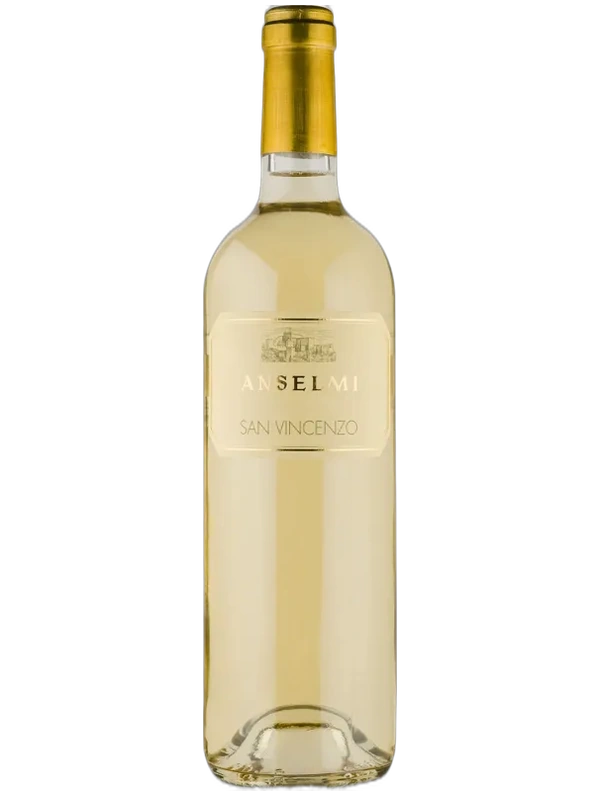
Anselmi San Vincenzo IGT 2025
Roberto Anselmi's Garganega-led white from the volcanic Soave hills, declassified to Veneto IGT by choice. Six months on the lees lend a creamy lift to its crisp core of blood orange, yellow peach and tarragon, closing stony and saline.
View Wine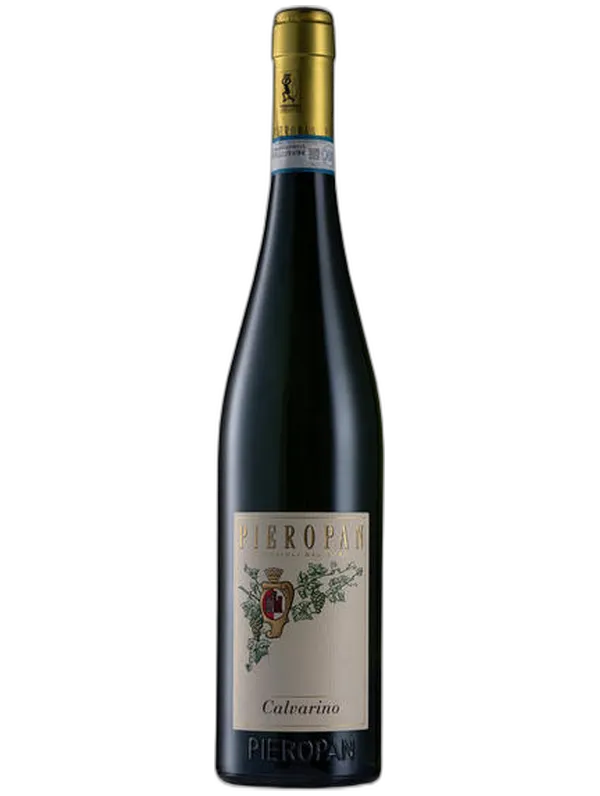
Soave Classico Calvarino Pieropan 2024
Pieropan's Calvarino proved Soave can age. Garganega and Trebbiano di Soave on basalt give a saline, almond-scented white with citrus drive and a stony finish. A benchmark single-vineyard Soave Classico, fine young and better at five years.
View Wine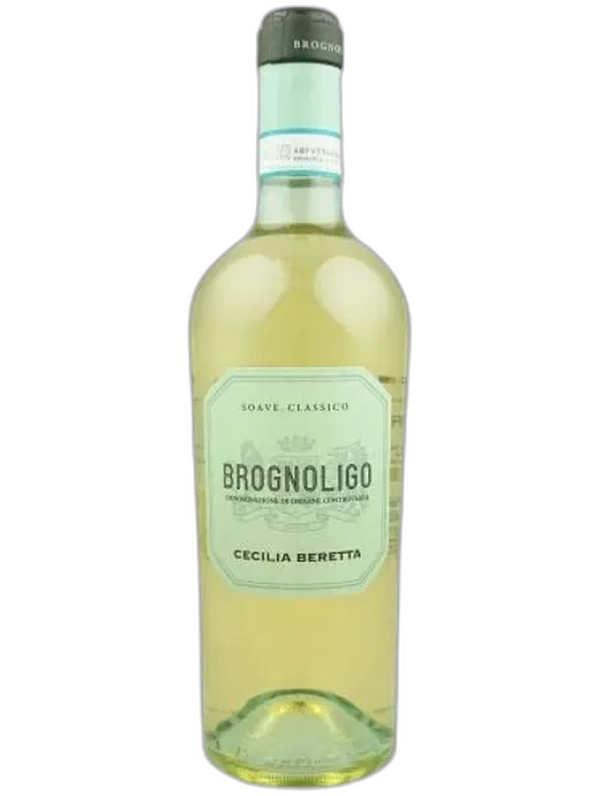
Soave Classico DOC Brognoligo Cecilia Beretta 2024
Cecilia Beretta's single-vineyard Soave Classico from the Brognoligo hill: 100% organic Garganega off 45-year-old pergola vines, late-ripened on the cane and finished with a little French oak. Chamomile, orchard fruit and a savoury almond close.
View Wine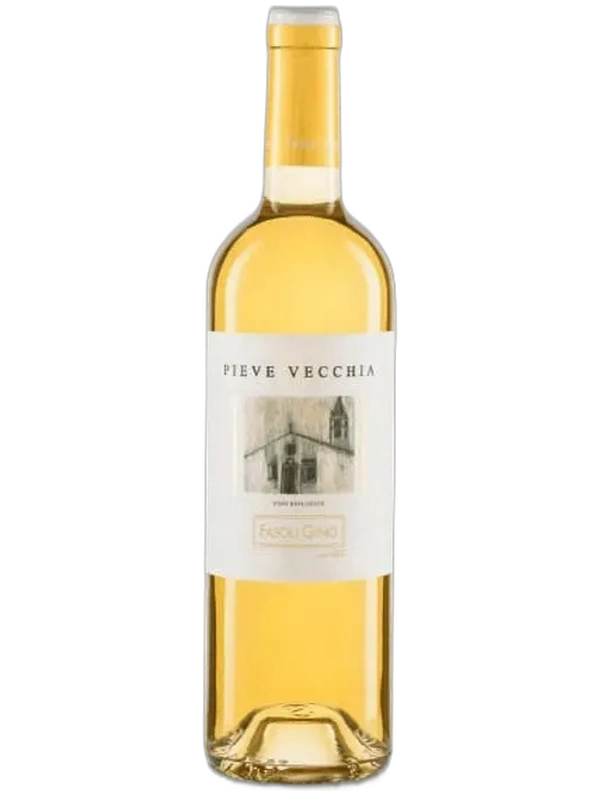
Fasoli Gino Pieve Vecchia 2021
A full-flavoured white from 100% Garganega, made east of Verona by the Fasoli family, who farm organically. Sweet spice, ripe white fruit and honeysuckle lead to a long finish of toast, smoke and almond. It drinks now and can age up to 15 years.
View WineFor the fizz devotee: beyond the default bottle
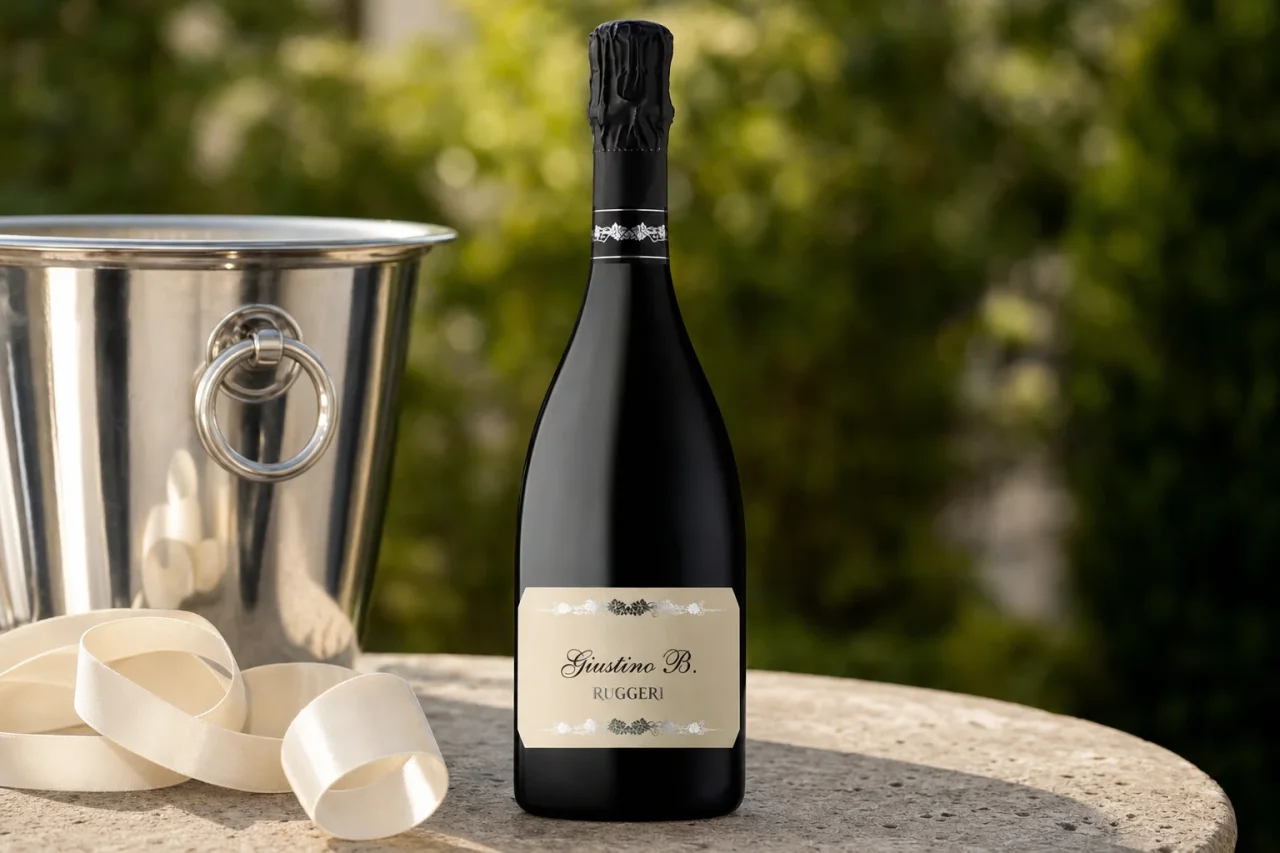
If they love bubbles, resist the supermarket default and give intention instead. A single-place Prosecco from the Valdobbiadene hills, a Rive or Cartizze bottling, turns the everyday fizz into a named-hillside wine, and the step up costs less than people assume.
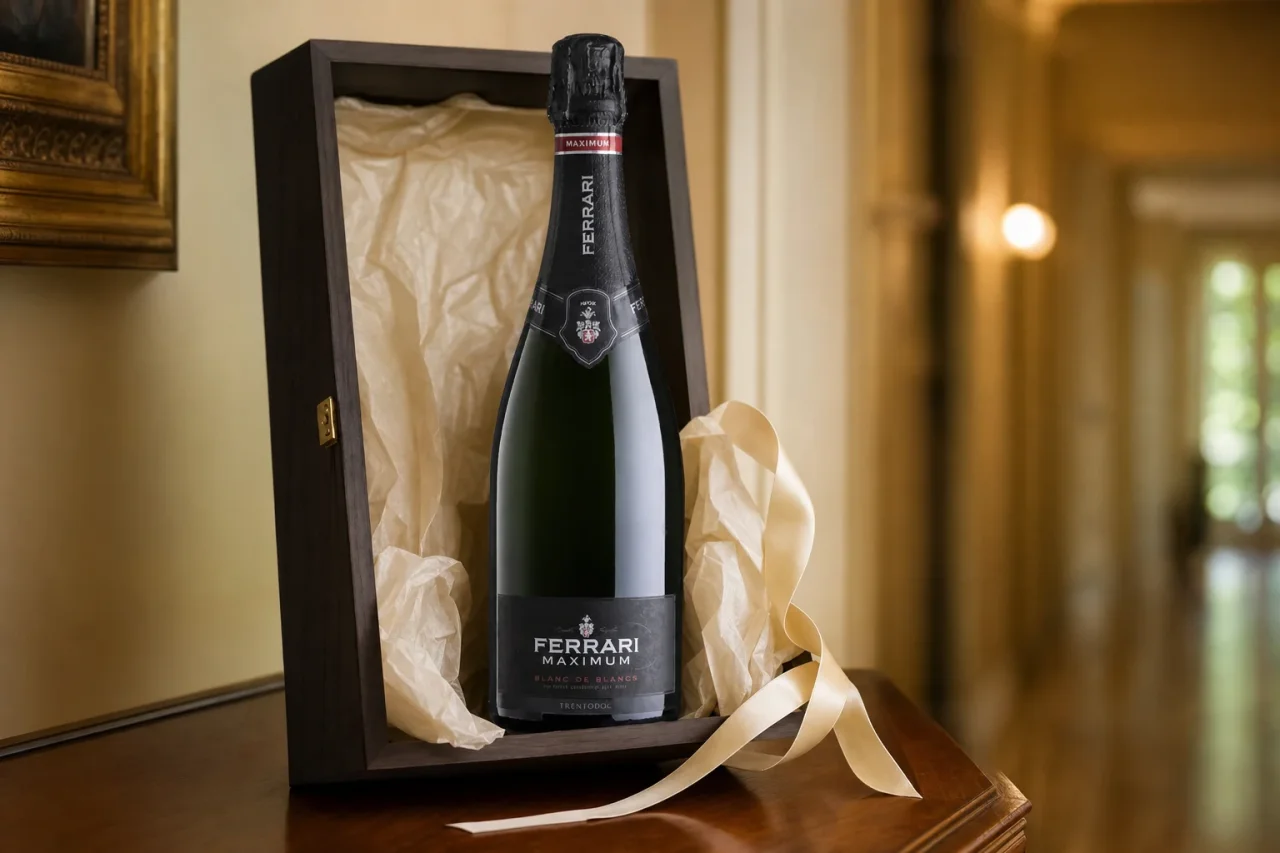
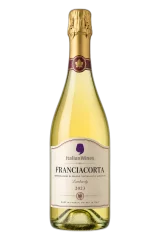
The serious escalation is metodo classico: Franciacorta from Lombardy or Trentodoc from the mountains, bottle-fermented like the French benchmark and increasingly its equal in the glass. Thirty to forty pounds buys a Franciacorta that would cost double with a French name on it, which is the kind of arithmetic that makes a gift feel clever as well as generous. Our Prosecco versus Champagne guide maps that whole ladder honestly, and the sparkling styles page shows the breadth beyond it.
Fizz is also the most forgiving gift format there is: it needs no cellar, no decanter and no occasion beyond the one it creates. If the giving is the occasion, hand it over cold and let the evening take its course.
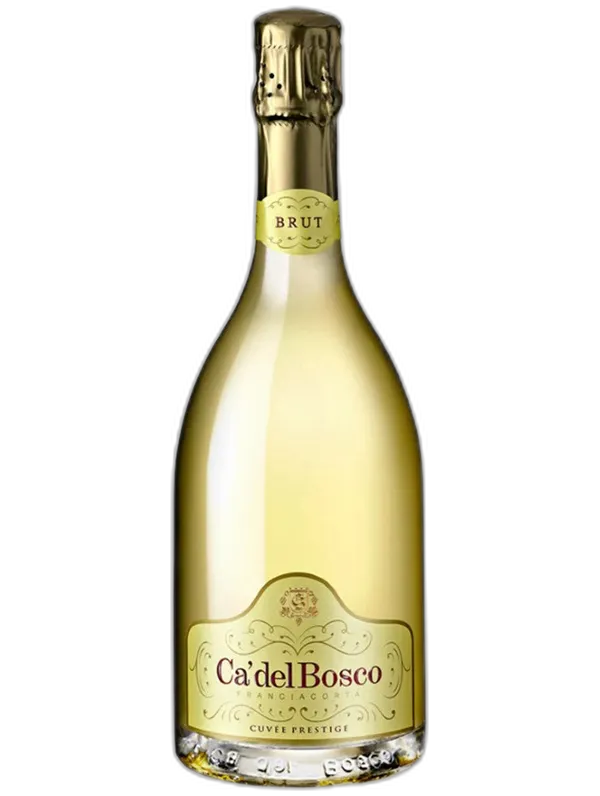
Ca' del Bosco Franciacorta Cuvée Prestige N.V.
Ca' del Bosco's flagship non-vintage Franciacorta: 80.5% Chardonnay with Pinot Nero, 25 months resting on its yeast, Extra Brut at 1.5 grams of sugar. Apple, pear and brioche; 4.1 from 28,000 Vivino drinkers. From £36 in the UK.
View Wine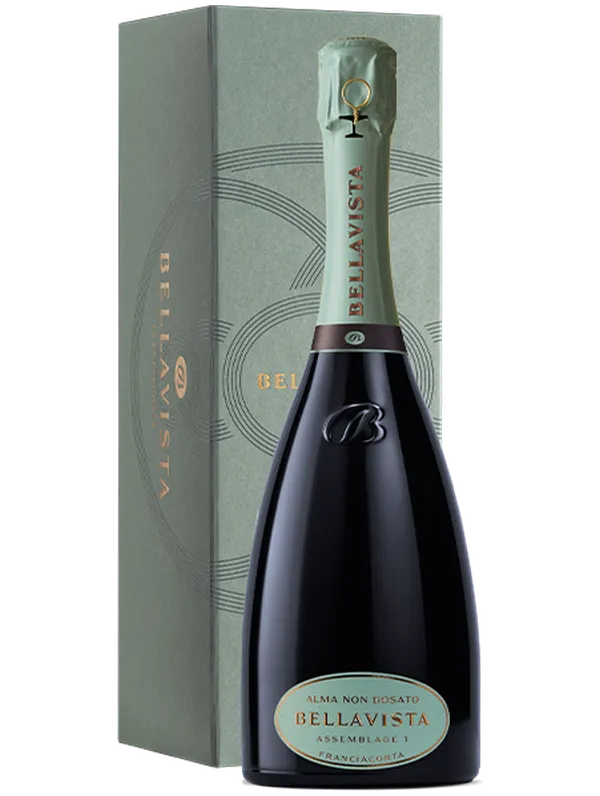
Azienda Agricola Bellavista Alma Non Dosato
Bellavista's bone-dry, zero added sugar Franciacorta from Erbusco: around 90% Chardonnay and 10% Pinot Nero, aged 30 months on its spent yeast. Citrus, white peach, brioche and a fine, stony mousse. A prestige aperitif and seafood sparkling.
View Wine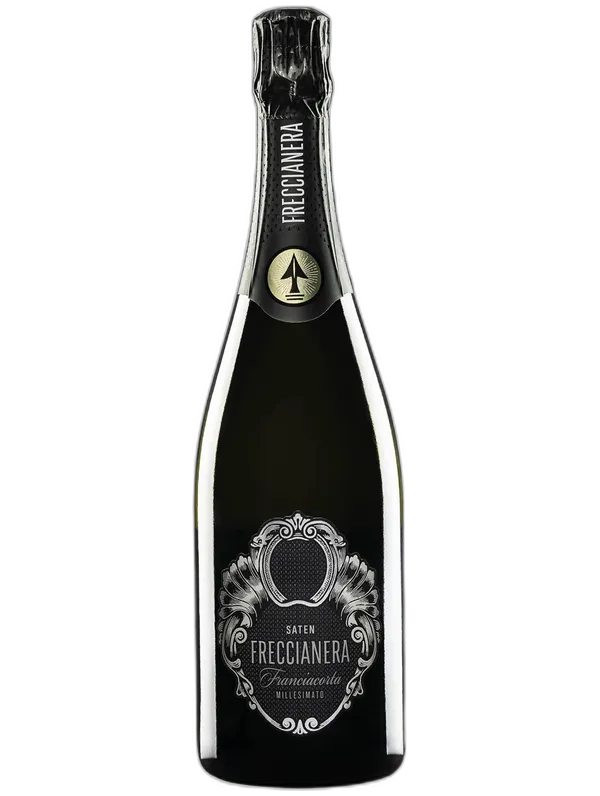
Franciacorta DOCG Brut Satèn Millesimato Freccianera Fratelli Berlucchi 2021
A vintage Franciacorta from Chardonnay grown on the Berlucchi family's own land at Borgonato. Satèn means a softer, gentler bubble. Three years on its yeasts bring apple, lemon and warm brioche. Built for the table, not just the aperitif.
View Wine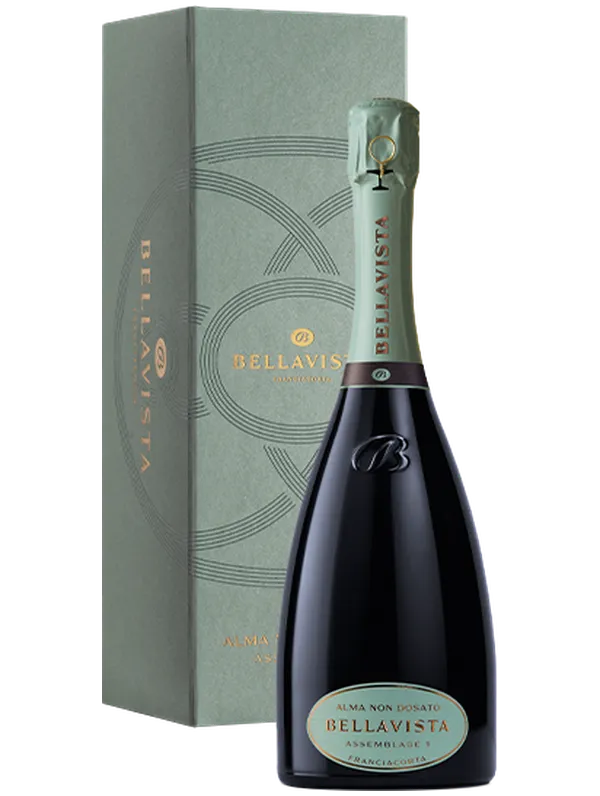
"Alma Assemblage 3" Franciacorta Non Dosato DOCG
View Wine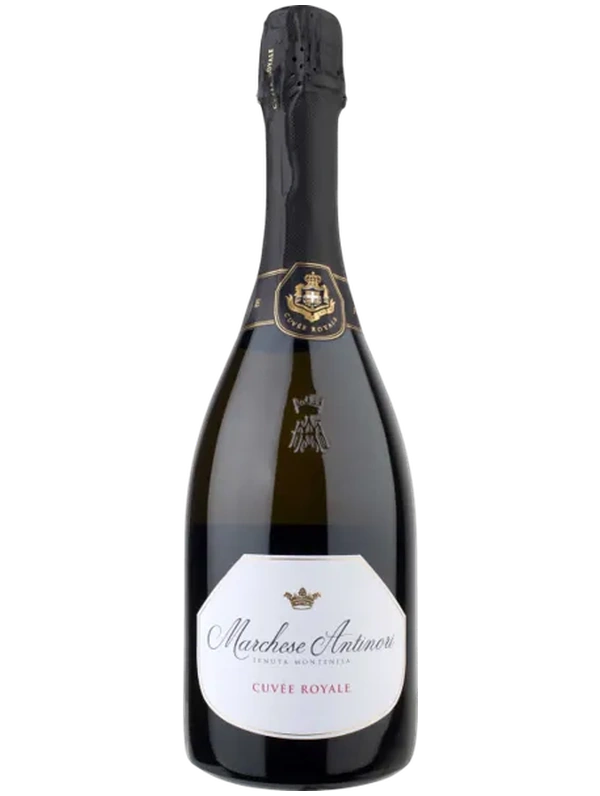
Marchese Antinori Franciacorta Cuvee Royale
View Wine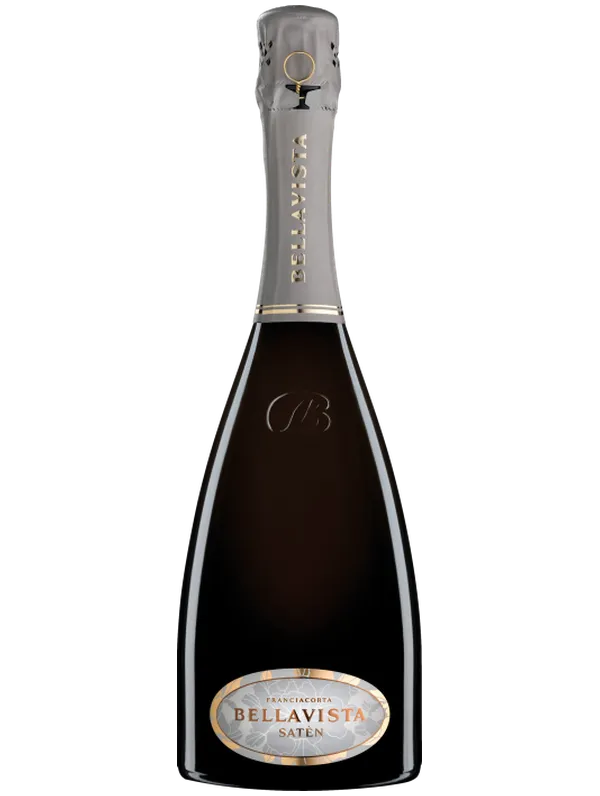
Bellavista Franciacorta Saten 2021
Bellavista's softest sparkler: all Chardonnay from Erbusco, four years on its yeast, bottled at lower pressure so the bubble is creamy rather than sharp. Citrus, pink flowers and toasted nuts. From £39.92.
View Wine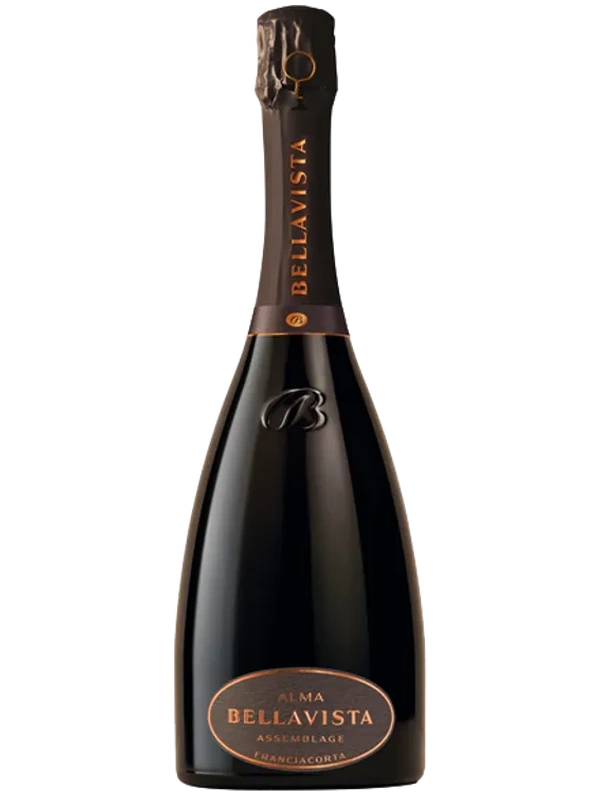
Bellavista, Alma Assemblage 2, Lombardy Franciacorta Extra Brut NV
View Wine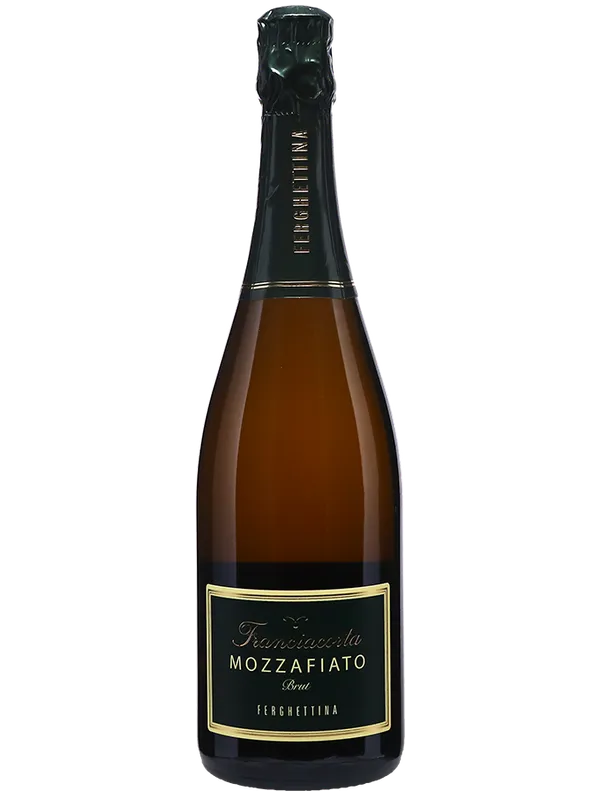
Ferghettina Franciacorta Brut
View Wine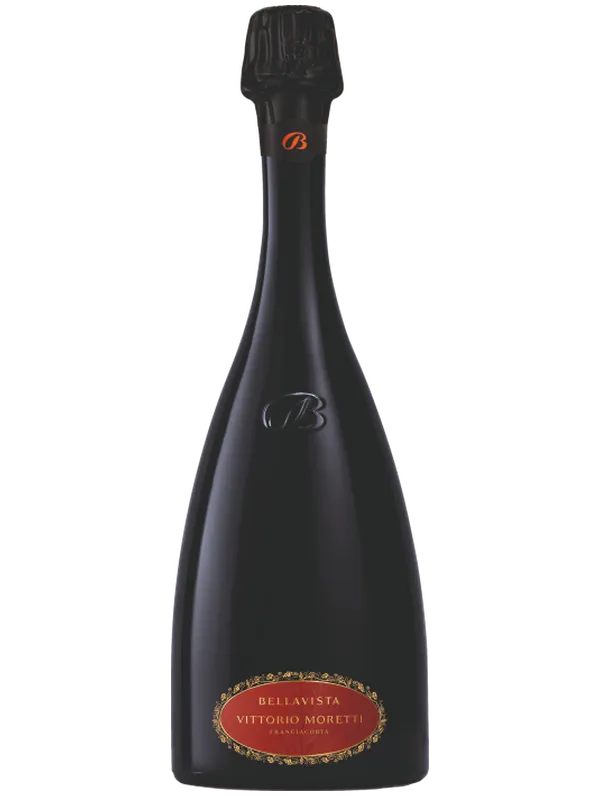
Azienda Agricola Bellavista Vittorio Moretti Riserva 2018
Bellavista's flagship Franciacorta, made only in the finest vintages. A Chardonnay-led Riserva from Erbusco, barrel-fermented and aged seven years on the lees: fine mousse, orchard fruit, hazelnut and brioche over an Extra Brut, mineral finish.
View Wine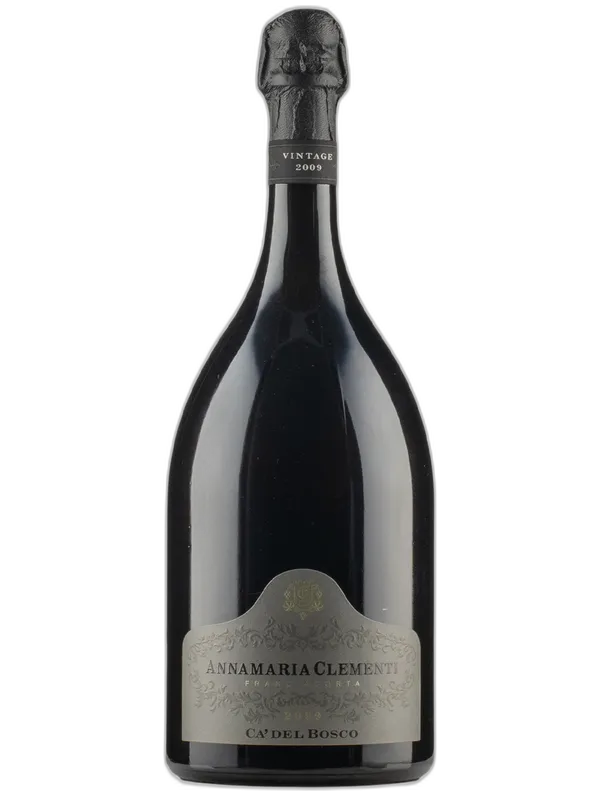
Annamaria Clementi Ca del Bosco 2017
View WineFor the beginner, the sweet tooth and the just-in-case
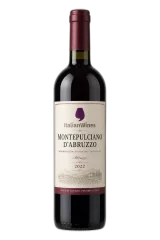
For the drinker just starting out, warmth beats homework: a soft southern red or a juicy Montepulciano d'Abruzzo gives pleasure without demanding vocabulary, and it teaches the right first lesson, which is that Italian wine is for dinner, not for exams. Spend fifteen to twenty pounds here; the step from eight to eighteen buys more pleasure than any step above it.
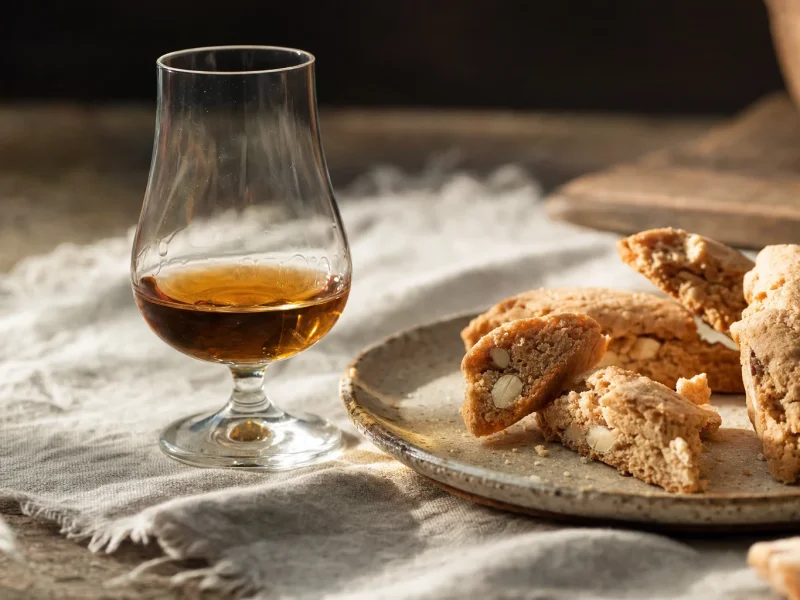
For the sweet tooth, Italy keeps a whole tradition most gift-buyers never think of: Vin Santo with almond biscuits, Recioto, Moscato d'Asti at a birthday breakfast. Our guide to Italian sweet wines maps them, and the sweet styles page lists what is on the shelf; these bottles also keep for weeks once open, which makes them the most practical gift in this whole list, and the kindest one for a household that drinks slowly.
And when you genuinely do not know the palate, stop guessing and give the story instead: a bottle from their birth year, their wedding year or the coastal upstarts they read about in a novel once. Stories survive palate mismatches; a Barolo person still keeps the Soave from the year their daughter was born. The gift shelf sorts bottles by the year that matters, and a story forgives an imperfect palate match every time.
Frequently asked questions
The one that matches the drinker. For a lover of structured reds, a Barolo or Barbaresco riserva; for someone who likes power, Amarone della Valpolicella; for a white-wine drinker, single-vineyard Soave; for the fizz devotee, a Cartizze or a Franciacorta. If you know nothing about their palate, a bottle from a year that matters to them beats any guess about taste.
Rarely. Most already own the two objects that matter, a decanter and decent glasses, and the rest of the gadget shelf goes unused. If an object is genuinely wanted, our decanter guide and glassware guide point at the ones worth owning. Otherwise the money spent on an aerator buys a seriously good bottle of Primitivo di Manduria, and only one of those two gifts gets remembered.
Specificity impresses more than spend. A village-level Barbaresco, a named-vineyard Soave or a single-hillside Prosecco Rive shows you understood that place matters, which is the whole language connoisseurs speak. A mature bottle from a meaningful year lands hardest of all; our birth-year guide explains how to buy one honestly, including when the year itself was too weak to drink.
Italy is the answer sheet: serious Soave from volcanic hills, Vermentino from Sardinia, or an Etna white for the mineral-minded. Choose a single-vineyard bottling rather than an entry label and the gift carries the same weight a riserva red would. If it is meant for the evening you give it, arrive with it already cold.
Give the story, not the guess. A bottle from their birth year or wedding year works for any palate because the year is the point; our gift shelf sorts Italian bottles exactly that way. Failing that, sparkling wine is the most forgiving default, and our wine gift guide walks the budget and the wrapping so the bottle arrives looking intended, not improvised.