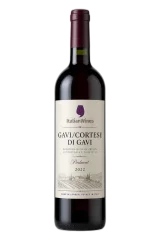
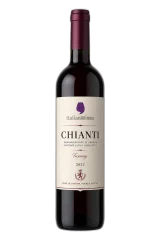
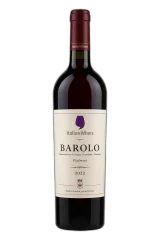
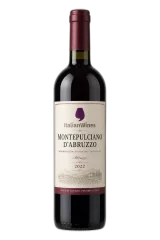
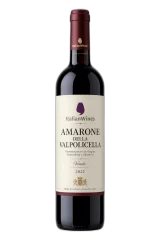
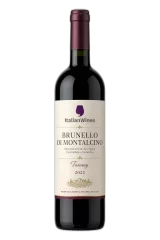
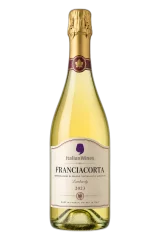
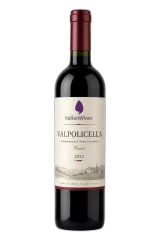








Italian Wine Gift Ideas for Every Occasion
TL;DR
- Let the occasion choose the wine: a dinner party wants a ready-tonight bottle, a wedding wants a year that will matter, and a retirement wants patience in glass form.
- Italian custom gifts wine in pairs, one white and one red, or two bottles that talk to each other, and the habit solves most occasions on this page.
- For the occasions that deserve a story, a bottle from the right year beats a bottle at the right price, and our shelf sorts Italian wine exactly that way.

The giver's question is not the host's question
Choosing wine to serve at your own table is one problem, and our food pairing guides solve it. Giving wine is a different problem wearing the same clothes: the bottle has to work without you, land in a kitchen or cellar you have never seen, and say something on your behalf when you are not in the room. The occasion, not the budget, is the best guide to what that something should be.
Italy also brings one custom that quietly solves half of this page. By galateo, wine is given in pairs, one white and one red, or two bottles in conversation, and one to three bottles is the polite range, with a full case considered excessive. A pair covers an unknown palate the way no single bottle can, and it turns fifteen pounds of thought into thirty pounds of welcome at the door.
What follows is the occasions, one by one. The wine gift guide handles budgets and boxes across all of them, and the gift shelf holds the bottles whose year is the point.
One habit improves every occasion below: say what the bottle is for when you hand it over. For tonight, for the cellar, for the first anniversary, for the day the baby turns eighteen. The sentence costs nothing and converts a nice object into an intention, which is the actual currency of gifts.
Dinner parties: the bottle you bring
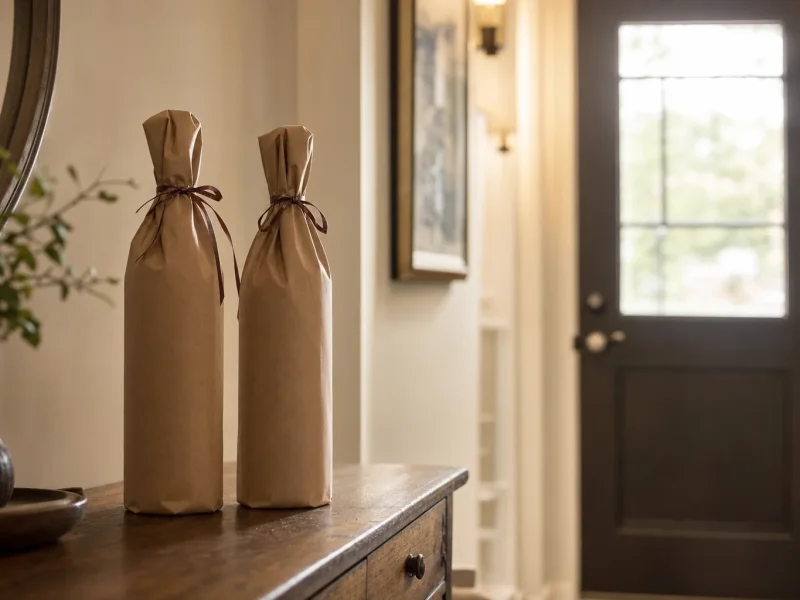
The dinner-party bottle should be ready tonight and generous about it, because whether it is opened tonight is the host's call, not yours; the etiquette of that moment is a page of its own in our guide to presenting a wine gift. Choose something that needs no cellar and no decanting marathon, arrived at the door in the state it wants to be drunk: whites and pinks cold, reds cellar-cool rather than kitchen-warm.
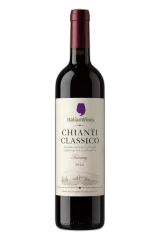
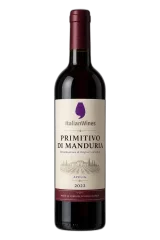
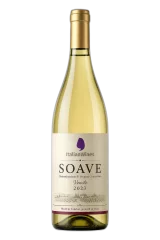
Safe and genuinely pleasing: a Chianti Classico from a named estate, a serious Soave arriving cold, or a Primitivo di Manduria when the table runs to slow-cooked food. The pair custom shines here: one of the whites beside one of the reds reads as thought, not indecision.
Avoid the trap of bringing your own favourite heavyweight to someone else's menu. A bottle that demands attention competes with the cooking; a bottle that offers pleasure joins it. And mind the difference between a gift and a contribution: if the invitation said bring a bottle, bring one for the table, ready and cold, and save the wrapped present for a host you owe more than an evening.
Weddings, engagements and new arrivals
A wedding gift wants a year on it. A bottle from the couple's engagement year, or a pair laid down from the wedding vintage itself, becomes an anniversary ritual with a decade of opening dates already written; our birth-year and anniversary guide explains which Italian years genuinely hold and which are keepsakes, and the same logic powers gifts for a fiftieth as easily as a first anniversary, down to a 1976 riserva for a golden year.
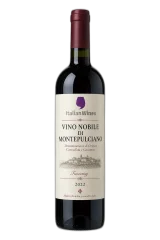
For a new baby, give the future: a structured red bought now to be opened at eighteen or twenty-one. Brunello di Montalcino riserva and Barolo riserva are the classic lay-down choices, and Vino Nobile di Montepulciano is the clever one, riserva-grade Sangiovese from Tuscany's quietest great name, usually at two-thirds the money.
Write the opening date on the gift tag. A lay-down bottle without instructions becomes a dusty ornament; with a date it becomes an appointment the family keeps. Add one line about keeping it, cool, dark and on its side, or point the parents at our wine storage guide, because an eighteen-year promise deserves better than the shelf above the radiator.
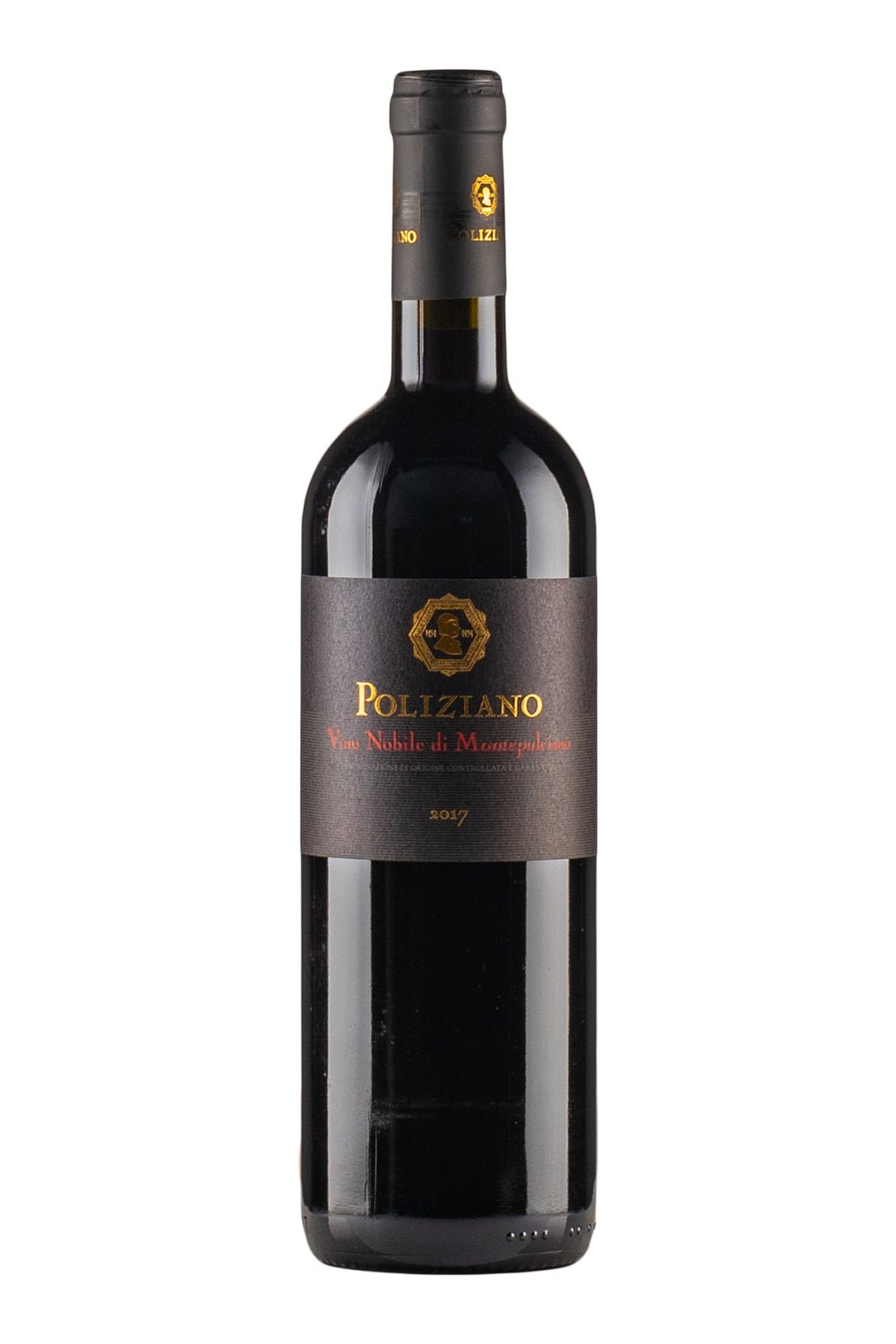
Azienda Agricola Poliziano Vino Nobile di Montepulciano 2023
Poliziano's Vino Nobile di Montepulciano: roughly 90% Prugnolo Gentile (Sangiovese), aged 14 to 16 months in French oak and traditional large casks. Sour cherry, leather and sweet spice over firm Tuscan tannin in a structured, food-friendly red.
View Wine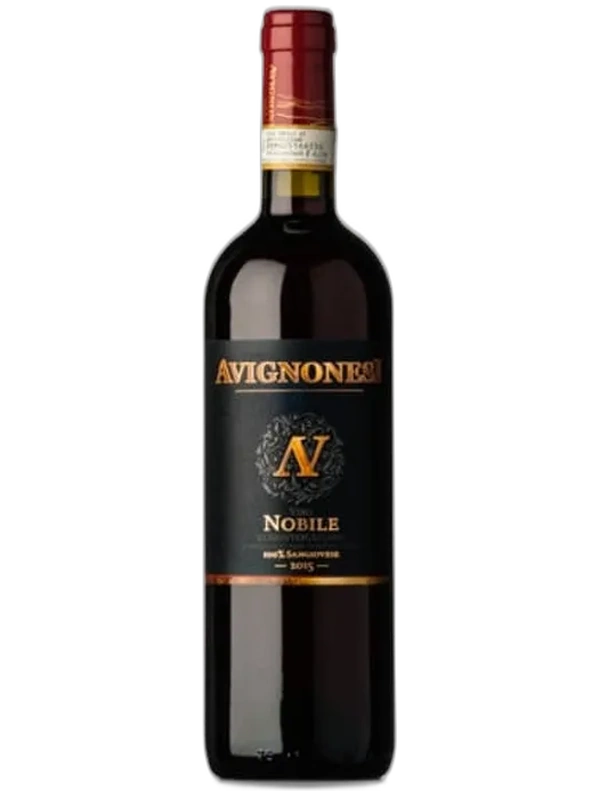
Avignonesi Vino Nobile di Montepulciano 2022
View Wine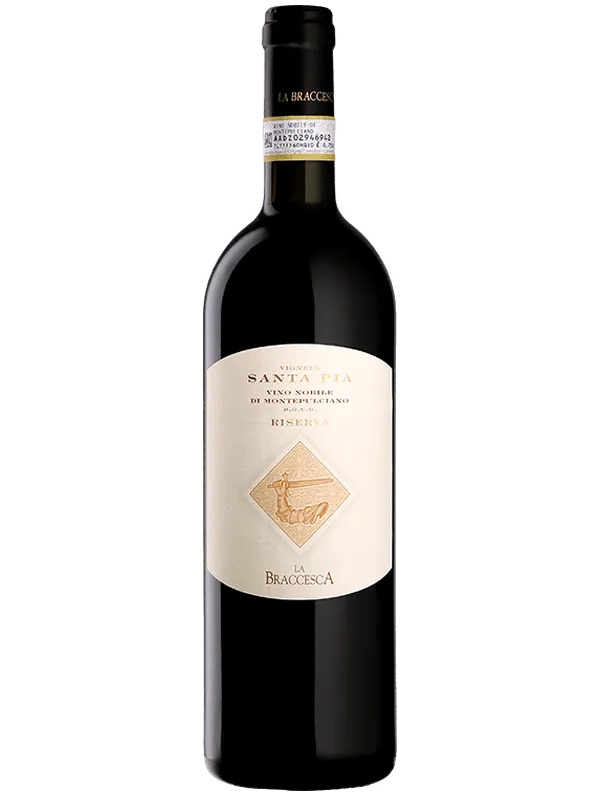
Antinori - La Braccesca Vigneto Santa Pia 2021
View Wine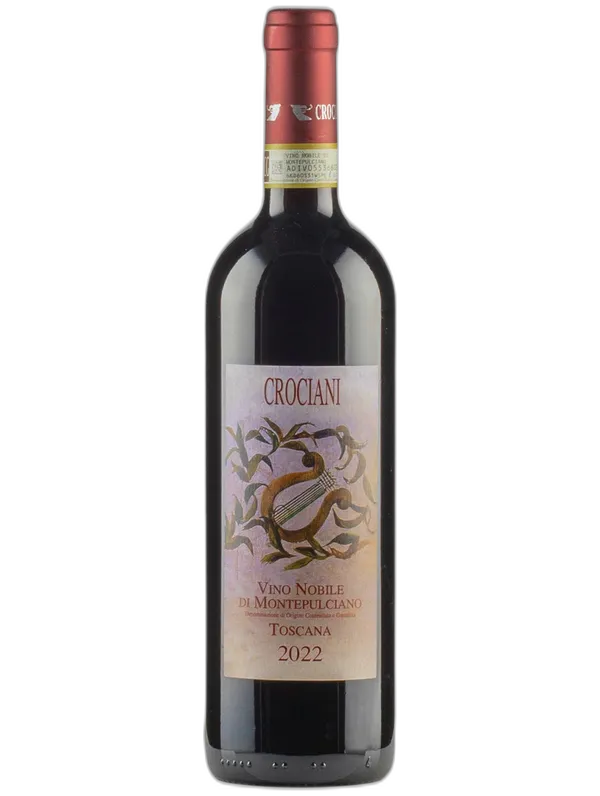
Vino Nobile di Montepulciano DOCG Crociani 2022
View Wine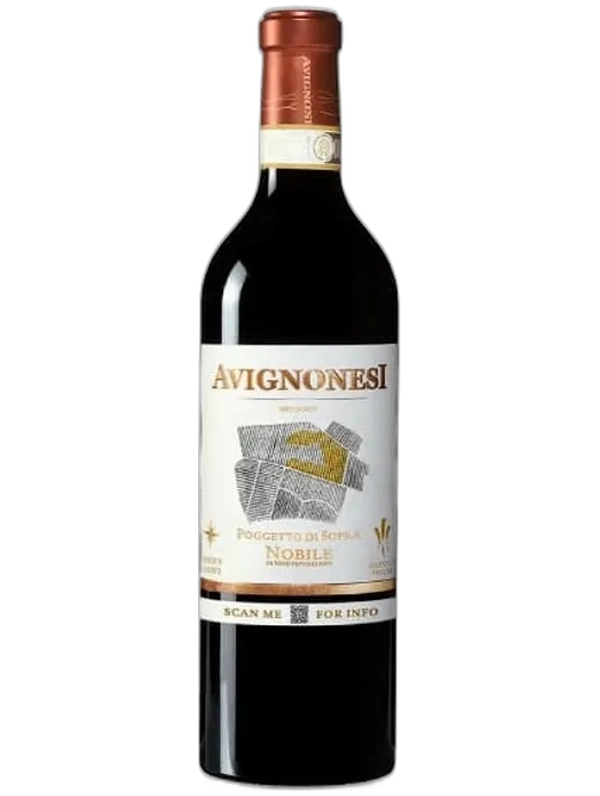
Avignonesi Poggetto di Sopra Nobile di Montepulciano 2022
View Wine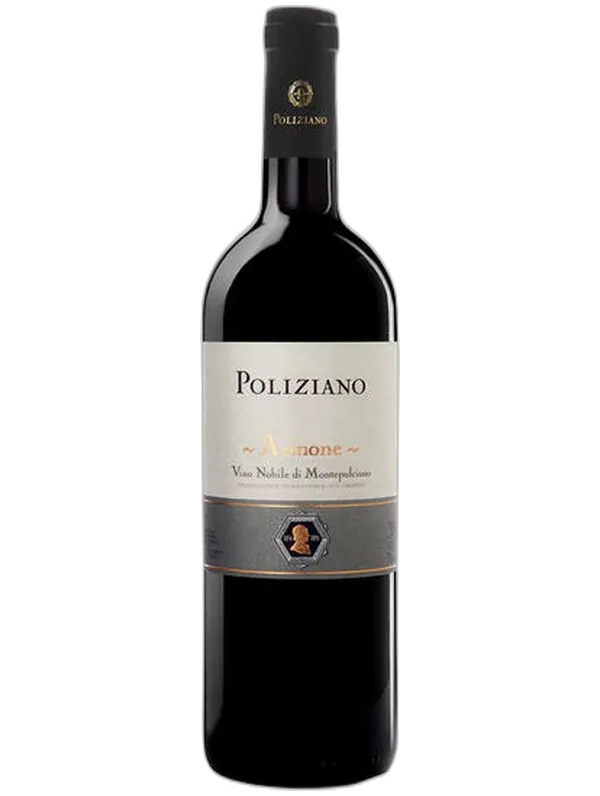
Poliziano Vino Nobile di Montepulciano Asinone 2022
View Wine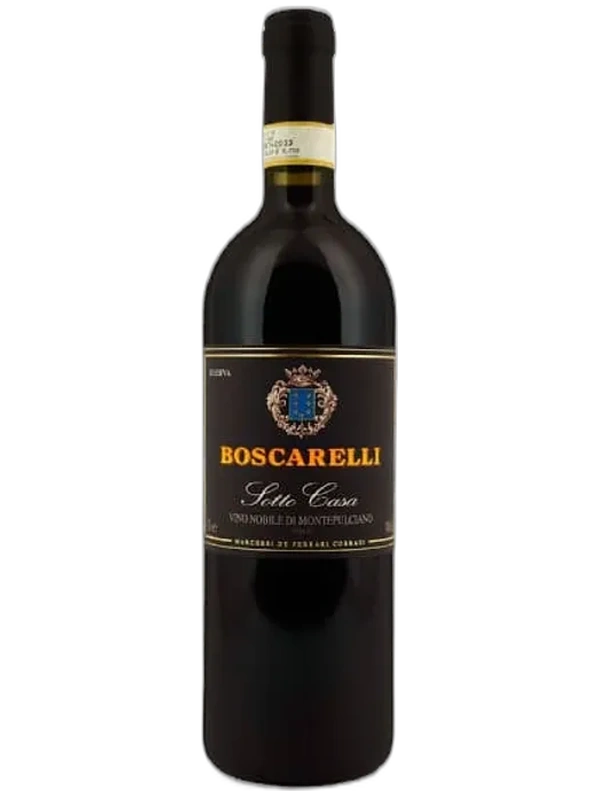
Boscarelli Sotto Casa Vino Nobile di Montepulciano Riserva 2021
View Wine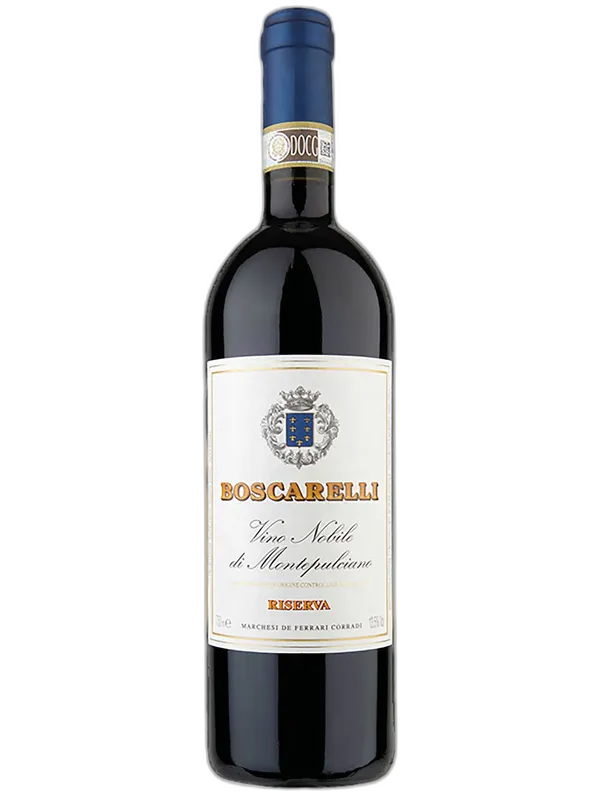
Boscarelli Vino Nobile di Montepulciano Riserva 2021
View WineHousewarmings, thank-yous and the host who has everything
A housewarming is the one occasion where the pair custom becomes a starter cellar: one white, one red, both chosen to be drunk in the first month of unpacked boxes. Soave and Chianti Classico do it with polish; a Sicilian white and a southern red do it with sunshine. Add the third bottle, by custom reserved for bigger festivities, when the house is a first house.
Thank-yous want immediacy, a bottle for this week, not this decade, and scale matters: a favour repaid with Amarone feels like a mortgage. For the small kindness, honest rosato in summer or a bright Prosecco does the job with charm. Match the magnitude of the bottle to the magnitude of the favour and neither side feels awkward about it.
For the host who seems to own everything, aim sideways rather than upwards: a style they will not have met, an orange wine, a cloudy Sui Lieviti Prosecco, an island white grown on Sicily's volcano. Novelty chosen with care outranks expense chosen without it.
Professional thank-yous run on quieter rules: mid-priced, elegantly boxed, and from a name the recipient can mention in the office without anyone checking a price. A riserva Chianti Classico in a wooden box is the tailored suit of this category, formal enough to honour the favour, familiar enough to cause nobody a moment of embarrassment.
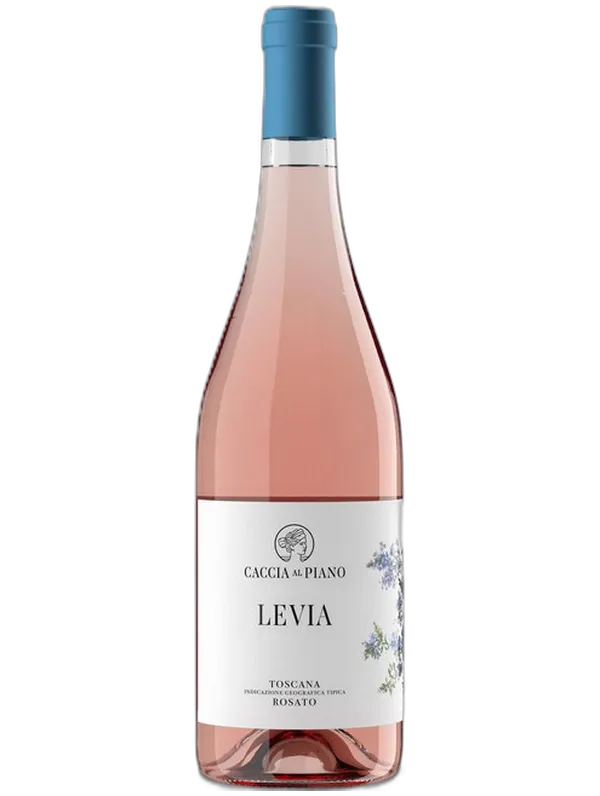
Levia Toscana Rosato 2024
Caccia al Piano splits this Bolgheri-estate rosato evenly between Syrah and Merlot, steel-fermented with four months on its spent yeast. Expect pale salmon colour, wild strawberry and pink grapefruit, a salty snap, and easy 12% drinking.
View Wine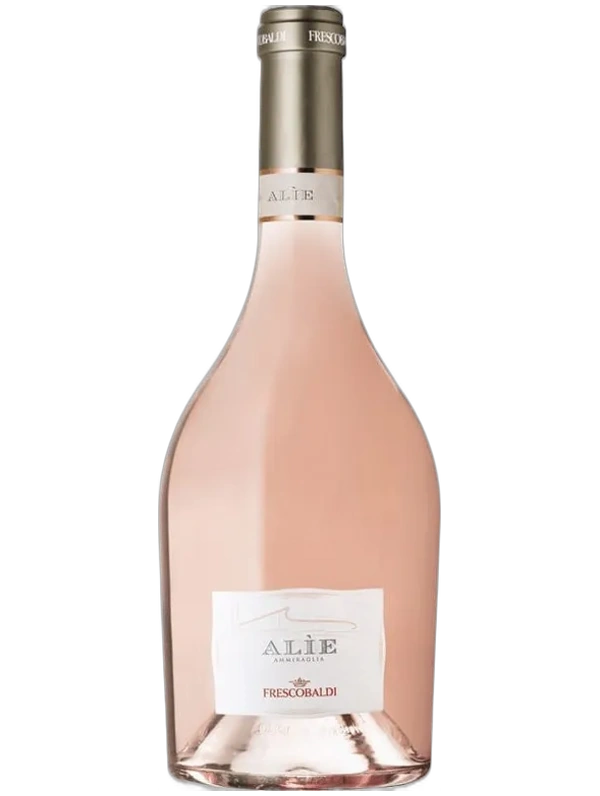
Frescobaldi Alie Rose 2025
Frescobaldi's coastal Tuscan rosé from Tenuta Ammiraglia, a Syrah-led blend with a splash of Vermentino. Pale pink and dry, with grapefruit, wild strawberry and a salty, stony lift. A crisp aperitivo rosé, widely stocked in the UK from about £15.
View Wine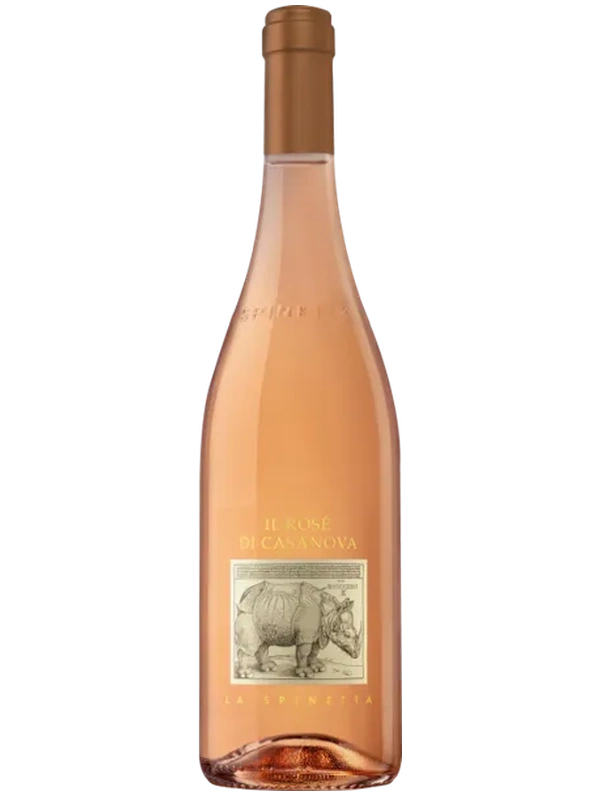
La Spinetta Il Rose di Casanova 2025
A dry Tuscan rosé from La Spinetta's Casanova estate: equal parts Sangiovese and Prugnolo Gentile, three months on the lees in steel. Fresh and delicate, with citrus, wild strawberry and a saline, herb-brushed lift. Toscana IGT, around £17.
View Wine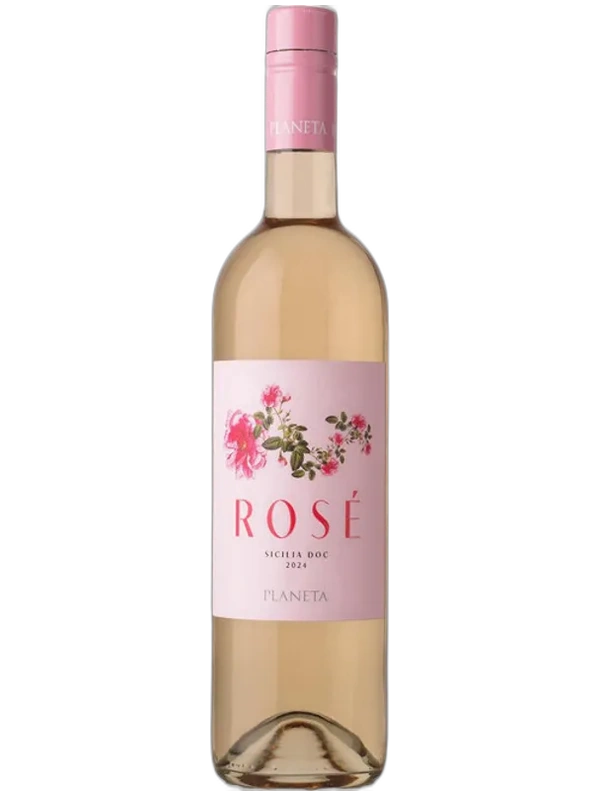
Rosé Sicilia DOC 2025
Planeta's pale, oyster-pink Sicilia DOC rosé blends organic Nero d'Avola and Syrah from Menfi. Wild strawberry, pink grapefruit and chalky, salty freshness make a dry, low-tannin aperitivo wine, scored 90 by James Suckling and two more critics.
View Wine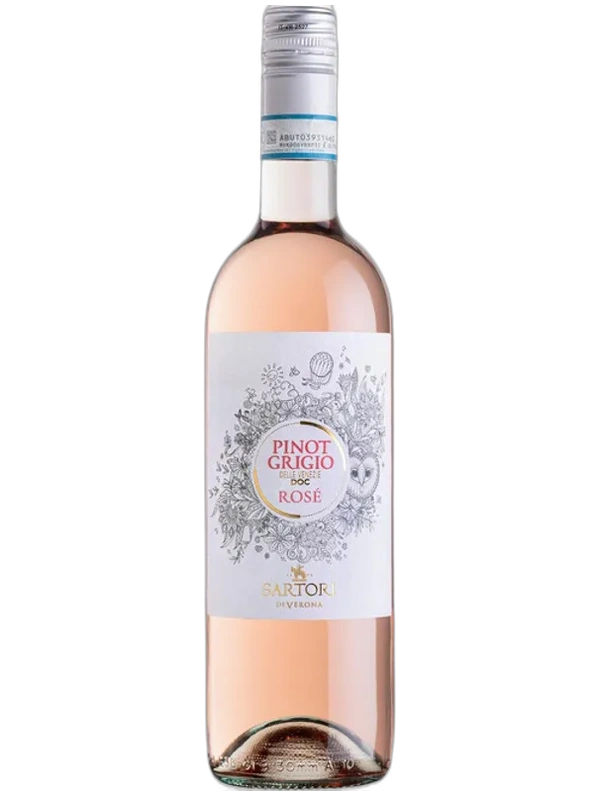
Pinot Grigio Rose' Venezie Vigna Mescita IGT 2025
Casa Vinicola Sartori's blush Pinot Grigio from delle Venezie: brief skin contact gives a pale-copper, rose-petal colour, with orange citrus, peach and a slice of strawberry. Dry, light and crisp at 12%, screwcapped for easy everyday pours.
View Wine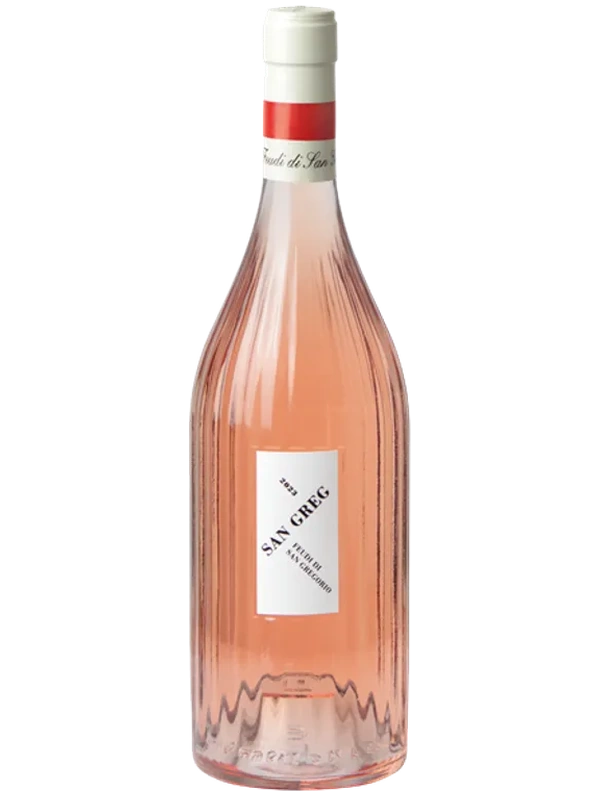
Feudi di San Gregorio, San Greg, Campania Rosato 2025
Feudi di San Gregorio's San Greg is a pale, dry Campania Rosato IGT from Aglianico grown on Irpinia hills up to 700m. Fresh flowers, wild strawberry and cherry over crisp stainless-steel freshness, an aperitivo rosé at around £19 to £25.
View Wine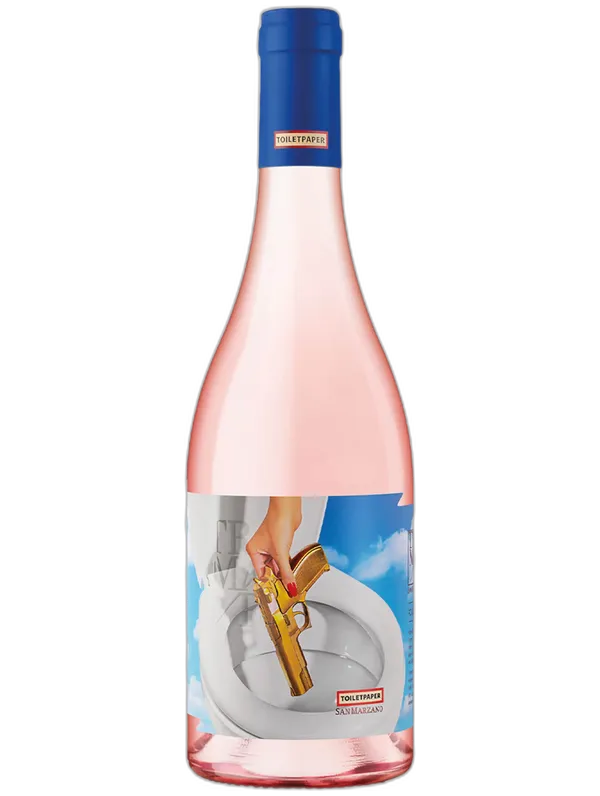
Salento IGT Rosé di Primitivo Tramari Toiletpaper San Marzano 2025
San Marzano's Tramari rosé wearing its TOILETPAPER art label, from the studio of Maurizio Cattelan and Pierpaolo Ferrari. The juice is the estate's saline, cherry-led Salento Primitivo, steel-aged for freshness. Drink it young; keep the bottle.
View Wine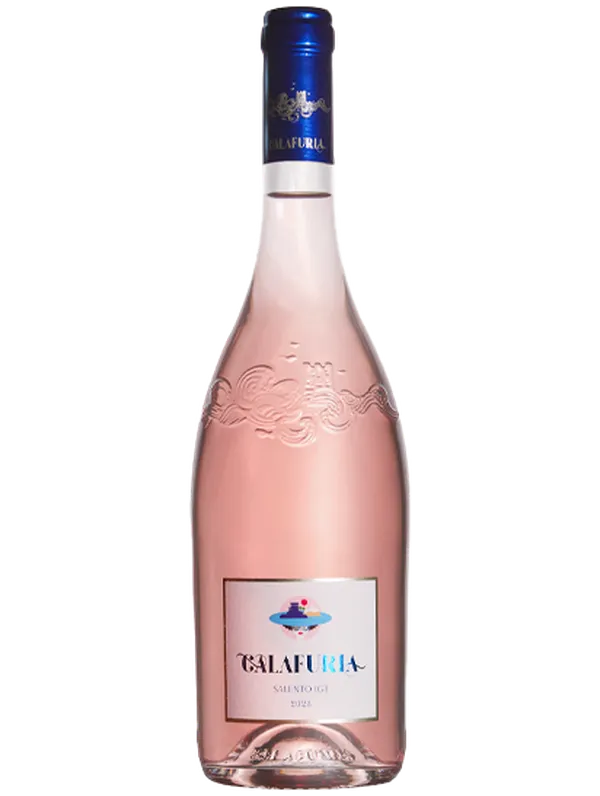
Calafuria Negroamaro Rosato Salento IGT 2025
Tormaresca's pale pink Puglian rosé, 100% Negroamaro from vines by the Adriatic at Masseria Maìme. Dry and 12%, with pink grapefruit, nectarine and a light salty finish. Drink within two years. About £17 to £23 a bottle in the UK.
View Wine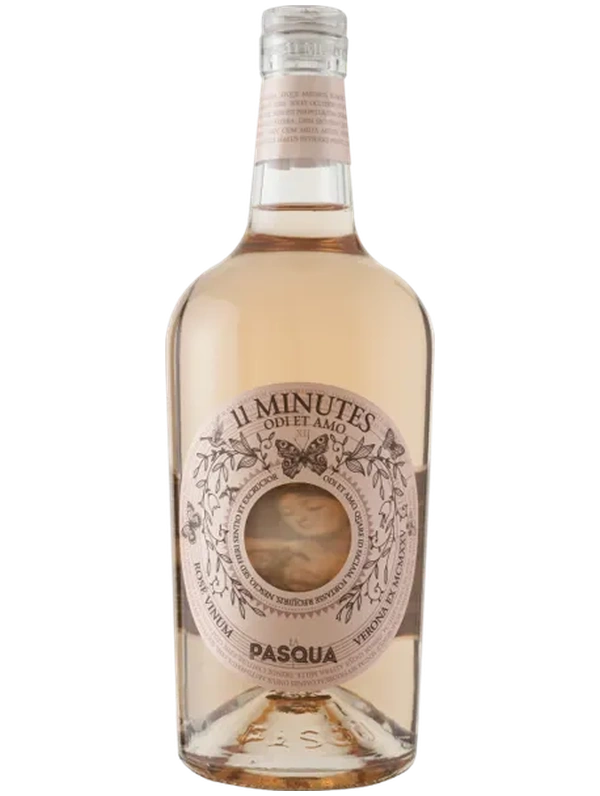
Pasqua 11 Minutes Rose 2025
A pale, dry rosé from Pasqua in Verona, named after the 11 minutes its juice spends with the grape skins. Corvina leads a blend with Trebbiano di Lugana, Syrah and Carménère. Expect strawberry and peach, with a light, fresh feel.
View Wine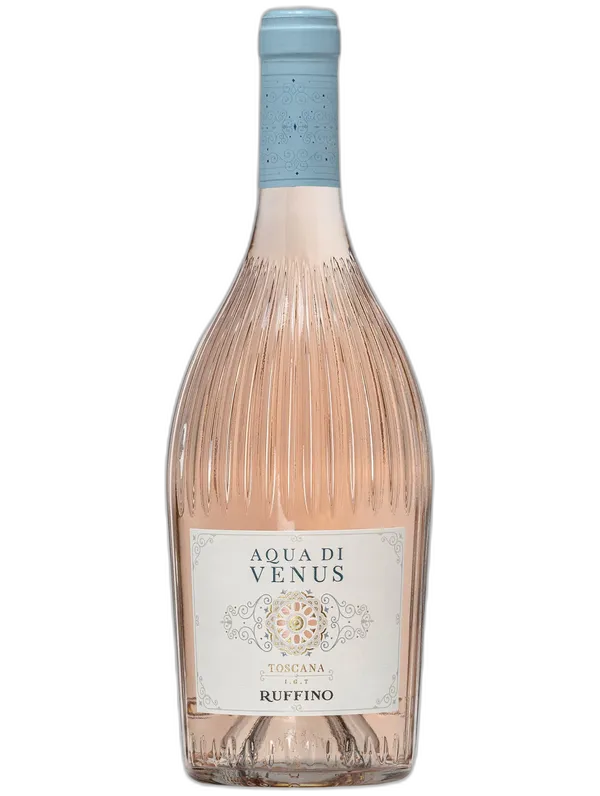
Toscana Rosé IGT Aqua di Venus Ruffino 2025
Ruffino's Provençal-style rosé from the Maremma coast: Syrah, Vermentino, Pinot Grigio and Sangiovese, made in steel with no oak. Wild strawberry, a touch of spice and a salty, stony finish. Two UK shops sell the 2025 at £18.50 to £18.90.
View WineRetirements, promotions and the big birthdays
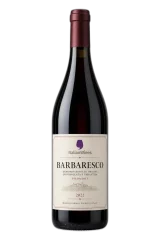
Retirement is the patience occasion: the gift of wine that improves alongside the free time to enjoy it, and the rare moment when a whole mixed pair of serious bottles feels proportionate rather than showy. A young Barolo or Brunello with a decade ahead says the best is coming, which is the entire message a retirement gift should carry. For the retiring colleague who already cellars seriously, a mature bottle from their start-date year is the deeper cut, the kind of gift that gets a speech of its own at the leaving do.
Promotions and toasts belong to sparkling wine: a named-hillside Prosecco for brightness, a metodo classico for gravitas. Big birthdays split by decade: the thirtieth wants the good bottle now, opened among friends, the fiftieth wants the year itself on the label, and our birth-year guide carries the honest map of which decades drink and which commemorate.
Across all of them the rule from the top of this page holds: the occasion writes the brief. Patience for retirement, sparkle for promotion, memory for the birthdays that end in zero. Graduations and first jobs sit at the sparkle end too, with one refinement: give something drinkable in a small flat with no cellar, opened with flatmates on a Tuesday rather than saved solemnly for a future that has not arrived yet.
Christmas, and the case for planning ahead
Christmas is the one occasion that rewards a calendar. The custom stretches to three bottles for the season's gifts, sweet wines step forward at last, Vin Santo for the biscuits, Recioto della Valpolicella for the pudding, Moscato d'Asti for the morning after, as mapped in our guide to Italian sweet wines, and anything wearing a sweet style keeps for weeks once opened, which suits a season of grazing.
Order early rather than generously: the good bottles of December are bought in November, and a gift chosen calmly in autumn beats one grabbed in a queue. The occasions on this page do not move; the stock does. The organised giver's secret runs one further step: the mature and unusual bottles that make the best gifts surface all year round, and the January lull is the kindest month to buy for the December you already know is coming.
Frequently asked questions
Italian galateo answers precisely: one to three, ideally a pair, one white and one red or two bottles that complement each other, with three reserved for bigger occasions like Christmas. A whole case reads as excessive rather than generous. The pair solves the unknown-palate problem too, which is why it survives as custom; our wine gift guide covers how the two should arrive.
Something ready tonight and offered with no strings: a named-estate Chianti Classico, a cold serious Soave, or a warm southern red like Primitivo di Manduria. The host decides whether it is opened, so avoid bottles that demand ceremony. Our presenting guide covers the hand-over words and whether the host is obliged to pour it, which they are not.
A year with meaning: bottles from the engagement year, or a pair from the wedding vintage laid down for anniversaries to come. Structured Italian reds, Brunello, Barolo, Vino Nobile di Montepulciano, carry a decade easily. Our birth-year and anniversary guide lists which years genuinely hold; write the first opening date on the tag so the ritual starts itself.
One of the best, because it furnishes the part of the house nobody budgets for. Give the starter pair, a white and a red chosen to be drunk within the month, rather than a trophy that needs a cellar the new house may not have. A Soave beside a Chianti Classico is the polished version; a Sicilian white beside a Puglian red is the sunny one. Add a third bottle when the move is a first home.
Scale down and sweeten up. A half-bottle, a gentle rosato or a dessert wine that keeps for weeks once open respects how they actually drink; our sweet wine guide is full of bottles that wait patiently. Better still, give the story instead of the volume: a bottle from a meaningful year says everything at any pour rate, and the gift shelf sorts bottles by exactly that.