




Piedmont · DOC
Dolcetto d'Alba DOC The Langhe's Soft, Dry Everyday Red, Explained
Dolcetto d'Alba is the everyday red of the Langhe, the wine its rulebook calls the wine of friendship, drunk by the glassful. It is 100% Dolcetto from the same hills as Barolo and Barbaresco: ruby with violet glints, dry, soft and low in acidity, with a bitter-almond finish. Nearly all of it is made to drink young.


Decode the label
What the label tells you
One word on the front changes the ageing, the strength and the price.
On the label
Dolcetto d'Alba DOC
the everyday red


Ruby and violet, cherry and plum, soft and dry with a bitter-almond finish. Almost the whole shelf sits here.
In stock from £13.10 See the 48 bottles ↓On the label
Superiore
a year's rest, 12.5%

Rare: most estates sell their Dolcetto young rather than hold it a year. Sold from November of the year after harvest.
In stock from £34.50 See the 1 bottle ↓The boundary
Where it is
Everything on this page, the estates, the bottles, the sub-zones, sits inside this line.
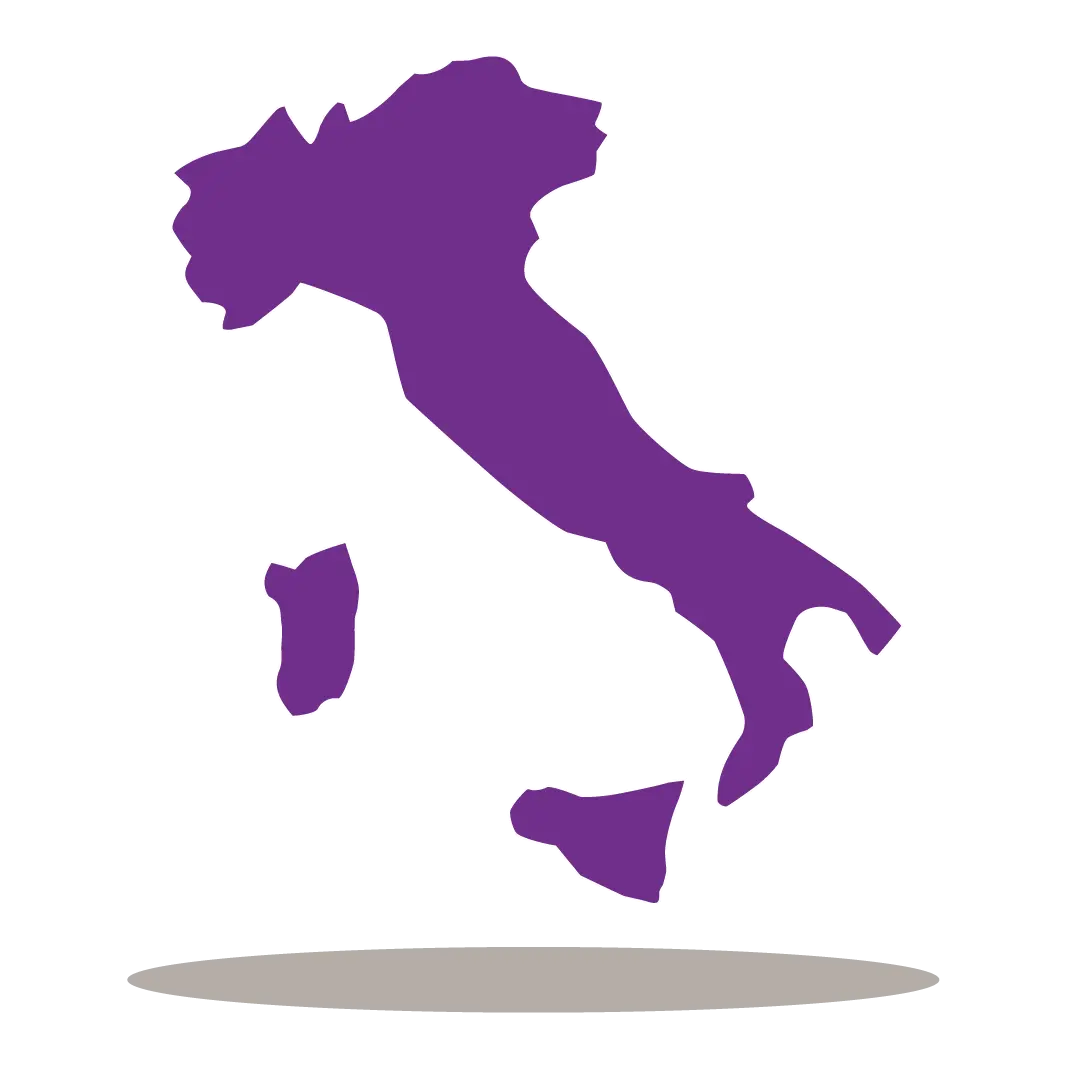
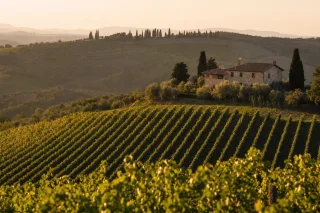
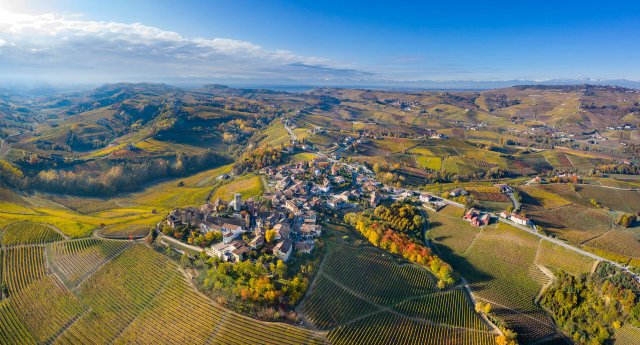
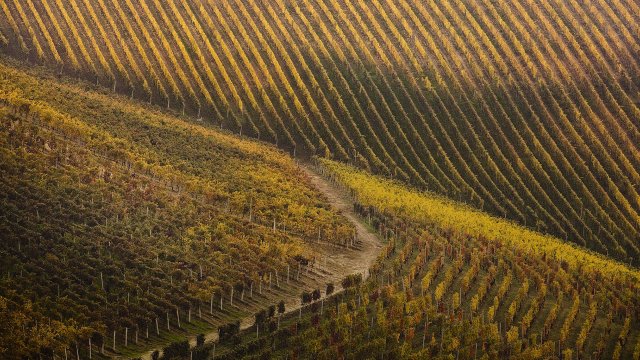
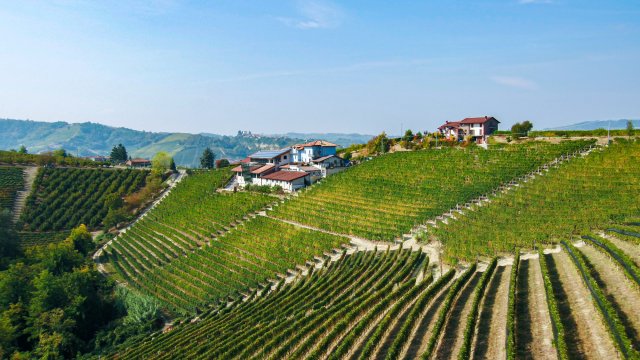
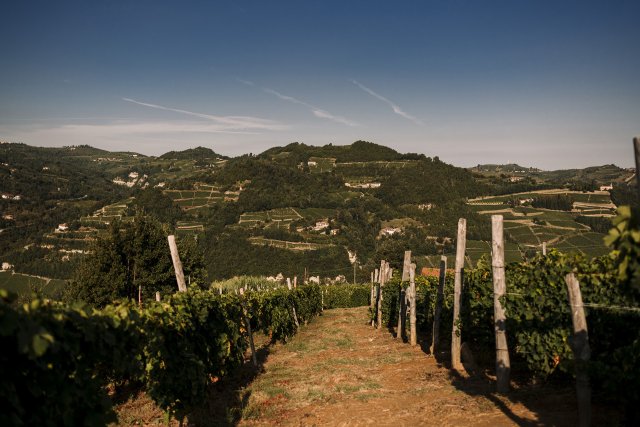
The zone is the Langhe side of the Tanaro around Alba: 26 communes in full, from Barolo and Serralunga through Alba to the Belbo valley at Santo Stefano and Cossano, plus parts of 11 more, among them the Barbaresco and La Morra land on the right bank of the river. One commune, Coazzolo, lies over the border in the province of Asti. Only hillsides count, up to 650 metres, on the grey-blue Tortonian marls of the Langhe. The rulebook draws two bands: the Barolo and Barbaresco hills, which give the more structured wines, and the valleys climbing from Alba towards the Belbo, which give finer, lighter ones. There are no sub-zones; Diano d'Alba, next door, is a DOCG of its own.
Inside the zone
Towns worth knowing
Alba is the hub. The Barolo villages give the fuller wines; the Belbo valley towns to the south-east give the lighter ones.
In the glass
What it tastes like
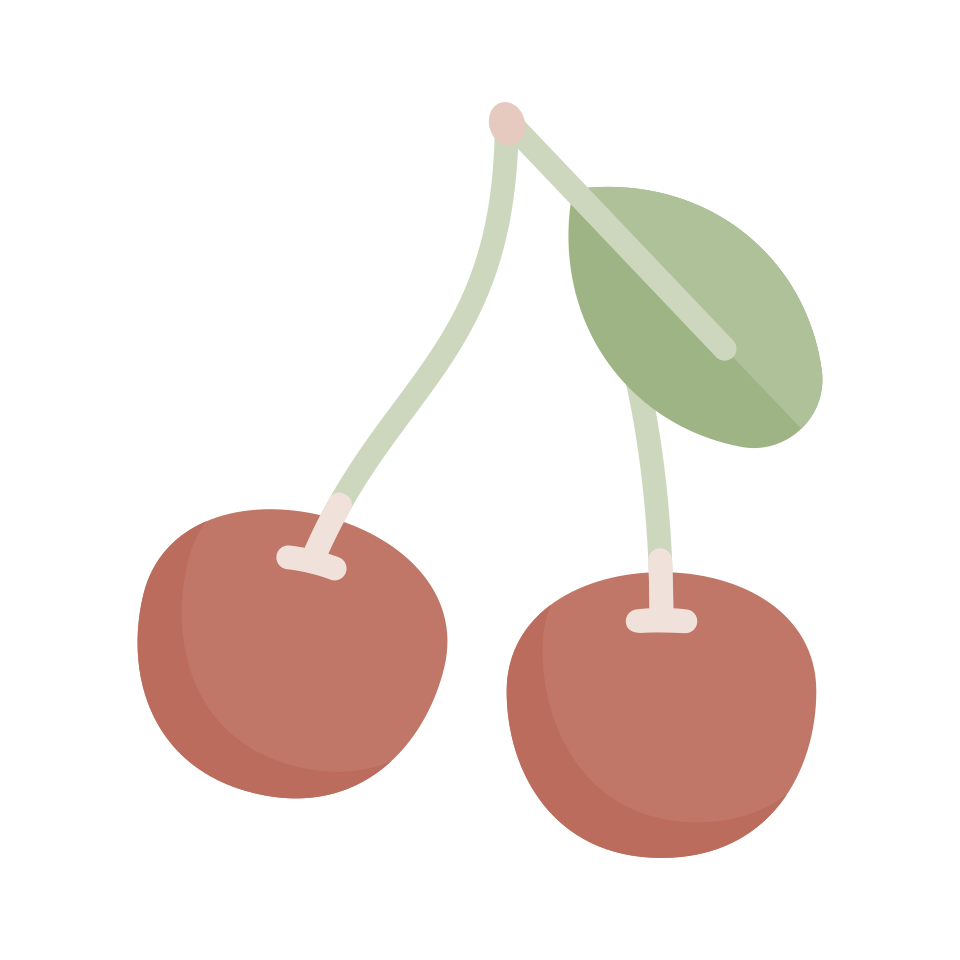
Black cherry

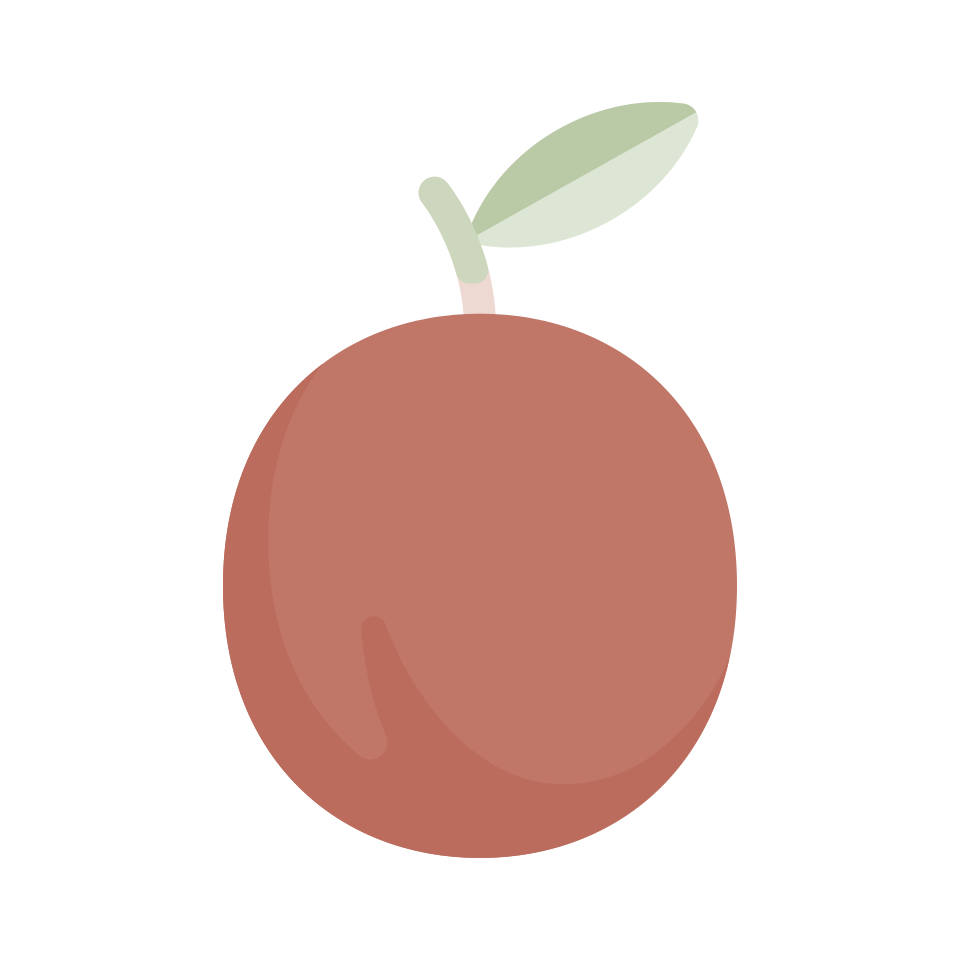
Plum
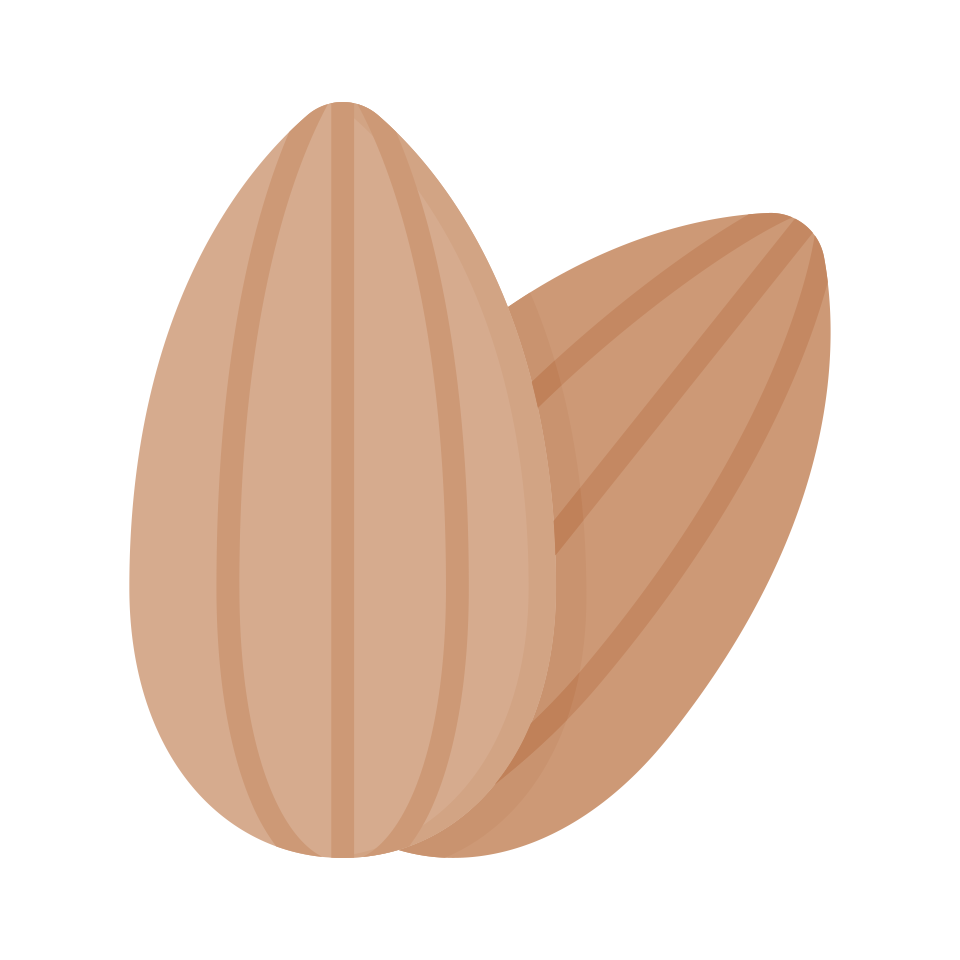
Almond
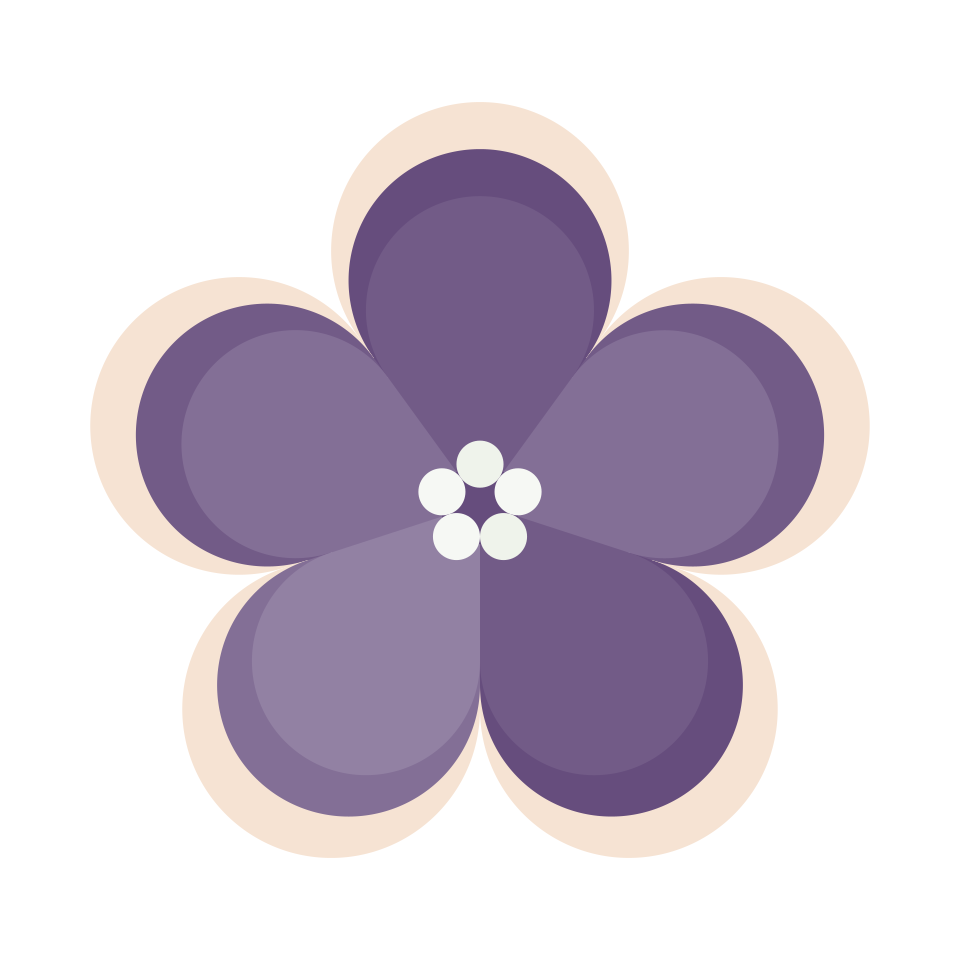
Violet
Blackberry

Blueberry
The disciplinare
The rules that define it
The same table on every denomination page, straight from the production rules.
 DolcettoThe only grape allowed100%
Solid means the rules demand it. Striped means optional, up to that amount. The words on the right say the same rule.

100% Dolcetto, no exceptions one grape is named and nothing else is permitted.

Hillside vineyards only, up to 650 metres valley floors and damp, flat or shaded land are excluded by name.

Yields are capped at 9 tonnes per hectare and at 8 for a wine that names its vineyard, from vines at least seven years old.
Superiore rests a year, wood optional counted from 1 November of the harvest year, and reaches the shelf the following November at 12.5%.
Every bottle carries its vintage and extra, scelto, vecchio and the like are banned from the label.
Ageing and alcohol minimums per tier are in the label guide above.
Editor's cellar
Bottles to try, and what Dolcetto d'Alba costs in the UK
Live prices, compared across 16 UK retailers.


Cellar doors · in Piedmont
Estates you can visit
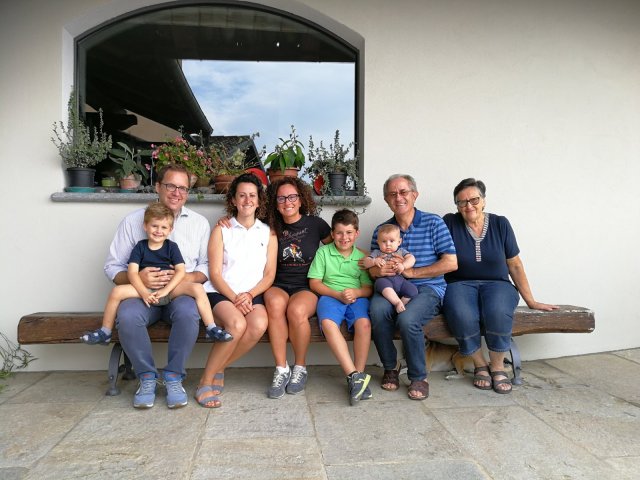
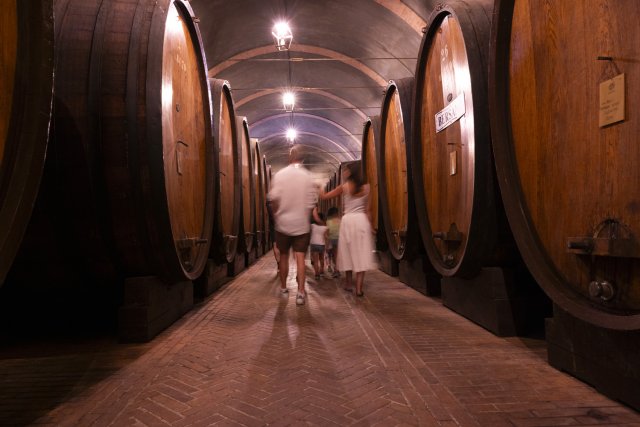
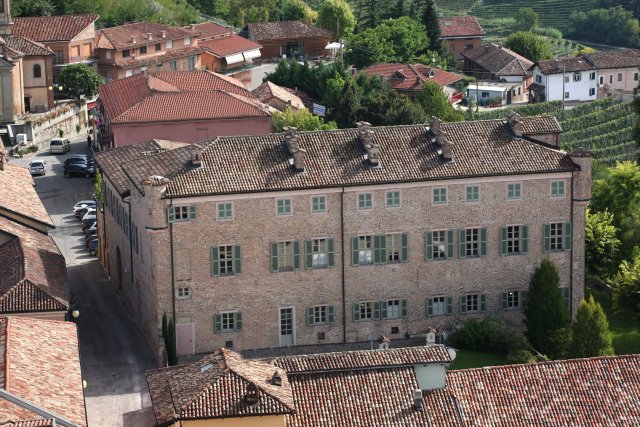
12 working estates with their gates open.


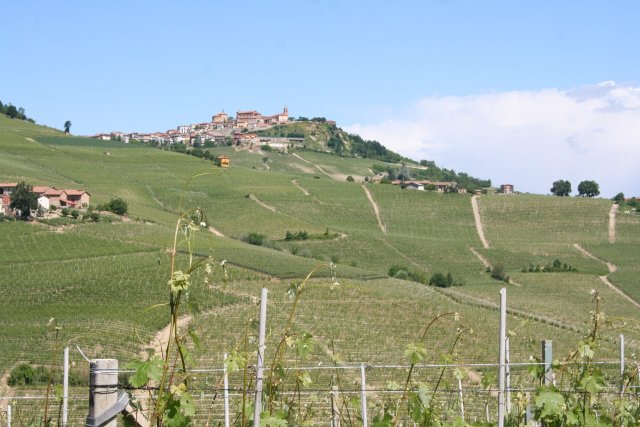
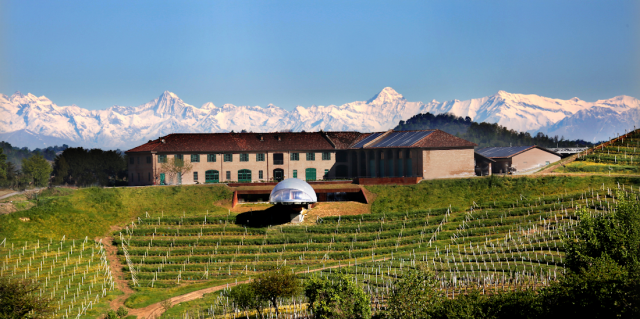
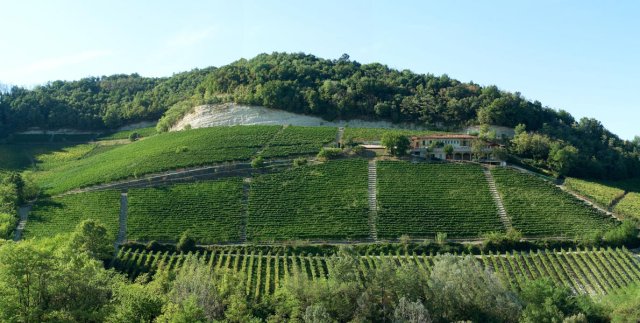
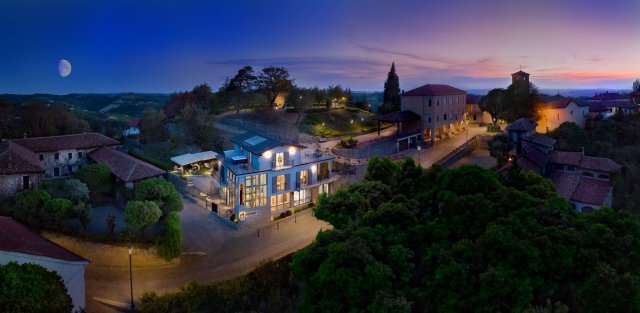
No estates match these filters. Clear a filter to see more.
Experiences in the Dolcetto d'Alba zone
Cellar experiences here average around €45. These are the strongest fits for this page.
The 4 Sisters
Bersano
From breakfast to dinner. Four wines that don't ask for permission: they're uncorked, poured, and surprised. Easy to drink, never banal. Eve…
Our History
Bersano
The wines that have always been there. The ones on which trust has been built, sip after sip. Our signature, for almost 120 years. Between t…
The Selection
Bersano
Visit to the Museum and the historic cellars, followed by a tasting of 5 labels that have made the history of the Bersano winery: Arturo Cla…
Vintage provenance
Why there is no vintage chart
No denomination-wide vintage chart is currently published for Dolcetto d'Alba. The consortium and the critics rate the same hills' Barolo and Barbaresco by year, but those charts follow Nebbiolo, a different grape, so they are only a rough guide. Quality is tracked producer by producer, and the wine is made to drink young in any case.
Buy the newest vintage and drink it young; a Superiore or a named vineyard can wait a year or two.
What to check instead
The producer: quality here is tracked estate by estate rather than year by year.
How Dolcetto d'Alba is made
The rules are short. The grape is Dolcetto and nothing else. It grows on hillsides around Alba, in 26 communes in full and parts of 11 more, all in the province of Cuneo except Coazzolo, just over the line in Asti. Valley floors and damp, flat or shaded land are excluded, and no vineyard may sit above 650 metres. Yields are capped at 9 tonnes a hectare, or 8 for a wine that names its vineyard. The wine must be made in the province of Cuneo, or in Coazzolo over the Asti line, and a Superiore must spend its year there too. The base wine has no minimum ageing and must reach 11.5% alcohol. A Superiore must reach 12.5%, rest 12 months from the 1st of November of the harvest year, and is sold from the following November; wood is not required. Words such as extra, scelto and vecchio are banned from the label, and every bottle must carry its vintage.
In depth
On the table
What to eat with Dolcetto d'Alba
Salumi, lighter meats and pasta with a meat or mushroom sauce: low acidity and a soft bitter grip make it the easy red of the Langhe table.


Agnolotti del Plin are the Piedmontese pinched ravioli, thimble-sized egg pasta parcels filled with roast veal, pork and cabbage.


In-depth guide
Dolcetto d'Alba, answered
Ruby with violet glints, cherry and plum on the nose, and a dry, soft palate that ends on a gentle bitter-almond note. The rulebook itself calls it decidedly dry, with modest acidity and a delicate bitterness. The consortium adds a fresh, decidedly fruity nose and a full, harmonious taste.
No. Whatever the name suggests, the wine is dry by law: the rulebook describes it as decidedly dry and dry on the palate. The sweetness is in the fruit, not in the wine.
A DOC, since 6 July 1974. Its neighbour Dolcetto di Diano d'Alba is the one with a DOCG.
Dolcetto, and nothing else. The rules allow no other grape. The rulebook says the variety originated on these same slopes on the right bank of the Tanaro.
Strength and a year's rest. A Superiore must reach 12.5% alcohol instead of 11.5%, rest 12 months from the 1st of November of the harvest year, and is sold no earlier than the following November. Wood is not required. The base wine has no minimum ageing.
Two everyday reds from the same hills with opposite builds. Barbera is high in acidity and low in tannin; Dolcetto is low in acidity with a firmer, gently bitter grip. Barbera d'Alba may hold up to 15% Nebbiolo; Dolcetto d'Alba must be 100% Dolcetto.
The rulebook calls it the everyday wine, to be drunk by the glassful, and that is the clue. Its low acidity and soft bitterness suit salumi, lighter meats and pasta with a meat or mushroom sauce. Serve it a touch cool.
About half the bottles on the shelf sit between £14 and £20, and most of the rest between £20 and £35. The famous Barolo names charge more: Roberto Voerzio, Roagna and Bruno Giacosa's Falletto reach £25 to £40. The price table on this page tracks live UK shop prices.
Explore more Piedmont
Same region only: the denominations Dolcetto d'Alba drinkers reach for next.


