










Wine route
Valpolicella Classico Loop
Half day · 5 stops
Open the driveYour cellar, your trips, and the wines you've been tracking are right where you left them.
New here?
Free, always. Education first, we'll never sell you anything you didn't ask to see.
Already have an account?
Enter the email you signed up with and we'll send a link to choose a new password.
Veneto · DOC
Valpolicella Ripasso is the Verona red that borrows from Amarone. A finished Valpolicella is run again, for at least three days, over the skins left from pressing the dried-grape wines. The second pass adds alcohol, body and a velvety depth, so it drinks like a junior Amarone for far less money. It has been its own DOC since 2010.
Decode the label
One word on the front changes the ageing, the strength and the price.
On the label
Valpolicella Ripasso DOC
the whole zone, the base rules
Red fruit, vanilla and a velvety middle. The big Verona houses live here, and so do the supermarket labels.
In stock from £11.70 See the 15 bottles ↓On the label
Classico
the five original communes
Grapes, wine and the ripasso all stay inside the western valleys. A place word, not a quality tier.
In stock from £18.99 See the 2 bottles ↓On the label
Superiore
a stronger base, 13% finished
Most of our shelf is a Superiore, and about a third of it Classico Superiore: riper grapes, a fuller wine, the same wait.
In stock from £13.96 See the 38 bottles ↓The boundary
Everything on this page, the estates, the bottles, the sub-zones, sits inside this line.
Wine route
Half day · 5 stops
Open the driveWine route
1 day · 7 stops
Open the drive
Estate 1
Negrar · Classico
Book online
Estate 2
Verona
Tastings available
Estate 3
Fumane · Classico
Tastings available
Estate 4
San Pietro in Cariano · Classico
Tastings available
Estate 5
Gargagnago · Classico
Tastings available
Estate 6
Negrar · Classico
Tastings available
Estate 7
Illasi · The eastern valley
Tastings available
Estate 8
Negrar · Classico
Tastings available
Estate 9
San Pietro in Cariano · Classico
Tastings available
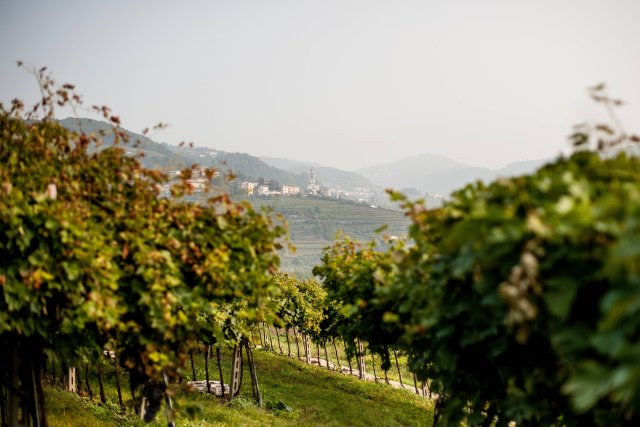
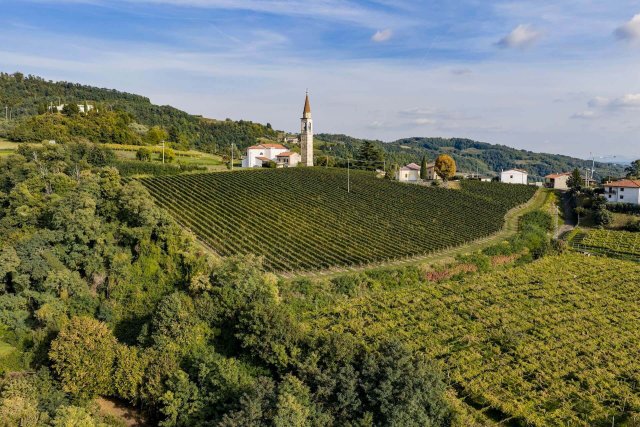
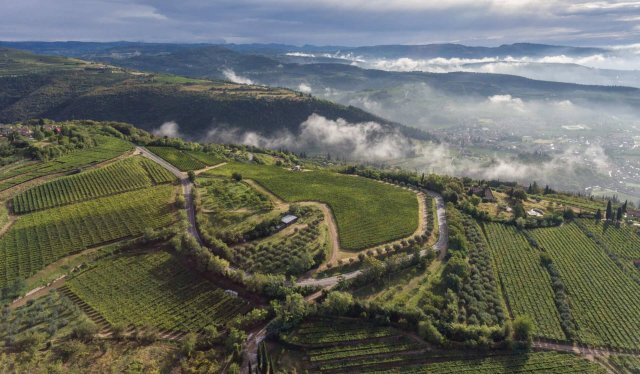
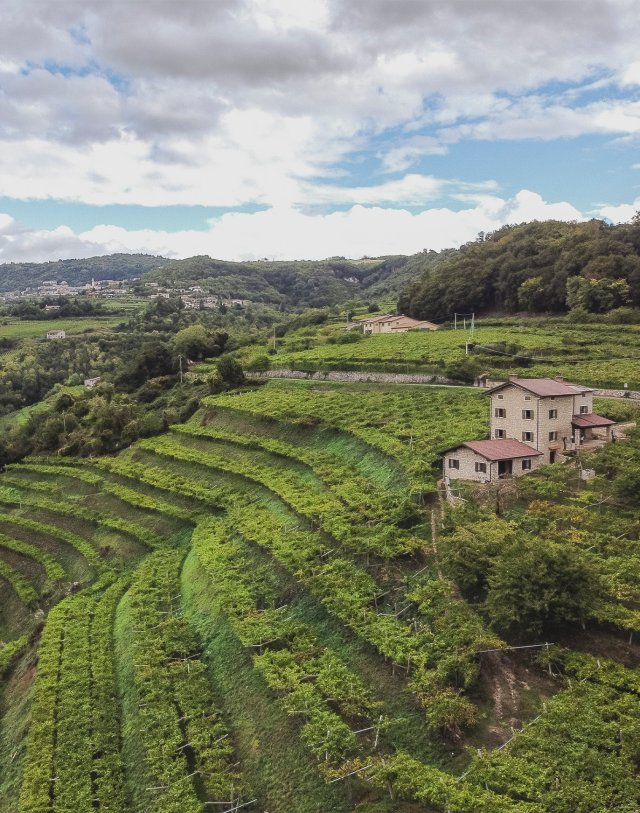
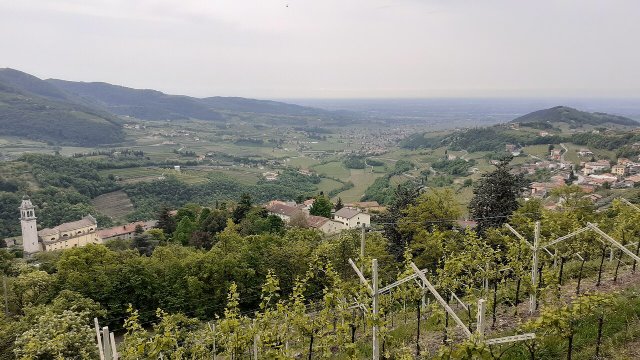
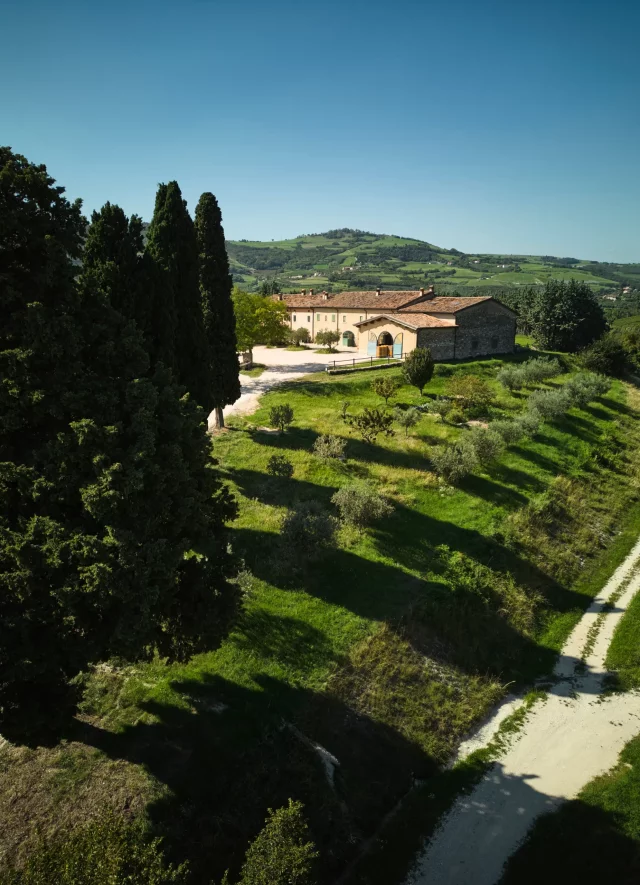
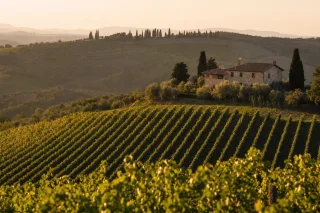
The zone is the belt of foothills north of Verona, from near Lake Garda in the west almost to the province of Vicenza in the east. Its 19 communes sit in valleys that run down into the plain like the fingers of a hand, the rulebook's own image. The Lessini mountains shelter it from the north, and with Lake Garda close by and slopes facing south the climate is mild. Vineyards climb to about 500 metres on limestone, dolomite, basalt and old moraine. Classico is the five western communes around Fumane, Marano and Negrar; Valpantena is the single valley north-east of the city. The same map makes Valpolicella, Ripasso, Amarone and Recioto; only the cellar work differs.
Inside the zone
Click or tap a pin for its estate. The numbered pins match the estate cards below.
Towns worth knowing
The five Classico villages fill the west; Grezzana holds the Valpantena; Illasi and Tregnago close the east; Verona itself sits at the foot of the map.
In the glass

Plum

Cherry

Chocolate

Fig

Raisin

Cinnamon

Vanilla
The disciplinare
The same table on every denomination page, straight from the production rules.
 Corvina and CorvinoneThe heart of the blend, together or alone45 to 95%RondinellaThe native partner the rulebook credits for breadth5 to 30%Other red grapes of VeronaNon-aromatic reds up to 15%, native Italian reds up to 10%up to 25%
Solid means the rules demand it. Striped means optional, up to that amount. The words on the right say the same rule.
Re-fermented on Amarone or Recioto skins for at least three days in one go, and the skins must still hold half a percent of potential alcohol.
At most two bottles of Ripasso per bottle of Amarone the base wine may be double the Amarone volume, and the Region can cut that to one to one.
Wine and skins from the same producer nobody may buy in someone else's pomace to make it.
Nothing sells before 1 January of the second year after the harvest, at 12.5%, or 13% for a Superiore.
A vintage on every label vigna and a vineyard name only on a Superiore; extra, fine and scelto are banned.
Ageing and alcohol minimums per tier are in the label guide above.
Editor's cellar
Live prices, compared across 23 UK retailers.
Cellar doors · inside the zone
9 working estates with their gates open, numbered to match their pins on the map above.
No estates match these filters. Clear a filter to see more.
Experiences in the Valpolicella Ripasso zone
Cellar experiences here average around €45. These are the strongest fits for this page.
Cantina Valpolicella Negrar
The guided tour offers a fascinating journey into the heart of the Valpolicella wine-making tradition. The experience begins in the Appassim…
Cantina Valpolicella Negrar
The guided tour offers a fascinating journey into the heart of the Valpolicella wine-making tradition. The experience begins in the Appassim…
Cantina Valpolicella Negrar
The guided tour offers a fascinating journey into the heart of the Valpolicella wine-making tradition. The experience begins in the Appassim…
Two names the label may add
Classico marks the five original communes, Valpantena the single valley north-east of Verona. Both mean geography, never age: grapes, wine and the ripasso all stay inside the line.

The five original communes north-west of Verona: Fumane, Marano, Negrar, Sant'Ambrogio and San Pietro in Cariano. Grapes, wine and the ripasso all stay inside them.
The single Pantena valley running north-east from Verona through Grezzana, the only other place name the label may add. Its wines are made and re-fermented in the valley.
The years
Chart ratings 2011 to 2016 come from the Consorzio Tutela Vini Valpolicella's Amarone stelle annate sheets; 2017 to 2022 come from Italy's Finest Wines (JM Palmieri). Ripasso shares the Verona hills weather and the Corvina fruit with Amarone each year, and takes its second fermentation on the Amarone skins. A great drying autumn lifts both wines; a difficult one, like 2014, drags both down.
Reading the years
The short version: Five stars for 2011, 2015, 2016, 2019 and 2021; 2014 is the one to skip.
Tap a year for its note.
Ripasso starts as a Valpolicella. The grapes are Corvina or Corvinone at 45 to 95% and Rondinella at 5 to 30%. They come from the 19 communes north of Verona, never from damp valley floors. Yields are capped at 12 tonnes a hectare. Once the Amarone and Recioto grapes have been pressed, the young wine runs over their skins for at least three days. The skins must still hold half a percent of potential alcohol, and their liquid adds 10 to 15% to the base wine. A cellar may make at most twice as much Ripasso as Amarone. Wine and skins must belong to the same producer. The finished wine must reach 12.5%, or 13% for a Superiore. Nothing sells before 1 January of the second year after harvest. Classico and Valpantena on the label mean grapes, wine and ripasso all stayed inside those lines, and every label carries its vintage.
On the table
Winter pasta, roasts, salumi and mid-aged cheese: the extra body from the Amarone skins carries richer food than a plain Valpolicella.


Risotto al Radicchio, known for its slightly bitter and nutty flavor from the radicchio, can be paired effectively with a red wine that has little or no tannins.
In-depth guide
Ripasso means passed again. A finished Valpolicella is run over the skins left after pressing Amarone or Recioto grapes, in one go, for at least three days. The skins still hold sugar and alcohol, so the wine picks up strength, body and roundness.
Ruby with garnet lights, red fruit with a note of vanilla, full and velvety. The rulebook lists more structure, more alcohol and lower acidity than a plain Valpolicella, and a longer life. A Superiore is fuller again, at 13% or more.
A DOC, on its own since 24 March 2010, when it was split from Valpolicella. Amarone and Recioto della Valpolicella, the dried-grape wines from the same hills, are the DOCGs.
Amarone is made from grapes dried for months before pressing. Ripasso is a normal Valpolicella re-fermented on the skins those dried grapes leave behind. It borrows some of Amarone's depth without the drying, so it is lighter, fresher and far cheaper. A cellar may make at most twice as much Ripasso as Amarone.
Classico is a place: the five original communes north-west of Verona. They are Fumane, Marano, Negrar, Sant'Ambrogio and San Pietro in Cariano, and the grapes, the wine and the ripasso must all stay inside them. Superiore is strength: the base wine starts at 12.5% and the finished wine reaches 13% instead of 12.5%. Both wait for the same release date, 1 January of the second year after harvest.
Yes, if the label says Valpolicella Ripasso DOC. Every bottle follows the same rules: the same grapes, the same 19 communes, a real pass over Amarone or Recioto skins. None sells before January of the second year. A £10 to £14 bottle is usually a sound one.
Five years score five stars on the Verona hills chart: 2011, 2015, 2016, 2019 and 2021. 2014 is the one to skip, after a difficult drying autumn. Ripasso keeps longer than a plain Valpolicella, so a five-year-old bottle from a good year is a safe buy.
The rulebook's own list: winter pasta dishes, main courses, salumi and cheeses of medium age. The extra body from the Amarone skins carries roasts and richer sauces that a plain Valpolicella would find heavy.
Explore more Veneto
Same region only: the denominations Valpolicella Ripasso drinkers reach for next.