




Veneto · DOC
Bardolino DOC Lake Garda's Light Red and Its Chiaretto Rosé, Explained
Lake Garda's light red, with a salty finish and a pale rosé twin. Bardolino DOC covers the moraine hills on the Veneto shore of Lake Garda, west of Verona. Corvina and Rondinella, the Valpolicella grapes, make a wine that is pale, bright and meant to be drunk young. Its rosé, Chiaretto di Bardolino, comes from the same vineyards.


Decode the label
What the label tells you
One denomination, 7 things it can say on the front. Colour first, then the qualifier.
On the label
Bardolino
the plain red


Pale ruby, cherry and a salty edge. Out from 15 January after the harvest; drink it within two years.
In stock from £7.50 See the 12 bottles ↓On the label
Bardolino Classico
the lakeside core

Same rules, older ground: Bardolino, Garda, Lazise, Affi, Costermano and Cavaion. Expect more strawberry and raspberry.
In stock from £13.70 See the 2 bottles ↓On the label
Chiaretto di Bardolino
the pale rosé
Petal pink, dry and fresh: strawberry, peach and citrus. The word Chiaretto must come before Bardolino on the label.
In stock from £11.60 See the 11 bottles ↓On the label
Chiaretto Classico
rosé from the old core
The lakeside towns' rosé. One on UK shelves today, from Cantina Valpolicella Negrar.
In stock from £12.10 See the 1 bottle ↓On the label
Sub-zone Bardolino
Montebaldo, La Rocca, Sommacampagna

The place name goes before Bardolino on the label and the word rosso is banned. None has reached UK shelves yet.
No bottles in stock right now
On the label
Bardolino Novello
the harvest-year red
Italy's answer to Beaujolais Nouveau: grapey, soft and gone by spring. None on UK shelves today.
No bottles in stock right now
On the label
Chiaretto Spumante
the pink fizz
The only Bardolino that may skip the vintage on its label. Fine bubbles over the same strawberry fruit.
No bottles in stock right now
The boundary
Where it is
Everything on this page, the estates, the bottles, the sub-zones, sits inside this line.
The zone is a crescent of moraine hills on the east shore of Lake Garda. It starts at Peschiera, where the Mincio leaves the lake. The shore line runs north through Lazise and Bardolino to Torri del Benaco. The northern edge is a contour line. Vineyards stop at 500 metres under Monte Baldo, in Costermano, Caprino and Rivoli. To the east the line follows the Adige down to Bussolengo. It then turns south through Sona and Sommacampagna to Custoza and Valeggio sul Mincio. The Classico core is the six towns nearest the lake: Bardolino, Garda, Lazise, Affi, Costermano and Cavaion.
Inside the zone
Towns worth knowing
Classico is the old lakeside core: Bardolino, Garda, Lazise, Affi, Costermano and Cavaion. Custoza and Lugana whites grow on the same southern hills.
In the glass
What it tastes like, by style
One profile at a time, never blended into a single set of bars.
Cherry

Strawberry
Raspberry

Cinnamon
Blackberry
Black pepper
Strawberry
Raspberry
Peach

Rose petal
Citrusy fruit
The disciplinare
The rules that define it
The same table on every denomination page, one row group per type here, because Bardolino writes its rules per type.
 Corvina VeroneseThe lead; up to 20 points may be Corvinone instead35 to 95%RondinellaColour and freshness5 to 40%MolinaraThe one named extra, with its own 15% capup to 15%Other red grapes of Verona provinceNon-aromatic only, 10% each at mostup to 20%Corvina VeroneseSame blend as the base wine35 to 95%RondinellaSame blend as the base wine5 to 40%Wine from another sub-zoneThe only cross-zone blending allowedup to 15%
Solid means the rules demand it. Striped means optional, up to that amount. The words on the right say the same rule.
Corvina may now make up 95% of the blend, up from 80% before the 2021 rulebook, with Rondinella down to a 5% minimum.

Three sub-zones were written into law in 2021: Montebaldo, La Rocca and Sommacampagna, at 10 tonnes a hectare, 11% alcohol and no sale before 1 September.
Chiaretto comes before Bardolino on the label, in type the same size, and Chiaretto di Bardolino is the allowed alternative wording.
Novello is picked and bottled in the same year: 100% carbonic maceration and in the bottle by 31 December.
Every label must carry the vintage, except non-vintage Chiaretto Spumante, and words like extra, fine and selezionato are banned.
Ageing and alcohol minimums per tier are in the label guide above.
Editor's cellar
Bottles to try, and what Bardolino costs in the UK
By style, today
Live prices, compared across 13 UK retailers.


Three names, one lake
The sub-zones
Since 2021 a Bardolino label may carry one of three place names, the wine districts a 1900 survey already mapped. Same grapes, lower yields, a longer wait.

Montebaldo
The cool oneInland at the foot of Monte Baldo: Affi, Caprino, Cavaion, Costermano and Rivoli. Cooler and wetter, so the wines stay taut; smaller crops, on sale from 1 September.
La Rocca
The lakeside oneThe lake shore and its first hills from Torri del Benaco to Peschiera, named for the Rocca di Garda. Olives and citrus grow here: the mildest, most Mediterranean zone.
Sommacampagna
The warm oneThe southern moraine hills around Sommacampagna, Sona, Bussolengo, Pastrengo and Valeggio: the driest and warmest corner, too far for the lake to cool the nights.
Vintage provenance
Why there is no vintage chart
No denomination-wide vintage chart is published for Bardolino. The consorzio tracks each harvest with grape samplings, not star ratings, and most Bardolino and Chiaretto is made to drink within one to two years, so the newest vintage is the one to buy.
Buy the newest vintage you can find. Bardolino and Chiaretto are made to drink within a year or two of the harvest; only the three sub-zone wines are built to improve for three to five years.
What to check instead
The sub-zone: where a wine comes from inside the zone changes what is in the glass. See them above.
The producer: quality here is tracked estate by estate rather than year by year.
How Bardolino is made
Bardolino is a blend. Corvina makes up 35 to 95 percent, Rondinella 5 to 40, and Molinara may add up to 15. Corvinone can stand in for up to 20 points of Corvina. Each hectare may give 12 tonnes of grapes, and only 70 percent of that weight may become wine. The red needs 10.5 percent alcohol and may be sold from 15 January after the harvest. Classico means grapes from the six towns nearest the lake, the 1968 zone. Chiaretto is the same fruit pressed pale: a short time on the skins, or juice bled off a red vat. Chiaretto Spumante, tank or bottle fermented, needs 11.5 percent. Novello is made the Beaujolais Nouveau way and bottled by 31 December of its own harvest. The three sub-zones, Montebaldo, La Rocca and Sommacampagna, cut the crop to 10 tonnes, ask 11 percent alcohol and wait until 1 September.
In depth
On the table
What to eat with Bardolino
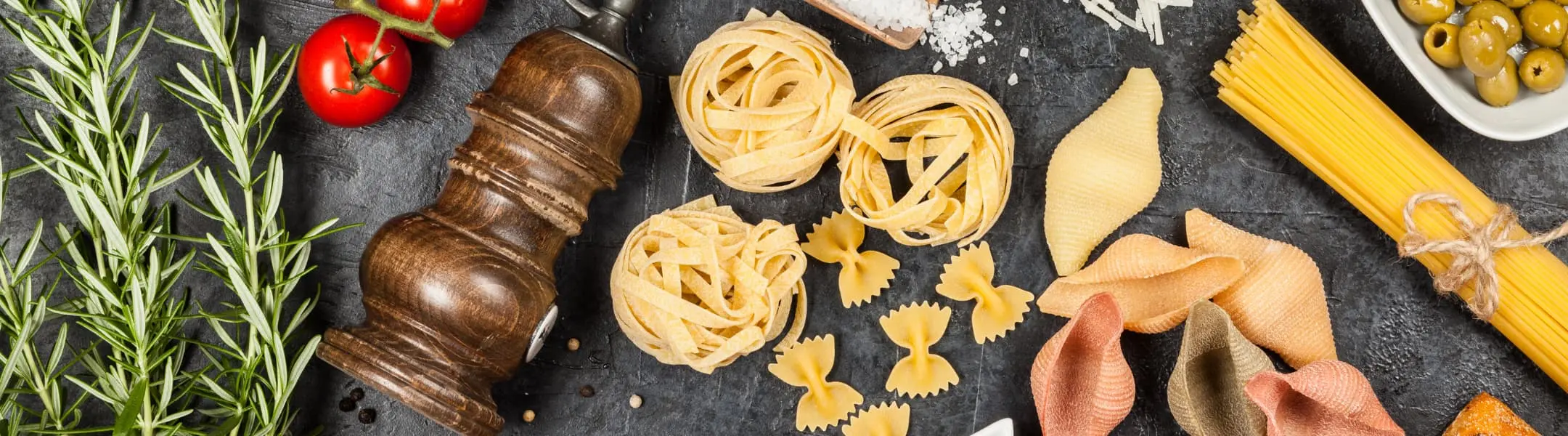
Serve it cool. The red suits risotto, roast poultry and semi-hard cheese; Chiaretto does the job of any rosé at an aperitivo.

Risotto al Radicchio, known for its slightly bitter and nutty flavor from the radicchio, can be paired effectively with a red wine that has little or no tannins.


In-depth guide
Bardolino, answered
Bardolino is a light, dry red from the Veneto shore of Lake Garda, made mostly from Corvina with Rondinella. It is pale ruby, low in tannin, fresh and a little salty, and most of it is drunk within two years of the harvest.
Chiaretto is Bardolino's rosé, made from the same grapes with only a short time on the skins. It is pale pink, dry and fresh, with strawberry, raspberry and a citrus edge. Since 2021 the label may read Chiaretto di Bardolino, and the word Chiaretto must come before Bardolino.
No, but they are close cousins. Both use Corvina and Rondinella, and the zones sit side by side west of Verona. Bardolino grows on gravelly lake-shore moraine and is lighter, paler and saltier. Valpolicella is deeper and leads to Ripasso and Amarone, which Bardolino never does.
Yes, lightly. Serve the red at 14 to 16°C, cooler than most reds, and Chiaretto at 8 to 10°C. Neither needs decanting.
Risotto, roast poultry, cold cuts and semi-hard cheese suit the red, because its soft tannin and fresh acidity do not fight the food. Chiaretto works wherever you would open a rosé: lake fish, grilled vegetables and antipasti.
Classico means the grapes grew in the six towns nearest the lake, the original 1968 zone. The three named zones, Montebaldo, La Rocca and Sommacampagna, were added in 2021. Their wines come from smaller crops, need 11 percent alcohol and cannot be sold before 1 September after the harvest.
Bardolino and Chiaretto are made to drink within one to two years. Buy the youngest vintage you can find. Only the wines from the three named zones are built to improve, and the growers' consortium puts their best window at three to five years.
Explore more Veneto
Same region only: the denominations Bardolino drinkers reach for next.


