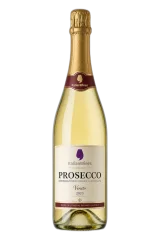
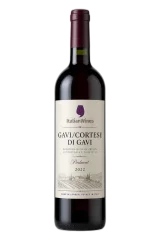
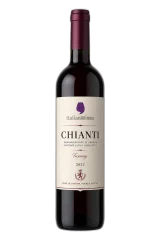
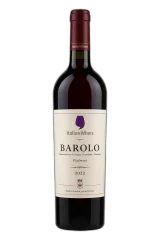
Sangiovese (san-jo-vay-zeh) is the undisputed king of red wines in central Italy.
Red Grape · Veneto
Molinara
The pale, sharp third grape of Valpolicella: flour-dusted berries, high acidity, and half its vineyards gone since 2000.
Molinara is the pale, sharp third grape of Valpolicella and Bardolino, the one that gave the old blends their freshness. Its berries wear a bloom so thick they look dusted with flour, which is where the name comes from. Growers have pulled out more than half of it since 2000. The best houses still keep a little in the blend.
Welcome back
Your cellar, your trips, and the wines you've been tracking are right where you left them.
New here?
Create your account
Free, always. Education first, we'll never sell you anything you didn't ask to see.
Already have an account?
Reset your password
Enter the email you signed up with and we'll send a link to choose a new password.
Check your inbox
Setting it straight
More than meets the eye
- High acidity and little colour: the grape that kept old Valpolicella light
- Still allowed in Valpolicella, Ripasso, Amarone and Bardolino
- Essential in pink Bardolino Chiaretto, where pale is the point
- Kept by Masi, Speri and other traditional houses
- Half the vineyards gone in ten years, replaced by Corvinone
- No longer required by the Valpolicella rules, only permitted
- Never bottled alone, so most drinkers have never tasted it on its own
The anchor fact: Molinara went from 1,300 hectares in 2000 to under 600 in 2010. It is still allowed in Valpolicella, Amarone and Bardolino, and Masi's Costasera Amarone still names it.
Taste · Where it sits
What it’s actually like in the glass
Forget scores out of five. Here’s Molinara described against grapes you already know.
Lighter than Rondinella, far lighter than Corvinone; on its own it is thin, which is why it was always blended.
Softer than Corvina and Corvinone; the thick bloom on the skin is wax, not tannin.
The highest acidity in the Valpolicella blend, higher than Corvina; it is the whole reason the old houses keep it.
Cherry and raspberry with a lemony edge, dry; dried for Amarone it adds lift rather than raisin.
Key flavours
The map
Molinara is light to medium, soft tannin, mapped against other red grapes you can buy. The closer a grape sits, the more its weight and grip resemble Molinara.
Is this for you?
An honest gut-check
Reach for it when…
A bold red that just works
- A Bardolino Chiaretto for a summer lunch by the lake, or the garden
- A traditional Valpolicella Classico that tastes light and fresh, not jammy
- Masi's Costasera if you want to taste the old Amarone blend
Maybe skip it if…
You’re after something else tonight
- You are looking for a Molinara on its own: it does not exist
- You want dark colour and weight: that is Corvinone's job
- You want a wine to keep: Molinara's wines are for drinking young
Serving guide
Pour it at its best
Serve at
14-16°C
Chiaretto at 8 to 10C, Valpolicella at 14 to 16C; the acidity shows best cool.
Decant
No
None. Molinara's wines are light and oxidise easily; open and pour.
Glass
Large Balloon Glass
A standard red glass, or a white glass for Chiaretto.
Drink within
2-3 days
Within two years for Chiaretto, three for Valpolicella.
Cellar
1-5 years
Only the Amarones it sits in keep; Molinara itself browns with age.
On the table
What to eat with Molinara
Start with the home-table matches that made the grape, then browse the full cuisine library.
With a Chiaretto
Polenta e schie
Tiny lagoon prawns on soft polenta want a pale, lemony wine. A Bardolino Chiaretto with Molinara in it has the acidity for the seafood and no tannin to fight it.
With a Valpolicella Classico
Pizza Margherita
Tomato and mozzarella need a light red served cool; Molinara's acidity matches the tomato and the soft tannin leaves the cheese alone.
The lake-lunch rosé
Insalata Caprese
Mozzarella, tomato and basil are fresh and mild. A Chiaretto with Molinara's strawberry and lemon edge is the wine the lake restaurants pour with it.
Old-style Valpolicella
Radicchio risotto
Bitter radicchio wants freshness rather than weight; a traditional Valpolicella that keeps Molinara in the blend has exactly that lift.
Buy it · three to start with
Not sure which bottle? Start here
A curated trio across the price range, then every Molinara on sale in the UK right now.
Entry · everyday
2 retailers
Bardolino Chiaretto DOC
Bardolino
2 retailers
£12.10
Why this one: Zenato's Chiaretto is the pink Bardolino where Molinara's pale, fresh side is the point: strawberry and lemon, about £12.
The sweet spot
2 retailers
Valpolicella Classico - Speri
Valpolicella
2 retailers
£11.70
£14.78
Why this one: Speri's family estate in Valpolicella Classica lists Molinara in this Classico: pale ruby, lively tangy red fruit, made to drink young and cool, about £15.
Special occasion
4 retailers
Masi Costasera Amarone della Valpolicella
Amarone della Valpolicella
4 retailers
£42.40
Why this one: Masi still names Molinara in Costasera: Corvina, Rondinella and Molinara dried on bamboo racks. The Molinara is why it tastes fresher than 15% should. About £44.
12 of 56 bottles
6 retailers
Allegrini Valpolicella Classico
Valpolicella
6 retailers
£10.95
4 retailers
Masi Costasera Amarone della Valpolicella
Amarone della Valpolicella
4 retailers
£42.40
4 retailers
Masi Costasera Amarone della Valpolicella Classico Riserva
Amarone della Valpolicella
4 retailers
£59.00
4 retailers
Romano Dal Forno Valpolicella Superiore Monte Lodoletta
Valpolicella
4 retailers
£101.99
3 retailers
Masi Bonacosta Valpolicella Classico
Valpolicella
3 retailers
£15.00
3 retailers
Campofiorin
Verona/Veronese
3 retailers
£17.50
3 retailers
Valpolicella Classico Superiore Sant'urbano - Speri
Valpolicella
3 retailers
£21.62
3 retailers
Recioto della Valpolicella Classico Giuseppe Quintarelli
Recioto della Valpolicella
3 retailers
£140.00
3 retailers
Quintarelli Amarone della Valpolicella
Amarone della Valpolicella
3 retailers
£295.00
2 retailers
Chiaretto di Bardolino DOC Corte Giara Allegrini
Bardolino
2 retailers
£10.60
2 retailers
Valpolicella Classico - Speri
Valpolicella
2 retailers
£11.70
£14.78
2 retailers
Bardolino Chiaretto DOC
Bardolino
2 retailers
£12.10
Denominations
Where it earns a name on the label
The appellations where Molinara plays a starring role.
Where it grows
Where Molinara grows in Veneto
Veneto
Italy's largest wine region by volume, where Prosecco hills, Valpolicella ridges, and Soave's volcanic plain shape three different Italian classics.
The terroir
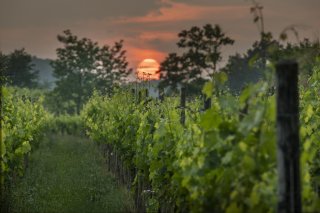
Molinara grows where the rest of the Valpolicella blend grows, but it is happiest where a pale, fresh wine is wanted.
Bardolino and Lake Garda
The morainic hills on the east shore
Still a real part of the blend: light red Bardolino and the pink Chiaretto, drunk young and cool.
Valpolicella Classico
Fumane, Marano, Negrar, San Pietro in Cariano, Sant'Ambrogio
The traditional houses keep a share for acidity; the modern ones have replaced it with Corvinone.
The drying lofts
Amarone and Recioto cellars
A few estates, Masi above all, still dry Molinara with the Corvina so the finished Amarone keeps its lift.
Editorial
About Molinara
The name is the bloom. Ripe Molinara berries carry so much white wax that the old growers of Verona said they looked dusted with flour from the mill, the mulino. Italy's grape register still explains the name that way. It lists Rossara and Rossanella as the names it went by along the Verona shore of Lake Garda. It has been in the vineyards of Valpolicella since at least the 1700s, always planted between Corvina and Rondinella.
The berries are so heavily bloomed they seem dusted with flour: that is where the name Molinara comes from.
Italy's national grape register, Molinara entry (1960 monograph)Its job in the blend was freshness. Molinara gives a pale wine with high acidity and little colour, and it browns easily once it is made. For two centuries that was welcome: the old Valpolicella was a light red, drunk young and cool. Then, from the 1990s, the market wanted darker, fuller wines. Between 2000 and 2010 the grape fell from 1,300 hectares to under 600. Corvinone, which dries better and gives deep colour, grew tenfold.
The rules moved with the market. Valpolicella and Amarone once had to contain Molinara; now they may. In Bardolino, on the morainic hills by the lake, it is still part of the blend and still matters. Above all it matters in the pink Chiaretto rosé, where a pale, fresh grape is exactly what you want. Houses that value the old style, Masi and Speri among them, keep Molinara in their Valpolicella and even in their Amarone.
You will not find a bottle labelled Molinara. You will find its acidity in a Chiaretto, a Valpolicella Classico, or an Amarone that tastes fresher than its alcohol suggests. Our Valpolicella guide explains the whole family, from the light red to the Ripasso and the sweet Recioto.
Good to know
Frequently asked
Molinara is a red grape from the hills around Verona, traditionally the third grape in Valpolicella and Bardolino after Corvina and Rondinella. It gives pale colour and high acidity. It is never bottled alone and is used less and less.
Because the ripe berries carry so much white bloom that they look dusted with flour from the mill, the mulino in Italian. Italy's grape register still gives that as the origin of the name. Around Lake Garda it was also called Rossara and Rossanella.
Sometimes. The rules once required it and now only allow it, so most modern producers leave it out in favour of Corvinone. Traditional houses such as Masi and Speri keep some for freshness, and Masi's Costasera Amarone still names it.
Light, pale and fresh: cherry and raspberry with high acidity and soft tannin, and a tendency to turn brown with age. On its own it is thin, which is why it was always blended. In a Chiaretto rosé it reads as strawberry and lemon.
Because it gives little colour and the wine oxidises easily, and from the 1990s the market wanted dark, full reds. Plantings fell from 1,300 hectares in 2000 to under 600 in 2010 while Corvinone rose from 88 to 930.
Bardolino Chiaretto, where a pale, fresh grape is an asset, and the Valpolicella and Amarone of traditional houses. Masi's Costasera Amarone dries Corvina, Rondinella and Molinara together. Speri's Valpolicella Classico keeps the old blend.
Explore by style
Wine styles made from Molinara
Jump to the editorial guide for each style this grape turns up in.
Keep exploring