Red Grape · Veneto

Rondinella

The grape on the back label of every Valpolicella: Corvina's child, never the star, but in nearly every Ripasso, Amarone and Bardolino you have drunk.

Rondinella is the quiet partner in almost every Valpolicella, Ripasso, Amarone and Bardolino. A child of Corvina, it grows on about 2,500 hectares around Verona and almost nowhere else. It rarely gets a bottle of its own. It brings colour, freshness and steady crops, and its thick skins dry well for Amarone and Recioto.

239
Bottles live now
27
UK retailers
6
Denominations

Before you buy

The words that change the wine

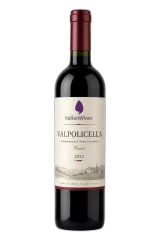
Valpolicella DOC The light, fresh red: Corvina 45 to 95%, Rondinella 5 to 30%. Drink young and a little cool.
Classico From the original hills west of Verona: Fumane, Marano, Negrar, San Pietro in Cariano and Sant'Ambrogio.
Ripasso Young Valpolicella fermented a second time on the drained Amarone skins. More body, a raisin edge, half the price of Amarone.
Amarone Grapes dried for months after harvest, then fermented dry: 15% or more, raisin, fig and spice. Rondinella's thick skins survive the drying.
Recioto The same dried grapes with the fermentation stopped early, so the wine stays sweet. Blue cheese and chocolate.
Bardolino and Chiaretto The Lake Garda side: a lighter red, or the pink Chiaretto, both with a bigger share of Rondinella.

The anchor fact: Rondinella is never sold alone. Valpolicella and Amarone must be 45 to 95% Corvina with 5 to 30% Rondinella, so the label word that matters is the style: Valpolicella, Ripasso, Amarone, Recioto or Bardolino.

Taste · Where it sits

What it’s actually like in the glass

Forget scores out of five. Here’s Rondinella described against grapes you already know.

BodyLight on its own
LightFull

Lighter than Corvina, its parent; in Valpolicella it is the top-up, in Amarone it only gains weight once the grapes have dried.

TanninSoft
SoftGrippy

Softer than Corvinone, which brings the grip to Amarone; Rondinella's thick skins give colour rather than tannin.

AcidityFresh and steady
SoftZippy

Holds its acidity better than Corvina in a hot Verona summer, which is one reason the rules keep 5 to 30% of it in every Valpolicella.

Fruit & sweetnessCherry, then raisin
DrySweet

Red cherry when fresh; dried for Amarone it turns to raisin and fig, and in Recioto it carries the sugar.

Key flavours

Cherry
The red-cherry note of young Valpolicella comes from Corvina and Rondinella together; Rondinella's is the brighter, simpler cherry, without Corvina's bitter-almond twist.
Raspberry
Fresh raspberry shows in the lightest wines, a Valpolicella Classico drunk in its first year, and in Bardolino, where Rondinella takes a bigger share.
Plum
Ripasso adds plum on top of the cherry: the second fermentation on Amarone skins pulls darker fruit out of the same grapes, as in Zenato's Ripassa.
Raisin
What Rondinella becomes after three months on the drying racks: its thick skins lose water without rotting, and raisin is the signature of every Amarone.
Fig
Dried fig sits beside the raisin in Amarone and Recioto, sweeter in the Recioto where the fermentation is stopped early.
Strawberry
The Chiaretto note: pressed quickly off the skins on the Bardolino side of the hills, Rondinella gives a pale pink wine that smells of strawberry.
Structured · Tannic Soft · Approachable Light-bodied Bold · Full Sangiovese Nebbiolo Merlot Pinot Nero Cabernet Sauvignon Corvina
Rondinella

The map

Rondinella is light to medium, soft tannin, mapped against other red grapes you can buy. The closer a grape sits, the more its weight and grip resemble Rondinella.

Rondinellalight to medium, soft tannin
Sangiovesemuch fuller, far more tannic
Nebbiolomuch fuller, far more tannic
Merlotmuch fuller, far more tannic
Pinot Neroa close match
Cabernet Sauvignonmuch fuller, far more tannic
Corvinafuller, firmer

Is this for you?

An honest gut-check

Reach for it when…

A bold red that just works

  • A Valpolicella Classico for a weeknight: light, fresh, red and friendly
  • Ripasso when you want Amarone weight at half the price
  • Chiaretto from Bardolino for a summer lunch by the water, or in the garden

Maybe skip it if…

You’re after something else tonight

  • You are hunting for a single-grape Rondinella: nobody bottles one worth buying
  • You want big tannin: Corvinone and Amarone bring that, Rondinella does not
  • You expect Amarone richness from a basic Valpolicella: it is light and dry

Serving guide

Pour it at its best

Serve at

15-17°C

Valpolicella at 14 to 16C, cooler still for Chiaretto; only Amarone wants 18C.

Decant

30 minutes

Basic Valpolicella needs none; give an Amarone an hour, and pour an old one off its sediment.

Glass

Large Balloon Glass

A standard red glass for Valpolicella and Ripasso; the biggest bowl you own for Amarone.

Drink within

3-5 days

Valpolicella and Chiaretto within three years; Ripasso within five.

Cellar

2-10 years

Amarone and Recioto keep ten to twenty years, and the Rondinella in them helps hold the colour.

Buy it · three to start with

Not sure which bottle? Start here

A curated trio across the price range, then every Rondinella on sale in the UK right now.

Entry · everyday

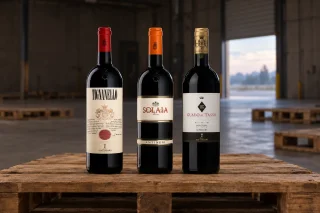
Allegrini Valpolicella Classico

Allegrini Valpolicella Classico

Valpolicella

6 retailers

£10.95

View Wine

Why this one: The Valpolicella Hemingway called light, fresh, red and friendly. Nine UK shops stock it at about £11; drink it a little cool.

The sweet spot

'Ripassa' Valpolicella Ripasso DOC Superiore

'Ripassa' Valpolicella Ripasso DOC Superiore

Valpolicella Ripasso

4 retailers

£13.96

View Wine

Why this one: Zenato's Ripassa is the Ripasso most people meet first: plump cherry, dried fig and spice from the second run over Amarone skins, around £14.

Special occasion

Amarone Valpantena DOCG

Amarone Valpantena DOCG

Amarone della Valpolicella

6 retailers

£35.00

View Wine

Why this one: Bertani's Valpantena Amarone is 80% Corvina and 20% Rondinella, the biggest share of the grape you will find in a serious bottle. About £40.

12 of 224 bottles

Denominations

Where it earns a name on the label

The appellations where Rondinella plays a starring role.

Amarone della ValpolicellaDOCG BardolinoDOC Bardolino SuperioreDOCG Recioto della ValpolicellaDOCG ValpolicellaDOC Valpolicella RipassoDOC

Where it grows

Where Rondinella grows in Veneto

Veneto wine region

Veneto

Italy's largest wine region by volume, where Prosecco hills, Valpolicella ridges, and Soave's volcanic plain shape three different Italian classics.

1,439 wines · 41 denominations
Explore the Veneto guide

The terroir

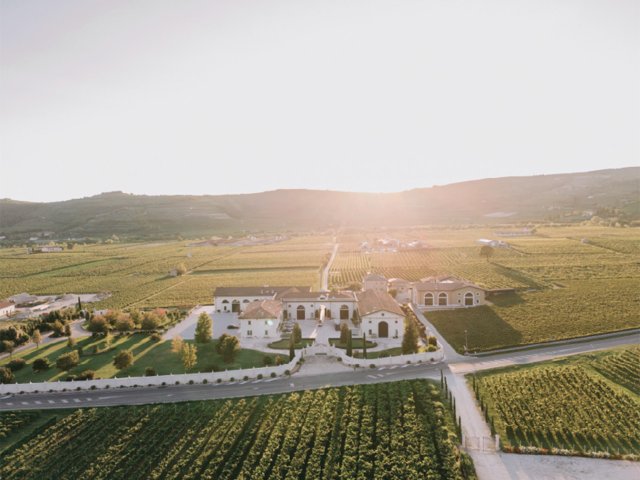
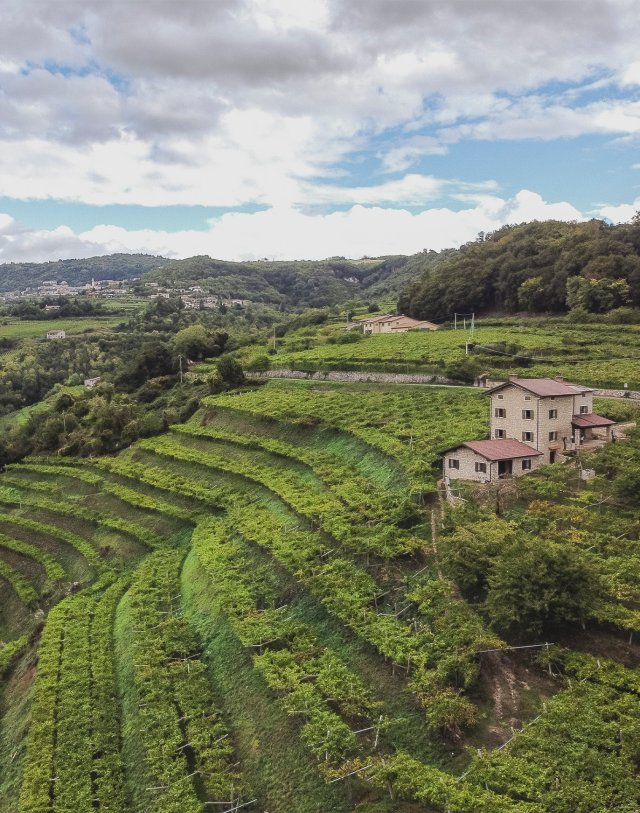
Rondinella grows in the hills between Verona and Lake Garda and nowhere else that matters. The difference is which wine the hills are known for.

Valpolicella Classico

Fumane, Marano, Negrar, San Pietro in Cariano, Sant'Ambrogio

The historic valleys west of Verona: Corvina leads, Rondinella fills in at 5 to 30%, and the best grapes go to the drying lofts for Amarone.

Valpantena and the eastern valleys

Bertani's valley north-east of Verona

Ripasso country, and a lighter style of Amarone: Bertani's Valpantena bottling is 20% Rondinella.

Bardolino

The morainic hills on the east shore of Lake Garda

Light red Bardolino and pink Chiaretto, with a bigger share of Rondinella, drunk young and cool.

Editorial

About Rondinella

Turn over a bottle of Valpolicella and the back label usually lists three grapes: Corvina, Rondinella, Molinara. Corvina is the star. Molinara has mostly been dropped. Rondinella is the one that stayed, because growers can rely on it: big, steady crops, thick skins, and a vine that shrugs off rot in a wet year. DNA tests show Corvina is one of its parents.

Rondinella rarely gets a bottle of its own. It is in almost every Valpolicella, Ripasso, Amarone and Bardolino you have ever drunk.

Quattrocalici, the Italian grape atlas

It has been on Italy's grape register since 1970, and its official description dates from 1960. Around 2,500 hectares are planted, nearly all in the province of Verona in the Veneto. On its own the wine is ruby red, fresh and fairly plain, which is why almost nobody bottles it alone. In a blend it does three jobs: colour, acidity and consistency.

The rules keep it in its place. Valpolicella DOC must be 45 to 95% Corvina, with 5 to 30% Rondinella, and Amarone follows the same rule. Bardolino, on the Lake Garda side, and its pink Chiaretto rosé lean on it more. Every one of these wines is a blend. So when you buy a Rondinella you are really choosing a style: light Valpolicella, fuller Ripasso, dried-grape Amarone, or sweet Recioto. Our Valpolicella guide walks through all of them.

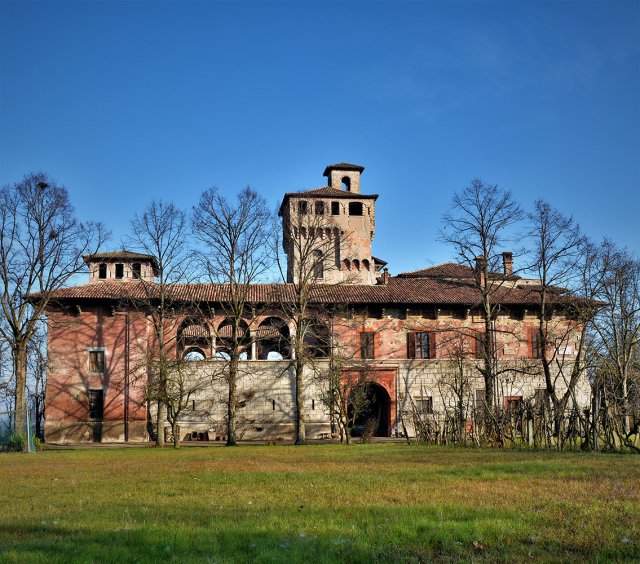
Its thick skin is what earns it a place in Amarone. After the harvest the grapes are laid out to dry for months, the appassimento, and Rondinella loses water without rotting or losing colour. Bertani's Valpantena Amarone is 20% Rondinella. These hills have grown vines for a very long time: in 2020 the mosaic floor of a Roman villa was found under a vineyard in Negrar.

Good to know

Frequently asked

Rondinella is a red grape from the hills around Verona, used in the blend for Valpolicella, Ripasso, Amarone, Recioto and Bardolino. It is a child of Corvina and almost never bottled on its own.

On its own, fresh red cherry and raspberry with soft tannin and fairly plain aromas. Dried for Amarone or Recioto it turns to raisin and fig. Its real job in the blend is colour, freshness and a steady crop.

Yes. Amarone della Valpolicella must be 45 to 95% Corvina with 5 to 30% Rondinella. Its thick skins dry well over the winter without rotting, which is why growers keep it. Bertani's Valpantena Amarone is 20% Rondinella.

Because alone it makes a pleasant but plain wine. Corvina brings the cherry and bitter-almond character, Corvinone the grip, and Rondinella the colour, acidity and reliability. Together they make Valpolicella; apart, only Corvina stands up.

Same grapes, three methods. Valpolicella is the fresh young red. Ripasso is Valpolicella fermented a second time on the drained Amarone skins, for more body. Amarone is made from grapes dried for months, fermented dry to 15% or more. Recioto is the same dried grapes left sweet.

Yes. DNA tests show Corvina is one of Rondinella's parents. The other parent is not known. Both grapes are native to the Verona hills and have been grown together there for well over a century.

Explore by style

Wine styles made from Rondinella

Jump to the editorial guide for each style this grape turns up in.

Keep exploring

More red grapes