





Primitivo vs Zinfandel: the Same Grape, Two Different Wines
TL;DR
- Primitivo and Zinfandel are the same grape, a Croatian vine once called Tribidrag, but Puglia and California turn it into two different red wines.
- In a British shop, expect Italian Primitivo to be dark, dry and savoury at 13.5 to 15 per cent, and California Zinfandel to be riper, jammier and often stronger.
- If you like Zinfandel, start with a Primitivo di Manduria, and try a Gioia del Colle Primitivo when you want something fresher.

Primitivo and Zinfandel are the same grape
Pour a Primitivo from Puglia next to a Zinfandel from California and you are tasting one vine twice. The proof is in the DNA. In 1993 Carole Meredith, a grape geneticist at the University of California, Davis, confirmed by DNA that the two are the same variety.
Finding where the vine came from took longer. Meredith and two scientists from the University of Zagreb, Ivan Pejić and Edi Maletić, searched the Dalmatian coast of Croatia for years. In December 2001 they found the match. It was a local grape called Crljenak Kaštelanski, by then down to about twenty known vines. "Zinfandel comes from Croatia," Meredith said when the university announced the result.
Croatia has an older name for it, Tribidrag, on record since 1444. So one vine carries three names. It is Tribidrag at home, Primitivo in Italy and Zinfandel in America. Our Primitivo grape guide covers the taste and the food. This piece is about what each name means on a bottle.
How one vine picked up two names
The Italian name is the work of a priest. Around 1799 Francesco Filippo Indellicati, a churchman and keen botanist in Gioia del Colle, spotted one vine in the local mix that ripened before the rest. He called it Primativo, the early one, and planted 625 vines of it on their own. The story is told in the official rules for Gioia del Colle, a DOC inland from Bari. The grape still ripens there from late August.
From Gioia the vine travelled south. By tradition it reached Manduria, near the Ionian coast, in 1881, in the dowry of a countess from Altamura. Manduria is the town that later made the grape famous.
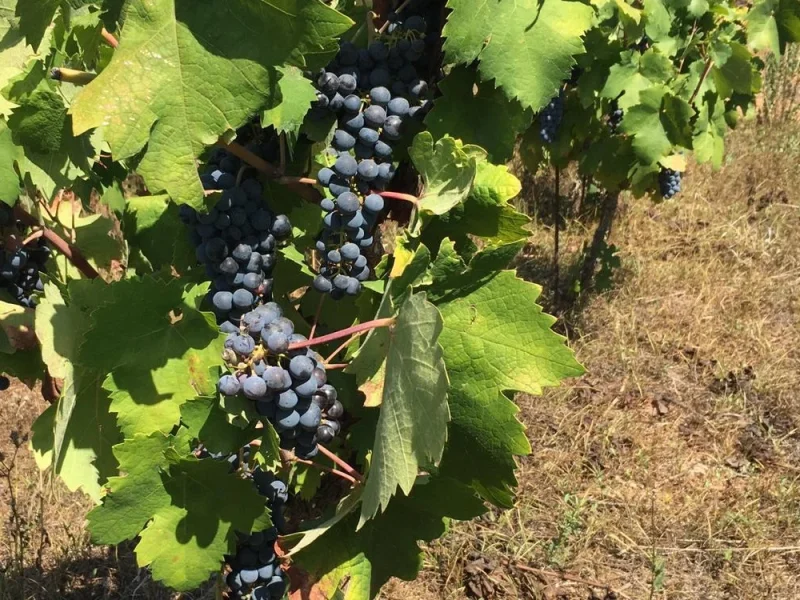
Photo: Primitivo grapes in Puglia, by Saggittarius A, Wikimedia Commons, CC BY-SA 4.0, cropped.
The American name has no such paper trail. George Gibbs, a horticulturist on Long Island, received vines from Vienna and elsewhere in Europe during the 1820s. By 1830 an American book on vines listed a grape called Black Zinfardel. Where the word came from has never been settled. Nurserymen carried the vine west in the Gold Rush of the 1850s, and California made it its own.
The two families then grew up apart. In 1967 Austin Goheen, a plant scientist from California, visited Italy and found that Primitivo reminded him of Zinfandel. It took a generation, and DNA, to prove him right.
Primitivo vs Zinfandel in the glass
One vine does not mean one wine. Two things pull the two apart: the plants themselves and the place.
Start with the plants. Two centuries of growers choosing their favourite vines have left two slightly different families. In California field trials, Primitivo vines ripened earlier than Zinfandel vines grown alongside them. Zinfandel is known for ripening unevenly, with fresh grapes and raisins in the same bunch. The raisins push up the sugar, and the alcohol with it.
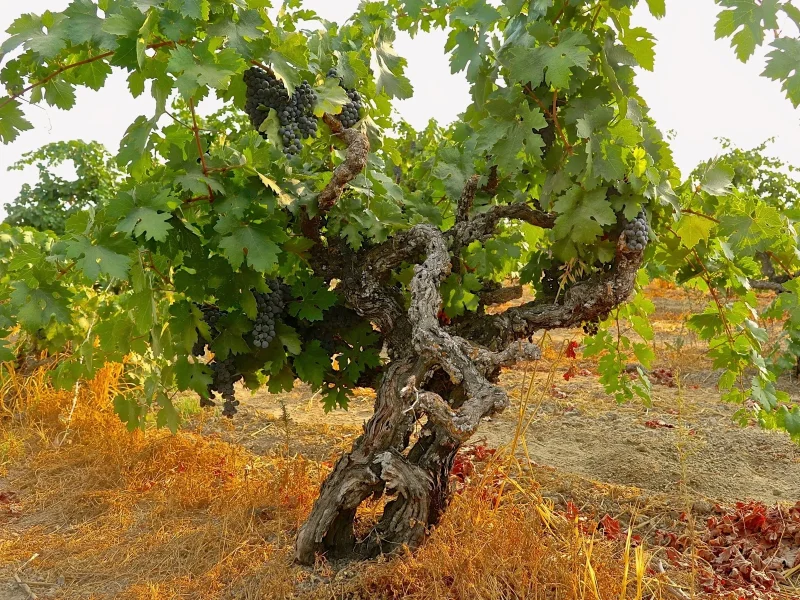
Photo: a Zinfandel vine planted in 1907 at Steacy Ranch, Lodi, California, by Randy Caparoso, Wikimedia Commons, CC BY-SA 4.0, cropped.
Then the place. Puglia is the heel of Italy, hot, dry and never far from the sea. Around Manduria the vines grow close to the Ionian coast, through long summers with very little rain. Many of the oldest are low bush vines, trained that way for generations.
In the glass, Italian Primitivo is dark, dry and savoury. Expect black cherry, plum, liquorice and wild herbs, with soft tannin. California Zinfandel is usually riper and tastes sweeter. Expect blackberry jam, strawberry and cinnamon, often above 15 per cent alcohol.
| Point | Italian Primitivo | California Zinfandel |
|---|---|---|
| Fruit | Black cherry, plum, liquorice, herbs | Blackberry jam, strawberry, cinnamon |
| Feel | Dry and savoury, soft tannin | Plush and ripe, tastes sweeter |
| Alcohol | Usually 13.5% to 15% | Usually 14% to 16% |
| Pink wine | Rosato | White Zinfandel, which is sweet |
| Label name | Primitivo, now and then Zinfandel | Zinfandel |
One more difference matters in a British shop. There, the word Zinfandel often sits on a pink wine. White Zinfandel is a sweet rosé that began by accident in 1975. A tank at Sutter Home in California stopped fermenting early and kept its sugar. It shares a vine with red Primitivo and little else. Puglia makes pink Primitivo too, labelled rosato or rosé.
Why some Italian bottles say Zinfandel
Europe treats the two names as one. The EU has accepted Zinfandel as another name for Primitivo since 1999, so an Italian producer may print either word. American law is stricter. The official list of grape names for American wines still gives Primitivo and Zinfandel separate entries, so a winery there cannot swap one for the other.
A few Puglian wines use that freedom. Felline prints both names on Sinfarosa, its Primitivo di Manduria: Primitivo in small letters and Zinfandel in large ones. The Wanted Zin, a red from Puglia, leads with Zinfandel, Old Vines and American Oak. Pasqua calls its Puglia Primitivo Desire Lush & Zin.

Puglia IGP Zinfandel Old Vines The Wanted 2025
View Wine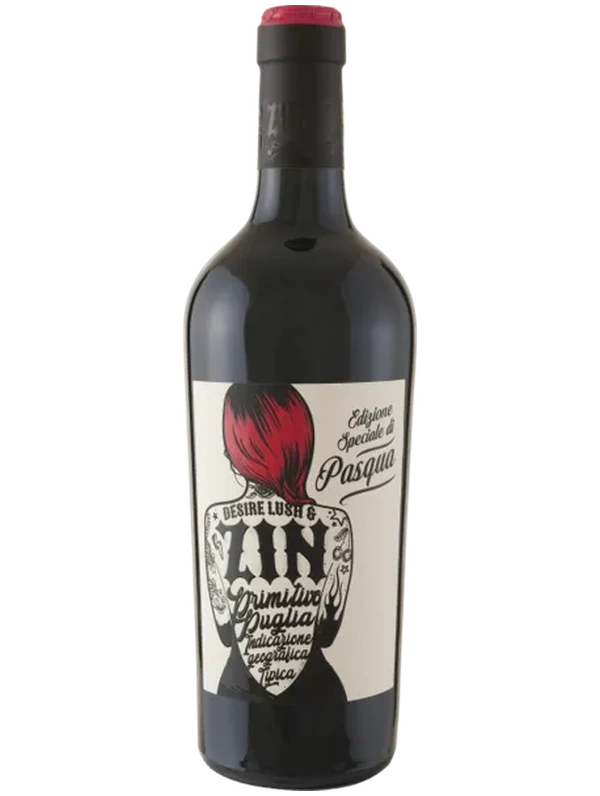
Pasqua Desire Lush & Zin Primitivo 2025
Pasqua's Puglia Primitivo, hand-picked and given six months in wood: ripe plum and black cherry with vanilla and chocolate, soft tannin, 13.5%. A red drinkers like, year after year. £13.50 at Majestic, less on offer.
View Wine
Puglia IGP Rosato Zinfandel Gently Crushed The Wanted 2024
View WineRead the word as a style signal. The Wanted Zin spells it out with American Oak on the front. Primitivo di Manduria, by contrast, points at a place and a set of rules.
Primitivo, Primitivo di Manduria and Gioia del Colle
Primitivo on its own is a grape. Add a place name and you get a rulebook. These names cover nearly every Primitivo on our pages.
| Name on the label | What the rules ask | What you get |
|---|---|---|
| Puglia IGT or Salento IGT | Grapes from across the region, or from its southern heel for Salento | The everyday bottle: soft, fruity, best young |
| Primitivo di Manduria DOC | At least 85% Primitivo, 18 villages around Manduria, at least 13.5% alcohol | Darker and fuller, often with oak |
| Primitivo di Manduria Riserva | At least 14% alcohol and two years of ageing, nine months of it in wood | The big one: dense and spicy |
| Gioia del Colle Primitivo DOC | Primitivo only, from a plateau 200 to 450 metres up | Fresher and a little lighter |
| Primitivo di Manduria Dolce Naturale DOCG | Primitivo only, at least 50 grams of sugar per litre | A sweet red for after dinner |
The step from plain Primitivo to Primitivo di Manduria is the biggest one on the shelf. Its rules, published by the Manduria growers' consortium, cover 18 villages between Taranto and Brindisi and limit how much each vineyard may crop. An IGT bottle answers to much looser rules. Our labels guide explains what DOC and IGT promise.

San Marzano Primitivo di Manduria Sessantanni 2020
Sessantanni brings plum jam, tobacco and cocoa to a full-bodied Primitivo from Puglia. San Marzano uses vines at least 60 years old and a year in oak. Compare bottles and larger formats for a rich meal.
View Wine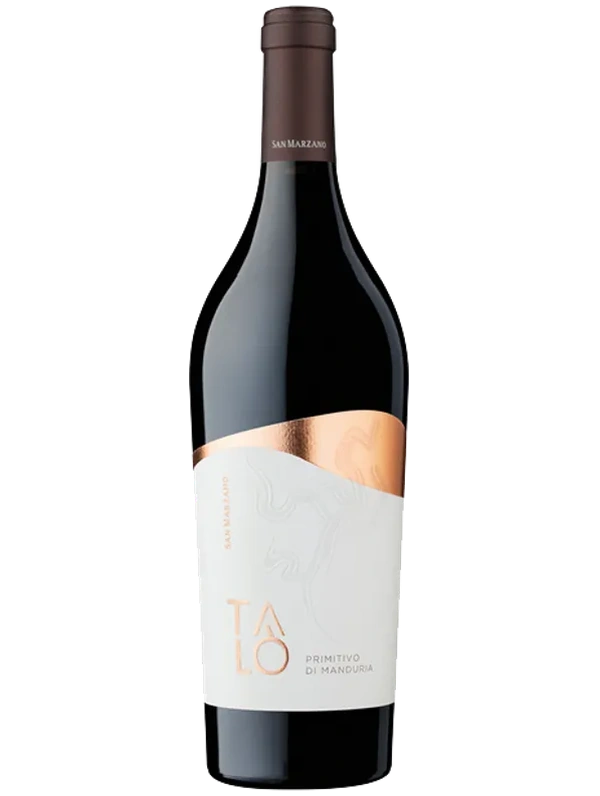
San Marzano, Talo, Primitivo di Manduria 2024
Puglia's big, warm Primitivo, grown on thin clay and stone near the Ionian sea. Six months in French and American oak add cocoa and vanilla over ripe cherry and plum. A well-liked everyday red, about £17 to £18.50.
View Wine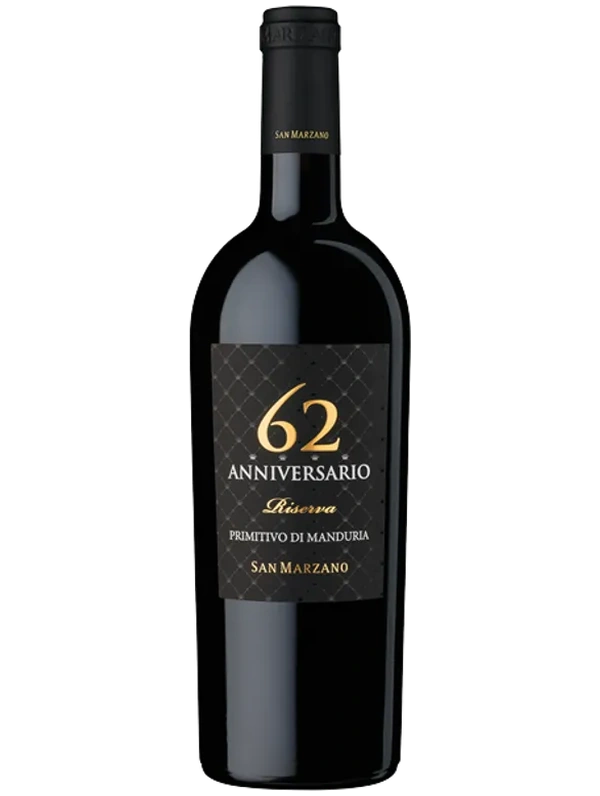
San Marzano, Anniversario 62, Primitivo di Manduria Riserva 2020
San Marzano's old-vine Primitivo, aged 18 months in French and American oak. Ripe plum and cherry jam, tobacco and sweet spice lead to cocoa, coffee and vanilla on a full, soft-tannined finish. A 14.5% Puglia riserva for red meat and game.
View Wine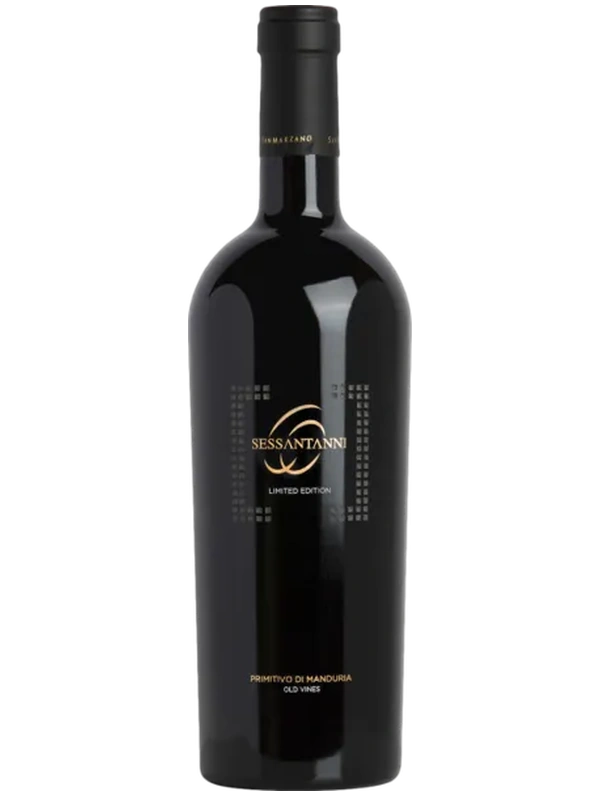
San Marzano 60 Sessantanni Limited Edition Old Vines Primitivo di Manduria 2020
San Marzano's flagship Primitivo, from bush vines at least sixty years old in the Valle del Sessantanni. A year in French and American oak leaves cocoa, coffee and vanilla over ripe plum. Big and soft at 14.5%.
View Wine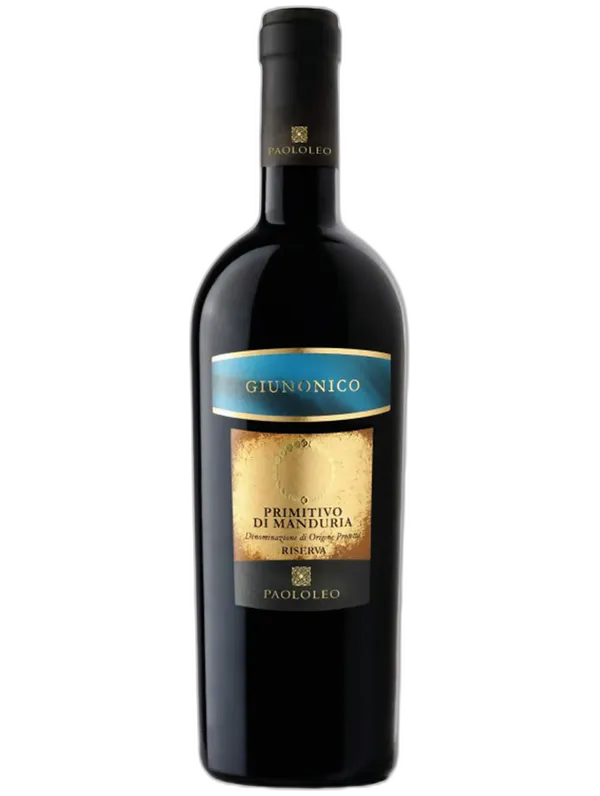
Primitivo di Manduria Riserva DOC Giunonico Paolo Leo 2018
Paolo Leo's top Primitivo, from bush vines over 70 years old near Sava. Twenty months in big oak casks leave it soft, warm and full, with blackberry, cocoa and sweet spice. A 15% Riserva built for game and roast lamb.
View Wine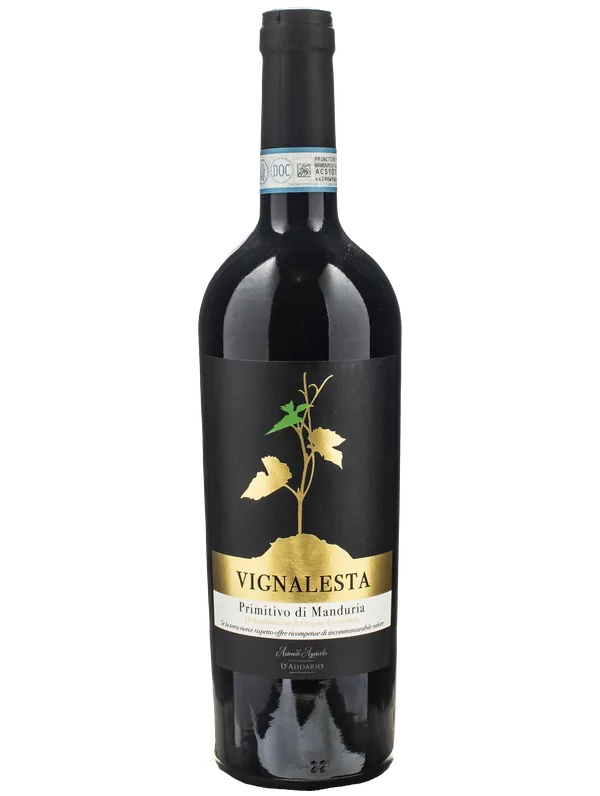
Primitivo di Manduria DOC Vignalesta D'Addario 2023
A full, velvety Primitivo di Manduria from Sava, aged about a year in small French oak barrels. Prune, dried fig, cinnamon and liquorice lead, then coffee and chocolate on a long finish. The 2022 is £20.50 at the one shop on this page.
View Wine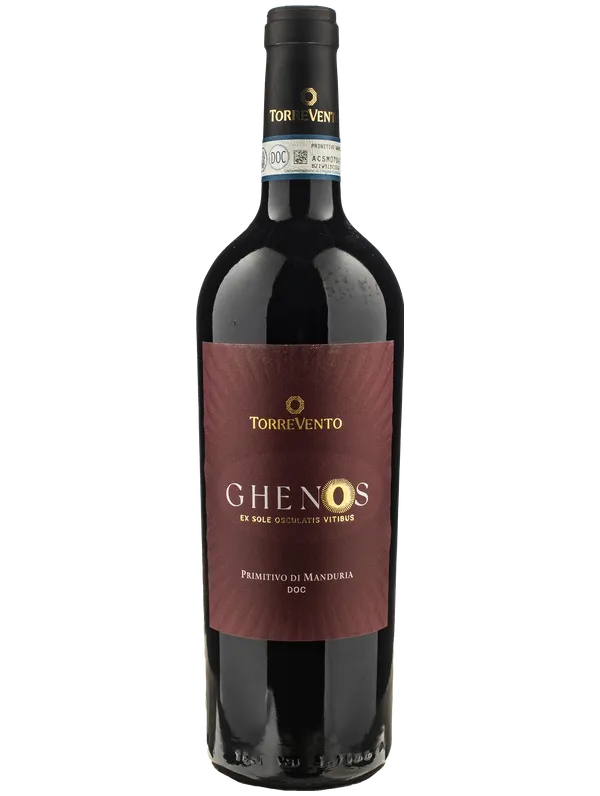
Torrevento Primitivo di Manduria Ghenos Rosso 2022
View Wine
Surani 'Costarossa' Primitivo di Manduria DOC , Puglia 2024
Pasqua's Surani Costarossa is a ripe, soft Primitivo di Manduria. Over-ripened grapes and a year in small oak barrels give black plum, vanilla and velvety tannin at 14%. A Majestic exclusive in the UK: £16.50, or £12 in a mixed six.
View Wine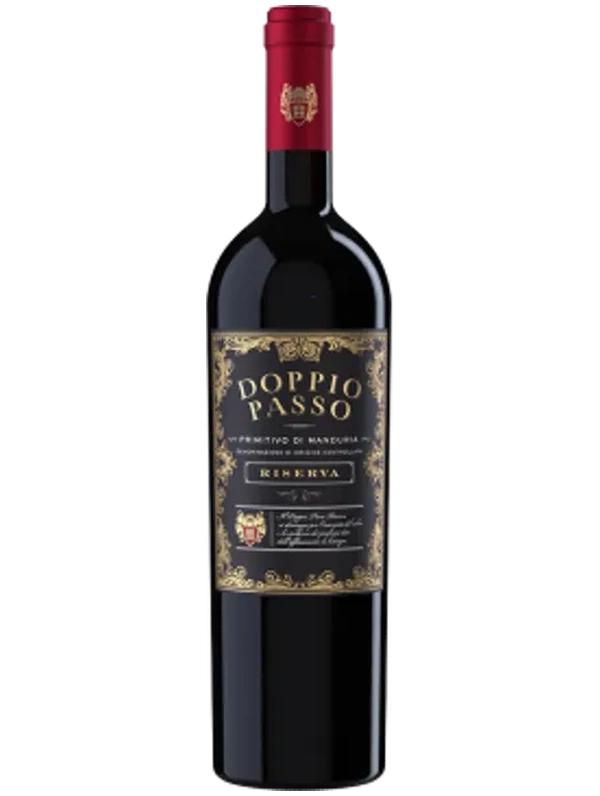
Primitivo di Manduria Riserva - Doppio Passo 2023
Doppio Passo's Riserva is a soft, ripe Primitivo di Manduria from the Botter family's brand. Two years' ageing with nine months in wood give blackberry, cherry, vanilla and toast at 14.5%. UK prices from £15 at Vinatis and Vino.com.
View Wine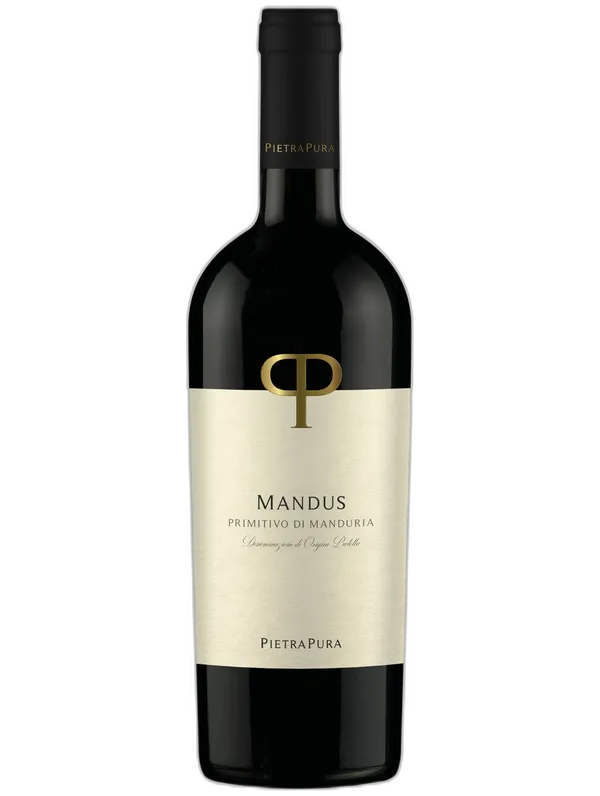
Primitivo di Manduria DOC Mandus PietraPura 2025
PietraPura Mandus is a Primitivo di Manduria DOC from Rocca delle Macìe's Puglia line. Ripe cherry and plum meet cocoa and vanilla from four months in French oak. Full, smooth and 14%, it suits meat ragù, game and aged cheese.
View WineOne rule explains the taste. Primitivo di Manduria may keep up to 18 grams of sugar per litre. The usual ceiling for a dry wine is 4. So a Manduria red can carry no sweet word on its label and still taste round and faintly sweet. Our guide to Italian sweet red wine sorts the reds that are sweet from the ones that only taste it.
Gioia del Colle is the older home and the quieter name. Its vineyards sit on a limestone plateau inland from Bari, 200 to 450 metres above the sea. The rules ask for Primitivo and nothing else. The wines tend to be a little lighter and fresher than Manduria's, with the same dark fruit.

Pierfabio Mastronardi Mammame Primitivo Gioia del Colle 2021
View Wine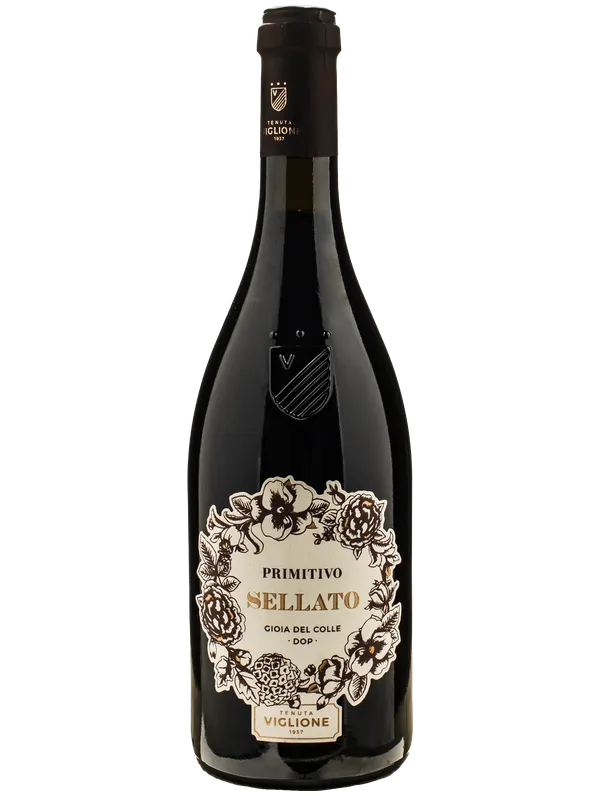
Tenuta Viglione Primitivo Gioia del Colle Sellato 2022
View Wine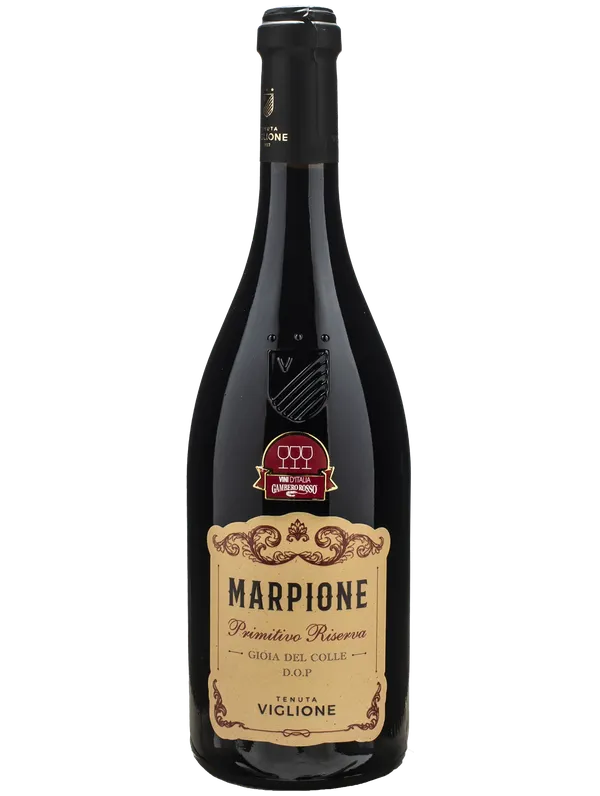
Gioia del Colle Primitivo Riserva DOC Marpione Tenuta Viglione 2021
View Wine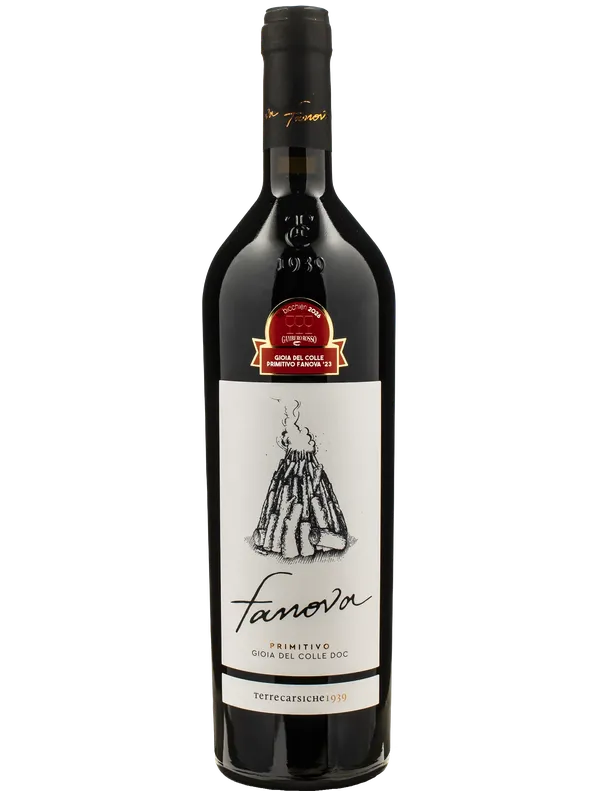
Primitivo di Gioia del Colle DOC Fanova TerreCarsiche1939 2023
View Wine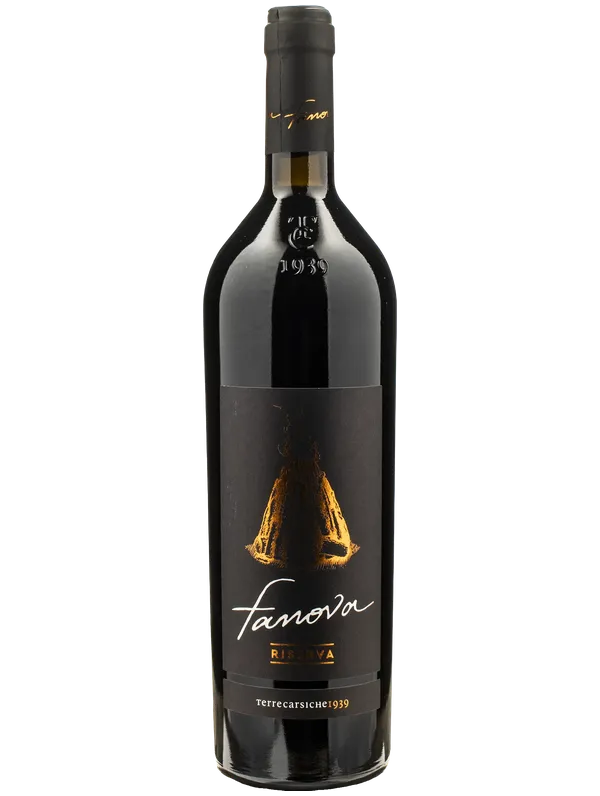
Primitivo di Gioia del Colle Riserva DOC Fanova TerreCarsiche1939 2021
View Wine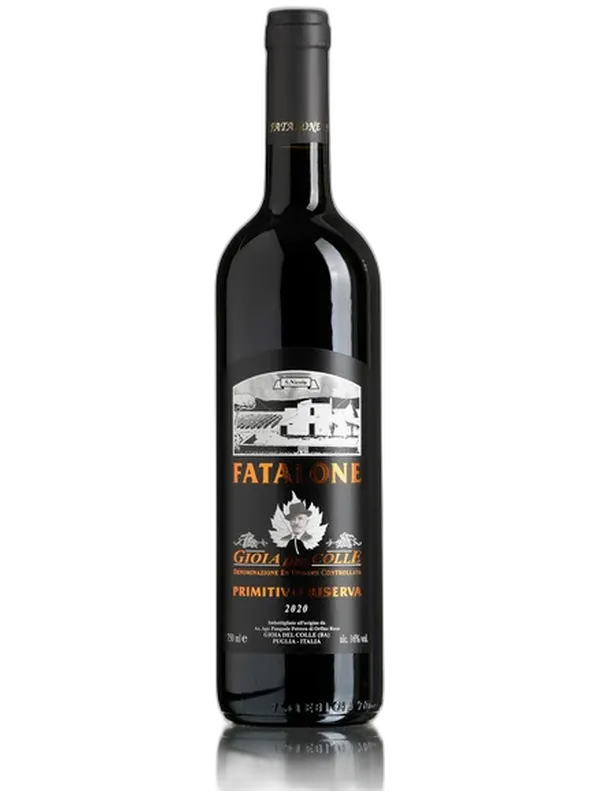
Gioia del Colle Fatalone Primitivo Riserva Pasquale Petrera di Orfino Rosa 2022
View Wine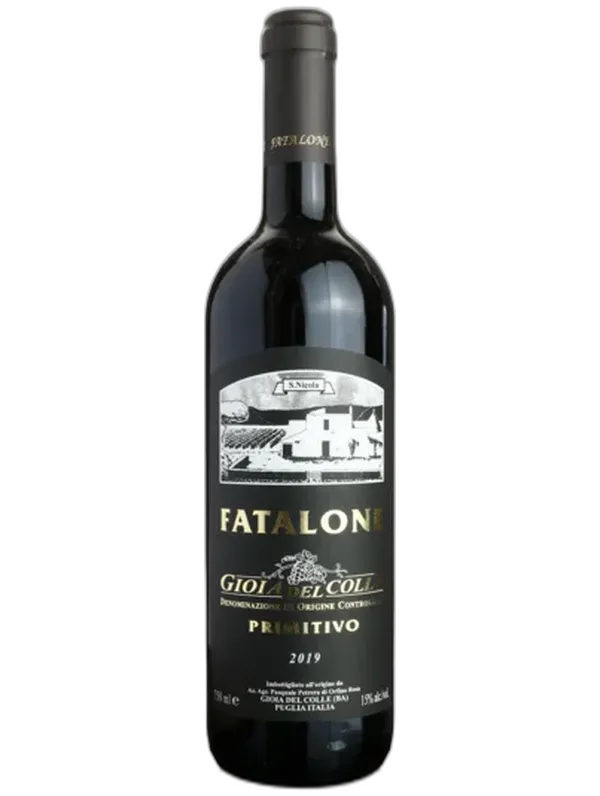
Gioia del Colle Fatalone Primitivo Pasquale Petrera di Orfino Rosa 2024
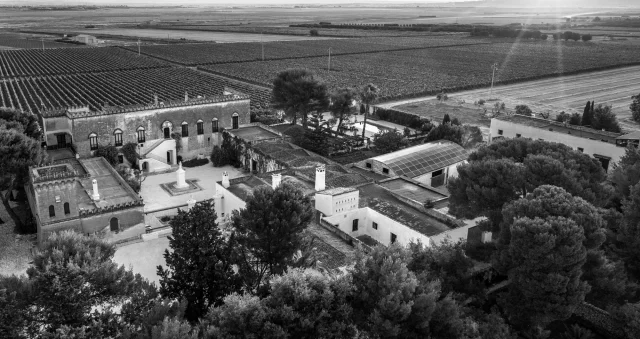
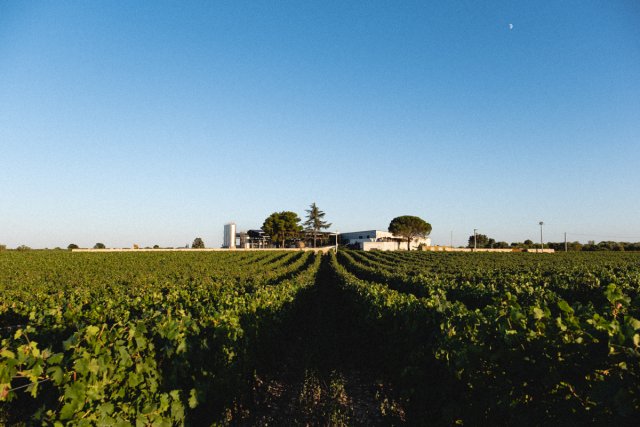
View WineFor Manduria, look for San Marzano, a growers' co-operative founded in 1962. Its Sessantanni comes from bush vines more than sixty years old. Varvaglione, at Leporano, has made wine since 1921. For Gioia del Colle, Polvanera farms organically at 300 to 450 metres.
 33


If you like Zinfandel, which Primitivo to buy
Work back from the Zinfandel you already drink.
- Big, jammy Zinfandel. Go for the Riserva tier of Primitivo di Manduria, or an old-vine bottle such as Sessantanni: dense plum, cocoa and oak.
- A fresher, spicier Zinfandel. Try a Gioia del Colle Primitivo: the same dark fruit with more lift.
- An easy weeknight red. A Puglia or Salento IGT Primitivo is soft, fruity and made to drink young.
- White Zinfandel. A red Primitivo will come as a shock. For something pink, fizzy and sweet, look at Brachetto d'Acqui from Piedmont.
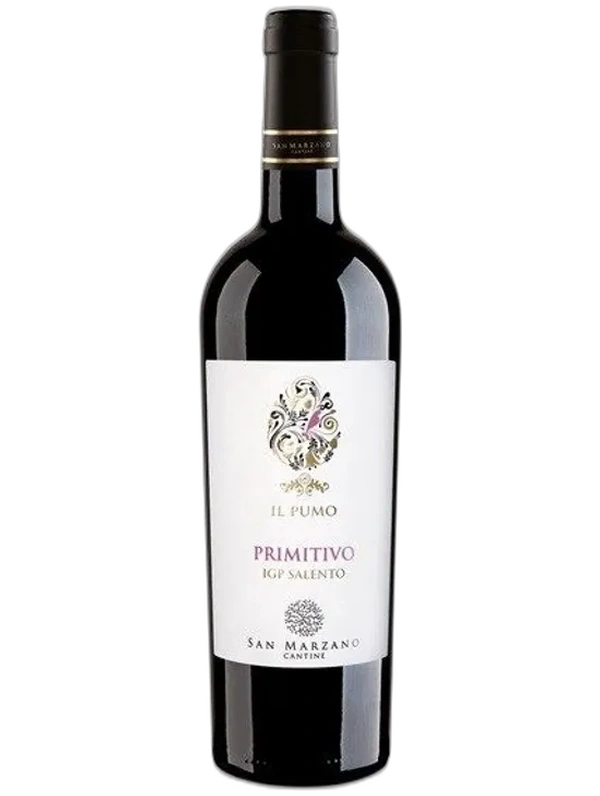
San Marzano Il Pumo Primitivo 2025
A soft, full-bodied Primitivo from San Marzano in Salento, aged in steel tanks. San Marzano describes plum, cherry and a hint of rosemary. From £13.30 in the UK, it suits hearty pasta dishes, red meat and hard cheese.
View Wine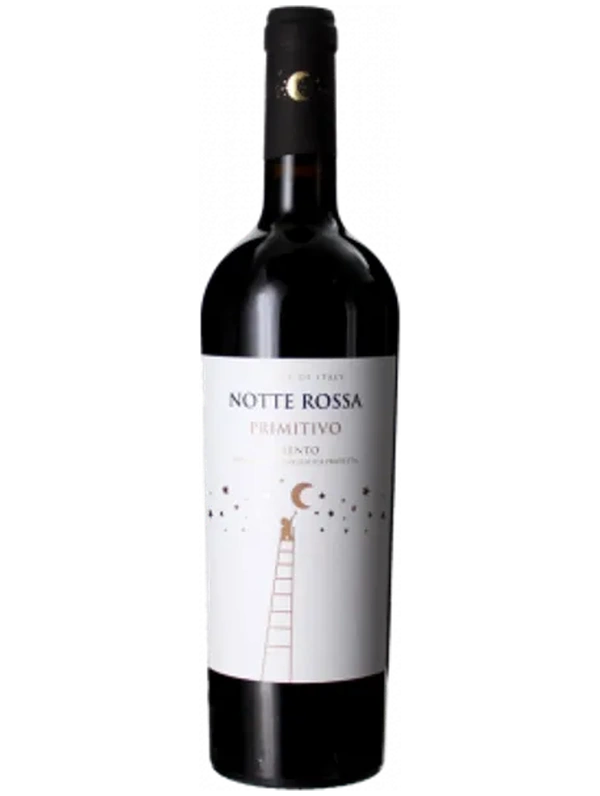
Primitivo Salento - Notte Rossa 2025
A soft, ripe Puglian red made only from Primitivo. Notte Rossa keeps it in steel tanks and never in barrel, so nothing woody gets in the way of the plum and cherry fruit. It took a silver medal at the 2026 International Wine Challenge.
View Wine
Zensa Puglia Primitivo 2025
Organic Primitivo from Salento, made for the Zensa label of Orion Wines. Hand-picked in late August, with 30% of the wine resting eight months in used oak. Cherry, dried berries and toasted almond, soft and silky. Sold in the UK from £15 to £18.
View Wine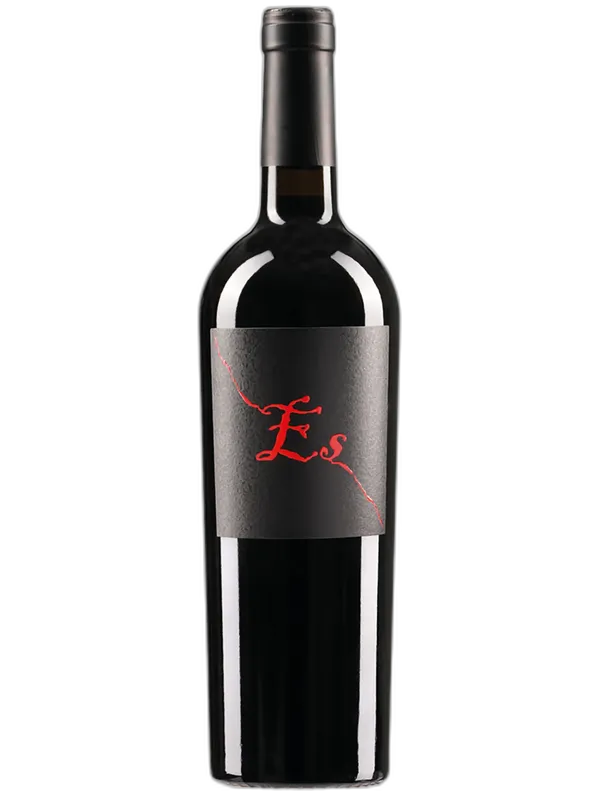
Salento Primitivo IGT Es Gianfranco Fino Viticoltore 2023
Gianfranco Fino's Es is a cult Primitivo from old alberello vines near Manduria, aged about nine months in French oak. Powerful near 16% vol, it shows blackberry, plum, cocoa and liquorice. A benchmark Puglian red built for rich meat and the cellar.
View Wine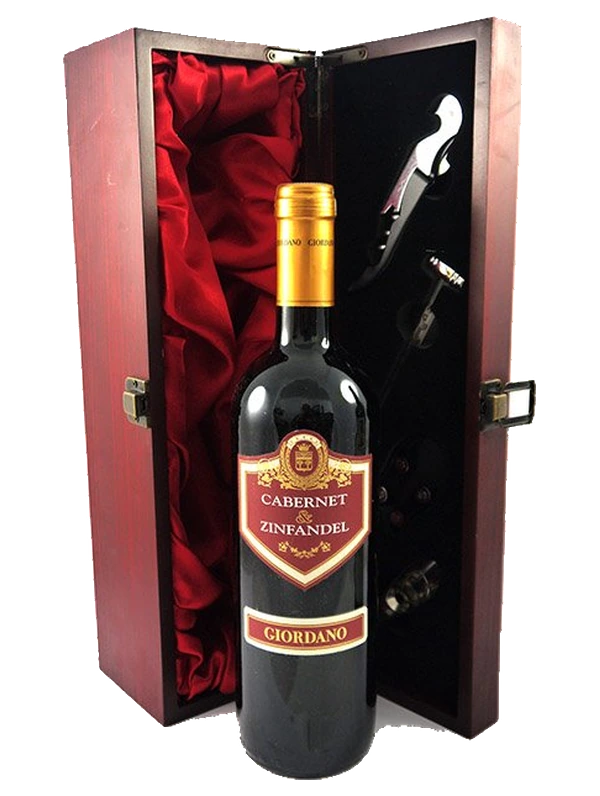
Cabernet Zinfandel Giordano Puglia IGT 2007
Giordano's Puglia IGT pairing of Cabernet Sauvignon with Zinfandel, the grape Puglia grows as Primitivo: soft, velvety black fruit, violet and spice, now fully mature. The 2007 ships gift-boxed, a birth-year bottle to open rather than cellar.
View Wine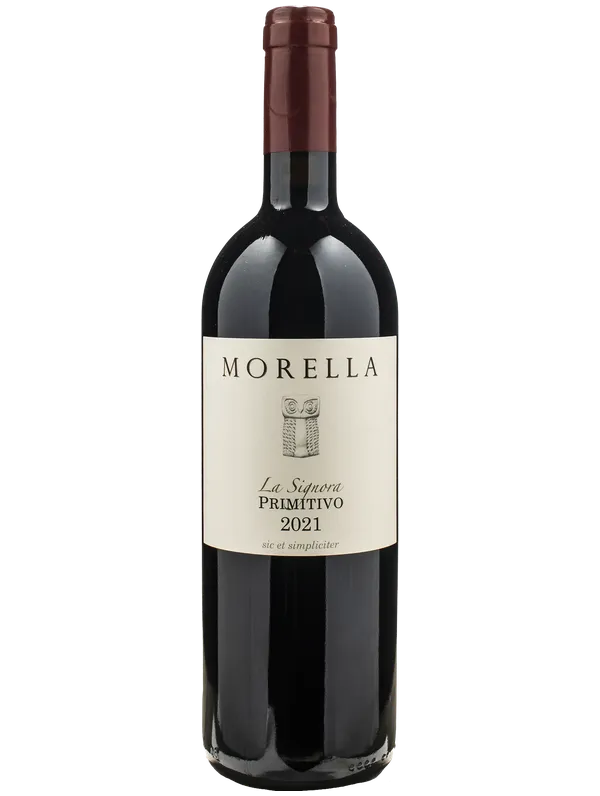
Morella Primitivo La Signora 2021
A single-vineyard Primitivo from Morella's old bush vines on red earth between Manduria and the sea. The 2021 is 16% alcohol and unfiltered, with cherry, blackberry and sweet spice. Best with braised meat.
View Wine
Torrevento Since 1913 Primitivo 2021
View Wine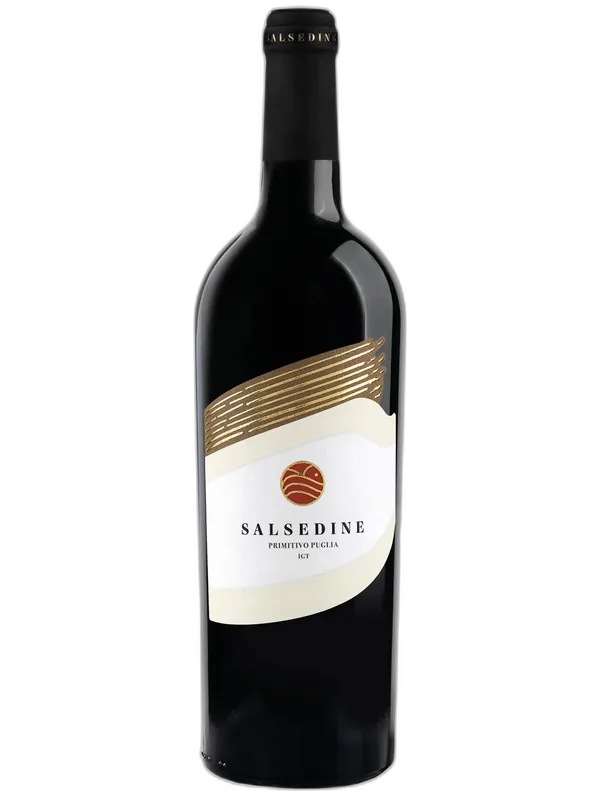
Puglia Primitivo IGT Salsedine 2025
A full-bodied, soft Primitivo from near Taranto, made by Cantine NAE under its Salsedine label. Wild berries, coffee and black pepper, velvety tannins and 15% alcohol.
View Wine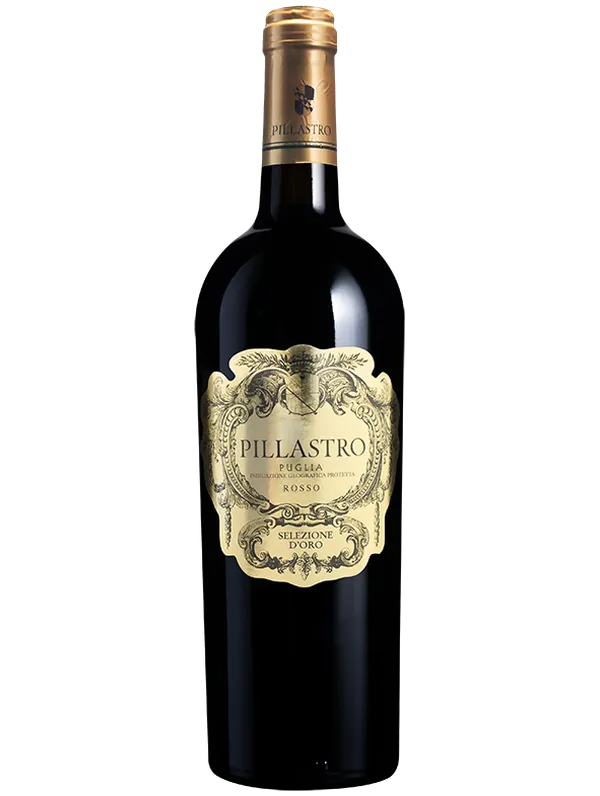
Pillastro Selezione d'Oro Primitivo Puglia 2024
A Puglia IGP red made by the Cantine Due Palme cooperative for the Pillastro label: Primitivo with a share of Negroamaro, aged in French oak. Ripe plum, vanilla and chocolate, sweet, smooth tannin. The one shop on this page asks £19 for the 2024.
View Wine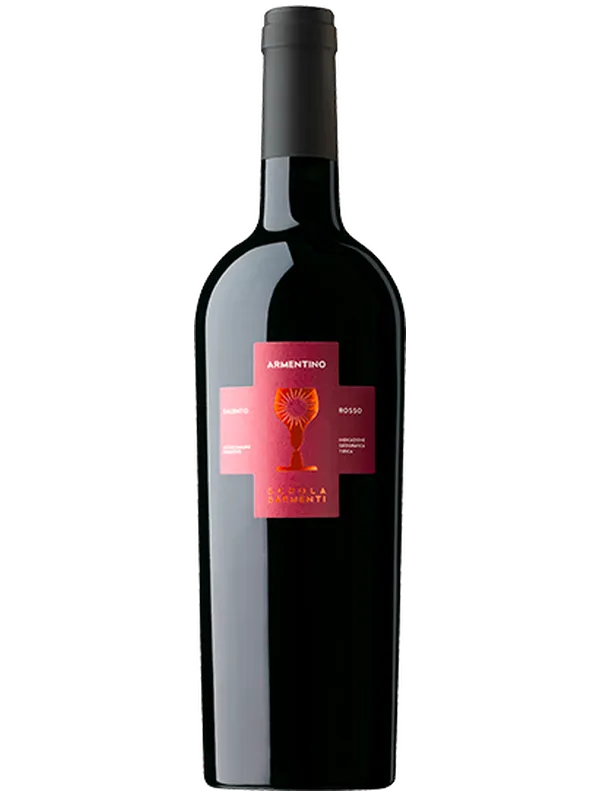
Schola Sarmenti Armentino 2024
Half Negroamaro, half Primitivo from bush vines around 55 years old near Nardò. The nose runs overripe, all plum and sour cherry; steel-raised, so the richness is pure fruit.
View WineThen check the alcohol on the back label. A Primitivo at 13.5 per cent and one at 16 make for different evenings. If both sound like too much, our guide to Italian wines with less alcohol covers the lighter bottles, such as Moscato d'Asti at about 5.5 per cent.
What to eat with Primitivo, and how to serve it
Whatever you would grill for a Zinfandel suits a Primitivo. The ripe fruit and soft tannin stand up to smoke, char and a sweet glaze. That is why a Primitivo di Manduria, dark and full-bodied, works so well with barbecue and grilled meat.
At home in Puglia it is poured with orecchiette, lamb stews and aged cheese. For a tomato sauce, pick a fresher Gioia del Colle Primitivo: its acidity keeps pace with the tomato.
Serve it cooler than the room, at 16 to 18 degrees. Warm, a strong red tastes of alcohol before fruit. A short spell in the fridge puts that right.
Frequently asked questions
Yes. Primitivo and Zinfandel are the same grape variety, as DNA tests at the University of California, Davis showed in 1993. Both descend from a Croatian vine known as Tribidrag or Crljenak Kaštelanski. The wines still differ, because the vines were selected apart for two centuries and grow in different places. Italian Primitivo is usually drier and more savoury. California Zinfandel is usually riper and stronger.
Red Zinfandel is a dry wine, though its ripe fruit can taste sweet. The sweet one is White Zinfandel, a pink wine from California that keeps some of its grape sugar. Italian Primitivo is made as a dry red too. The one truly sweet version is Primitivo di Manduria Dolce Naturale, a DOCG red with at least 50 grams of sugar per litre. Our guide to Italian sweet red wine shows which reds are sweet and which only taste it.
Primitivo is the grape, and Primitivo di Manduria is a protected wine made from it. A bottle labelled only Primitivo is usually a Puglia IGT, from anywhere in the region, or a Salento IGT, from its southern heel. Primitivo di Manduria DOC must be at least 85 per cent Primitivo, grown in 18 villages around Manduria, and reach 13.5 per cent alcohol. The Riserva needs 14 per cent and two years of ageing. Expect a darker, fuller wine than a plain IGT.
Because European rules allow it. The EU has accepted Zinfandel as another name for Primitivo since 1999, so an Italian producer can print either word. A few do. Felline puts both on its Sinfarosa, a Primitivo di Manduria, and The Wanted Zin leads with Zinfandel. The grape in the bottle is the same Primitivo grown across Puglia. American winemakers have no such choice, because their rules list the two names separately.
Primitivo means the early one, because the grape ripens before most other reds. The name goes back to about 1799. A priest in Gioia del Colle, Francesco Filippo Indellicati, picked out an early vine and called it Primativo, from the Latin primativus. It does not mean rough or primitive. In Puglia the harvest still starts in late August, well before Negroamaro, the region's late-ripening red.