





Italian Wines with Less Alcohol: What the Label Really Means
TL;DR
- Italy makes the lightest real wines in Europe by law: Moscato d'Asti must sit between 4.5% and 6.5% alcohol, and Brachetto d'Acqui starts at 5%.
- In the UK only a drink at 1.2% or less may be called low alcohol, so a 5.5% Moscato d'Asti is a lighter wine, not a low alcohol one.
- A 125ml glass of Moscato d'Asti holds about 0.7 units, against 1.8 units for the same glass of Barolo.

Start with the number on the label
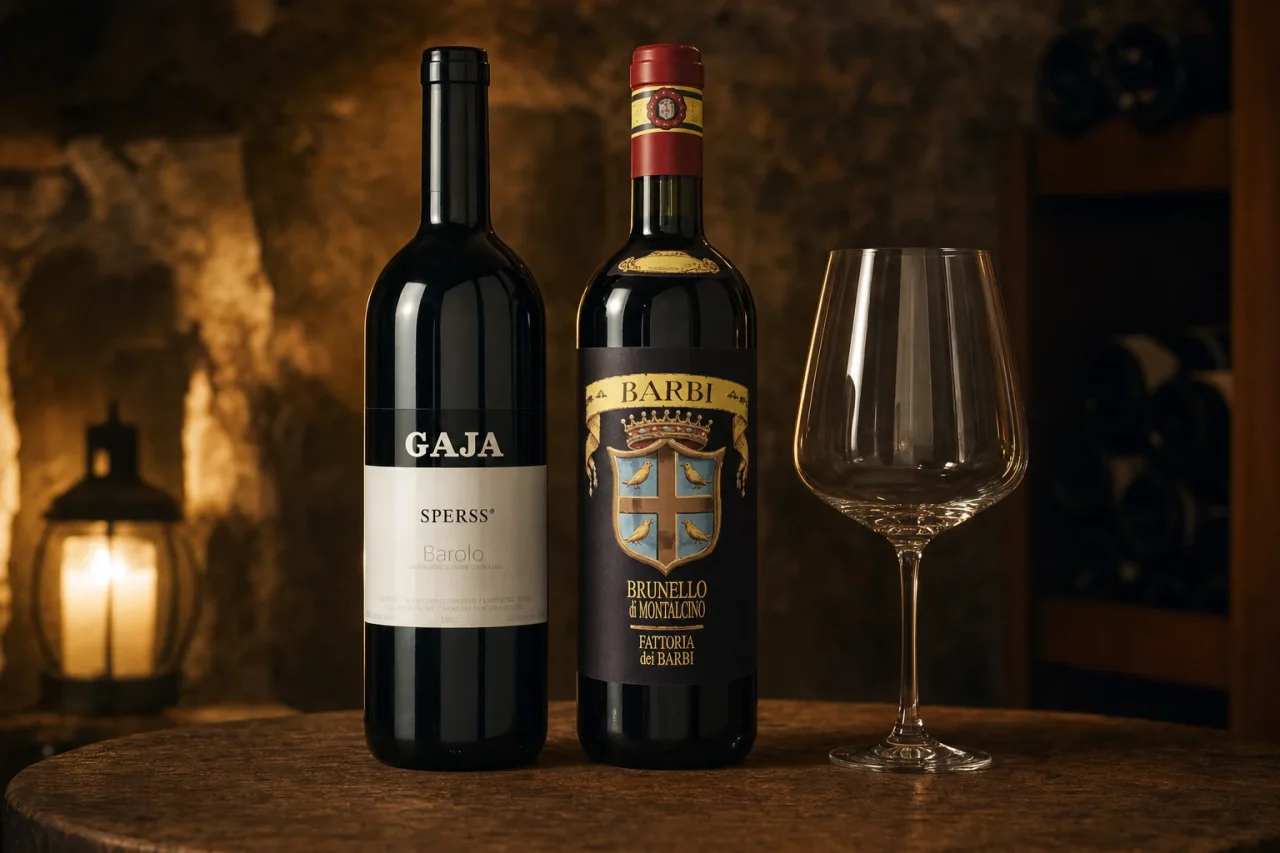
A glass of Moscato d'Asti is about 5.5% alcohol. A glass of Barolo is about 14.5%. Same glass, nearly three times the alcohol. That number, the ABV, is the only thing on a label that tells you how strong a wine really is. Words like light, delicate or fresh say nothing about strength.
The UK has rules on the words. Government guidance from December 2018 lets a drink be called low alcohol only at 1.2% or below. De-alcoholised means the alcohol was taken out and no more than 0.5% is left. Alcohol-free means no more than 0.05%.
So no Italian wine made the normal way is low alcohol in the legal sense. What Italy does have is a group of real wines with far less alcohol than most, made that way by their own production rules. This guide puts their strengths side by side, then explains the alcohol-removed wines Italy signed into law at the end of 2024.
| Wine | Alcohol on the label | Sweetness | Bubbles |
|---|---|---|---|
| Moscato d'Asti DOCG | 4.5% to 6.5% by law | Sweet | Gentle fizz |
| Brachetto d'Acqui DOCG | At least 5%, spumante at least 6% | Sweet | Gentle or full |
| Asti DOCG (Asti Spumante) | At least 6% | Dry to sweet, usually sweet | Full sparkle |
| Lambrusco di Sorbara DOC | About 10% to 11% | Dry to sweet | Gentle or full |
| Prosecco DOC (spumante) | About 11% | Dry to off-dry | Full sparkle |
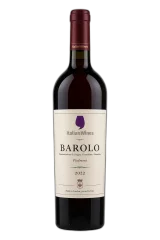
| Barolo DOCG | At least 13%, usually 14% or more | Dry | None |
| Alcohol-removed wine (dealcolato) | 0.5% or less | Varies | Still or sparkling |
Moscato d'Asti and Asti: the lightest wines Italy makes by law
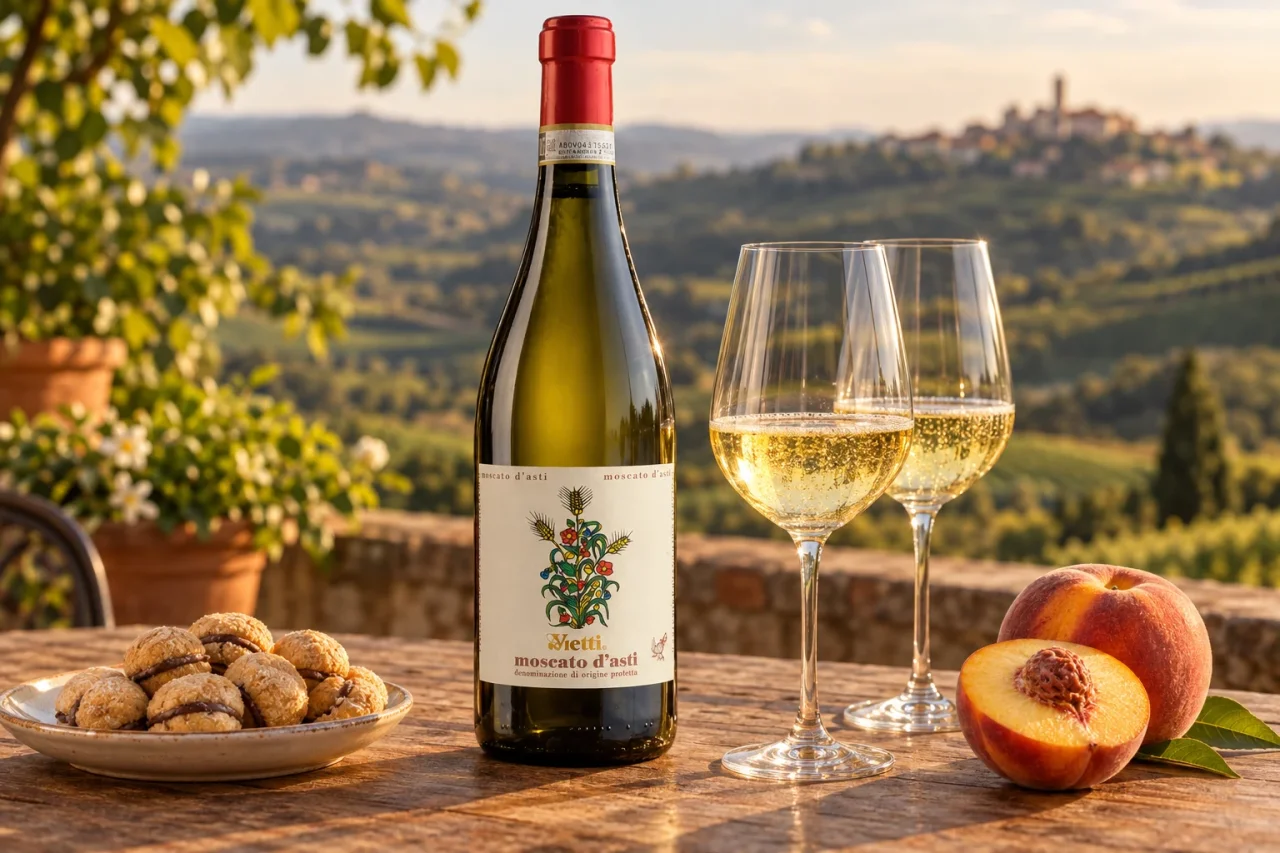
Moscato d'Asti is the one to know first. The current production rules for the Asti DOCG fix its alcohol between 4.5% and 6.5%. That is not a target but a legal band. A wine outside it cannot carry the name.
The low number comes from the way it is made. Juice from Moscato Bianco grapes, at least 97% of the blend, starts to ferment in a sealed tank. The winemaker chills the tank when the wine reaches about 5%, and the cold stops the yeast. The sugar the yeast never ate stays in the wine. That is why Moscato d'Asti is sweet and light at the same time: the sugar and the alcohol come from the same grape sugar, split two ways. It leaves the tank gently fizzy, frizzante on the label, at low pressure.
Asti, the fully sparkling sister still sold as Asti Spumante on many labels, must reach at least 6%. The same rules allow it anywhere from bone dry to sweet. It is made in tank too, the Charmat method that Italians call Martinotti, but held longer under pressure. So the bubbles are stronger and the alcohol a little higher. On the label it is a spumante, a full sparkling wine, where Moscato d'Asti is not.
Our Moscato guide covers the whole grape family from Piedmont to Sicily and says what to buy first. The point here is narrower. At 5.5%, a whole bottle of Moscato d'Asti holds less alcohol than three small glasses of Barolo.
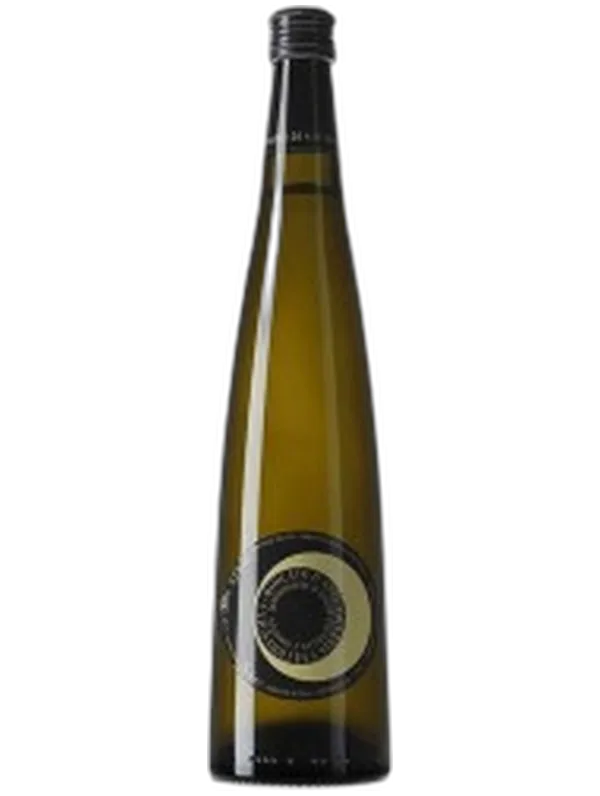
Ceretto Moscato d'Asti 2025
View Wine
G.D. Vajra Moscato d'Asti 2025
View Wine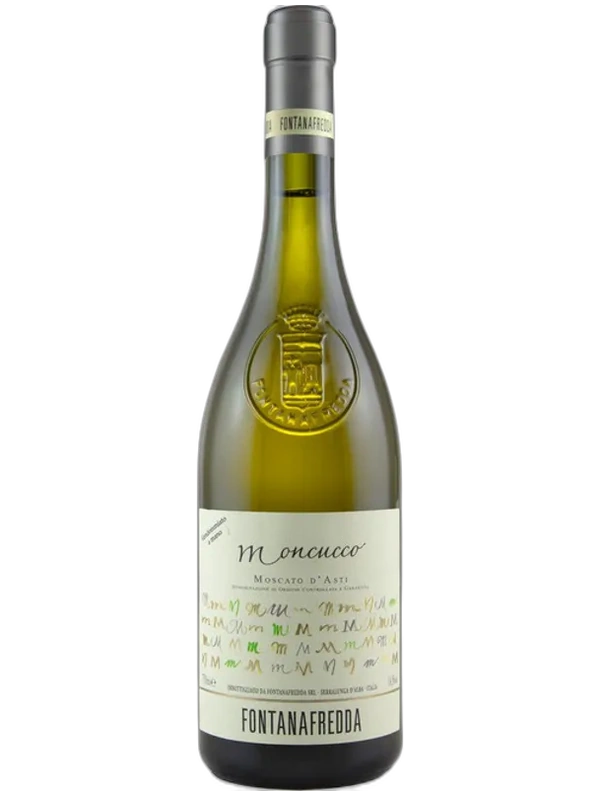
Fontanafredda Moscato d'Asti Le Fronde 2025
An organic Moscato d'Asti from Fontanafredda, sweet and lightly fizzy at just 5% alcohol. Orange blossom, sage and honey on the nose, fresh grape on the palate. Drink it young, with fruit desserts or on its own.
View Wine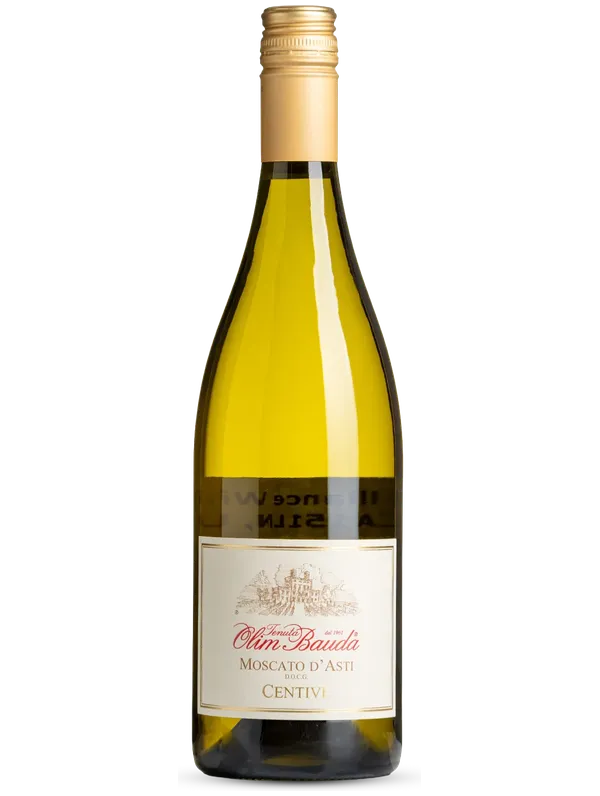
Centive Moscato d'Asti Tenuta Olim Bauda 2025
View Wine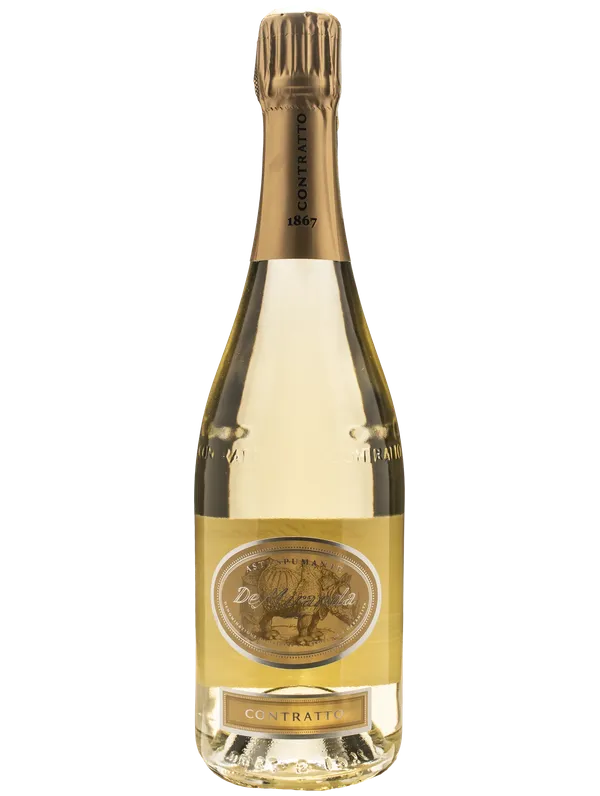
Asti Spumante DOCG De Miranda Contratto 2022
View Wine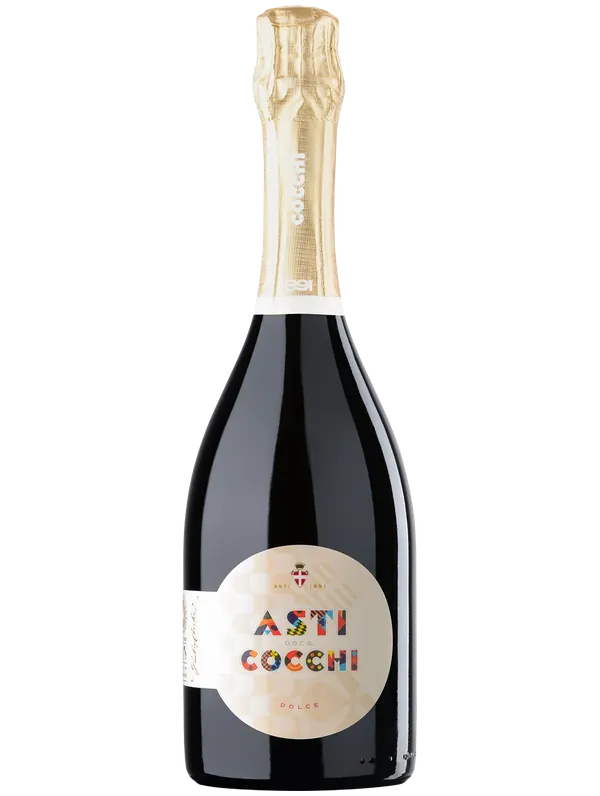
Asti Spumante DOCG Cocchi Giulio Spumanti
View WineBrachetto d'Acqui: the pink one at 5% to 6%
Brachetto d'Acqui is the red answer to Moscato d'Asti. It comes from the Brachetto grape grown around Acqui Terme, in the south of Piedmont, and it smells of roses and wild strawberries. The current production rules, last amended in 2019, set the alcohol in the glass at a minimum of 5% for the gently fizzy version and 6% for the fully sparkling spumante.
Bottles in UK shops land between that 5% floor and about 7%. Banfi's Rosa Regale, the one you see most often, is just over 7%, so even the strong end of Brachetto is half the strength of a Chianti.
There is also a passito Brachetto, made from dried grapes. That one is a different animal: at least 11% alcohol and at least 50 grams of sugar a litre, a proper dessert wine. If you want the light one, look for frizzante or spumante on the label and a number under 7. Our guide to Italian sweet red wines sets Brachetto beside Lambrusco amabile and Recioto, if sweetness rather than strength is the question.
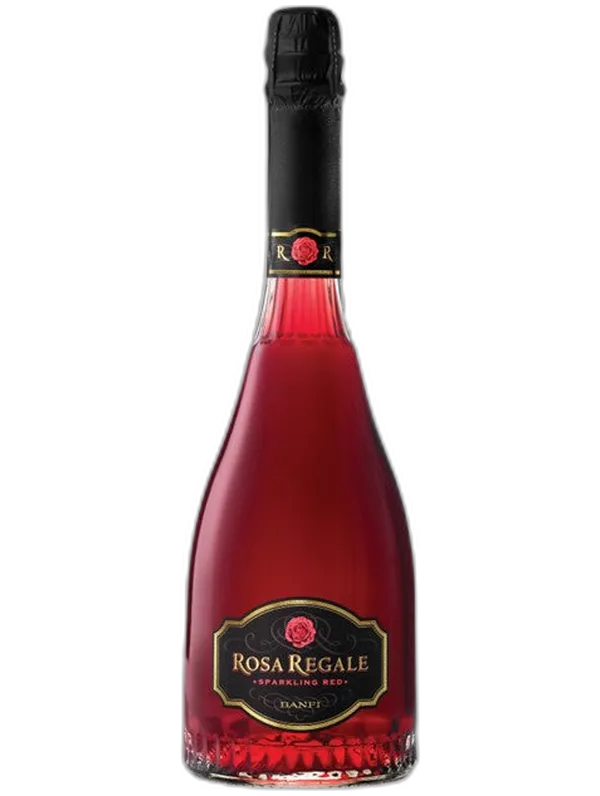
Banfi Rosa Regale Brachetto d'Acqui 2025
A sweet sparkling red from Banfi Piemonte, made from the Brachetto grape. The 2025 smells of strawberries and rose and has 7.1% alcohol. Serve it with fresh strawberries, fruit salad or a fruit tart.
View Wine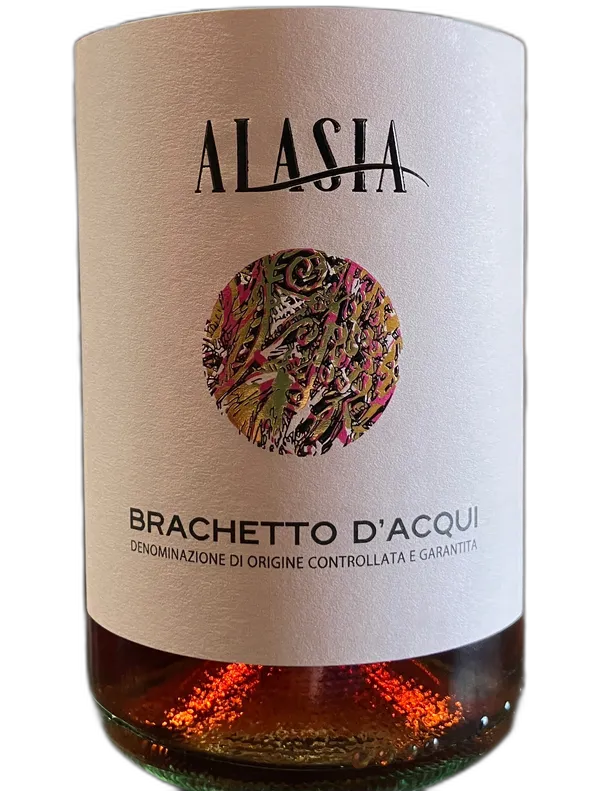
Brachetto d'Acqui Alasia 2024
View Wine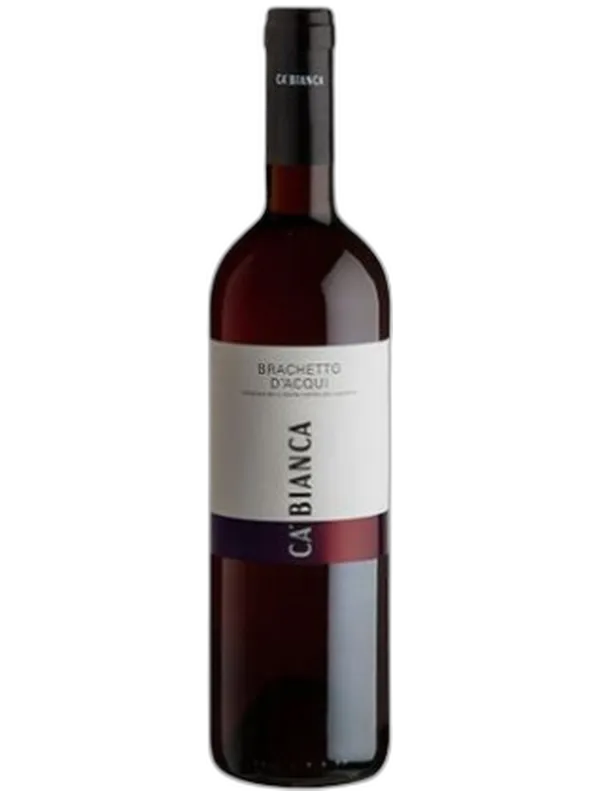
Ca' Bianca Brachetto D'Acqui 2025
View WineLambrusco: the fizzy middle ground near 11%
Lambrusco is not a light wine in the Moscato sense, but it sits well below most reds. Take Lambrusco di Sorbara, the palest and sharpest of the family. Its production rules ask for a total alcohol of at least 10.5% for the frizzante and 11% for the spumante.
Total is the key word. It counts the alcohol in the glass plus the alcohol the leftover sugar could still have made. A dry Sorbara, secco on the label, lands at about 11%. A sweet one, amabile, keeps part of that total as sugar, so the number on its label reads lower than on a dry wine from the same cellar. The label is the only place to read it.
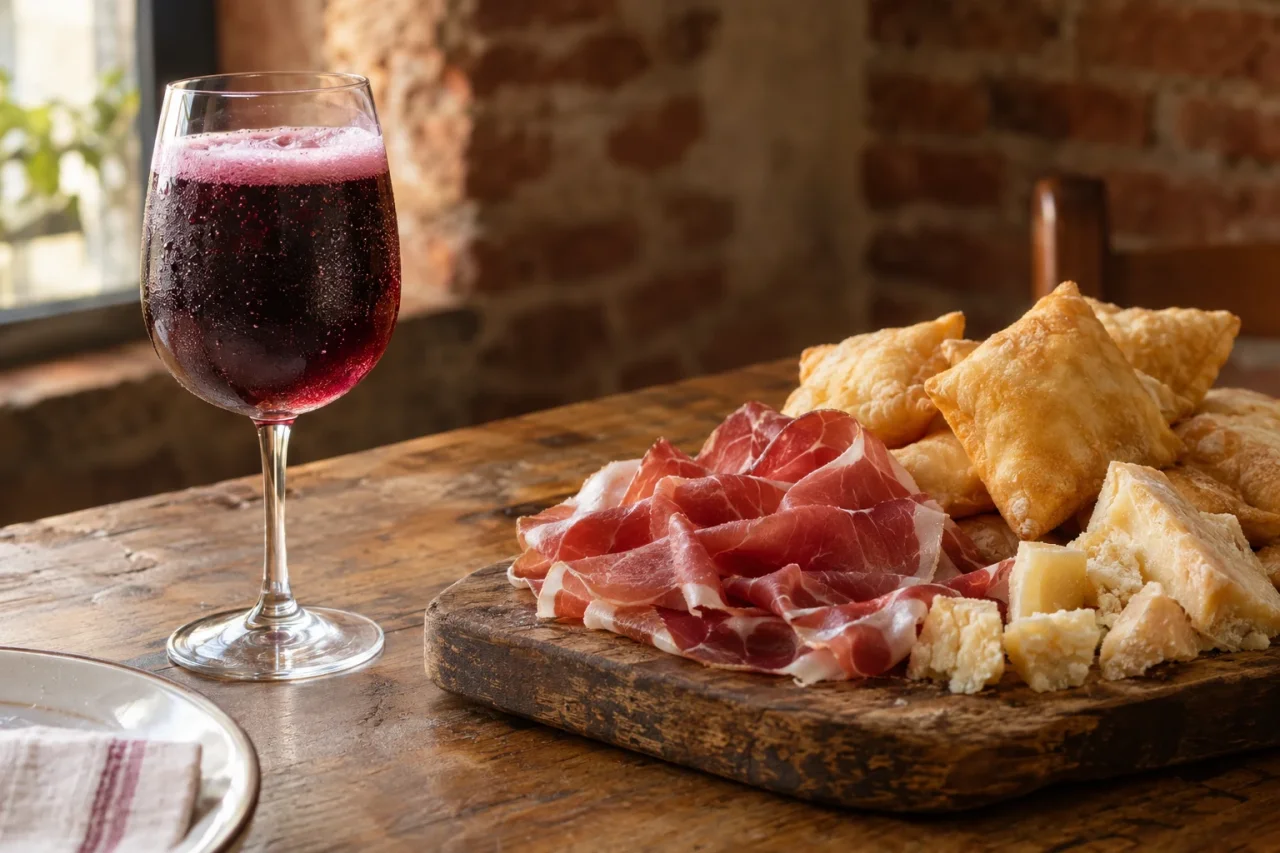
Why include it at all? Because Lambrusco is the lighter wine that behaves like a red at the table. Served cold with a plate of salumi or a pizza, a dry Sorbara at 11% does the job a 14% Primitivo di Manduria would, with about a fifth less alcohol. Emilia-Romagna makes it in every style from bone dry to sweet.
Prosecco belongs in the same middle band. Fully sparkling Prosecco DOC and Conegliano Valdobbiadene Prosecco Superiore DOCG must reach a total of at least 11%, counted the same way as the Lambrusco figure above. The gently fizzy Prosecco frizzante may stop at 10.5%. On the label a dry Prosecco usually reads 11% or a touch more. That makes Prosecco lighter than most still whites, not light in the Moscato sense.

Lambrusco Amabile IGT Emilia '27 Opere'
View Wine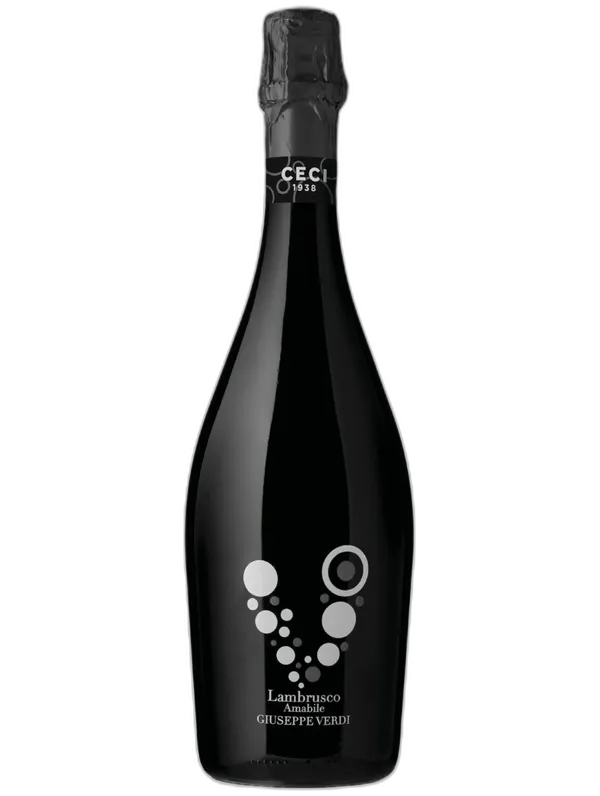
Emilia Lambrusco Amabile IGT Giuseppe Verdi Cantine Ceci
View Wine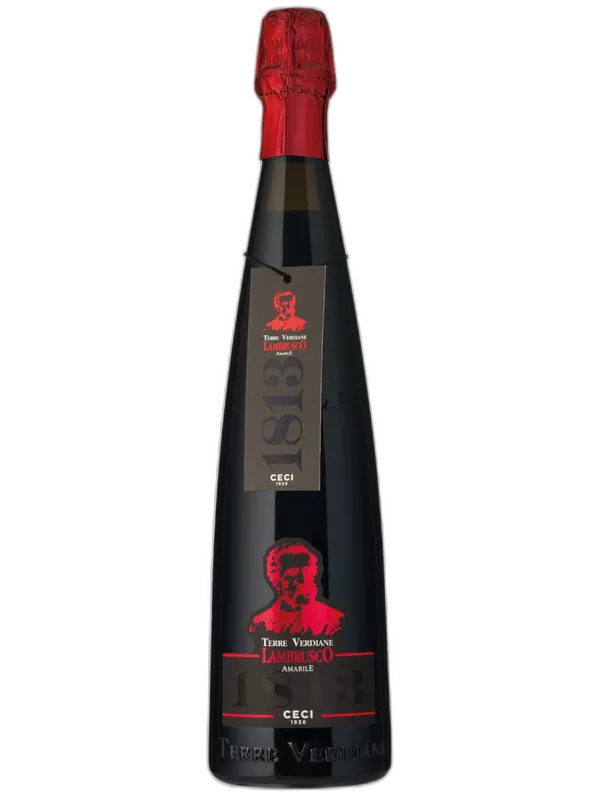
Emilia Lambrusco Amabile IGT Terre Verdiane Cantine Ceci
View Wine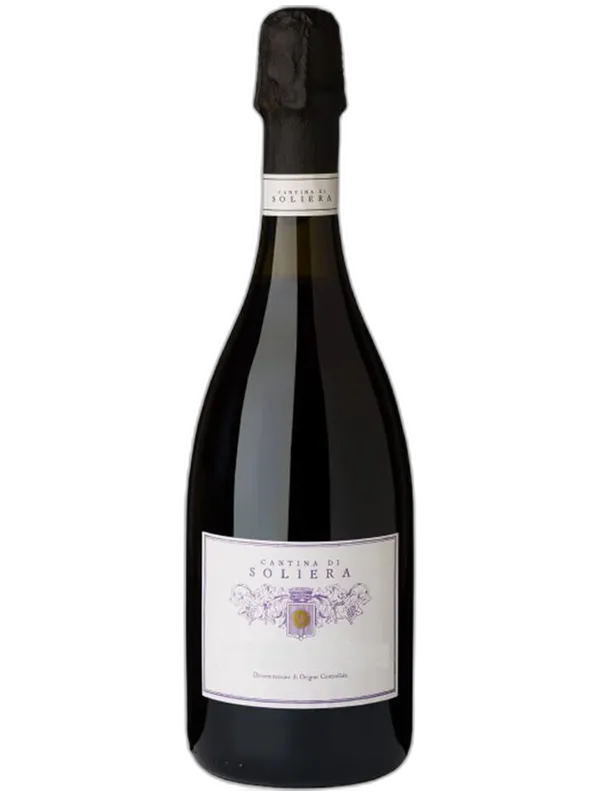
Lambrusco di Grasparossa Amabile Cantina di Soliera
View Wine
Lambrusco di Modena DOC Abboccato Cavicchioli 1928
View WineAlcohol-removed Italian wine: what dealcolato means
In December 2024 Italy's agriculture minister signed the decree that lets Italian wineries make wine with the alcohol removed. Gambero Rosso reported it on 23 December 2024. Two words matter. Dealcolato means the alcohol has been taken out and no more than 0.5% is left. Parzialmente dealcolato means some was removed and the wine sits above 0.5% but below the minimum for its category.
Two limits matter just as much. The decree keeps every DOP and IGP name out of it, so there can be no Prosecco DOC or Chianti with the alcohol removed. A bottle of alcohol-removed Italian fizz is a sparkling wine, not a Prosecco. And the Italian label may not say alcohol-free.
The UK words map onto this neatly. De-alcoholised on a UK shelf also means 0.5% or less. Alcohol-free in the UK means 0.05% or less, a tenth of that. So an Italian dealcolato at 0.4% may be sold here as de-alcoholised, but not as alcohol-free.
What it tastes like is the honest question. Alcohol gives a wine its weight and part of its sweetness. Take it out and the wine turns thinner and sharper, which is why the best of these are sparkling: the bubbles and a little sugar fill the gap. If you want a light drink that still tastes like wine, a 5.5% Moscato d'Asti is a safer bet than most 0.5% bottles. If you want no alcohol at all, read the label for 0.05%.
Which lighter Italian wine for which moment
Three everyday cases, three bottles.
- A long lunch where you want a second glass: Moscato d'Asti at 5.5%, cold, with fruit or almond biscuits.
- A pink fizz for the table rather than for pudding: Brachetto d'Acqui at 6%, with strawberries or a soft cheese.
- A red for pizza without the 14%: dry Lambrusco di Sorbara at 11%, served cold.
The arithmetic is simple and worth doing once. The NHS formula is strength times millilitres, divided by 1,000. A 125ml glass at 5.5% is 0.7 units. The same glass of Barolo at 14.5% is 1.8 units, and a standard 175ml glass of a 12% white is 2.1.
There is a price effect too. UK wine duty from 1 February 2026 is £26.61 per litre of pure alcohol for wine between 3.5% and 8.4%, and £30.62 from 8.5% up. A 75cl bottle at 5.5% carries about £1.10 of duty. The same bottle at 13.5% carries about £3.10. That is one reason a good Moscato d'Asti costs less than a good Barbera from the same hills.
Two checks before you buy. Read the number, not the adjective. And remember that light and sweet travel together in Italy: the wines with the least alcohol are sweet because the sugar that did not become alcohol stayed in the glass. Our dessert wine guide and the sweet wine style page take that side of the story further. For a dry wine at 5% there is no normally made Italian wine yet. For that, you need the alcohol-removed bottles above, or a sparkling wine at 11% with the glass half full.
Frequently asked questions
Not in the legal UK sense. UK guidance keeps the words low alcohol for drinks at 1.2% or below, and Moscato d'Asti must sit between 4.5% and 6.5% under its own production rules. It is, though, the lightest wine Italy makes the normal way, with less alcohol in a full bottle than in three small glasses of Barolo. Think of it as a light wine, and read the number on the label rather than the words on the shelf.
Among wines made the normal way, Moscato d'Asti, with a legal floor of 4.5%, and Brachetto d'Acqui, with a floor of 5%. Most bottles of either land between 5% and 6.5%. Below that you are into alcohol-removed wine, called dealcolato in Italy, which must be 0.5% or less. Those bottles cannot carry a DOP or IGP name, so an alcohol-removed Italian fizz is never a Prosecco.
No. Italian rules keep every protected name, Prosecco DOC included, out of the alcohol-removed category. A bottle with the alcohol taken out may be an Italian sparkling wine, but it may not be called Prosecco. In the UK the words alcohol-free also need 0.05% or less, while most alcohol-removed wines are made to 0.5%. A label saying Prosecco-style is a hint that the real name could not be used.
About 0.7 units in a 125ml glass at 5.5%, using the NHS sum of strength times millilitres divided by 1,000. A 175ml glass is about 1 unit. The same 125ml glass of a 14.5% Barolo is 1.8 units, and a standard 175ml glass of a 12% wine is 2.1. The number on each bottle moves the answer, so use the label's own figure rather than a typical one.
Usually the opposite in Italy. The lightest Italian wines are light because the winemaker stopped the fermentation early, so the grape sugar the yeast never ate stayed in the wine. That is why Moscato d'Asti and Brachetto are both sweet and about 5.5%. A dry wine made the normal way needs ripe grapes and a full fermentation, which takes it to 11% or more. Only alcohol-removed wines break that link.