





The Best Italian Wines for Christmas Dinner, Course by Course
TL;DR
- Turkey and its trimmings want a red with soft tannins and bright fruit, which is exactly what Italy makes best.
- Buy three kinds of bottle: Italian fizz to start, a Chianti Classico or Barbaresco for the main course, and one sweet wine for Stilton and pudding.
- Keep Barolo and Amarone for the roast beef or the goose, where their weight is welcome, not for a plate of turkey and cranberry sauce.

Match the trimmings, not the turkey
Roast turkey is mild meat. The flavour on a Christmas plate comes from everything around it: sage stuffing, cranberry sauce, pigs in blankets, bread sauce and a gravy made in the roasting tin. The British wine writer Fiona Beckett makes the same point: the stuffing, the sauces and the sides matter more than the bird.
That rules out two things. Oaky, heavy whites fight the cranberry. Big, tannic reds taste harsh next to lean white meat and sweet sauce. What you want is a red with bright acidity and soft tannins, or a white with real freshness. Italy makes a lot of both.
So the plan is simple. Start with Italian sparkling wine, pour a medium-bodied Italian red with the main course, and finish with a sweet wine for the cheese and the pudding. The sections below name the bottles, say what each one tastes like and give the serving temperature.
Start with Italian fizz: Franciacorta, Trentodoc and Prosecco Superiore
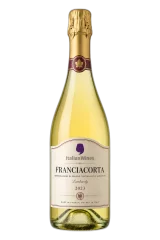
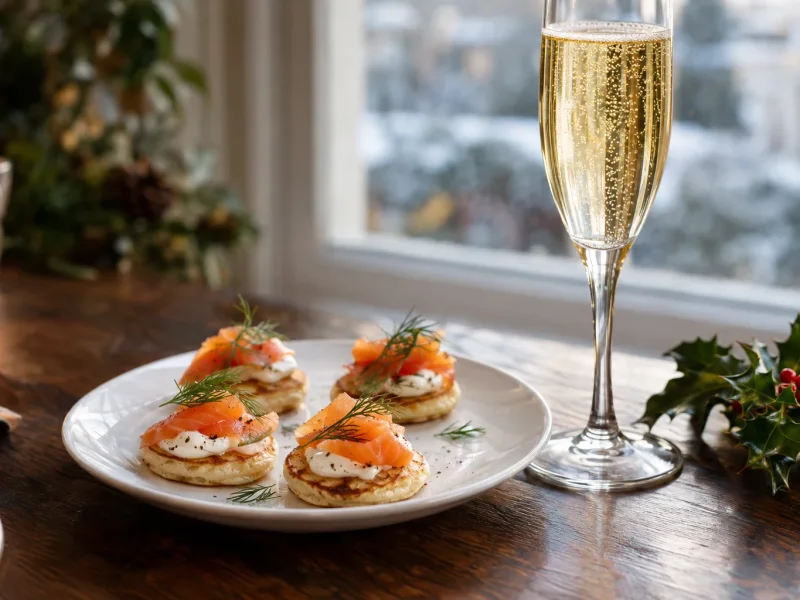
Smoked salmon, blinis, cheese straws and the first glass of the day all want bubbles. Franciacorta, from Lombardy, is made the way Champagne is made, with a second fermentation in the bottle (the metodo classico). It tastes of brioche, green apple and lemon. It is the smartest glass you can pour at midday.
Trentodoc, from the mountains of Trentino, uses the same method with a cooler, crisper edge. Gambero Rosso opens its list of festive wines with Prosecco Superiore, then gives the green light to Franciacorta and Trentodoc.
Prosecco is the easy choice for a crowd and the right one for a party. When the bottle has to shine next to the smoked salmon, pick Conegliano Valdobbiadene Prosecco Superiore rather than plain Prosecco DOC. Our Prosecco vs Champagne guide explains how the two methods differ. Serve all three well chilled, at 6 to 8°C. A bottle pours six glasses, so one bottle of fizz for every three guests covers the welcome drink and the starter.
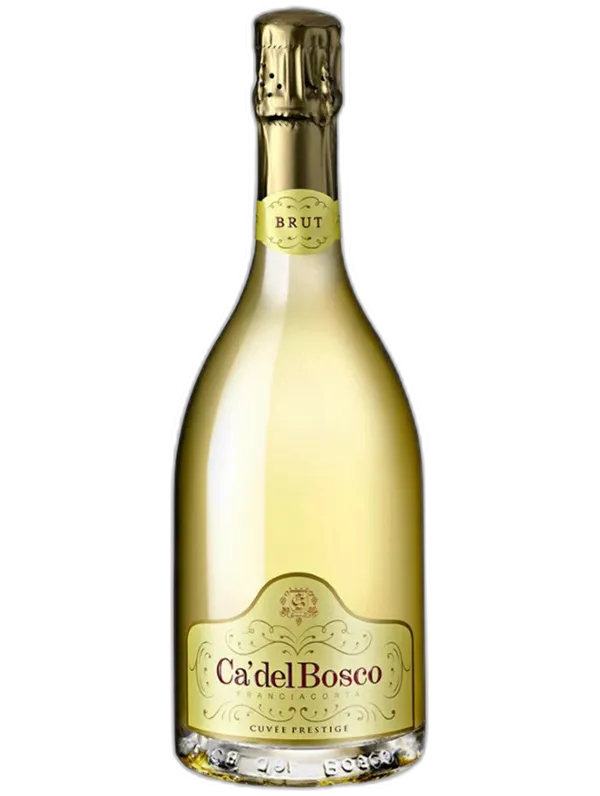
Ca' del Bosco Franciacorta Cuvée Prestige N.V.
Ca' del Bosco's flagship non-vintage Franciacorta: 80.5% Chardonnay with Pinot Nero, 25 months resting on its yeast, Extra Brut at 1.5 grams of sugar. Apple, pear and brioche; 4.1 from 28,000 Vivino drinkers. From £36 in the UK.
View Wine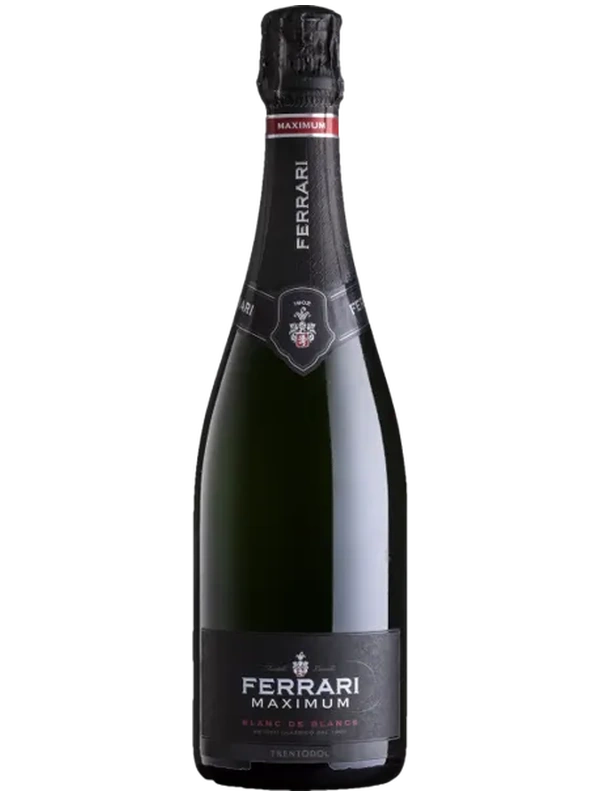
Ferrari Maximum Blanc de Blancs
Ferrari's non-vintage Maximum Blanc de Blancs is a Trentodoc from pure Trentino mountain Chardonnay, aged at least 24 months on its yeast. Green apple, citrus and brioche over a fine, persistent perlage at 12.5%, near 22 pounds the bottle.
View Wine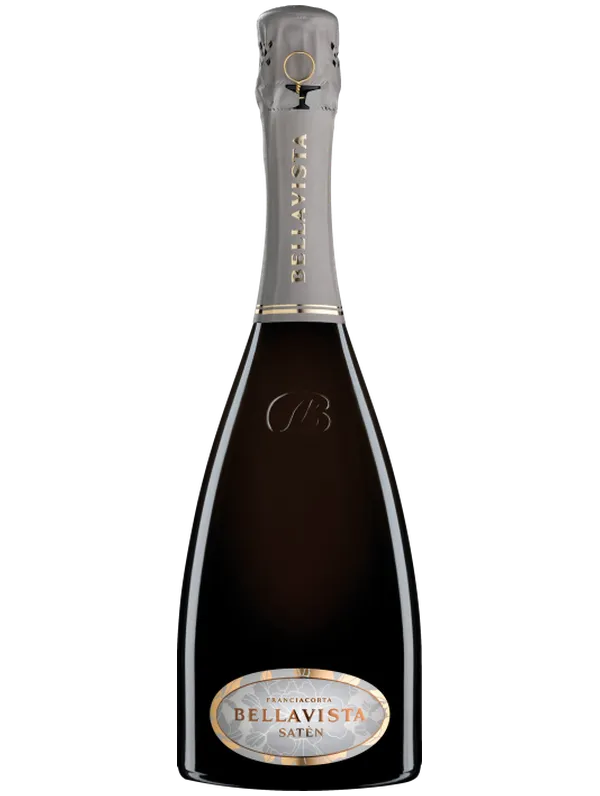
Bellavista Franciacorta Saten 2021
Bellavista's softest sparkler: all Chardonnay from Erbusco, four years on its yeast, bottled at lower pressure so the bubble is creamy rather than sharp. Citrus, pink flowers and toasted nuts. From £39.92.
View Wine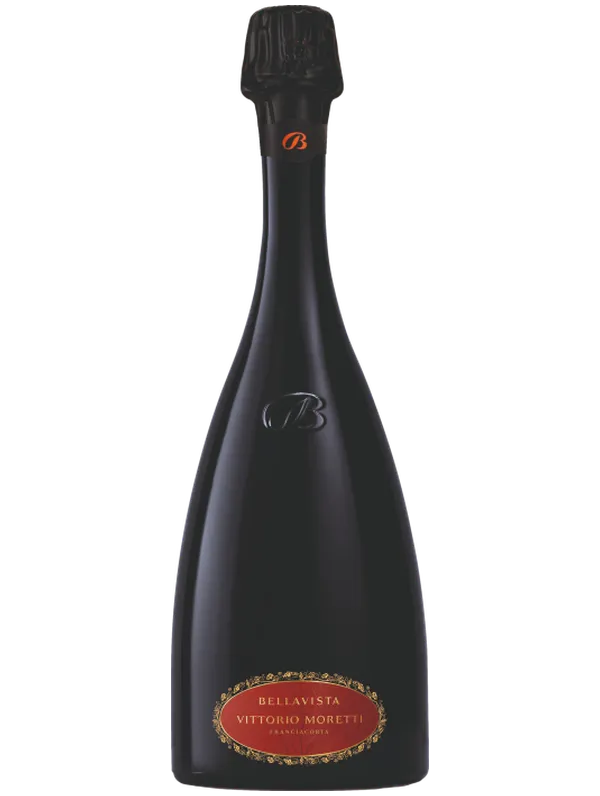
Azienda Agricola Bellavista Vittorio Moretti Riserva 2018
Bellavista's flagship Franciacorta, made only in the finest vintages. A Chardonnay-led Riserva from Erbusco, barrel-fermented and aged seven years on the lees: fine mousse, orchard fruit, hazelnut and brioche over an Extra Brut, mineral finish.
View Wine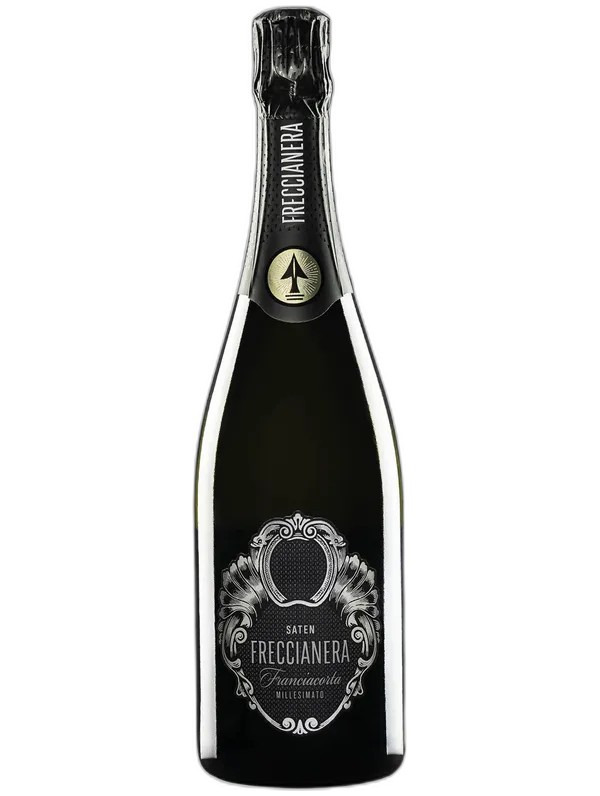
Franciacorta DOCG Brut Satèn Millesimato Freccianera Fratelli Berlucchi 2021
A vintage Franciacorta from Chardonnay grown on the Berlucchi family's own land at Borgonato. Satèn means a softer, gentler bubble. Three years on its yeasts bring apple, lemon and warm brioche. Built for the table, not just the aperitif.
View Wine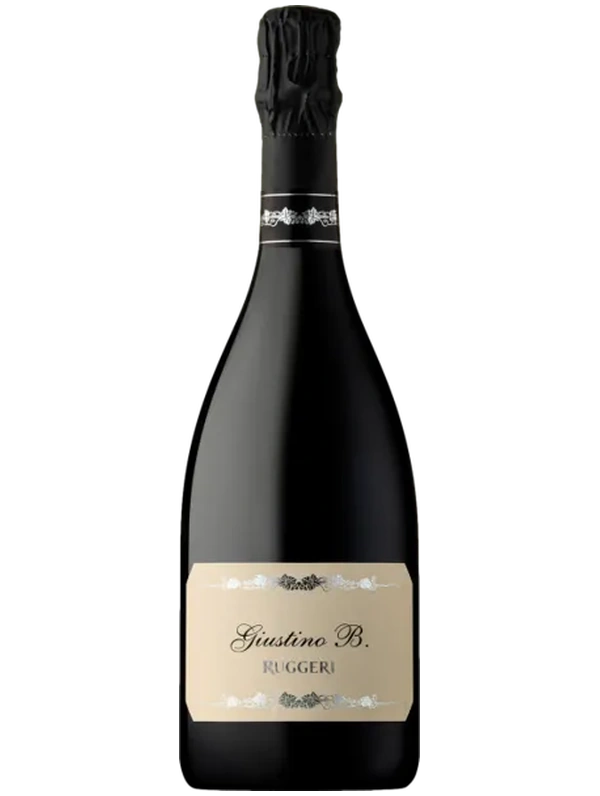
Ruggeri Giustino B. Valdobbiadene Prosecco Superiore 2025
Ruggeri's flagship Valdobbiadene Prosecco Superiore DOCG, named after founder Giustino Bisol. Glera from selected hillside crus, Extra Dry at 17 g/l: apple, white peach and citrus over a fine, persistent mousse with a touch of brioche.
View Wine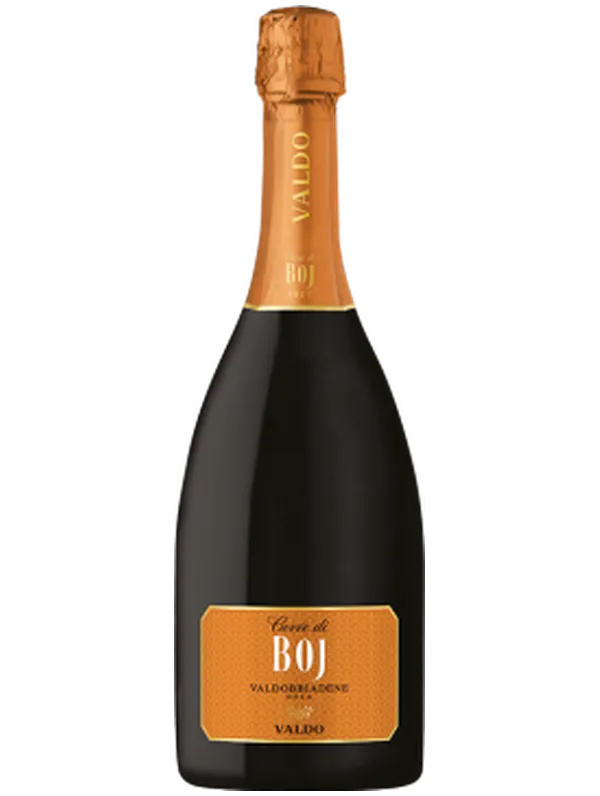
Valdo Cuvée di Boj Valdobbiadene Prosecco Superiore Brut
Valdo's dry Brut Prosecco Superiore from the Valle dei Buoi, the valley of the oxen, in Valdobbiadene. Pure Glera at 11.5%, light, with pear, golden apple and white flowers. About £15 a bottle in the UK.
View Wine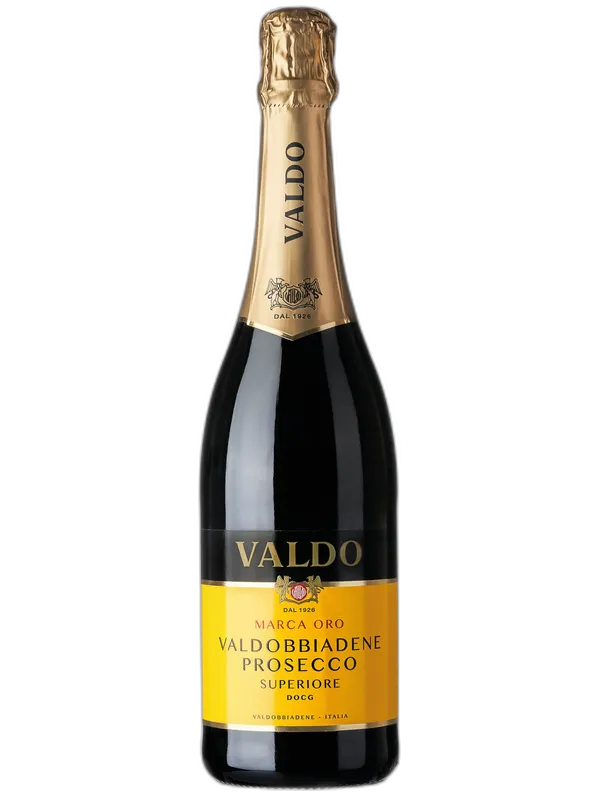
Valdobbiadene Prosecco Superiore DOCG Extra Dry Marca Oro Valdo
Valdo's gold-label Prosecco from the Valdobbiadene hills, made only from Glera. Extra Dry means a shade sweeter than Brut: apple, acacia and honey, soft bubbles, 11% alcohol. About £15 a bottle, from Italy's top Prosecco tier.
View Wine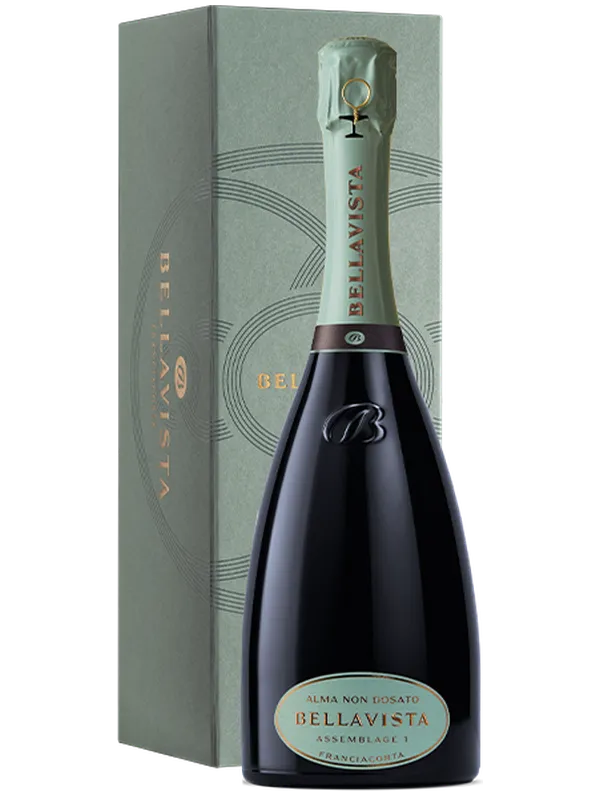
Azienda Agricola Bellavista Alma Non Dosato
Bellavista's bone-dry, zero added sugar Franciacorta from Erbusco: around 90% Chardonnay and 10% Pinot Nero, aged 30 months on its spent yeast. Citrus, white peach, brioche and a fine, stony mousse. A prestige aperitif and seafood sparkling.
View Wine
Valdobbiadene Prosecco Superiore DOCG Extra Dry Serena
An Extra Dry Prosecco Superiore from Valdobbiadene grapes: 85% Glera, with Chardonnay, Pinot Bianco and Pinot Grigio. Expect white flowers, wisteria and tropical fruit, and a soft touch of sugar.
View WineThe best red wine for turkey: Chianti Classico, Barbaresco, Ripasso and Etna Rosso
Here are four Italian reds that love turkey and everything on the plate with it. All four have the fresh acidity that cuts through gravy and the soft tannins that leave white meat tasting sweet, not dry. Pigs in blankets and a dark gravy push the plate towards the richer end. Cranberry and bread sauce pull it back. These four cover that whole range.
| Wine | What it is like | Serve at |
|---|---|---|
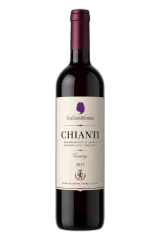
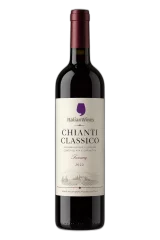
| Chianti Classico (Tuscany) | Sour cherry, dried herbs and a savoury finish. The classic match for sage stuffing. | 16 to 18°C |
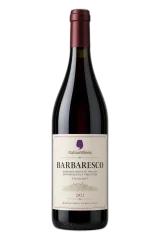
| Barbaresco (Piedmont) | Nebbiolo at its most perfumed: roses, red cherry and a fine grip that suits the cranberry. | 16 to 18°C |
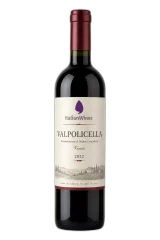
| Valpolicella Ripasso (Veneto) | Fuller and rounder, with dried-fruit depth for pigs in blankets and a rich gravy. | 16 to 18°C |
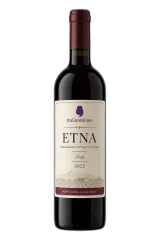
| Etna Rosso (Sicily) | Pale, bright and spicy. Lighter than a Chianti, closer to a Pinot Nero. | 14 to 16°C |
If the table likes lighter reds, a Langhe Nebbiolo gives you the Barbaresco style for less money. If it likes richer ones, Valpolicella Ripasso is the safe bet: the ripasso method adds body without hard tannin. Keep the reds at 16 to 18°C, the Etna Rosso a couple of degrees cooler. A bottle left by the oven for an hour tastes flat and boozy.
Two reds you might expect are missing on purpose. Barolo and Amarone della Valpolicella are great wines but heavy ones. They belong with the beef and the goose, in the next section.
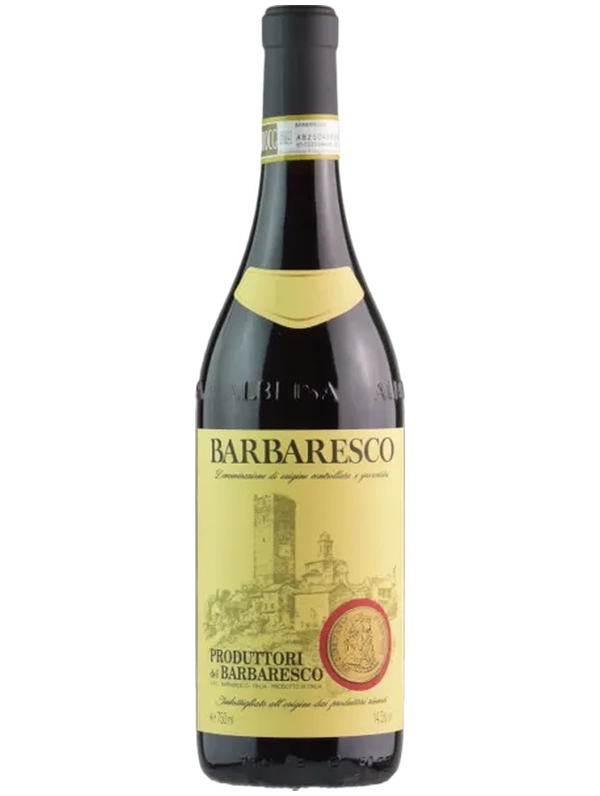
Produttori del Barbaresco Barbaresco 2023
The classic Barbaresco from the Produttori cooperative: 100% Nebbiolo drawn across the zone's vineyards since 1958. Dried roses, red cherry and tar frame firm tannins and bright acidity, a benchmark, fairly priced way into age-worthy Piedmont.
View Wine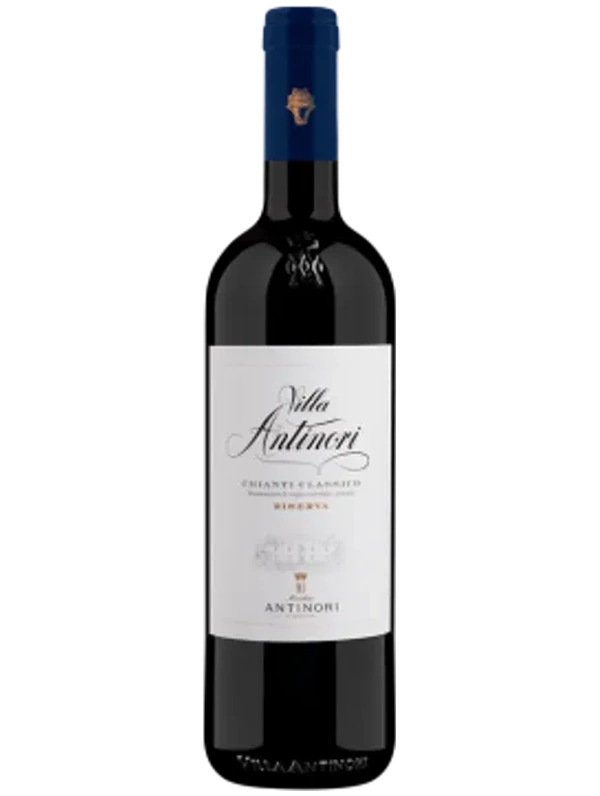
Villa Antinori Chianti Classico Riserva 2023
Antinori's Sangiovese-led Chianti Classico Riserva, made since 1928 and aged about 18 months in large oak and small barrels. Cherry, rose and liquorice, silky tannins, a long savoury finish. Around £24 to £34 from eight UK shops.
View Wine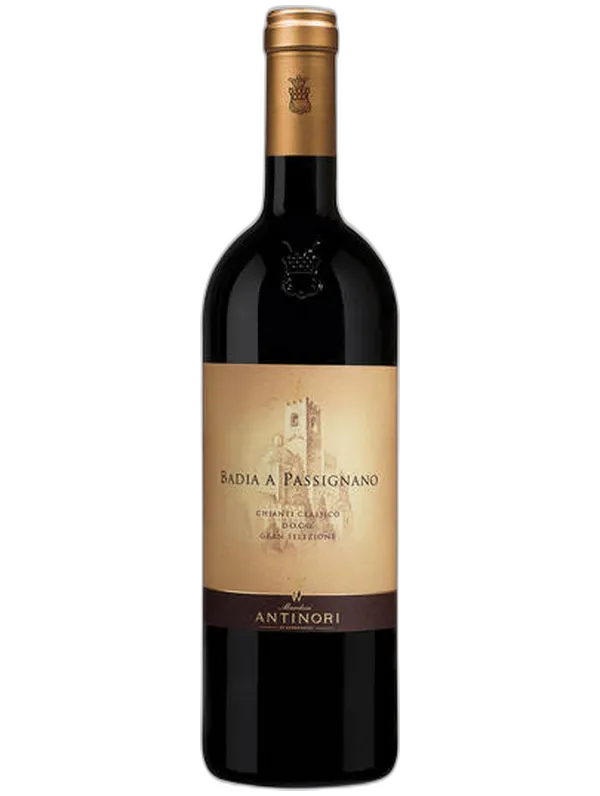
Antinori Badia a Passignano Chianti Classico Gran Selezione 2022
Antinori's single-vineyard Gran Selezione: 100% Sangiovese grown around the abbey of Passignano, aged in French and Hungarian oak. Firm, fine tannins and bright acidity frame ripe cherry, violet and leather. Built to cellar, made for red meat.
View Wine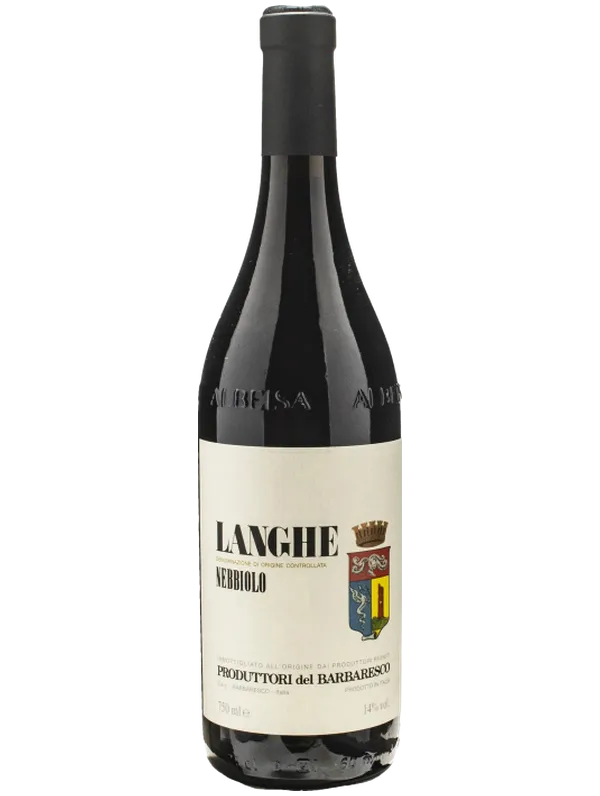
Produttori del Barbaresco Langhe Nebbiolo 2024
The Barbaresco co-op's entry Nebbiolo: Barbaresco-zone fruit fermented in concrete for a fresh, medium-bodied red of red cherry, dried rose, tar and white pepper. Firm acidity and gentle tannin make it a versatile Piedmont food wine near £20.
View Wine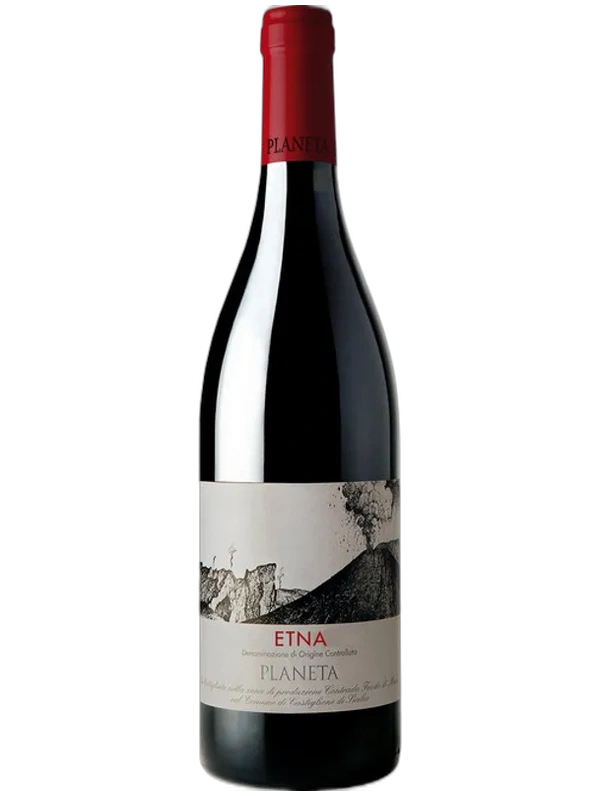
Etna Rosso Contrada Feudo di Mezzo 2024
Planeta's single-contrada Etna Rosso, grown at 610m on Feudo di Mezzo's black volcanic sand. Nerello Mascalese with 12% Nerello Cappuccio: sour cherry, wild strawberry and wild rose over a smoky, peppery frame, bright and finely tannic.
View Wine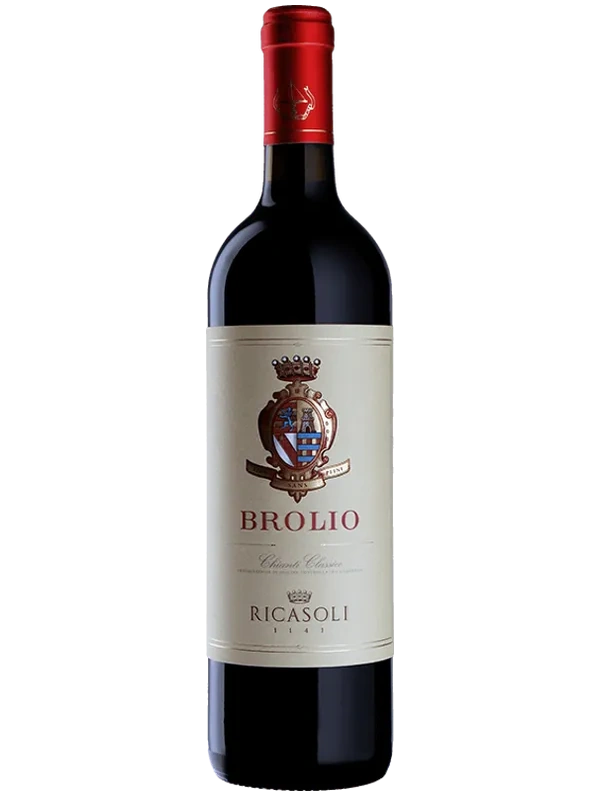
Barone Ricasoli Brolio Chianti Classico 2024
The everyday red from the Gaiole estate where Bettino Ricasoli wrote the first Chianti recipe in 1872. Sangiovese rested nine months in used oak, so the fruit leads. Sour cherry, violet and liquorice, firm but polite. Around £20 to £23.
View Wine
La Spinetta Barbaresco Bordini DOCG 2023
La Spinetta's single-vineyard Barbaresco from Bordini in Neive: 100% Nebbiolo off 40-year-old vines on calcareous marl, aged in used French oak. Fragrant raspberry and rose, fine silky tannins and elegance. Approachable from release across a decade.
View Wine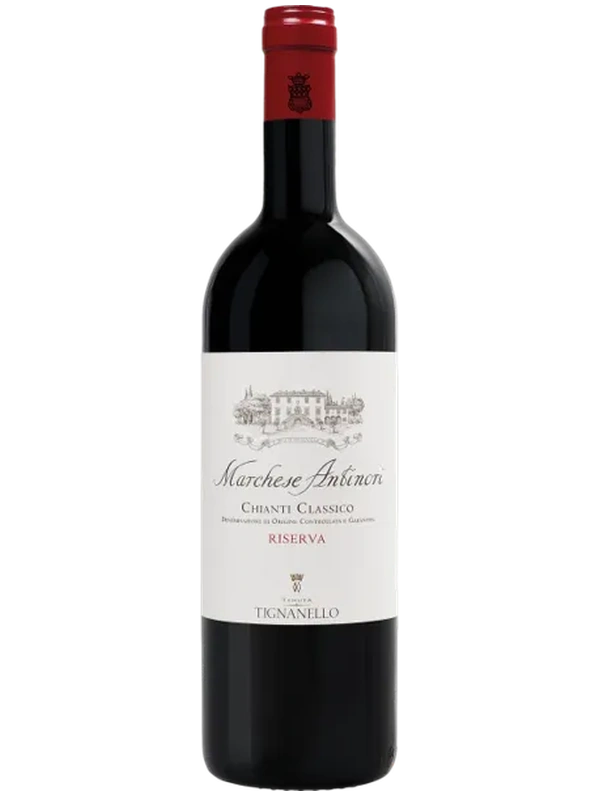
Marchese Antinori Chianti Classico Riserva Tenuta Tignanello 2023
Marchesi Antinori's historic Marchese Antinori Chianti Classico Riserva, sourced since 2011 entirely from the Tenuta Tignanello vineyard between the Greve and Pesa valleys. Mostly Sangiovese on alberese marl, aged in French and Hungarian oak.
View Wine
Prunotto Barbaresco 2023
Prunotto's Barbaresco is 100% Nebbiolo from Treiso and Neive, aged a year in large oak botti. Garnet and perfumed, it layers red cherry, leather, tobacco and violet over fine, firm tannins: an accessible, elegant Langhe classic at around £40.
View Wine
Azienda Agricola Girolamo Russo a Rina 2024
Giuseppe Russo's benchmark Etna Rosso, mostly Nerello Mascalese from old vines on Etna's north slope. Ruby and perfumed: red cherry, plum, leather and volcanic minerality, fresh acidity and fine tannins. A graceful, food-friendly Sicilian red.
View WineWhite wine with turkey, and bigger reds for goose and roast beef
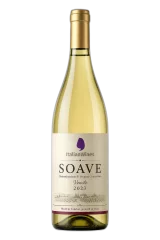
A white can be the better match for turkey when the sides are buttery and the gravy is light. Pick one with weight and freshness rather than oak. Soave Classico, made from Garganega grapes in the Veneto, has an almond and pear character that suits bread sauce. An Alto Adige Pinot Bianco is crisper and cleaner, and an unoaked Alto Adige Chardonnay is a safe third choice. Serve whites at 8 to 10°C, not fridge-cold, or you lose the flavour.
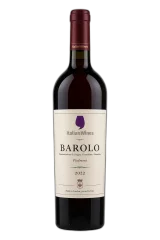
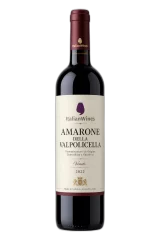
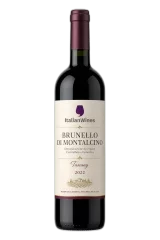
Goose is fattier and darker than turkey. Roast beef is darker still. Both carry the weight of Italy's biggest reds. Barolo, Nebbiolo from Piedmont, has the tannin and the perfume to stand up to rare beef. Brunello di Montalcino, Sangiovese from Tuscany, is deeper and more savoury than Chianti Classico. Amarone della Valpolicella, made from dried grapes (appassimento), is the richest of the three and the one for goose. Open any of them an hour before the meal, or decant it; our decanting guide shows how.
In Italy, Christmas Day is the meat day. For a meat lunch the sommelier Rudy Travagli suggests a Sangiovese di Romagna Superiore, then a second, more structured red: a Taurasi Riserva, an Aglianico from Campania. He serves the reds in a wide balloon glass (AGI, December 2025).
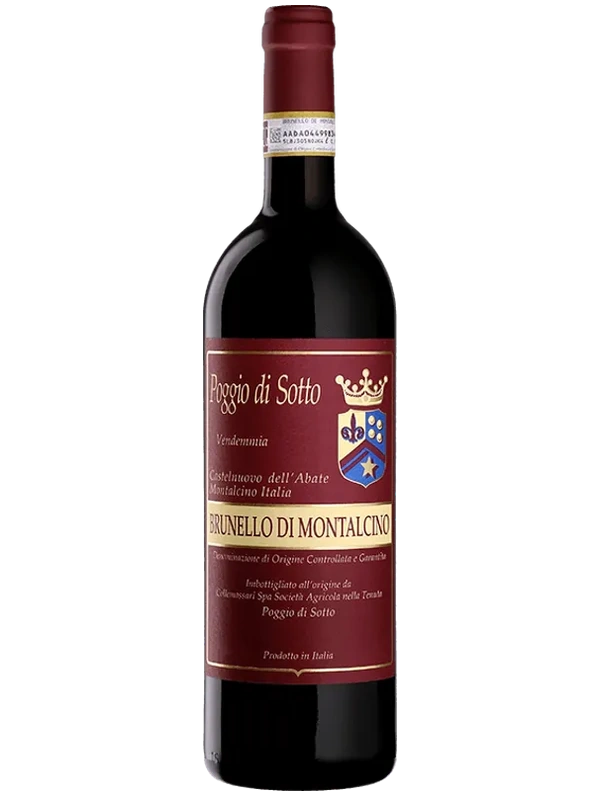
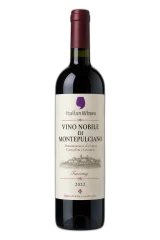
Poggio di Sotto Brunello di Montalcino 2021
Poggio di Sotto's Brunello is one of Castelnuovo dell'Abate's most revered Sangiovese, organic vines at 190 to 440 metres below Mount Amiata, aged in Slavonian-oak botti. Expect leather, violet and red cherry over fine, chalky tannins. A cellar wine
View Wine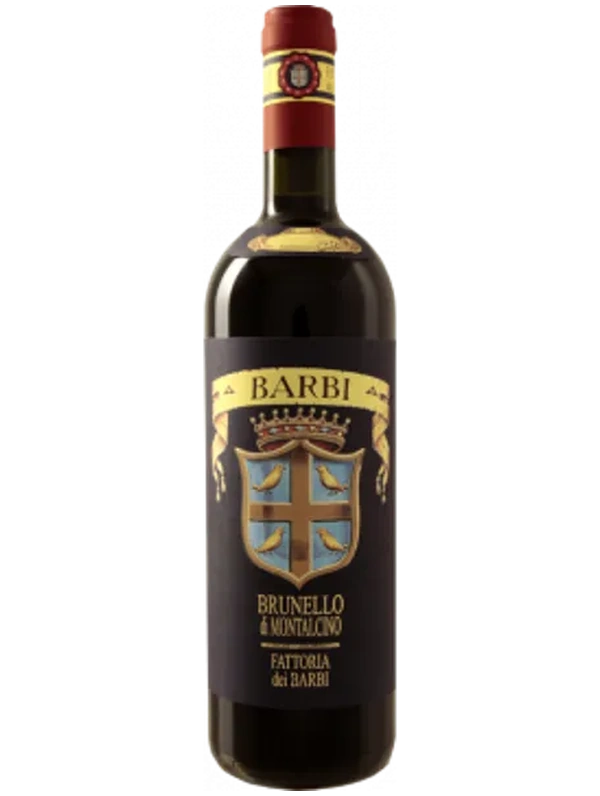
Brunello di Montalcino - Fattoria Dei Barbi 2021
Fattoria dei Barbi has bottled pure Sangiovese Brunello at Montalcino since the XVI century, grown on marl and alberese limestone at 300 to 500 metres. Two years in oak give a structured, savoury red of red berries, leather and spice. A classic Brune
View Wine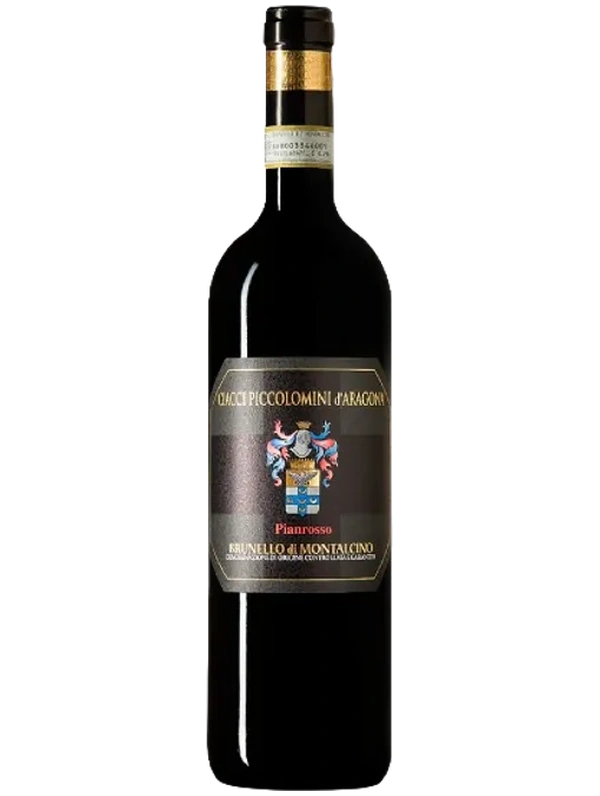
Ciacci Piccolomini Brunello di Montalcino Pianrosso 2021
Ciacci Piccolomini d'Aragona's single-vineyard Brunello, from the 11.69-hectare Pianrosso parcel on galestro and marl above the Orcia river. Three years in Slavonian botti build a ruby-to-garnet Sangiovese of forest-floor depth and Morello cherry.
View Wine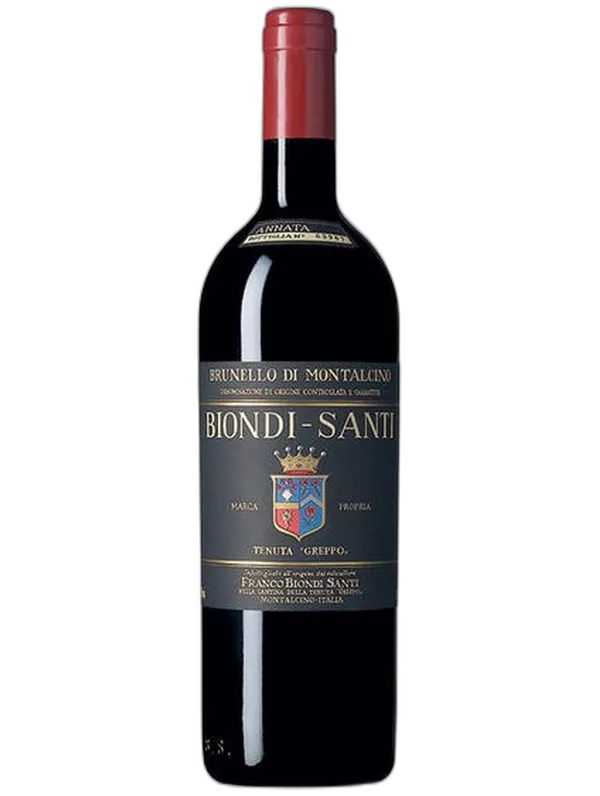
Biondi-Santi Brunello di Montalcino Riserva 2019
The wine that started Brunello. Biondi-Santi have declared a Riserva only about forty times since 1888, always from the oldest vines at Il Greppo. Firm, fresh, and built to last decades rather than years.
View Wine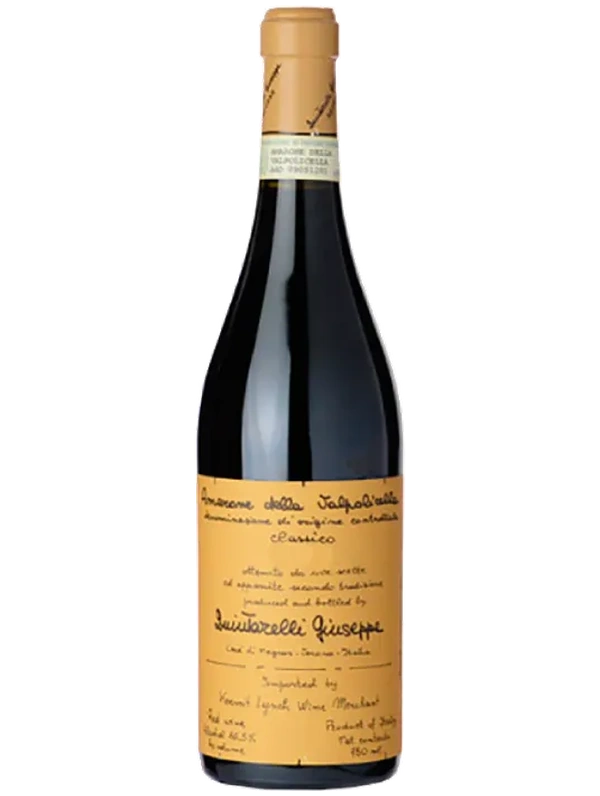
Quintarelli Amarone della Valpolicella 2018
Quintarelli's Amarone is Valpolicella's benchmark: Corvina and Corvinone dried for months, then six years in cask at Negrar. Dense dried fig, cocoa and licorice at 16.5%, built to age decades. A collector's red for braised game and aged cheese.
View Wine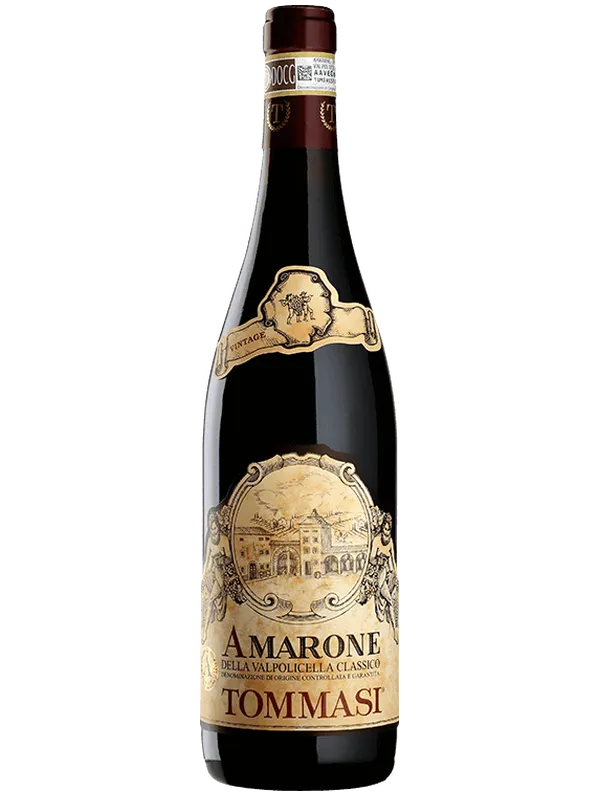
Tommasi Viticoltori Amarone della Valpolicella Classico 2021
Tommasi's flagship Amarone Classico: grapes dried three months, three years in Slavonian oak, 15%. Black cherry, prune and dark chocolate with silky tannin, and drinkers love it year after year. £55.25 in the UK for the 2021.
View Wine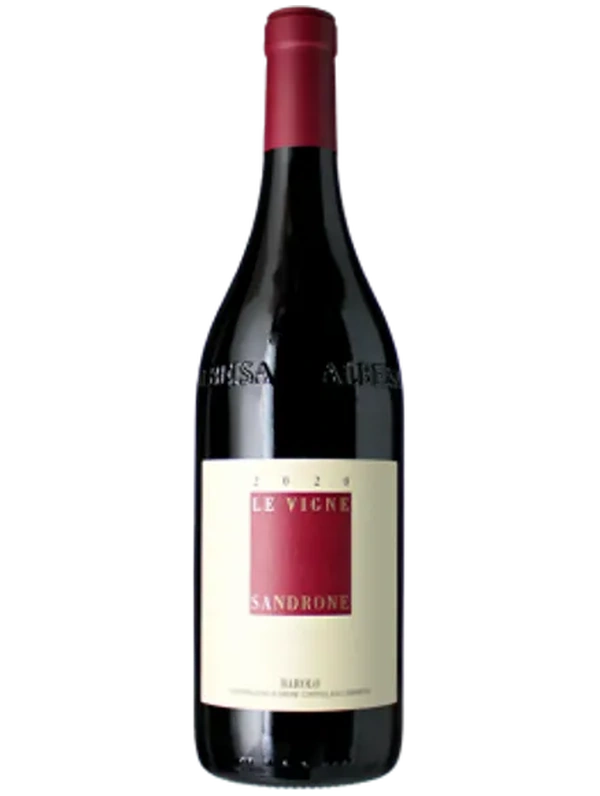
Barolo le Vigne - Sandrone 2022
Luciano Sandrone's Le Vigne blends Nebbiolo from five Barolo vineyards, Vignane, Merli, Baudana, Villero and Le Coste di Monforte, each made apart and joined only at the end. Tar, dried rose and black cherry over firm tannin. A Barolo to cellar.
View Wine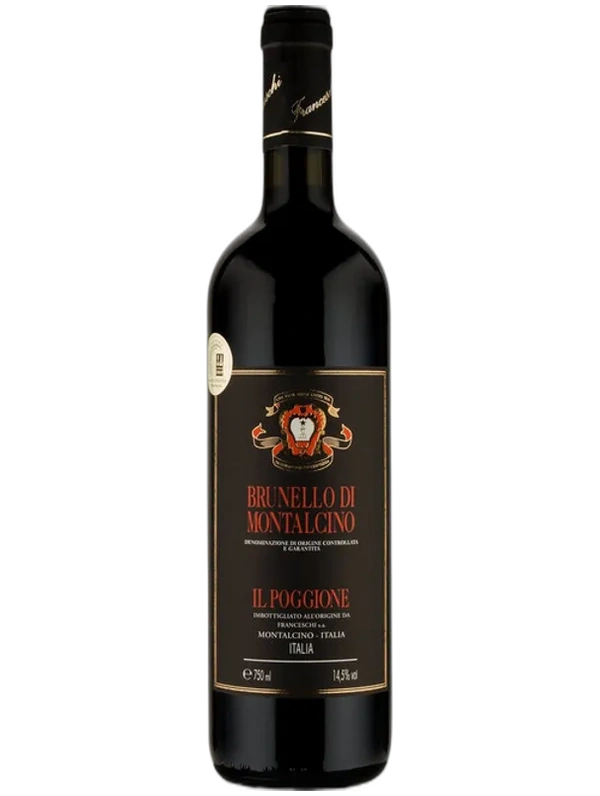
Il Poggione Brunello di Montalcino 2021
Brunello di Montalcino DOCG from Il Poggione, a founding member of the Brunello Consorzio. 100% Sangiovese from Sant'Angelo in Colle, fermented with indigenous yeasts and aged in large French oak botti. One of Montalcino's most consistent estates.
View Wine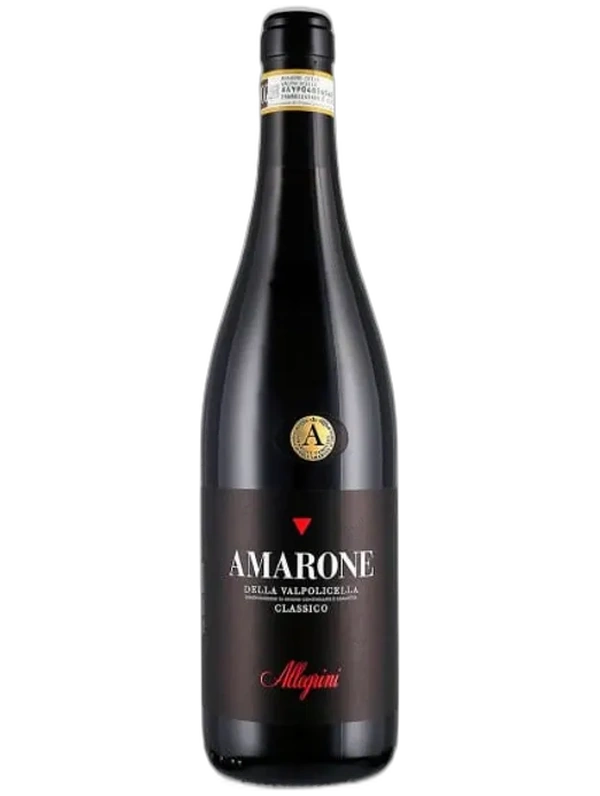
Allegrini Amarone della Valpolicella Classico 2021
Allegrini's benchmark Amarone, from Corvina dried three to four months until it sheds nearly half its weight. Concentrated black cherry, fig and cocoa, 16% alcohol kept dry and savoury, aged in new barriques. For braised meat, game and aged cheese.
View Wine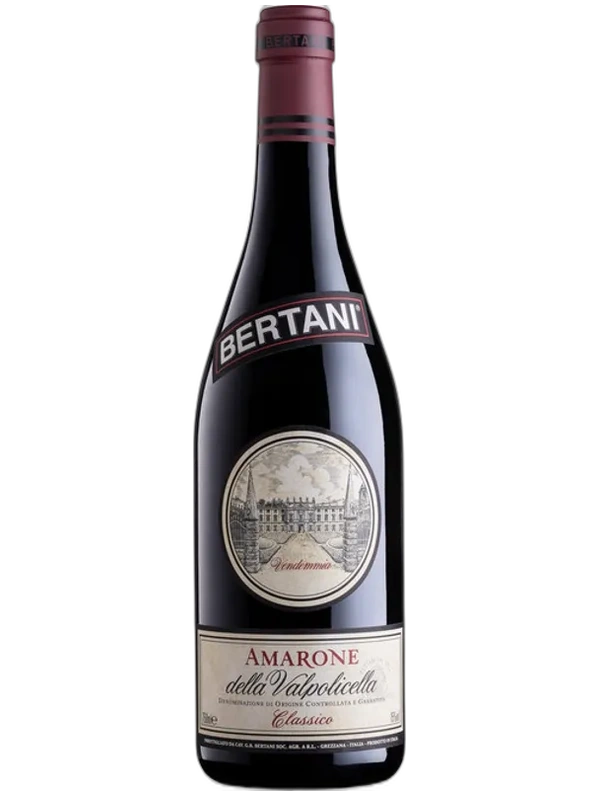
Amarone Classico DOCG 2016
Bertani's benchmark Amarone from the Tenuta Novare estate at Arbizzano di Negrar: 80% Corvina Veronese and 20% Rondinella, dried on lofts then held seven years in large Slavonian oak. Garnet-edged, dry and savoury, with plum, tea leaf and liquorice.
View WineStilton, Christmas pudding and panettone: the sweet wines Italy does best
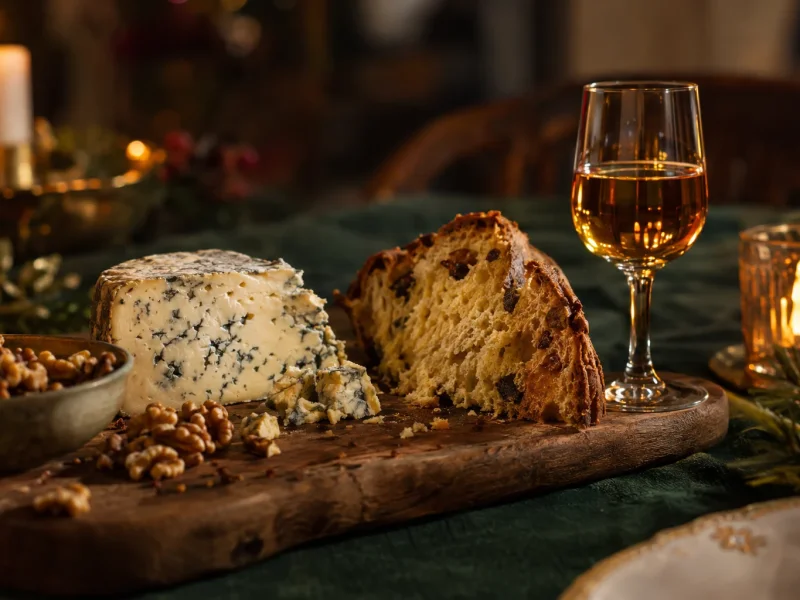
Stilton and Port is the British habit. Italy has three answers, all just as good. Marsala, from western Sicily, has the nutty, caramel depth that blue cheese loves; pick a Superiore in the semi-dry or sweet style. Recioto della Valpolicella, the sweet cousin of Amarone, gives you the Port-like red route; our guide to Italian sweet red wines covers it. Vin Santo, Tuscany's amber dessert wine, works with Stilton and with the mince pies.
Christmas pudding is dense, boozy and full of dried fruit. It needs a wine sweeter than itself. Passito di Pantelleria, from sun-dried Zibibbo grapes (a passito), matches the raisins and the brandy. Moscato d'Asti is the lighter route: gently sparkling, low in alcohol and tasting of grapes and orange blossom. Serve both at 8 to 10°C. Our guide to Italian dessert wines goes through the whole family.
Panettone is lighter than pudding and the match is easy. Stefano Carboni, who studies food habits at Rome's Tor Vergata university, advises a sparkling Moscato d'Asti with panettone rather than a dry fizz. Dry bubbles with panettone are the mistake he says most of us make (AGI), and they taste sour next to something sweet. Our British cheese pairings and British puddings pages list more matches, dish by dish.
How many bottles, what to chill and what to open on Boxing Day
A 75cl bottle pours six glasses. For eight people over a long lunch, plan on three bottles of fizz and four bottles of red or white for the main course. Add one sweet bottle for the table. The Italian guide in AGI suggests two bottles of each wine and at least four different wines for ten guests, which comes to much the same thing.
Chill the fizz and the sweet wines overnight. Take the whites out of the fridge twenty minutes before you pour. Keep the reds somewhere cool, not next to the oven, and open the big ones an hour early. Our serving guide covers temperatures and glasses. Sparkling wine goes flat within a day or two even with a stopper, so open the second bottle only when the first is finished.
Boxing Day is leftovers, and leftovers want lighter, cooler wines:
- Cold turkey and ham sandwiches: Lambrusco di Sorbara, a dry, pale, fizzy red from Emilia-Romagna, served chilled.
- Bubble and squeak and the last pigs in blankets: Chianti or Valpolicella, the lighter versions of the Christmas Day reds.
- Cheese and the end of the pudding: the sweet wine you opened on the day. Marsala keeps for weeks in the fridge; Moscato d'Asti wants finishing within two days.
- A cold evening on the sofa: a Schiava from Alto Adige, a light red that is happy slightly chilled.
Taking a bottle to someone else's Christmas? Our guide to the best Italian wines to give goes beyond Prosecco.
Frequently asked questions
Either works, and the sides decide. With sage stuffing, cranberry sauce and a dark gravy, choose a red with soft tannins such as Chianti Classico or Etna Rosso. With buttery vegetables, bread sauce and a light gravy, a white with some weight, such as Soave Classico, is the better glass. Avoid oaky whites and hard, tannic reds: both fight the cranberry.
A glazed ham is sweet and salty, so the wine needs a touch of sweetness or fruit of its own. Chilled Lambrusco di Sorbara is the Italian classic with ham and salami. A Prosecco labelled extra dry, which is slightly sweeter than brut, also works. For a still red, try a Dolcetto from Piedmont: soft, fruity and low in acidity, made to drink young.
You can, and nobody will complain, but it is at its best with the canapés and the smoked salmon. Next to turkey and gravy a light Prosecco tastes thin. Switch to a Franciacorta rosé if you want to stay with bubbles, or to a red. Come back to fizz with the pudding, this time a sweet Moscato d'Asti.
Stilton wants sweetness and some weight. Marsala Superiore is the Italian match: nutty, warm and long. Recioto della Valpolicella gives you a sweet red with the same depth as Port, and Vin Santo from Tuscany adds dried fig and almond. Pour small glasses. Serve the Marsala and Vin Santo cool, at 8 to 10°C, and the Recioto a little warmer. Keep the cheese out of the fridge for an hour first.
Yes, if the bottle is young. A Barolo under ten years old opens up with an hour in a decanter. Amarone needs thirty minutes. An older bottle has sediment, so stand it upright the night before and pour it gently. If you do not own a decanter, a clean jug does the same job: pour the wine back into the rinsed bottle to serve it. Our decanting guide walks through it step by step.
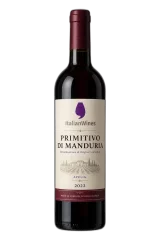
For fizz, Prosecco DOC. For a crowd-pleasing red, Chianti without the Classico, Valpolicella or Primitivo di Manduria for people who like them soft and ripe. For white, Vermentino di Sardegna is fresh and easy. All of them come from well-known names at supermarket prices, and all of them taste better at the right temperature.