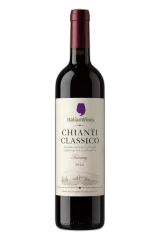








Chianti and Chianti Riserva: Unveiling the Mystery of Two Iconic Italian Wines

TL;DR
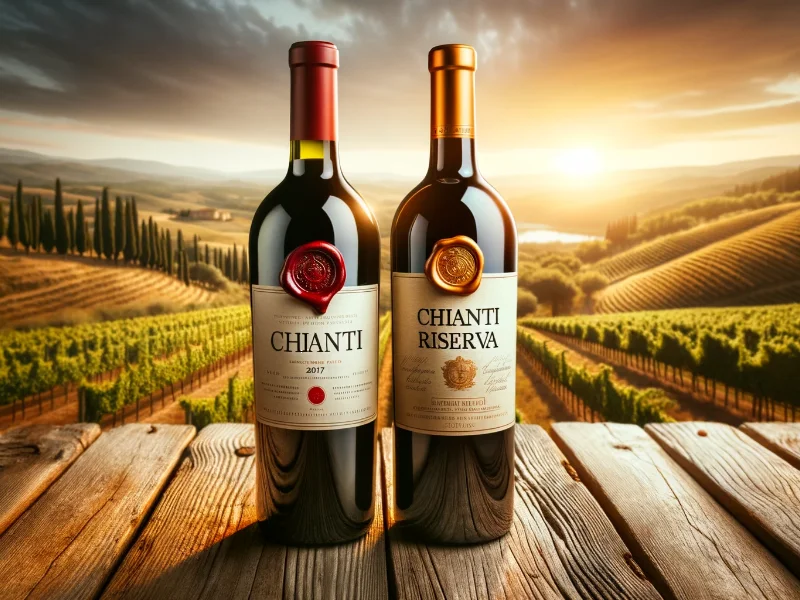
- Chianti and Chianti Riserva are not interchangeable labels: Riserva signals longer ageing and a firmer, more savoury style.
- For UK buyers, choose regular Chianti for tomato pasta and casual meals, then move to Riserva for roast meats and slower dinners.
- Chianti Classico sits at the more serious end, while Riserva adds depth, spice and grip when Sangiovese needs more time in glass.
Grape Composition
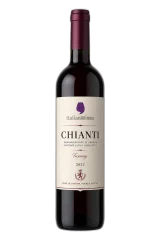
At the heart of both Chianti and Chianti Riserva lies the Sangiovese grape, Italy's most planted variety and Tuscany's pride. However, how this grape is used can significantly impact the final wine.
| Chianti | Chianti Riserva |
|---|---|
| At least 70% Sangiovese | Often nearly 100% Sangiovese |
| May include other red or white grapes | Rarely includes other grapes |
| More approachable due to blended varieties | More complex due to focus on Sangiovese |
In a standard Chianti, you'll find a blend that includes at least 70% Sangiovese, often complemented by other grape varieties like Canaiolo or even some white grapes. These additional grapes can soften Sangiovese's naturally high acidity and tannins, creating a more approachable wine that pairs well with a broad range of foods - from your favourite pasta to a classic British roast dinner.
In contrast, Chianti Riserva often showcases the Sangiovese grape in its most unadulterated form. Many producers opt for a blend that is almost, if not entirely, 100% Sangiovese to bring out the grape's full range of complex flavours and robust tannic structure. This selectivity in grape composition is part of what gives Chianti Riserva its deeper, more complex profile, perfect for those special occasions when only the best will do.
Aging
Think of Chianti as akin to a fresh-baked scone, ready to be enjoyed almost immediately. It typically needs just 4 to 7 months of aging, depending on the specific sub-region from which it hails. This brief maturation period often occurs in stainless steel tanks, making for a wine that's fresh, fruit-forward, and best consumed while young.
| Chianti | Chianti Riserva |
|---|---|
| 4 to 7 months of aging | At least 24 months of aging |
| Usually in stainless steel tanks | Often in oak barrels |
| Best consumed while young | Benefits from further bottle aging |
Chianti Riserva, on the other hand, is more like a fine Stilton cheese that has been aged to perfection; it requires patience but rewards you richly. The law mandates at least 24 months of aging, often in oak barrels that impart additional complexity and character. Further, it needs at least three more months in the bottle before it's deemed ready for your table. This extended aging process not only deepens the flavors but also tends to concentrate the alcohol, making it a wine that not only tastes more luxurious but packs a bit more of a punch.
These aging differences mean that Chianti is your go-to for a casual dinner, while Chianti Riserva is the one you save for special occasions or even as a future investment. It's not just a question of time but of intention, craftsmanship, and ultimately, the experience you're seeking.
Complexity and Flavor Profile
If you've ever found yourself savouring the layered flavours in a single malt Scotch, then you'll appreciate the depth and complexity Chianti Riserva has to offer. While standard Chianti wines are generally lighter, more fruit-forward, and easily approachable - much like a classic Pimm's on a summer day - Chianti Riserva invites you to a more introspective experience.
| Chianti | Chianti Riserva |
|---|---|
| Lighter, fruit-forward | Dark fruits, spice, sometimes leather or tobacco |
| Easier to pair with a variety of foods | Best suited for special occasions and hearty meals |
| More casual drinking experience | More contemplative, richer experience |
This wine usually boasts a more complex palate, with layers of dark fruit, spice, and sometimes even notes of leather or tobacco. The tannins are more pronounced, giving the wine structure and a longer finish.
Chianti Riserva is a wine that invites contemplation. It's not just a drink; it's a journey through a landscape of flavours, enriched by the aging process and the higher quality of grapes used in its production. It's the wine you might choose for a more special occasion, where the meal and the company demand something that brings its own character to the table.
Price
While you might be content picking up an affordable bottle of Chianti for your Friday night takeaway, you'd likely reserve the Chianti Riserva for a special Sunday roast or an intimate dinner party. The price difference between these two wines is not just a matter of branding but reflects the time, resources, and quality of grapes that go into each bottle.
| Chianti | Chianti Riserva |
|---|---|
| Budget-friendly | More expensive |
| Less labor-intensive | Longer aging and higher-quality grapes drive up cost |
| Commonly found on special offer | Considered a worthwhile investment |
Standard Chianti wines, being less labor-intensive and produced in higher quantities, are often a more budget-friendly option. They're the kind of wine you can find in any supermarket, perhaps even on special offer, making them a popular choice for both the casual drinker and the cost-conscious connoisseur.
Chianti Riserva, however, requires a longer aging process and often uses a more selective blend of higher-quality grapes. These factors, combined with the smaller production quantities, inevitably drive up the price. While certainly a more expensive option, the extra cost is generally reflected in the wine's complexity and aging potential, making it a worthy investment for those special occasions or even for laying down in your cellar.
So, whether you're looking for a wine to accompany a cosy night in or something to elevate a more significant event, understanding the differences in price between Chianti and Chianti Riserva can help you make an informed choice that suits both your palate and your wallet.
Alcohol Content
When it comes to alcohol content, think of Chianti as your friendly neighbourhood pub ale - relatively moderate and easy to enjoy throughout an evening. Standard Chianti generally clocks in around 12-13% alcohol by volume (ABV). This moderate level makes it a versatile companion for a variety of foods, whether you're opting for a classic Italian pasta or some British fish and chips.
| Chianti | Chianti Riserva |
|---|---|
| 12-13% ABV | 13-14% ABV |
| Versatile for food pairing | Suited for heartier dishes |
| Easier for a longer session | Easier for a longer session |
Chianti Riserva, on the other hand, is more akin to a robust porter or stout - packed with complex flavours and a higher alcohol content to match. Thanks to the longer aging process, which can concentrate the flavours and, in turn, the alcohol, Riserva wines often edge closer to a 13-14% ABV. This increased potency adds to the wine's complexity, making it a richer experience overall and well-suited for more hearty dishes or a thoughtful evening of sipping and savouring.
The variation in alcohol content between Chianti and Chianti Riserva can subtly affect the dining experience, not just in terms of food pairing but also in how the evening unfolds. Whether you're looking for something lighter and more sessionable or a wine that stands up to richer fare and deeper conversation, the ABV can be a helpful guide.
Discover Your Perfect Pour: A Curated Selection of Chianti and Chianti Riserva
Everyday Elegance: Our Chianti Picks

Frescobaldi Castiglioni Chianti 2025
Marchesi de' Frescobaldi's Chianti DOCG from the historic Tenuta Castiglioni estate. Sangiovese with a little Merlot, steel-aged and bright: cherry, strawberry, violet, soft tannin, fresh acidity. A versatile Tuscan red for pasta and roast meats.
View Wine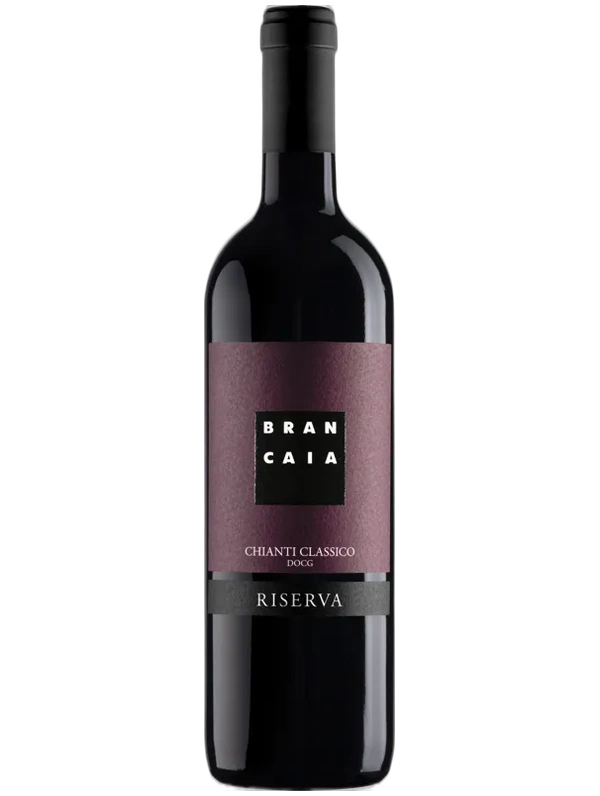
Casa Brancaia Chianti Classico Riserva 2022
Brancaia's Riserva blends 80% Sangiovese with 20% Merlot from Castellina and Radda in Chianti, aged 16 months in tonneaux and barriques. Cherry, leather and tar sit over sweet, ripe tannins: a structured Chianti Classico DOCG built to age.
View Wine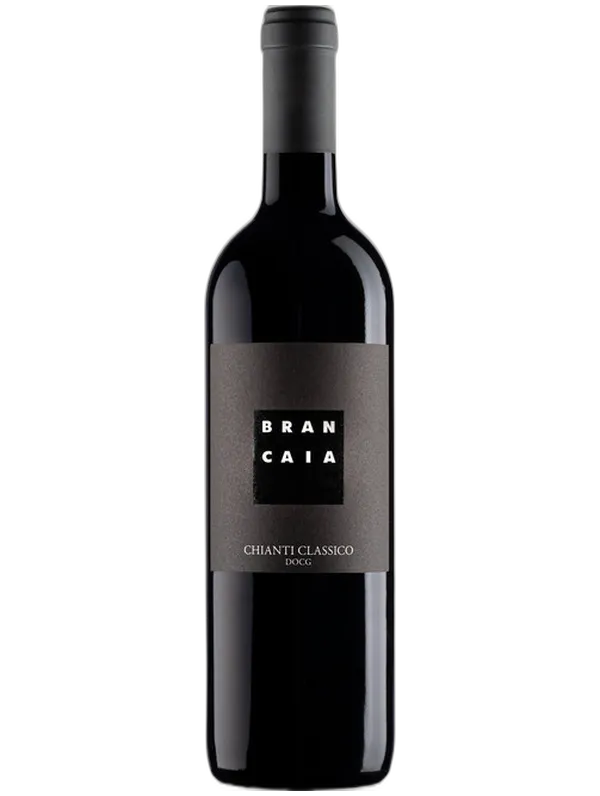
Casa Brancaia Chianti Classico 2024
Brancaia's single-variety Sangiovese from Castellina and Radda in Chianti, aged 12 months in steel and concrete with no oak. Bright cherry and violet, fresh acidity and supple tannin make this organic Chianti Classico a fine everyday Tuscan red.
View Wine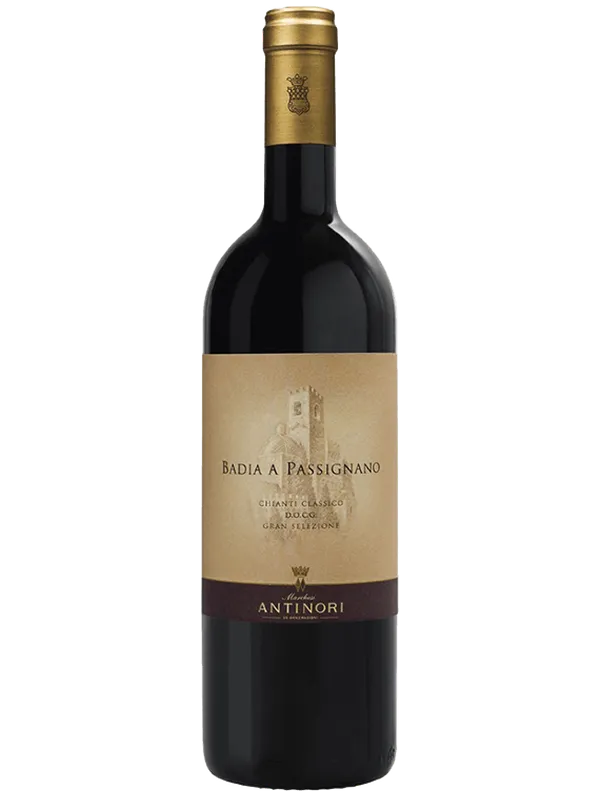
Antinori Badia a Passignano Chianti Classico Gran Selezione 2022
Antinori's single-vineyard Gran Selezione: 100% Sangiovese grown around the abbey of Passignano, aged in French and Hungarian oak. Firm, fine tannins and bright acidity frame ripe cherry, violet and leather. Built to cellar, made for red meat.
View Wine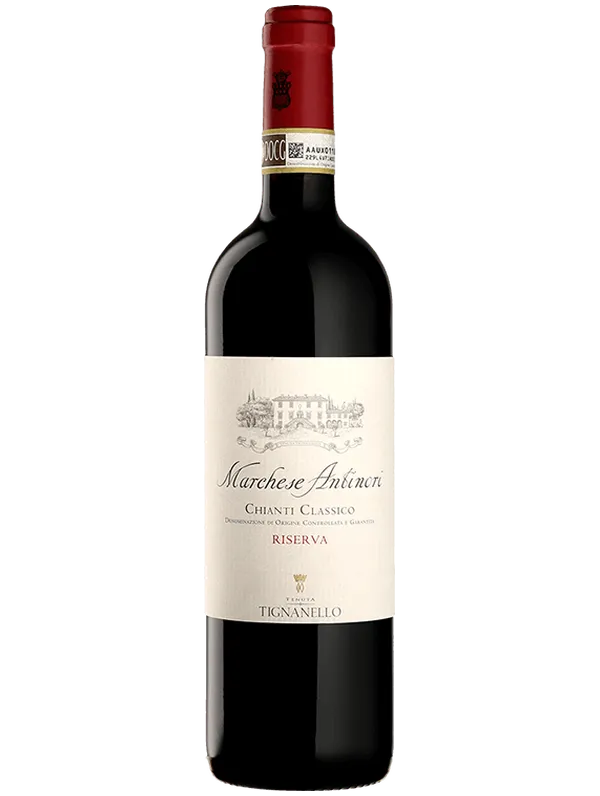
Marchese Antinori Chianti Classico Riserva Tenuta Tignanello 2023
Marchesi Antinori's historic Marchese Antinori Chianti Classico Riserva, sourced since 2011 entirely from the Tenuta Tignanello vineyard between the Greve and Pesa valleys. Mostly Sangiovese on alberese marl, aged in French and Hungarian oak barrique
View Wine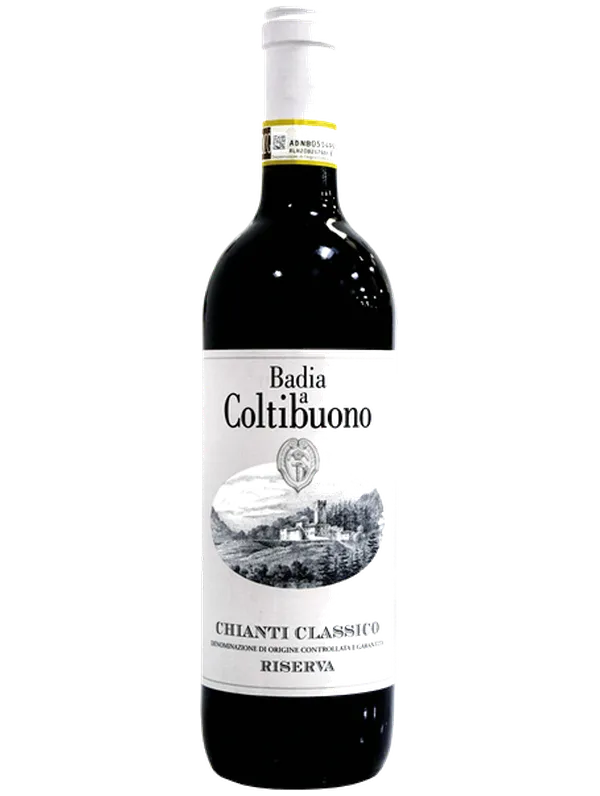
Badia a Coltibuono Chianti Classico Riserva 2021
Badia a Coltibuono's organic Chianti Classico Riserva: 90% Sangiovese aged about 24 months in large French and Austrian oak botti. Ruby red, with violet, brandied cherry, liquorice and balsamic depth over firm acidity and a long, savoury finish.
View Wine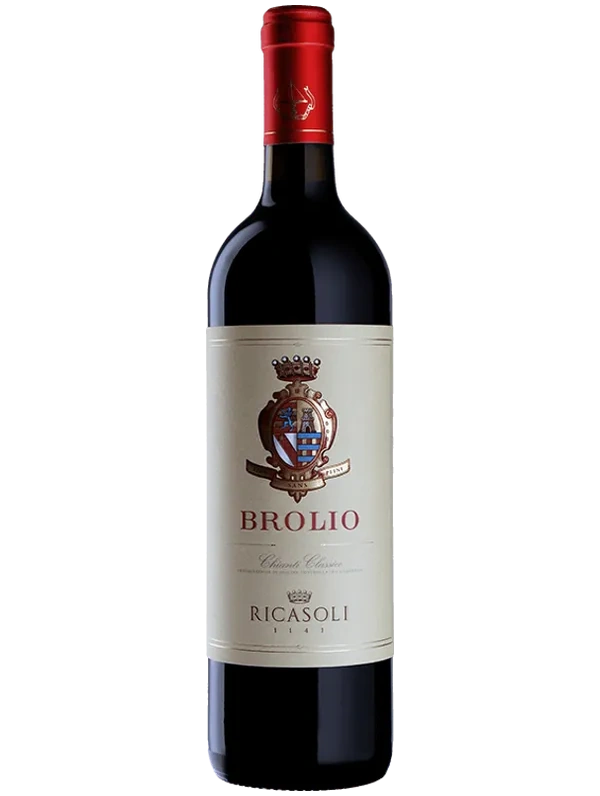
Barone Ricasoli Brolio Chianti Classico 2024
The everyday red from the Gaiole estate where Bettino Ricasoli wrote the first Chianti recipe in 1872. Sangiovese rested nine months in used oak, so the fruit leads. Sour cherry, violet and liquorice, firm but polite. Around £20 to £23.
View Wine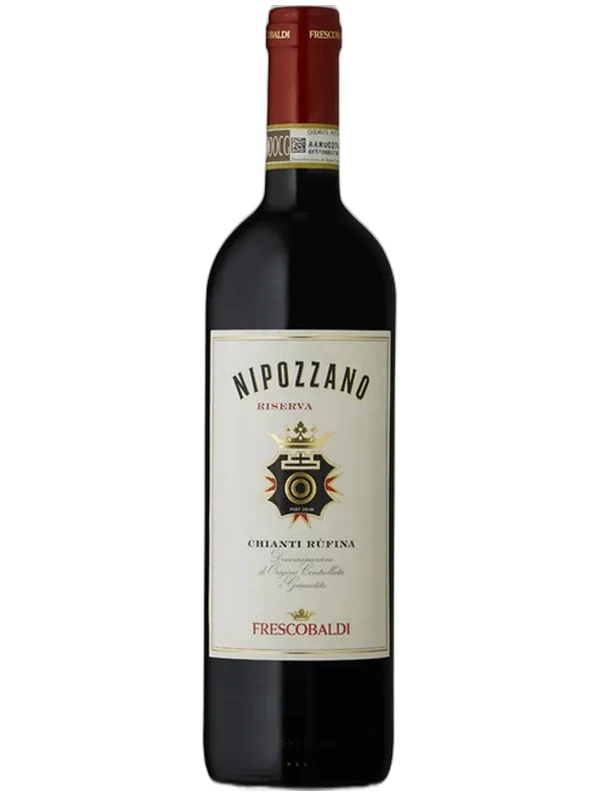
Frescobaldi Montesodi Chianti Rufina Riserva 2022
Frescobaldi's single-vineyard Sangiovese from a 400m schist plot on the Castello Nipozzano estate, named Chianti Rufina's first cru in 1974. Aged in 30hl French and Austrian oak botti, it pairs cherry and violet with leather, tobacco and silky tannin
View Wine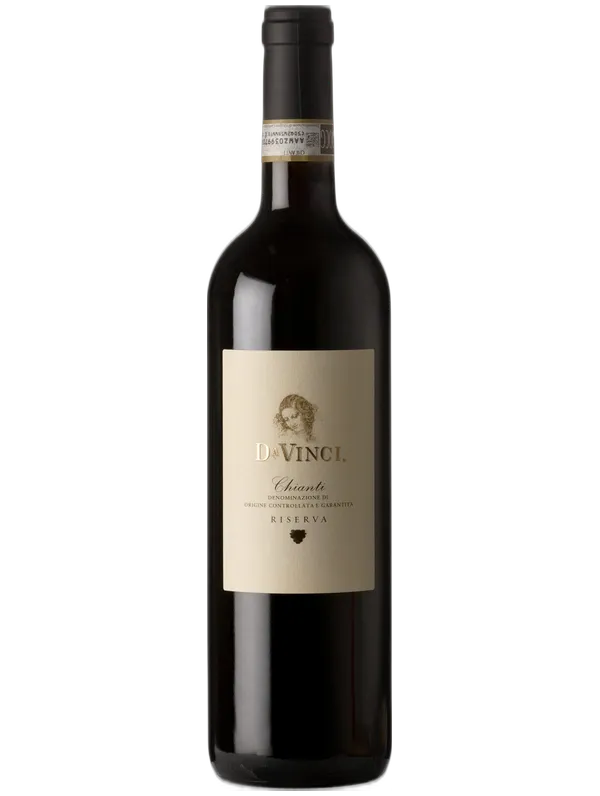
Da Vinci Chianti Riserva 2021
Sangiovese Chianti Riserva DOCG from the hills around Vinci, made by the Leonardo da Vinci co-op. Over two years in French and American oak give dark cherry, vanilla and cinnamon over soft tannins and a long, mineral finish. Easy, well priced, 13%.
View Wine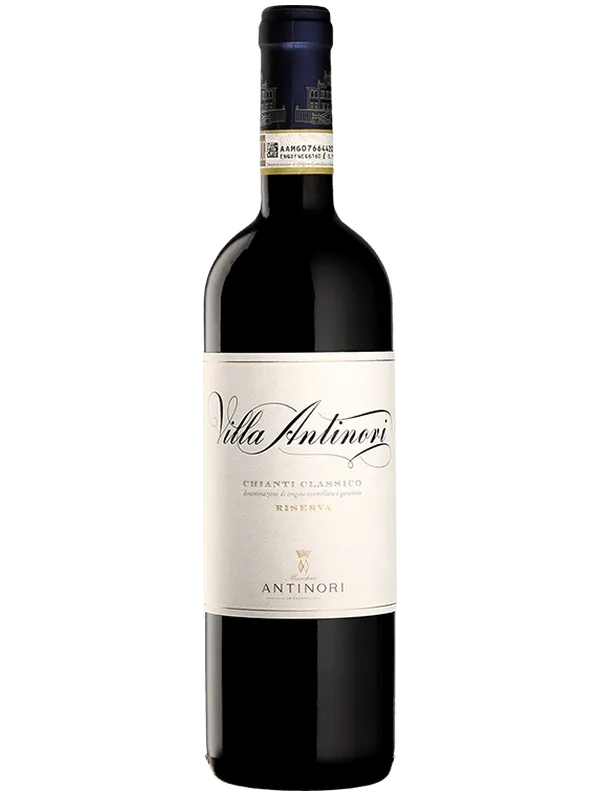
Villa Antinori Chianti Classico Riserva 2023
Antinori's Sangiovese-led Chianti Classico Riserva, made since 1928 and aged about 18 months in large oak and small barrels. Cherry, rose and liquorice, silky tannins, a long savoury finish. Around £24 to £34 from eight UK shops.
View WineElevate the Occasion: Featured Chianti Riserva Bottles
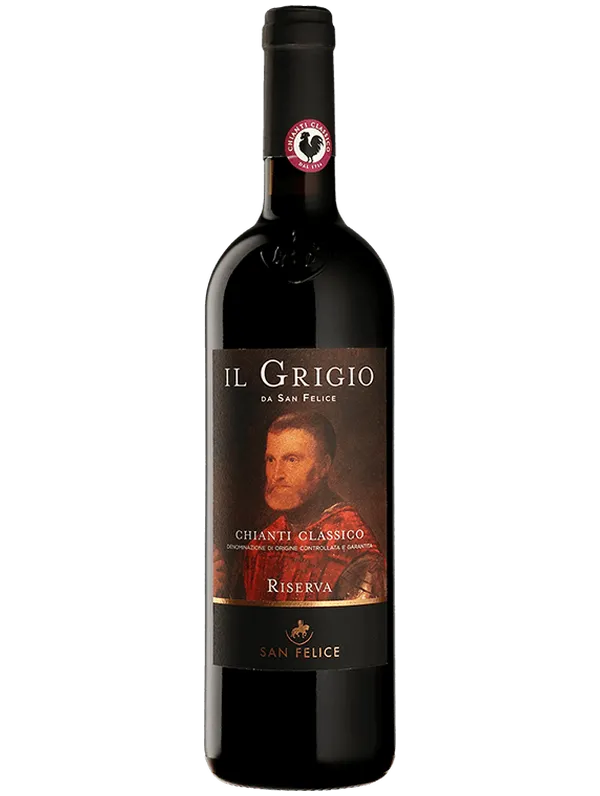
Il Grigio Riserva 2022
San Felice's benchmark Chianti Classico Riserva: estate Sangiovese from Castelnuovo Berardenga, aged in Slavonian botti and French barriques. Violet and cherry meet savoury tobacco and firm tannin, with the bright acidity Tuscan reds need at table.
View Wine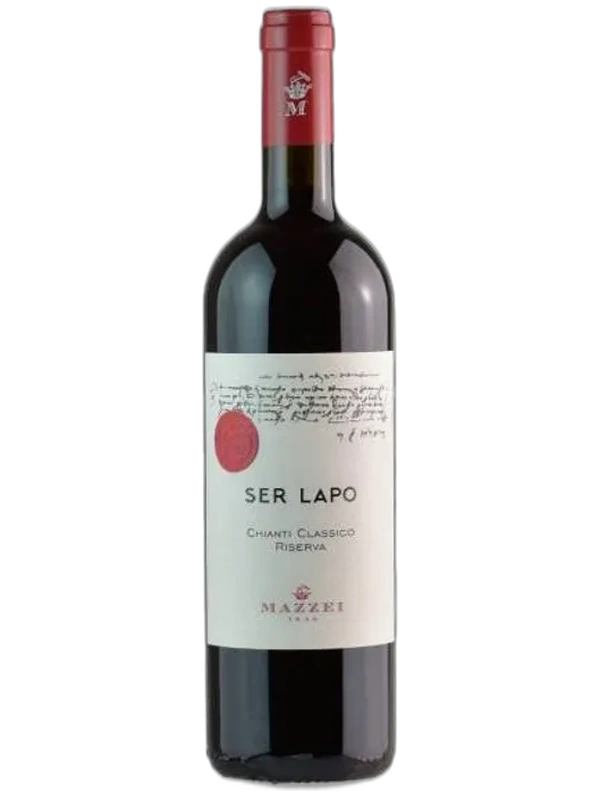
Castello di Fonterutoli Chianti Classico Riserva Ser Lapo 2023
Mazzei's benchmark Chianti Classico Riserva from Castello di Fonterutoli: 90% Sangiovese, 10% Merlot, aged 12 months in French oak. Cherry, violet and tobacco over firm Tuscan tannin and bright acidity, built for the table and the cellar.
View Wine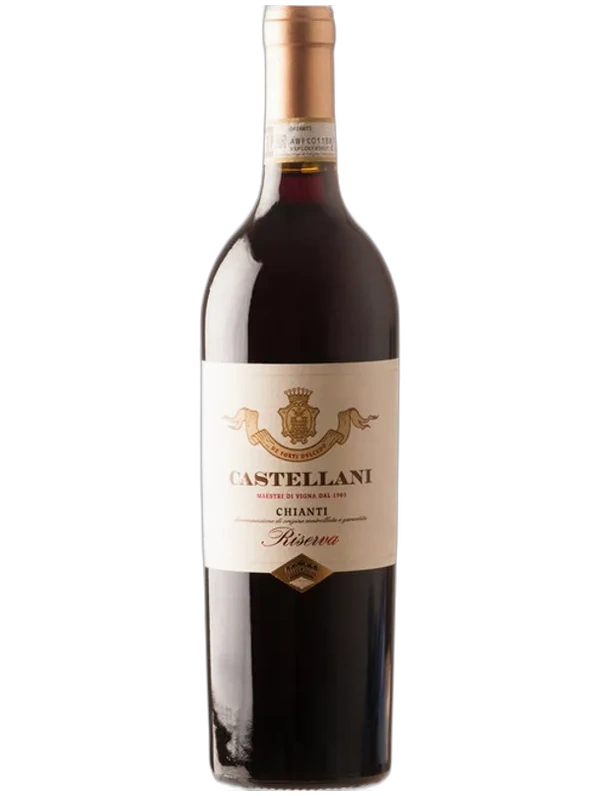
Chianti Riserva DOCG 2021
Castellani's St.Giorgio Chianti Riserva is an entry Tuscan Sangiovese aged at least 24 months. Ruby-to-garnet, with cherry and raspberry, an earthy, lightly oaked edge and gentle tannin. Vivino's 1,854 drinkers rate it 3.8.
View Wine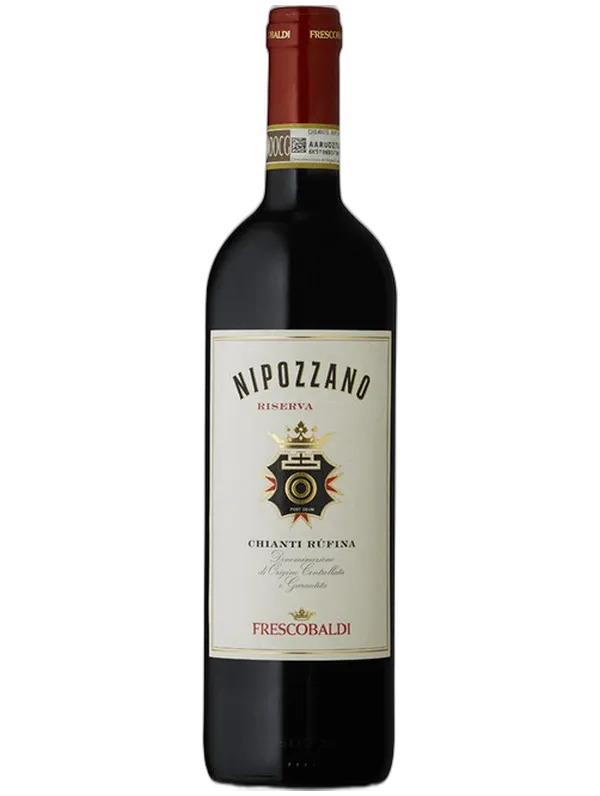
Frescobaldi Nipozzano Chianti Rufina Riserva 2023
View Wine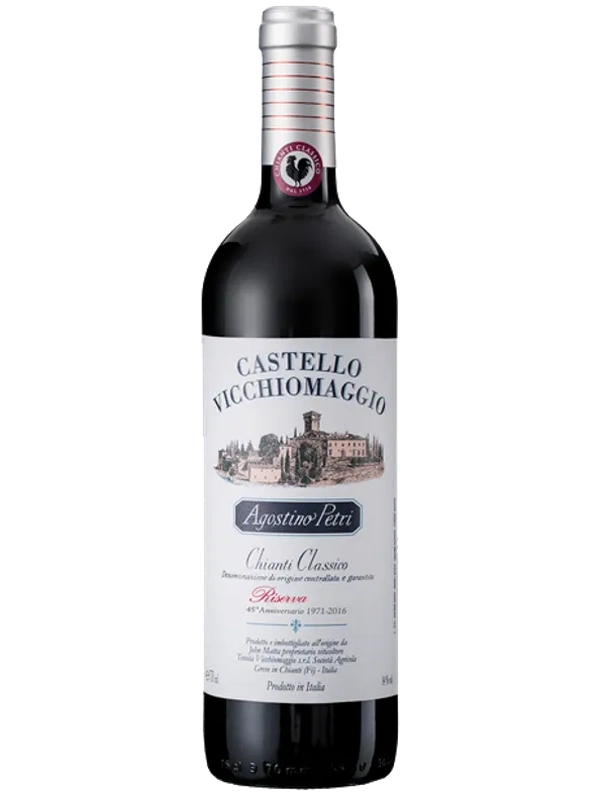
Castello Vicchiomaggio, Agostino Petri, Chianti Classico Riserva 2023
Castello Vicchiomaggio's single-vineyard Chianti Classico Riserva, Sangiovese with Cabernet Sauvignon off heavy clay above Greve. 18 months in barrique and large oak bring cherry, sweet spice and soft tannins. A great-value Tuscan red.
View Wine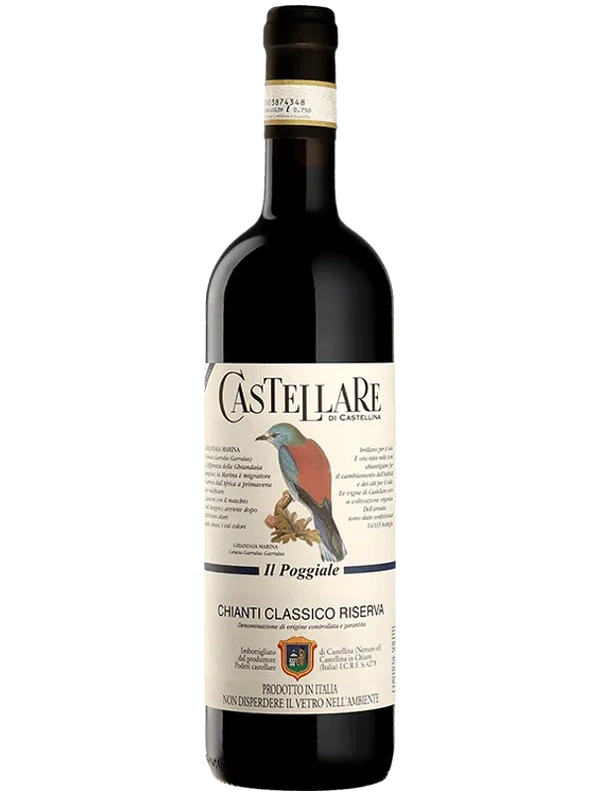
Castellare di Castellina Il Poggiale Chianti Classico Riserva 2022
View Wine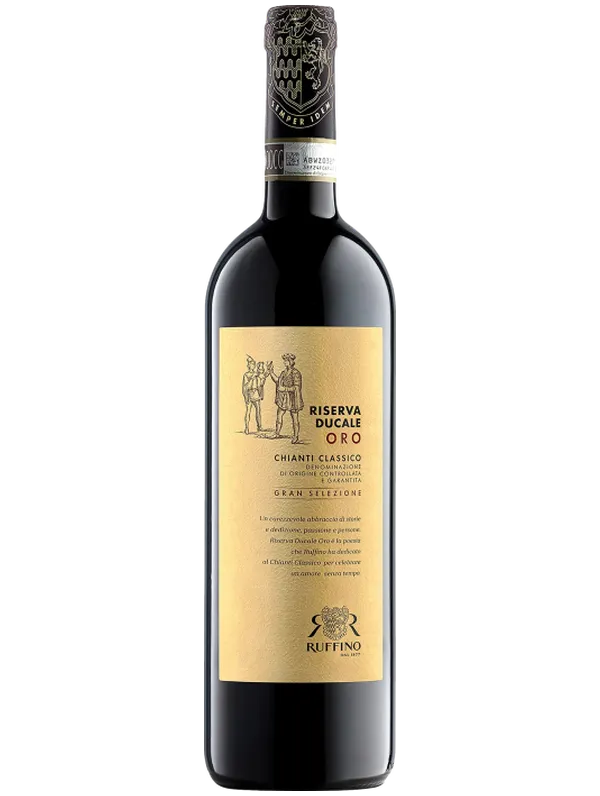
Ruffino Riserva Ducale Oro 2021
View Wine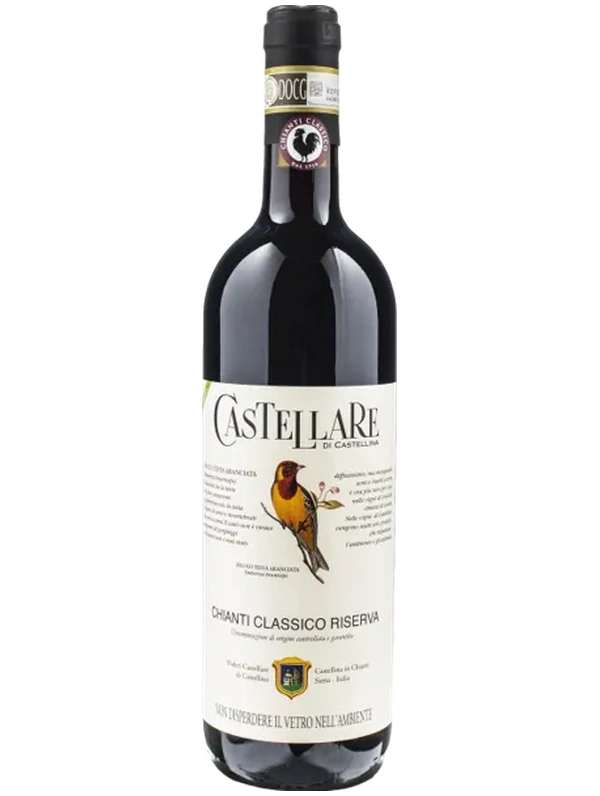
Castellare di Castellina Chianti Classico Riserva 2023
View Wine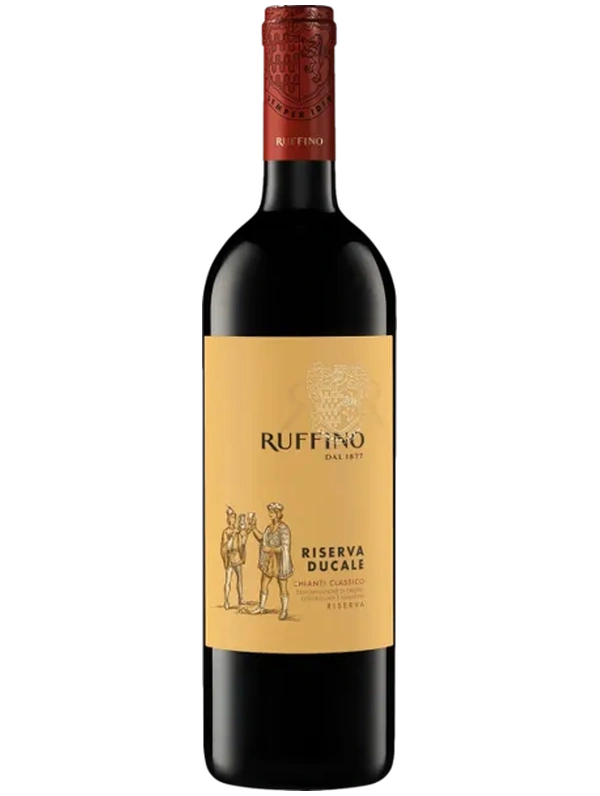
Ruffino Riserva Ducale Chianti Classico 2022
Ruffino's tan-label flagship since 1927: 80% Sangiovese with Cabernet and Merlot, matured in Slavonian oak and concrete. Violet, cherry and tobacco with vibrant acidity; the 2021 reached No. 17 in Wine Spectator's Top 100. From £22.93 in the UK.
View WineConclusion
From the bustling streets of London to the serene countryside, the British landscape offers a variety of experiences, much like the range between Chianti and Chianti Riserva. These two wines, though stemming from the same Tuscan soil and primarily composed of Sangiovese grapes, offer diverging experiences that cater to different moments and moods. Chianti serves as an accessible and versatile choice for your everyday culinary adventures, while Chianti Riserva stands as a grander, more complex offering - akin to a West End show that leaves a lasting impression.
Both wines have their place and purpose, and the joy comes in knowing when to opt for the freshness and immediacy of a standard Chianti or when to indulge in the layered sophistication of a Chianti Riserva. Whether it's a casual pub lunch or a lavish holiday feast, understanding these nuances ensures that you'll always have the perfect Italian companion for your British setting. Cheers!